On This Page· 5
You are standing at a crowded stall in the Old Quarter. The vendor is wrapping items for the person behind you, a loud fan buzzes overhead, and a voice shouts, “Last one, only last one.” Your flight check-in is in thirty minutes. The item looks appealing, but you suspect the price quoted is not what a local pays. This is the moment that separates travelers who leave with genuine gifts from those who feel they fell for a trick. The goal is simple: run a rapid 30-second scan to determine if the vendor is fair or if you are facing a common tourist trap. You do not need to buy a sample or argue. You just need to look at the stall, the people, and the product to decide whether to buy or walk away.
The 30-second red flag screen for souvenir market scams
Standing in front of a stall with no visible prices while staff counts change into your palm? Pause. Avoiding these souvenir market scams starts with recognizing that location often drives price, not quality. This is the “convenience markup”: shops near temples, palaces, or major landmarks charge a premium for their proximity to foot traffic, even if their goods are identical to those found three streets away. The item’s intrinsic value hasn’t changed; only the rent per square meter has.
Spot the missing price tag
The most reliable red flag is the absence of a printed price tag. When items lack a fixed, visible price, staff can quote a higher figure to you because they assume you are unfamiliar with the local rate. In contrast, a shop that clearly marks prices on every item respects the buyer’s ability to judge value independently. If you have to ask, “How much is this?” before you can even pick it up, treat the final number as a starting negotiation point, not a final price.
Recognize aggressive touting
Be wary of staff who pull you into the stall before you have decided to browse, or who physically block your path to prevent you from leaving. Another sign of a trap is “comparison pressure”: a staff member insists you check the next stall down to show you are getting the best deal, only to bring you back to their shop. These tactics are designed to create a sense of urgency and isolate you from your own judgment. A legitimate seller of authentic Vietnamese gifts will let you examine the product at your own pace without pressure to commit immediately. If the experience feels like a performance rather than a service, walk away. You have all the information you need to decide.
How to verify prices without losing your trip

Stepping away from a stall feels like a rejection, but it is the most effective way to prevent a costly mistake. Instead of relying on the vendor’s word for the final price, adopt a simple verification habit before you commit.
The two-stall rule
Do not buy the first item you see. Walk to a second stall or a local market a short distance away to check the price. This two-stall rule ensures you are paying for quality, not just for the convenience of being first in line. If the second price is significantly lower, you have just saved yourself from a souvenir market scam. If the prices match, you can return with confidence that the value is fair.
Quick phone checks
When a second stall is not immediately visible, use your phone as a backup. Search for the item online or look at recent travel forums to see if others have reported similar pricing. This quick check takes less than a minute and provides a realistic baseline for what that item should cost. It is a low-effort way to maintain control over your budget while still exploring the area.
Avoid vague math and pressure
Be wary of vendors who use vague bundle math where the total never adds up. If you cannot break down the cost of individual items, do not accept the bundle. Similarly, ignore “last one” pressure tactics designed to create artificial urgency. Genuine sellers do not need to rush you. If a vendor claims a specific authentic Vietnamese gift is the last one in stock, walk away and verify. You will find the same item elsewhere without the inflated price or the high-pressure sales environment.
Where locals shop for authentic Vietnamese gifts
The most reliable way to find authentic Vietnamese gifts is to step away from the main thoroughfares. Tourist hubs, such as temple gates and airport terminals, operate on a convenience markup model. Here, location dictates price, not quality. In contrast, local grocery stores and the quiet side streets of the Old Quarter offer a more honest retail environment. By shifting your search to these areas, you avoid the inflated prices of souvenir market scams and often find better quality for the same amount of money.
The difference in retail environment
Shopping where locals shop changes the dynamic of the transaction. In a neighborhood grocery store, staff do not need to pull you in with aggressive touting. They know the regulars, and the pricing reflects the actual cost of goods rather than a tourist premium. This shift allows you to focus on the item itself—its packaging, ingredients, and story—rather than negotiating over an artificially high starting price.
Practical tips for navigating local markets
When you enter a local market or a small specialty shop, use a few simple tactics to ensure you get a fair price:
- Look for fixed-price signs: In many local shops, especially those specializing in tea, coffee, or packaged sweets, items have clear price tags. If you see a fixed price, that is the price. You do not need to haggle, and you can trust the value you are getting.
- Ask for the “local price”: In open street markets where bargaining is expected, you can ask the vendor for the price they charge to locals. This is a polite and common way to bypass the initial tourist markup. If the vendor hesitates or gets aggressive, it is a signal to walk away.
By using these methods, you can buy gifts that carry the genuine character of the region. You are not just buying a trinket; you are supporting a local maker or a small business that takes pride in its craft. This approach turns your shopping trip into a more authentic part of your journey, ensuring the gifts you bring home tell a real story.
Telling handmade crafts from factory imports
A genuine piece from a local maker carries weight that a stamped import cannot replicate. When you hold a handmade craft in Vietnam, the value lies not just in the object, but in the human effort behind it. Recognizing the difference protects you from overpaying for mass-produced goods while ensuring you support the local economy.
Check the finish and materials
Run your fingers over the item. A handmade craft often has subtle, charming irregularities: a slightly uneven glaze on ceramic, a unique knot in wooden fiber, or a hand-painted line that varies in thickness. These “flaws” are signatures of human skill. In contrast, factory imports look unnaturally uniform. If every item on the shelf is identical down to the millimeter, or if the finish feels like plastic or thin resin, it is likely imported. Stamped items tend to have sharp, machine-cut edges, whereas handcrafted pieces often have softer, rounded corners from the tool’s natural movement.
Look for the maker’s label
Flip the item over. Genuine local pieces often display a maker’s name, a small studio label, or a hand-stamped signature. This is your strongest indicator of authenticity. If you only see a generic barcode with no country of origin or a vague “Made in…” label with no brand name, treat it with caution. A local maker takes pride in their work and usually wants to be recognized. Asking the seller for the name of the artisan or the village where the piece was made is a simple test. A knowledgeable local will be happy to share this detail; a tourist trap will often hesitate or deflect.
Support the story behind the gift
Buying from a local maker does more than give you a unique souvenir. It directs your money into the craft, supporting the livelihoods of artists and their communities. When you give a handmade craft to a friend or colleague, you are sharing a genuine story. It is a conversation piece that reflects your time in Vietnam and your intent to bring home something with soul, rather than a generic trinket found in a tourist zone. This personal connection transforms a simple purchase into a meaningful exchange, making your authentic Vietnamese gifts truly memorable.
Frequently asked questions on buying gifts in Vietnam
Navigating the nuances of gift shopping often comes down to understanding local norms and knowing what genuinely represents the country. These common questions cover the critical decisions travelers face when selecting a present for a colleague, family member, or business partner.
Is bargaining acceptable in Vietnamese markets?
Bargaining is not only acceptable but expected in open street markets. In these settings, staff typically start with a higher opening price, anticipating that you will negotiate. However, the dynamic changes entirely in malls, supermarkets, and specialized shops. These venues operate on fixed prices. Attempting to haggle in a modern retail space can be considered rude or confusing, so it is best to accept the posted price without discussion. Knowing which environment you are in helps you approach the interaction with the right tone.
What are the best local specialties for gifting?
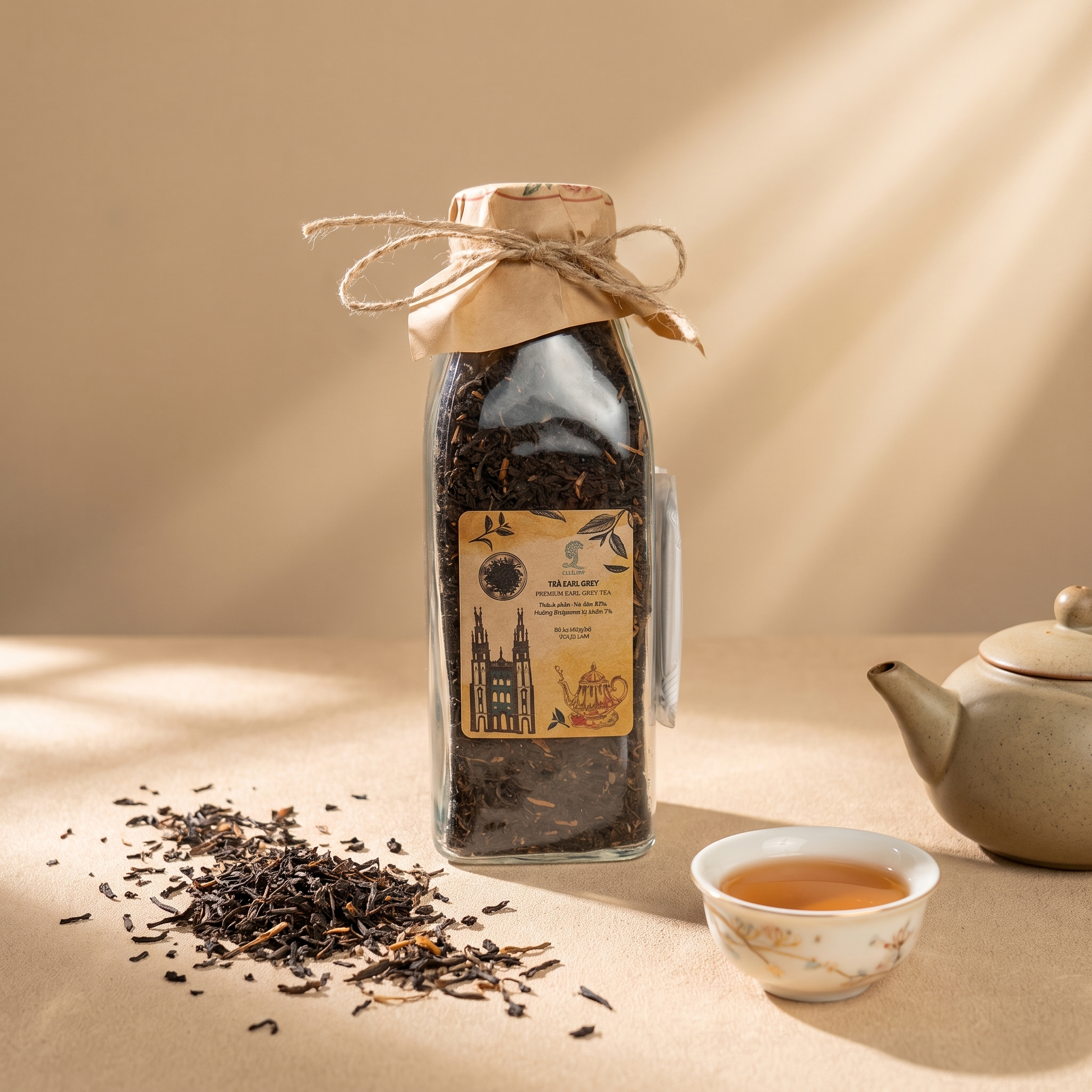
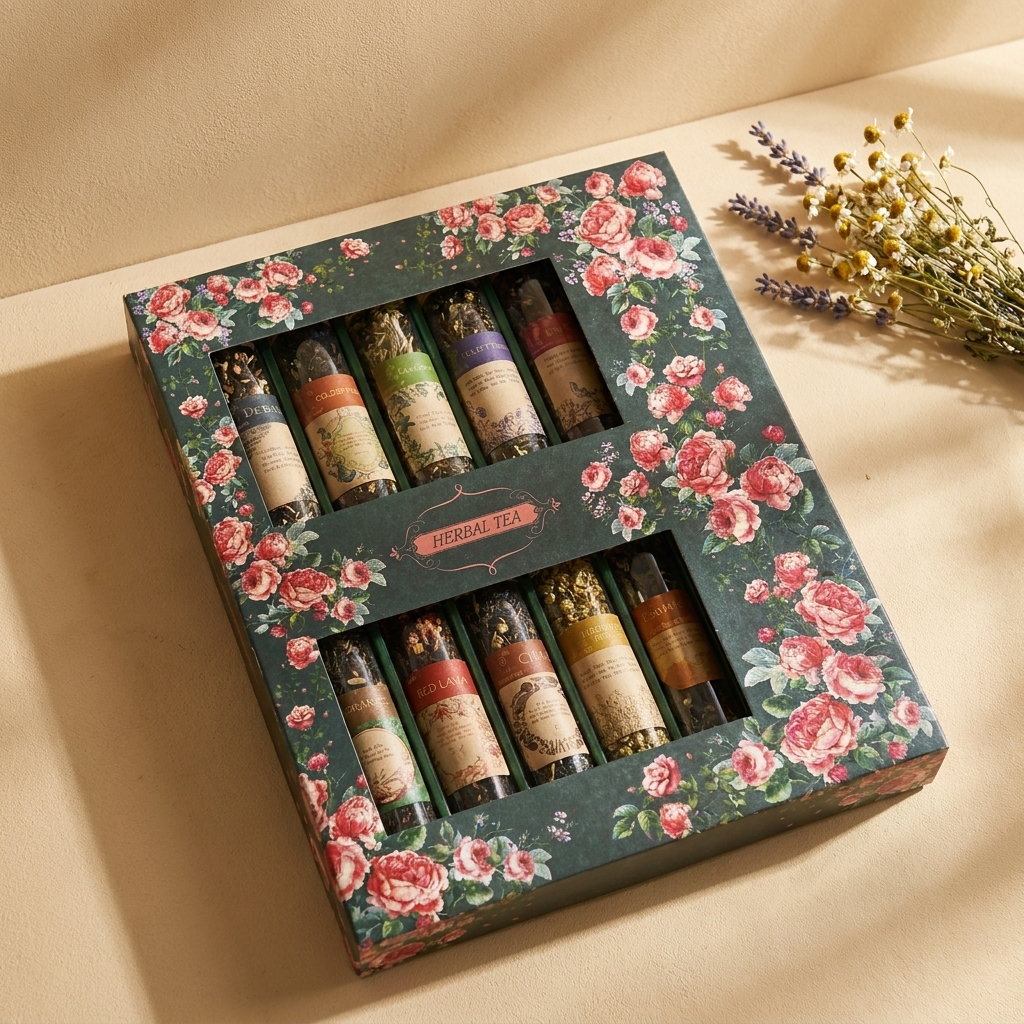
When selecting authentic Vietnamese gifts, focus on items that reflect the country’s culture and taste rather than generic trinkets. High-quality tea and coffee are standout choices. Vietnam has a rich coffee culture, and locally roasted beans or gift boxes make for a thoughtful present. Similarly, traditional teas, such as jasmine oolong or herbal blends, carry a sense of heritage and refinement. These consumables are easy to choose, travel well, and offer a genuine glimpse into daily life, making them suitable for gifting to anyone from close friends to professional contacts.
How do I avoid tourist traps when buying souvenirs?
Avoiding souvenir market scams relies on a quick, consistent check. Apply the 30-second red flag screen: look for missing price tags and observe if staff pressure you aggressively. If an item has no clear price and the seller insists you must buy immediately, it is a strong signal to walk away. Always compare prices at a second stall or in a nearby local market before committing. Finally, shop where locals shop. Stepping away from the immediate vicinity of major landmarks into side streets or established local stores often leads to fairer pricing and higher quality goods, ensuring your purchase is both reasonable and genuine.
The 30-second screen is not a checklist to memorize but a mental habit to build. Scan for fixed prices, resist the pull of touting staff, and verify the price before you commit. These small actions separate a fair purchase from a souvenir market scam. The next step is location. Shop where locals shop. A quiet side street or a neighborhood grocery store often offers better value and quality than a high-traffic temple gate or airport shop. The difference is not just in the price tag; it is in the story behind the item. A well-chosen gift from a local maker carries more character and value than a cheap trinket from a tourist trap. When you buy directly from a maker or a local store, you support the craft and bring home a piece of Vietnam that feels personal, not generic.