On This Page· 6
Step away from the hum of espresso machines and the scent of roasting beans in a busy Da Nang corner shop. The air changes instantly. Instead of polished concrete and loud playlists, you are greeted by the scent of fresh clay and blooming jasmine drifting from an open doorway. This is not a staged backdrop for a photo; it is the working space of an artisan studio where the Da Nang tea ceremony unfolds in real time.
At Nhà Nâu, the boundary between guest and maker is porous. You do not sit behind a counter to receive a pre-made drink. You settle into a room that feels more like a neighbor’s back garden than a commercial venue. While artisans shape clay on wheels nearby, the tea is brewed before your eyes, highlighting the tactile nature of the local craft. This setting distinguishes the space from the detached, Instagram-ready stops found in standard tourist zones. Here, the experience is rooted in genuine connection rather than a quick beverage transaction.
Choosing this location means prioritizing presence over performance. It is a space designed for those who want to understand the rhythm of daily life in Da Nang, where the tea is just one part of a larger narrative involving clay, flowers, and shared time. For travelers seeking a true immersion into Vietnamese traditions, this workshop setting offers a depth that typical cafes simply cannot match.
Step Inside Nhà Nâu: The Ceramic-Workshop Tea House
You are not just a customer here; you are a guest in a working studio. At Nhà Nâu, the Da Nang tea ceremony unfolds within a live ceramic workshop, where the air smells of damp earth and the quiet scrape of tools against clay. While most visitors to Da Nang seek polished, Instagram-ready spots, this venue offers a different kind of calm: the unscripted rhythm of a neighborhood’s back garden.
The Porous Boundary of Craft
What distinguishes this experience from other traditional tea houses in Da Nang is the “porous boundary” between the artisan and the guest. In a standard cafe, the kitchen is hidden, and the product is the final result. Here, the process is the product. You observe artisans shaping forms while you sip your tea, creating a sense of shared presence rather than passive consumption. This tea experience in Da Nang, which visitors rarely find elsewhere, breaks down the wall between observer and creator, allowing you to engage with the local craft in real time. It is not a curated performance; it is a living space where the act of making and the act of drinking happen simultaneously.
An Authentic Alternative to Tourist Zones
For travelers who find the polished sterility of typical tourist districts exhausting, Nhà Nâu offers a grounded, creative alternative. This setting appeals to those seeking a hands-on connection to the Vietnamese tea culture that Da Nang residents practice daily. The environment is less about exclusivity and more about approachability, inviting you to slow down and observe the tactile details of the workshop. Whether you are looking for a quiet moment or a deeper cultural exchange, this immersive vibe provides a genuine escape from the usual commercial pace of the city.
Understanding Trà Hoa: The Fresh Flower Tea Tradition
Trà hoa is far more than a flavored beverage; it is a distinct marker of Vietnamese tea culture that bridges agriculture and hospitality. In many parts of the world, tea is often treated as a standardized commodity. In this traditional practice, however, the brew serves as a vessel for nature. Rather than using artificial flavorings, this tradition infuses fresh, seasonal flowers directly into the water. This method highlights a local relationship where the land’s harvest becomes an immediate expression of welcome. For a visitor seeking a genuine tea experience in Da Nang, this approach provides a sense of authenticity that mass-produced blends simply cannot replicate.
A Delicate Sensory Balance
The sensory profile of this brew relies on a subtle interplay between the leaf and the bloom. The tea leaf provides a foundational structure, while the fresh petals introduce a light, aromatic layer that locals perceive as both comforting and refreshing. This balance is precise yet natural, creating a taste that feels light on the palate. It stands in sharp contrast to the heavy, pre-flavored mixes found in generic cafes. When you sample this at traditional tea houses in Da Nang, you are engaging with a process that values the integrity of the ingredient over industrial consistency.
Seasonal Availability at Nhà Nâu
At Nhà Nâu, this tradition is central to the entire hospitality offering. The focus remains on natural ingredients, meaning the menu shifts with the seasons. Specific blooms are available only when they are at their peak, ensuring that each cup reflects the current moment. This connection to the agricultural calendar transforms a simple drink into a dynamic, living experience that honors the rhythms of Vietnamese tea culture in Da Nang.
The Ritual of Sharing: Snacks and Communal Pace
At Nhà Nâu, the small plate of sweet Vietnamese snacks is not a side order; it is an essential part of the trà hoa experience. These treats act as a flavor bridge, completing the delicate profile of the fresh flower infusion. By balancing the natural sweetness of the blooms with the savory or soft textures of the snacks, the meal becomes a harmonious whole rather than a simple drink and a separate bite. This pairing encourages a slower, more deliberate pace of eating, inviting guests to savor each component in turn.
The social dynamic shifts when the tea and sweets arrive together. What begins as a solitary beverage order transforms into a shared ritual. You find yourself passing plates, comparing tastes, and engaging in the easy, rustic conversation that defines the Vietnamese tea experience. This welcoming atmosphere reflects the ethos of traditional tea houses in Da Nang, where hospitality is rooted in genuine connection rather than transactional service. The presence of the snacks turns the visit into a communal event, mirroring how locals gather to share food and stories.
To fully engage with this local custom, request your flower tea with its traditional sweet snacks. This choice signals your interest in the complete cultural ritual. Avoid reducing the visit to a simple drink order; the snacks are the key to unlocking the communal rhythm of the space. By accepting the full pairing, you align your visit with the authentic tea experience Da Nang has to offer, ensuring you appreciate the depth and pacing intended by the hosts.
Comparing Da Nang Tea Experiences: Precision vs. Presence
Choosing the right setting for your tea experience in Da Nang depends on what you value most: quiet precision or creative presence. The city’s most noted venues each emphasize a different facet of Vietnamese tea culture, so matching the room to your mood matters more than the specific leaf you order.
Three Rooms, Three Philosophies
Traditional tea houses in Da Nang range from minimalist, high-end interiors to rustic, home-style spaces. The table below compares three well-known venues so you can see how each shapes the ritual.
| Venue | Aesthetic | Experience Style | Best For |
|---|---|---|---|
| Seu | Japanese minimalism blended with French interior touches | Quiet, guided, high-end; specialty coffee and “ancient tea” leaves | Solo, meditative sessions; guests who value precision and curated selection |
| Goc Nha Tui Minh | Rustic, artistic, natural materials with traditional design | Warm, conversational, genuine cultural exchange | Travelers who want a welcoming, home-like atmosphere and social connection |
| Nhà Nâu | Ceramic workshop setting; fresh clay and blooming jasmine | Immersive, hands-on, creative; flower tea (trà hoa) paired with sweet snacks | Guests seeking a creative, immersive, home-like experience and observation of the craft process |
Precision vs. Creative Hands-On
A useful way to read the divide is between “quiet high-end” and “creative hands-on.” Venues like Seu focus on exclusivity, brew precision, and a guided, meditative ritual. Their interiors and service are designed to keep the experience calm and refined, which suits travelers who want a solo, focused session. The tea leaves are treated as specialty objects, and the host’s role is to guide you through the ritual with careful attention to detail.
The creative hands-on approach, exemplified by the tea house at Nhà Nâu, prioritizes approachability and the observation of the craft process. Instead of a polished, detached performance, the room is a living space: you drink tea while artisans work with clay nearby, and the tea itself is prepared with fresh, seasonal flowers. This setting invites you into a daily rhythm rather than a staged event, which appeals to travelers who want a genuine cultural exchange and a sense of place.
A Practical Tip for Choosing
If you are planning a quiet, solo session and value precision in leaf and brew, a precision-focused venue like Seu is a strong fit. If you want a warmer, more social atmosphere with a home-like feel, Goc Nha Tui Minh offers frequent conversation and genuine cultural exchange. For those who want to see the craft in action and engage with a creative, immersive environment, the workshop setting at Nhà Nâu is the natural choice. Knowing your preferred mood before you arrive makes the visit feel more personal and less like a standard tourist stop.
Navigating Your First Da Nang Tea Ceremony Visit
Many travelers hesitate to book a Da Nang tea ceremony because they fear they will be judged for not knowing the proper etiquette. The reality is quite the opposite. The staff at these authentic venues act as hosts, not examiners. They are there to guide you through the specific steps of brewing, smelling, and appreciating the leaves. You do not need prior expertise or memorized rituals to enjoy the session; your only role is to be present and curious. The hospitality is designed to be educational, ensuring that even a first-time visitor understands the nuances of the infusion without feeling like a burden to the host.
There is also a common concern about visiting a “tourist trap” in a city as busy as Da Nang. These traditional tea houses are, however, largely favored by locals rather than just passing visitors. Their reputation rests on consistency and a genuine focus on the ritual itself, not on high-volume, quick transactions. Because the experience is rooted in the quality of the leaves and the depth of the service, it does not rely on volume to sustain the business model. For travelers seeking a reliable choice, this local preference is a strong indicator of authenticity. You are joining a community of regulars who value the slow pace of the tea experience Da Nang offers, rather than a commercial space designed for fleeting foot traffic.
Timing Your Visit for Maximum Calm
The time of day significantly impacts your ability to engage with the environment and the artisans. Late morning or early afternoon is the ideal window for your visit. During these hours, the venues are typically quieter, allowing for a deeper connection with the surroundings. Whether you are observing the pottery being shaped or simply sitting in the rustic space, the reduced foot traffic creates a more intimate atmosphere. This timing allows the Vietnamese tea culture of Da Nang to unfold naturally, without the distraction of rush-hour noise or the fatigue of evening crowds. Arriving in this window gives you the best chance to absorb the sensory details of the space, from the scent of fresh clay to the subtle notes of the floral infusion.
Finding Presence in a Fast-Paced City
In a city that rarely pauses for a deep breath, the slow unfolding of a Da Nang tea ceremony offers something more valuable than a photograph: presence. You do not need to master the ritual or understand the history of every leaf to benefit from the pause. The value lies in leaving the pace of the itinerary behind and sitting with the scent of fresh jasmine or clay for a few unhurried minutes. That shift—from transaction to presence—is where the true culture of Vietnam lives.
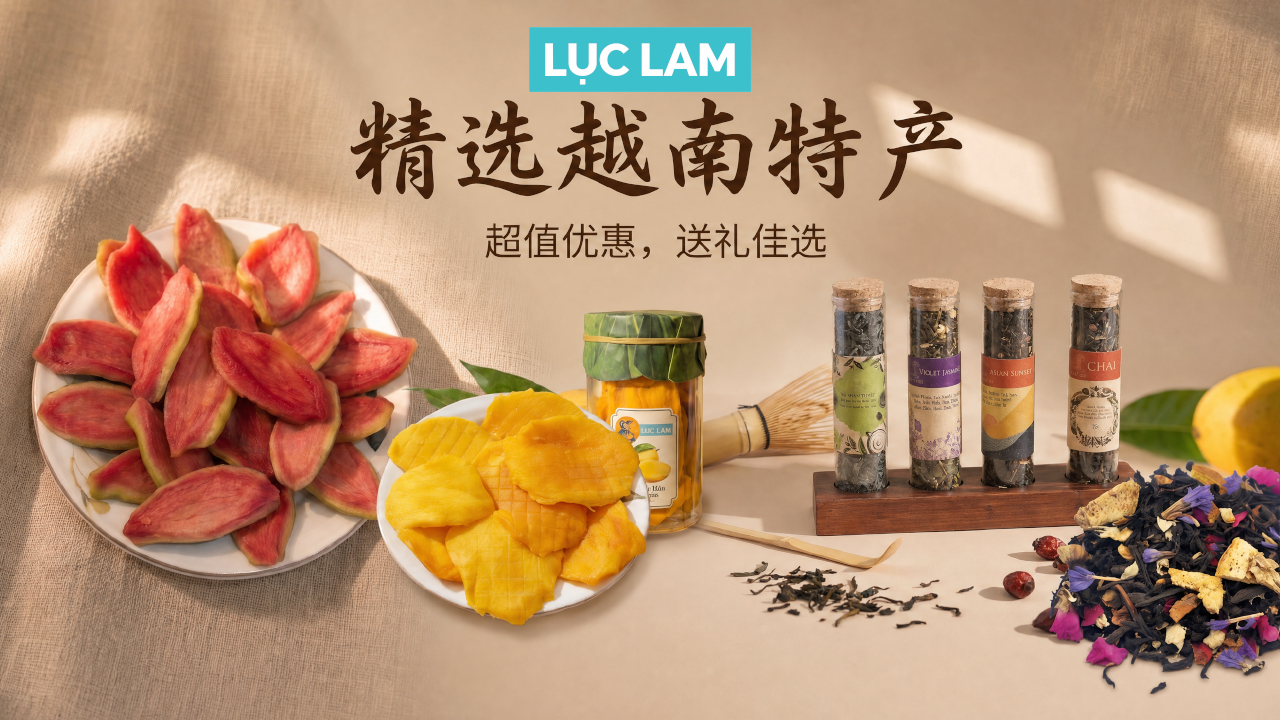
If you would like to keep that quiet, floral note from your visit, consider turning the memory into a thoughtful token for those back home. Lục Lam curates a range of refined Vietnamese tea gifts, including artisanal herbal and flower teas, presented in packaging designed for easy gifting. Whether for a colleague, a family member, or a business partner, selecting a set allows you to bring the specific flavor of your Da Nang experience back with you, extending the ritual beyond the workshop walls and into the everyday routines of your loved ones. If you have questions about specific tea sets or gifting options, feel free to reach out for personalized recommendations.