On This Page· 6
You are standing in a Da Nang café, surrounded by the rich aroma of phin-dripped coffee, yet you are searching for something else entirely: a quiet corner for a traditional Da Nang tea ceremony. This frustration is common among travelers who expect Vietnam to offer a dedicated, bookable tea ritual as a standalone tourist experience.
The reality is that Da Nang’s tourism market is overwhelmingly coffee-centric. While the city is famous for its vibrant coffee culture, finding a dedicated traditional tea house where you can sit and observe a formal ceremony without a coffee component is a frequent point of confusion. Most “Coffee & Tea” tours on popular booking platforms are, in practice, coffee workshops that include only a brief tea taste at the end.
However, this does not mean you cannot experience Vietnamese tea culture. It simply requires looking in the right places and understanding the difference between a casual drink and a cultural ritual. This guide clarifies what actually exists in the current market and provides a realistic plan for finding a meaningful traditional tea experience Da Nang during your trip. We will look at where to find a cultural tea spot Da Nang, how to distinguish a true tea ritual from a coffee-focused tour, and what to expect from the local herbal tea tradition.
The reality of Da Nang tea ceremony availability
Searching for a Da Nang tea ceremony often leads to a surprising dead end. While the city is globally renowned for its coffee scene, the specific ritual of preparing and sharing traditional tea is rarely offered as a standalone, bookable experience. This gap in the tourism market creates confusion for travelers expecting a dedicated Da Nang tea house similar to those found in Japan or China. Understanding this landscape is the first step toward setting realistic expectations for your trip.
A market dominated by coffee workshops
The current booking ecosystem heavily favors coffee over tea. A review of top-rated tours in the local “Coffee & Tea” category reveals a clear trend: the vast majority of options focus primarily on coffee preparation. These experiences typically center on phin, egg, or salt coffee, leaving very little room for the traditional tea experience Da Nang visitors might be seeking. For example, popular listings like the “Da Nang Essence Phin Coffee Workshop and Linh Ung Pagoda” or the “Rose Da Nang Coffee Making Workshop” are explicitly designed around coffee roasting and brewing techniques.
This concentration occurs because the local coffee culture has become a powerful tourist magnet. Operators have tailored their offerings to showcase the unique, bold flavors of Vietnamese coffee, which stand out sharply for international visitors. Tea, while deeply embedded in daily local life, is often treated as a complimentary drink rather than a standalone cultural performance. Consequently, a cultural tea spot Da Nang travelers can easily book does not exist as a standard product in the current market.
Why it’s hard to find a dedicated venue
The lack of a standalone Da Nang tea ritual offering stems from the nature of how tea is consumed in Vietnam. It is less about a formalized ceremony and more about a casual, social refreshment shared among friends and family. Because it is so integrated into everyday life, there is less commercial incentive to package it as a distinct, paid attraction. Instead, tea appears as a minor component within broader cultural or culinary tours.
For instance, the “Vietnamese Culture and Coffee Making Class” includes herbal tea tasting, but it remains part of a larger program rather than a dedicated tea session. This means that while you can experience the Da Nang tea ritual in a cultural context, you will not find a venue solely dedicated to it. Setting this expectation now helps you focus on the available alternatives that offer a genuine taste of Vietnamese hospitality and heritage.
Understanding the Vietnamese tea ritual and herbal tea tradition
A Vietnamese tea house is not a place to simply buy a hot beverage; it is a space designed for slowing down and connection. Unlike the Western café model, which often centers on individual work or quick consumption, the traditional Vietnamese tea setting prioritizes communal sharing and the ritual of hospitality. When visitors search for a Da Nang tea ceremony, they are often looking for this specific atmosphere of calm and cultural immersion rather than just a cup of liquid. This distinction is key to understanding why dedicated venues are rare compared to the bustling coffee shops that dominate the city’s streetscape.
The heart of this tradition lies in herbal infusions, which play a vital role in daily wellness and refreshment. Chrysanthemum, lotus, and jasmine are staples found in homes and local shops across the region. These teas are valued for their gentle properties and ability to balance the body after a busy day. For a traveler seeking a traditional tea experience Da Nang, tasting these specific herbs offers a direct line to local health customs, moving beyond the strong, roasted coffee flavors that are more commonly associated with the area.
Serving customs further highlight the social significance of the ritual. Tea is rarely consumed in isolation; it is typically shared among guests as a gesture of welcome and respect. The host prepares the tea with care, and the act of pouring and receiving creates a bond between the giver and the receiver. This dynamic transforms a simple drink into a social connector, emphasizing hospitality and mutual regard. Even without a formal Da Nang tea house, participating in this sharing custom during a cultural visit allows visitors to engage with the Da Nang tea ritual on a personal level, experiencing the warmth that defines Vietnamese social interactions.
Understanding these nuances helps set realistic expectations for what a tea experience in this region entails. It is less about a standardized performance and more about observing and participating in a lived tradition. By focusing on the herbal varieties and the social context, travelers can find value in the cultural tea spot Da Nang alternatives that incorporate these elements, ensuring a meaningful connection to local heritage rather than a superficial tour stop.
Where to find a cultural tea spot in Da Nang and Hoi An
When searching for a cultural tea spot Da Nang residents or tourists can access, the most reliable option currently listed is the Vietnamese Culture and Coffee Making Class. While the title emphasizes coffee, the experience is designed to be a broader introduction to Vietnamese beverage culture. It is the closest alternative to a dedicated Da Nang tea ceremony for travelers who want to understand the role of tea in daily life without seeking a standalone ritual venue.
A hybrid of history and herbal tasting
This class does not focus solely on brewing coffee. It integrates a meaningful component of herbal tea tasting, allowing participants to sample common floral and herbal varieties such as chrysanthemum or jasmine. The session includes storytelling about the history of popular cafés, which provides a grounded context for how tea and coffee coexist in the local social landscape. For those seeking a traditional tea experience Da Nang offers, this blend of education and tasting creates a more holistic view of the beverage culture than a simple brewing demo.
Comparing dedicated workshops and cultural classes
The difference between a standard coffee workshop and this cultural class lies in the scope of the experience. A dedicated workshop focuses narrowly on the mechanics of brewing, while the cultural class expands into the social and historical context of the drinks. The table below highlights the distinctions between the Rose Da Nang Coffee Making Workshop and the Vietnamese Culture and Coffee Making Class.
| Feature | Rose Da Nang Coffee Making Workshop | Vietnamese Culture and Coffee Making Class |
|---|---|---|
| Primary Focus | Coffee brewing techniques | Broader cultural context including tea |
| Duration | 1 hour | Variable (typically multi-hour) |
| Key Components | Making phin or egg coffee | Herbal tea tasting and café history |
| Cultural Depth | Technical and sensory | Historical and social |
Accessibility for travelers in the region
It is worth noting that this class is technically located in the Hoi An area, which is close to Da Nang. However, for many travelers, Hoi An and Da Nang function as a single cultural corridor. If you are looking for a Da Nang tea house or a venue specifically for the Da Nang tea ritual, this Hoi An-based class is the most accessible option that explicitly includes tea-focused content. It serves as a practical bridge for visitors who want to engage with the ritual aspects of Vietnamese tea culture during their trip to the central coast.
Navigating the coffee-centric tour market
Booking a trip in Da Nang often feels like choosing between different variations of the same activity. When you search for a traditional tea experience in Da Nang, the results are overwhelmingly dominated by coffee. To help you identify what you are actually booking, it helps to look at the specific names of the tours available. You will frequently see options like the Da Nang Essence Phin Coffee Workshop and Linh Ung Pagoda, which pairs a coffee session with a temple visit, or the Egg Coffee Making Class with Marble Mountains and Monkey Mountain, which focuses entirely on the unique yolk-based brew. These are valid experiences, but they are not tea ceremonies.
Reading between the lines in tour descriptions
The distinction between a “coffee experience” that includes a brief tea taste and a full Da Nang tea ritual often lies in the wording of the itinerary. A standard coffee workshop usually mentions “tasting” or “drinking” tea as a small break between preparing your coffee. This is a brief pause for refreshment, not a guided cultural exploration of tea leaves, brewing techniques, or history. If the description highlights “learning to make phin coffee” or “roasting beans,” the tea component is incidental. Conversely, if the itinerary lists “herbal tea tasting” as a primary activity alongside storytelling or a specific cultural demonstration, you are closer to a genuine cultural tea spot Da Nang travelers are looking for.
Prioritizing cultural components
Travelers interested in tea should prioritize classes that explicitly mention “cultural” or “herbal” components over generic coffee roasting workshops. A generic workshop focuses on the mechanics of the bean. A cultural class, such as the Vietnamese Culture and Coffee Making Class, integrates tea into a broader narrative. In this setting, the tea is presented within its proper context—explaining why Vietnamese culture values herbal infusions for wellness and social connection. By choosing a tour that frames tea as part of a larger heritage story rather than just a beverage to sip while you grind beans, you ensure that your time is spent engaging with the tradition you came to experience. This approach allows you to participate in a true traditional tea experience Da Nang visitors often miss when they book purely coffee-centric activities.
Frequently asked questions about tea in Da Nang
Travelers often ask if a dedicated Da Nang tea ceremony venue exists or how to participate in a traditional session. Here are clear answers to the most common questions to help you plan your experience.
Is there a tea museum in Da Nang?
There is no dedicated tea museum in Da Nang. However, the educational value you might seek is available through cultural classes. The “Vietnamese Culture and Coffee Making Class” offers storytelling about local history and herbal tea tasting, providing a similar depth of understanding to a museum visit without requiring a museum structure.
Can I bring my own tea leaves to a class?
No need to pack your own supplies. Most classes, including the cultural workshops in the Hoi An area, provide all necessary herbal teas and brewing equipment as part of the experience. This ensures you taste authentic local varieties and learn the correct preparation methods for each type.
What is the difference between a tea house and a tea tour?
A tea house is a physical venue where you can sit and drink, while a tea tour is a guided activity that often includes movement, education, and cultural context. In Da Nang, a standalone tea house is rare, so the traditional tea experience Da Nang offers is usually through a guided class. For tourists, the guided format is more common and often provides a richer cultural background than simply sitting in a café.
Conclusion
The absence of a standalone Da Nang tea house does not mean you must leave without experiencing the tradition. The Vietnamese Culture and Coffee Making Class stands as the most accessible alternative, blending the ritual with broader cultural storytelling in a way that many coffee-focused workshops simply cannot match. By choosing this hybrid experience, you gain the social context and herbal tasting components that define the true Vietnamese tea ritual, even if it happens within a broader class setting.
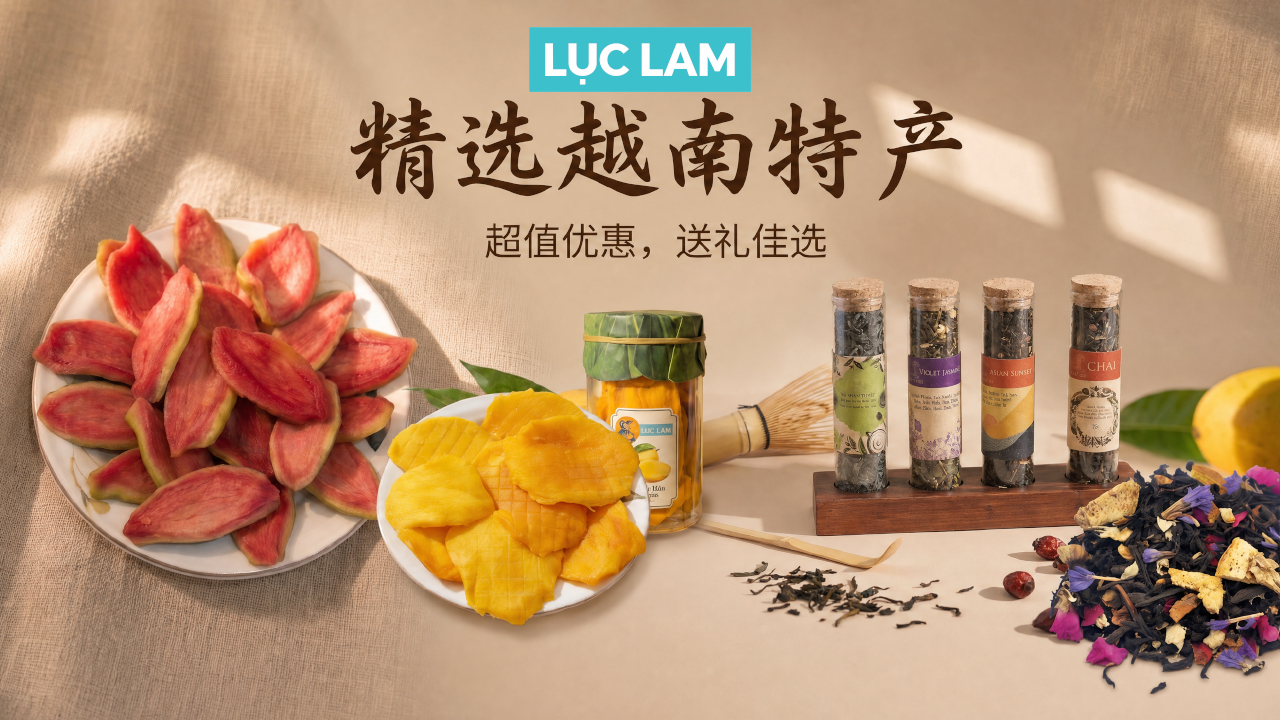
When your trip winds down, consider how to carry that warmth home with you. A thoughtful Vietnamese gift can bridge the gap between the experience you had and the people you want to remember it with. If you are curious about selecting a high-quality herbal tea for family or colleagues, a Vietnamese gift advisor at Lục Lam can offer personalized recommendations. Their curated collection focuses on refined packaging and easy-to-choose options, making it simple to pick a suitable gift that reflects the flavors you discovered during your stay. This small step ensures the memory of your time in Central Vietnam lingers well beyond the return flight.