On This Page· 6
You watch the flight attendants cram the overhead bins full, and you know exactly what is sitting in there: a bag of dried squid that might burst under pressure, or a jar of shrimp paste that is one hard jolt away from turning your carry-on into a mess. It happens more often than anyone admits. The frustration is not just about forgetting a souvenir; it is about arriving home with a broken, leaking, or spoiled gift that was supposed to mean something.
The core issue is rarely what you bought. It is how it is packed. A loose, open-air display of Da Nang snacks looks appealing at the stall, but it fails the moment the cabin pressure drops or the temperature shifts. Packaging is the difference between a memorable gift and a messy liability.
This guide focuses on a specific approach to sourcing Da Nang food gifts that prioritize structural integrity over just flavor. We are looking at vacuum-sealed, jarred, and compact formats available at Han Market. By choosing items with airtight seals and rigid containers, you ensure your Vietnamese treats arrive intact, ready to be shared with family or colleagues back in Japan, Taiwan, or China. It is a practical filter for selecting travel edible souvenirs that respect both the product and the recipient’s experience.
Why packaging decides if your Da Nang snacks survive
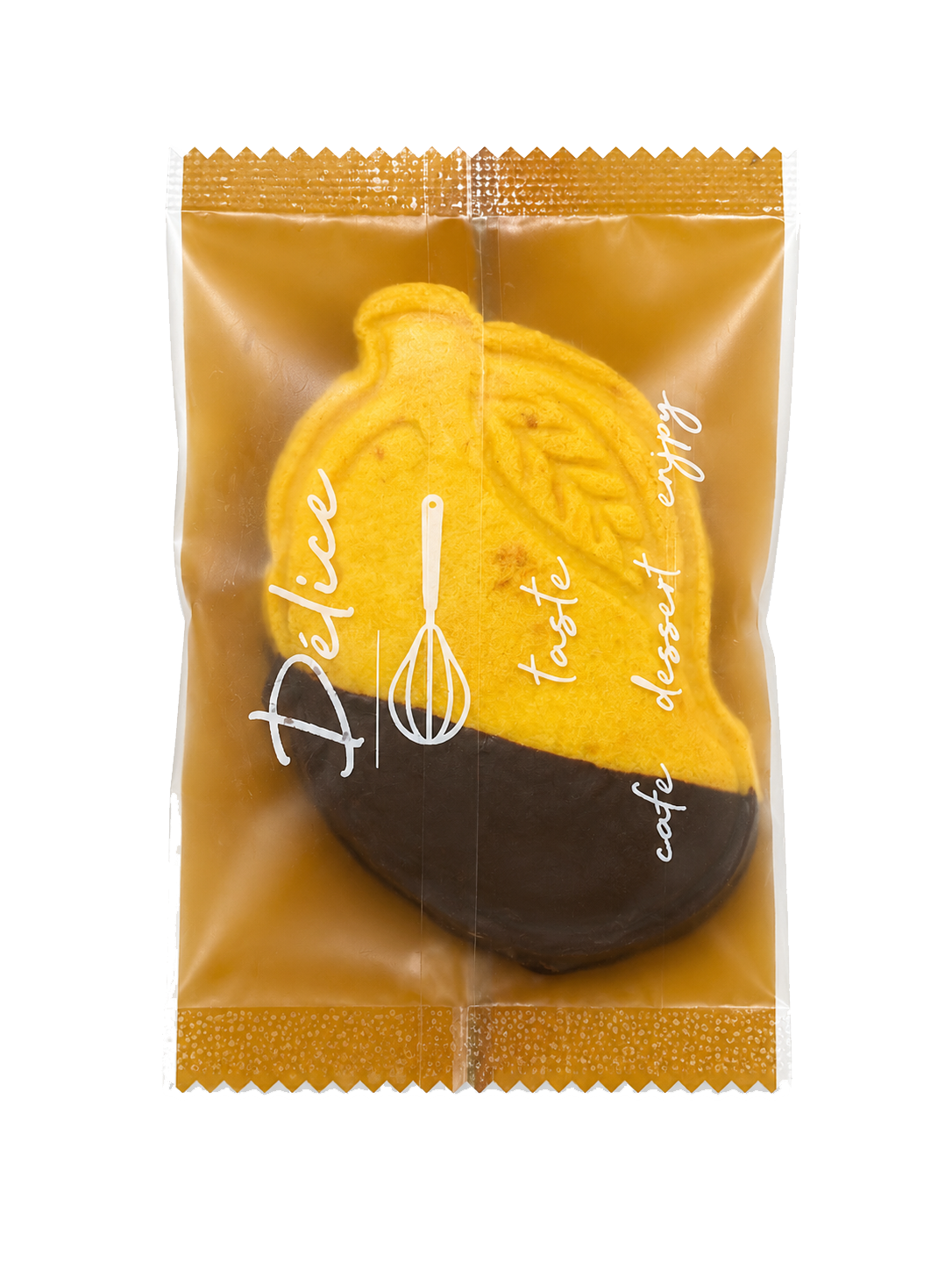
That bag of crispy crackers looks perfect in the stall, but thirty minutes into the flight, it is either crushed into dust or leaking oil onto your jacket. The issue is rarely the flavor; it is the structural integrity of the container. When selecting travel edible souvenirs, the method of sealing matters more than the ingredients inside.
The physics of the overhead bin
Cabin pressure fluctuates significantly during takeoff and landing, creating a vacuum effect that expands gases trapped inside non-rigid containers. Loose foods packed in simple plastic bags or open trays lack the structural support to withstand this pressure differential. This expansion can cause seals to burst, leading to leakage or crushing. The low humidity inside the cabin also desiccates any product without an airtight barrier, turning chewy dried fruits into brittle, stale items before you even reach your destination. For a souvenir to survive, it must withstand both mechanical stress and atmospheric changes.
Defining a “travel-safe” format
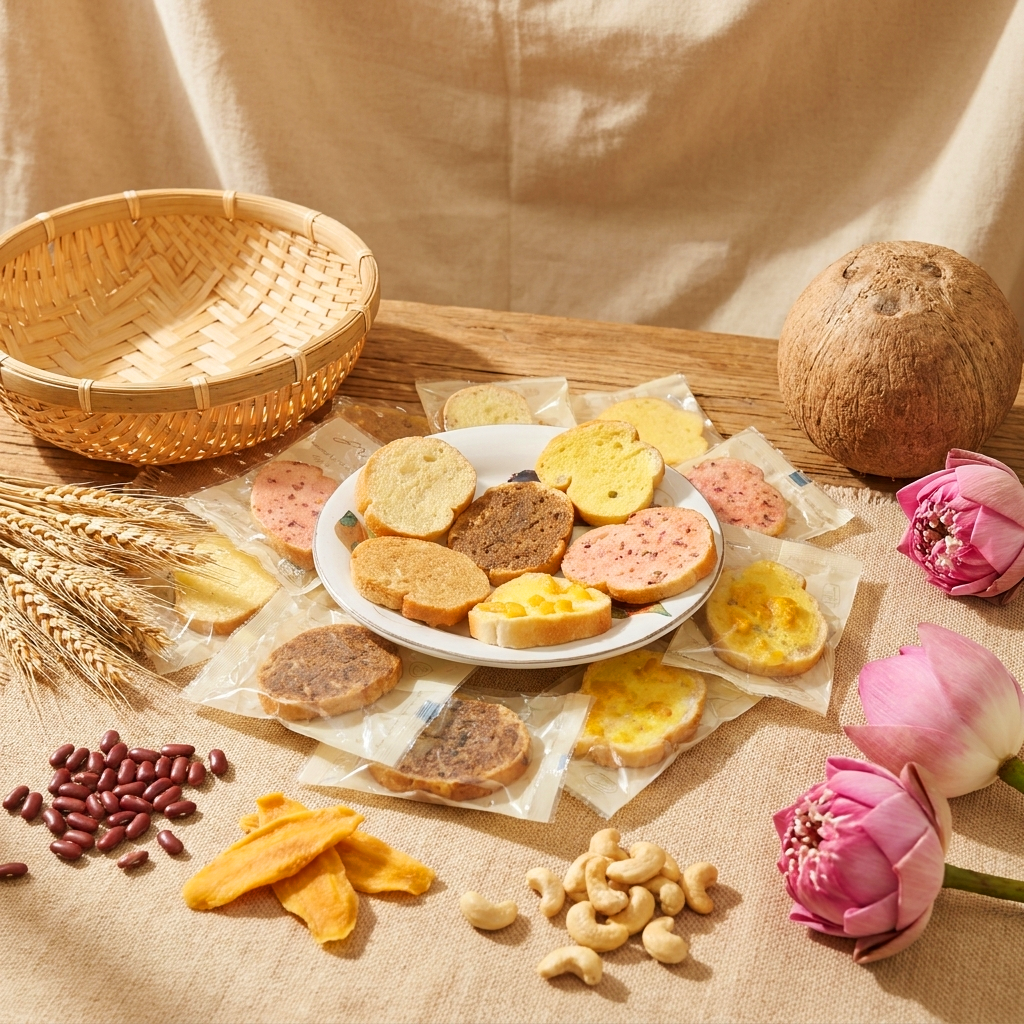
A Da Nang snacks item is considered travel-safe if it meets three criteria: an airtight seal, rigid or vacuum packaging, and a shelf life that extends well beyond the flight duration. Vacuum-sealed items remove the air that causes expansion and oxidation. Rigid containers, such as glass or heavy-duty plastic jars, protect the contents from external crushing forces. If the packaging relies on the flexibility of a thin film without internal support, it is highly likely to fail during transit. The container must be as robust as the food is fragile.
Market reality versus travel requirements
At Han Market, the default presentation for fresh goods is often an open display, designed for immediate consumption rather than long-term storage. Vendors may weigh out portions into simple poly bags, which is ideal for eating now but disastrous for carrying on a plane. For international carry-on or checked luggage, you need specific formats: vacuum packs for dried goods and sealed jars for liquids or pastes. Comparing a loose portion in a clear bag against the same item in a taut, vacuum-sealed pouch reveals the difference instantly. The latter is a packaging food souvenirs choice that guarantees the product arrives home in the exact condition it left Da Nang in. Always choose the sealed format over the open display, no matter how appealing the loose version looks.
Dried seafood in vacuum seals: the sturdiest edible gift
When evaluating travel edible souvenirs, few items match the structural integrity of vacuum-packed dried seafood. This format is the ideal choice for travelers who want Da Nang snacks that withstand the pressure changes and rough handling of air travel. The vacuum process removes nearly all air from the packaging, creating an environment where mold cannot grow and the product cannot crush under the weight of other luggage items. At Han Market, most dried seafood products come in this format, making it a practical and reliable option for your journey home.
The sensory profile of Central Vietnamese coastal treats
Durability does not mean compromising on flavor. These best Da Nang treats offer a distinct sensory experience that defines the region’s culinary character. Dried squid provides a chewy, resilient texture paired with an intense, deep umami note. Shrimp offers a sharper, sweeter saltiness, while anchovies deliver a pungent, bold depth that is unique to the Central Vietnamese coast. This specific salinity profile is not just a taste; it is a culinary signature of the area. When you share these snacks with friends or family, you are bringing the authentic flavor of the coast back to their table, a much more meaningful gesture than a generic souvenir from a tourist shop.
How to inspect the vacuum seal at the stall
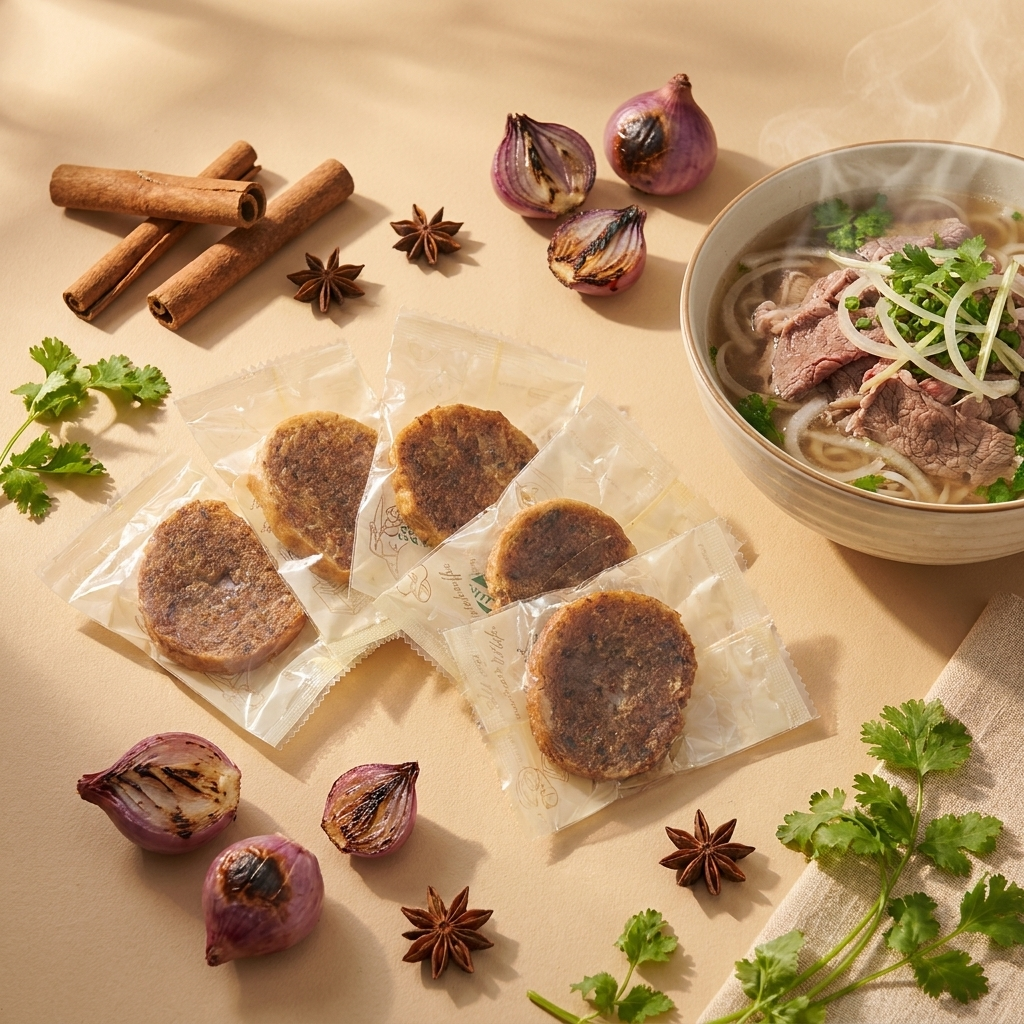
Before you pay, take a moment to check the packaging. Packaging food souvenirs safely depends on the quality of the seal, so a quick inspection saves you from disappointment later. Look for a taut, unbroken plastic film that wraps tightly around the seafood. If the packaging appears loose, has visible air pockets, or shows any punctures, set it aside. A compromised seal allows moisture and oxygen to enter, which can spoil the snack before you even reach your destination. Always check the expiration date printed on the package. Even with a perfect seal, the freshness of the product is limited by time. Buying a pack that is near its expiration date increases the risk that the snack will be stale or off-tasting when you finally open it at home.
By prioritizing vacuum-sealed items, you ensure your gifts arrive intact and fresh. This simple check takes only a few seconds at the stall but guarantees that the flavor and quality you selected in Da Nang remain exactly the same when you unwrap them weeks later. It is a small detail that makes a significant difference in the success of your souvenir hunting.
Sealed jars of condiments: bringing the kitchen home
While dried seafood offers immediate snacking pleasure, jarred condiments provide a different kind of travel value: they turn your recipient’s kitchen into a piece of Da Nang. These are not just pantry staples; they are functional gifts that invite your recipient to cook a Vietnamese meal at home, bridging the gap between your trip and their daily routine. For colleagues or family in Japan or Taiwan, who may not have easy access to authentic Central Vietnamese ingredients, this “cook-at-home” experience is often more memorable than a snack that disappears in minutes.
The sturdy case for liquid flavors
The three most popular choices here are mam nem (fermented pork sausage), chili salt, and shrimp paste. At Han Market, these items are typically found in rigid glass or heavy-duty plastic jars with tight-fitting lids. This rigid container is critical for travel: unlike soft packets that can puncture or leak, a sealed jar protects the contents from breaking or spilling during the turbulence of a flight. The airtight seal also preserves the aroma and flavor, ensuring the condiment tastes exactly as it did when you bought it.
Why these make thoughtful gifts
These condiments are ideal because they are versatile and long-lasting. A small jar of shrimp paste can last months, offering the recipient a way to recreate authentic Vietnamese dishes long after you have returned. This extends the life of your Da Nang food gifts from a few hours of snacking to weeks of culinary exploration. It also serves as a conversation starter; sharing a meal prepared with your gift creates a personal connection that a mass-produced souvenir simply cannot achieve.
Packing caution for liquids and gels
Before placing these jars in your luggage, you must check your airline’s specific rules regarding liquids and gels in checked baggage. While most airlines allow sealed jars in checked luggage, some have restrictions on large quantities of liquid-like substances. To be safe, wrap each jar in a plastic bag to contain any accidental leaks, and place them in the center of your suitcase, surrounded by soft clothing for extra cushioning. Do not place them in your carry-on unless the jar is empty, as security screening often flags sealed liquids. By securing these jars properly, you ensure that these authentic flavors arrive in perfect condition, ready to be opened and enjoyed.
Compact coffee and phin filters: the low-bulk option
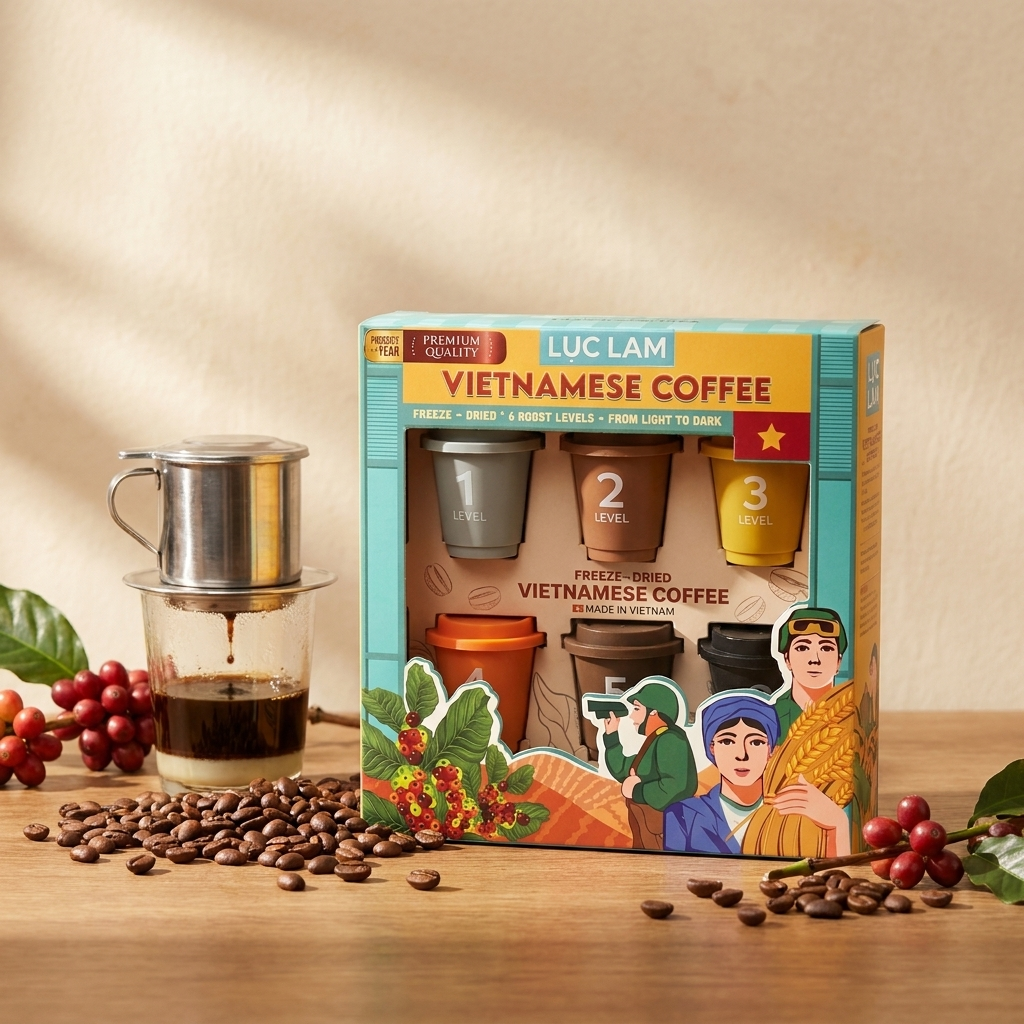
For travelers who want a meaningful souvenir without filling their suitcase, the Vietnamese coffee and phin filter pair is the ideal low-bulk option. It occupies only a few centimeters of space, yet it carries the full ritual of how coffee is consumed across Vietnam. Unlike a box of cookies or a jar of sauce, this gift is a daily-use experience. Your recipient doesn’t just consume a flavor; they perform a small, slow ceremony in their own kitchen. This makes it a high-impact choice for Da Nang food gifts where structural integrity matters less than cultural resonance, because the items are rigid, sealed, and inherently stable.
The Han Market coffee pairing
At Han Market, you can find locally roasted beans or freshly ground coffee sold alongside the iconic metal phin dripper. The phin is a small, cylindrical filter made of aluminum or stainless steel, designed to sit on top of a cup. The process is methodical: you place the filter, add the coffee, pour a little hot water to bloom it, and then add more. The drip is slow, taking several minutes to yield a small, intensely concentrated cup.
Because the beans are roasted locally, you are purchasing a taste that reflects Da Nang’s specific profile, which often leans toward a bold, slightly smoky note due to the region’s processing styles. Vendors at the market often allow you to sample the grind before you buy, so you can check for bitterness or freshness. The metal phin is durable, lightweight, and requires no special packaging. It will not leak, break, or spoil. The coffee, whether in whole-bean or ground form, is typically sealed in a small, airtight bag or tin, ensuring it stays fresh through the flight and beyond.
A refined gift for business partners
This combination is particularly well-suited for business partners or colleagues. In many East Asian business cultures, gifting bulky food items like large jars of seafood paste can feel casual or, in some contexts, awkward. A small, elegant box of coffee with a matching phin feels refined and professional. It suggests that you value their daily routine and have thought about their personal time, not just the transaction.
When you present this gift, you are offering a moment of pause. In a fast-paced work environment, the ten minutes it takes to brew a phin coffee is a rare luxury. It is a travel edible souvenir that transforms from a physical object into a shared memory. It is easy to carry, easy to store, and easy to use. It requires no refrigeration, no special handling, and no explanation. It is a quiet, sophisticated nod to Vietnamese culture that fits neatly into a professional relationship.
Choosing at Han Market: timing and verification
Timing is not just about convenience; it is about quality. Han Market, located on Tran Phu Street, is one of Da Nang’s oldest and most famous traditional markets, but it is also one of its most dynamic. The market is busiest later in the day, particularly during weekends and holidays, when crowds thin out the selection and make navigation difficult. Arriving in the morning is recommended to browse comfortably and access the freshest food products before premium items sell out. This is the ideal window for selecting high-quality Da Nang food gifts, as you can move through the aisles with clarity rather than pushing through a crowd.
The value of comparing stalls
Do not buy the first package you see. Different vendors may use different packaging quality or freshness levels for the same product. A simple five-minute comparison across two or three stalls can prevent a ‘leaky’ or ‘spoiled’ gift. For instance, while most dried seafood products at Han Market are vacuum-packed, the tightness of the seal and the clarity of the expiration date can vary significantly between adjacent stalls. One vendor might offer a taut, unbroken film on a bag of dried squid, while another might sell a similar item with a slightly looser seal. Taking a moment to inspect the physical integrity of the package is the most effective way to ensure your travel edible souvenirs remain safe during transit.
Curated alternatives for stress-free gifting
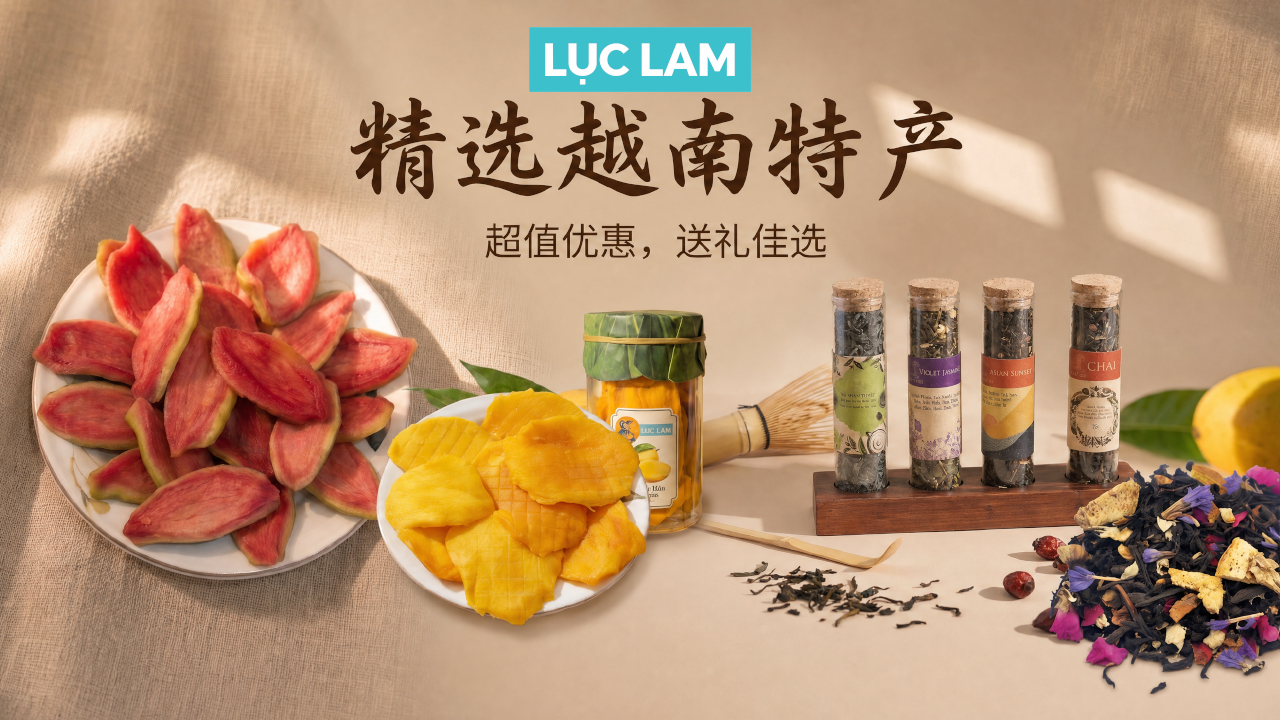
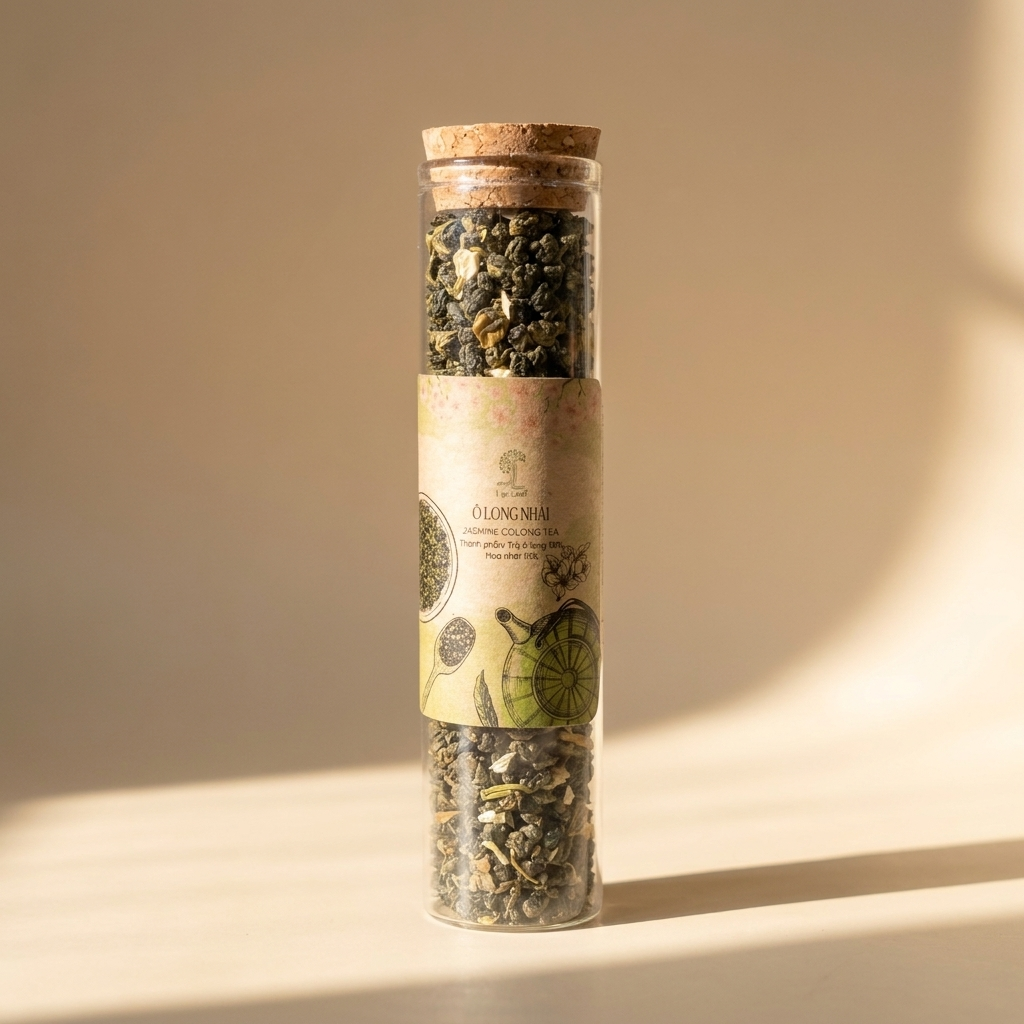
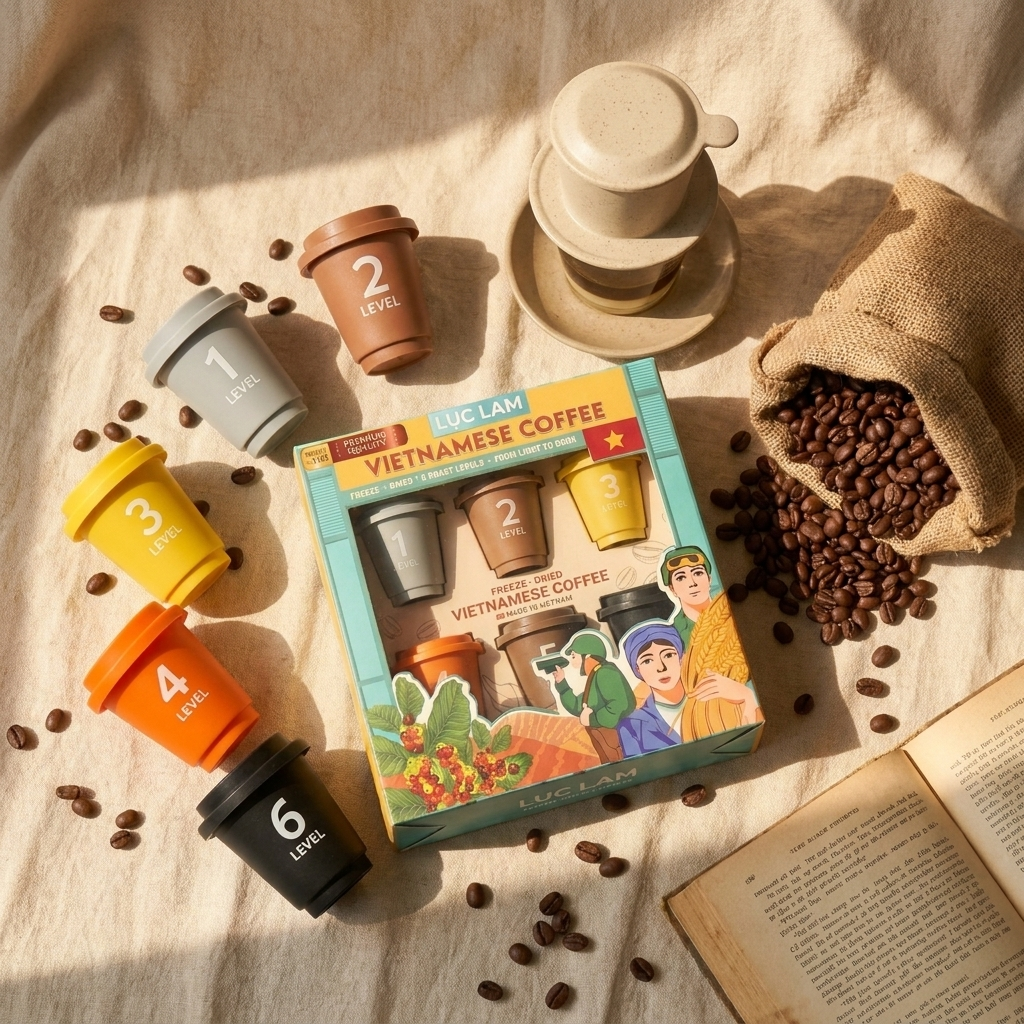
If the hustle of the open market feels overwhelming, a curated shop can offer a different level of convenience. Shops like Lục Lam Vietnam Tea help travelers identify individually packed, refined options that are ready for gifting without the stress of hunting for durable seals in the open market. Their collection, which includes tea, coffee, cookies, and dried fruit, is presented in refined packaging designed for easy selection. This approach allows you to focus on the recipient’s preference rather than the logistics of durability, ensuring that the gift looks as considered as it tastes.
FAQs about carrying edible souvenirs from Da Nang
Can I bring dried fish in my carry-on bag?
Yes, provided the item is vacuum-sealed and the contents are not classified as a liquid or gel by security. Dried fish, squid, and anchovies sold at Han Market typically come in tight, airtight packs that pass screening. However, if you are purchasing large quantities, checking the items in your suitcase is often the safer choice. This prevents potential odor complaints from nearby passengers and protects the packaging from being crushed in overhead bins. For a few small packs, the carry-on is convenient and keeps the snacks secure until you reach your destination.
How long do these snacks last after you bring them home?
Vacuum-sealed dried goods generally maintain their quality for several months if stored in a cool, dry place. Once you open a sealed jar of condiments like mam nem or shrimp paste, the shelf life drops significantly. These items should be kept refrigerated in your home kitchen to preserve their flavor and prevent spoilage. Always check the expiration date on the packaging before purchase, as the fresh stock at the market varies. Proper storage at home is just as important as the packaging you chose at the stall to ensure your Da Nang snacks remain enjoyable after the trip.
Is it worth buying at the market versus a curated gift shop?
The choice depends on your priority: authenticity or presentation. The market offers a wide variety of local specialties and the genuine experience of selecting items directly from vendors. A curated shop provides consistent packaging quality and a refined presentation, which is often better for formal gifting situations. If you are buying for yourself or casual family gifts, the market is ideal. If you are selecting a gift for a boss or business partner, the uniform, neat packaging found in a curated collection often makes a more polished impression without the hassle of hunting for durable seals among open-air displays.
| Feature | Han Market (Open Market) | Curated Gift Shop |
|---|---|---|
| Variety | Wide selection of local specialties | Curated, limited selection |
| Packaging | Varies by vendor; some loose | Consistent and refined |
| Gifting Suitability | Great for family or self | Ideal for formal business gifts |
| Experience | Authentic, hands-on browsing | Convenient, pre-vetted options |
The key to bringing Da Nang food gifts home intact is prioritizing structural integrity over sheer volume. The most successful souvenirs are those that balance bold, authentic flavor with packaging that can withstand the pressure and humidity shifts of air travel. When you evaluate vacuum-sealed dried seafood, rigid condiment jars, or compact coffee sets, you are ensuring that the flavor you discovered in Da Nang is exactly what your recipient will experience upon opening the package.
If the idea of navigating a busy market and inspecting every seal for durability feels more stress than reward, you can rely on a local expert to do the vetting for you. Shops like Lục Lam curate a refined selection of Vietnamese gifts where the packaging is already standardized for safe travel. By choosing a pre-vetted option, you gain the convenience of a guaranteed, present-ready package without the trade-off of hunting for specific seals in a crowded setting. It is a simple way to ensure your travel edible souvenirs arrive in perfect condition, ready to be shared.