On This Page· 6
Most corporate gifting programs now face a simple but demanding question: does this item align with the company’s ESG commitments, or is it just another object destined for a landfill? As procurement teams come under increasing scrutiny for sustainability metrics, the pressure to justify every purchase against environmental and social criteria has become standard. Yet many “eco-friendly” labels remain vague, hiding behind generic claims rather than specific, verifiable material choices.
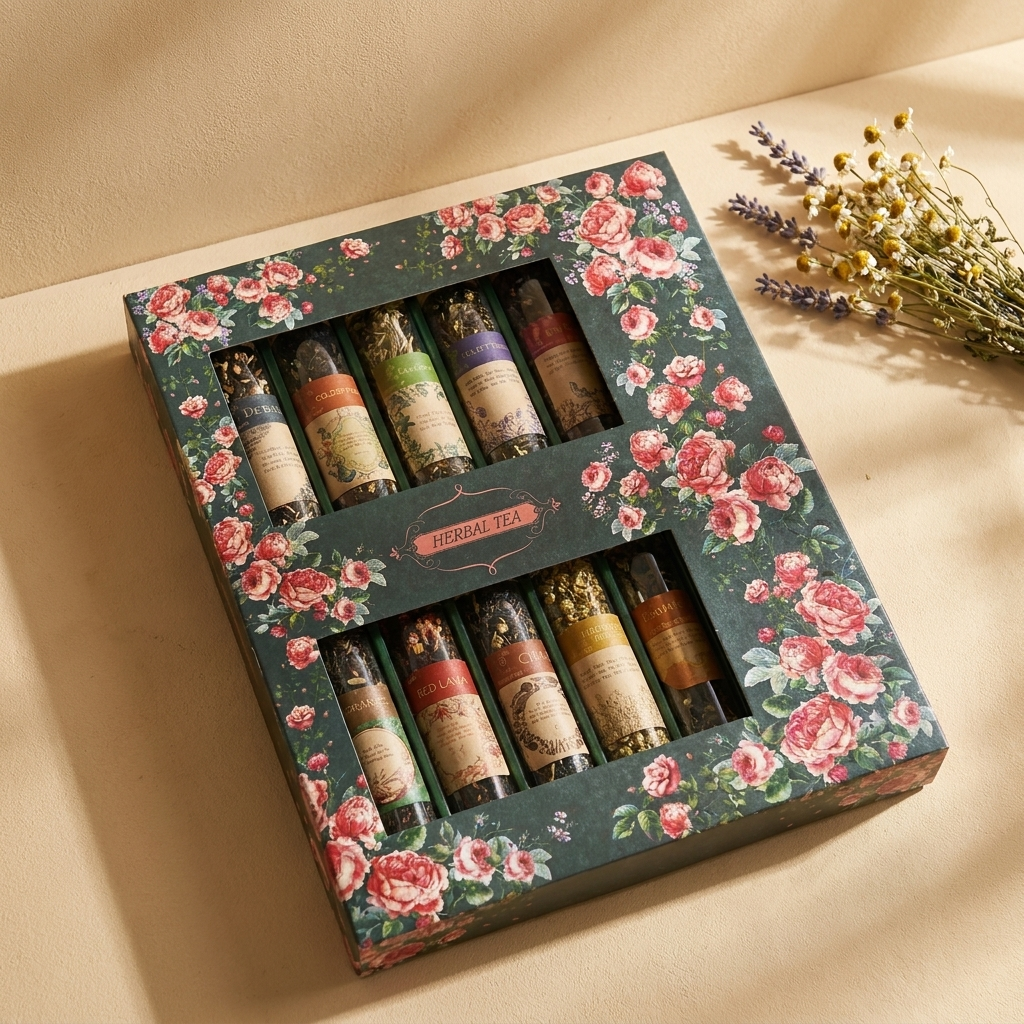
The gap between marketing language and operational reality is where most programs lose credibility. A truly sustainable approach to corporate tea gifts relies on tangible decisions. Choosing biodegradable bamboo containers, unglazed or recycled porcelain, and FSC-certified paper packaging matters more than slapping a green logo on conventional plastic. These material distinctions determine whether a gift set functions as a genuine ESG statement or merely a superficial gesture.
This guide focuses on how to identify vendors who can deliver both premium presentation and verifiable environmental responsibility. It moves beyond surface-level aesthetics to examine the specific sourcing practices, documentation, and manufacturing standards that separate high-integrity suppliers from those engaging in greenwashing. By prioritizing material transparency and design quality, businesses can select business gift sets that resonate with partners while strictly adhering to sustainability goals.
Why Premium Tea Works as an ESG-Aligned Business Gift
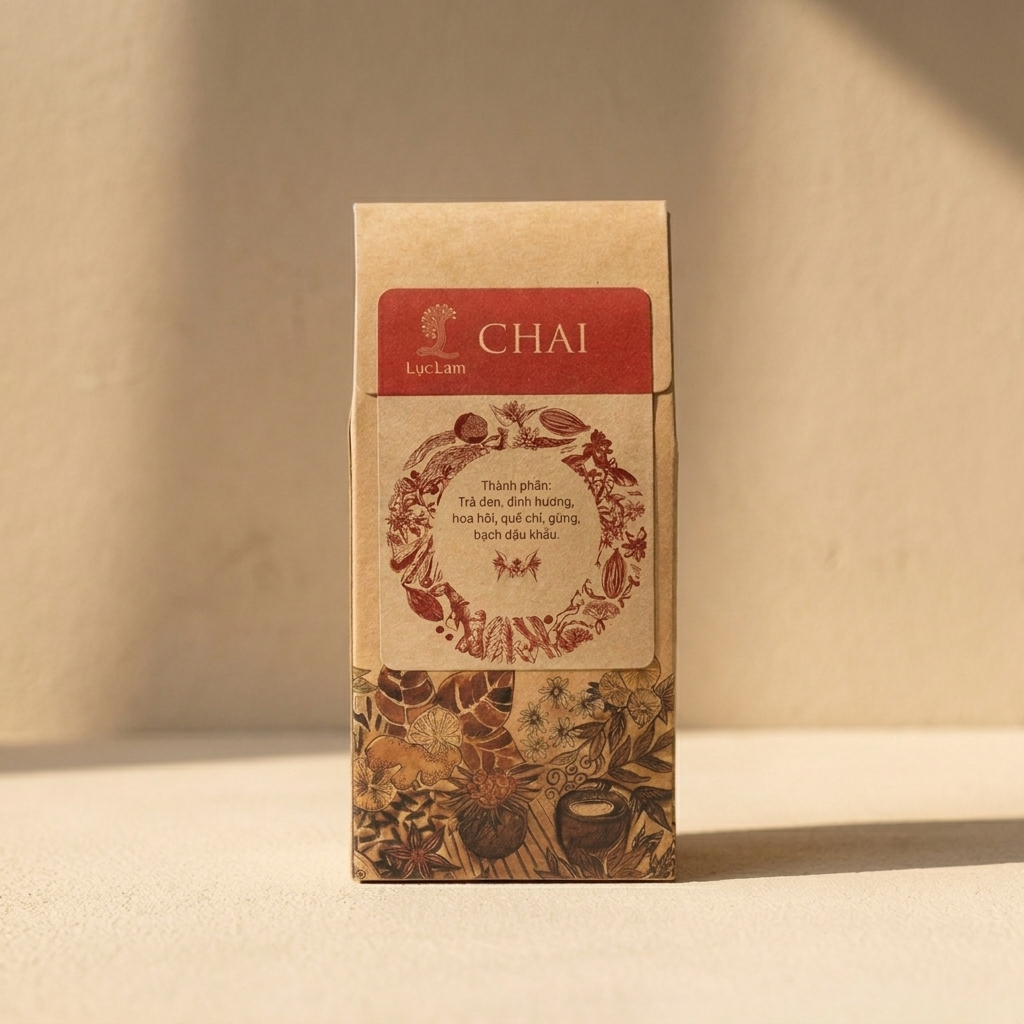
A well-crafted corporate tea gift signals more than professionalism; it conveys a shared respect for tradition and well-being. In business culture, offering a high-quality beverage creates a moment of pause, inviting the recipient to engage in a sensory experience rather than simply acknowledging a transactional exchange.
The Psychology of Ritual in Business
Unlike standard office gifts, tea invites a ritual. The act of brewing and sharing a cup builds a bridge between colleagues or partners, fostering a sense of refinement and care. This psychological shift transforms a simple object into a medium for connection, reinforcing relationships through shared, enjoyable activities.
Aligning Product Choice with ESG Principles
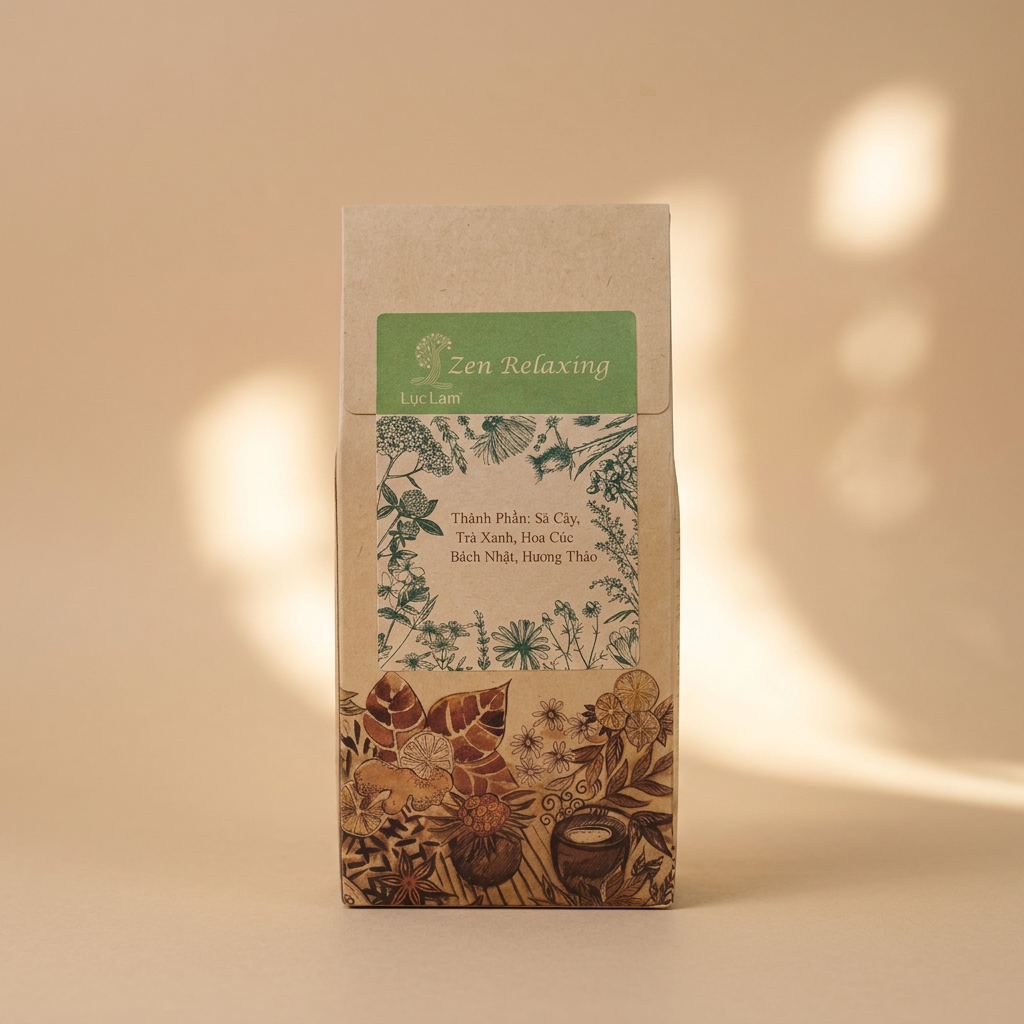
When selecting business gift sets, material composition speaks directly to Environmental, Social, and Governance commitments. High-quality tea leaves typically undergo less industrial processing than fast-moving consumer goods. This means lower carbon footprints and a greater respect for traditional agricultural practices. By choosing a product that supports sustainable farming, organizations demonstrate a commitment to social responsibility and environmental stewardship in a tangible way.
Reducing Waste Through Enjoyable Consumables
The most critical advantage of tea is that it is a consumable good. Generic corporate items, such as plastic pens or branded mugs, often end up in landfills after a single use, adding to the global waste crisis. In contrast, a premium tea set is designed to be enjoyed fully. The tea leaves are consumed, and the packaging, when made from sustainable materials like bamboo or paper, can be recycled or composted. This lifecycle approach ensures the gift reduces, rather than adds to, the environmental burden.
| Gift Type | Longevity | Environmental Impact | Perceived Value |
|---|---|---|---|
| Plastic Pens | High (but often discarded) | High (plastic waste) | Low / Transactional |
| Generic Mugs | High (often stored away) | Medium (ceramic waste) | Medium / Functional |
| Premium Tea Sets | Low (consumed) | Low (biodegradable/consumed) | High / Experiential |
Materials Matter: Bamboo, Porcelain, and Paper Packaging
When unpacking a corporate tea gift, the tactile experience often speaks louder than the label. True sustainability in this context is not a vague aesthetic choice; it is a specific material decision. For business gift sets, sustainable packaging relies on materials that are renewable, biodegradable, or derived from recycled sources. The three most impactful materials to look for are bamboo containers, unglazed or recycled porcelain, and FSC-certified paper. Each offers a distinct pathway to reduce environmental impact while maintaining the high standard expected by corporate stakeholders.
The physical properties of these materials distinguish premium products from generic ones. Bamboo grows rapidly and is inherently biodegradable, yet it possesses a dense, woody texture that feels substantial in the hand. This natural grain provides a tactile warmth that plastic or coated cardboard cannot replicate. Similarly, porcelain adds a sense of weight and permanence to the set. A ceramic cup or canister signals that the gift is intended to be kept and used repeatedly, rather than discarded after a single use. This quality of permanence aligns with the long-term nature of business relationships, making the packaging a functional part of the experience rather than just a wrapper.
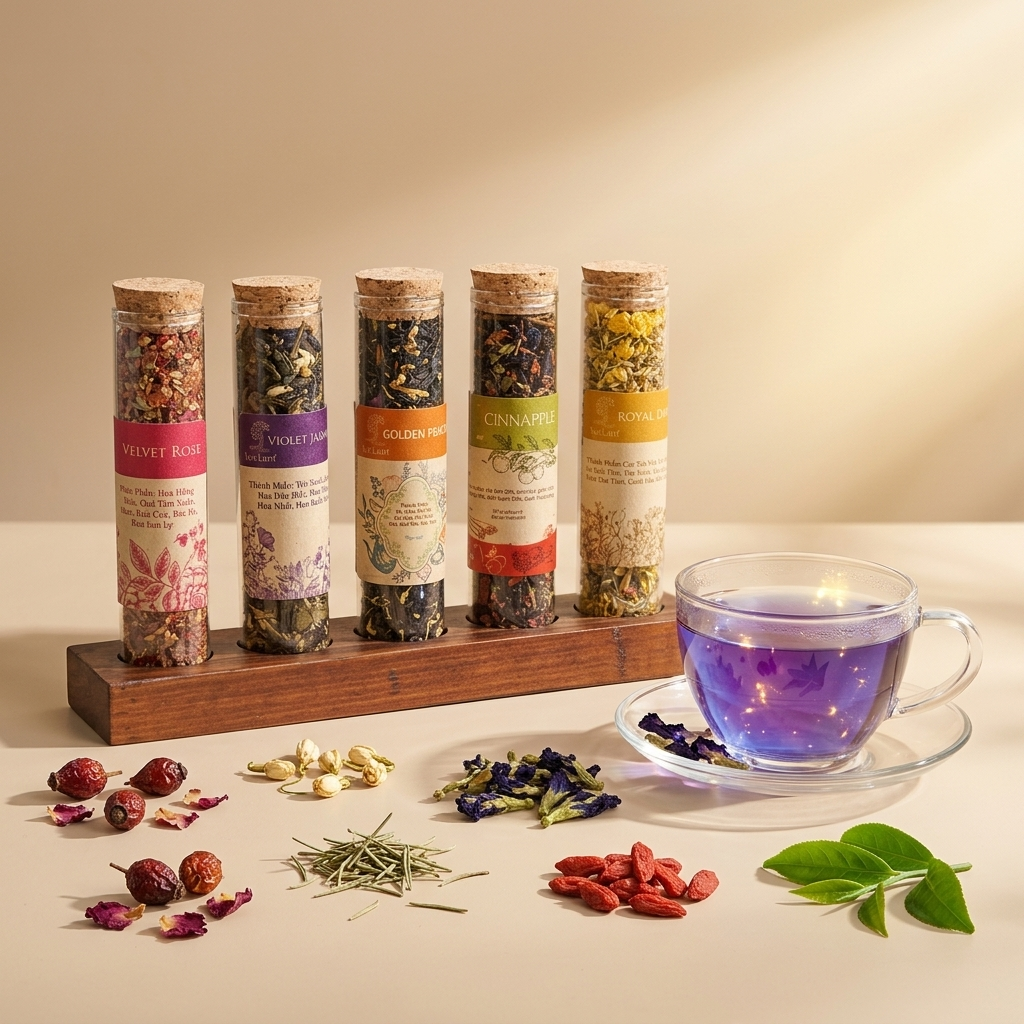
While the aesthetic appeal is clear, verifying the claims behind the product is crucial. Greenwashing is prevalent in the gift industry, where manufacturers may use vague terms like “eco-friendly” or “natural” without substantiating the production process. To ensure responsible sourcing, do not rely on marketing language alone. Instead, ask suppliers for specific documentation. Look for FSC (Forest Stewardship Council) certification for paper products to confirm that wood pulp comes from responsibly managed forests. For bamboo and porcelain, request details on whether the materials are untreated or derived from recycled stock. By asking for these specific certificates, businesses move beyond surface-level claims and ensure their corporate tea gifts truly align with environmental commitments.
How to Evaluate Vietnamese Tea Vendors for Corporate Programs
Selecting the right partner for corporate tea gifts requires more than browsing product catalogs. You need a supplier who can handle volume, verify sustainability claims, and maintain consistent quality across large orders. Use the following checklist to vet potential vendors before committing to a bulk purchase.
The Vetting Checklist
When reaching out to suppliers, start by asking for sample kits. Pre-production samples are essential for assessing the actual material finish, engraving quality, and craftsmanship. Do not rely on photos alone. Physical samples reveal whether the bamboo is smooth, if the porcelain is glazed correctly, and if the paper packaging holds its shape. A reputable vendor will provide these samples so you can verify aesthetic and structural integrity before scaling.
Next, demand documentation on sourcing. Ask for material certifications, such as FSC labels for paper or proof of organic status for tea leaves. Vague promises of “eco-friendly” practices are insufficient. Concrete evidence is needed to confirm that materials align with ESG goals.
Finally, clarify the minimum order quantity (MOQ). Many suppliers allow small batches to test the market before a full rollout. For instance, some providers offer a flexible MOQ of 50 pieces for specific gift sets. This allows your team to evaluate recipient reactions without over-committing inventory. If a vendor requires a massive initial order, it increases risk and reduces the ability to adjust for future seasons.
Scaling for Multiple Teams
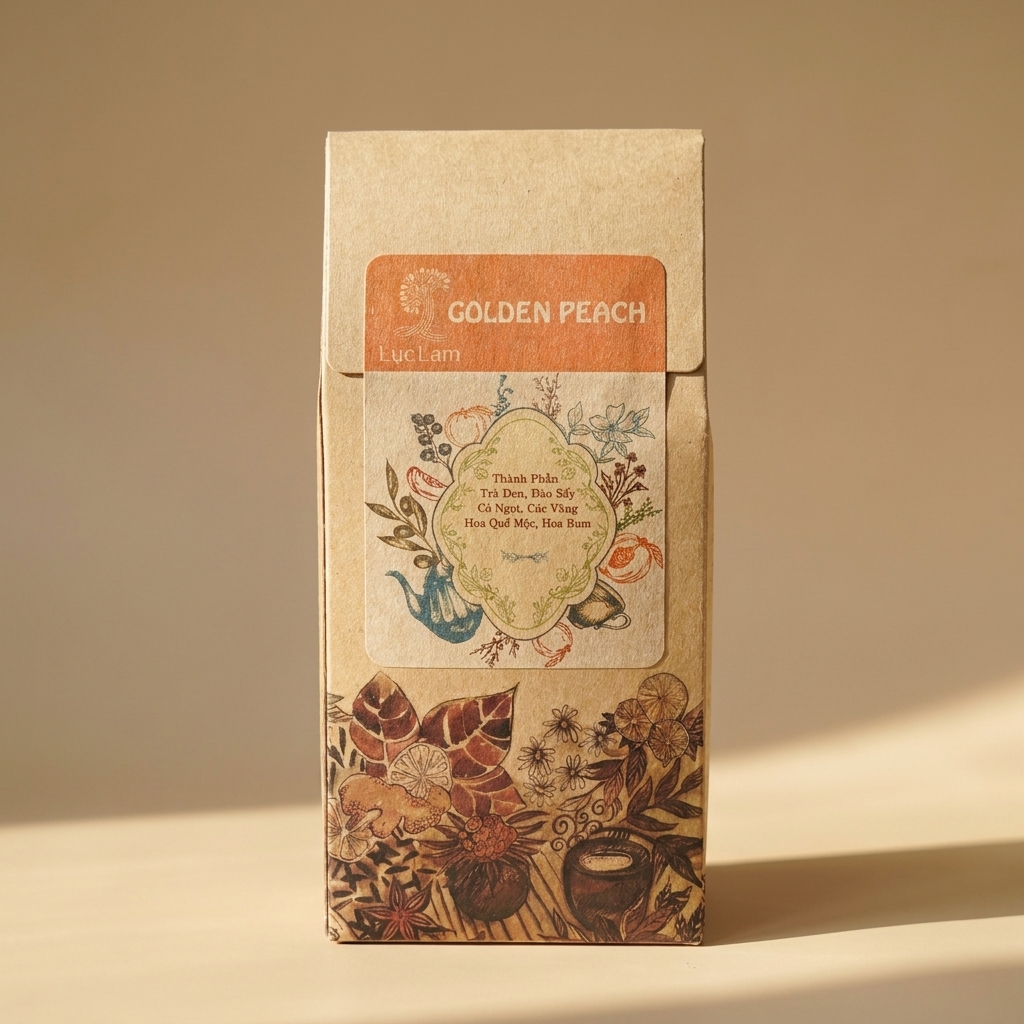
Corporate gifting often involves distributing gifts to different departments or client groups. This requires packaging that is both refined and easy to manage. Look for vendors who offer clear, consistent designs that look premium but are simple to unpack and store. Complicated assembly or fragile components create operational headaches for HR or procurement teams. A good partner simplifies logistics, ensuring that every business gift set arrives in perfect condition regardless of volume. This ease of choice is critical when coordinating gifts for dozens of partners across various locations.
Waste Management and Reusability
Sustainability extends beyond the initial material choice. Ask vendors about their waste management practices during production. Do they recycle water or trimmings? Also, inquire about the lifecycle of the gift itself. Can the recipient reuse the container? A bamboo tea canister, for instance, can serve as a storage jar for years after the tea is consumed. This extends the product’s lifecycle and reduces the need for single-use plastics. Vendors who design for longevity demonstrate a deeper commitment to environmental responsibility than those who focus only on the initial purchase. By prioritizing reusable components, you ensure your corporate gift remains a useful item on the recipient’s desk, not just a temporary keepsake.
Designing the Unboxing Experience for Business Partners
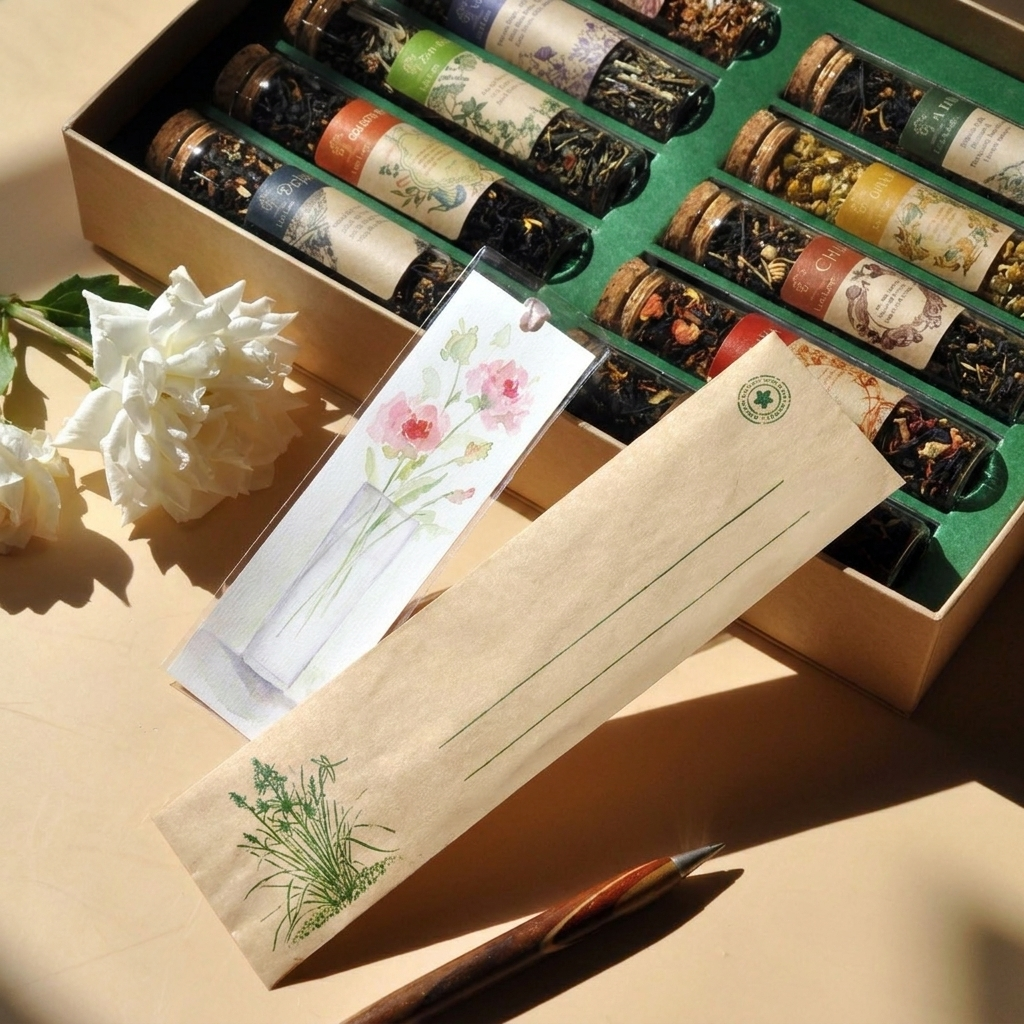
The moment a recipient opens a package is a critical touchpoint for brand perception. In the context of business gift sets, the physical design of the container serves as the first tangible expression of ESG commitments. For Vietnamese tea boxes, this often translates to a distinct aesthetic: clean lines, visible natural textures, and a deliberate reduction in ink usage. This minimalist approach signals that the brand prioritizes environmental responsibility without sacrificing visual elegance. The tactile feel of unbleached paper or textured bamboo reinforces the narrative of authenticity, allowing the recipient to feel the sustainability before tasting the leaves.
Adding Educational Value Through Storytelling
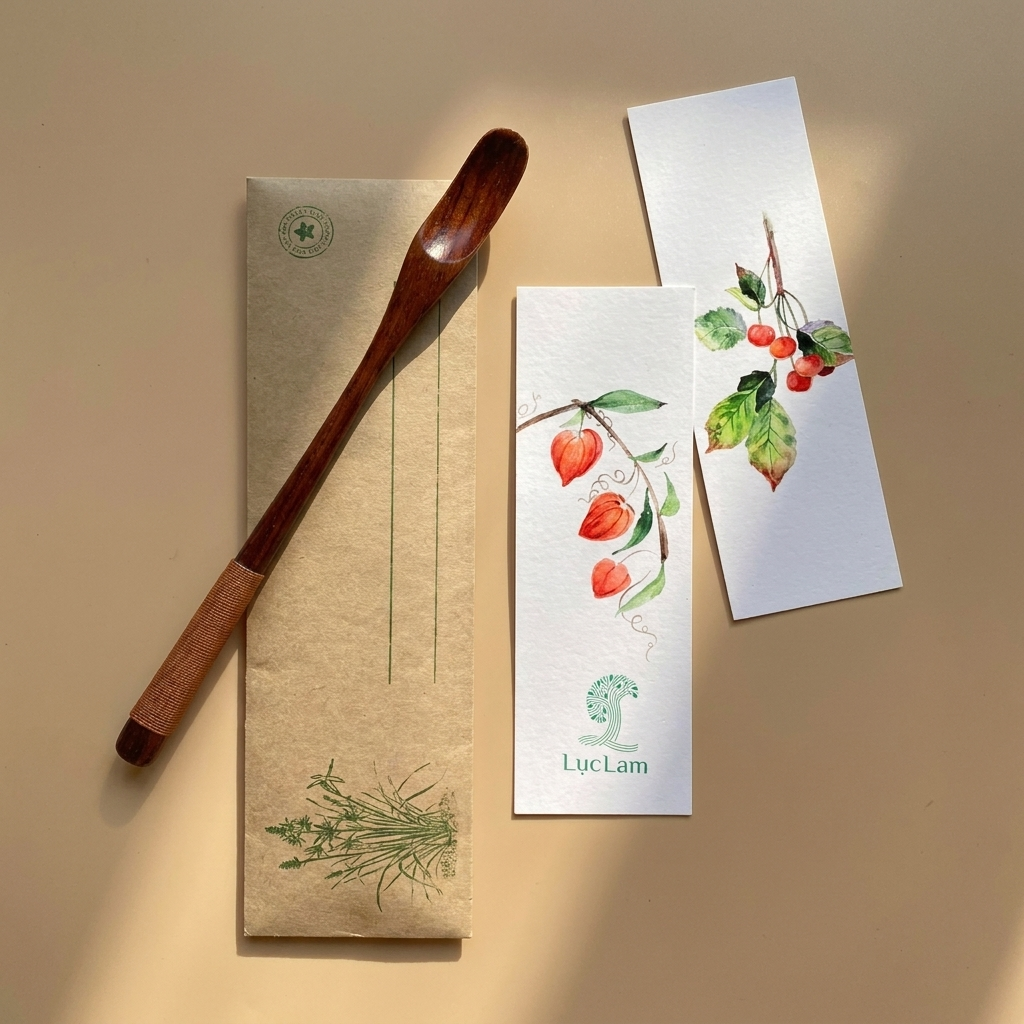
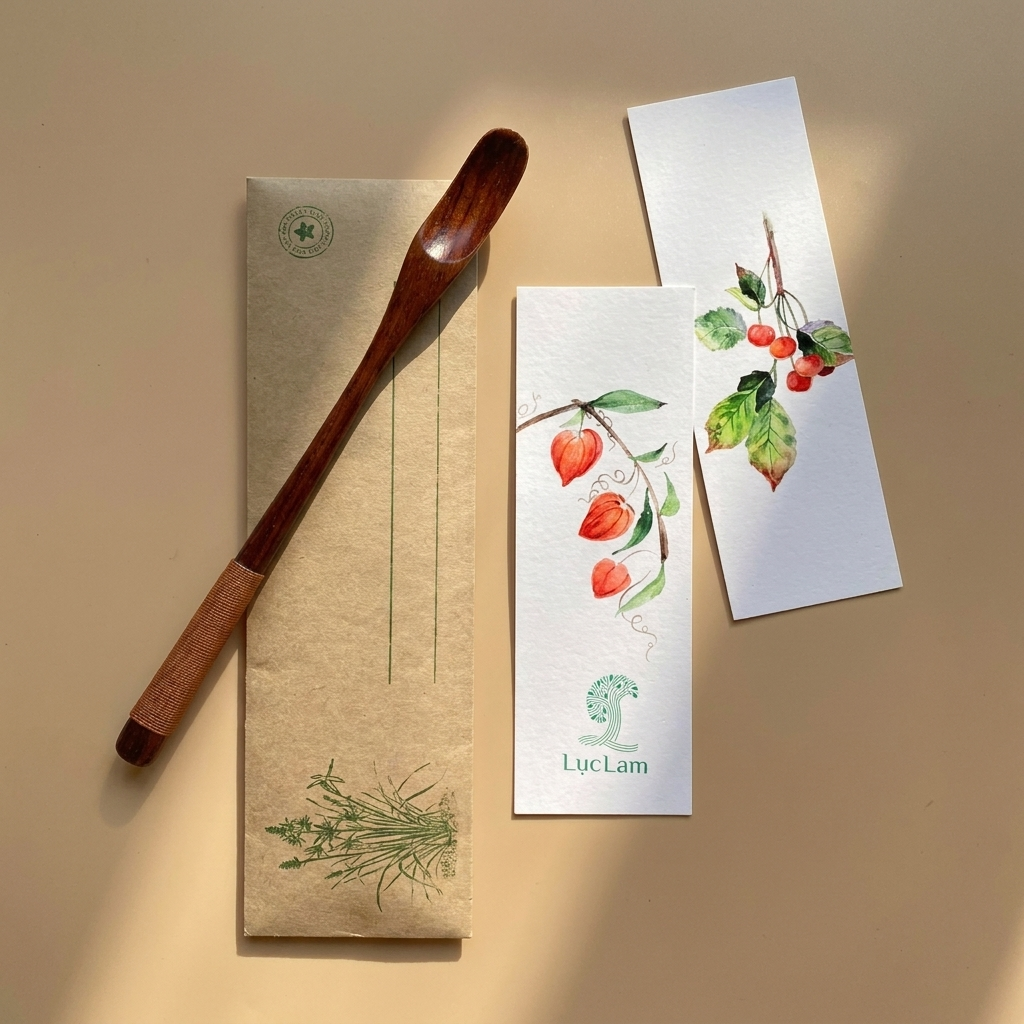
To elevate the gift from a simple commodity to a premium experience, consider including a small card with brewing tips and origin stories. This element adds educational value that reinforces the premium aspect through knowledge rather than just price. A brief note explaining the terroir of the tea or the specific herbal blend can turn the unboxing into a micro-learning experience. This personal touch fosters a deeper connection with the product, encouraging the recipient to engage with the tea more mindfully.
Balancing Branding with Sustainability
When customizing these gifts, the method of branding matters as much as the material itself. To maintain an eco-friendly profile, avoid foil stamping, which often requires non-recyclable inks and excessive heat. Instead, use debossing or water-based inks. Debossing presses the logo into the paper without adding foreign substances, while water-based inks are less toxic and more compatible with recycling processes. This balance ensures that corporate identity is clearly visible without compromising the environmental integrity of the packaging. By choosing these sustainable branding techniques, businesses demonstrate a holistic commitment to ESG goals, ensuring that every detail of the gift aligns with corporate values.
Frequently Asked Questions About Eco-Friendly Corporate Tea
Are bamboo containers truly biodegradable?
A bamboo tea box is a renewable and biodegradable packaging solution, provided specific conditions are met. The material breaks down naturally in composting environments, assuming it has not been treated with chemical preservatives or sealed with plastic lining. Many premium tea vendors use untreated bamboo that allows the container to return to the earth after use. To ensure corporate tea gifts meet strict sustainability standards, ask the supplier to confirm the internal lining and any adhesives used during assembly.
Can custom branding be applied to sustainable materials?
Yes, personalizing eco-friendly packaging is both possible and aesthetically superior to plastic alternatives. Techniques such as debossing, laser engraving, and the use of recycled paper sleeves allow companies to maintain brand visibility without compromising the environmental integrity of the packaging. Debossing, in particular, creates a tactile texture that feels more premium than a printed logo, while paper sleeves offer a durable and elegant surface for intricate design elements. This approach aligns with the goal of creating business gift sets that feel substantial and thoughtful, rather than disposable.
What is a reasonable minimum order quantity for a first-time purchase?
For companies new to sourcing sustainable gifts, flexibility in order size is a critical factor when selecting premium tea vendors. While large-scale productions often require higher volumes, many suppliers now accommodate smaller batches to allow for quality testing before scaling up. A minimum order quantity of 50 to 100 sets is a common benchmark for initial orders. This range provides enough volume to assess packaging durability and tea quality across different departments or client groups without committing to a massive inventory. Requesting pre-production samples from the vendor before placing the full order is a standard practice to verify craftsmanship and material finish.
Conclusion
Choosing an eco-friendly premium tea gift does more than deliver a pleasant beverage; it visibly aligns corporate culture with tangible sustainability actions. By prioritizing material transparency and thoughtful design over sheer volume, you ensure that each business gift set reflects genuine ESG commitment rather than superficial branding. The value lies in the quality of the experience and the integrity of the sourcing, not just the number of items distributed. When you select items with verifiable origins, you turn a routine exchange into a meaningful connection with your partners and clients. If you are sourcing for your next business event, consider reaching out to a trusted supplier to request sample sets and verify their material certifications before committing to a larger order.