On This Page· 5
Walk into any of the popular Da Nang tea houses near the Dragon Bridge and the experience is immediate: a vendor approaches before you can sit down, a menu is thrust in your hand, and the price tag feels less like a cost and more like a tax for having the bad luck to look like a tourist. At Son Tra Night Market, this is the standard script. Visitors frequently describe the atmosphere as overwhelming, with staff constantly pushing items and prices that rarely reflect what a local would pay for the same cup. It is efficient for a quick photo, but it is far from the real thing.
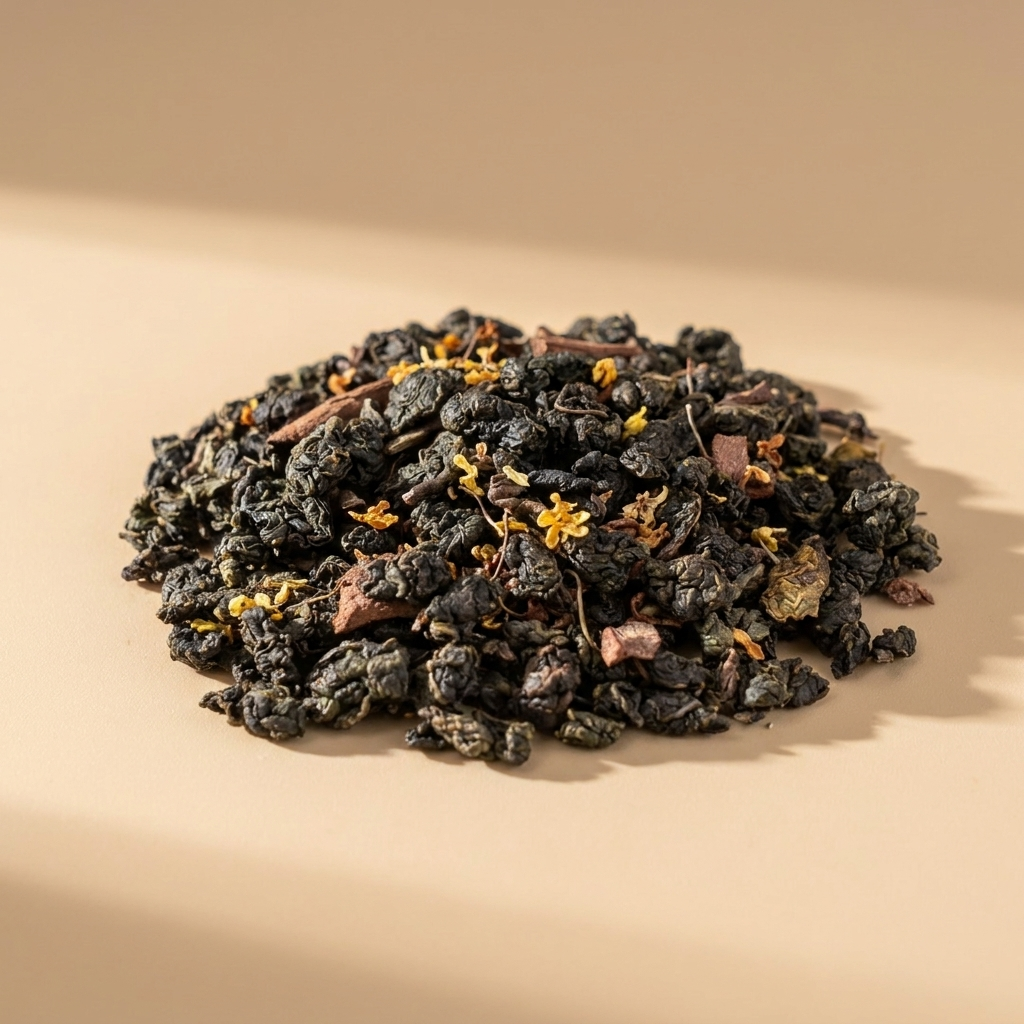
Step away from the bridge and into the alleys of Con Market or Hoa Khanh Market, and the noise changes. Here, there are no staged performances. The air smells of dried chrysanthemums and fresh ginger, and the people serving you are not actors performing for a camera; they are neighbors buying their morning groceries. This is where you find a genuine local tea experience, one rooted in daily routine rather than performance. While the famous landmarks dominate travel itineraries, the authentic tea culture of the city lives in these quieter, neighborhood hubs where residents actually shop and sip. If you want to taste what Da Nang really drinks, you need to leave the tourist path and follow the locals to their markets.
Why Local Markets Beat Tourist Cafes for Traditional Tea
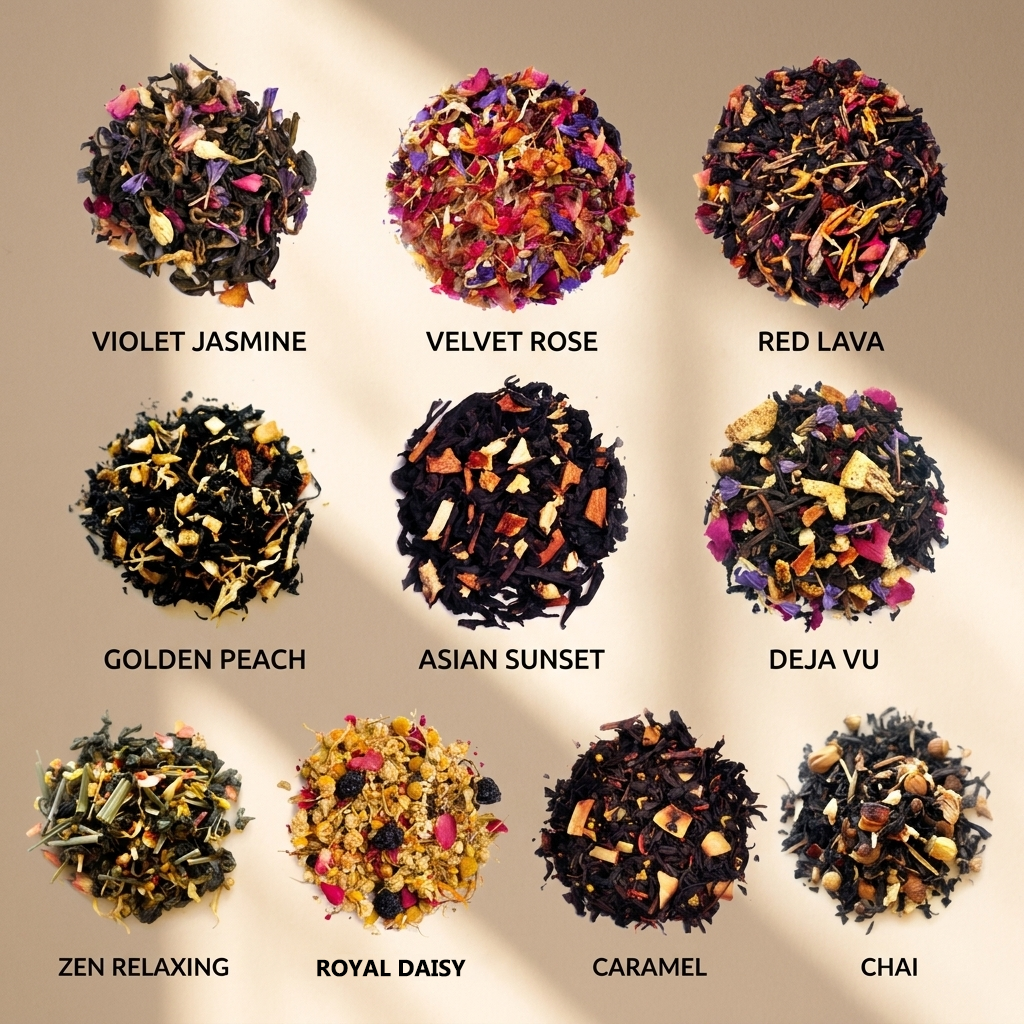
Many travelers assume that finding the perfect cup of tea in Da Nang means hunting down Da Nang tea houses near the Dragon Bridge. Yet, these established tea houses often prioritize a curated, polished ambiance over the raw reality of how locals actually consume their daily drinks. If you are seeking the true pulse of authentic tea culture, you need to look past the staged interiors and into the bustling aisles of local markets, where the brewing tradition remains untamed and genuine.
The Cost of Performative Hospitality
The contrast is sharpest when you compare the tourist zones to the neighborhood shopping districts. A frequent complaint in reviews of the Son Tra Night Market is that vendors are pushy, constantly forcing menus on customers while charging prices that rarely match the quality of the food. This creates a transactional, high-pressure environment that feels more like a service to be endured than a culture to be experienced. In these tourist-heavy areas, the goal is to sell a drink to a passerby, not to share a daily ritual. By avoiding these performative spots, you save yourself from the frustration of being herded into a seating area while a vendor watches you sip a cup of lukewarm, overpriced infusion. Instead, you can focus on the quiet, unpretentious interactions that define the real local tea experience.
Defining the Local Tea Experience
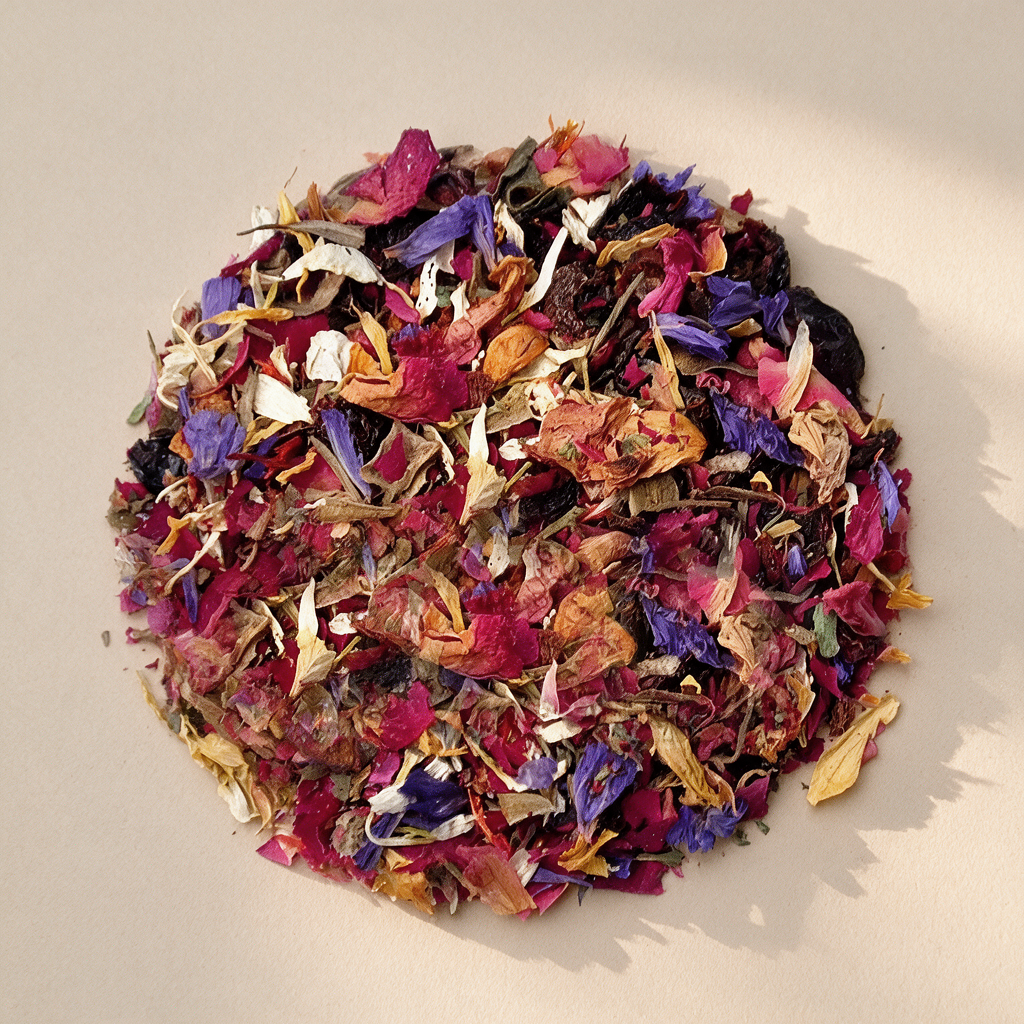
So, what does an authentic session actually look like? A local tea experience is a blend of observation and participation. It involves seeing how herbs are sourced, watching the daily routines of residents as they buy their weekly supply, and tasting beverages in a setting that is casual and unpolished. In a polished cafe, the tea is a product; in a market, it is a part of life. You are not just a customer; you are a witness to a living tradition where the act of buying, brewing, and sharing is woven into the fabric of the neighborhood. The air smells of drying leaves and fresh fruit, not of scented candles and expensive furniture polish.
The Full Supply Chain in View
One of the most compelling reasons to visit a market is the visibility of the entire supply chain. In a typical Da Nang tea house, you see only the final product: a cup in a cup. At a local market, you can trace the journey of traditional Vietnamese tea from its origin to your mouth. You can inspect the quality of the dried flowers, see how the herbal blends are measured, and understand exactly what is going into the pot. This transparency is impossible in a polished, white-tablecloth setting where the process is hidden behind a counter. By visiting these Da Nang local spots, you gain a level of insight into the ingredients and the culture that no luxury tea room can provide.
Con Market: Where to Find Fresh Herbs and Daily Rituals
Con Market is not just a place to buy things; it is a living window into how residents of Da Nang go about their daily routines. Unlike the performative energy of tourist zones, this traditional market area focuses on the genuine, unscripted rhythm of local life. You will see residents shopping for clothing, textiles, and housewares, offering a perspective on the city that a polished cafe simply cannot replicate.
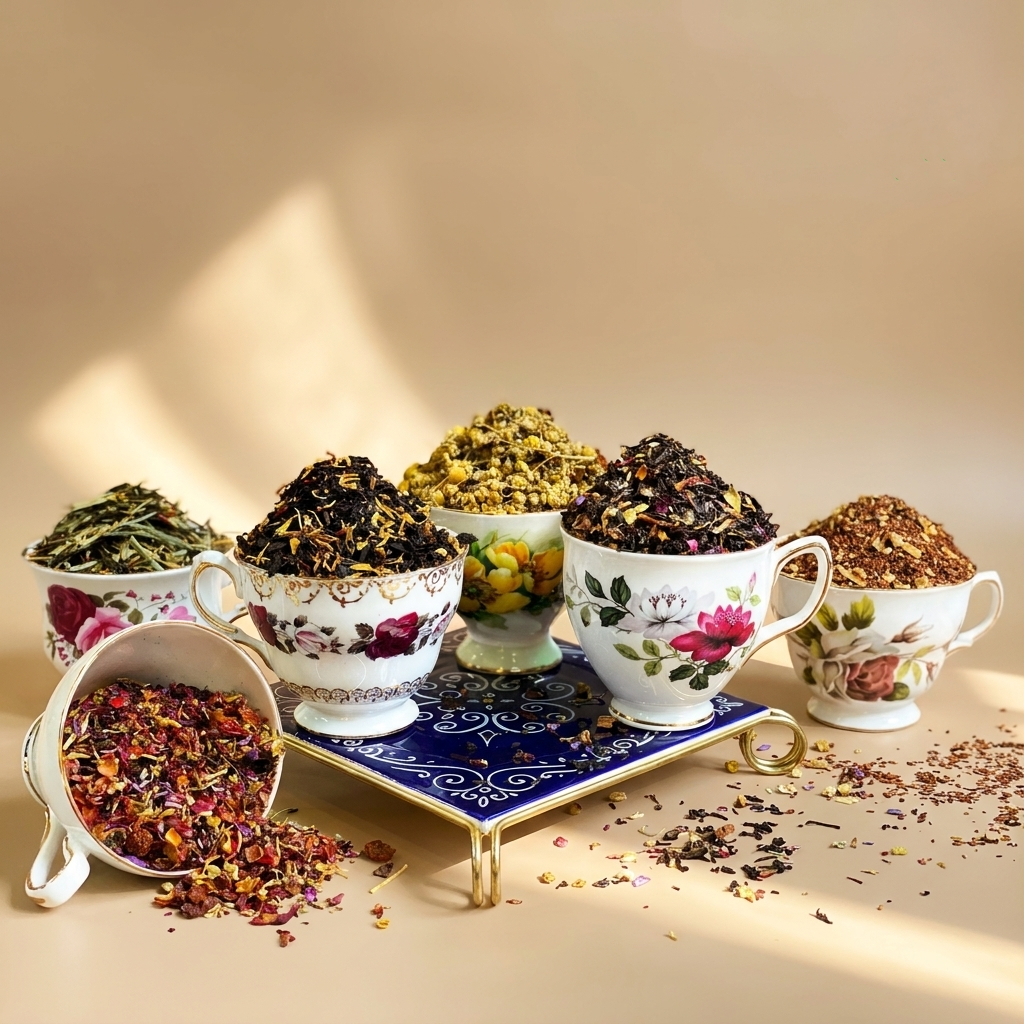
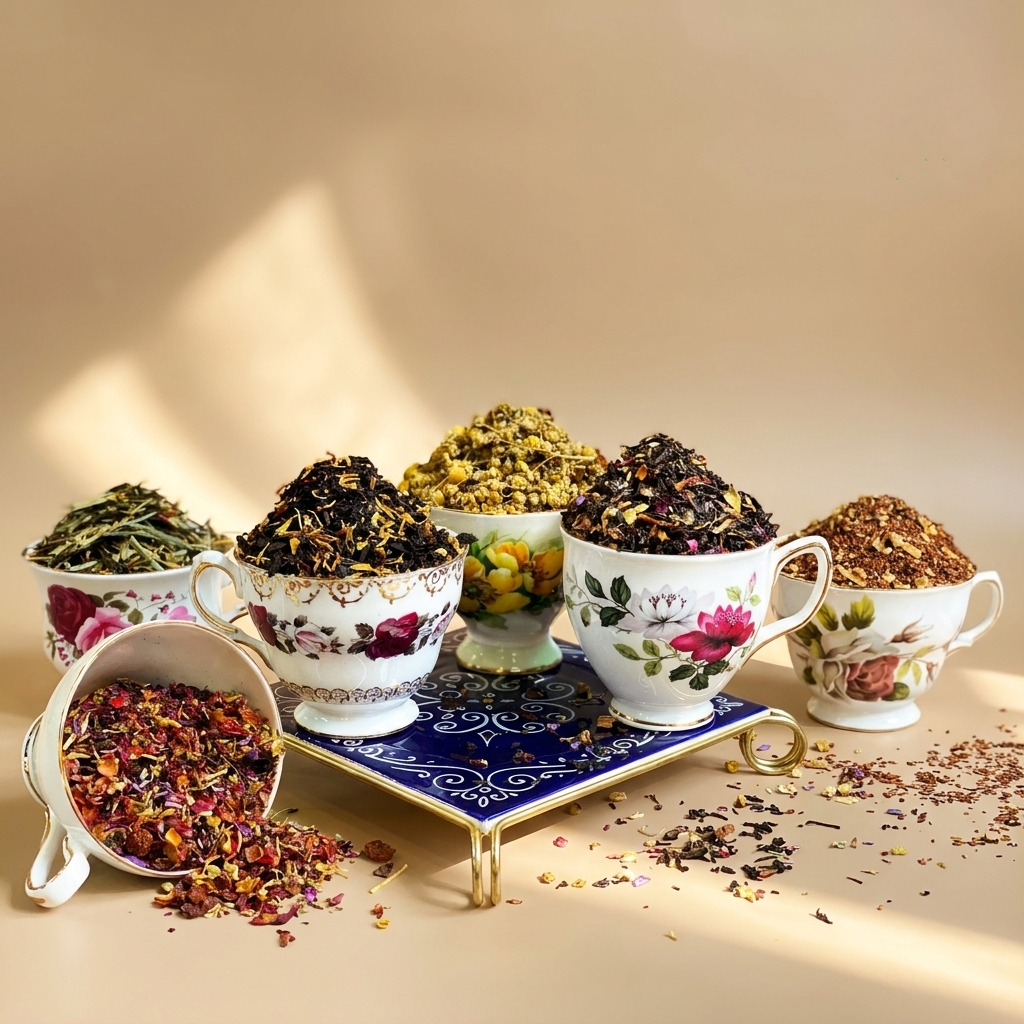
To understand the local tea experience, look beyond the obvious beverage stalls. The heart of the traditional Vietnamese tea culture lies in the aisles dedicated to dry goods and herbs. Here, you can find the raw materials for your own infusions: small packets of dried flowers, herbal blends, and fresh fruits intended for home brewing. This section of the market allows you to see the full supply chain of the tea, from the botanical source to the final consumption, providing a depth of knowledge that a finished cup in a tourist zone rarely offers.
Timing your visit is the key to a smoother experience. Peak congestion can make the narrow lanes feel overwhelming, so the best approach is to arrive in the early morning or late afternoon. This timing aligns with the natural shopping rhythm of the area and allows you to observe the stalls without being caught in the rush of the midday crowd.
Etiquette and the Art of the Sample
While haggling is a well-known part of the market culture, it is not always the right tool for every interaction. If you are simply browsing or looking to purchase a small sample of loose-leaf herbs, a friendly smile and a polite refusal are more appropriate than aggressive bargaining. Vendors here are accustomed to the flow of local shoppers, and a respectful approach often leads to a more helpful and genuine conversation about the ingredients on display. For a deeper look at Da Nang local spots that prioritize authenticity, the quiet corners of the market often provide the most rewarding encounter.
Hoa Khanh and Bac My An: Quiet Corners for Local Beverages
If the energy of Con Market feels like too much, Hoa Khanh and Bac My An offer a different rhythm. These are Da Nang local spots where the tourist pressure drops significantly, allowing for a genuine local tea experience without the crowds. While Con Market is a bustling hub, Hoa Khanh Market serves as a quieter, residential alternative. It operates as a ‘real local market’ where residents go about their daily business, meaning the pace is slower and the interaction with vendors is more natural. For those seeking authentic tea culture, this relaxed environment is far more conducive to observing how traditional drinks are prepared and consumed in everyday life.
Daily Drinks in a Relaxed Setting
At these markets, you will find the beverages that locals actually drink every day, not just the tourist-centric options. Fresh herbal teas and iced fruit infusions are staples here. Unlike the polished presentation of high-end cafes, these drinks are served simply, often in plastic cups, straight from the source. The quality comes from the freshness of the ingredients—local herbs, citrus fruits, and quality leaves—rather than elaborate garnishes. This makes for an unpretentious and honest tasting experience. You can sit on a low plastic stool, watch the neighborhood go by, and enjoy a cool, refreshing infusion without feeling rushed by a vendor to buy more. This observation of daily routines is a key part of the traditional Vietnamese tea experience, showing you how these drinks fit into the fabric of local life.
A Taste of Local Culture
One specific highlight at Bac My An is the Kem Bo Co Van stall, famous for its avocado ice cream. This treat serves as a grounded example of the local food culture available in these areas. It is not a fancy dessert served on silver platters; it is a casual, high-quality, and beloved local snack. Finding your way to this stall, navigating the market’s smaller scale, and sharing a treat with a local vendor or another visitor is a micro-experience of Da Nang’s true personality. It illustrates the type of casual, accessible pleasures that make these Da Nang tea houses and market stops preferable to tourist traps. The focus here is on simple, direct enjoyment—whether it’s a cup of herbal tea or a scoop of avocado ice cream—rooted in the genuine traditions of the neighborhood. By choosing these quieter corners, you trade the spectacle for substance, gaining a deeper connection to the authentic tea culture and daily rhythms of Da Nang.
Navigating Authentic Tea Culture: A Practical Guide
Understanding the distinction between staged tourist experiences and genuine neighborhood stops is the key to finding a meaningful local tea experience in Da Nang. The gap between the two is stark, as shown in the comparison below.
| Criteria | Tourist Zone (Son Tra/Han River) | Local Market Zones (Con/Hoa Khanh) |
|---|---|---|
| Atmosphere | Performative, staged for visitors | Casual, daily life, unpretentious |
| Price Range | High, premium pricing | Low, competitive, haggling expected |
| Vendor Pressure | High (menus pushed, upselling) | Low (browse at your own pace) |
| Authenticity Level | Low (tourist-focused) | High (real local shopping) |
To move beyond the generic offerings, look for specific ingredients that define traditional Vietnamese tea. In the dry goods aisles of Con Market or the quieter stalls at Hoa Khanh, prioritize these five options:
- Chrysanthemum (Cúc): A staple floral infusion, known for its clarity and gentle taste.
- Jasmine (Quất): The most common scented tea, often blended with green tea leaves.
- Ginger (Gừng): Frequently seen as a fresh ingredient or dried slice for warm infusions.
- Elderflower (Hoa Atiso): Used both for infusions and as a key ingredient in local herbal waters.
- Lemongrass (Sả): A grassy, citrusy note often found in detox-style blends.
Quality in these markets is best judged by activity, not appearance. A stall with a long line of local residents and rapidly restocked shelves is a reliable indicator of fresh stock and fair pricing. This “shop like locals” heuristic is far more effective than seeking out polished, isolated kiosks that cater exclusively to tourists. If a stall is empty of locals, the inventory is likely stagnant or destined for a different price point.
Finally, the language barrier is minimal with just two words. Use trà for tea and tươi for fresh. Pointing to a jar and asking “Có tươi không?” (Is it fresh?) or simply saying “Muốn trà tươi” (Want fresh tea) is often enough to get the vendor to bring out their current stock. A smile and a polite nod go a long way in these environments, ensuring a positive interaction without the need for extensive haggling over small purchases.
Frequently Asked Questions About Da Nang Tea Stops
Visitors often have specific questions before sipping a cup of herbal infusion on the street. Understanding the norms of this authentic tea culture helps you navigate the market with confidence and respect.
Is it safe to drink street tea in Da Nang markets?
Yes, fresh brewed herbal teas from busy local stalls are a standard daily practice for residents. The key is to choose stalls with high local turnover and visible clean water sources. A stall where a queue of neighbors waits for their daily brew is a strong indicator of hygiene and freshness. Conversely, you should avoid pre-bottled drinks of unknown origin or those left uncovered in direct sunlight for hours. The raw, on-the-spot preparation ensures you are tasting the traditional Vietnamese tea exactly as it was meant to be enjoyed, without the safety risks of stagnant or unmarked fluids.
Can I buy loose-leaf tea as a souvenir at Con Market?
Absolutely. Many vendors in Con Market sell small packets of dried herbs and leaves, making it an easy-to-choose gift option. These items are lightweight, easy to pack, and carry a direct connection to the local flavors you just experienced. You can pick up blends of dried flowers, herbs, or plain black tea leaves. While these market items are authentic and affordable, they often come in simple plastic or paper packaging. If you prefer a presentation that is suitable for gifting to family or business partners, you might look for a shop that offers refined packaging, but for a personal keepsake, the raw market bags are perfect.
What is the difference between Da Nang tea houses and these markets?
Da Nang tea houses are curated experiences. They typically feature higher prices, specific ambiance, and a menu designed for relaxation or tourism. In contrast, markets are part of the daily grocery run. They are raw, authentic, and unpretentious. At a market, you are not just buying a drink; you are observing the supply chain of traditional Vietnamese tea. You see the dried herbs in their raw state, watch locals haggle for small quantities, and understand the true local tea experience. The market offers the truest local tea experience because it is not staged for visitors; it is a functioning part of the city’s infrastructure.
Do I need to haggle for tea and herbs?
For small purchases, it is often unnecessary. If you are buying a single cup of tea or a small bag of dried leaves, the price is usually fixed or the margin is so small that haggling feels awkward. Haggling is more common for larger quantities, such as bulk clothing or household goods. However, a polite ask is always welcomed. A friendly smile and a gentle question about the price show respect and keep the interaction positive. In this authentic tea culture, the vendor’s relationship with the customer matters more than the final cent.
Stepping away from the Dragon Bridge reveals a side of Da Nang that polished tourist zones often miss. By exploring Con and Hoa Khanh markets, you gain access to the local tea experience that defines daily life here. This is where residents shop for their morning infusions, where the rhythm of the city is measured in cups of jasmine and chrysanthemum rather than staged performances.
This shift in location offers a deeper connection to authentic tea culture. It is an opportunity to observe how traditional Vietnamese tea is sourced, prepared, and enjoyed in a setting that feels lived-in rather than curated. The value lies not just in the beverage itself, but in the immersion into the neighborhood’s daily flow.
If you wish to take these discoveries home, consider selecting a curated selection that mirrors the flavors you encountered. At Lục Lam, you can find refined packaging and easy-to-choose Vietnamese gifts, ensuring your present is suitable for family or colleagues without the hassle of transporting loose market items. It is a simple way to preserve the essence of your Da Nang stay.
