On This Page· 4
You step into a bustling Nha Trang market, expecting to find authentic local flavors, but the air is thick with the scent of cheap plastic trinkets and mass-produced keychains. The first rows of stalls shout for your attention, offering identical souvenirs that look nothing like what a local would actually bring home. This is the classic traveler dilemma: where is the line between the tourist trap and the hidden gem?
Many visitors leave disappointed, thinking the market only sells low-quality items. In reality, the same walls hold the source of genuine Nha Trang dried seafood just a few aisles away. The difference lies in navigation, not luck. You must distinguish the generic souvenir zone from the specific section where residents buy their daily Vietnamese dried fish for cooking.
This guide serves as your navigation tool. We will map out the physical layout to help you buy local souvenirs that are actually edible, explain how to judge quality by sight and smell, and show you how to apply Nha Trang shopping tips like proper bargaining. By the end, you’ll know exactly where to stop, what to ask, and how to ensure your local food gifts carry the true taste of the region, not just a generic label.
Dam Market: Navigating the Two-Zone Layout
Dam Market in Nha Trang is not a single, uniform space; it operates as two distinct zones that serve very different purposes. Walking into the initial, lower section, you will likely find a dense cluster of stalls selling cheap, generic tourist souvenirs. These items—often mass-produced and lacking local character—cater to the immediate need for a quick memento rather than a meaningful gift.
However, this area is just the entry point. To find the authentic experience, you must look for a specific sensory cue: the nearby fruit and vegetable street. This adjacent lane acts as a visual and olfactory bridge, signaling your transition from the commercial tourist zone into the area where local residents actually shop. It is here, in the separate seafood section, that you will find the high-quality Nha Trang dried seafood that locals buy for their daily cooking.
The Cue for Crossing Over
Many visitors mistakenly stay within the souvenir zone because it is the most accessible and clearly marked. While this area offers convenience, it is not the place for authentic local food gifts. The value of your time at the market lies in crossing over to the seafood stalls, where the products are fresh, locally sourced, and intended for genuine consumption rather than display.
This transition is a key Nha Trang market guide tip. By recognizing the shift from the bright, plastic-filled souvenir stalls to the aromatic, textured environment of the seafood and produce sections, you align your shopping with the local rhythm of the market. The presence of the fruit and vegetable street serves as a reliable signpost, indicating that you have reached the part of the market where the products are intended for real meals, not just for a shelf at home.
Prioritizing Authenticity Over Convenience
Choosing to spend extra time crossing these zones is essential for anyone who wants to buy local souvenirs with substance. The souvenir section may satisfy a quick check, but the seafood section offers a genuine connection to the region’s culinary heritage. When you prioritize the latter, you are not just buying a product; you are participating in the local trade.
This approach turns a simple transaction into a cultural experience. The difference between a generic trinket and a jar of well-dried squid is the difference between a forgotten object and a taste of Vietnam. By navigating past the initial crowd and following your nose to the local hubs, you ensure that your final purchase reflects the true character of Nha Trang. This is the core of effective Nha Trang shopping tips: know where to go, and know where to stop.
Managing Expectations: Real Visitor Reports on Dam Market
Walking into Dam Market with high hopes for a pristine shopping experience can lead to a jarring reality check. The online reviews are polarizing, creating a confusing picture for anyone planning to buy local souvenirs. One traveler describes it as a “lovely clean market” with manageable crowds, while another reports a chaotic environment filled with strong odors. These conflicting accounts often leave visitors unsure of what to expect, leading to disappointment when the scene doesn’t match their mental image of a tourist-friendly hub.
The key to navigating this discrepancy lies in understanding the market’s dual nature. Dam Market is not a curated retail space designed for aesthetic pleasure; it is a working local hub where residents go to buy their daily necessities. The “clean” reports often come from visitors who arrive early, before the peak rush, or who move quickly through the designated tourist zones. The “chaotic” descriptions usually reflect the midday peak, when the market is at full capacity with local vendors restocking and community members doing their routine shopping. If you visit seeking a sterile, museum-like experience, you will likely find it unappealing. However, if you approach it as a genuine glimpse into local life, the energy becomes part of the appeal.
For those specifically interested in Nha Trang dried seafood, the atmosphere is less important than the product quality. A positive review noted the goods are “good quality but not original.” This is a critical distinction for gift buyers. The items sold here are not antique artifacts or “museum-grade” heritage pieces. They are high-quality, functional local products meant for consumption and everyday use. When you plan to buy local souvenirs, adjust your standards accordingly. You are purchasing fresh, authentic flavors rather than decorative antiques. This realistic expectation allows you to appreciate the value of the goods without feeling shortchanged by the lack of elaborate presentation or historical provenance. The goal is to find a taste of the region, not a piece of history, and that shift in perspective turns a potentially frustrating visit into a productive one. This approach helps you focus on the food itself rather than the environment surrounding it, ensuring a smoother shopping experience for your local food gifts.
Bargaining Norms and Pricing for Dried Seafood
Multiple visitor reports confirm a single, non-negotiable rule for this area: you must bargain. The displayed prices at these stalls are rarely final, and they are often set higher to account for the inevitable haggling that follows. Walking in without negotiating means paying more than a local resident would for the same bag of dried squid or shrimp. This is not an optional ritual; it is the standard operating procedure of the market.
The Right Way to Start the Negotiation
A common mistake is offering an insultingly low amount, which can stall the interaction or offend the vendor. A more effective approach is to anchor your opening bid at 50–70% of the asking price. This range is respectful enough to show you are taking the trade seriously, yet low enough to leave room for a compromise. For example, if a basket of dried fish is quoted at 100,000 VND, starting at 50,000 to 70,000 VND is a reasonable opening move. Expect the vendor to counter higher, and aim to meet in the middle. This back-and-forth is not an insult; it is the social texture of the local market experience. Many travelers find that the effort involved in reaching a fair price adds to the authenticity of buying local food gifts, turning a simple transaction into a brief cultural exchange.
Context: Competition and Price Stability
It is worth noting that Dam Market is not a ‘highly competitive’ environment in the sense of a price war. Vendors are not undercutting each other aggressively to win single sales. However, the variety of stalls selling similar items allows for easy comparison. If one price feels stuck, moving two stalls down often yields a better rate. This mild competition, combined with the expectation of negotiation, ensures that you are not overpaying. For those looking for Nha Trang shopping tips, remember that patience is your most valuable tool. The goal is not just to get a low price, but to engage with the local trade in a way that feels fair and mutually respectful. When you leave the stall, both you and the vendor should feel satisfied with the deal, ensuring a positive end to your hunt for Vietnamese dried fish specialties.
Reading the Product: Visual and Olfactory Cues
When navigating the seafood stalls to buy local souvenirs, your senses are your most reliable quality checks. A high-quality piece of Vietnamese dried fish should appear dry to the touch but not so brittle that it snaps immediately. If the item feels completely rigid or powdery, it may be over-processed or stale. The texture should have a slight resilience, indicating it was dried at the correct pace.
Smell is the second critical indicator. Authentic dried seafood carries a strong, distinct savory aroma. This scent should be pronounced but never rancid or sharp. If the smell is off-putting or overly pungent in a sour way, it is a clear sign of oxidation or improper storage. For travelers, this simple sniff test prevents the disappointment of buying a gift that tastes unpleasant. Always ask the vendor to open a sample package before you commit to a purchase, as sealed bags can hide these sensory defects.
Beyond the Trinket: Food Gifts vs. Souvenirs
A common mistake for visitors is confusing the souvenir section with the local food zone. In the latter, you will find genuine local food gifts that reflect the region’s culinary heritage. These items, such as specific types of dried squid or local fish varieties, are often packaged simply, sometimes in clear plastic bags with minimal labeling. This lack of fancy packaging is not a flaw; it is a sign of a product intended for daily consumption rather than mass-production.
In contrast, the souvenir area sells generic trinkets like keychains or cheap mugs. While these are easy to carry, they lack the personal connection that a well-chosen food item provides. When you select a local specialty from the fresh section, you are bringing home a taste of the area. This thoughtful distinction matters more than the price tag. A modest bag of dried seafood purchased directly from a local stall is a more meaningful gesture than a batch-produced keepsake, as it represents the actual daily life and trade of the community. This approach to shopping turns a simple transaction into a cultural experience, ensuring your gift has a story behind it.
FAQ: Shopping for Gifts in Nha Trang
Safety and Navigating Dam Market
Is Dam Market safe for visitors?
Yes, it is a public market and a standard local environment. While some reviews mention chaos, the atmosphere is typical for a busy hub in the city. As with any crowded location, keep valuables secure and be aware of your surroundings. You will find that the local flow is constant, so moving with the crowd rather than against it often makes for a smoother experience.
Sourcing Tea, Coffee, and Seafood
Can I buy Vietnamese tea and coffee at Dam Market?
The market is not the primary destination for premium curated tea or coffee gifts. While you will find dried seafood, if you are looking for refined packaging or specific gift sets for colleagues or family, consider specialized local shops or established gift retailers in the city. These dedicated spaces typically offer a wider range of options that are easier to present as professional or personal gifts.
Budgeting for Local Food Gifts
How much should I budget for dried seafood souvenirs?
Prices for Nha Trang dried seafood vary by quantity and type. Since bargaining is expected, it is helpful to set a budget per item and stick to it. High-end dried squid or rare fish varieties may cost more than common dried shrimp, so comparing the quality of different stalls can help you find a good value. Buying in slightly larger quantities often reduces the per-unit cost, which is a common strategy for those buying local food gifts to share.
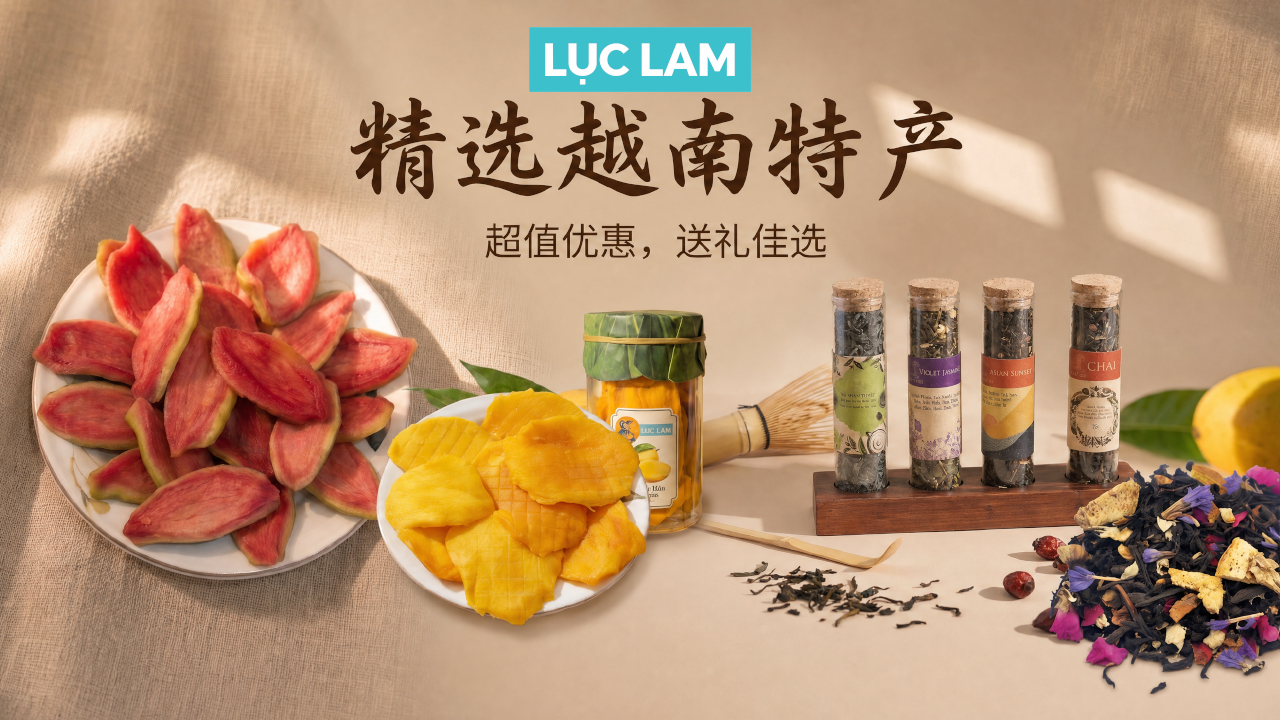
Dam Market remains the practical choice for sourcing genuine Nha Trang dried seafood, provided you know where to look. The key is not just visiting the market, but crossing over from the souvenir stalls into the local seafood section where residents actually shop. Pair this with a willingness to negotiate, and you move from a typical tourist experience to a meaningful connection with local trade. The details matter: checking texture, smelling for freshness, and understanding which items serve as thoughtful local food gifts for those back home. While the market offers the raw materials for your culinary souvenirs, the final presentation is where a gift truly shines. As you plan your trip to bring the flavors of Vietnam home, remember that the right gift lies in the details of the local trade. For refined packaging and a wider selection of tea, coffee, and dried fruit gifts, explore our curated collection at Lục Lam Vietnam Tea.