On This Page· 4
Most lists of Phu Quoc souvenirs rank items by price or category, treating gifts like objects to be purchased and forgotten. But a memorable gift isn’t a commodity. It is a memory-creation tool that sparks stories long after the trip ends. The goal is not to buy the most expensive item. It is to create a connection that grows in value with each new story attached to it.
Think of a travel patch blanket. It is a simple keepsake that gains meaning with every place added to it. That is the principle at work here. Instead of grabbing a generic object at the airport, reframe your Phu Quoc souvenirs as the first chapter of a shared story. A bottle of local fish sauce or a tin of coconut products becomes an experience anchor when you add a simple note about where you found it or why it reminded you of the recipient. This “story-tagging” transforms a mass-produced item into a personal artifact. By focusing on the narrative rather than the product, you turn ordinary island gifts into mementos that tell the story of your time on the island.
Why a memory creates more value than a thing
Most travelers leave Phu Quoc with a bag of generic objects that lose their meaning within weeks. The psychological shift in modern gift-giving moves away from acquiring “perfect” items and toward creating meaningful connections. The goal is no longer to achieve prestige through price tags. It is to demonstrate genuine care. When a gift sparks a conversation rather than sitting on a shelf, it becomes an active part of the relationship.
Consider the “travel patch blanket” as a core metaphor. One recipient shared a wool blanket from her husband for her 50th birthday. It featured sewn patches representing places they had visited together. The physical object was simple. But its value grew with each new story attached to it. This is the principle behind effective island gifts: the item is a canvas for shared experiences, not just a decoration.
Many Phu Quoc souvenirs fail because they are mass-produced. They look identical to items available in any airport duty-free store. To reframe this, view the purchase as the first chapter of a shared story between giver and receiver. Instead of buying a generic coconut product, think of it as a sensory trigger. It will later remind the recipient of the specific afternoon you spent together on the beach.
This is where “story-tagging” transforms a commodity into a personal artifact. Adding a small note with the location where the item was bought or the reason for the choice bridges the gap between a generic object and a memory. Relationship therapist Nedra Tawwab noted that the best gifts come from people being intentional about what sparks joy in the recipient. By including a detail like “bought at the morning market when we saw the rain start,” you turn a simple item into a portal back to that moment.
Turning local specialties into story artifacts
From shelf object to experience anchor
Phu Quoc’s most famous items are often consumables: fish sauce, dried seafood, and coconut products. These island gifts are usually viewed as practical edibles rather than keepsakes. To transform them, reframe the purchase as an experience anchor. Instead of simply buying a bottle of fish sauce, treat it as the physical residue of a specific morning in a bustling market.
The technique is simple: pair the item with a written note. Do not write a generic “I love you.” Instead, describe the specific street, the smell of the stall, or the vendor’s greeting. This transforms the object from a shelf item into a sensory trigger. When the recipient smells the fish sauce or tastes the coconut candy, they are not just consuming a local specialty. They are revisiting a moment you shared with them in thought.
The narrative over the product spec
Consider how a traveler might present this to a family member. A visitor from Japan might select a small bottle of local fish sauce. The gift note would not list the brand or price. It would say: “I found this at the wet market in Duong Dong. The vendor showed me how to taste the raw catch. I remembered how you taught me to appreciate the complexity of fermented flavors. This brings that afternoon back.”
This approach emphasizes the narrative rather than the product specification. It aligns with the principle that the goal of gifting is to show care through intentionality. It is not about displaying the status of the item. By attaching a story, the local specialty becomes a unique memory artifact. No mass-produced souvenir can replicate this personal touch.
The handmade tier: choosing handicrafts with a story
Handmade items offer a direct line to the maker. They allow you to add personal depth without becoming a craftsperson yourself. Unlike mass-produced goods, these pieces carry the subtle imperfections of human hands. These flaws often feel more authentic and memorable to the recipient. When selecting island gifts, this intentionality transforms a simple object into a narrative artifact.
Identifying artisan pieces in Phu Quoc
Phu Quoc’s local craftsmanship often centers on natural materials like palm fiber, rattan, and reclaimed wood. You may encounter woven baskets, small wood carvings of marine life, or lacquerware. To identify a piece with a genuine artisan story, look for unique variations in pattern or grain. Uniformity suggests factory production. Slight irregularities often indicate hand-weaving or hand-sculpting. These small details signal that a specific individual spent hours on this single item. They did not have a machine produce hundreds in an hour.
The power of the question
The most valuable part of a handmade gift is often the context you can provide. Before purchasing, ask the seller or maker one simple question: “Who made this, and what technique was used?” Even a brief answer gives you a specific detail to share. For example, “This basket was woven by a woman in a nearby village using traditional palm stripping.” When you present the gift, mention this origin. This small act of sharing the maker’s story bridges the distance between your travel experience and the recipient’s home. It turns the object into a conversation piece rather than just a decoration.
Intentionality over price
A modest, well-chosen handicraft often creates a stronger emotional impact than an expensive, generic item. Recipients tend to value the thought and effort behind a selection more than its market price. By focusing on the story and the maker’s skill, you align with the principle that joy comes from intentionality. The gift becomes a reminder of a specific moment and a person. It is not just a transaction. This approach ensures the item holds sentimental value long after the vacation ends. It serves as a tangible connection to the island’s culture and your time there.
Common gifting mistakes to avoid on the island
When selecting island gifts, the goal is to create a positive reaction. It is not to create a logistical problem. The most frequent error involves bringing back items that are physically burdensome. A large ceramic sculpture or a bulky woven basket may look impressive in a market stall. But it becomes a struggle at the airport security checkpoint or a space-hog in a hotel room. If an item is difficult to transport, it risks arriving damaged or forgotten in a suitcase corner. This strips the memory of its freshness. Stick to compact, durable items that survive the journey back to your destination intact.
Another pitfall is the “logo principle.” Avoid purchasing goods with heavy commercial branding. This turns the gift into an advertisement. A shirt with a large resort name or a bag emblazoned with a tour operator’s logo feels transactional rather than personal. Ingrid Fetell Lee, the founder of The Aesthetics of Joy, advises against putting a company logo on gifts. Logos create visual clutter and make the item feel like marketing material rather than a token of affection. Choose items that feel personal and understated. This allows the story of the trip to shine through the object itself.
Aligning the gift with the recipient
Assuming preferences is a subtle but common mistake. This includes offering alcohol to someone who does not drink. It also includes selecting specific dietary items without checking for allergies. As relationship therapist Nedra Tawwab notes, it is important to know what people need, not what we want them to need. Before buying local specialties like fish sauce or coconut products, consider the recipient’s lifestyle. A bottle of liquor is a thoughtful gesture only if the recipient actually enjoys it. Otherwise, it is simply an object they did not ask for.
Finally, resist the pressure to equate price with thoughtfulness. The joy of a gift comes from the intentionality of the choice, not the price tag. A modest, well-chosen handicraft with a handwritten note about its origin often creates a stronger emotional impact than an expensive, mass-produced item. This approach reduces the stress of spending more. It allows you to focus on what truly matters: the specific reason that item reminds you of the person you love.
Frequently asked questions about Phu Quoc gifts
Managing the weight of liquid local specialties
A common headache for travelers is the density of island gifts. Fish sauce is a staple, but a full-sized bottle is heavy. It poses a risk of leakage in checked luggage. The most practical solution is to seek out vacuum-sealed or travel-size versions. These are increasingly available at local markets. If those are not in stock, shift your focus to lighter coconut products. This allows you to carry the same cultural story without the physical burden. A small jar of coconut candy or a pouch of dried coconut is easy to pack. It still signals that you brought back a taste of the island.
Personalizing generic souvenirs
It is easy to buy a mass-produced item and feel that it lacks soul. The “story-tag” method solves this instantly. Before you leave the shop, write a single sentence on a small tag attached to the item. Describe the specific moment you bought it or why it reminds you of the recipient. For example, “Bought this at the morning market in Duong Dong when we saw you smile at the colorful baskets.” This single sentence transforms a generic object into a personal artifact. It anchors the gift in a specific shared memory rather than just a commercial transaction.
Suitability of handicrafts for business partners
Are local handicrafts suitable for business partners in Japan or China? Yes, provided you frame the presentation correctly. In these cultures, a gift is often perceived as a reflection of the giver’s attention and respect. When you present a piece of wood carving or a woven basket, focus on the craftsmanship. Highlight the story of the artisan rather than the price. Explain the technique used or the origin of the materials. This narrative approach signals that the item is a refined, thoughtful choice. It is not a generic souvenir. This makes it appropriate for professional relationships where sincerity matters as much as aesthetics.
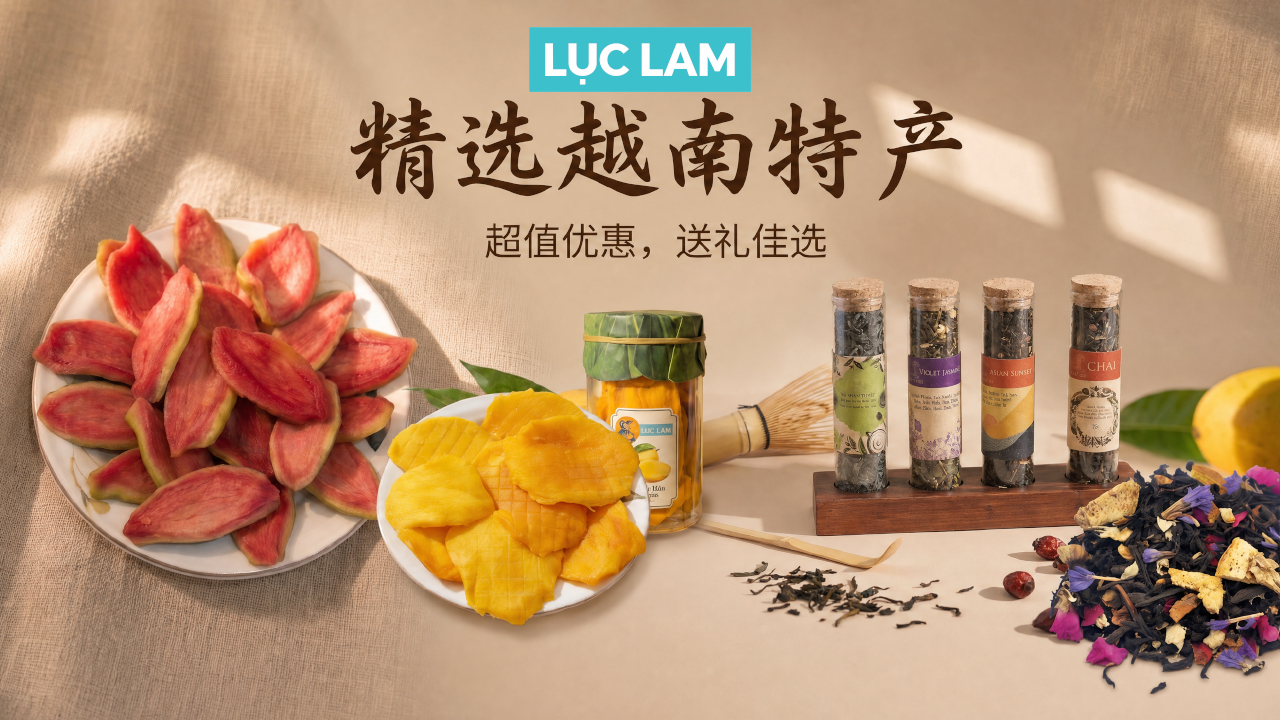
The value of your Phu Quoc souvenirs lies not in the object itself, but in the memory it unlocks. By shifting focus from purchasing generic items to curating story artifacts, you turn a simple bottle of fish sauce or a piece of handmade handicraft into a lasting connection with the island. The specific product matters far less than the story you attach to it. If you want to make that final presentation step effortless and elegant, consider the refined packaging options at Lục Lam Vietnam Tea. Their curated sets of tea, coffee, and treats are designed to help you ease the ‘story-tagging’ process, ensuring your island gifts look polished and thoughtful from the moment they are opened.