On This Page· 6
Most tea sessions end with a warm cup in your hands. A structured Da Nang tea workshop ends with a sealed bag of loose-leaf blends, named and packed by you. That single difference shifts the experience from passive drinking to active making.
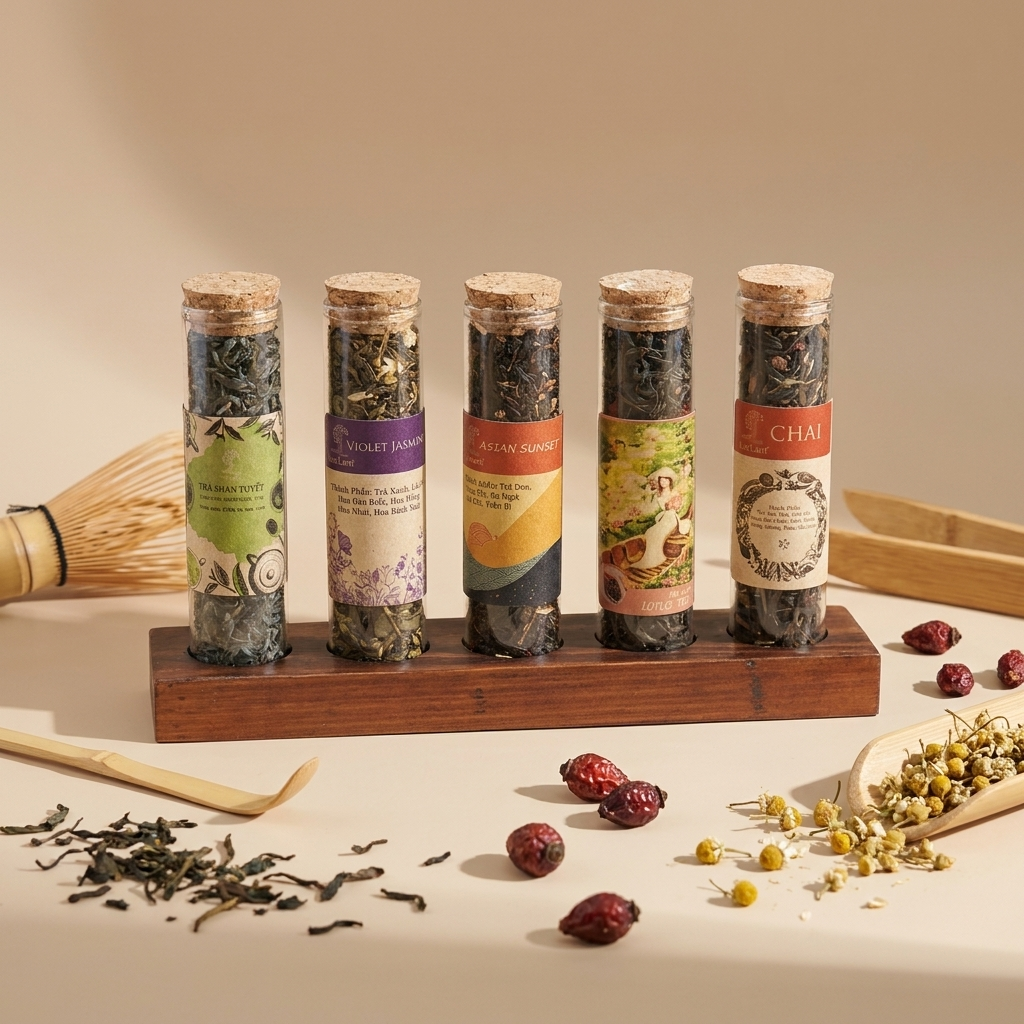
For travelers seeking a city center tea experience that yields a tangible keepsake, the gap between “drinking tea” and “making tea” is the key differentiator. While a standard tasting focuses on identifying notes like citrus or honey, a creative session allows you to mix those ingredients into your own unique profile. This three-stage anatomy—Learn, Taste, Create—transforms a beverage into a personal Vietnamese gift.
In the following sections, we unpack how each phase contributes to your final creation, ensuring you understand exactly what you are booking before you step into the session.
Stage 1: The classroom moment — origins and processing methods
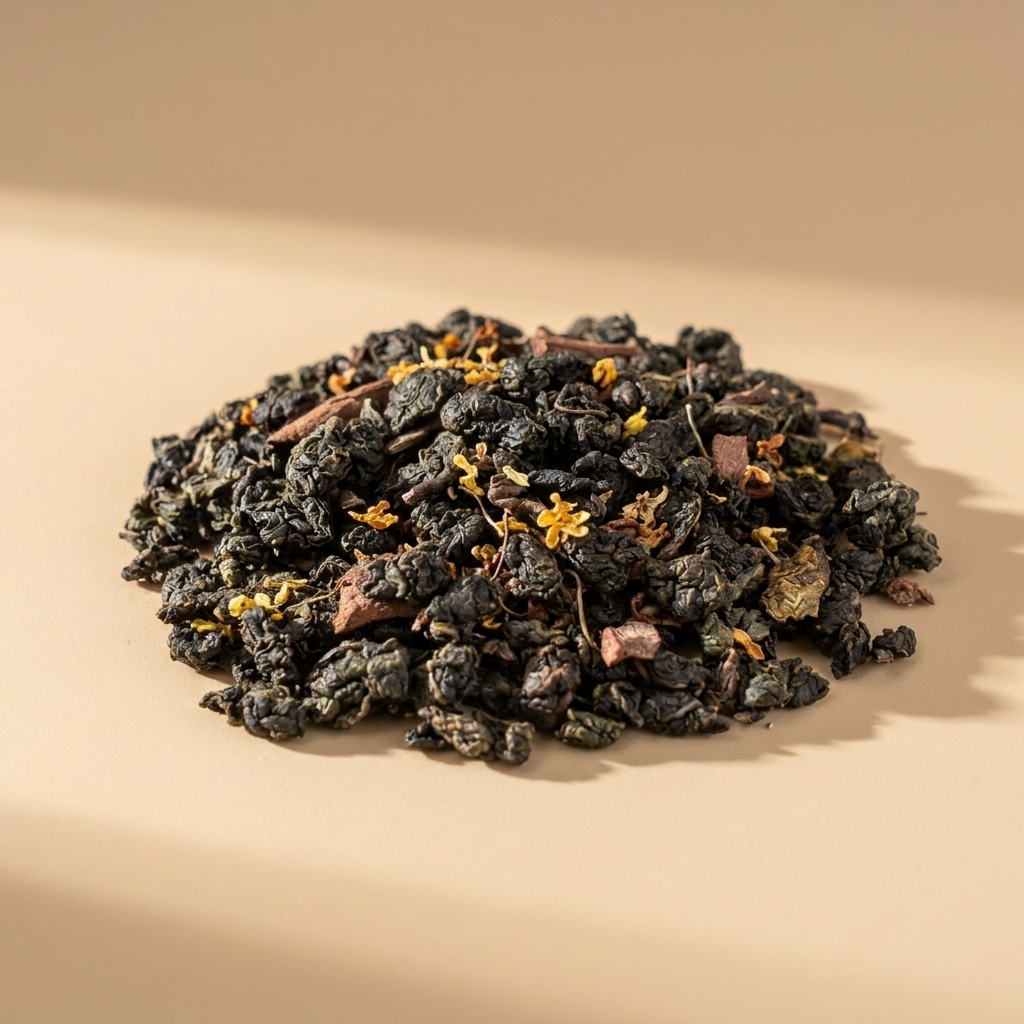
A quality English tea class in Da Nang begins not with the cup, but with the leaf. Before the first pour, a good host explains where the leaves originate and how processing methods like oxidation, withering, and drying transform raw plant matter into the specific flavor profile you are about to taste. This foundation is what separates a structured session from a casual drink.
From flavor list to origin story
Many venues hand you a simple flavor chart: “This is floral. That is citrusy.” An educational segment goes further. It identifies the specific tea variety and its geographic origin, then connects that origin to the chemical changes during processing. When you understand why a leaf tastes a certain way, the drink becomes a story you can retell to family back home, not just a pleasant break in your travel day.
The language of expertise
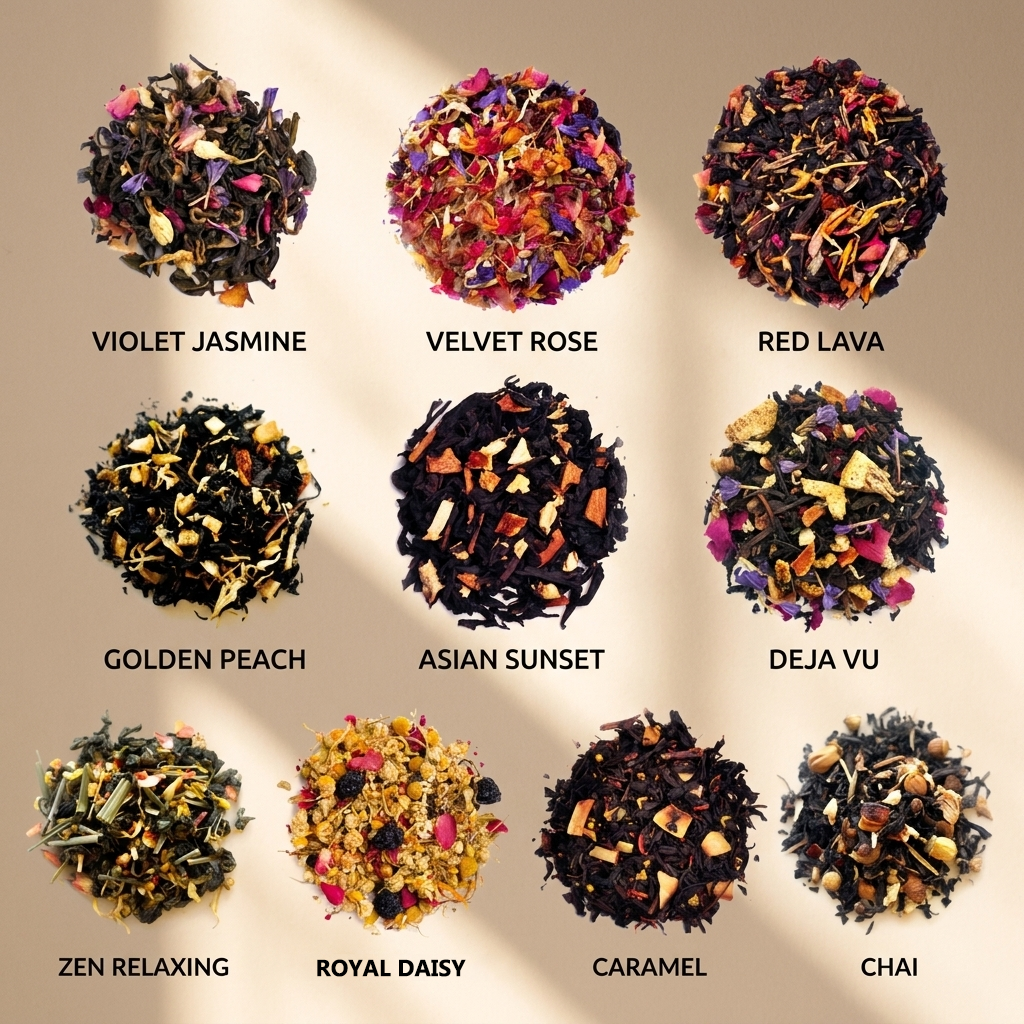
For travelers from Japan, Taiwan, or China, the host’s ability to explain these technical details in fluent English is the first clear sign of a professional city center tea experience. You are not there to be lectured in a second language; you are there to engage with the craft. When the instructor can clearly articulate the difference between fully oxidized black leaves and partially oxidized oolons without jargon overload, you know you are in capable hands. This clarity sets the tone for the rest of the Da Nang tea workshop, ensuring that what follows is an informed, confident exploration rather than a guess.
Stage 2: Guided sensory tasting and identifying flavor notes
This phase transforms drinking into analyzing. Instead of reacting with a simple “tasty” or “good,” you learn to pinpoint specific characteristics. A skilled host in an English tea class in Da Nang guides you through a series of samples, helping you distinguish between the sharpness of citrus, the sweetness of honey, or the greenness of fresh grass.
The process is strictly sensory, starting with the nose. You are taught to inhale the dry leaves and the brewed liquor before tasting. This “nose” phase is crucial because aroma carries much of the flavor profile before the liquid even hits your tongue. Next, you move to the taste, holding the liquid in your mouth to detect the body and finish.
Comparing blends side by side is the most effective way to sharpen these skills. Tasting a single cup in isolation gives you a vague impression. Placing two or three different blends next to each other, however, highlights subtle differences. One might be smoother, another more astringent, or a third with a distinct floral top note.
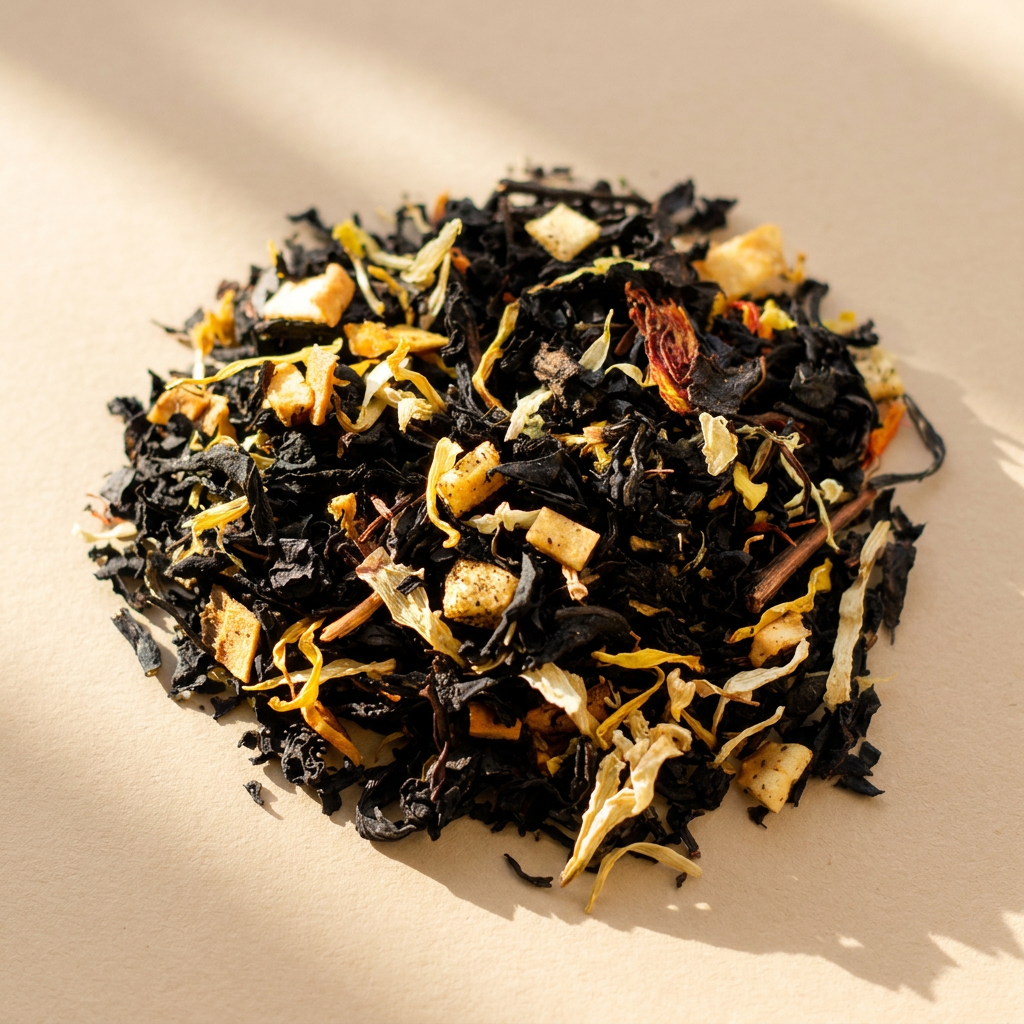
This builds the vocabulary you need for the next step. In a Da Nang tea tasting session, the host acts as a translator between technical tea terminology and your personal preferences. They ensure the group stays engaged, explaining nuances in clear English so no participant feels lost in jargon. By the end of this stage, you no longer just “like” tea; you can describe why you like it. That specific knowledge is what allows you to make informed, confident choices when you begin creating your own custom blend in Stage 3.
Stage 3: The hands-on creation of your own custom blend
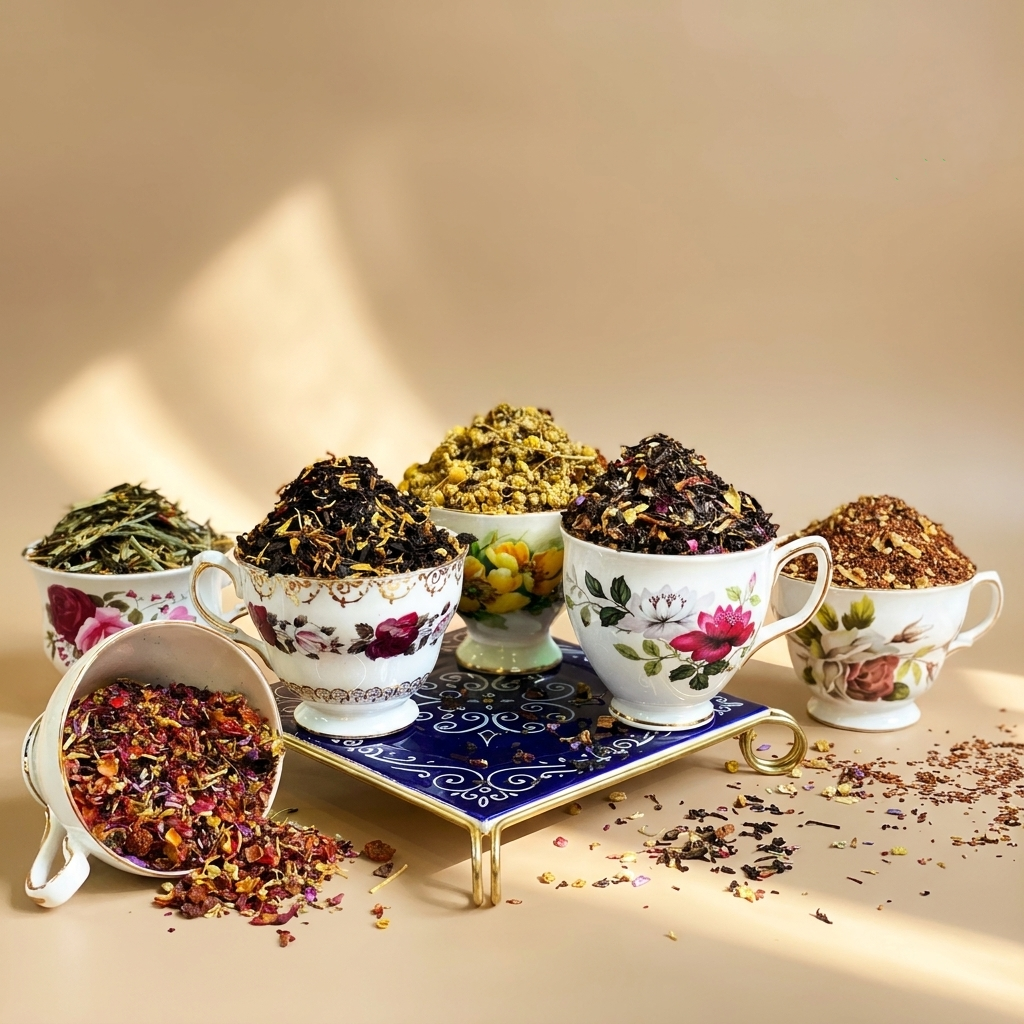
This is the moment that separates a standard Da Nang tea workshop from a simple tasting session. You are not just buying a product; you are making it. While many city center tea experiences end with a cup in your hand, this stage ends with a bag you designed, named, and sealed yourself.
From selection to signature
The process starts with a wide selection of loose-leaf ingredients, dried flowers, and herbs. After your guided sensory tasting, you have the vocabulary to make informed choices. You pick your base leaf, add your chosen botanicals, and mix them together. The host acts as a tea mixologist, offering guidance on balance and compatibility, but the creative control remains entirely in your hands.
A personal Vietnamese gift
Once your blend is ready, you name it. You choose a title that reflects your taste or a memory from your trip. You then pack it into your own container. This “goodie bag” is far more than a souvenir; it is a personal Vietnamese gift that you created. It carries a story that no pre-packed box can match. When you gift it to family or colleagues back home, you are not just giving them tea; you are giving them a part of your journey. This hands-on creation is the defining feature of a premium tea experience, turning a passive visit into an active, memorable craft.
The hidden value: what else is on the table
Beyond the three core stages, a well-structured session includes elements that extend the experience. In a quality Da Nang tea workshop, you will find access to a “tea wall” offering unlimited hot or iced drinks. This is not just about staying hydrated; it is a chance to experiment with different brews throughout the session without a time limit.
Often overlooked in short descriptions is the demonstration of tea cocktails and mocktails. The host shows how traditional leaves combine with modern mixers, expanding your understanding of how tea functions in a contemporary beverage context. This adds a dynamic layer to a static tasting, turning the session into a more interactive social event.
These extras serve as clear quality markers. A venue that provides a wide, open bar of infusions and live demonstrations signals confidence in its product range. For a traveler evaluating options in the busy Da Nang city center, these details help you self-assess if the city center tea experience offers enough value to justify your time. It distinguishes a premium session from a basic one-off drink.
Finally, the session often concludes with tangible perks. Attendees typically receive an exclusive goodie bag, which adds immediate utility to your visit. Some providers also offer an in-store discount for purchases made on the same day. This completes the overall value proposition, ensuring you leave not just with knowledge and a custom blend, but with a reason to return. These elements collectively reinforce why a structured Da Nang tea tasting is a meaningful part of your travel itinerary, offering more than just a brief sample of local flavors.
How to find the right English tea tour for your group
Choosing the right session requires looking beyond the price tag. A quality Da Nang tea workshop should clearly state its structure, language, and location to ensure it fits your group’s needs. Before you book, run through this quick checklist to verify the essential details:
The three non-negotiables
First, check if the description explicitly mentions blending. If the session only covers tasting, you will not create your own mix. Second, confirm the session is conducted in English. While many local venues are English-friendly, a dedicated English tea class ensures the host can explain technical details like oxidation and withering without language barriers. Third, verify the location. A city center tea experience is convenient for travelers, saving you travel time in a busy area like Da Nang’s downtown.
Group size and duration
Consider your group’s size and how long you want to spend. Some sessions are intimate, while others accommodate larger groups. Always ask about the specific duration. A shorter session might feel rushed, while a longer one allows for a relaxed social atmosphere. If you are traveling with colleagues or family, clarify if the venue has a maximum capacity so everyone can participate comfortably.
Lock-in vs. full workshop
One common point of confusion is the difference between a “lock-in” and a full workshop. A lock-in is typically a shorter, focused event designed for existing fans to try new blends before they are released to the public. It is often more casual and less educational. In contrast, a full workshop is a longer, structured experience for visitors. It includes the complete three-stage process: learning about origins, guided tasting, and hands-on blending. If you want to take home a custom creation, ensure you are booking the full workshop, not just a tasting event.
The gold standard structure
When comparing options, look for the Learn, Taste, Create framework. This three-stage structure is the benchmark for a premium tea experience. It ensures you leave with both knowledge and a tangible souvenir. If a provider only offers one or two stages, it may not deliver the full value of a curated Da Nang tea tasting. Prioritize sessions that guide you through each step clearly, from the classroom to the final packing of your blend.
Common questions about Da Nang tea workshops
Before you book, a few practical details often matter more than the price. Here are the questions travelers ask most when planning a city center tea experience in Da Nang.
Do I need tea experience to join?
No. The session starts from the basics—tea origin and processing methods—so first-time participants can follow along easily. The hands-on blending section is specifically designed for those who have never created a mix before. You do not need to be a tea expert to enjoy the creative process or walk away with a confident choice of ingredients.
Can I take your blend home?
Yes. In fact, this is the highlight of the workshop. You name your creation, pack it yourself, and take your custom blend home as a personal keepsake. It is a tangible Vietnamese gift that reflects your own taste, making it a more meaningful souvenir than a pre-packaged box bought off a shelf.
Is the entire workshop in English?
For international visitors, communication is key. While you should always confirm the specific language of the session with the provider, a quality English tea class in the city center ensures clear instruction and guidance. This allows you to focus on the sensory experience rather than struggling with technical jargon or translation issues during the tasting and creation stages.
What is the difference between a tea tasting and a tea blending experience?
A standard Da Nang tea tasting focuses on identifying flavors, aromas, and the history behind each cup. A blending experience adds the creative step of making your own mix. While tasting teaches you to appreciate existing blends, blending empowers you to design your own. The combination of both—learning to identify notes and then applying that knowledge to create a unique product—defines the full workshop value.
| Feature | Tea Tasting | Tea Blending Workshop |
|---|---|---|
| Primary Focus | Identifying existing flavors | Creating a new custom mix |
| Outcome | Knowledge and appreciation | A tangible, personalized gift |
| Skill Level | Beginner-friendly | Beginner-friendly with guidance |
The Learn, Taste, Create framework offers a simple way to evaluate any tea session in Da Nang. If a provider covers origin and processing in a clear, accessible manner, guides you through identifying specific aromatic notes, and allows you to mix, name, and pack your own blend, you are likely to leave with a skill and a souvenir that feels personal. This structure turns a short outing into a memorable part of your travel story, one you can share with friends or family back home. If you are looking to continue this journey or need a Vietnamese gift that reflects your own preferences, our curated collection is ready for you. We aim to help you find the right match, whether you are shopping for a close friend or a business partner, ensuring your gift carries the same care as the tea you just learned to appreciate.
