On This Page· 6
Most travelers in Ho Chi Minh City assume that any venue labeled a “tea house” or a guided tour automatically delivers a genuine cultural experience. This assumption is a common trap. The reality is that many such spaces are staged performances designed for the tourist market rather than a living practice sustained by the community for centuries. You are likely asking a crucial question: how do you distinguish between a commercialized act and a true reflection of Vietnamese tea culture?
The answer lies in shifting your perspective from atmosphere to verifiable criteria. Instead of relying on aesthetics, consider adopting a pharmacist’s lens. This approach treats the cup of tea as a regulated product with a scientific and historical lineage, rather than just a beverage. When you view traditional Vietnamese tea through this filter, you stop seeing a simple drink and start seeing a practice embedded in the national healthcare system. It moves the focus from subjective feeling to objective quality. In the bustling streets of Saigon, where Saigon tea houses and Ho Chi Minh tea tours compete for attention, this grounded method helps you identify authenticity. It transforms your visit from a passive observation into an active understanding of why the quality of this tradition matters to the local population, ensuring that your experience is rooted in reality rather than performance.
The Pharmacopoeia as an Authenticity Filter
Pharmacopoeia Vietnamica is the regulatory standard that distinguishes regulated herbal products from unverified folk remedies. Serving as the primary lens for evaluating experiences in Ho Chi Minh City, this document acts less like a marketing brochure and more like a laboratory specification. It sets the bar for what counts as a legitimate traditional Vietnamese tea, ensuring that the ingredients meet defined quality thresholds rather than simply looking natural. This framework shifts the conversation from aesthetic appeal to verifiable safety, making it a crucial tool for discerning what is genuine.
The integration of East and West medicine in 1955 fundamentally changed how this culture is practiced. That year, a national appeal established a framework for combining oriental and European remedies within the official healthcare landscape. This was not a niche tourist act but a systemic decision to embed traditional practices into the national health infrastructure. As a result, the history of these teas is now part of a structured medical discipline rather than an isolated folklore. Understanding this 1955 integration helps you see that the teas you drink in Saigon are part of a continuous, regulated medical tradition that spans centuries.
The Scale of National Practice
The scale of this practice is massive. Approximately 30% of patients in Vietnam receive treatment that involves traditional medicines. This statistic highlights that herbal remedies are a matter of serious national interest. For a traveler, this changes the perspective from viewing a cup of tea as a mere beverage to recognizing it as a regulated practice with significant health implications. When nearly a third of the population relies on these remedies, the quality of the ingredients becomes a public health priority. This scale means that the traditional Vietnamese tea you encounter in the city is backed by decades of research and clinical observation, not just seasonal flavor trends.
Challenging the Natural Fallacy
A common misconception is that the term “natural” is synonymous with “safe,” a trap known as the natural fallacy. A pharmacist’s perspective reveals that without proper regulatory oversight, natural ingredients can still carry risks. Certain plants in herbal infusions can inhibit or induce liver enzymes, potentially altering the concentration of pharmaceutical drugs in the bloodstream. This is why the distinction between a wellness tea and a medicinal treatment is so important for your experience in Saigon. The Pharmacopoeia Vietnamica exists to prevent these risks, ensuring that the herbs used in your cup are tested and understood. By keeping this in mind, you can evaluate local tea houses not just by their ambiance, but by the rigor of their sourcing and the clarity of their standards. This ensures your visit reflects the true depth of Vietnamese tea culture.
From Scientific Archives to Raw Dược Liệu
The Fito Museum in Ho Chi Minh City serves as a scientific archive where travelers can observe the laboratory work and historical research that underpins the use of traditional Vietnamese tea. This is not a display of decorative artifacts. Instead, it reveals the rigorous validation process behind herbal remedies, allowing visitors to see how specific plants are tested for safety and efficacy. By examining the archival records, you gain a clear understanding of the clinical context in which these botanicals operate. This perspective shifts the experience from casual tasting to a study of verifiable evidence.
The Laboratory Behind the Cup
In the museum, the focus is on refinement and documentation. You see the transition from raw plant to standardized preparation, a process governed by the Pharmacopoeia Vietnamica. This setting highlights the precision required to ensure that a traditional infusion is consistent and safe for daily consumption. It demonstrates that the culture of tea here is supported by modern scientific scrutiny, not just anecdotal history. For the discerning traveler, this is where the credibility of the practice becomes tangible.
The Sensory Reality of the Herb Shop
Contrast this with the raw experience of a traditional herb shop, known locally as dược liệu. Here, the supply chain is unfiltered. You can inspect raw roots, barks, and dried leaves directly. This sensory engagement acts as a practical lesson in quality assurance. By observing the texture and integrity of the materials, you learn to distinguish between high-grade botanicals and low-quality fillers. The herb shop offers a direct connection to the source, revealing the physical reality of the ingredients before they are processed.
Connecting Evidence to Experience
The herb shop provides the unfiltered supply chain view, while the museum offers a refined presentation. Together, they show how the same plants serve both clinical and cultural contexts. This duality allows you to separate a serious historical pursuit from a simple display of dried leaves. When you understand this foundation, you can better evaluate authentic tea experiences in the city. You move beyond superficial observations to recognize the depth of a practice that has been integrated into the national healthcare landscape for centuries.
Rituals in Saigon’s Living Tea Houses
A genuine tea house is not a museum exhibit or a stage for performance. It is a living room for the city, a space where Vietnamese tea culture functions as a daily practice rather than a staged event. For travelers seeking authentic tea experiences, this distinction is critical. The goal is to move beyond the beverage itself and into the social fabric that the drink supports. In Ho Chi Minh City, tea is less about the leaf and more about the connection it facilitates between host and guest.
The Markers of Authenticity
You can identify a legitimate Saigon tea house by observing the precision with which it is handled. The staff pays close attention to water temperature and steeping duration, understanding that these variables define the final flavor profile. This technical discipline is not arbitrary; it is a marker of respect. When a server adjusts the steeping time for your preference, they are demonstrating care, not just competence. This attention to detail transforms a simple drink into a moment of human connection.
Connecting the Dots: From Lab to Living Room
This “living” experience is the endpoint of a long chain of quality control. The practical knowledge you gained from the raw dược liệu shop and the scientific rigor of the Fito Museum culminate here. The same herbs and leaves that were tested in the lab are now being brewed with care in your hands. This continuity shows that traditional Vietnamese tea is not a relic of the past but a regulated, evolving part of modern life. It is a practice that has been refined over centuries and is now actively maintained by the people who drink it.
How to Evaluate Your Experience
To ensure you are experiencing a cultural marker rather than a commercialized “tourism act,” look for these signs in a tea house:
- Conversational Service: Is the staff willing to explain the specific origin of the leaf?
- Technical Consistency: Do they adjust the steeping time based on the tea type rather than using a one-size-fits-all method?
- Local Patrons: Are there residents sitting and drinking, or is the space primarily filled with tourists?
If the answer to these questions is yes, you are likely in a space where the tea is a means of connection, not just a product to be consumed. This is the essence of Vietnamese tea culture: a daily practice of respect and sharing.
Verified Sourcing and Refined Gifting Standards
Choosing a gift from a street vendor is a gamble. You might get a beautiful bag of leaves, but without any record of origin, you are left with only a story and no proof. The practical guide to selecting Vietnamese gifts relies on traceability and consistency rather than just marketing narratives. A genuine product invites you to verify its source; a dubious one offers only sentiment.
The Label as a Quality Marker
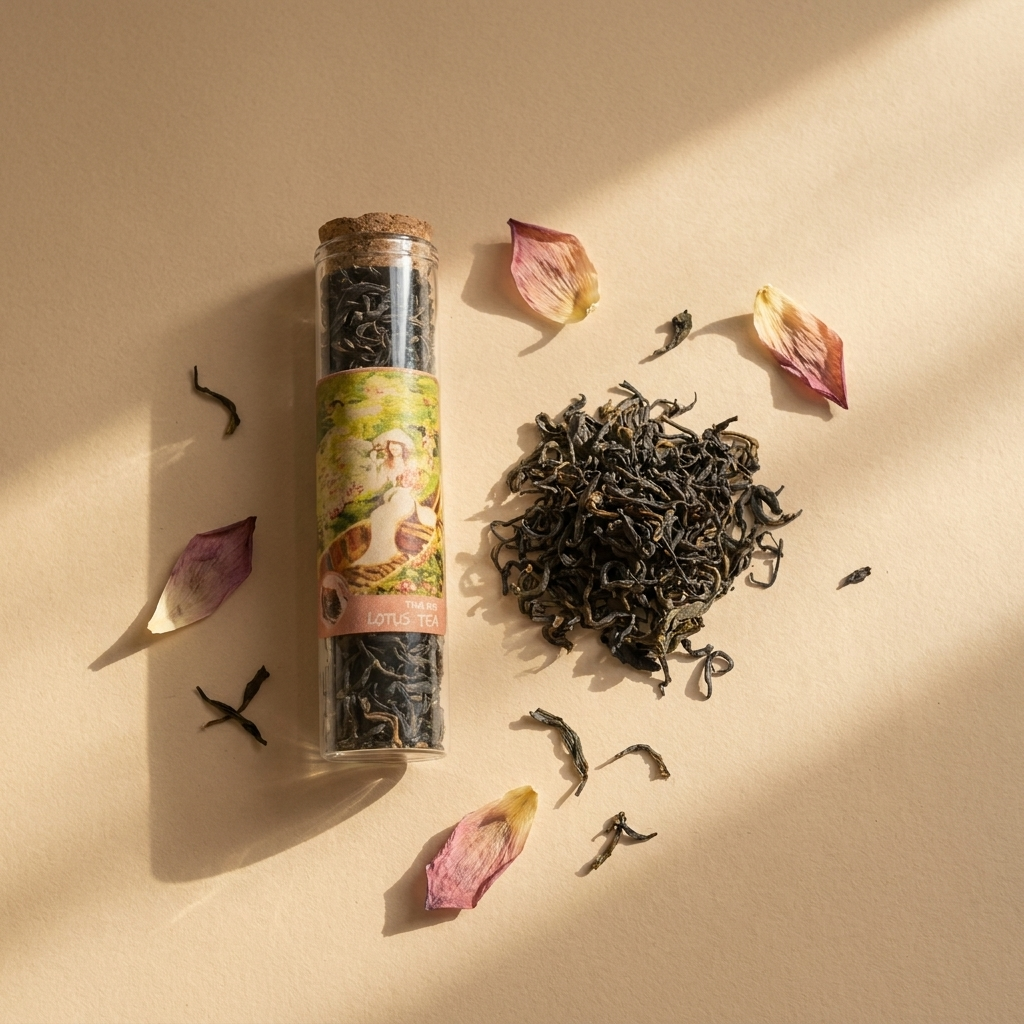
A professional, regulated operation reveals itself through packaging details. Look for clear ingredient lists that specify exactly what is in the box, rather than vague terms like “herbal blend.” The presence of a precise production date is a critical marker of accountability. If a label lacks these elements, it suggests an informal process that bypasses standard quality controls. For travelers seeking to share the flavors of Vietnam, these specific details are the difference between a safe consumable and an unknown variable.
Authenticity Meets Modern Safety
There is often a tension between cultural tradition and modern safety standards. A gift should honor the heritage of traditional Vietnamese tea while still being suitable for daily consumption by family or colleagues. This balance is achieved through verified sourcing, where raw materials are identified and processed with transparency. When you choose a product with a clear supply chain, you ensure that the botanical elements are not just aesthetically pleasing, but also handled with the care required for modern health standards.
The Value of a Curated Collection
Informal street markets carry an inherent uncertainty that can complicate the gifting experience. A curated collection with verified sourcing removes this ambiguity. By selecting from a range that is already vetted, you can share the rich diversity of Vietnamese tea culture without the guesswork. This approach allows you to present a gift that is both culturally meaningful and professionally prepared, ensuring the recipient enjoys a consistent and reliable experience every time they pour a cup.
Navigating the Difference Between Wellness and Medicine
A common question among travelers in Ho Chi Minh City is whether sipping a cup of traditional Vietnamese tea amounts to receiving a medical treatment. The short answer is no. While both stem from the same botanical heritage, they operate under entirely different frameworks regarding intent, dosage, and regulation.
The Line Between Routine and Prescription
To understand the difference, it helps to distinguish between a wellness tea and a medicinal herb. A wellness tea is a low-risk beverage designed for refreshment and daily routine. It is part of Vietnamese tea culture, meant to be enjoyed for its flavor, aroma, and mild physiological effects. In contrast, a medicinal herb is a concentrated preparation prescribed for specific ailments. These are often part of Traditional Vietnamese Medicine (VTM) protocols, where dosage is carefully calibrated to address a condition, and the product undergoes strict quality control under the Pharmacopoeia Vietnamica.
The regulatory oversight for these two categories is distinct. Wellness teas are generally regulated as food products or dietary supplements, focusing on safety for general consumption. VTM prescriptions, however, are healthcare decisions that fall under medical supervision. Treating a wellness tea as a cure for a serious condition is a category error that can lead to ineffective treatment or unexpected interactions.
The Responsibility of Herb-Drug Interactions
One of the most critical aspects of navigating authentic tea experiences in Saigon is understanding safety. Certain plants in herbal infusions can inhibit or induce liver enzymes, potentially altering the concentration of pharmaceutical drugs in the bloodstream. This is a pharmacological reality that does not change based on the “natural” status of the plant.
If you are taking prescription medications, introducing new botanicals into your diet during a trip requires caution. A responsible step is to have a professional review your medication list before starting a new herbal routine. This is not about fear, but about informed travel. It ensures that the pleasant ritual of drinking tea does not interfere with the efficacy or safety of your ongoing treatments.
An Extractable Distinction
For clarity, here is the distinction to keep in mind:
| Feature | Wellness Tea | VTM Prescription |
|---|---|---|
| Intent | Refreshment and daily routine | Treatment of specific ailments |
| Dosage | Standardized for beverage consumption | Calibrated by a practitioner |
| Regulation | Food/Supplement standards | Medical/Pharmaceutical oversight |
| Usage Context | Cultural and social practice | Clinical healthcare decision |
A cup of jasmine tea is a cultural experience; it is a way to connect with the living traditions of Saigon. A VTM prescription is a healthcare decision. Recognizing this boundary allows you to enjoy the rich heritage of Vietnamese herbal tea with confidence, respecting the science and the culture without conflating the two.
A Living Practice, Not a Staged Performance
The pharmacist’s lens transforms a simple cup of jasmine into a window into centuries of integration and modern quality control. When you hold that cup in Saigon, you are holding the result of a tradition that stretches back to the third century AD, now grounded in the rigorous standards of the Pharmacopoeia Vietnamica. This is not a staged performance for visitors; it is a living practice where the boundary between a daily ritual and a national healthcare priority is carefully managed. The 30% of patients in Vietnam who rely on traditional remedies underscores that this is a serious, regulated science, not just a tourist attraction.
Viewing your experience through this filter allows you to appreciate the depth of Vietnamese tea culture. You can now distinguish between a casual refreshment and a medicinal preparation, understanding that the same botanicals are subject to different levels of oversight depending on their intended use. This awareness turns a routine sip into a meaningful connection with the city’s history and its commitment to safety. You are no longer just tasting a drink; you are participating in a heritage that has been vetted, studied, and refined over generations.
For those wishing to share this experience with family or colleagues, a verified collection with refined packaging offers a reliable path. Such a selection ensures that the gift is as safe as it is beautiful, carrying the same traceability and consistency that characterizes the authentic tea experiences you encountered in Ho Chi Minh City. It allows you to bring home a piece of this vibrant tradition with the confidence that it meets professional standards, making it a suitable and thoughtful tribute to your time in the city.