On This Page· 5
The air in Ho Chi Minh City is thick with humidity, yet the cup in your hand is cool, clear, and quietly complex. For many visitors, Vietnamese tea culture appears to be a staged performance: the high-pour ritual, the clinking porcelain, the photo opportunity. But the real story of hcmc tea culture lies not in the ceremony, but in the soil, the altitude, and the hands that shaped the leaf.
To find a genuine experience, you must stop looking at the pour and start reading the production. The three varieties that define authentic Vietnamese tea are not interchangeable. Each carries a specific origin marker that separates it from mass-produced tourist blends.
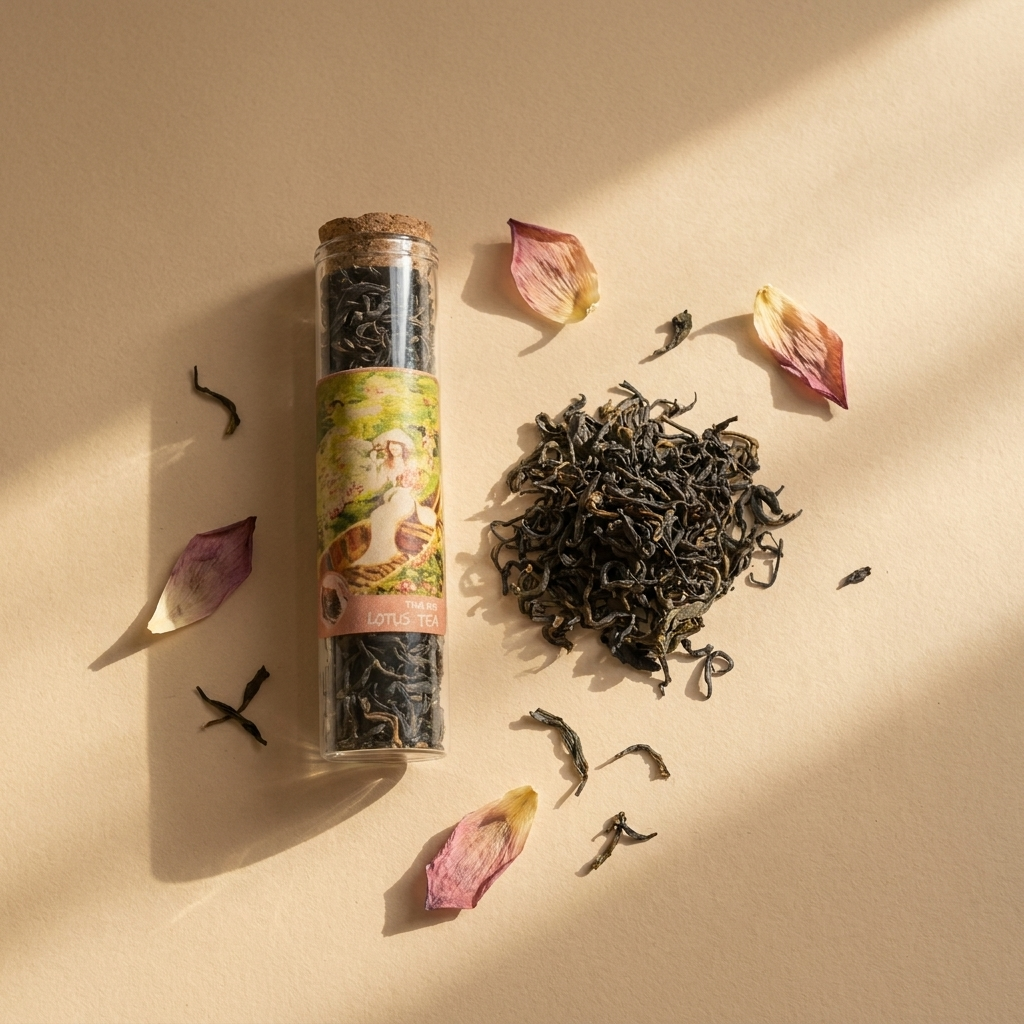
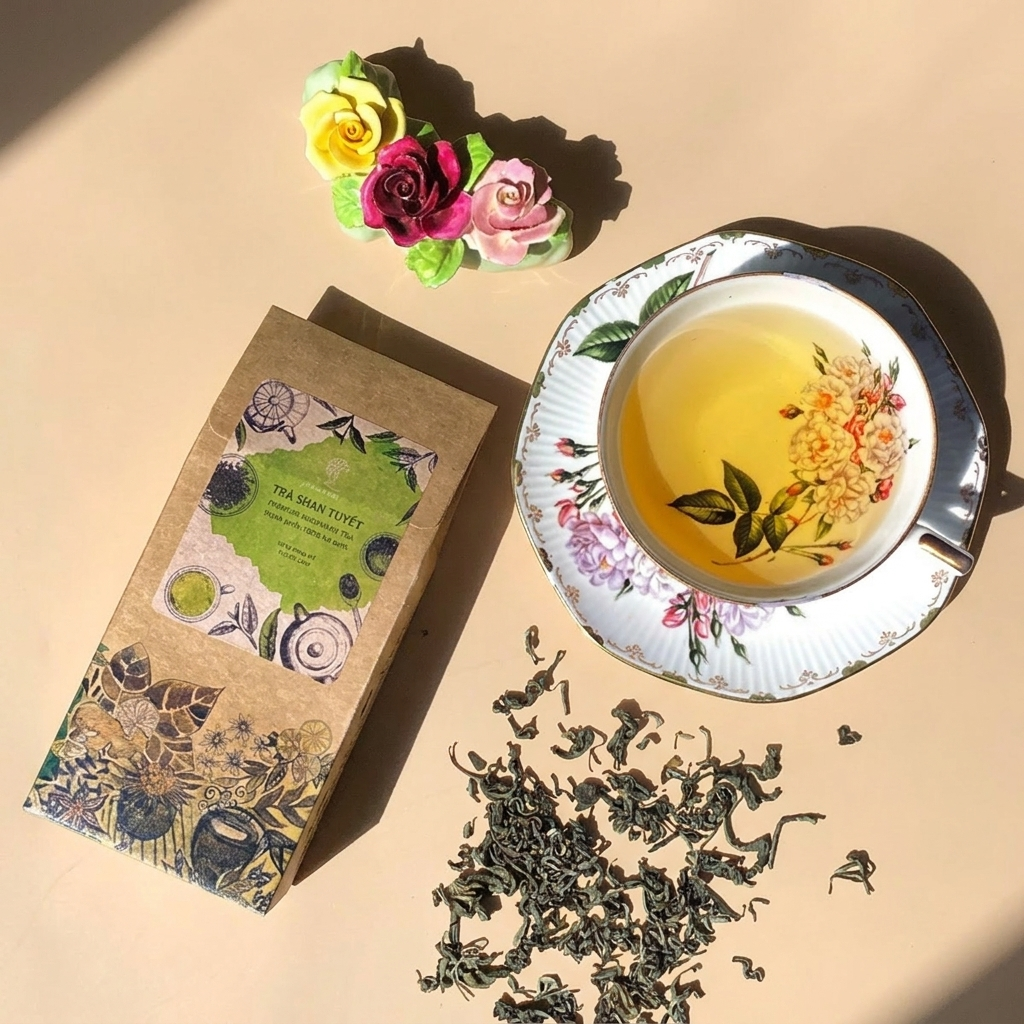
Shan Tuyet is born in high-altitude fog, processed by the Mong ethnic people, and identified by its large, lanugo-coated buds. Tra Sen carries the scent of West Lake lotus, layered over three weeks in a precise, pre-dawn ritual. Suoi Giang offers leaves from trees over three centuries old, grown in a region where the climate naturally suppresses pests.
Recognizing these markers transforms a simple drink into a lens for understanding Vietnamese tea culture. It shifts your role from spectator to connoisseur, allowing you to spot the true character of each variety in any saigon tea houses you visit. This guide breaks down the specific production details that define authenticity, giving you the knowledge to distinguish the real from the rest.
Shan Tuyet: The Mountain Fog and Manual Processing of Vietnam’s Snow Tea
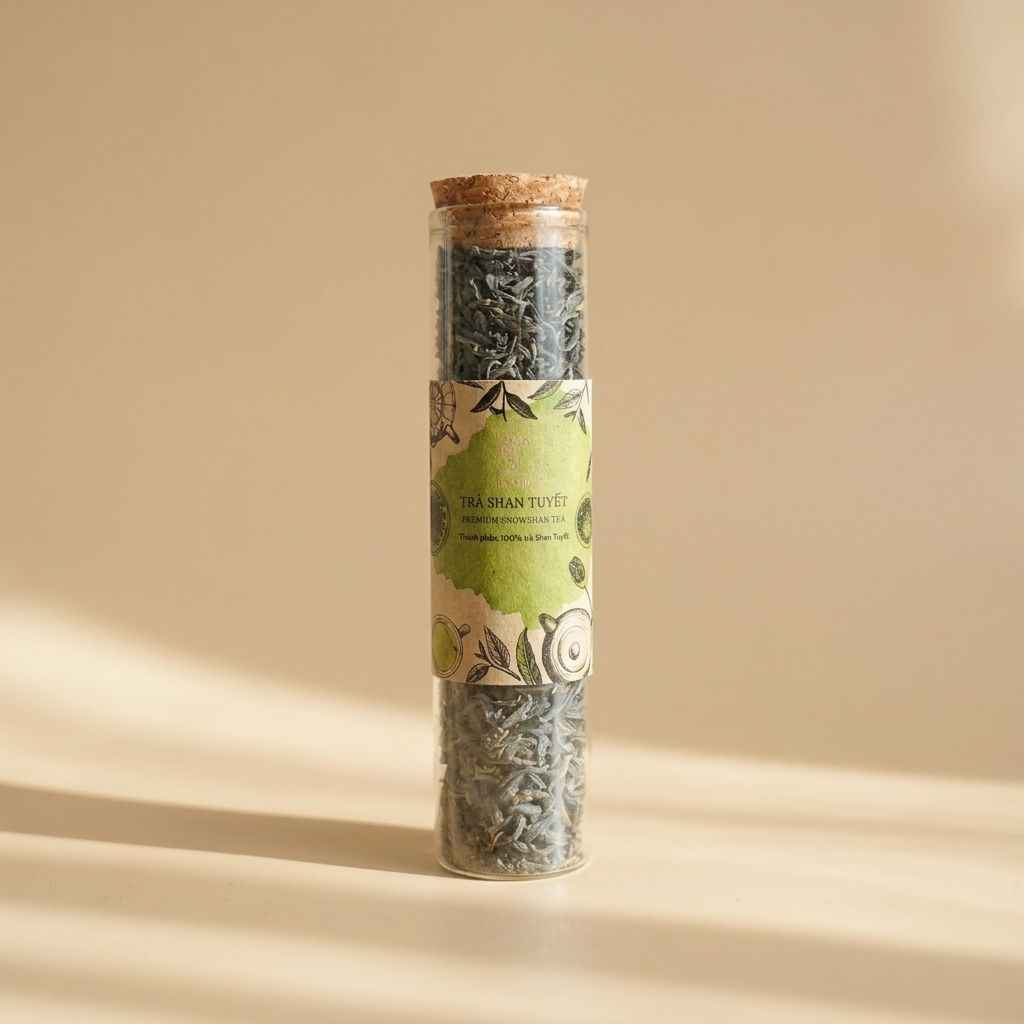
Shan Tuyet, or snow mountain tea, stands apart from generic green teas due to its unique physical structure and labor-intensive origins. The most immediate marker of this variety is the lanugo-coated bud. These tea tips are notably large and fuzzy, a characteristic that distinguishes them from standard leafy teas and resembles the appearance of banyan buds. This distinctive texture is not a defect but a sign of the tea’s high-altitude heritage, serving as a visual cue for quality.
The Mong Method and the “Snow” Effect
The processing of Shan Tuyet is exclusively manual, carried out by the Mong ethnic people in the mountainous regions. This artisanal approach is central to authentic tea experiences and creates a specific sensory profile that machine processing cannot replicate. During the drying and rolling phases, the natural oils and sugars interact to form a milky, white residue on the leaves, which looks like a layer of snow. This “snow” is the source of the tea’s name and its signature taste: an initial bittersweet note that transitions into a persistent, lingering sweetness. Unlike mass-produced teas that offer a uniform, fleeting flavor, Shan Tuyet demands patience, rewarding the drinker with a complex, evolving palate.
High-Altitude Markers of Authenticity
The environment where this tea grows directly influences its final character. Grown in fog-covered, high-altitude zones, the leaves develop a strong, distinct aroma often described as a “blue water” quality in Vietnamese tea culture. This specific combination of mist and altitude acts as a natural barrier, concentrating the flavors and ensuring a purity that cannot be achieved in lower, industrialized orchards. When you encounter a tea that offers this intense, clean aroma, you are tasting the direct result of its rugged production environment. Recognizing these markers helps separate genuine, artisanal varieties from industrial substitutes, turning a simple cup of tea into a lesson in learn vietnamese tea origins and craftsmanship.
Tra Sen: The Seven-Day Lotus Scenting Behind West Lake’s Royal Heritage
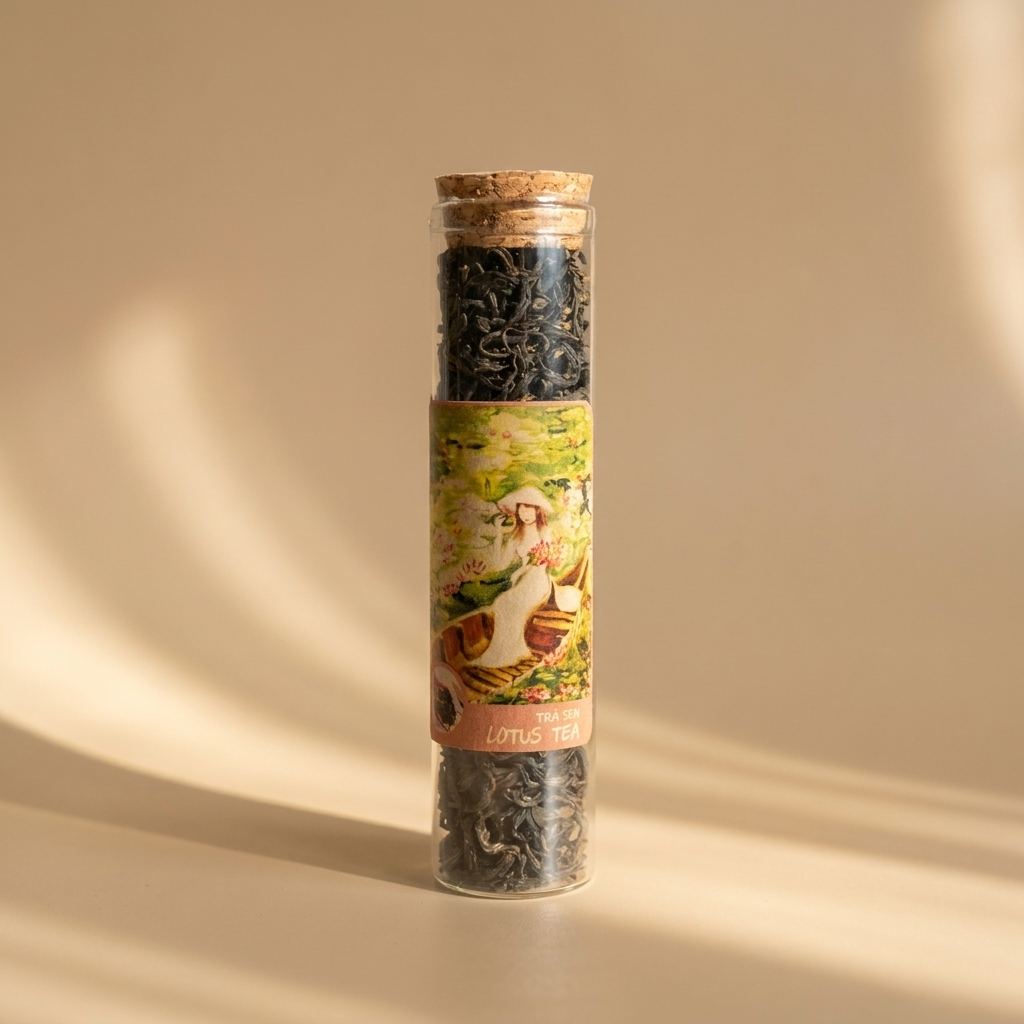
The production of West Lake lotus tea is less like a recipe and more like a meditation on patience. While most teas are processed within days, this variety undergoes a slow transformation that ties the earth’s humidity to the sky’s fragrance. This specific method distinguishes authentic West Lake tea from mass-produced alternatives, serving as a key marker in the wider study of vietnamese tea culture.
The Ritual of Pre-Dawn Harvest
The entire process begins before the sun rises. Because heat destroys the delicate lotus fragrance, flowers must be picked before dawn. This is a non-negotiable rule for authenticity. If the flowers are harvested after the sun has begun to rise, the essential oils dissipate, leaving the tea with a flat, generic scent. By selecting flowers while they are still covered in morning dew, producers preserve the complex, clean aroma that defines this variety. This attention to timing is why West Lake tea is often cited as the most precious among lotus teas.
Three Weeks of Layering and Waiting
Once the flowers are dried, the tea enters its most labor-intensive phase. The method involves layering dry tea leaves with dry lotus anthers, then wrapping the mixture in water-resistant paper. This bundle is left to sit for three days to allow the scents to transfer.
Crucially, this cycle is not a one-time event. The process of layering must be repeated seven times over the course of three weeks. Each week, the tea absorbs more of the lotus essence, deepening its profile. This multi-week commitment ensures that the final product carries a genuine, heavy scent of the lotus, rather than just a fleeting hint of perfume.
A Taste of Earth and Sky
To truly appreciate this variety, you must look for specific sensory cues. The taste is defined by precision and elegance. Unlike floral teas that can taste cloying, Tra Sen offers a balanced experience where the green tea base supports the lotus notes. It captures the duality of “earth and sky,” reflecting both the muddy roots of the lake and the airy purity of the flower. When tasting, notice how the lotus fragrance lingers on the palate, a sign that the three-week scenting process was executed with genuine care. This depth is what separates a high-quality artisanal product from a standard commercial blend.
Suoi Giang: Why 300-Year-Old, Pesticide-Free Trees Define Authenticity
In the misty valleys of Suoi Giang, authenticity is measured in centuries, not marketing slogans. The region is defined by ancient tea trees that are over 300 years old, offering a visual and structural distinction from the young, uniform rows of industrialized orchards. This age translates to a deeper, more complex flavor profile that mass-produced teas simply cannot replicate. When you hold a leaf from these old-growth trees, you are holding a piece of living history that has survived centuries in its native environment.
The climate is the true farmer here. In Suoi Giang, the doctrine of “no pesticide” is not a choice but a natural outcome of the environment. Heavy winter fog and low sunlight levels create conditions that naturally suppress pest populations. This absence of chemical intervention ensures a pure, unadulterated harvest where the taste is derived entirely from the soil and the tree’s age. For a traveler seeking to learn Vietnamese tea, this ecological purity is a key marker of a genuine product.
The Sensory Truth of the Harvest
The harvest season in Suoi Giang is an experience defined by the elements. Pickers work in the biting cold, their fingers numbed by the damp, freezing air as they select the top buds from the high branches. This labor-intensive process is the final filter for quality. When you taste a cup from this region, the characteristic flavor signals that genuine origin: a clean, lingering finish that speaks to the untouched nature of the grow.
Your Authenticity Criteria for HCMC
As you navigate the hcmc tea culture, use these specific production stories to spot real tea. Unlike mass-produced tourist teas that rely on generic labels, the varieties discussed here—Shan Tuyet, Tra Sen, and Suoi Giang—have distinct, verifiable production markers. Whether you are visiting saigon tea houses or looking for authentic tea experiences, ask about the age of the tree, the scenting process, or the processing method. If a vendor cannot detail the origin’s specific conditions, they are likely selling a commodity, not a culture. This knowledge is your lens for finding genuine tea spots that value tradition over volume.
Learning Vietnamese Tea at Saigon’s Genuine Spots: From Ritual to Origin
Many visitors to Ho Chi Minh City assume that the core of Vietnamese tea culture is the visual spectacle of the tea service. While the pouring technique is iconic, it is only the final step of a much deeper story. A genuine experience shifts the focus from watching a performance to understanding the origin. The true marker of authenticity in Saigon is not how the water is poured, but how the leaf was grown, processed, and scented weeks before it reached the cup.
The Shift from Ritual to Origin
The traditional pouring method, often described as the “high mountain-long river” technique, involves pouring water from a height to aerate the liquid and ensure even extraction. However, this ritual is the same regardless of whether the tea is a high-quality artisanal product or a generic commercial blend. To truly learn Vietnamese tea, you must look past the ceremony and ask for the production narrative.
In many saigon tea houses, the staff may be happy to demonstrate the pour but hesitant to discuss the source. A genuine spot will prioritize the story of the tea. They will mention specific regions like Suoi Giang or West Lake (Tay Ho). They will describe the labor-intensive processes, such as the manual rolling of Shan Tuyet leaves by the Mong ethnic people or the seven-cycle scenting of lotus tea. When the conversation moves from the water temperature to the altitude of the tea tree, you are on the right track.
Staged Performance vs. Genuine Experience
How can you tell the difference at a glance? The table below contrasts the typical tourist-facing “staged” experience with a deeper, authentic tea experience rooted in production knowledge.
| Attribute | Staged Performance | Genuine Experience |
|---|---|---|
| Focus | The ceremony and visual appeal of pouring | The production story and origin of the leaf |
| Variety | Generic “green tea” or unlabelled blends | Specific varieties (Shan Tuyet, Tra Sen, Suoi Giang) |
| Knowledge | Basic terms (hot, iced, sweet) | Technical details (Mong processing, lotus anther scenting) |
Practical Questions for Verification
If you are trying to verify the authenticity of the tea being served, do not be afraid to ask specific questions. The answers often reveal whether the establishment is a genuine tea spot or just a tourist trap. Try these three inquiries:
- Ask about the origin of the leaves: “Is this Shan Tuyet from the northern highlands or Suoi Giang in the south?” A genuine vendor will know the difference in flavor profile and will not mix up the regions.
- Inquire about the scenting process for lotus tea: “How many times was this Tra Sen scented with lotus anthers?” A high-quality hcmc tea culture expert will mention the traditional seven-layer process over three weeks, rather than a quick infusion.
- Check for regional specificity: “Was this tea picked before dawn?” For lotus teas, this is a critical technical detail. Only those who know the specific vietnamese tea culture requirements will understand that heat destroys the delicate fragrance.
By asking these questions, you move from being a passive spectator to an active participant in the tea journey. This approach ensures that your visit to a genuine tea spot is not just a photo op, but a real education in the origins of Vietnam’s most cherished beverage.
FAQ: How to Navigate Vietnamese Tea Culture in HCMC
Is it just about the pouring ceremony?
No, Vietnamese tea culture is not defined by the visual performance of the “high mountain-long river” pour. While that ritual is memorable, the true foundation lies in the relationship between the water temperature, the specific tea variety, and the company you keep. The ceremony is merely a snapshot of the experience; the production story behind the leaf is what actually defines its quality and authenticity.
What is the difference between Tra and Che?
These two terms are often used interchangeably in casual conversation, but they carry distinct nuances. Tra refers to the beverage itself, whether served hot or iced. Che, while also meaning tea in a broader historical context, often implies preparations that are sweetened, mixed with other ingredients, or more elaborate. When you want to learn the true roots of the culture, focus your attention on pure Tra varieties rather than the more complex Che preparations.
Where can I buy authentic varieties in Saigon?
Yes, you can find Shan Tuyet and Tra Sen in Ho Chi Minh City. However, the market is filled with generic substitutes. To ensure you are purchasing an artisanal product, look for refined packaging that includes specific origin labels. Phrases like “West Lake” for lotus tea or “Suoi Giang” for ancient tree tea are critical markers. These details confirm the tea’s lineage and separate a genuine, region-specific harvest from a mass-produced imposter.
How do I verify if a lotus tea is genuine?
The most reliable way to check is to ask about the scenting process. Genuine West Lake lotus tea is not sprayed with flavoring; it is naturally perfumed through a labor-intensive layering method. The lotus anthers used in this process must be picked before dawn to preserve their delicate fragrance. If a vendor cannot explain the multi-day layering with dry anthers, they are likely selling a generic, scented substitute rather than the authentic heirloom variety.
The next time you sit down in a Saigon tea house, listen for the specific stories behind the leaves. If the server mentions lanugo-coated buds from the high fog, the seven-cycle lotus scenting process, or 300-year-old pesticide-free trees, you are holding a genuine piece of Vietnamese tea culture in your hands. These production markers serve as your personal lens for spotting authenticity in Ho Chi Minh City, moving your experience beyond a staged performance into the realm of true connoisseurship. When you understand the labor and climate that shape each variety, every cup becomes a direct connection to its origin. If you’re looking to bring these specific stories home, explore the curated Vietnamese tea collection at Luc Lam, where each variety is chosen for its genuine origin and refined packaging.