On This Page· 5
You hold a cup of steaming water in a small, crowded shop in Ho Chi Minh City. The scent is green and sharp, but you pause: is this a wellness tonic, a historical ritual, or simply a beverage? Most travelers sip Vietnamese herbal tea without knowing that the difference between a casual refreshment and a regulated remedy is strictly defined by local health standards.
This gap is where the cultural experience is often lost. When you view the beverage through the eyes of a professional, the scene changes. You begin to see the specific plants, the quality controls, and the centuries of tradition that shape every cup. This article applies that professional lens to your trip. It connects the deep historical roots of the region’s botanical heritage with practical, safe ways to enjoy the experience in the city.
We will trace the evolution of these practices and show you where to look for authenticity. From the specific herbs used in local homes to the refined products suitable for a thoughtful gift, you will find the details that turn a simple drink into a meaningful connection with the culture of Sai Gon.
The Regulatory Roots of Vietnamese Herbal Tea
Vietnamese herbal tea did not emerge in a vacuum; it stands on the shoulders of a medical tradition that stretches back to the third century AD. When you hold a cup of chamomile or jasmine, you are engaging with a lineage that began with the Shen Nong Bencaojing, the earliest extant material medica that classified hundreds of herbal entities. This deep historical connection means that the plants used in modern tea are often the same ingredients prescribed in clinical settings today.
From Chinese Roots to a Distinct Vietnamese System
While the foundations are shared, the practice has evolved into a unique national identity. Vietnamese traditional medicine, or VTM, is underpinned by oriental philosophy but has distinguished itself through specific regional adaptations. Historically, the system was shaped by the influence of Tuệ Tĩnh, identified as a key founder of the discipline. Over time, the government supported the scientific development of VTM, encouraging its integration with Western medicine rather than viewing it as an alternative. This policy shift, which gained momentum after a 1955 appeal to unite oriental and European remedies, established a framework where herbal remedies are part of the official healthcare landscape.
The Integration of East and West in Policy
The Vietnamese government has actively promoted the scientific study of these plants, aiming to validate traditional uses through modern research. This approach is not just about preservation; it is about creating a bridge between ancient wisdom and contemporary pharmacology. The “Pharmacopoeia Vietnamica,” now in its 4th Edition, serves as the authoritative reference for the quality of herbal drugs used in the country. By standardizing these materials, the state ensures that the herbs found in your tea are subject to the same regulatory scrutiny as other medical ingredients. This regulatory backing is what separates a regulated herbal product from an unverified folk remedy, providing a layer of safety that is often invisible to the casual observer.
A Deep Integration into Healthcare
The reach of this tradition is best understood through its usage. Approximately 30% of patients in Vietnam receive treatment that involves traditional medicines. This figure highlights that herbal therapy is not a niche interest but a mainstream component of the healthcare system. For travelers interested in understanding the depth of this practice, recognizing this statistic offers a clearer picture of how pervasive these ingredients are in daily life. It explains why the quality of these plants is a serious national priority, ensuring that the wellness products available today reflect a long history of cultural and medical continuity.
Evidence Behind Herbal Tea Benefits: What a Pharmacist Sees
A common misconception is that because a drink is made from plants, it carries no medical weight. From a clinical perspective, the validity of any herbal preparation rests on two distinct pillars: biological activity and clinical evidence. For many traditional preparations, we possess decades of subclinical research data that confirms biological mechanisms, such as antioxidant properties or anti-inflammatory effects. However, this preclinical data does not automatically translate into proven therapeutic outcomes for human patients. Extensive clinical trial evidence remains limited for many of these formulations, meaning the benefits are often rooted in historical use rather than modern randomized control trials.
This distinction is critical for travelers navigating the rich herbal tea benefits narrative. A pharmacist’s primary concern is not just whether a plant works, but whether it is safe for your specific body chemistry.
The Safety of Herb-Drug Interactions
The most significant risk for visitors is not toxicity, but interaction. Pharmacovigilance for traditional medicines is still a developing field in many regions, and specific monitoring for adverse reactions is ongoing. If you are currently taking prescription medications for chronic conditions, you must consider how a herbal infusion might alter the metabolism of those drugs. Certain plants can inhibit or induce liver enzymes, potentially increasing or decreasing the concentration of pharmaceutical drugs in your bloodstream. This is why a professional review of your medication list is essential before introducing new botanicals into your routine, especially during a short trip where consistency in care is hard to maintain.
Quality Assurance and the ‘Natural’ Fallacy
The term “natural” is often treated as a synonym for “risk-free,” but this is a dangerous assumption without proper regulatory oversight. High-quality raw materials are only as effective as their processing and storage. In regulated markets, quality assurance standards ensure that the product is free from heavy metals, pesticide residues, or synthetic contaminants. A 2017 toxicological analysis of nine Vietnamese traditional preparations found no evidence of synthetic pharmaceuticals or pesticides, but this level of verification is not universal in every informal market. When evaluating a product, look for clear labeling and reputable sourcing. This ensures that the botanical activity you are experiencing is genuine and that the product meets safety standards suitable for daily consumption, transforming a simple cup of tea into a safe, culturally rich experience.
Understanding these nuances shifts the conversation from superstition to informed choice. You are not just consuming a plant; you are engaging with a complex biological system that interacts with your health. This knowledge is the foundation for navigating the tea history tour elements of your stay in Ho Chi Minh City with confidence, allowing you to appreciate the tradition while respecting the science behind it.
Experiencing Ho Chi Minh City’s Tea Culture Beyond the Café
The true depth of Ho Chi Minh tea culture extends well beyond the espresso machines and iced coffee cups that dominate the streets. For the traveler seeking a meaningful tea history tour, the city offers distinct spaces where the science, history, and ritual of the leaf intersect.
The Fito Museum: A Scientific Archive
For the curious mind, the Fito Museum in the city serves as a vital stop to understand the research behind Vietnamese herbal tea. Here, you can view the historical context of local medicinal plants and the scientific studies that validate their use. This is not merely a display of dried leaves; it is a look into the laboratory work that supports traditional practices. It frames the local beverage tradition as a serious scientific and historical pursuit, offering a grounded perspective on why certain plants have been used for centuries. This stop is ideal for those who want to understand the evidence behind the cup before they taste it.
Traditional Herb Shops: Quality in the Raw
Stepping into a traditional herb shop, known locally as dược liệu, provides a raw, unfiltered view of the supply chain. Travelers can inspect the actual plant materials—roots, barks, and flowers—before they are processed. This visit is a practical lesson in quality assurance standards. By seeing the raw ingredients, you gain a critical eye for the integrity of the products you purchase. It highlights the difference between a refined, regulated product and an unverified one, reinforcing the pharmacist’s perspective on safety and quality. This sensory experience of texture and scent is a direct connection to the source of the tradition.
The Ritual in a Traditional Tea House
Finally, the social and ritualistic side of the culture is best absorbed in a traditional tea house. This is where the Sai Gon tea experience becomes a shared activity rather than a solitary beverage. The focus here is on the ceremony: the temperature of the water, the duration of the steep, and the manner of serving. This ritualistic significance transforms a simple drink into a cultural marker of respect and connection. For the traveler, this is the moment where the practical knowledge of the herb shop and the scientific context of the museum merge into a living, breathing tradition. It is a chance to observe how the city’s residents engage with tea as a daily practice, offering a nuanced look at the lifestyle surrounding the leaf.
Choosing Safe and Refined Vietnamese Gifts for Home
Selecting a gift that honors Vietnamese heritage without compromising safety requires a shift in perspective. For a pharmacist, the value of a product lies not in its marketing story but in its traceability and consistency. When you bring a Vietnamese herbal tea home for family or colleagues, you are sharing a piece of Ho Chi Minh tea culture that should meet modern hygiene and quality standards. This section outlines how to identify products that balance cultural authenticity with the herbal tea benefits you wish to share.
The Importance of Verified Sourcing
A common misconception is that “natural” automatically implies “safe.” In reality, unregulated products from street stalls may lack the quality assurance processes that prevent contamination or inconsistent dosing. A pharmacist’s perspective highlights that quality assurance is critical, especially for consumers who may have specific health considerations or who are taking other medications. Established, verified collections undergo rigorous testing to ensure that the herbs are what they say they are. This verification provides a layer of security that informal markets cannot offer, making these products a reliable choice for gifting to loved ones who trust you to make safe choices.
Identifying Quality Through Packaging and Labeling
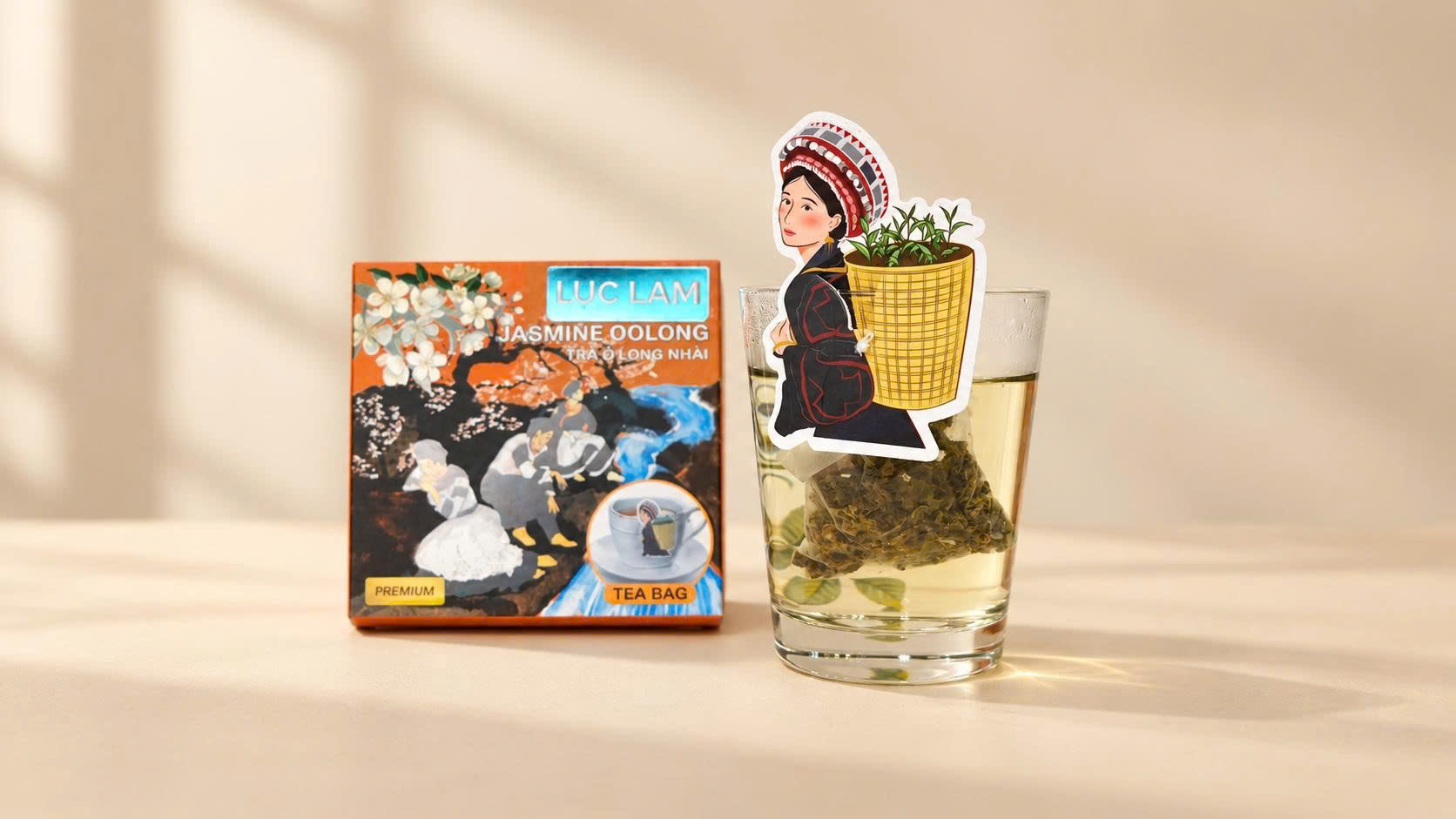
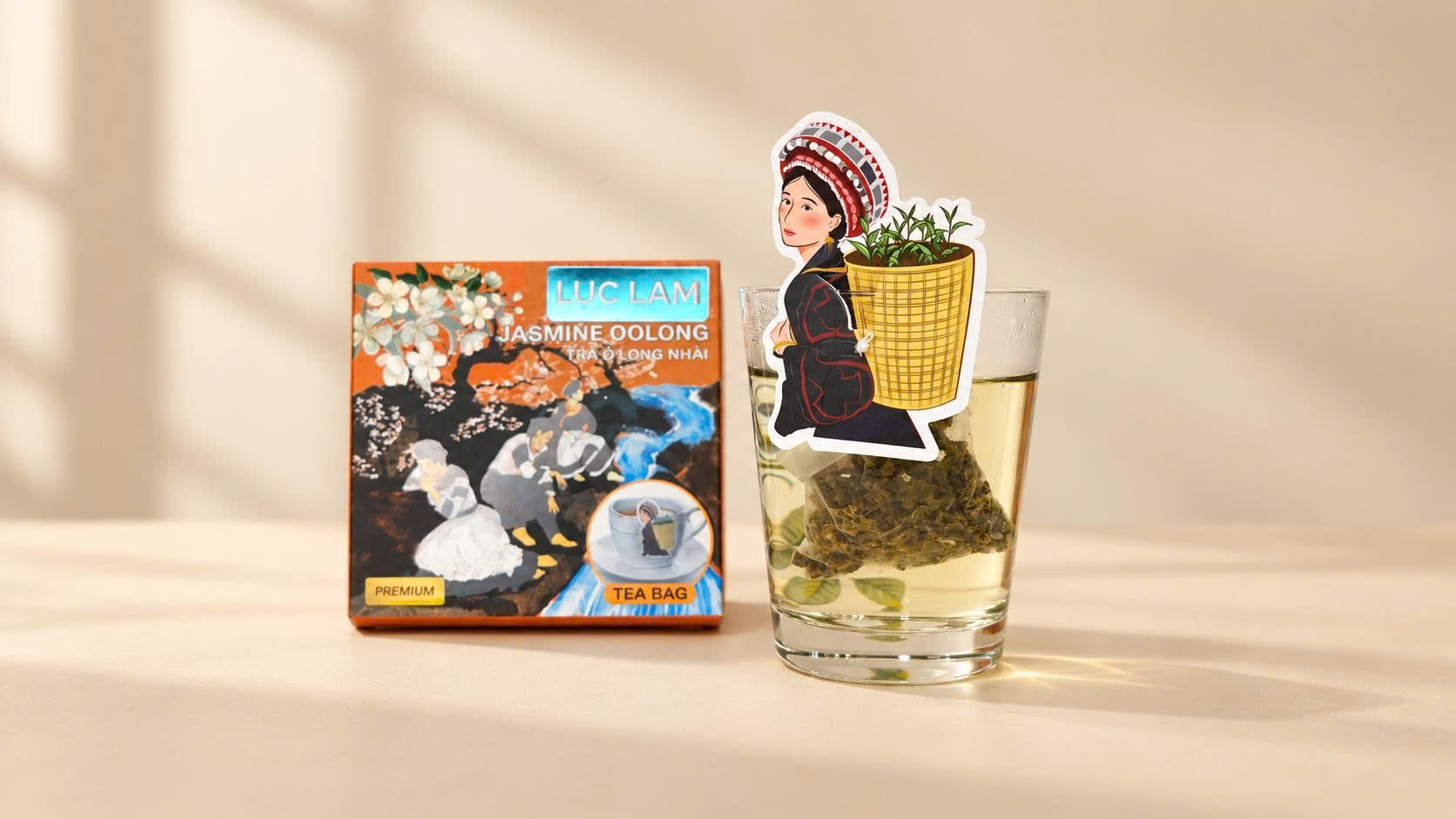
The most immediate indicator of a refined product is its packaging. High-quality gifts feature clear, detailed labeling that includes ingredient lists, production dates, and regulatory information. This transparency is a hallmark of a professional operation. When examining a box, look for a design that communicates care and attention to detail. For example, a premium Vietnamese herbal tea might feature elegant artwork that reflects its origin, while the packaging itself protects the delicate leaves from moisture and light. This level of presentation transforms a simple item into a thoughtful, suitable for gifting keepsake. By focusing on these visual and informational cues, you can confidently select a product that serves as a safe and memorable token of your travels.
Balancing Authenticity with Modern Safety
The ideal gift bridges the gap between traditional ritual and contemporary standards. It should feel authentic to the culture it represents while adhering to global safety expectations. Refined packaging and verified ingredients create a standard that respects both the giver’s intentions and the recipient’s well-being. Whether you are choosing a gift for a boss, a colleague, or a family member, this balance ensures that the item is not just a novelty but a genuinely useful and safe addition to their daily routine. By prioritizing these factors, you transform your shopping experience into a meaningful connection to the Sai Gon tea experience, bringing home a gift that is as safe as it is beautiful.
Frequently Asked Questions About Vietnamese Herbal Tea
Travelers often arrive in Ho Chi Minh City with more questions than answers about what they are drinking or buying. The line between a soothing afternoon drink and a serious medicinal intervention is rarely obvious to a first-time visitor. Here are the three questions that most frequently come up when discussing Vietnamese herbal tea through a safety-first lens.
Is Vietnamese herbal tea the same as traditional medicine?
No, they serve different purposes within the Vietnamese health framework. A herbal tea is primarily a wellness or refreshment product, designed for daily consumption to promote relaxation, digestion, or general well-being. It is part of the daily routine, like coffee or plain water. In contrast, traditional medicine (VTM) is a formalized healthcare system involving specific therapeutic dosages, diagnosed conditions, and regulatory oversight. While both may use the same botanical ingredients, the concentration, preparation method, and intended outcome differ significantly. A cup of jasmine tea from a street stall is not a prescription from a VTM clinic.
Can I take herbal tea while on medication?
You can, but you should proceed with caution. From a pharmacist’s perspective, the term “natural” does not automatically mean “compatible with pharmaceuticals.” Many plants contain bioactive compounds that can alter how the liver or kidneys process drugs, potentially reducing their effectiveness or increasing side effects. Before combining any herbal preparation with prescription medication, it is prudent to consult a pharmacist or doctor. They can check for specific herb-drug interactions and advise whether a particular blend is safe for your current health profile. This is a standard safety step, not a sign of mistrust, but a necessary part of responsible self-care.
What is the difference between a herbal tea and a medicinal herb?
The distinction lies in intent and dosage. Herbal teas are generally intended for daily consumption and refreshment, often with mild, cumulative benefits. They are accessible, low-risk, and integrated into social or domestic rituals. Medicinal herbs, on the other hand, are used to treat specific syndromes within a traditional medicine framework. They are typically processed into concentrated extracts, pills, or decoctions, and are administered under guidance to address a specific ailment. For a traveler, the former is a cultural experience; the latter is a healthcare decision. Confusing the two can lead to misunderstandings about potency and expected outcomes. Keeping this distinction clear helps you choose the right product for your needs—whether that’s a relaxing evening ritual or a targeted health support.
Viewing Vietnamese herbal tea through the lens of safety and history transforms a simple cup of refreshment into a deeper cultural connection. You have seen how this tradition bridges ancient healing practices with modern regulatory oversight, and how the city’s tea culture offers more than just a quick caffeine fix. Understanding the distinction between a wellness ritual and a therapeutic remedy helps you appreciate the care behind each brew.
When you leave Ho Chi Minh City, you carry with you the sensory memory of that Sai Gon tea experience. To preserve that memory for the people you care about, consider selecting a gift that balances authenticity with peace of mind. A curated collection of verified Vietnamese gifts, presented in refined packaging, offers a thoughtful way to share these flavors. It ensures that the items you give are not only culturally significant but also suitable for gifting to family, friends, or colleagues without the worry of uncertain sourcing. This approach turns a travel souvenir into a secure, high-quality token of your time in Vietnam, allowing your loved ones to enjoy the benefits of the tradition with confidence. If you would like guidance on finding a verified collection that matches your recipient’s taste, reach out to a local expert for personalized recommendations.