On This Page· 6
You are standing in a narrow shop in Da Nang’s old town, turning a deep-red lacquered bowl in your hands. The price is low, the finish is glossy, and it seems like the perfect souvenir. You ask the seller a simple question about its origin. Their reply is vague: “It is made locally.” That hesitation is your first clue.
Spotting authentic Vietnamese crafts often depends less on the object itself and more on the information you receive from the seller. A factory piece can mimic the visual cues of handmade goods, but a genuine artisan’s knowledge of their work is harder to disguise. This guide focuses on a conversational test: a practical method for navigating the handmade vs. factory debate when selecting Vietnam artisan products. By asking the right questions, you can avoid the frustration of buying items that look traditional but lack a real origin story. The following sections outline a simple framework for reading a seller’s words, helping you distinguish between a truly crafted piece and a mass-produced imitation with confidence.
Why the seller’s words reveal what your eyes miss
You can inspect every seam and glaze, but a factory line can mimic the signs of handwork. A subtle asymmetry or a slightly uneven stitch often looks like a mark of authenticity, yet modern manufacturing is increasingly skilled at reproducing these imperfections. The true indicator of authentic Vietnamese crafts is not the object itself, but the knowledge behind it. A genuine artisan knows the specific village, the source of the clay, and the exact days spent on a single piece. This deep, procedural knowledge is difficult to fake.
A conversational skill for buyers
This guide focuses on a distinct skill: verifying through conversation. Instead of relying solely on visual inspection, you will learn how to interpret the language a seller uses. By asking specific questions about origin and process, you can identify the handmade vs. factory distinction. This method is particularly useful when you are buying handmade gifts in tourist areas where visual cues are often misleading.
The scope of your verification
The approach applies to the four craft categories travelers most often encounter in Vietnam: lacquerware, silk weaving, pottery, and bamboo goods. For each, the logic of verification remains the same. You are not looking for perfect symmetry or flawless finishes; you are listening for precision. A seller who can name a specific material or technique is showing you the root of the product.
Green flags and red flags
To make this process easy to apply, use two concepts as a lens for the rest of this article:
- Green flags: These are specific, proud answers. The seller names a person, a village, or a traditional process. These responses signal a genuine connection to the making of the item.
- Red flags: These are vague, evasive answers. Phrases like “local artists” or “standard quality” with no further detail suggest the seller is selling a product without a real artisan origin.
By training your ear to catch these two types of responses, you can spot fake souvenirs with confidence, even if you are not an expert in physical craftsmanship.
Who made this piece, and where was it created
The first question to ask a seller about potential authentic Vietnamese crafts is simple but powerful: “Who made this, and where does it come from?” This query separates artisans from intermediaries. A genuine creator knows the exact origin of their work. If the seller hesitates, they are likely disconnected from the actual production process.
The green flag: specific names and places
A trustworthy seller will name a specific artisan or a named cooperative. They will identify the precise village or community, such as a silk-weaving village in Phu Yen or a pottery cluster in Bavi. This level of detail shows genuine traceability. You are not just buying an object; you are buying a story that has a beginning. The seller can explain who held the needle or shaped the clay. This specificity is the hallmark of Vietnam artisan products that carry real human history. The connection between the person and the place is clear and verifiable in their mind, even if you cannot verify it instantly on the spot.
The red flag: vague generalizations
Conversely, watch for evasive answers. Phrases like “local artists,” “our factory team,” or simply “made in Vietnam” are red flags. These terms lack a specific person or location. They suggest the seller has no real connection to the maker. If the answer feels generic, it likely is. A seller who cannot pinpoint the origin is selling a commodity, not a craft. This is a key aspect of the handmade vs. factory debate, where the narrative behind the item is often the only truth available. Vague language protects the seller’s margin but obscures the product’s identity. It leaves you guessing about the labor involved and the environment where the piece was created.
Testing the depth of knowledge
To dig deeper, ask a follow-up question: “Do you know the person by name?” This tests how deeply the seller understands their own stock. A proud artisan will recall the name, the family, and perhaps the style of the specific maker. A middleman will likely stall or offer a generic response. This follow-up helps you spot fake souvenirs that have been mass-produced and resold in tourist areas. If the seller cannot name the hand that made the bowl or the thread that wove the silk, you are not buying from the source. You are buying a copy of a tradition, not the tradition itself. This distinction is crucial for anyone buying handmade gifts who wants to ensure their purchase supports a real livelihood, not just a supply chain. The answer to this question tells you more about the authenticity of the object than its physical appearance ever could.
How long does one piece take to finish
Ask the seller: “How long does it take to make a single piece like this?” This question cuts straight to the core of the handmade vs. factory distinction, as time is one of the most reliable signals of authenticity.
Why Time Matters
Crafting authentic Vietnamese crafts by hand is slow. A handwoven silk scarf or a hand-thrown ceramic vase requires days or even weeks of focused labor. In contrast, a factory line can produce dozens of identical items per hour. This difference in production speed is not just a logistical detail; it is a fundamental marker of the artisan’s involvement.
If the object before you is highly intricate—featuring detailed lacquerwork or complex weaving patterns—expect a timeline that reflects that complexity. A genuine artisan will not claim to have completed such a piece in a short timeframe. The labor involved in Vietnam artisan products is inherent to their value.
The Green Flag: Realistic Timelines
A seller providing a realistic answer gives you a strong green flag. For example, a seller of lacquered items might state that the process takes several days for each coat to dry and polish. A weaver might explain that a single textile takes a week to finish on a handloom. These answers match the visible complexity of the item and show that the seller understands the traditional processes involved.
When you are buying handmade gifts, listen for specific timeframes that align with the craft. If the seller can explain why it takes that long—mentioning drying times, hand-beating steps, or careful detailing—they are likely dealing in authentic pieces.
The Red Flag: Impossibly Fast Answers
Conversely, if the seller claims that a highly intricate piece takes “only a few hours” or “one day,” it is a significant warning sign. Such a response strongly implies machine-assisted or factory production. No amount of handwork can replicate the speed of industrial manufacturing for complex designs. If the stated time does not match the visible effort required to create the item, you are likely looking at a mass-produced souvenir.
Check the Complexity
Mentally compare the stated time against the object’s visible complexity. A simple, uniform item might legitimately be made quickly, but a piece with unique variations, subtle asymmetries, or detailed patterns should not be. A mismatch between the timeline and the craftsmanship is a clear signal that the item may not be truly handmade. Always use this mental check to help you spot fake souvenirs before you commit to a purchase.
Which materials and techniques shaped this item
Ask: “What materials and techniques were used to make this?” This question forces the seller to move from aesthetic praise to technical description. It is often the moment where a generic vendor’s knowledge runs out, while a genuine artisan-based seller thrives on the detail.
A green flag response is specific, natural, and process-oriented. For lacquerware, the seller might mention cà chua (lacquer resin), a wooden base, and the repeated application of coats with polishing. For silk, they will name the type of thread, the dye source (vegetable or synthetic), and the loom type. For pottery, they will describe the clay origin, the throwing process, and the glaze type. The key is that the seller treats these terms as common knowledge, not special facts to be memorized.
A red flag response is vague and generic. You will hear words like “fabric,” “paint,” or “plastic” without any context. If a seller cannot explain how a bamboo item was treated to prevent rot, or how a silk thread is dyed, they are likely describing a mass-produced item where the manufacturing process is invisible to the final seller.
Comparing Authentic vs. Generic Descriptions
The following table illustrates the difference in language for common Vietnamese craft categories. Notice how the authentic side names the source and the method, while the generic side labels the result.
| Craft Type | Green Flag (Specific & Natural) | Red Flag (Generic & Vague) |
|---|---|---|
| Lacquerware | Lacquer resin from lac trees; hand-applied coats; wooden core. | “Wood” and “enamel” or “paint” with no mention of layers. |
| Silk | Mulberry silk thread; vegetable dyes; handloom or shuttle. | “Fabric” or “satin material” with no reference to weaving or dyeing. |
| Pottery | Local river clay; hand-thrown; kiln-fired with specific glaze. | “Clay” or “ceramic” with no detail on shaping or firing. |
| Bamboo | Hand-beaten or split bamboo; natural finish or wax; aged for strength. | “Bamboo” or “wood” with no mention of treatment or craftsmanship. |
A seller who hesitates, shrugs, or generalizes when you ask about materials is often selling something not truly made by hand. In the context of Vietnam artisan products, the ability to articulate the journey of the raw material is a strong signal of authenticity. If the answer feels rehearsed or disconnected from the object in front of you, treat it as a warning that the item may be factory-produced rather than handmade. This linguistic test is one of the most reliable ways to spot fake souvenirs before you complete the purchase.
Does the piece carry certification or an artisan card
After discussing materials and time, the fourth question shifts the focus to documentation: “Does this carry any certification, label, or artisan guarantee card?” This inquiry moves beyond the object’s physical traits to its administrative trail, asking for proof that the maker and origin have been verified by a third party or a community body.
A green-flag answer is immediate and visible. The seller pulls out a physical tag or card without hesitation. In the context of authentic Vietnamese crafts, this might be a geographic-indication tag that links the item to a specific craft region, such as a silk-weaving cluster or a pottery village. Alternatively, you might see a handicraft mark or an artisan card that explicitly names the creator and their community. These documents act as a bridge of trust, connecting the buyer to the specific hands that shaped the product. A transparent seller understands that showing this proof is a standard part of the sales process, not an intrusion on their privacy.
The weight of geographic tags
Geographic indication tags for specific craft regions are a strong authenticity signal in Vietnam. When a seller can point to a label that certifies the item’s origin, it confirms that the product meets specific regional standards for production and material. For example, if you are buying handmade gifts from a known ceramic hub, the presence of such a tag assures you that the clay and firing methods adhere to traditional norms. A seller who resists showing these documents, or who claims to have them but cannot produce them, is signaling that the item likely lacks this verified lineage.
When absence is not a failure
It is important to distinguish between a lack of certification and a lack of authenticity. Many small artisans work independently and may not have formal government-issued tags or artisan cards. Their absence does not automatically mean the piece is a factory-made fake. However, the way a seller reacts to the question is the real indicator. If a seller deflects the query, changes the subject, or insists that “quality control” is internal without offering any verifiable label, treat this as a red flag. Evasiveness suggests the seller is protecting a product that has no real artisan origin to disclose. When the documentation is missing, the seller’s confidence in other answers becomes even more critical, as it is your only remaining anchor to the truth.
FAQ: reading answers when buying Vietnamese handmade crafts
Q: What is the fastest single question to gauge whether a craft is authentic?
A: “Who made this, and where does it come from?” This single question cuts through the noise faster than any visual inspection. A seller who cannot name a specific artisan or identify the originating village is the most immediate red flag. If the answer is vague, the product likely lacks a genuine human connection. You do not need to ask all five questions if the first one yields a confident, specific name. The quality of that initial response often tells you everything you need to know about the item’s provenance.
Q: If the price looks good, should I still ask all five questions?
A: Yes. A low price does not guarantee authenticity; in fact, it often signals the opposite. Factory-made items are frequently priced to look “authentic” in tourist areas, mimicking the low cost of genuine artisan work while lacking the craftsmanship. The verification questions protect you from this specific trap. Buying a handmade gift requires looking past the price tag to the story behind it. If a deal seems too good to be true, assume it is until the seller proves otherwise with clear details.
Q: What if the seller is evasive or changes the subject?
A: Treat evasiveness as a strong warning sign. A genuine, proud seller usually welcomes these questions because they are happy to share the story of their work. One who resists, deflects, or changes the topic is likely protecting a product with no real artisan origin. Evasiveness often indicates that the seller knows the answers to questions about origin and process do not exist. If you cannot get a direct answer, it is safer to walk away and find a seller who is transparent about their inventory.
Q: Do these methods work for tea or food gifts as well as crafts?
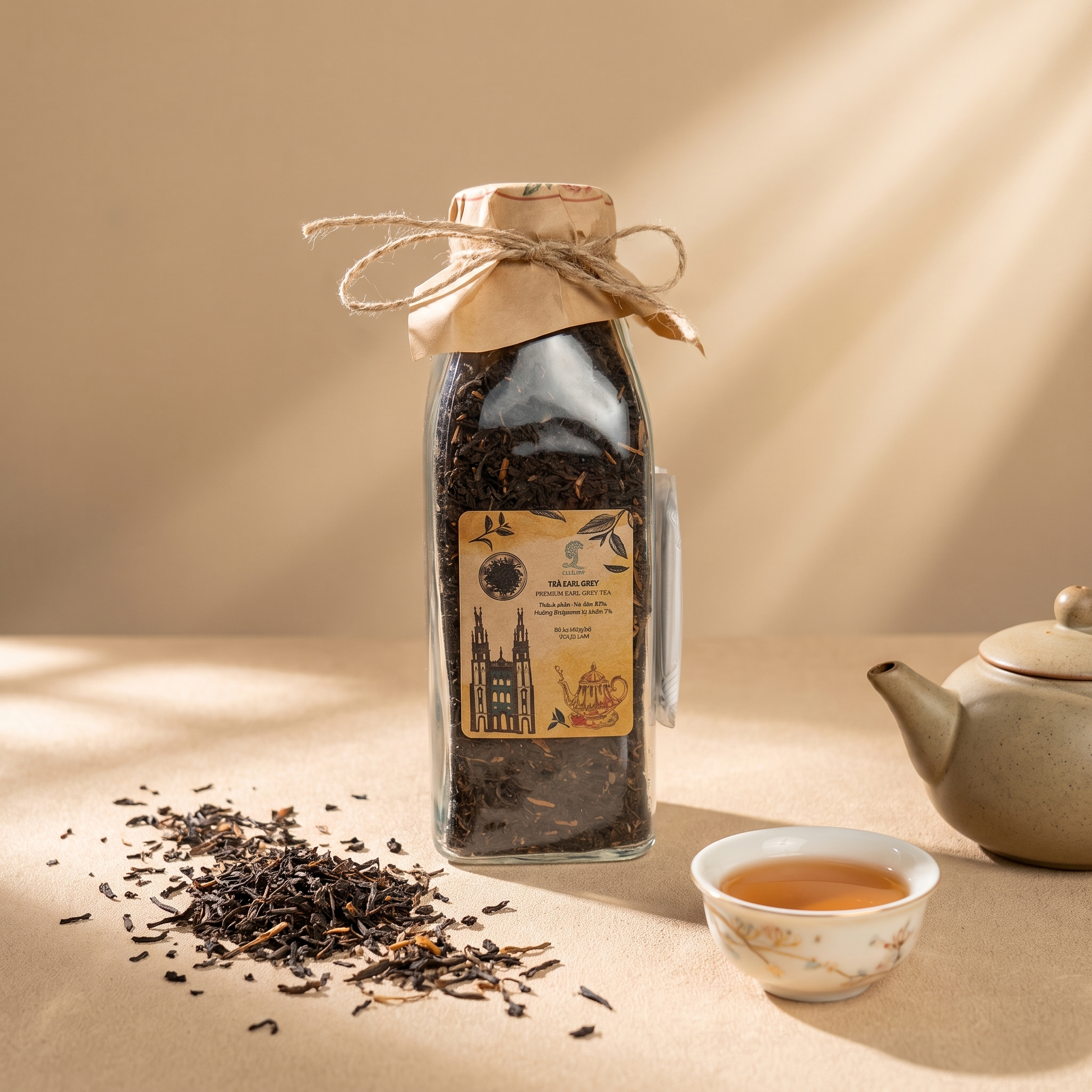
A: The same logic applies. When buying handmade gifts beyond physical crafts, such as specialty teas or artisanal foods, ask about the origin region, the harvest or production process, and any relevant certification. A specific, confident answer about where the leaves were grown or how the ingredients were sourced is a sign of a genuine product suitable for gifting. Whether you are selecting a ceramic bowl or a box of premium tea, the principle remains the same: the seller’s knowledge reflects the product’s integrity. You can verify the depth of their understanding to ensure you are bringing home a true taste or artifact of Vietnam.
Q: Where in Da Nang or Ho Chi Minh City can I find sellers who answer these questions well?
A: Look for small independent workshops and cooperatives rather than large tourist bazaars. In these smaller settings, the sellers often have a direct relationship with the artisans or are the artisans themselves. They take pride in telling the story of their product, making the conversation part of the experience. These venues are more likely to provide the detailed, confident answers that verify authenticity. A seller who invests time in explaining the craft is usually worth your time and purchase, offering a connection that mass-market shops cannot replicate.
Every answer you hear in a workshop is a small vote. One voice supports the artisan who spent days on a single bowl; another signals the factory line that produced fifty identical copies. By the end of your visit, you will have collected enough votes to know which side to trust. The five questions form a simple mental habit: name the maker, check the timeline, ask about materials, request proof, and listen for pride in the response. This routine takes less than a minute but shifts the conversation from price to provenance, helping you distinguish authentic Vietnamese crafts from mass-produced imitations without technical expertise.
Carry this framework into any market, from the silk clusters of Phu Yen to the pottery lanes of Bavi. When a seller hesitates or generalizes, your trust rightly wavers. When they speak with specific names and confident timelines, your confidence grows. You are not just buying an object; you are acknowledging a tradition and a person. If you prefer to skip the testing process entirely, look for curated shops in Ho Chi Minh City or Da Nang that present refined packaging and include the origin story as part of the experience, so you can focus on the joy of giving something truly Vietnamese.