On This Page· 5
Standing before a market stall in Phu Quoc, a traveler often faces a familiar dilemma: a transparent bag of whole, loose-leaf chamomile in one hand, and a sealed box of pre-portioned tea bags in the other. The difference is more than aesthetic; it speaks to the authenticity of the product. Which format delivers the specific local flavor you sought out, and does the higher price tag on loose leaf justify the extra cost? Choosing the right Phu Quoc herbal tea requires looking beyond the label to understand what you are actually buying. You need to decode the format, the packaging, and market tea prices to distinguish genuine botanicals from items marked up for tourists.
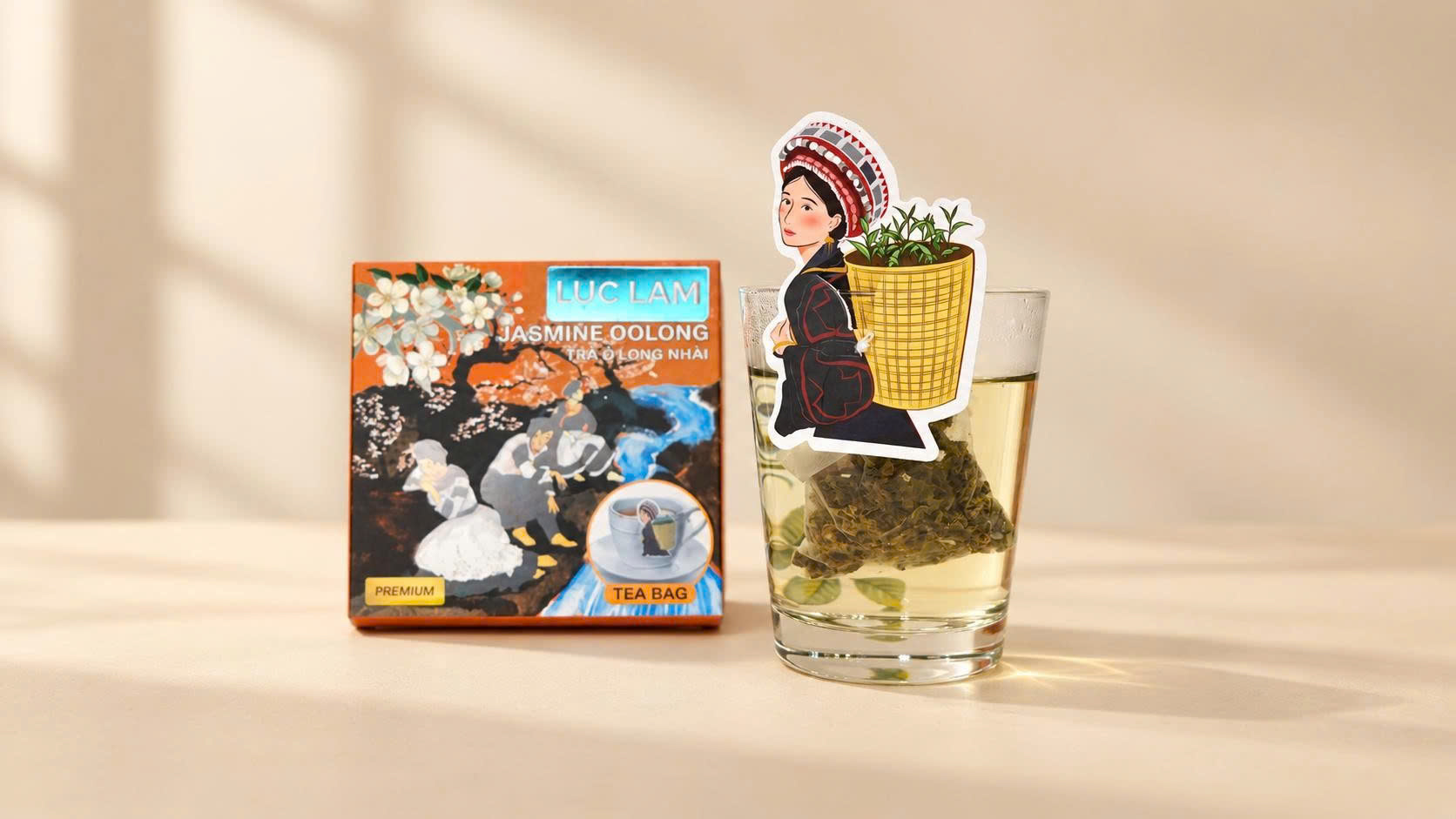
This guide breaks down the technical differences between loose-leaf and bagged options. It explains how to verify freshness through simple sensory checks and how to benchmark a fair price before you pay. By the end, you will know exactly how to buy tea in Phu Quoc that serves as a meaningful gift, rather than a generic souvenir.
Why loose-leaf beats tea bags for authentic Phu Quoc herbal tea
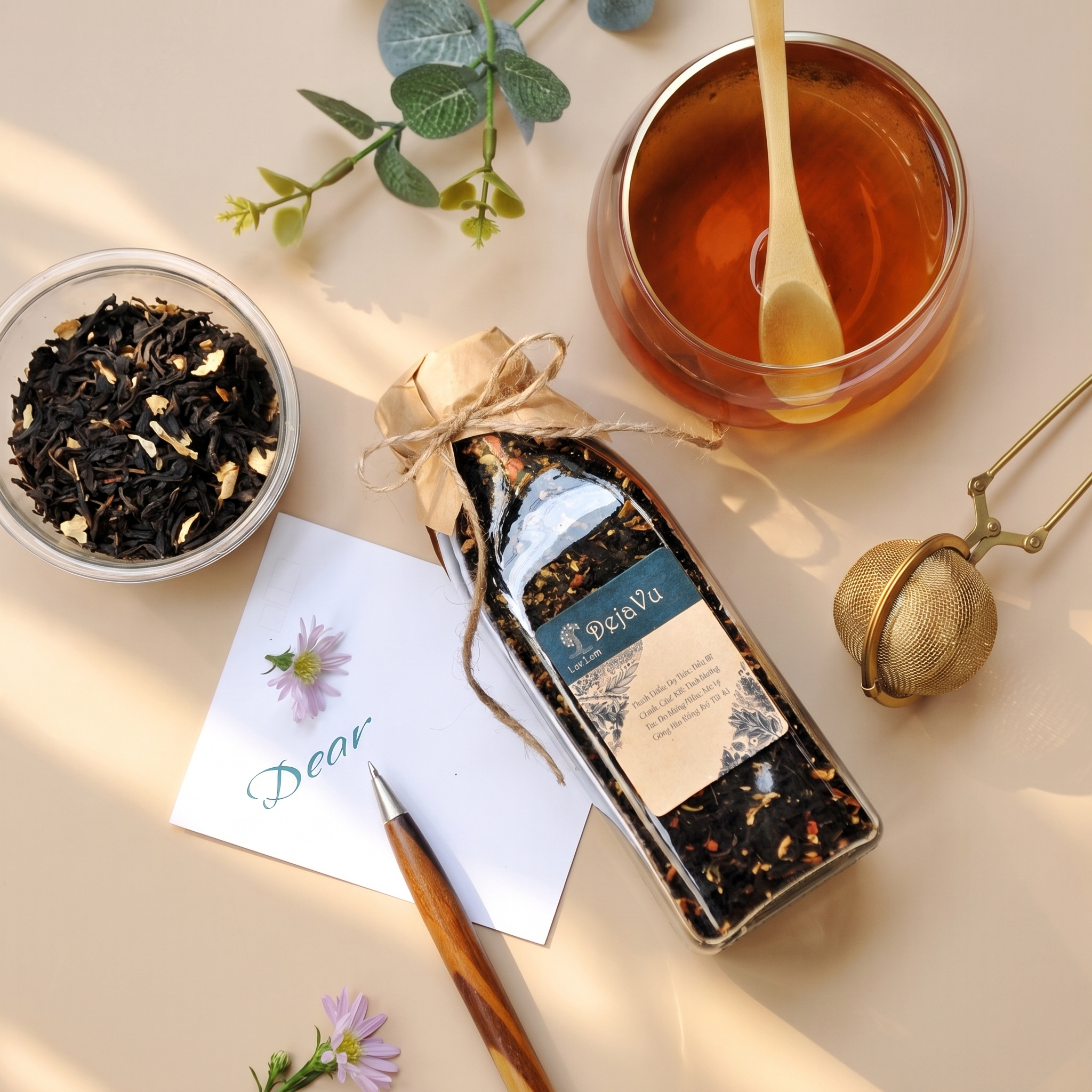
The distinction between a sealed box of tea bags and a transparent bag of loose-leaf chamomile is a technical one that determines whether you are bringing home a genuine piece of the island or a standardized, mass-produced product. When you choose loose-leaf, you are opting for a format that preserves the integrity of the plant material, ensuring that the authentic local tea you purchased retains its sensory profile long after you leave the market.
The science of aromatic retention
Herbal teas rely on volatile oils to deliver their characteristic scent and flavor. Whole leaves and intact flower heads, such as those found in loose-leaf formats, protect these aromatic compounds from premature evaporation. In contrast, the crushing and shredding processes required to fill tea bags expose a larger surface area to air and light. This exposure accelerates the loss of potency, meaning that bagged alternatives often arrive at your home with a muted, stale profile. For a traveler seeking the specific, vibrant flavor of the island, this rapid degradation is a significant drawback.
While tea bags dominate the global packaging segment with a 58.0% share due to their convenience, this statistic reflects industrial production rather than local authenticity. In markets where sourcing quality is visible and verifiable, loose-leaf remains the standard for premium botanicals. The lack of processing allows the buyer to see exactly what they are purchasing, creating a transparency that sealed bags simply cannot match.
A simple sensory test at the stall
You do not need a laboratory to verify the quality of the herbal tea in your hands. A simple sensory test at the vendor’s stall can reveal whether the product is fresh or stale. If the vendor allows it, open the packaging and inhale deeply. Genuine, fresh loose-leaf should emit a distinct, bright aroma. If the scent is faint, dusty, or indistinguishable from cardboard, the product has likely lost its essential oils.
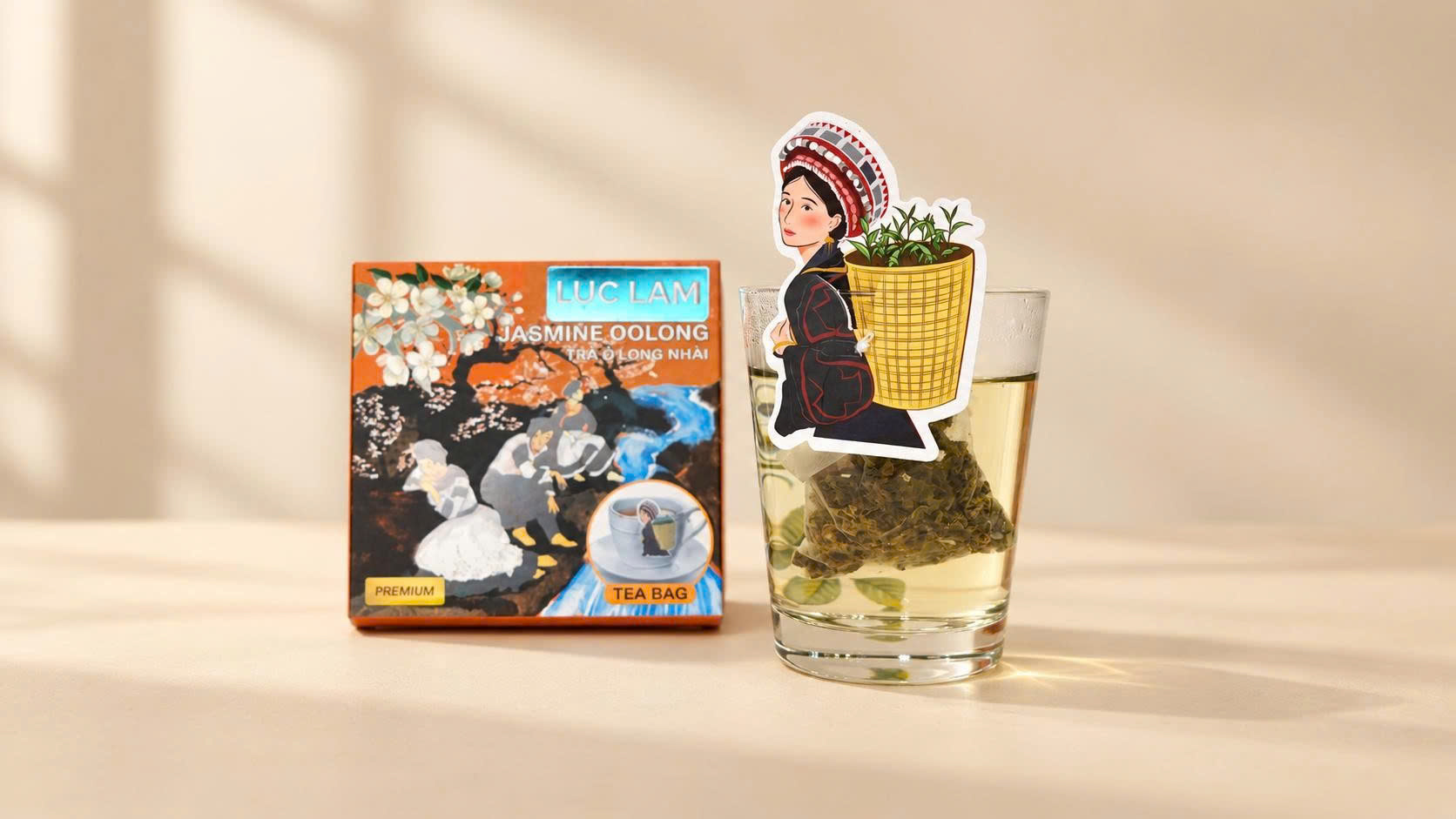
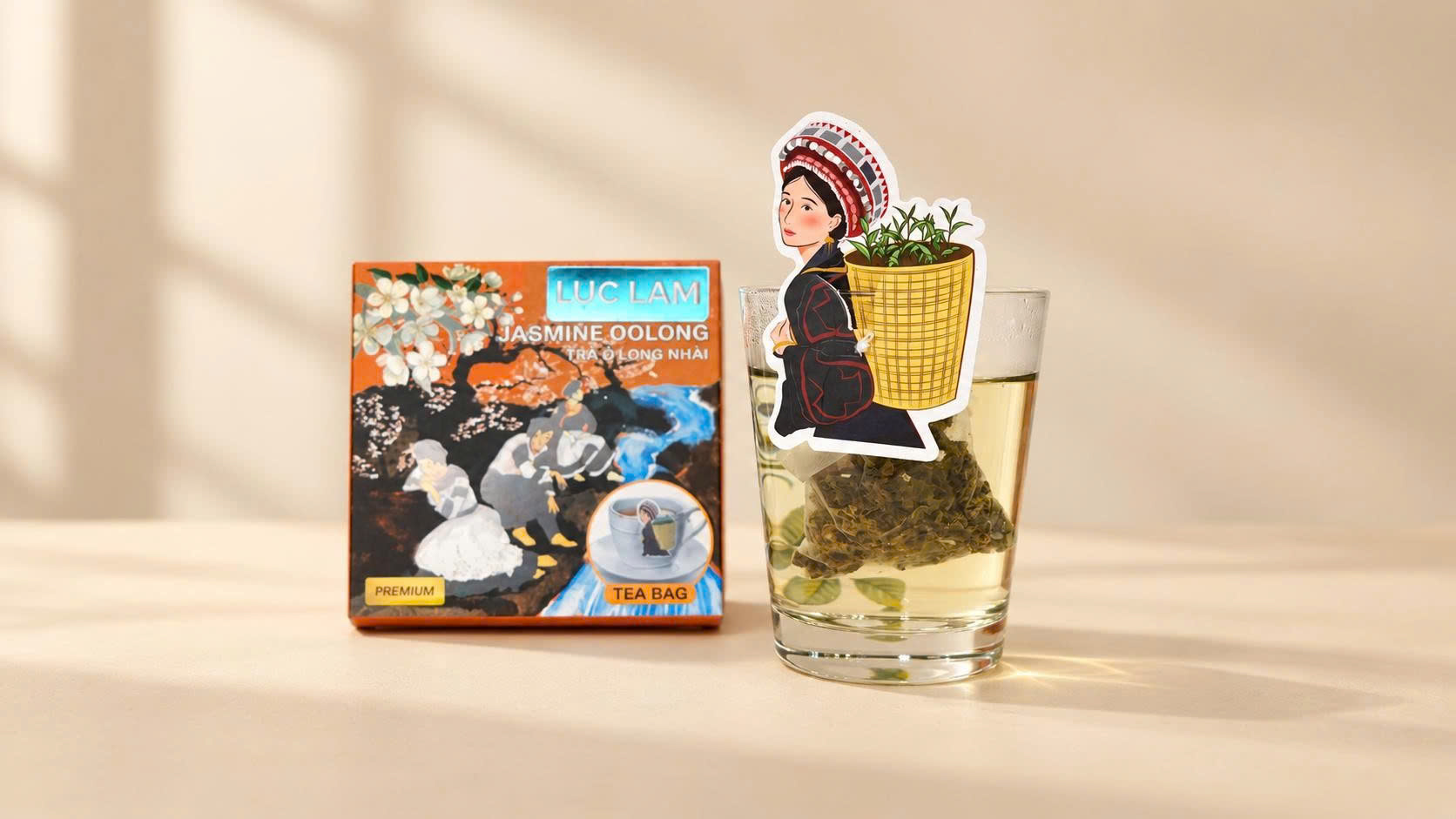
This test is particularly useful when comparing options. While pyramid bags can contain high-quality ingredients, they offer no way to verify freshness before purchase. In a local market context, where you can inspect and smell the product, loose-leaf provides a verifiable choice for authenticity. If you cannot open the package, ask the vendor to open a sample. A vendor confident in the freshness of their stock will readily accommodate this request.
It is a common misconception that bagged tea is inherently inferior. However, for the purpose of travel gifting and personal consumption, the priority is not just taste, but the assurance of quality. Loose-leaf offers that assurance through direct observation. It transforms the act of buying tea from a blind trust exercise into an informed decision based on sensory evidence. This level of engagement with the product is what separates a meaningful Vietnamese gift from a generic souvenir.
How to read a Phu Quoc tea price tag without getting ripped off
Walking down a busy street in Duong Dong or near the cruise dock, you might notice the same box of chamomile costing three times more than it did at a local supermarket two streets away. This is the classic tourist markup pattern. It typically appears in areas with high foot traffic, such as the airport vicinity or main market entrances. The goal is to capitalize on travelers who are unfamiliar with market tea prices and are eager to take a piece of Vietnam home. If you see a price that looks disproportionately high for the size and type of product, it is likely an opportunity for the seller rather than a reflection of the tea’s true worth.
Establish your baseline first
Before you commit to a purchase, adopt a simple benchmarking habit. Visit a local grocery store or a pharmacy to check the price of a similar item. This does not take long, but it anchors your expectations in reality. For instance, if a 100g jar of loose-leaf peppermint is 150,000 VND in a neighborhood shop, a vendor charging 400,000 VND for the same weight is applying a significant premium. This baseline helps you distinguish between a fair market rate and a price designed to take advantage of your lack of local knowledge. A fair price for authentic local tea should align with the general retail rate for that specific botanical, adjusted slightly for the market environment but not by a factor of three or four.
What justifies a higher price?
Not all price differences are negative. In the current market, there is a shift from raw commodities to value-added processing. A slightly higher price can be justified if it reflects better sourcing, functional blending, or refined packaging. For example, a blend that combines chamomile with other calming herbs, or a product packed in a biodegradable, airtight container designed to preserve volatile oils, adds tangible value. When you buy tea in Phu Quoc, look for these quality markers. The price should tell you about the care taken in processing and the integrity of the ingredients, not just the prime location of the stall. If the packaging is simple and the ingredients are basic, the price should be modest. A premium tag on a basic product is a red flag, not a feature.
Watch out for the ‘bait and switch’
Beware of stalls that offer a suspiciously low price for what they claim is premium loose-leaf tea. If the deal sounds too good to be true, it usually is. Vendors may use bait and switch pricing to clear out low-grade or stale inventory. The initial label might say “premium,” but the product inside could be broken, dull, or past its peak freshness. This tactic relies on your excitement. When a price is significantly lower than your established baseline, the product is likely a filler designed to move quickly, not an authentic local treasure. Stick to vendors who are transparent about their sourcing and do not pressure you into a quick decision. A genuine artisan or quality curator will be happy to let you inspect the product and will not be distressed by your price-checking habits. Your trust is earned, not assumed.
Loose-leaf vs. tea bags: a comparison of quality and value in local markets
When weighing the cost of authentic local tea against convenience, the format often signals more than just how you brew the cup. In local markets, the physical structure of the product reveals how much care went into preserving the original botanical character. While both formats serve a purpose, they sit on opposite ends of the transparency spectrum.
| Feature | Loose-Leaf | Tea Bags |
|---|---|---|
| Aroma Retention | High | Moderate |
| Portion Control | Manual | Precise |
| Authenticity Transparency | High | Low |
The Signal in the Packaging
Packaging tells a story about what the vendor values. Biodegradable or premium containers in a local market context often indicate a focus on preserving potency over the long term. These materials protect delicate aromatic compounds from oxidation. In contrast, plastic-lined sachets are designed for speed and mass production. The priority there is often distribution volume rather than ingredient integrity. If the packaging feels generic and industrial, it usually mirrors a production line that treats tea as a commodity rather than a sensory experience. For a Phu Quoc herbal tea purchase, the container is the first clue to whether you are holding a fresh local product or a standardized filler.
The Gifting Perspective for Travelers
For Japanese, Taiwanese, or Chinese travelers, the choice also depends on who receives the gift. A box of generic bagged tea can feel impersonal, especially when giving to a boss or a business partner. Loose-leaf varieties, often presented in refined, individually packed containers, carry a different weight. They suggest a deliberate selection process and an appreciation for traditional wellness practices. This makes them a more suitable and memorable gift for colleagues or elders. The tactile experience of handling the leaves and the distinct aroma that escapes the jar adds a layer of respect that a sealed, uniform tea bag simply cannot match.
Value Versus Convenience
Ultimately, tea bags offer the ease of use that busy schedules demand. However, loose-leaf provides the authenticity and sensory depth that justify the slightly higher investment. When you buy for gifting, the goal is not just to deliver a drinkable beverage but to share a piece of Vietnamese culture. A premium loose-leaf selection serves as a thoughtful token that highlights quality and care. It transforms a simple market purchase into a meaningful connection, ensuring the recipient experiences the true character of the local tea they have received.
Common questions about buying authentic local tea in Phu Quoc
Is loose-leaf tea always more expensive?
The short answer is generally yes. Loose-leaf tea typically commands a higher price than standard tea bags due to less processing and a perceived higher quality that appeals to discerning palates. However, the value proposition shifts depending on your intent. If you are looking for a convenience-focused gift, premium bagged options can offer better value for money. These bags often come in refined, individually packed formats that are easy to choose for colleagues, balancing cost with a polished presentation that still feels like a thoughtful Vietnamese gift.
How to verify the freshness of herbs
Freshness is the backbone of any herbal tea, and you can assess it with simple sensory checks. Inspect the color first: vibrant hues indicate recent harvesting, while brown or dull tones suggest the product has been sitting for too long. Next, check the aroma. A strong, distinct scent signals potency; if it smells dusty or faint, the aromatic compounds have likely faded. If the packaging is sealed and you cannot check the contents yourself, do not hesitate to ask the vendor to open a sample. This step ensures you are purchasing genuine, fresh botanicals rather than stale inventory.
Airport vs. local market purchases
Buying at the airport is convenient, but it often comes with the highest markup. If your schedule allows, visiting a local market or a specialty store before your departure offers better prices and a wider selection. This approach lets you compare market tea prices across different stalls, ensuring you get a fair deal. Local vendors are also more likely to carry authentic local tea varieties that reflect the specific botanicals of the region, giving you a more authentic experience than the limited, high-margin selection found in transit hubs.
Dietary restrictions and herbal ingredients
Most herbal teas are caffeine-free, making them suitable for many dietary profiles. However, if you have specific allergies to certain flowers or herbs, you must check the ingredient list carefully. Loose-leaf labels are often more transparent about their contents than bagged blends, which can sometimes obscure the exact composition. For travelers with dietary restrictions, this transparency is a significant advantage, allowing for a safer and more informed choice when selecting your final souvenir.
Choosing the right herbal tea for your recipient in Vietnam
The format you choose says as much about the recipient as the flavor does. A jar of loose-leaf chamomile in refined, individually packed containers communicates care and attention to detail, making it a fitting choice for business partners or elders. This presentation signals respect for traditional wellness practices and offers a more premium, sensory experience than a standard tea bag. When the recipient values quality and ritual, loose-leaf is the stronger choice.
Matching the gift to the recipient
For friends or colleagues, a curated selection that blends both formats often hits the right note. Imagine pairing a box of premium bagged chamomile for easy, everyday convenience with a small jar of loose-leaf peppermint for a higher-quality, deliberate steep. This combination is easy to choose and gives the recipient two distinct experiences: one for a quick break, one for a slower evening. It feels personal without being overwhelming, and it reflects a thoughtful understanding of how people actually drink tea in daily life.
The goal is flavor, not just a souvenir
What makes a Vietnamese tea gift memorable is authenticity, not origin alone. A product that feels authentic and high-quality carries the scent of a specific place and moment. When you choose a tea that showcases genuine local botanicals in well-crafted packaging, you are giving more than a token; you are sharing a taste of the region. The best gifts are those that encourage the recipient to slow down, steep, and savor, transforming a simple cup into a connection to Vietnam.
The choice between loose-leaf and bagged formats serves as the most reliable gauge of authenticity when sourcing Phu Quoc herbal tea. A higher price tag typically reflects value-added sourcing and refined packaging rather than simply the location of the stall, ensuring the botanicals retain their potency from harvest to cup. Finding the right jar of local flowers or herbs is a rewarding part of the trip, offering a tangible and sensory connection to the region’s traditions for your next recipient.