On This Page· 5
The box in your hand is heavy, the packaging is elegant, and the price tag stings. You are standing in the heart of a bustling Phu Quoc market, holding a premium box of herbal tea, only to learn later that the identical loose leaves from a vendor three stalls down cost a fraction of what you paid. This moment captures a common frustration for travelers: the “tourist tax,” or the premium you pay for branding and presentation rather than the quality of the leaves themselves.
When hunting for Phu Quoc herbal tea, it is easy to assume that a higher price signals a superior product. In reality, the most authentic tea markets often prioritize the ingredient over the logo. Locals rely on established social networks to verify fair market rates, making them less susceptible to the inflated pricing that targets international shoppers. The gap between what a local pays and what a tourist pays can be significant, especially for regional herbal specialties.
You can learn to see through this markup. By shifting your focus from the box to the leaf, you can navigate the island’s tea shops with confidence. This guide offers a practical way to identify fair pricing and ensure your purchase is a true reflection of Vietnam’s flavors, not just a premium for a label.
Why your tea costs double in a boutique shop
The gap between a 200,000 VND box and a 50,000 VND bag of the same leaves is rarely about the plant. It is about the box.
In the context of Vietnamese herbal tea, the “tourist tax” is a premium paid for branding and presentation rather than agricultural quality. When you buy a gift in a boutique, you are often paying for the design of the label, the weight of the cardboard, and the marketing story behind the brand. The actual cost of the leaves—whether it is chrysanthemum, jasmine, or ginger—remains relatively stable across the market. The difference you see on the tag is the cost of making that product look like a luxury item for a traveler who cannot easily verify the true value.
Value for the brand vs. value for the leaf
There are two distinct values at play when you shop for a souvenir. Value for the brand includes the aesthetic packaging, the logo, and the perceived status of the seller. Value for the leaf refers to the ingredient quality, the sourcing of the herbs, and the freshness of the product. International travelers often prioritize the first, while local consumers in Phu Quoc focus almost exclusively on the second. This difference in perception is the engine of the price gap. A local shopkeeper knows that the leaves cost a certain amount to harvest and dry. They have no need to inflate that number with marketing overhead because their customers are not looking for a status symbol; they are looking for a good cup of tea.
The psychology of the premium
Travelers often operate on a simple heuristic: high price equals high quality. This assumption makes them susceptible to premium pricing in areas catering to tourists. Locals, however, have a different verification system. They use their social networks, asking neighbors or regular vendors for the fair market rate of a specific herb. This collective knowledge makes them resistant to inflated prices. When a visitor sees a “specialty” blend for a high price, they see a premium product. When a local sees the same blend, they see a standard product with an unnecessary markup. Understanding this dynamic is the first step to avoid tourist prices and finding the true value of Phu Quoc herbal tea.
The next step is recognizing the specific signals that indicate a vendor is pricing for the tourist market rather than the local one.
Red flags to avoid overpaying in local markets
Navigating the streets of Phu Quoc, you might find yourself drawn to a stall with elegant signage and neatly stacked boxes. The aesthetic is polished, but that polish can be a cost center rather than a quality indicator. To avoid tourist prices, you need to look past the marketing and evaluate the actual leaves.
Trust the leaf, not the label
In authentic tea markets, the product itself is the star. The value of a specific herbal blend lies in the aroma, the texture of the dried flowers, and the clarity of the brewed liquid. If a vendor refuses to let you open the jar to smell the jasmine or the lemongrass, that is a significant warning sign. Confidence in the product means confidence in allowing a buyer to inspect it. In local tea shops where the inventory is fresh and the price is fair, the vendor will often encourage you to take a pinch of the leaves into your hand. The scent of real, recently dried herbs is distinct and complex. If the air around the stall smells artificial or sterile, walk away. The primary focus should be on the sensory experience of the product, not the logo on the box.
Packaging as a cost indicator
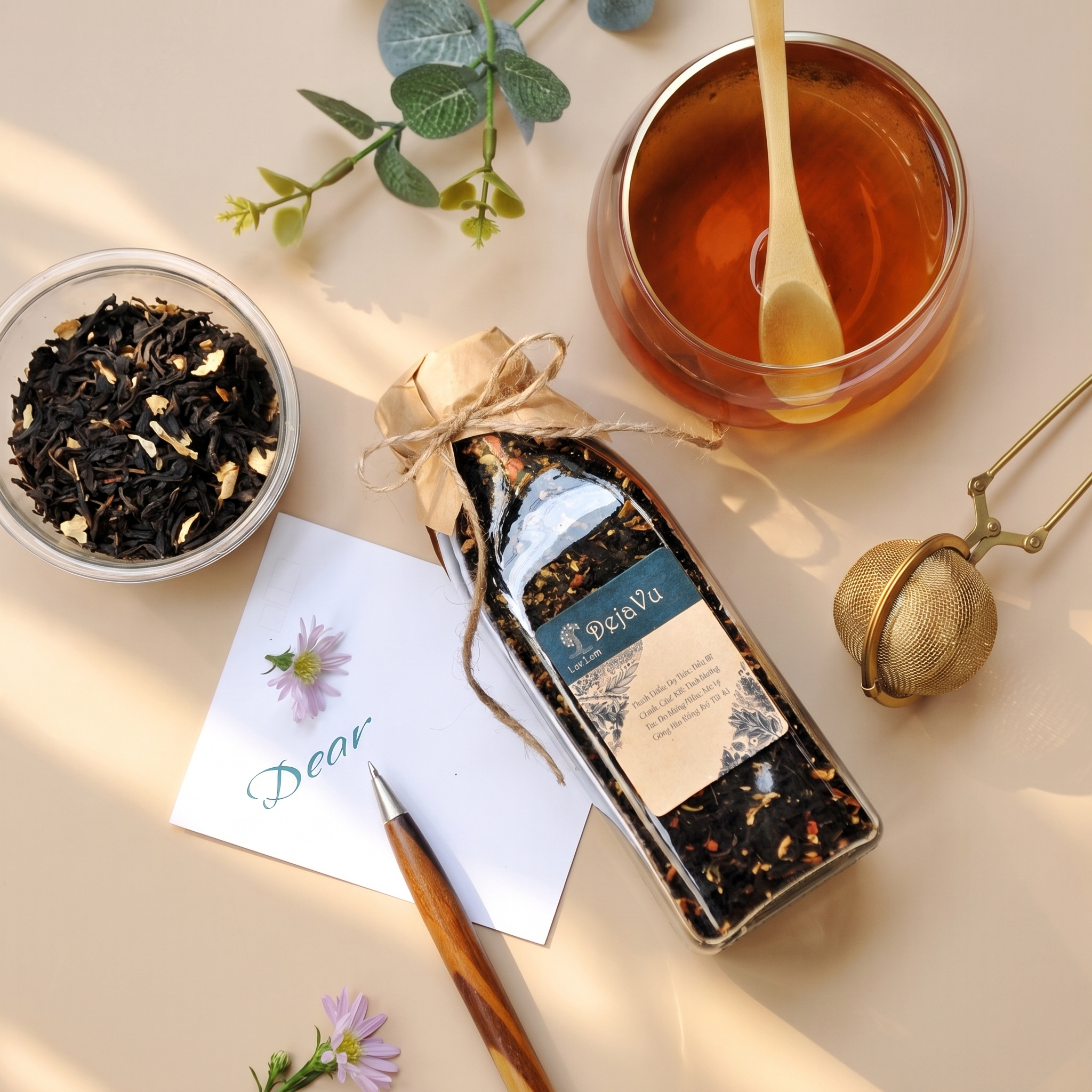
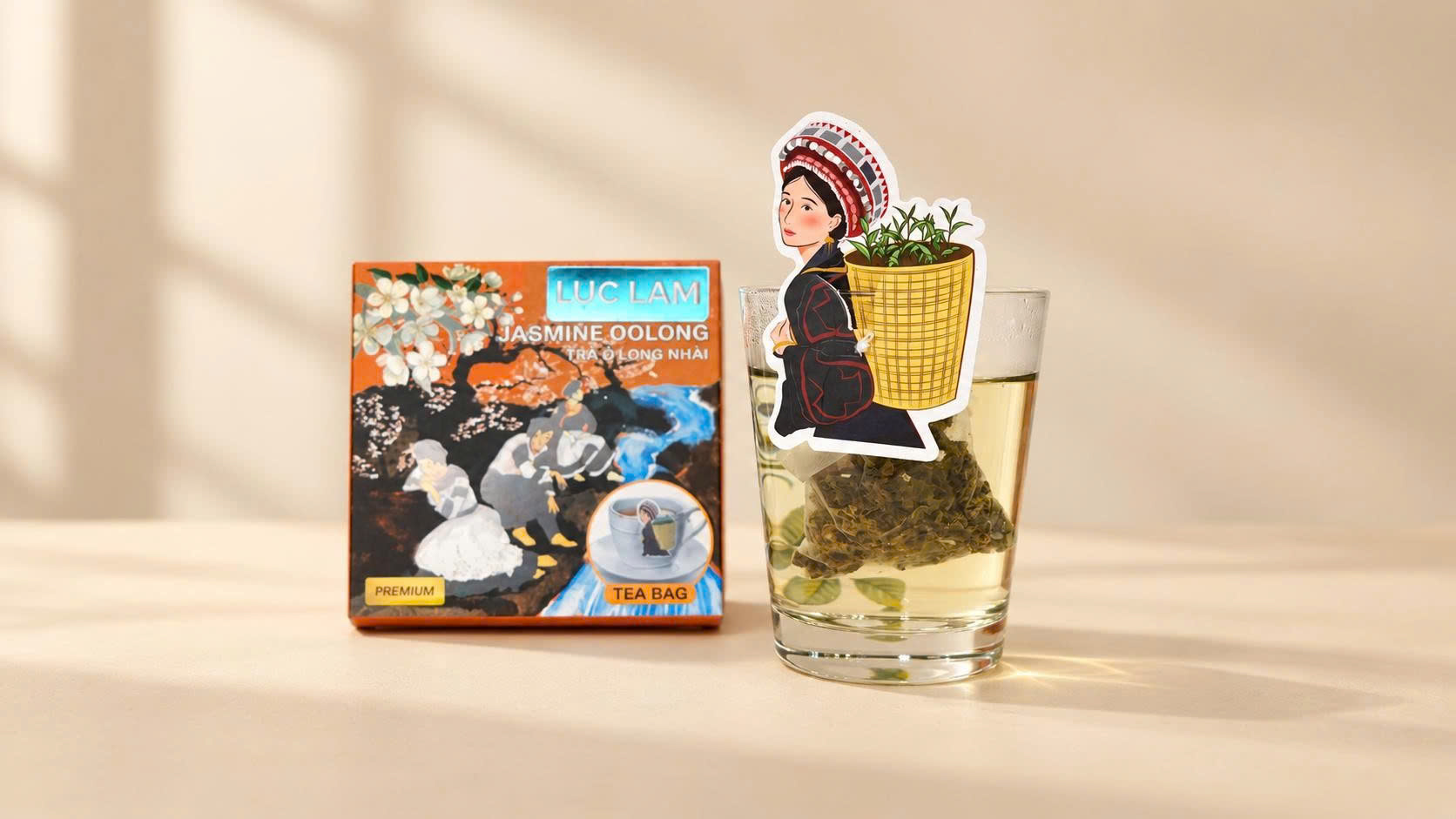
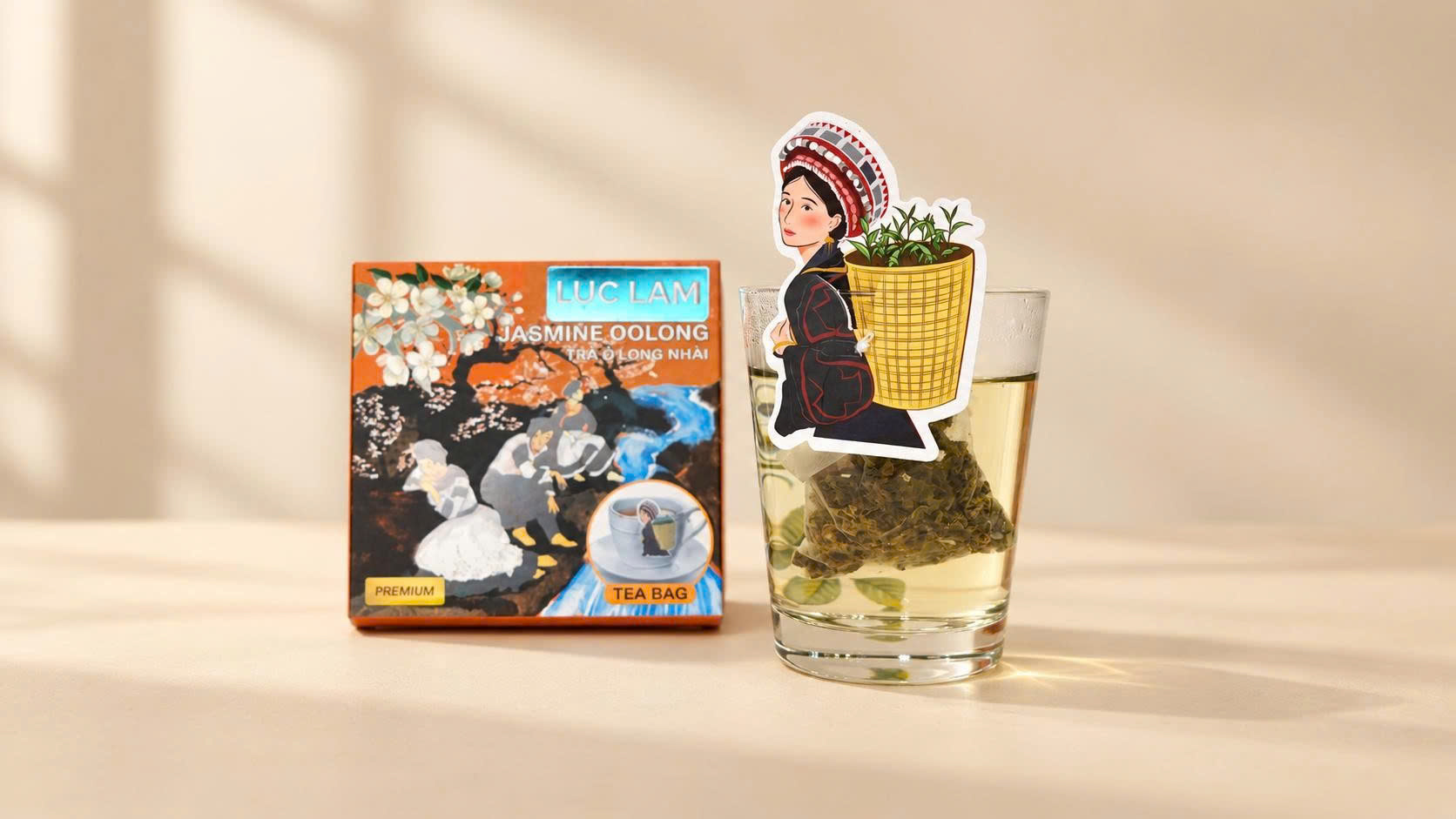
There is a clear difference between a boutique tourist trap and a traditional local shop. The former often uses high-end branding, heavy cardboard boxes, and foil-lined pouches that look more like luxury cosmetic packaging than a food product. This packaging is expensive and is designed to justify a high price point for international buyers. In contrast, local shops often use simpler, shared packaging to keep costs down. You might see plain brown paper bags or standard glass jars with generic labels. This simplicity is a positive indicator of fair pricing. When a shop spends less on the box, they are usually spending more on the ingredients. If the packaging looks like it was designed for a high-end gift shop in a major city rather than a local market, you are likely paying a premium for the box, not the tea. Look for containers that prioritize preservation over aesthetics.
The ‘Boutique’ vs. ‘Local’ distinction
A ‘boutique’ shop often caters specifically to passing travelers, curating a selection that looks appealing but may be sourced from central wholesalers. A ‘local’ shop, by contrast, serves residents who have a long-term relationship with the vendor. In many parts of Vietnam, the quality of a product is verified through a personal sourcing network rather than a brand reputation. If you are looking for herbal specialties in Phu Quoc, the most reliable indicator of quality is the clientele. If the people buying are locals who return weekly, the price is likely fair. If the only customers are tourists browsing for a quick souvenir, be prepared to negotiate or look for a stall further down the row where the air is less curated and the prices are more grounded in the daily market rate.
How to find authentic herbal specialties in Phu Quoc
Navigating the island’s markets requires a shift in perspective. Instead of hunting for the most visually appealing shop, look for where the locals actually buy their daily staples. The most reliable indicator of fair pricing and genuine quality is the customer base. If a stall is primarily serving Vietnamese residents in casual clothing, rather than groups of tourists with cameras, you are likely in a local zone. These areas often feature simpler, shared packaging and open displays that allow you to inspect the leaves directly, a hallmark of authentic tea markets that prioritize the product over the presentation.
In many Asian tea cultures, quality is not found by browsing shelves but through personal connections. This is the power of a personal sourcing network. For the traveler, bridging this gap is simple: ask a hotel concierge or a friendly local guide for a specific recommendation. A single name can open the door to a trusted vendor who values long-term relationships over one-off tourist sales. This direct access often leads to better prices and higher quality, allowing you to avoid tourist prices that are typically inflated for non-local buyers.
The practical value checklist
Before purchasing any herbal specialties from Phu Quoc, apply this three-point checklist to ensure you are getting genuine value. This method helps you verify quality quickly, even without speaking the language. The goal is to ensure the price you pay reflects the actual cost of the ingredients, not just the packaging.
- Can I smell the tea? Authentic vendors welcome inspection. The aroma should be fresh and distinct, matching the type of herb or flower. If the vendor refuses to let you open the package or smell the leaves, walk away. A strong, pleasant scent is the first sign of freshness.
- Is there a simple, clear description of the ingredients? You should be able to clearly identify what is in the package. Whether it is loose leaf or a bag, the ingredients should be transparent. Avoid products with vague labels like “special blend” without further detail. Clarity indicates confidence in the product’s origin and quality.
- Does the price seem proportional to the weight and quality? Compare the price to the density of the package. High-quality herbal tea is light and airy, so a small package can be expensive. If a large bag is priced similarly to a small, dense packet of high-end leaf, scrutinize the quality. This proportionality check ensures you are not overpaying for air or heavy, low-grade leaves.
By using these observations, you can navigate local tea shops with confidence. You move from a passive buyer to an informed participant, capable of distinguishing true local specialties from mass-produced tourist goods. This approach not only saves money but also ensures that the herbal tea you take home is a genuine taste of the island.
Common questions about buying tea in Vietnam
Is Phu Quoc tea unique to the island?
Vietnam produces a wide variety of herbal blends, so the specific leaves you find in Phu Quoc are often similar to those available in Ho Chi Minh City or Da Nang. However, the island’s status as a tourist destination means that local availability can be limited. Stalls in resort areas often stock a curated selection designed for immediate purchase rather than long-term daily use. This limited variety is exactly where the ‘tourist tax’ becomes most visible. Because there are fewer vendors competing for the same small group of customers, prices for these herbal specialties can rise significantly compared to inland markets where local consumers shop daily. You should assume that any regional specialty you find in a high-traffic zone carries a premium for its location, not necessarily for its botanical origin.
Is it safe to buy from unbranded stalls?
Buying from a stall without a recognizable logo is generally safe, provided you can verify the contents. An ‘unbranded’ package often indicates that you are paying a direct-from-producer price rather than covering marketing costs for a corporate identity. The key safety metric is transparency. A vendor who allows you to smell the dried leaves and offers a small sample to taste is usually selling a product they are confident in. Conversely, if a vendor refuses to let you inspect the ingredients, the ‘unbranded’ nature of the product becomes a risk. In authentic tea markets, the product itself is the proof; the absence of a brand is a feature, not a bug, when it comes to avoiding inflated costs.
How do I judge fair pricing without local language skills?
You can determine fair value by applying a ‘value for the leaf’ mindset. Instead of looking at the sticker price in isolation, focus on the physical attributes of the package. Compare the weight and density of the tea inside the box or bag against its price. A lightweight package with sparse leaves that commands a high price is a classic sign of a tourist markup. If you find two similar boxes, the one that feels heavier and contains tighter, denser leaves is usually the better deal. This physical check works regardless of whether you can read Vietnamese, giving you a reliable way to avoid overpaying in local shops.
Choosing a refined gift that reflects your travel experience
Bringing home a gift that tells a story is often more meaningful than presenting a perfectly polished box. When selecting a refined packaging option for family or colleagues, consider how the item represents your time in Vietnam. A generic branded box feels interchangeable with products sold anywhere in the world. In contrast, a well-sourced herbal tea carries the specific memory of where you found it and how it was prepared.
Vietnamese gifting culture places a high value on aesthetic presentation. It is common to see gifts wrapped with care, emphasizing visual harmony and quality. However, the most impactful gifts balance this visual appeal with the authenticity of the contents. The recipient should feel the connection to the place, not just the beauty of the wrapper. If the packaging is beautiful but the tea inside is a generic blend with no local character, the gift loses its emotional weight. The true value lies in the balance between a presentable exterior and a genuine, local product.
The power of a simple story
You do not need an expensive box to make a gift feel special. A simple, clean presentation often works better than an ornate one. Even if the packaging is modest, the story you tell can elevate the item. Instead of just handing over the tea, explain where you found it—perhaps in a quiet local market or a small shop run by a family. Mentioning that you selected it because you could taste the leaves and verify their quality adds a layer of thoughtfulness. This narrative transforms a simple purchase into a shared experience. The gift becomes a keepsake, a tangible reminder of your travels in Phu Quoc. This approach often resonates more deeply with recipients than a flashy, high-priced item that lacks a personal connection. By focusing on the journey of the gift, you create a memorable impression that lasts long after the tea is gone.
Keep one principle in mind as you leave the market: judge the tea by the leaves, not the label. A box with a fancy logo is not automatically better than a simple package containing high-quality herbs. The real value lies in the ingredient itself—its aroma, origin, and freshness. If the tea reminds you of the place you visited, that is the souvenir that matters.
If you are looking for a tea that already balances these qualities for you, explore the curated collections at Lục Lam Gift, designed to bring the true flavor of Vietnam to your home.