On This Page· 5
You are ravenous, 8:45 PM in Da Nang, and the famous Helio Night Market is still shut. You walk over to Son Tra, only to find your experience derailed by pressure-selling servers and a crowd of tourists. This is the trap many travelers fall into: hunting for the “iconic” food scene only to end up with a stressful, overpriced, and generic meal.
The secret to real Da Nang street food is simple: skip the tourist hubs. Locals do not crowd into the big night markets. Instead, they head to the back alleys and the riverfront, where the same dishes cost half as much and are served without the rush. There is no single “food street” to visit; the city’s culinary layout is a scattered collection of specific spots, from the riverfront where people snack on savory rice cakes on tiny chairs to the quiet lanes where the best pho is served.
This guide shows you how to eat like a local, not a tourist. By following the scent of grilled squid or the sound of frying banh xeo, you will find the authentic local eats that define Central Vietnamese cuisine, without the hassle of navigating crowded, commercialized market zones.
The real Da Nang street food map: where locals actually eat
There is no single Da Nang food map that points to one famous street where all the good food is sold. Unlike some cities with designated food quarters, Da Nang’s street food scene is organized by specific dishes rather than set districts. This means the “map” is less about a location and more about knowing which stall serves the best pho or which corner sells the crispiest local eats Da Nang residents rave about. You will find the best meals scattered across back alleys and riverfronts, not clustered in one tourist-heavy zone.
Alleys vs. Night Markets
The contrast between the structured night market and the organic street-level scene is stark. Night markets like Son Tra are laid out in rows, often with servers pressing food on you. In the back alleys, however, the pace is slower and the atmosphere more relaxed. Locals gather in these quieter spaces, where the same dishes often cost less and feel more authentic. A bowl of pho or a stack of banh xeo here is served without the urgency you might feel in a crowded market, allowing you to actually taste the flavors.
The Riverfront Experience
One of the most vivid scenes in Da Nang happens along the riverfront. Here, the food scene is part of a larger social ritual. You will see people sitting on small plastic chairs, sipping local drinks, and snacking on savory rice cakes while watching the water flow. This is where the city’s street food culture feels most natural, offering a glimpse into how locals unwind after a long day. It is a sensory experience that no formal restaurant can replicate, capturing the essence of Da Nang street food as a lifestyle rather than just a meal.
Essential local eats in Da Nang: from banh xeo to grilled squid
The flavor profile of Central Vietnamese cuisine finds its street-level expression in a few standout dishes that define the Da Nang street food scene. You do not need a complex Da Nang food map to find these; they are the anchors of the local culinary identity. Two staples dominate: Banh Xeo and Banh trang cuon thit heo.
The crispy and the delicate
Banh Xeo is a crispy rice stuffed pancake that comes with various fillings. The texture is the defining feature: the outer shell shatters with a loud, satisfying crunch, giving way to a soft, savory interior. The filling typically includes shrimp, pork, and bean sprouts, often accompanied by a side of fresh herbs and a fermented peanut sauce. This is not a delicate dish; it is a hands-on meal where the contrast between the hot, crisp pastry and the cool, fresh herbs creates the essential flavor balance. It is a substantial meal, often eaten on the go, and a true testament to the city’s preference for bold, textural contrasts over subtle, simmered broths.
Banh trang cuon thit heo offers a different experience. This dish features sliced pork in rice paper rolls. The rice paper is translucent and soft, wrapping the savory pork and fresh vegetables without becoming soggy. The result is a light, refreshing bite that tastes of the fresh ingredients rather than heavy sauces. It is the perfect counterpoint to the heavy richness of Banh Xeo, allowing you to sample the quality of the pork and the crispness of the cucumber and lettuce within the roll.
Grilled squid: a standout on the grill
If you want a single standout item from the Da Nang street food stalls, look for the grilled squid. The squid is described as being of the biggest size, meaning you are not eating tiny, overcooked bits. The grilling process chars the outer skin, adding a smoky depth that contrasts with the sweet, tender meat inside. The value here is unbeatable. For a small amount of money, you get a hearty, protein-rich skewer that feels luxurious. It is a simple, unadorned dish that lets the quality of the seafood speak for itself, making it a favorite for locals who know what they want.
The polarizing sip: sugarcane-durian
After a heavy meal, local eateries offer a unique beverage that might divide opinion: the sugarcane-durian mix. This drink combines the fibrous sweetness of sugarcane juice with the pungent, creamy flesh of durian. The flavor profile is intense; if you have never tried durian, this is not the introduction you might expect. It is thick and sweet, with a floral, almost custard-like taste that is either delightful or overwhelming. The cost is low, often around $1.20, making it a low-risk experiment. Whether you love it or hate it, it is a distinctively Da Nang experience that you will not find in a standard café.
The role of local spirits
Finally, the local eats in Da Nang are often accompanied by local spirits. Vietnamese “firewater” is available in back alleys and riverfront spots. A shot of this local liquor, sometimes labeled “Wild Pineapple,” adds a sharp, warm finish to the meal. It is a common practice for older locals to pair these strong drinks with savory street snacks, creating a social ritual that is as much about community as it is about food. This combination of strong drink and simple, grilled, or fermented snacks completes the authentic Da Nang street food experience, moving it beyond just eating to a full sensory immersion in the city’s culture.
Why Son Tra and Helio Night Markets miss the mark
The pressure at Son Tra
Walking into Son Tra Night Market can feel more like a sales pitch than a meal. The servers are often described as handsy and aggressive, actively pushing items on you until the dining experience becomes stressful rather than relaxed. For many travelers, the constant attention turns a simple dinner into a negotiation, stripping away the casual atmosphere that defines authentic local eats Da Nang. It is not that the food is poor, but the service style clashes with the desire for a quiet, unpressured sit-down.
The Helio timing and vibe issue
Helio Night Market presents a different kind of frustration: timing and atmosphere. It can look like a theme park, with a highly structured environment that feels detached from the city’s organic food scene. More critically, the market may not even be open until late, with reports of it not welcoming guests until 8:45 PM. For a hungry traveler arriving earlier, this is a deal-breaker. You are left waiting for hours to access what is, in reality, a curated tourist hub rather than a living street food area.
Good food, wrong experience
Both locations serve recognizable Da Nang street food staples. Son Tra has sections for BBQ, meats, fish, and Vietnamese classics like Banh Xeo and pho, alongside a drink area featuring durian mixes. However, the atmosphere remains touristy. The core issue is not the quality of the ingredients but the value of the experience. When you factor in the pressure, the late opening, and the lack of local authenticity, the effort of visiting these famous markets often outweighs the reward. Skipping them in favor of the quieter, more genuine local spots is a practical choice for those seeking a true taste of the city.
Finding your own Da Nang food spots without the hassle
Navigating the Da Nang street food scene requires a mindset shift. Because the city lacks a single, defined food district, the Da Nang food map is less about locations and more about recognizing specific dishes in the right context. Instead of following a rigid itinerary, your most reliable guide is the direction of the locals. If you see a line forming on a quiet residential street, that is your cue to stop.
Follow the crowd, not the map
The most authentic local eats in Da Nang are found away from the main tourist corridors. Look for residential streets with a relaxed, “down vibe” where the pressure to sell is nonexistent. The back alleys in these areas often serve a steaming bowl of pho or a fresh, crispy banh xeo at a fraction of the cost found in busy markets. The atmosphere is slower, and the portions are meant for sitting and eating, not just grabbing and going. This organic approach ensures you are eating where the neighborhood actually lives, rather than where the city wants to sell.
Elevate the experience with local spirits
Dining in these hidden spots provides a unique cultural entry point. It is common to find small bottles of local rice liquor, often referred to as “firewater.” A shot of local spirit, such as one labeled “Wild Pineapple,” is a staple for the residents. Sharing a small table and a few drinks with the people you sit next to turns a simple meal into a genuine social interaction. This level of connection is rarely possible in the high-traffic, high-turnover environments of the large night markets.
While the Da Nang food scene may not be as meticulously organized as the culinary landscapes of Hanoi or Ho Chi Minh City, its raw quality is unmatched. The focus is on the immediate, sensory pleasure of fresh ingredients and bold flavors. By stepping off the beaten path, you gain access to a more honest version of Central Vietnamese cooking, ensuring a satisfying and memorable culinary journey without the stress of the tourist hub.
Da Nang street food and souvenir FAQs
Is it safe to eat street food in Da Nang?
Yes, if you follow the crowds. The riverfront and alley spots where locals eat are generally safe and hygienic. Prioritize vendors where the food is cooked fresh in front of you; watching the heat rise from a grilling squid or the sizzle of frying banh xeo is your best visual indicator of quality. When a local sits down to eat, that table is worth joining.
What is the best time to eat in Da Nang?
Locals eat all day, but the riverfront snacking scene is best in the evening. While night markets like Son Tra are busy, they can feel pressured. Alleys are often quieter and more authentic during lunch and dinner hours, offering a relaxed pace that suits a slower, more focused meal. If you are looking for local eats Da Nang style, mid-morning and late afternoon are ideal windows to find these hidden spots.
Where can I buy Vietnamese gifts after eating out?
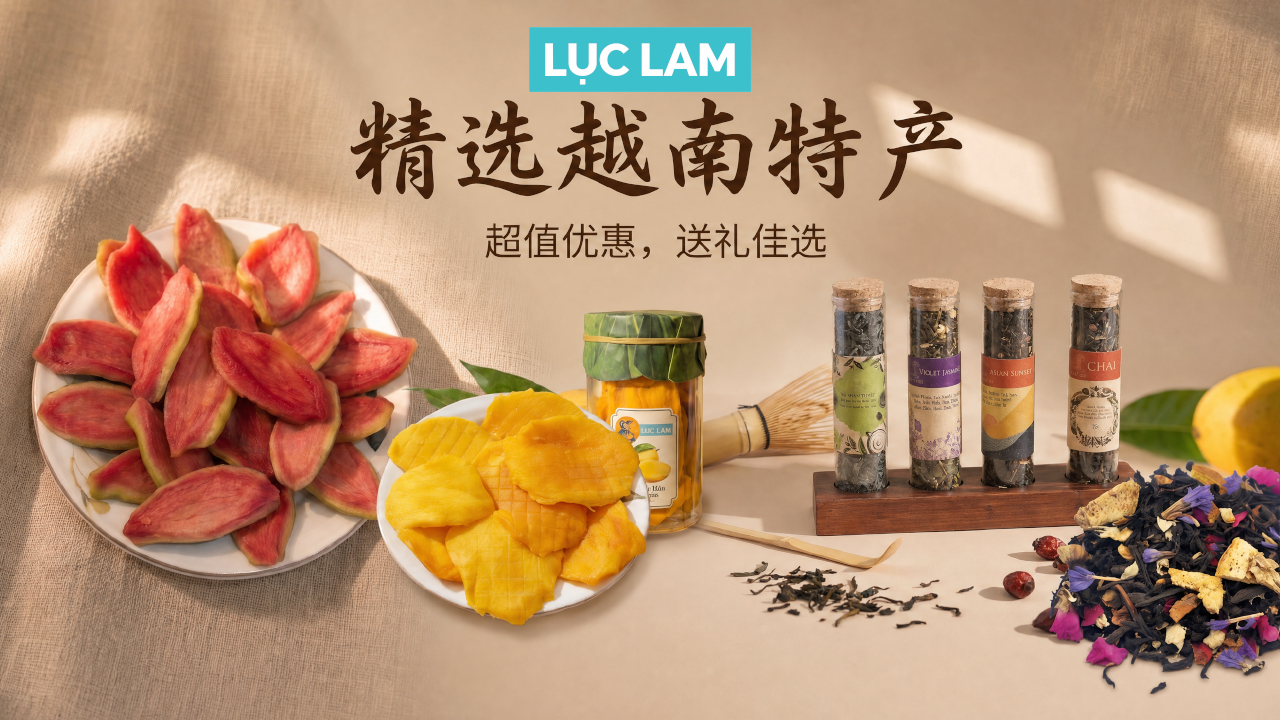
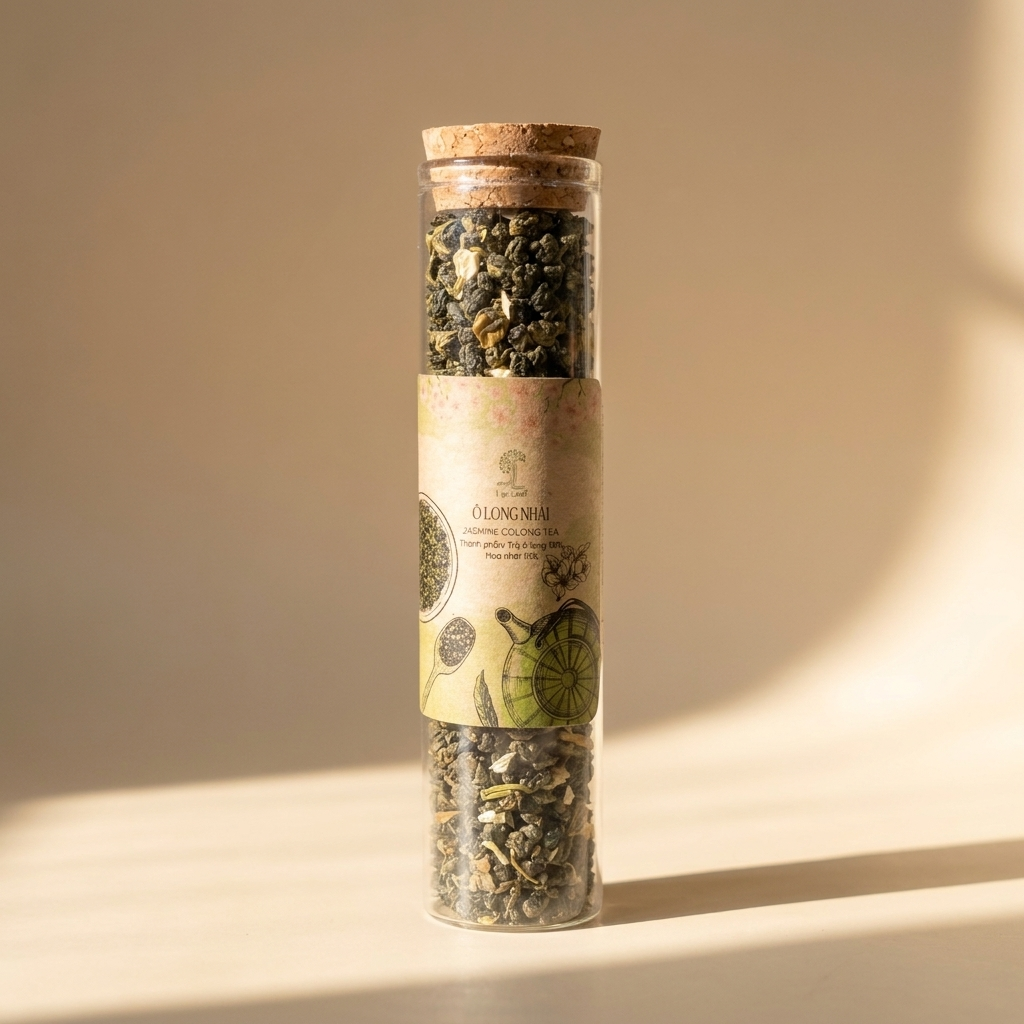
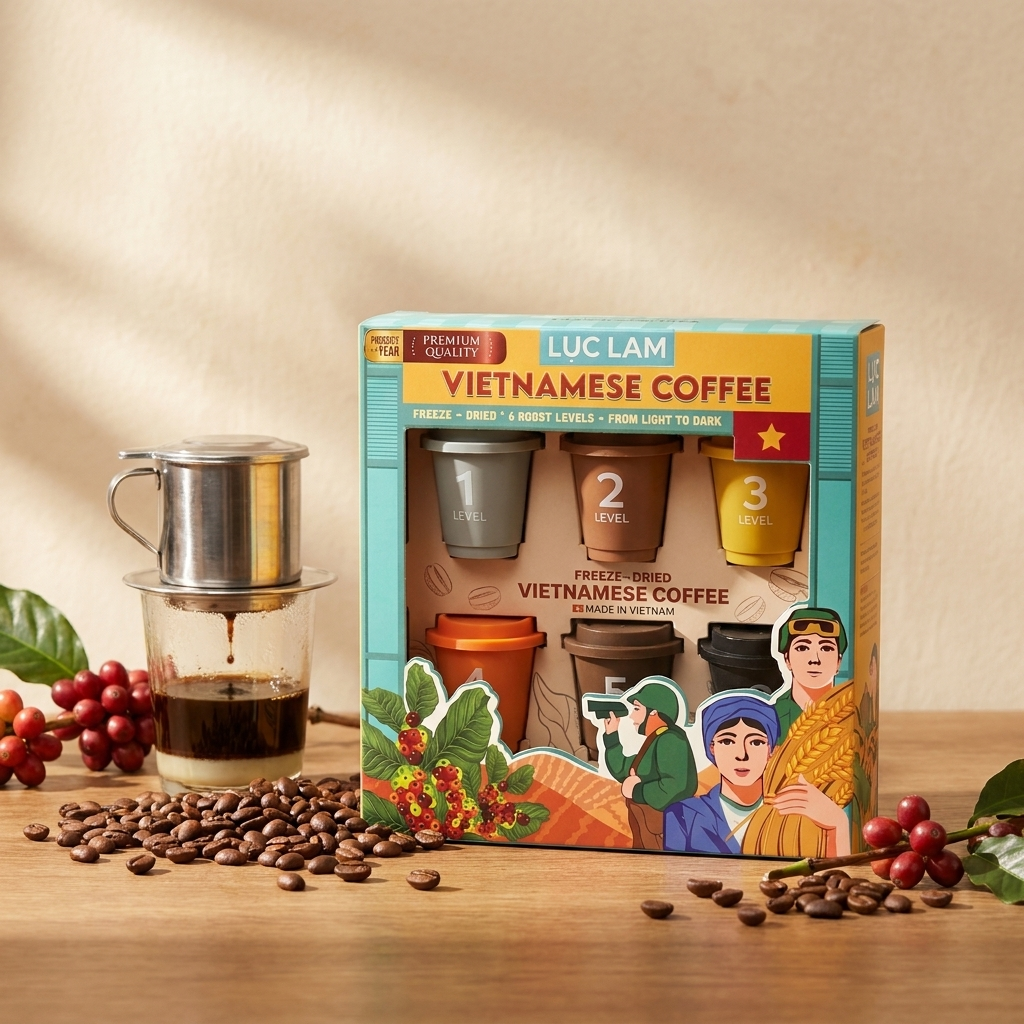
After a satisfying meal, consider stopping by refined stores like Luc Lam for easy-to-choose Da Nang souvenirs. Their collection of teas and dried fruits is individually packed, making them suitable for gifting to family or colleagues. You do not need to carry heavy packages from a night market; these items come in refined packaging that travels well. It is a practical way to bring a taste of Vietnam home without the hassle of managing large, bulk items after a long day of exploration.
Do I need a guide for Da Nang street food?
No. The city is best explored on foot. Instead of relying on a rigid itinerary, use your senses. Follow the scent of grilled squid or the sound of frying banh xeo to find the best spots. This organic approach often leads to a better Da Nang food map of your own, one built on personal experience rather than a pre-packaged tour. It allows you to discover the specific, dish-based nature of the local scene that no standard guide can fully capture.
The heart of Da Nang street food beats in the back alleys and along the riverfront, not in the crowded night markets. By steering clear of the high-pressure environments of Son Tra or Helio, you gain access to the same authentic local eats Da Nang is known for, but with a relaxed, unforced atmosphere that reflects how the city actually lives. This approach removes the stress of being chased by servers or navigating a theme-park-like setting, allowing you to focus on the taste and texture of your meal. If you find yourself wanting to bring a piece of that culinary experience home, look for options with refined packaging that are easy to choose. A simple, well-curated gift of Vietnamese teas or dried fruits can serve as a tangible reminder of your time in the city. Enjoy the rest of your stay, and let the city’s genuine flavors linger with you long after you leave. If you have questions about selecting the right tea or dried fruit for your loved ones, feel free to reach out for personalized advice.