On This Page· 6
Hold a single white tea bud up to the light. If it is genuine, you will notice a fine layer of silver-white fluff clinging to the leaf. This delicate coating is not a flaw; it is the signature of a bud picked in the early spring highlands. Yet for many travelers, the search for this specific quality often ends in disappointment. You buy a tin of tea at a busy market, only to find the flavor is flat, bitter, or indistinguishable from mass-produced blends. This is a common frustration when selecting Da Nang souvenirs, where the sheer volume of options often obscures true origin.
The gap between a generic souvenir and a meaningful gift comes down to knowledge. A simple tea purchase can be transformed into a memorable experience by understanding what authentic highland tea actually looks and tastes like. Instead of choosing based on price or flashy packaging, you learn to identify the subtle cues that separate a carefully curated product from a standard commercial item. This approach turns a routine shopping stop into a deliberate act of gift-giving.
This guide focuses on the practical steps to verify quality before you pay. It covers the specific visual markers, the correct brewing methods, and the right places to sample in person. By the end, you will have a clear framework for selecting a tea gift that carries a verifiable story of origin, ready to be shared with colleagues or family back home.
Why highland Vietnamese tea makes a memorable Da Nang souvenir
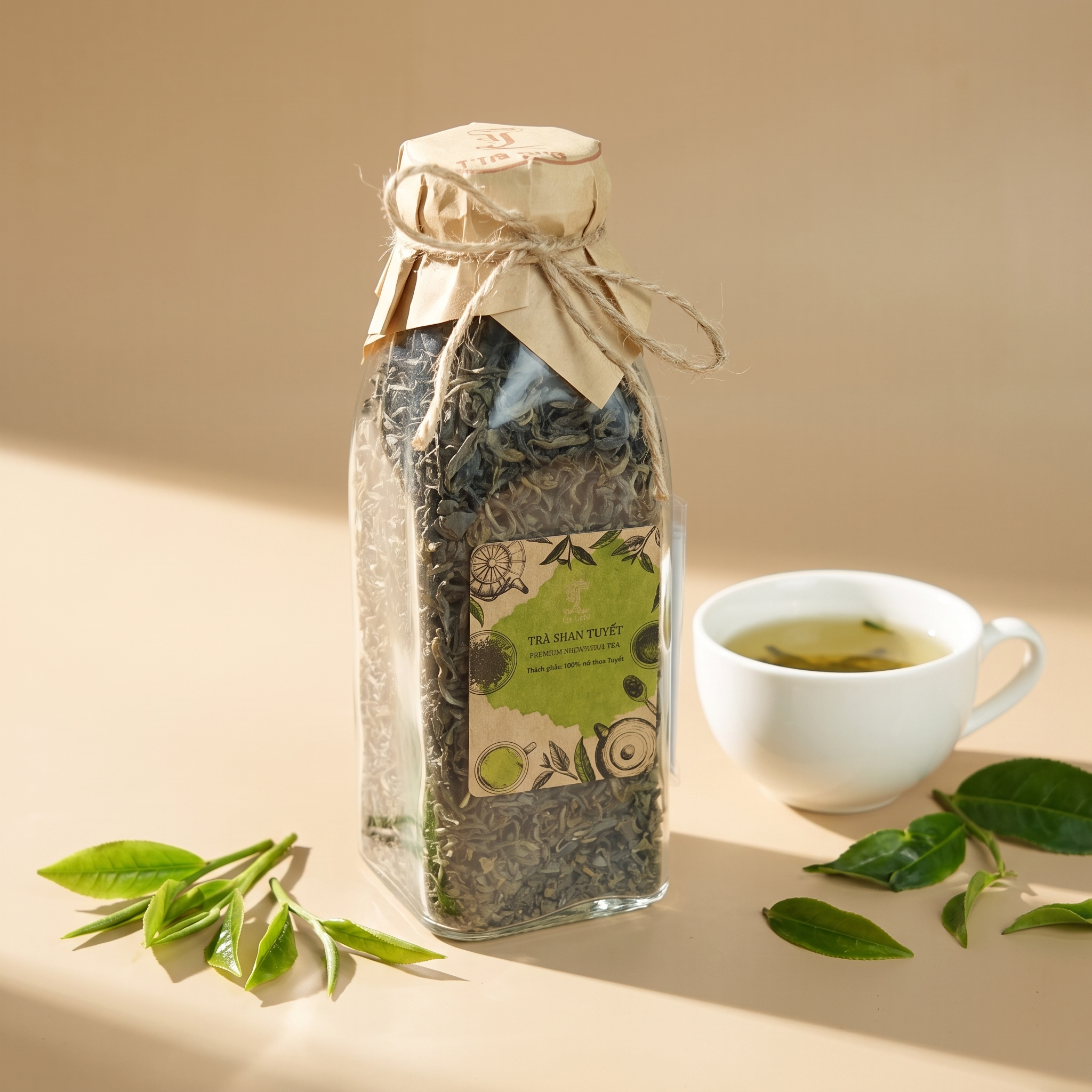
Many travelers leave Da Nang with generic trinkets, but a bag of highland tea often becomes the most appreciated gift back home. The difference lies in origin. While mass-market commercial tea is processed for speed and consistency, authentic highland tea comes from the Shan Tuyet (Snow Mountain) region. Grown on ancient trees in the cool, misty highlands of northwest Vietnam, these leaves carry a delicate complexity that flat, factory-produced blends lack.
The cultural weight of the gift
In Vietnamese tradition, sharing tea is a profound gesture of hospitality and sincerity. Giving tea is not just about providing a beverage; it is a way to show respect and care. For a recipient back home, a well-chosen tin of highland tea signals that you took the time to select something meaningful, rather than grabbing a random item from a crowded market. It transforms a simple shopping stop into a thoughtful cultural exchange.
Avoiding the tourist trap
A common frustration for visitors is the difficulty of distinguishing genuine products in busy areas without local knowledge. Crowded stalls often sell imitations or low-grade blends labeled as premium. Knowing to look for specific highland varieties helps you navigate Da Nang shopping with confidence. By understanding the source, you can buy authentic tea that truly represents the region’s craft, avoiding the risk of a disappointing or generic purchase.
Practicality for modern recipients
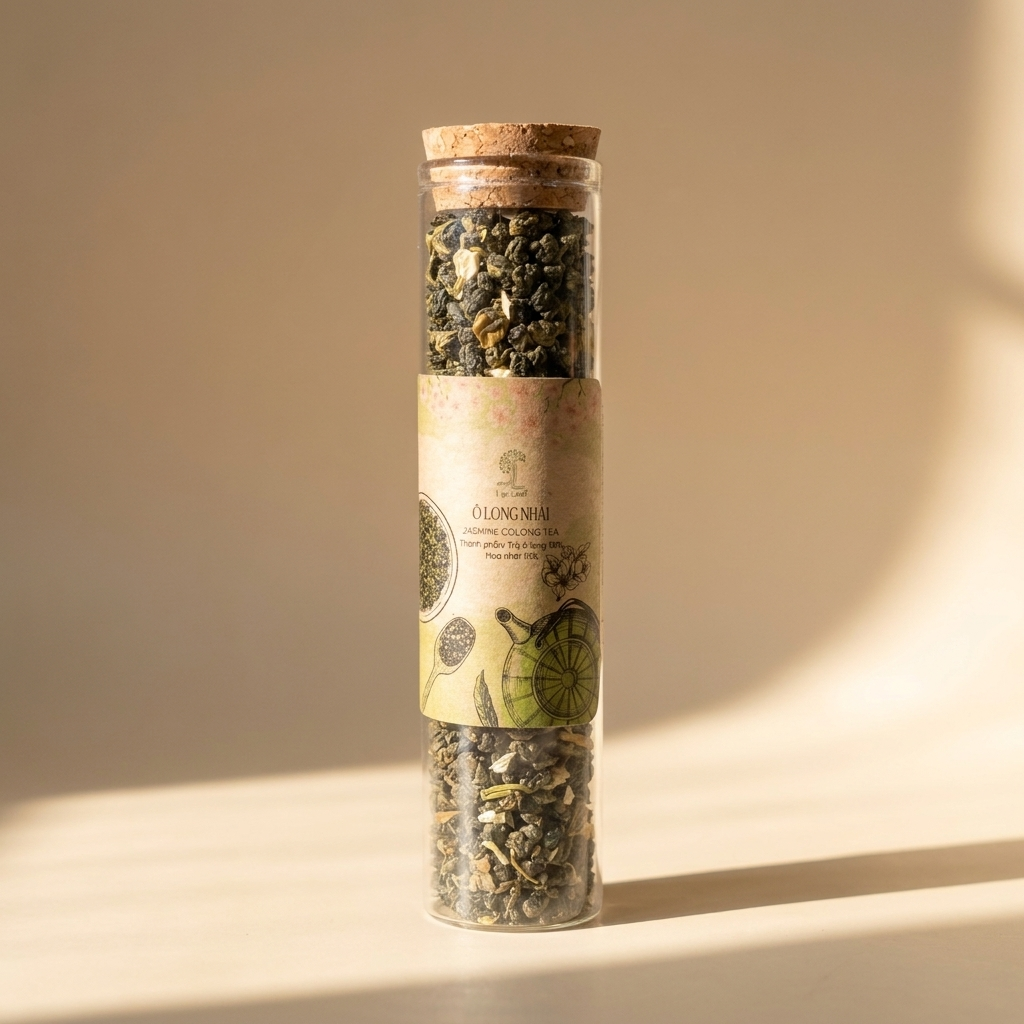
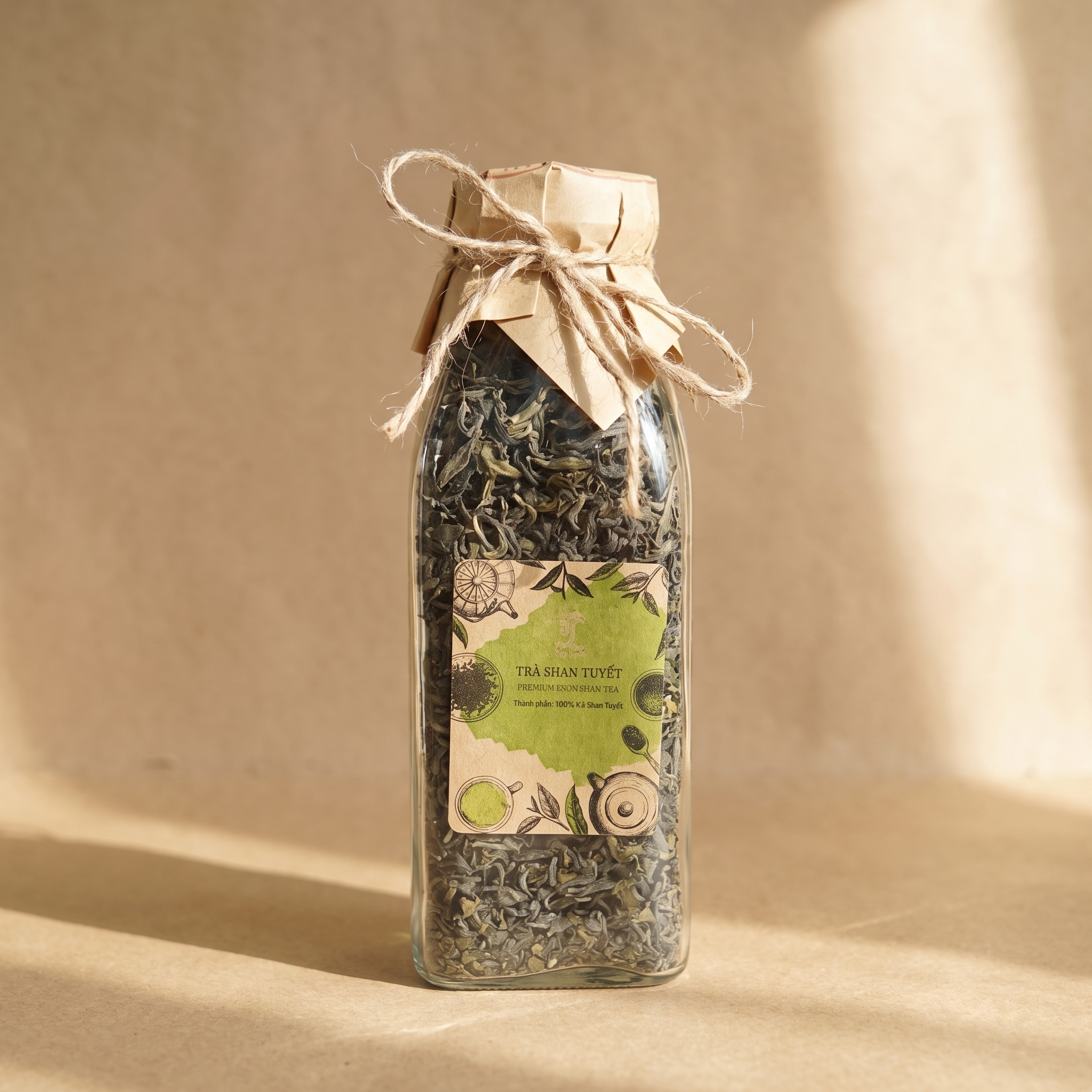
Beyond taste, presentation matters. Refined packaging makes the tea suitable for gifting to colleagues or family members who may not drink tea daily. Clear glass jars or elegant boxes allow the recipient to see the quality leaves inside, adding a visual layer of appreciation. This thoughtful presentation ensures the gift remains a lasting impression, even after the last cup is poured.
Five Vietnamese tea varieties to look for at authentic tea shops
When you enter a reputable Vietnamese tea shop in Da Nang, the shelves are rarely filled with generic tin boxes. Instead, you are looking for specific highland cultivars that define the region’s true flavor. Among the many Da Nang souvenirs, these five varieties from the Shan Tuyet (Snow Mountain) region stand out for their distinct character and suitability as gifts.
The Early Spring Harvest
These teas share a common origin: they are harvested in early spring from ancient tea trees in the northwest highlands. This specific timing and source contribute to a delicate, complex flavor profile that mass-produced commercial teas simply lack. For the traveler, understanding these five varieties makes it easy to choose a gift that matches the recipient’s taste preferences, rather than guessing with a standard “Vietnamese tea” label.
Tasting Notes for Every Recipient
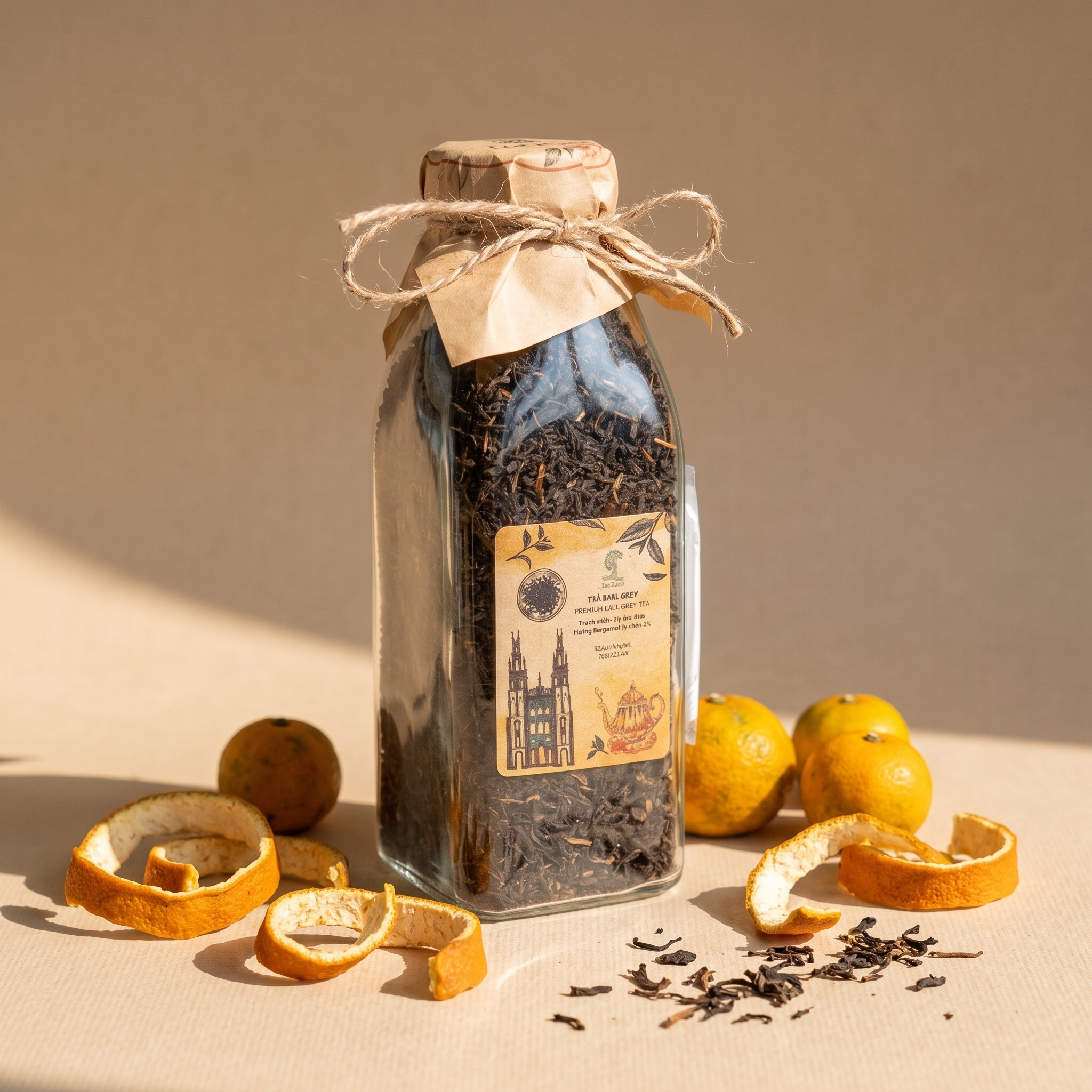
Each variety offers a different sensory experience. Shan Tien (Silver Tip) is a premium white tea known for its gentle, floral sweetness. It is an elegant choice for a boss or a business partner who appreciates subtlety. Bach Tra (White tea) is similar but often features a more pronounced honey-like finish. Mong Rong (Dragon Claw) is a green tea with a vibrant, grassy aroma that appeals to those who prefer a fresher, more energetic cup. Hong Tra (Black tea) offers a bold, malty character with a long-lasting aftertaste, suitable for colleagues who enjoy a strong start to the day. Finally, Luc Tra (Green tea) provides a balanced, mild taste that is safe and enjoyable for most people, making it a versatile option for family members.
Choosing the Right Tea
The following table summarizes the primary flavor profile of each variety and suggests the most suitable recipient type, helping you select the perfect Da Nang souvenir with confidence.
| Variety | Primary Flavor Profile | Best Suited Recipient |
|---|---|---|
| Shan Tien | Gentle, floral, sweet | Boss or business partner |
| Bach Tra | Honey-like, smooth | Formal gifts or elders |
| Mong Rong | Grassy, vibrant, fresh | Colleagues who like strong green tea |
| Hong Tra | Malty, bold, long-lasting | Friends or family who drink strong tea |
| Luc Tra | Mild, balanced, subtle | General gifting for all ages |
By matching the tea to the person, you ensure the gift feels personal and thoughtful. Whether you choose the delicate Shan Tien or the robust Hong Tra, the early spring harvest from ancient trees guarantees a quality that speaks of tradition and care.
How to spot genuine quality: Silver fluff and the second infusion
When you pick up a packet of white tea in Da Nang, the first thing to check is not the price or the label design, but the leaves themselves. Look closely at the dried buds. In a genuine product, you will see a fine, silver-white layer of fluff covering the tips. This natural coating indicates that the buds were harvested in early spring when they were still tender and unopened. If the leaves look dry, brittle, or uniformly green without this soft texture, be cautious. This visual cue is the primary indicator of authenticity for highland Vietnamese white tea, often referred to as Bach Tra.
The importance of the rinse step
Before you steep the leaves, you must perform a step called tráng trà, which translates to “rinsing the tea.” This is not just a cleaning ritual; it is a functional step that prepares the leaves for brewing. Pour hot water over the dry leaves to wash away any dust and, more importantly, to warm the tea set. The heat causes the tightly rolled or dried leaves to relax and bloom. If you skip this step, the leaves remain compacted, and the water cannot penetrate them fully, resulting in a weak or uneven extraction. Proper tráng trà allows the cell walls of the leaf to open, ensuring that the delicate flavors and aromas are released into the water.
What to look for in the cup
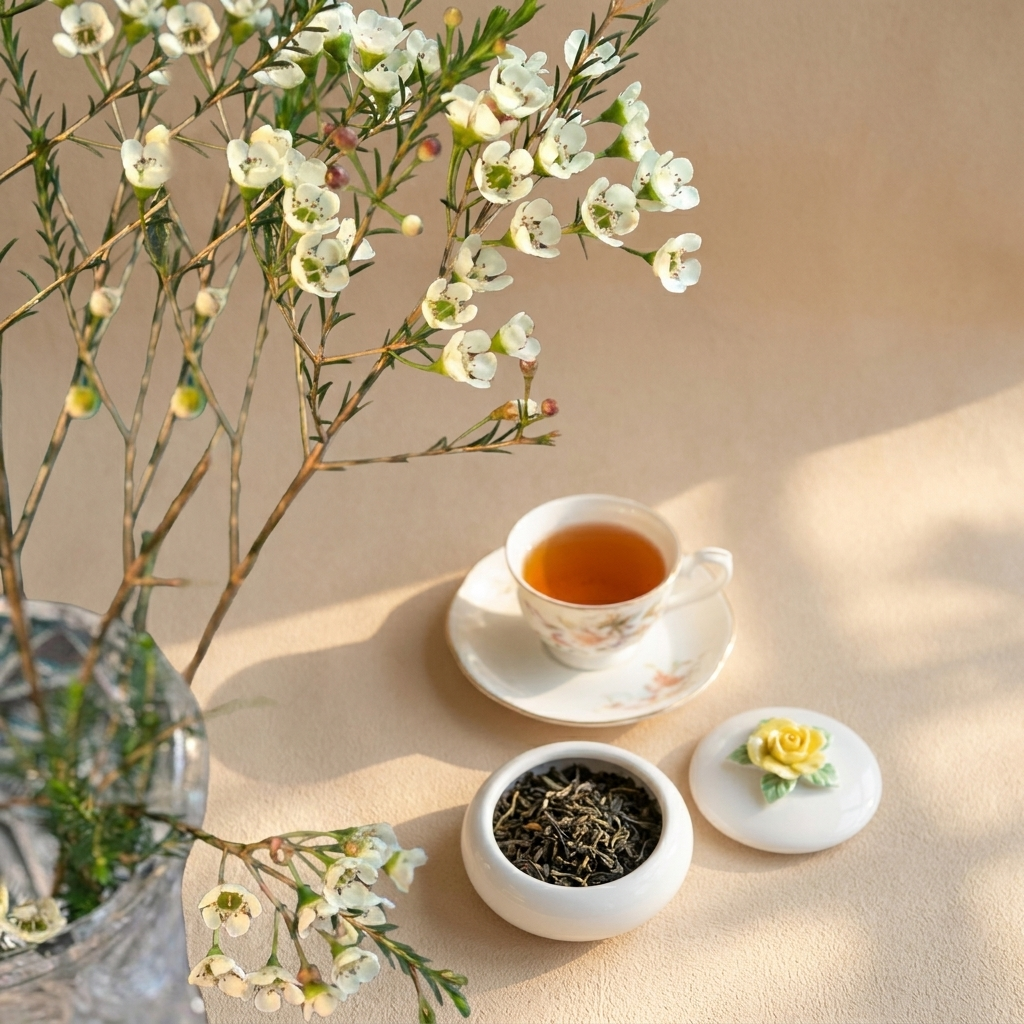
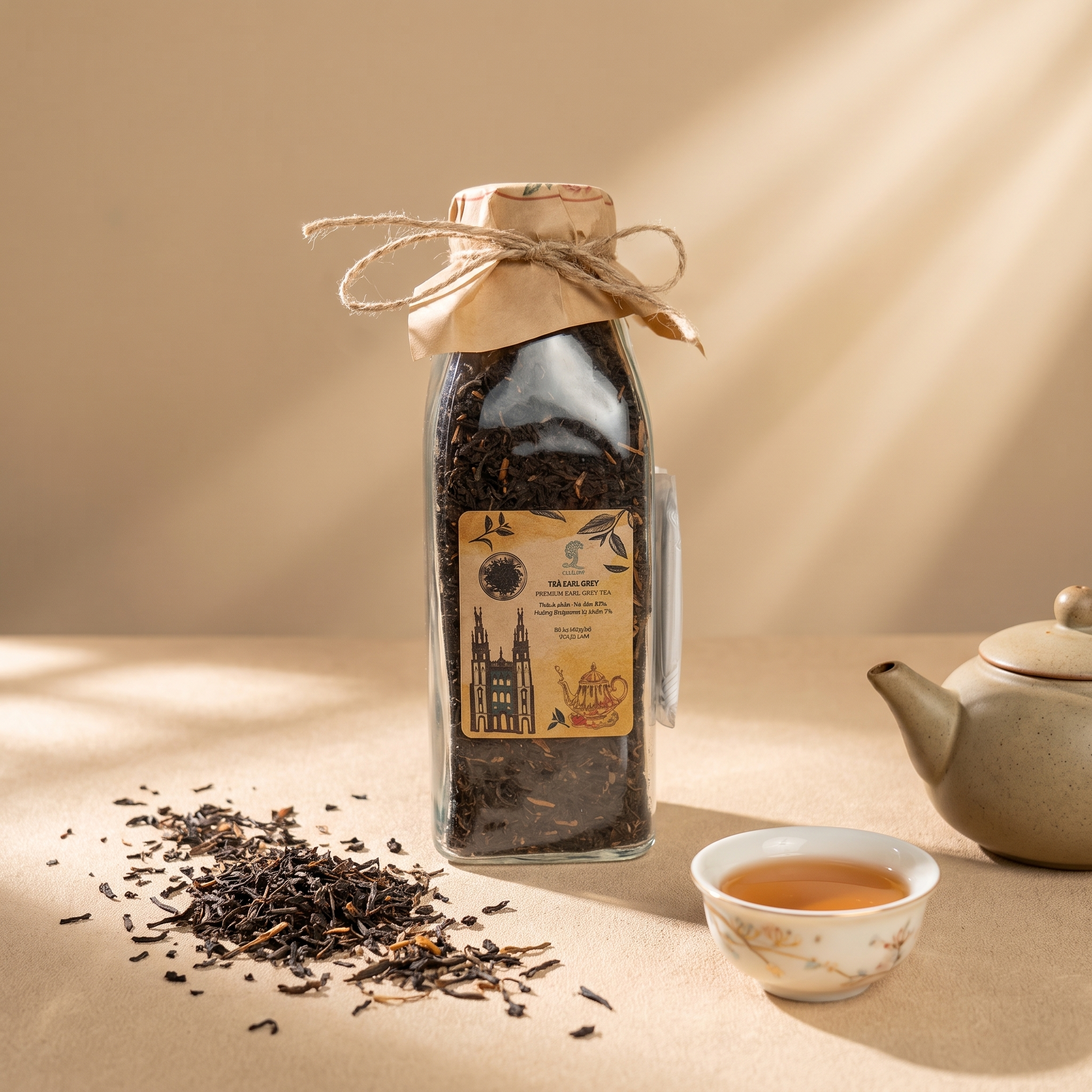
Once the rinse water is discarded, add fresh water at a high temperature, around 100°C, to steep the tea. The first infusion may be pale, but the true test comes with the second steep. A high-quality white tea will produce a liquor that is light in color, ranging from pale yellow to a clear golden hue. The clarity is key. If the water appears murky, cloudy, or dark brown, the processing was likely rushed or the leaves were of lower grade. As you sip, you should notice tiny pieces of soft, silver fluff floating in the cup. These are the natural down from the buds. Their presence confirms that you are drinking a real, unprocessed highland product. If the cup is clean but the taste is flat, or if the liquid is dark and bitter, you are likely dealing with a lower-grade imitation that lacks the complexity of authentic highland tea.
Avoiding common fakes
Many travelers in Da Nang shopping areas encounter tea that looks appealing but fails these tests. Common fakes are often made from older leaves or different plant varieties that have been processed to mimic the appearance of white tea. These products often lack the natural silver fluff because the leaves are too old or dried improperly. When steeped, they may release a bitter taste or a murky color, which is a sign of excessive oxidation or improper drying. To ensure you are buying authentic tea, always ask the shopkeeper to let you taste a sample. A reputable Vietnamese tea shop will be happy to demonstrate the tráng trà process and let you observe the second infusion. This simple ritual turns a standard purchase into a verification of quality, ensuring your souvenir carries the true flavor of the highlands.
Where to experience the tea before you buy it in Da Nang
Buying high-quality Vietnamese tea is a tactile decision. Relying solely on shelf labels often leads to disappointment. Instead, seek out a Vietnamese tea shop that invites you to taste the product first. This approach shifts the purchase from a transaction to an experience. At a dedicated space like Đỗ Trà, you do not just look at the canister. You smell the dry leaves, watch the infusion, and sip the liquor. This direct verification ensures the gift matches your expectations before you leave the counter.
A calm oasis for thoughtful selection
The atmosphere matters as much as the product. After a busy day of Da Nang shopping, a quiet retreat provides necessary contrast. Located on the first floor of the Chicland Hotel on Vo Nguyen Giap Street, the venue offers a serene environment just steps from My Khe Beach. The architecture blends traditional and modern elements, using high-quality wood as the main material. A bamboo-framed entrance sets the tone for simplicity. Inside, the mood is relaxed. You can sit in a cozy indoor setting or a breezy outdoor area. This calm environment helps you make a considered choice without the pressure of a crowded tourist trap.
Learning from a tea master
Knowledge adds depth to your gift. Interacting with a tea master allows you to understand the origin of the leaves. You can learn how Shan Tuyet tea is harvested from ancient trees in the highlands. The master explains the brewing technique, including the rinsing step that blooms the leaves. This guidance helps you brew the tea correctly at home. You gain a story to share with your recipient. It transforms a simple box of leaves into a cultural artifact. The interaction also lets you ask specific questions about flavor profiles, ensuring you pick the right variety for your recipient’s taste.
An authentic break from sightseeing
Treat the visit as a pause in your travel routine. Stepping away from the main street noise offers a moment of reflection. You are not just collecting Da Nang souvenirs; you are engaging with a local tradition. The time you spend here becomes part of the gift’s narrative. When you present the tea later, you can describe the place where you discovered it. You can recount the steam rising from the cup and the advice you received. This layer of personal experience adds authenticity that a standard retail purchase cannot provide. It makes the gift memorable for both the giver and the receiver.
Frequently asked questions about buying Vietnamese tea as a gift
Is highland white tea appropriate for a boss or business partner?
Yes, premium Vietnamese white tea is considered a refined and suitable gift for formal professional relationships. Its delicate nature and highland origin convey a sense of respect and thoughtfulness, making it an elegant choice for business associates or senior colleagues. In Vietnamese tradition, offering tea is a gesture of sincerity and hospitality, which aligns well with the values of a professional workplace. When selecting a gift for a superior, the refined packaging of these highland varieties often plays a role in the overall impression, ensuring the gesture feels polished and intentional.
How should I pack the tea for international travel?
To protect your purchase during a flight, prioritize the integrity of the original packaging. If the tea comes in individually packed, sturdy containers, keep it sealed to maintain freshness and prevent breakage. For loose-leaf teas in glass jars or larger boxes, place them in a hard-sided suitcase to avoid crushing. Wrapping the container in clothing or a soft bag inside the case adds an extra layer of protection against the pressure changes and handling that occur during transit. Ensuring the tea arrives intact is part of the experience, as you want the recipient to unbox a product that looks as appealing as it tastes.
Can I purchase herbal items to complement the tea?
While this guide focuses specifically on authentic tea varieties, many Vietnamese tea shops in Da Nang also stock complementary herbal products. If you are looking for a broader range of Da Nang souvenirs, it is worth asking the shop staff if they carry specific herbal teas or dried botanicals. Inventory can vary by location, so checking directly with the shop is the most reliable way to find herbal gifts that pair well with your tea selection. This allows you to create a more varied gift set that caters to different preferences within your group of recipients.
How does Shan Tien differ from standard green tea?
Shan Tien is a specific highland variety of tea, often referred to as the “king” of Vietnamese teas, and it offers a distinct sensory profile compared to standard commercial green tea. While regular green tea tends to have a more grassy or vegetal taste, Shan Tien is characterized by a subtle mineral note and a gentle floral aroma. This difference stems from its origin in the ancient trees of the northwest highlands and its early spring harvest. For a recipient who prefers a smoother, less astringent cup, Shan Tien provides a unique tasting experience that sets it apart from common daily teas.
Turning your tea purchase into a lasting impression
The value of your Da Nang souvenir lies not in the box, but in the story you can share with your recipient. Before you leave the tea shop, take a moment to verify your selection using a simple three-step process. First, inspect the dried buds for the presence of silver fluff, which signals an authentic early spring harvest. Second, observe the second infusion; a proper steep should yield a light-yellow liquor with tiny, soft flakes floating in the cup. Finally, confirm the origin story by asking about the specific highland region, such as the Shan Tuyet (Snow Mountain) area where these ancient trees grow.
The story behind the leaves
Highland tea from the north of Vietnam is more than just a beverage; it represents a specific time and place. When you tell your friend or boss that their tea comes from trees that have stood for decades in the cool highlands, you are giving them a connection to the landscape. This narrative adds a layer of thoughtfulness to the gift that no mass-produced item can match. The spring harvest is delicate, requiring patience and skill, which makes each cup a small piece of the Vietnamese countryside.
Adding a personal touch
To make the gift even more memorable, consider including a simple, handwritten note with the package. In a few lines, explain the “tráng trà” ritual: the practice of rinsing the leaves to wake them up before steeping. Mention that using boiling water helps release the full aroma and that the second infusion is often the most flavorful. This small gesture transforms a simple purchase into a shared experience. Your recipient won’t just receive a drink; they will receive a method, a story, and a moment of calm to enjoy in their own home.
Your last afternoon in Da Nang doesn’t have to end in a crowded market. Instead, take a short detour to a local tea house. There, you can sit back, watch the leaves unfold in the cup, and taste the difference before you commit to a purchase. This simple pause turns a routine shopping stop into a genuine experience, ensuring the souvenir you carry home holds a verified, authentic story. When you can describe the silver fluff and the spring harvest to your recipient, the gift becomes far more than just a bag of leaves. It is a slice of the highlands, ready to be shared.