On This Page· 6
Most travelers in Da Nang arrive expecting a quick caffeine hit, only to find themselves scrolling through a list of seventeen “Coffee & Tea Tours” that are actually coffee-centric. You see the same recurring themes: phin filters, egg coffee, and multi-hour itineraries that treat tea as a secondary afterthought. It is easy to see why many visitors feel they are missing a genuine cultural tea experience while they sip the same dark roasts as everyone else.
There is another way to approach this. Imagine sitting in a quiet, intimate setting where the first thing placed before you is not a coffee order, but a cup of special herbal tea. This is the essence of a tea ceremony Da Nang visitors rarely encounter on standard booking platforms. The ritual begins with a storytelling session about the history of Vietnamese cafés, shifting the focus from the beverage itself to the social and historical context surrounding it. This format offers a non-cafe tea places vibe, prioritizing oral history and connection over the rush of a typical cafe stop.
For those seeking a deeper connection to Vietnamese tea culture, this style of immersion is often found in private or semi-private settings, such as traditional houses or homestays in the Hoi An area. It is a deliberate choice to slow down and engage with traditional tea spots that exist beyond the loud, high-traffic coffee hubs. By choosing a culture-class format, you gain access to a specific, heritage-focused ritual that respects the quiet dignity of the herbal tea tradition, offering a moment of rest and reflection that a standard tour simply cannot replicate.
Why a culture class beats a standard tea tour in Da Nang
Scanning Da Nang’s travel listings reveals a predictable pattern: most tours in the “Coffee & Tea” category are centered on phin brewing, egg coffee, or bean roasting. The true cultural tea experience you are looking for is rarely labeled as such. It hides inside classes that prioritize oral history over beverage mechanics, offering a deeper entry point into Vietnamese tea culture than a quick taste test ever could.
The storytelling behind the cup
A standard tour asks you to hold a filter and wait. A heritage class asks you to listen. The format begins with a specific ritual: a serving of special herbal tea arrives while the guide unfolds the stories behind Da Nang’s most iconic cafés. This is not a commercial tasting of random loose-leaf blends. It is a curated moment where non-cafe tea places in the city are defined by their narratives, not their menus. You learn why a specific blend is chosen, who created it, and what it means to share a cup in a local context.
Depth without the rush
Most cafe stops in Da Nang are designed for efficiency. You have a limited window to drink, check out, and move to the next location. This pressure turns a cultural insight into a logistical task. A culture class removes that clock. The pace is dictated by the story, allowing the herbal tea to settle and the details of the ritual to register. You are not sampling products; you are observing a living tradition. This shift in focus transforms a brief stopover into a meaningful connection with the local hospitality norms that define the region.
| Feature | Standard Coffee Tour | Heritage Culture Class |
|---|---|---|
| Primary Focus | Brewing mechanics & tasting | Storytelling & ritual |
| Beverage | Coffee-centric (Phin, Egg) | Special herbal tea |
| Duration Pressure | High (time-limited stops) | Low (Paced by narrative) |
| Goal | Learn to make a drink | Understand the context |
This distinction is crucial for travelers seeking traditional tea spots that offer more than a beverage. The value lies in the shift from consumer to participant. You are not just drinking a local product; you are engaging with the human history that gave it its form. This is the essence of a true tea ceremony Da Nang experience: a structured moment of rest and connection, rather than a hurried errand.
How to identify traditional tea spots beyond the usual cafes
Spotting a venue that offers a genuine cultural tea experience in Da Nang requires looking past the obvious coffee shop signage. The market is dominated by coffee-centric listings, so a true focus on herbal tea is a specific signal worth noting.
Reading the listing title
The first clue is in the wording of the tour or class title. While many listings feature “coffee” as the primary keyword, look for terms like “workshop” or “class” that pair tea with concepts like “stories” or “heritage.” A listing that positions tea as a beverage to order is different from one that frames it as a ritual to learn. The presence of storytelling elements suggests a deeper engagement with Vietnamese tea culture rather than a quick taste.
Recognizing the setting
The most authentic tea ceremony Da Nang experiences rarely happen in busy, public coffee shops. Instead, they take place in private or semi-private environments such as homestays or traditional houses. These settings allow for a slower pace and a more intimate atmosphere, which is essential for a cultural tea experience. When a venue is a dedicated commercial space, the interaction is often transactional; in a home setting, it is hospitality-driven.
Identifying the tea blend
Finally, pay attention to the specific type of tea being served. In these traditional settings, you will often find a special herbal tea that is distinct from the modern loose-leaf varieties found in retail stores. This blend is typically prepared for hospitality purposes and reflects local customs. If the offering is a standard bagged tea or a generic green tea, it may be more about refreshment than cultural immersion. Seeking out these specific, non-cafe tea places ensures that the moment is one of connection and rest, not just consumption.
The role of herbal tea in Vietnamese tea culture
Herbal tea occupies a distinct and respectful position within Vietnamese tea culture, standing apart from the intense, roasted character of the ubiquitous coffee. In traditional hospitality, serving herbal infusions is less about the beverage itself and more about the gesture of welcome. While coffee shops in Da Nang dominate the modern landscape, herbal tea retains its historical role as a calming agent in social settings. It is the choice for moments when conversation should flow slowly and without the stimulating pressure of caffeine. This makes it a central element in any authentic cultural tea experience, offering a palate cleanser that contrasts sharply with the strong phin coffee often served alongside it.
In the specific context of the private culture classes found in the Da Nang and Hoi An area, the serving of “special herbal tea” acts as a clear signal. When a guide moves the group away from a busy commercial street and into a private home or garden to brew this tea, the dynamic shifts. It marks the transition from a guided tour to a shared interaction. The tea is not a product to be purchased on the spot; it is a ritual object. This non-commercial aspect is what defines these non-cafe tea places. The focus remains on the oral history being shared and the hospitality extended, rather than on a transaction. The specific blend served is often a traditional family recipe or a regional mix, distinct from the standardized loose-leaf varieties found in retail stores. This specificity reinforces the idea that you are participating in a living tradition, not just a tourist activity.
The etiquette surrounding this tea is simple but meaningful. When the cup is passed to you, accepting it with both hands or a gentle, appreciative nod is a standard sign of respect. During the storytelling session, sipping should be deliberate and unhurried. The pause to take a sip is a natural break in the narrative, allowing the guest to absorb the story. This moment of rest fosters a deeper connection between the traveler and the host. It creates a shared space of quiet attention, different from the fast-paced consumption typical of modern cafe visits.
While these practices are widely recognized as part of Vietnamese customs, the specific format of combining this tea service with a detailed history of local cafés is unique to the specific private classes. These sessions serve as the primary source for this particular structure. The general knowledge of herbal tea’s place in hospitality applies broadly, but the specific ritual of pairing it with a heritage narrative is a distinct feature of these curated traditional tea spots.
Taking the ritual home with refined packaging and selected teas
When you step out of a cultural tea experience in Da Nang, the warmth of that shared moment often lingers. It is a quiet, intimate pause that contrasts sharply with the bustling energy of the city. Many travelers feel a pull to hold onto that feeling, seeking a way to keep the spirit of the ritual alive back home.
The bridge between a memorable afternoon and a meaningful gift lies in choosing tea that mirrors the story you just heard. Instead of grabbing a random bag from a convenience store, look for artisanal herbal teas that carry the same intentionality as the cup you just sipped. These selections are often easier to choose for gifting because they come with clear origins and thoughtful presentation.
Selecting the right leaf
The goal is to find a tea that feels connected to the Vietnamese tea culture you just explored. Since the specific blends served in local heritage classes are often unique to those sessions, you can replicate the spirit by choosing a high-quality floral or herbal variety. Look for loose-leaf options or premium tea bags that highlight natural ingredients. This approach ensures the gift feels authentic rather than generic. You want something that invites your recipient to sit, pour, and reflect—just as the guide invited you to.
The power of presentation
How you present the tea matters as much as the tea itself. Refined packaging transforms a simple box of leaves into a keepsake. For those planning to share this experience with colleagues or business partners, a well-designed set signals respect and care. It shows that you thought about their preferences and the context of your relationship.
A gift that looks thoughtful encourages the recipient to slow down. It turns a routine break into a small, personal ceremony. By choosing items with elegant, clean designs, you ensure the gift feels premium without needing extra explanation. The packaging itself becomes part of the story, carrying the aesthetic sensibility of your time in Da Nang.
A tangible reminder
This is not about finding a perfect replica of the traditional tea spots you visited. It is about creating a tangible reminder of the connection you made. Whether you are buying for a boss, a friend, or a family member, a curated tea set allows them to taste a piece of that journey. It is a helpful suggestion for any traveler who wants their gift to speak to a specific memory, not just a generic destination.
Frequently asked questions about tea experiences in Da Nang
Travelers often wonder if they can find a formal, state-mandated tea ceremony in Da Nang similar to the Japanese Chado. The short answer is no, but that does not mean the ritual is absent. Vietnamese hospitality places deep value on the act of sharing a warm drink as a social connector rather than a strict liturgical performance.
Is there a formal tea ceremony in Da Nang?
There is no government-mandated or highly codified ceremony equivalent to Japan’s. Instead, the ritual aspect is replicated through cultural classes and heritage experiences. These sessions focus on storytelling and the traditional service of herbal tea, creating a sense of reverence and connection without rigid ceremonial rules.
Can I find a tea-only spot without coffee?
Most tours in Da Nang are coffee-led, as Vietnamese coffee culture is dominant. However, specific culture classes offer a distinct herbal tea focus. These experiences prioritize the heritage aspect, allowing guests to engage with Vietnamese tea culture in a setting that is not centered on the brewing of phin coffee.
What is the ‘special herbal tea’ served in these classes?
The term refers to a traditional blend used specifically within the hospitality context of these cultural sessions. It is distinct from the loose-leaf varieties typically found in retail shops. This tea serves as a marker of a non-commercial interaction, emphasizing the sharing of tradition rather than the sale of a product. Understanding this distinction helps travelers identify authentic non-cafe tea places that offer a genuine cultural tea experience beyond the standard cafe stop.
Bringing the ritual home
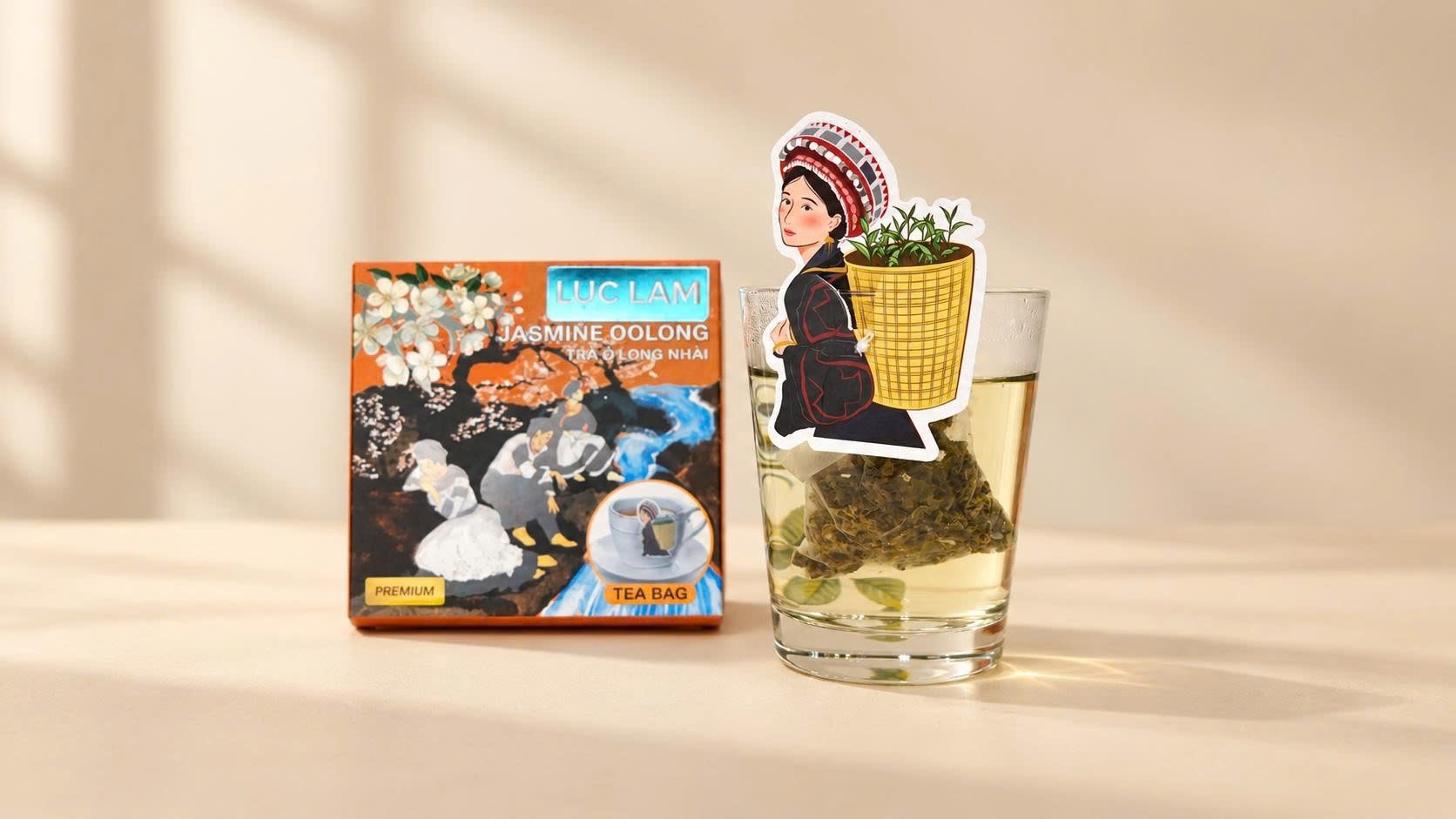
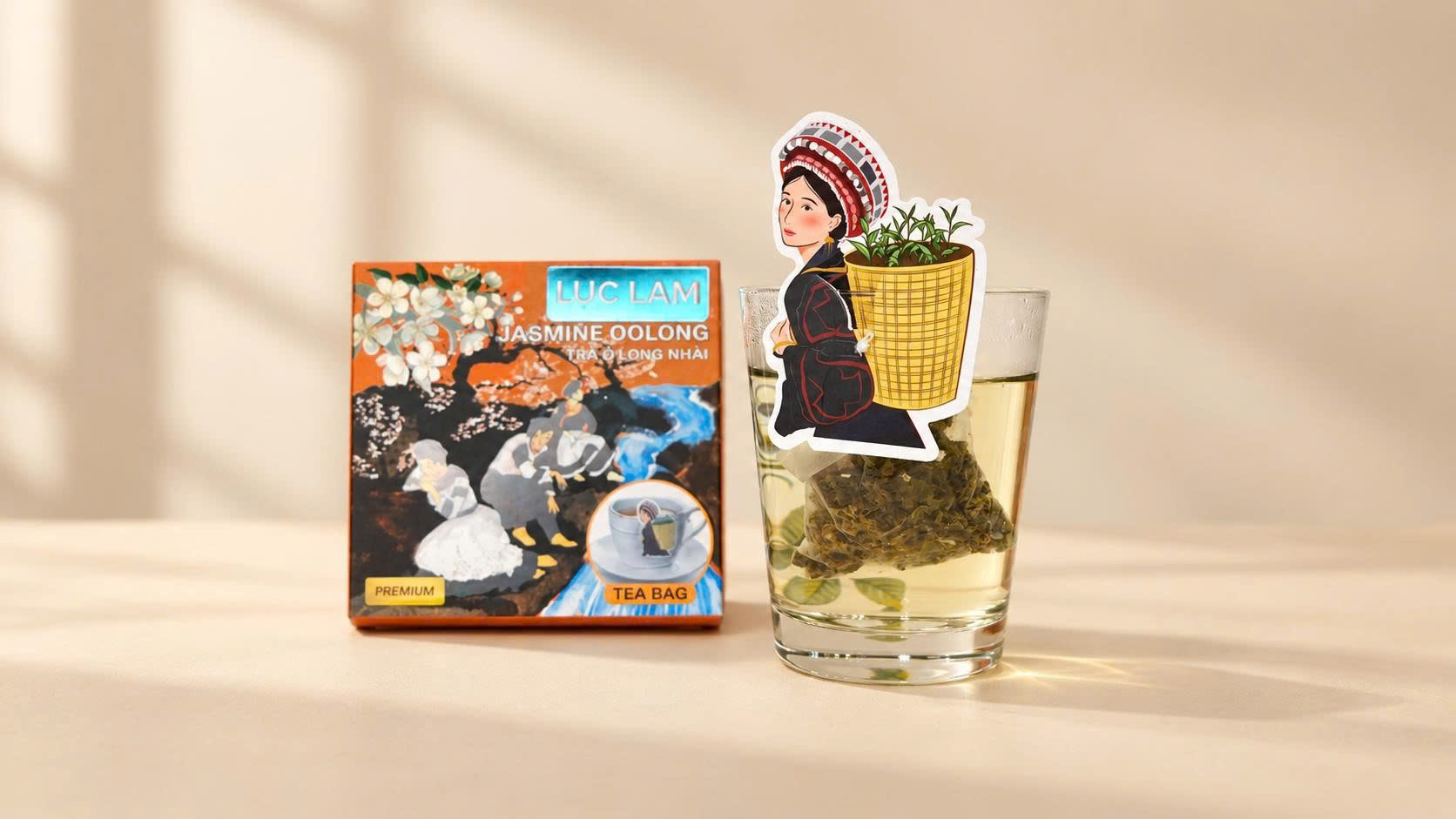
Choosing a culture-class format over a standard tour shifts the focus from a quick beverage stop to a genuine cultural tea experience. In Da Nang, where coffee often dominates the narrative, seeking out these intimate sessions allows you to engage with Vietnamese tea culture through storytelling and ritual. This approach honors the quiet, shared nature of the practice, offering a depth that a typical café visit simply cannot provide. The value lies in the connection—the way a specific herbal blend and a well-told story create a moment of rest and understanding. If you found resonance in the idea of a shared tea ritual, consider how to carry that feeling back to your loved ones. Lục Lam Vietnam Tea curates a selection of artisanal herbal teas and refined packaging designed for travelers who want to share this specific sense of care and specificity with family or colleagues. It is a gentle way to extend the conversation started in a Da Nang classroom to a table back home, ensuring the ritual of hospitality continues long after your trip ends.
