On This Page· 6
You sit in a Da Nang café with incense drifting through the air, expecting a cultural immersion. Instead, a server slides a glass of jasmine oolong across the table and asks for your tip. The ritual was a performance, not a practice. This is a common frustration for travelers searching for a Da Nang tea ceremony: you arrive looking for a connection to Vietnamese tea culture and leave with just a warm beverage. Many venues marketed as traditional tea spots are essentially premium coffee shops with a garden view. They serve drinks; they do not teach traditions.
To find an authentic tea experience, you need a way to distinguish between passive consumption and active participation. This article provides a simple decision framework based on three observable details: hands-on involvement, the authenticity of the tools used, and the depth of cultural instruction. We use a specific account from a high-end Da Nang resort as the benchmark, showing exactly what a genuine ceremony looks like when you are holding the whisk yourself, rather than just watching from a table.
The 3 markers of a genuine Da Nang tea ceremony
Walking into a beautifully lit space in Da Nang and expecting a profound cultural ritual often leads to a single, frustrating realization: you have just ordered a drink. Many local venues market themselves as high-end tea houses, yet the experience feels indistinguishable from a premium coffee stop. To separate a true Da Nang tea ceremony from a commercial beverage service, you must look for three specific markers: hands-on participation, the use of authentic tea tools, and an instructor who acts as a cultural teacher rather than a server.
Service vs. Ceremony
The core difference lies in your role. In a standard tea service, the dynamic is passive. You sit, observe the host preparing the drink, and then take the cup home to consume. This is a consumption model. In a true ceremony, the dynamic is active and educational. The ritual is not about the liquid itself, but about the transmission of Vietnamese tea culture through practice. If you leave the venue without having touched the implements or learned the reasoning behind the steps, you have experienced a café, not a ceremony.
The Benchmark for Authenticity
To understand what this looks like in practice, consider a verified experience at the 4th-floor tea bar of Da Nang Mikazuki Japanese Resorts & Spa. This location offers a Japanese tea ceremony experience where guests do not merely watch the preparation of matcha but are invited to participate in the process. The setting uses authentic Japanese tea tools, distinguishing it from the generic glassware and plastic accessories common in trendy local spots.
This specific setup serves as the reference point for what an authentic tea experience should feel like. When evaluating other traditional tea spots in the region, use this benchmark: does the venue require your hands to be involved? Are the tools purpose-built for the ritual? Is the host teaching you the history and philosophy, or simply pouring the liquid? If the answer to these questions is not a definitive yes, you are likely in a place of consumption, not a place of ceremony.
Why hands-on participation separates a ritual from a café
In most high-end tea cafés, the experience follows a spectator model. The host performs a series of precise movements, often with theatrical flair, while the guest sits back, watches, and finally receives a prepared drink. The moment the cup is set down, the interaction ends. This passive structure is efficient for a business model built on beverage service, but it rarely creates a lasting cultural memory.
The participant’s perspective
A genuine traditional ceremony operates on a participant model. Instead of keeping the ritual behind a glass partition or a raised counter, the host invites the guest into the process. The goal is not just to deliver a finished product, but to teach the mechanics and the meaning behind the preparation. When you are asked to hold the tools, you shift from being a consumer of tea to a learner of the craft.
This difference is vividly illustrated by the experience at the Mikazuki Da Nang Resort. On the fourth floor of the Japanese-style facility, guests are not simply served matcha. They are guided through the specific activity of preparing it themselves using authentic Japanese tea tools. This hands-on approach is central to what makes the authentic tea experience stand out in a city filled with options.
Tactile connection to culture
Handling the implements is where the real learning happens. In a true ritual, the guest is invited to hold the chasen (bamboo whisk) and the chawan (tea bowl) under the direct guidance of an instructor. This tactile engagement does more than just mix the powder with water; it builds a physical connection to the history of the practice. You feel the resistance of the whisk, the weight of the ceramic, and the precision required to achieve the correct froth. These sensory details are difficult to absorb through observation alone, but they become intuitive once you are holding the tools yourself.
Rare in standard venues
It is notable how rarely this level of engagement appears in standard tourist venues in Da Nang. Most traditional tea spots and popular best tea houses in the city operate on a service basis. The staff perform the ritual for show, and the guest’s role is limited to appreciating the performance and drinking the result. While the ambiance may be beautiful, the guest remains on the outside looking in.
If you are seeking a genuine Da Nang tea ceremony, look for venues where the guest is expected to participate. The transition from watching a performance to performing a practice is the clearest indicator that you are experiencing a cultural ritual rather than a styled café service.
Identifying authentic tea tools in Vietnamese settings
The objects on your table reveal more about a venue’s intent than its décor. In tea culture, the vessel is not just a container; it is a signal of respect for the material heritage of the tradition. If a space cares about the ritual, it cares about the implements used to perform it. This distinction is particularly clear in the specific case of a Japanese tea ceremony offered within a Vietnamese resort setting.
Purpose-built implements vs. generic substitutes
Authentic matcha preparation requires specialized tools designed for that specific purpose. A genuine experience utilizes a chasen (bamboo whisk), a chawan (ceramic tea bowl), and a chasaku (bamboo scoop). These items are crafted with specific attention to function and aesthetic, reflecting centuries of refinement. In contrast, many modern cafés in Da Nang may serve matcha or similar drinks using generic stainless steel spoons, plastic containers, or standard glassware. While these may look clean and modern, they lack the tactile and cultural weight of traditional instruments. When you see a high-quality bamboo whisk and a hand-glazed ceramic bowl, you are looking at a venue that has invested in the authentic tea experience rather than just the beverage itself.
A signal of curation in Da Nang
Many traditional tea spots in Da Nang focus on Vietnamese herbal blends or coffee-based drinks, served with local styles of preparation. While these are valid cultural expressions, they do not follow the Japanese ritualistic protocol. The presence of specialized, high-quality Japanese tools for a matcha ritual is a strong indicator of a curated, knowledgeable operation. It suggests that the venue has done the research to source appropriate equipment and understands the nuances of the Da Nang tea ceremony it is offering. For the traveler, this visual cue is the easiest and most immediate way to distinguish a serious cultural presentation from a café that has simply added a Japanese term to its menu. Authentic tools signal that the ritual is being taken seriously, not just as a trend.
The role of the instructor in a true authentic tea experience
The presence of a knowledgeable host is often the clearest indicator that a Da Nang tea ceremony offers more than just a beverage. While a server simply delivers a drink, an instructor acts as a cultural bridge, transforming a cup of tea into an educational experience. This distinction is crucial for travelers seeking an authentic tea experience, as the quality of instruction directly impacts how much you understand and appreciate the ritual.
A true instructor does not just prepare the tea; they explain the history and philosophy behind it. In the verified account from the 4th-floor tea bar at Da Nang Mikazuki Japanese Resorts & Spa, the host, Ms. Na, set the standard for this type of cultural instruction. She was described as warm, well-informed, and enthusiastic, guiding guests through the preparation of matcha with a depth that went far beyond technical steps. Her approach turned the session into a lesson, where every movement had a reason and every detail a story.
From Serving to Teaching
The primary role of the host in a genuine ceremony is to share the ‘why’ behind the actions. A good instructor explains the sensory details of the tea, such as the texture of the matcha or the significance of the utensils used. This educational aspect distinguishes a cultural ritual from a transactional service. If the host is willing to answer questions and delve into the heritage of the practice, you are likely participating in a true ceremony.
To assess the quality of the instruction during your visit, look for these three behaviors:
- Historical Context: Does the host explain the origin of the tea type or the ceremony itself?
- Philosophical Insight: Do they connect the actions to broader cultural concepts, such as harmony or respect?
- Open Communication: Are they eager to clarify doubts and engage in conversation rather than strictly following a silent script?
When you find a host who meets these criteria, you can be confident that you are engaging with the living tradition of Vietnamese and Japanese tea culture, rather than just consuming a premium drink in a stylish setting.
Frequently asked questions about Da Nang tea venues
Is a Japanese tea ceremony common in Da Nang?
While not as widespread as in Japan, specific venues do offer authentic experiences. The bar on the fourth floor of the Da Nang Mikazuki Japanese Resorts & Spa, for instance, hosts a traditional ceremony where guests participate in preparing matcha. This setting provides a structured cultural demonstration that is distinct from the casual atmosphere of local Vietnamese tea cafés.
Travelers should not expect to find these specific Japanese rituals in every traditional tea spot in the city. Instead, look for established resorts or cultural centers that explicitly list this activity in their programming. The experience is curated to reflect Japanese heritage, making it a unique niche within the broader landscape of Da Nang’s tea culture.
Can I bring gifts to a Da Nang tea ceremony?
Yes, presenting a small, thoughtful gift is a welcome gesture. It aligns well with the spirit of cultural exchange inherent in the ritual. Artisanal herbal tea or dried fruit are excellent choices, as they are easy to carry and reflect local craftsmanship. Such gifts show appreciation for the host and the tradition without being overly formal or intrusive.
When selecting a gift, prioritize quality over quantity. A simple, well-packaged item is often more appropriate than a large, elaborate one. This approach respects the aesthetic of the ceremony and avoids cluttering the space during the ritual.
How much does an authentic tea experience cost in Da Nang?
Costs vary depending on the venue and the level of instruction provided. Venues that offer hands-on, instructor-led ceremonies with authentic tools typically charge a premium compared to standard café seating. This price difference reflects the labor involved in teaching the technique and the cultural value of the instruction. You are paying for the lesson and the use of specialized equipment, not just for the beverage.
When evaluating the cost, consider the total package. This includes the time spent with a knowledgeable host, the opportunity to handle traditional tools, and the educational aspect of the session. It is an investment in a memory and a skill, rather than just a drink.
Do I need to book a Da Nang tea ceremony in advance?
Yes, advance booking is strongly recommended, especially for sessions that include specific cultural demonstrations like matcha preparation. These events often have limited participant numbers to ensure each guest receives quality instruction and personal attention. Booking ahead guarantees your spot and allows the venue to prepare the necessary materials for your group size.
If you are staying at a resort like Da Nang Mikazuki, you can often arrange the ceremony upon check-in or by contacting the front desk. For other traditional tea spots, it is wise to call ahead to confirm availability, as popular times may have limited capacity. This ensures you do not miss out on the authentic tea experience you are seeking.
Conclusion
The difference between a beverage and a ritual often comes down to three specific details: active participation, authentic tools, and dedicated instruction. When you walk into a venue in Da Nang, look for these markers. If you are simply handed a cup after a brief observation, you are in a café. If you are invited to hold the whisk, learn the history, and engage with a knowledgeable host, you are in a ceremony. This distinction matters because it transforms a quick stop into a meaningful connection with Vietnamese tea culture.
Prioritize experience over consumption. Your time in Da Nang is an opportunity to engage with the local heritage, not just to check a box on a tasting list. A genuine tea experience is a lesson you carry with you, not just a flavor you taste and forget. When you choose a venue that treats tea as a cultural practice rather than a product, you honor the tradition and enrich your own travel narrative.
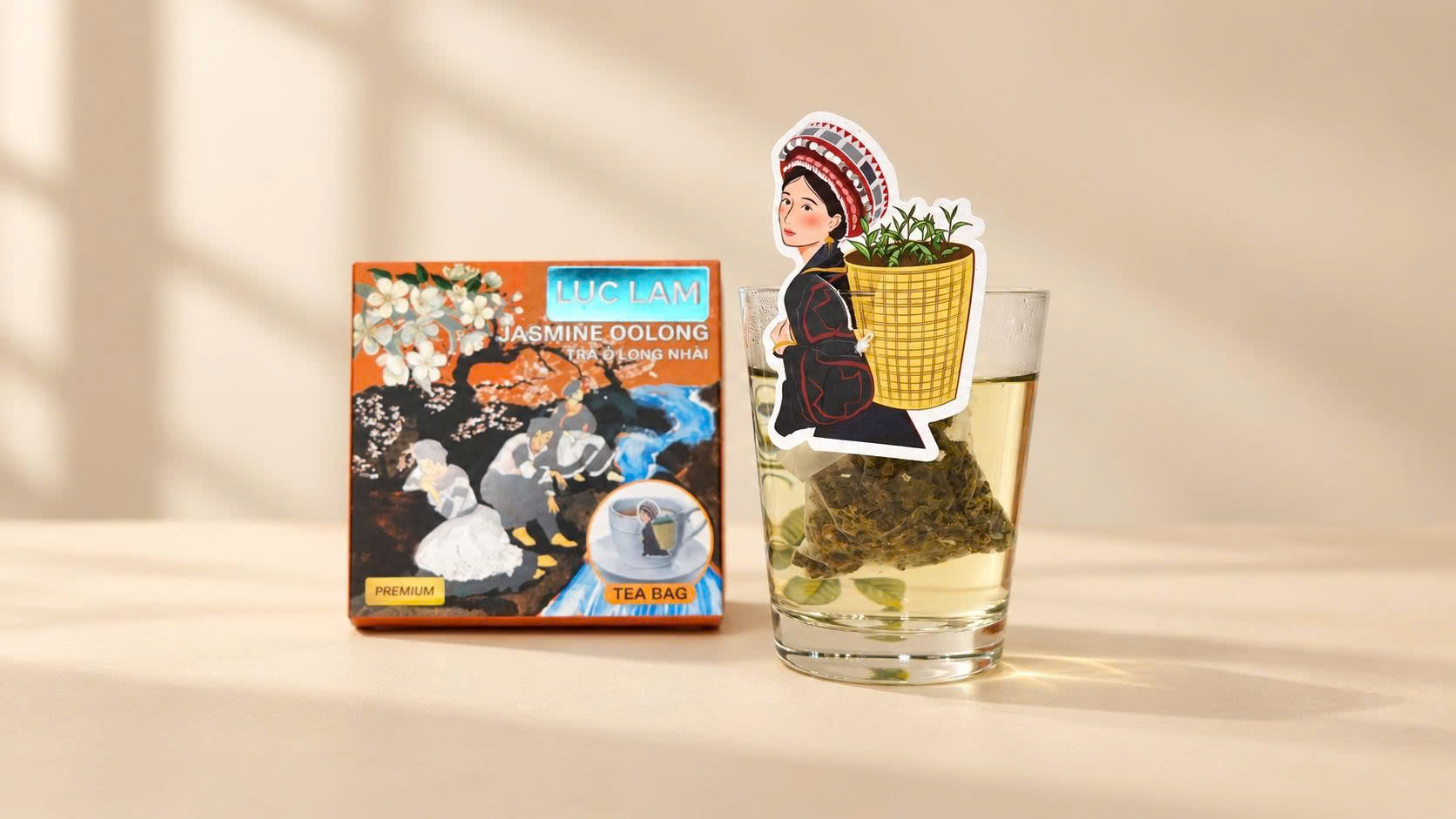
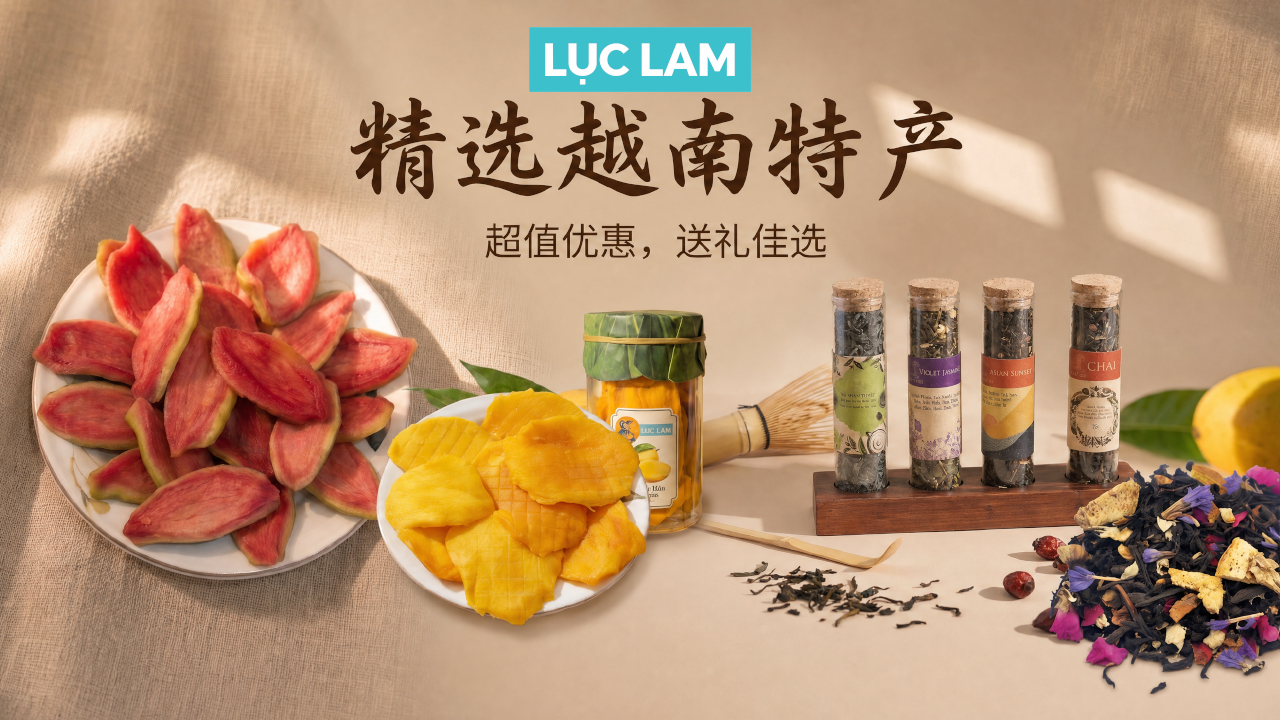
Once you have enjoyed your ceremony, consider how to extend that journey. If you want to take a piece of that experience home, look for high-quality artisanal products that reflect the same attention to detail. Lục Lam Vietnam Tea offers a curated selection of refined Vietnamese gifts, including premium herbal teas and signature coffee, designed for you to share with family and friends. These individually packed selections make it easy to continue your tea journey long after you have left the venue, keeping the spirit of your Da Nang visit alive in your own home.
A true Da Nang tea ceremony is defined by three distinct elements: your active participation, the use of authentic ritual tools, and instruction from a host who teaches rather than just serves. If your experience lacks these components, you are likely sitting in a café, not a cultural center. Prioritize venues that treat tea as a living tradition rather than a simple beverage to engage with the deeper layers of Vietnamese tea culture.
When planning your trip, remember that the ritual itself is a fleeting moment. To preserve the memory of your authentic tea experience, consider bringing home a tangible piece of the culture. For travelers looking to extend their journey, artisanal herbal teas and other refined Vietnamese gifts can serve as a meaningful reminder of the time you spent learning the practice. You can explore curated options at Lục Lam Vietnam Tea, where selections are designed for easy gifting and refined presentation.