On This Page· 6
You are standing in a gift shop, holding a tin of blended black tea, wondering if your CFO will even notice it by Thursday. That hesitation is justified. A generic, mass-market tin signals low effort; it is a commodity, not a gesture. When you present an executive tea gift to a C-suite leader, you are not selling caffeine. You are signaling that you understand their taste, their schedule, and the subtle language of high-stakes hospitality.
The difference between a forgettable token and a memorable gesture lies in specificity. A standard tin contains an anonymous blend of leaves from multiple regions, designed for consistent mass production. In contrast, a premium Vietnamese tea selection identifies the exact origin, the specific variety, and the distinct flavor profile. This is the core of corporate gifting standards: the shift from quantity to curation.
Think of the “connoisseur hamper” model. It does not pile ten average items into a box. Instead, it features a single, exceptional item—perhaps a rare white tea from a high-altitude mountain or a specific dark variety known for its earthy depth—paired with a complementary, high-quality accompaniment. The tea is the protagonist. It must be a named, single-origin variety that matches the discerning palate of the recipient. When you choose a leaf with a traceable history and a clear tasting note, you transform a simple package into a personal statement. You are telling your business partner that this gift was chosen for them, not just bought for the occasion. That distinction is what elevates a tea from a desk accessory to a lasting impression.
The Connoisseur Standard: Why Specificity Beats Price
A Chief Financial Officer does not evaluate a gift by its retail tag; they measure it by the effort behind its selection. In this world, a generic blended tea tin feels like a commodity, while a deliberately named specialty tea functions as a curated experience. The difference lies in intent: one is mass-produced, the other is chosen for its specific origin and character.
The Connoisseur Hamper Approach
High-end corporate gifting standards often favor the “connoisseur hamper” model. Instead of filling a box with ten average items, the focus shifts to a single, high-quality star. Think of a specific, traceable black tea or a distinct masala blend as the centerpiece, rather than a bulk assortment of generic leaves. This approach signals that the giver understood the recipient’s taste, not just their title. For C-suite gift ideas, less is often more; a single, perfect cup of a rare premium Vietnamese tea is more memorable than a box of ten different, forgettable ones.
Defining Premium in Corporate Gifting
In this context, “premium” has a specific meaning. It is not about the size of the packaging or the number of sachets. A premium executive tea gift is defined by the presence of a traceable, specific origin and a clear tasting profile. When a tea is labeled with a specific mountain or estate, it proves that someone took the time to source it carefully. This level of detail is the hallmark of high-end tea etiquette, distinguishing a thoughtful gesture from a generic obligation. It transforms the act of gifting from a transaction into a statement of respect for the recipient’s discernment.
Navigating Vietnam’s Specialty Tea Landscape for Corporate Gifting
When selecting a premium Vietnamese tea for a C-level recipient, specificity is the differentiator. A generic blend communicates mass production; a single-origin leaf communicates attention. For a Chief Financial Officer, who scrutinizes detail in everything from balance sheets to board materials, a tea with a named, traceable origin signals that the gift was chosen with the same rigor they apply to their work. This is the foundation of high-end tea etiquette: the value lies not in the price tag, but in the provenance.
The Three Varieties That Signal Care
To curate an executive tea gift that resonates, focus on three distinct profiles from Vietnam’s most respected growing regions. Each serves a different purpose in the recipient’s daily routine.
| Region | Flavor Profile | Ideal Executive Occasion |
|---|---|---|
| Moc Chau (Highland) | Delicate, floral, with a light honey finish | Desk tea; a quiet midday pause |
| Tam Dao (Mountain) | Grassy, clean, with a crisp vegetal note | Focus sessions; deep work mornings |
| Northern Highlands | Deep, earthy, with a complex smoky undertone | Formal meetings; post-dinner digestion |
Why Single-Origin Matters More Than Price
The distinction between a specific estate and a generic blend is the difference between a commodity and a story. A tin labeled simply “Vietnamese Green” offers no insight into the leaf’s journey. In contrast, a single-origin tea from a specific mountain like Moc Chau or Tam Dao carries inherent meaning. It tells the recipient that you identified a source known for a specific quality—floral sweetness or clean minerality—and selected it to match their likely palate. This level of curation is the hallmark of refined corporate gifting standards, turning a simple drink into a considered experience that honors the recipient’s time and taste.
The Art of the Pairing: Elevating the Executive Tea Gift
A standalone tin of leaves, no matter how rare, often feels incomplete in the hands of a senior executive. To meet high-end tea etiquette, the gift must function as a curated experience, not just a consumable. This is where the pairing comes in. Consider the “But First, Tea” hamper, which pairs a specific masala blend with milk-chocolate gingers from Border. This combination is not random; the spiced, warming character of the masala tea finds a perfect counterpoint in the rich, chewy sweetness of the chocolate ginger. It turns a drink into a ritual.
The logic behind this lies in sensory balance. If you select an earthy or slightly bitter premium Vietnamese tea, such as an aged pu-erh or a robust highland green, a sweet and textured accompaniment is essential. The sweetness cuts through the astringency, creating a harmonious profile that feels deliberately thought-out. This attention to the “mouthfeel” of the experience is what separates a generic corporate gift from a personal gesture. In high-level gifting, the pairing signals that you have considered not just the recipient’s taste, but the entire journey of consumption.
Refined Packaging as a Signal of Care
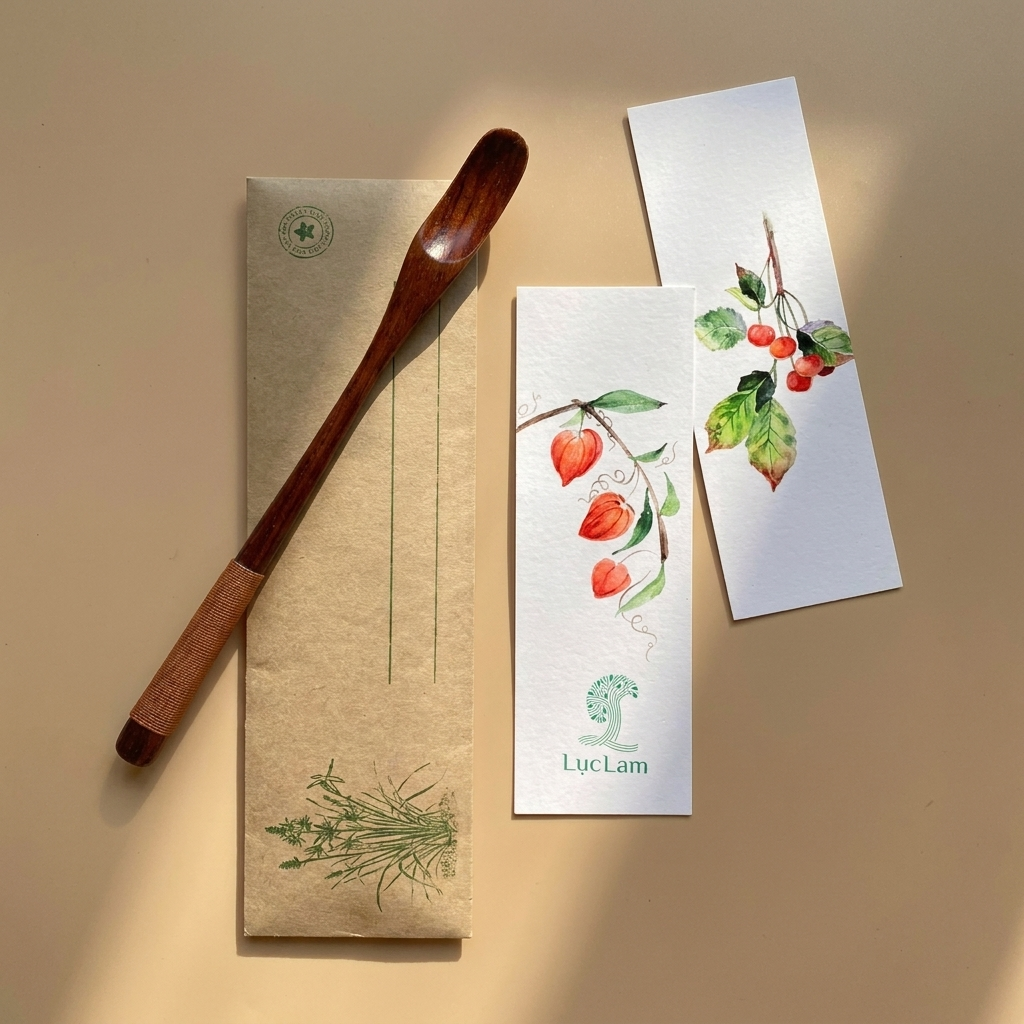
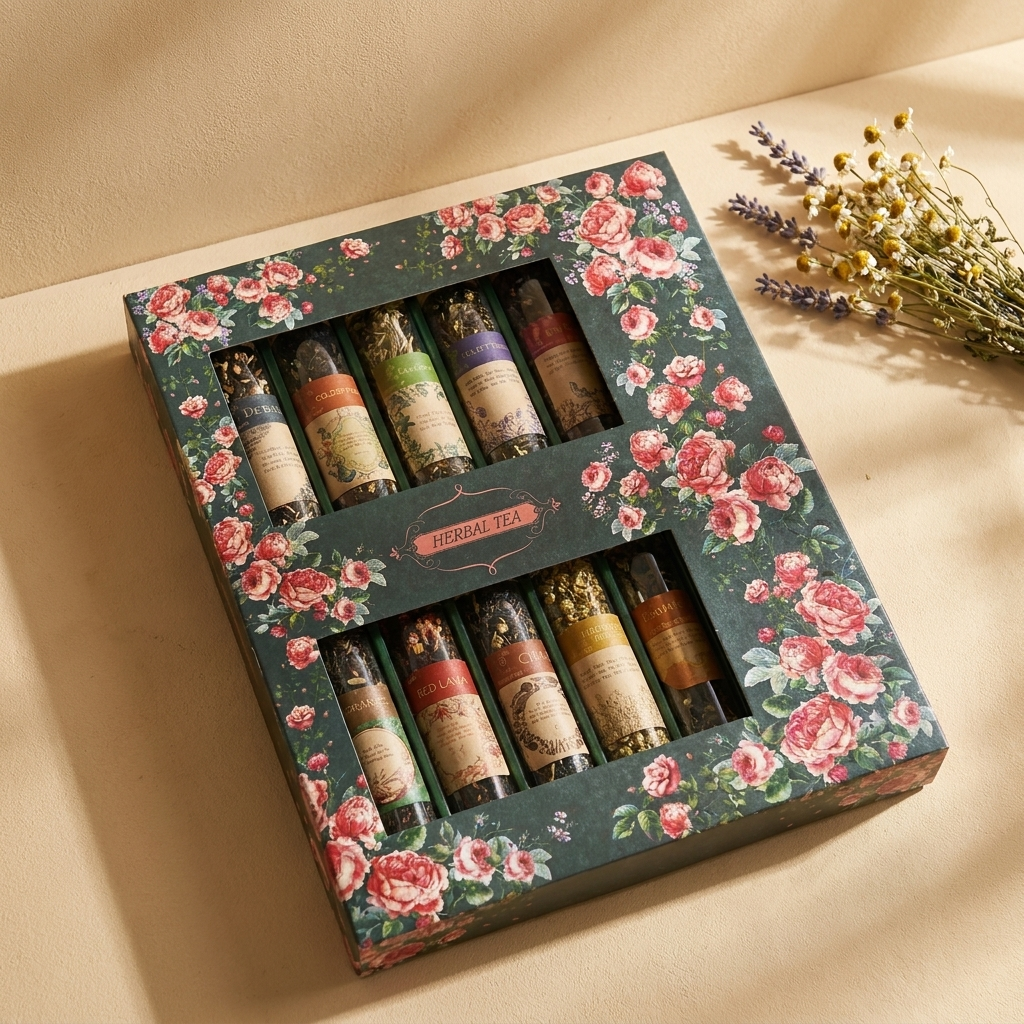
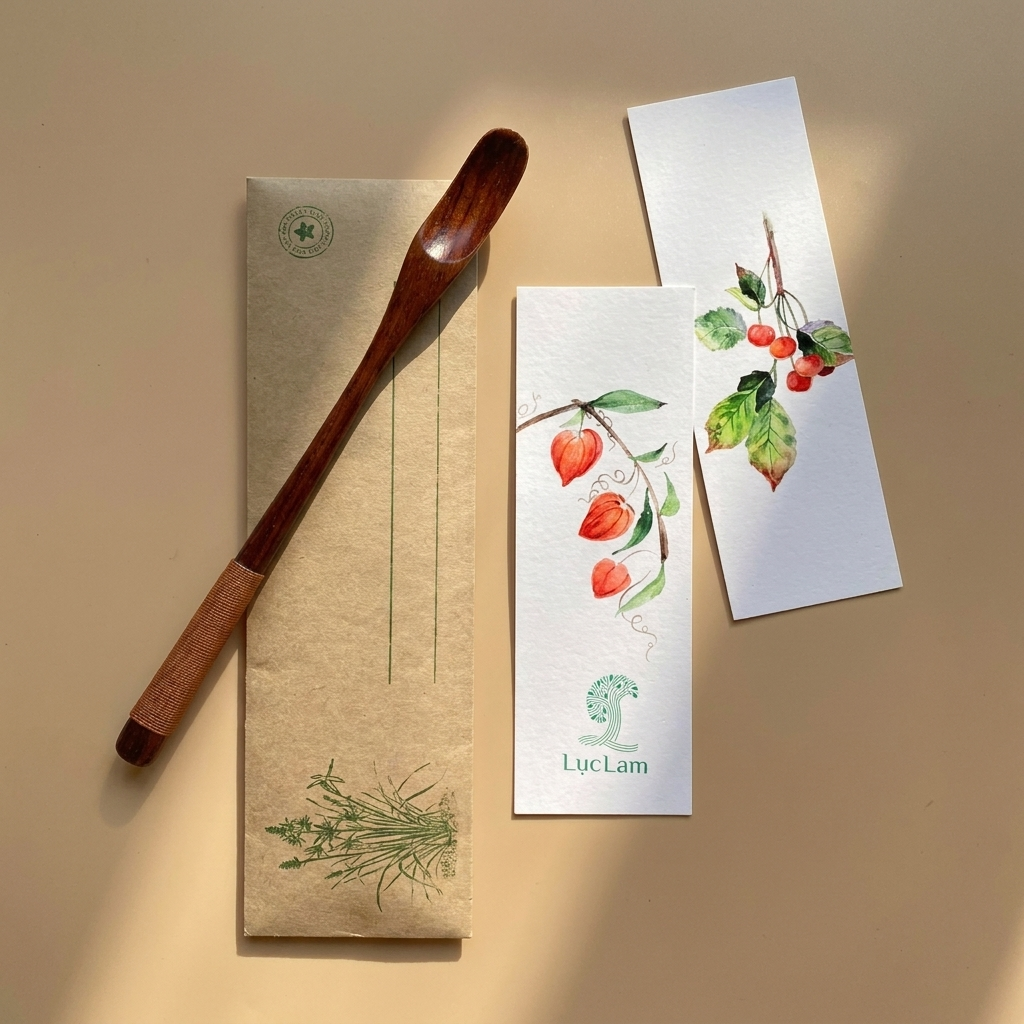
Packaging is the first touchpoint, and it must speak before the wrapper is opened. Avoid overwrought, plastic-heavy tins. Instead, look for materials that suggest craftsmanship: a sturdy wooden box, textured cotton paper, or a simple linen wrap. These materials imply individual packing and hand-assembly, reinforcing the idea that the item was chosen specifically for that person. Refined packaging does not need to be loud; it needs to be tactile. When the recipient holds the box, they should feel the weight of the care you put into the selection. This subtle elegance, combined with a well-chosen accompaniment, ensures the executive tea gift is remembered long after the last cup is empty.
Common Mistakes That Undermine Your Corporate Gifting Standards
Even when well-intentioned, three specific errors can turn a thoughtful executive tea gift into just another item on a crowded desk. The first is selecting a tea based on the aesthetics of the tin rather than the quality of the leaf inside. A beautiful package cannot compensate for a blend that lacks depth or character. The second mistake is relying on generic “office” tea bags. These mass-produced items are designed for convenience, not discernment, and they signal to the recipient that you did not consider their specific preferences. The third error is failing to mention the specific origin on the accompanying card. Without this detail, you lose the opportunity to tell the story behind the gift.
The Problem with Impersonal Assortments
Bulk or assorted tins feel impersonal to a C-level recipient who receives hundreds of similar gifts every year. When a CFO opens a box containing ten different average teas, it reads as a logistical task rather than a personal gesture. It lacks the narrative weight that makes a gift memorable. A generic assortment treats the recipient as an anonymous employee rather than a unique individual.
The effort-to-impact ratio favors specificity. A single, perfect cup of a rare Vietnamese green tea is more memorable than a box of ten different, average ones. By narrowing your focus to one high-quality, single-origin variety, you demonstrate that you invested time in selecting something special. This approach aligns with corporate gifting standards that value curation over quantity.
Avoid the ‘Popular’ Shortcut
Finally, do not use “best-selling” or “top-rated” labels as a shortcut for selection. An executive appreciates a “chosen” item over a “popular” one. Relying on best-seller lists suggests you did not do the work to find something unique. Instead, choose a premium Vietnamese tea that reflects your understanding of their taste. This attention to detail elevates the gesture from a standard transaction to a meaningful expression of respect.
Frequently Asked Questions: Selecting a Premium Tea Gift for a CFO
Choosing the right beverage for a senior leader often comes down to understanding the subtle language of hospitality. Here are the most common questions regarding how to navigate high-end tea etiquette when selecting a sophisticated present.
Is loose-leaf tea a better choice than tea bags?
Yes. For a C-suite recipient, the format of the leaf matters as much as the flavor. Loose-leaf tea invites a more deliberate brewing ritual. This process signals that the recipient is expected to enjoy the preparation, not just consume the result. It transforms a simple drink into a moment of mindfulness, aligning with the pace of a high-performing executive who values brief, restorative pauses over rapid convenience.
Should I opt for coffee or tea for a CFO?
While coffee is a staple for morning utility, tea is often preferred for “desk-side” gifting. It is perceived as more refined and calming, serving as a signal of a necessary pause rather than just fuel for the next task. In the context of C-suite gift ideas, tea suggests a respect for the recipient’s well-being and a desire to offer a moment of clarity amidst a demanding schedule.
How do I verify the quality of a Vietnamese tea selection?
To ensure you are giving a premium product, look for specific regional provenance. Names like Moc Chau or Tam Dao indicate a single-origin source with a distinct terroir. Additionally, inspect the packaging. High-quality premium Vietnamese tea will feature transparent windows that reveal whole, intact leaves. If the packaging shows dust, fannings, or broken pieces, it is likely a mass-market product rather than a curated selection suitable for a corporate boardroom.
Can I add a personal note to the gift?
Absolutely. A brief, handwritten note elevates the item from a standard product to a personal gesture. When writing the card, name the specific variety and the reason for your choice. For example, you might write: “This is from a high-altitude garden in the northwest, known for its floral notes.” This level of detail shows that the gift was chosen specifically for them, reinforcing the corporate gifting standards of thoughtfulness and care.
Conclusion
The distinction between a commodity and a considered gesture comes down to specificity. A true premium executive tea gift is not defined by the size of the tin, but by the clarity of its provenance. By selecting a single-origin Vietnamese variety, pairing it with a gourmet accompaniment, and presenting it in refined packaging, you shift the narrative from a routine obligation to a personal tribute. The goal is to ensure the CFO feels the item was chosen specifically for their palate and presence, rather than simply purchased from a shelf. Next time you find yourself at a gift shop in Hanoi or Ho Chi Minh City, look past the bulk bins and search for the single-origin variety that speaks to the person you are gifting to.