On This Page· 5
Most travelers arrive on the Pearl Island expecting a standard seafood feast, assuming that proximity to the ocean guarantees a uniform culinary experience. While the coastline is indeed stunning, the true culinary identity of Phu Quoc lies in a specific set of local specialties that are virtually impossible to find in Ho Chi Minh City or Da Nang. Ignoring these unique island flavors means missing the core of what makes the destination distinct. This guide moves beyond the generic tourist traps to highlight five must-eat dishes and local beverages that define the region. You will learn where to find these hidden gems, how much they cost, and what to expect from each dish. Rather than just listing famous spots, this provides a practical assessment of the local cuisine, helping you navigate the street food scene with confidence.
Island-only noodles: Bún Quậy Kiến Xây & Bun Ken
The Stir Style: Bún Quậy Kiến Xây
Most noodle soups rely on a simmered bone or seafood broth, but Bún Quậy flips the model entirely. The liquid base is not a broth at all—it is a sweet-sour mixture of kumquat juice, sugar, and vinegar that you must stir into the noodles yourself before eating. The name “quậy” literally means to stir, a culinary habit unique to this island-only dish. What begins as separate components in the bowl becomes a cohesive, tangy-sweet profile only after your active participation. This tactile step turns the meal into a small ritual. First-timers expecting a deep, savory stock may find the flavor profile unusual at first, but that contrast is exactly what makes it stand out from every other bowl in Vietnam.
The original Bún Quậy Kiến Xây stall has operated for over two decades, beginning as a small, sign-less roadside stand before growing into a recognized chain. You can find branches across Duong Dong, including at 28 Bach Dang, 30 30/4 street, and in the alley opposite 222 Tran Phu. A single serving costs 55,000 VND, a price that reflects both the local sourcing of ingredients and the dish’s status as a must-eat item for anyone exploring island cuisine on the ground.
A Different Path: Bun Ken Ut Luom
If the sweet-sour stir of Bún Quậy feels too unusual, Bun Ken offers a more familiar structure with a distinctive twist. Located at 87 30/4 street in Duong Dong, Ut Luom serves a vegetable-heavy bowl in a rich, creamy broth. The base is made from yellowtail scad or snakehead fish, ground down and marinated with curry, five-flavor spice, and coconut milk, giving the soup a deep, aromatic depth without relying on a long-simmered stock. The dish is loaded with fresh greens, which lighten the dense, dairy-like flavor of the coconut broth. A bowl costs 45,000 VND, making it an affordable way to sample one of the island’s most unique noodle preparations. Both dishes sit within walking distance in the Duong Dong center, so visiting one after the other is an easy afternoon of island food exploration.
Seafood prices: Why horn scallops are cheaper in Phu Quoc
Most travelers assume that island dining comes with a premium price tag, but the local seafood market tells a different story. A single horn scallop costs 40,000–50,000 VND in Phu Quoc, whereas the same shellfish is priced at 70,000–80,000 VND in Saigon. This significant price difference exists because the island is a primary source of the catch, bypassing the long logistics chain that drives up costs in major cities.
Island-Only Catch
Beyond the price advantage, Phu Quoc offers ingredients that are rarely seen in mainland markets. Echinoidea (known locally as nhum) is a local delicacy with a creamy, custard-like texture that is difficult to find elsewhere in Vietnam. Slipper lobster is another unique find, offering a sweet, tender meat that appeals to those who find standard spiny lobster too tough. These items are considered key local specialties for visitors who want to taste the specific character of the island cuisine.
The Floating House Experience
Dining at the floating houses in Rach Vem or Ham Ninh provides an immersion in nature that a casual street food bowl cannot match. While a 0.5 kg portion of steamed shrimp costs 250,000 VND and a fried plaice rolling is 320,000 VND, the higher cost of a full meal is justified by the setting. You are eating on the water, surrounded by the fishing village, which adds a layer of entertainment value to the meal. It is less about the food itself and more about the unique environment of Phu Quoc food culture.
Practical Tips for Dining
To make the most of your visit, consider these practical details for your must eat dishes tour:
- Crossing the Rafts: Be prepared to wade or step over floating rafts to reach the house; sturdy shoes are recommended.
- Dress Code: Dress comfortably and casually, as the setting is rustic and often involves barefoot dining on the water.
- Timing: Visit in the late afternoon or early evening. This is when boats return with the freshest catch, ensuring you get the top-quality seafood available.
Balancing the cost with the experience, the floating house meal is a definitive way to understand the true flavor of the island. You are paying not just for the protein, but for a rare glimpse into the daily life of the local fishing community.
The French legacy: Chou Chou peanuts & Rose Myrtle wine
While the noodle soups described earlier define the daily dining experience, the true local specialties for travelers are often the items you take home. A significant part of the island’s culinary identity stems from its French colonial past, visible in two distinct products: a unique snack and a traditional medicinal wine. These items offer a tangible connection to the island’s history and climate, making them essential for anyone wanting to bring a piece of Phu Quoc back to Japan or elsewhere.
Chou Chou: 30 tastes in one snack
The most recognizable souvenir is the Chou Chou roasted peanut, a variation of the traditional khoai môn (taro) snack. According to local history, a French entrepreneur introduced this specific flavored-snack concept to the island, adapting the recipe to suit local tastes. Today, the brand is famous for offering 30 distinct flavors, including coconut, tamarind, barbecue, cheese, and various spicy variations. Each jar contains a mix of these roasted peanuts, allowing you to experience a wide spectrum of the island’s flavor profile in a single serving.
For first-time buyers, the strategy is simple: start with the smallest jar, which costs 35,000 VND. This size is perfect for sampling multiple tastes without committing to a large quantity. You will find these jars widely available in the night market stalls and local shops in Duong Dong. Since they are shelf-stable and do not require refrigeration, they are an ideal gift for colleagues or friends who might not appreciate the complexity of fresh food.
Rose Myrtle: A functional beverage
On the beverage side, Rose Myrtle wine stands out as a unique regional product. Unlike standard fruit wines, this beverage is made from the rose myrtle fruit, which is abundant in the island’s forests. The production process is slow and traditional: the fruit is fermented with white sugar and left to brew for a full year. This long aging process results in a smooth, sweet, and slightly tangy wine that locals often use for medicinal purposes. It is traditionally consumed to aid digestion and support blood circulation after heavy meals.
You can purchase a bottle for 190,000 VND, a reasonable price for a product with a year-long production cycle. The wine is typically found at local shops in the Bai Gao area or specialized souvenir stores in the town center. For travelers, it serves a dual purpose: it is a delicious accompaniment to your dinner and a unique gift that reflects the island’s agricultural heritage.
The takeaway vs. the sit-down
It is worth noting the contrast between these two categories of Phu Quoc food. The noodle dishes are for the here and now—they are fresh, hot, and consumed immediately to appreciate their texture and temperature. In contrast, Chou Chou and Rose Myrtle are designed for longevity. They allow you to extend the memory of your trip long after you have left the island. By combining a warm bowl of Bún Quậy during your visit with a jar of peanuts or a bottle of wine for home, you get a complete picture of the local food culture. This balance between immediate enjoyment and lasting remembrance is what makes the island’s culinary scene so distinctive.
Phu Quoc night market: Where to find authentic street food
The Bach Dang area in Duong Dong operates as the primary hub for late-night dining on the island. It offers a distinctly laidback atmosphere where locals and travelers mix without the pressure of formal dining hours. The vibe here is about connection rather than just consumption, making it the ideal spot to experience the social side of island cuisine.
A smorgasbord of grilled flavors
Street food here is diverse, featuring a wide array of grilled items that define the local snack culture. You will find stalls selling fresh seafood, rolled rice paper, and various traditional cakes. The market also serves as a unique venue for finding local specialties like Chou Chou 30-taste roasted peanuts. Seeing these flavored snack jars sold alongside open-fire grills creates a unique sensory experience that you won’t find in standard mainland markets.
The “empty stomach” strategy
A practical tip for maximizing this experience is to follow the “fill your stomach” approach. If you have a free evening without other plans, it is best to empty your stomach beforehand. This allows you to sample multiple dishes without feeling overly full. By clearing your appetite, you give yourself the freedom to move from stall to stall, trying a bit of everything rather than settling for one heavy meal.
More than just a meal
The experience extends beyond food. The market is filled with non-food items, including bamboo crafts and local jewelry. This variety turns a simple dinner into a full social outing. You can browse for souvenirs while waiting for your food, engaging with the community in a way that feels organic and unforced. This high-energy environment stands out as one of the most fun ways to engage with local culture. It is less about eating a single dish and more about absorbing the energy of the island.
FAQs about eating local specialties in Phu Quoc
Is the cuisine truly different from the mainland?
Yes, while the core ingredients overlap with other Vietnamese regions, the specific preparations in Phu Quoc food are distinct. Dishes like Bún Quậy Kiến Xây, with its unique kumquat-sugar mix, and the 30-flavor Chou Chou peanuts are signature items that do not exist in standard menus elsewhere. This local identity comes from specific island ingredients and preparation methods developed over decades, creating a flavor profile you will not find in Hanoi or Da Nang.
Can I find these dishes in HCMC or Da Nang?
You will find some crossover in major cities. For example, Bún Quậy Kiến Xây has expanded to a branch in District 1, Ho Chi Minh City, allowing travelers to taste the noodle without leaving the mainland. However, you will not find the full range of unique snacks in city stores. Specific local beverages like Rose Myrtle wine, which undergoes a one-year fermentation process with white sugar, are not typically stocked in mainland retail, making them an exclusive part of the island culinary experience.
What is a realistic daily budget for street food?
You can comfortably explore the local scene on a modest budget. With 150,000 to 200,000 VND (approximately 6 to 9 USD), you can try two or three bowls of noodles and several snacks from the night market. For reference, a bowl of Bún Quậy costs 55,000 VND, while the smallest jar of Chou Chou peanuts is 35,000 VND. This amount allows for a full day of sampling without overextending your travel funds.
Are these foods safe for travelers?
Yes, the risk is low if you choose your eating spots carefully. Stick to busy, high-turnover stalls in the Duong Dong center. High turnover means the food is prepared fresh daily and moves quickly from station to table. Avoid food that has been sitting under heat lamps for extended periods. By focusing on these active, well-known locations, you ensure both hygiene and quality.
| Dish/Item | Price (VND) | Approx. Price (USD) |
|---|---|---|
| Bún Quậy Kiến Xây | 55,000 | 2.34 |
| Chou Chou Peanuts (Smallest Jar) | 35,000 | 1.50 |
| Bun Ken Ut Luom | 45,000 | 1.90 |
| Suggested Daily Budget | 150,000–200,000 | 6–9 |
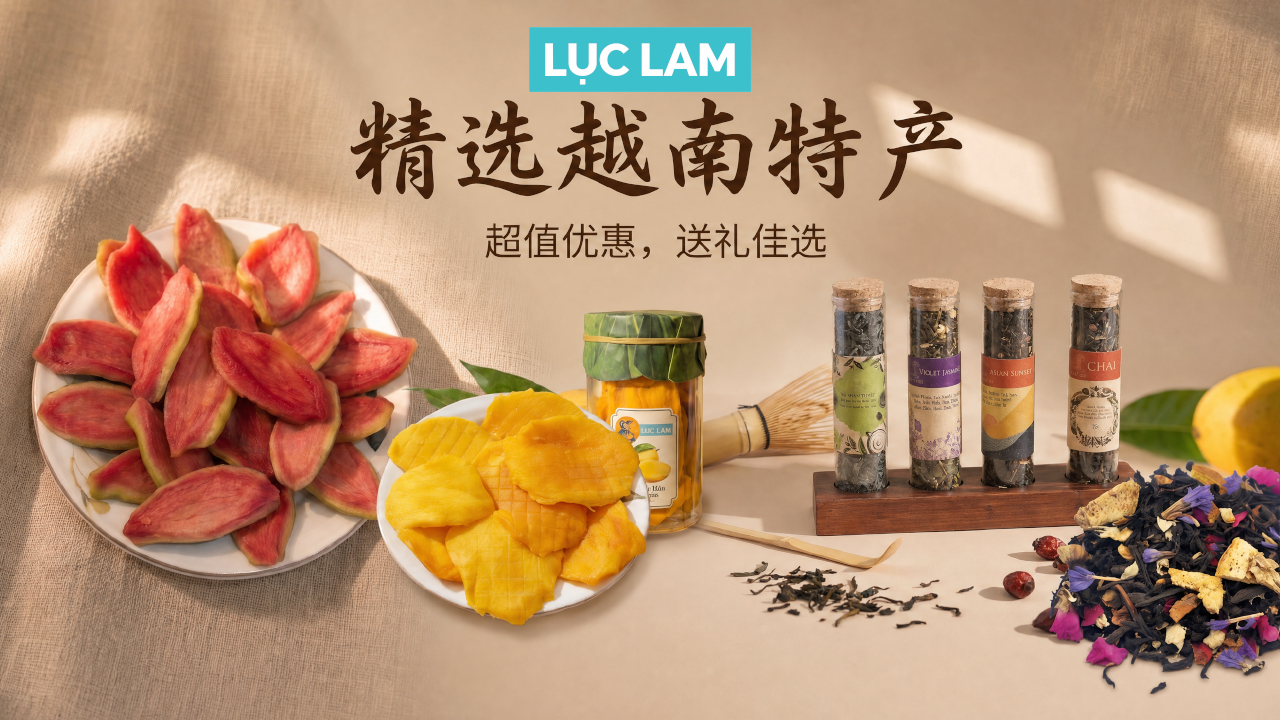
The true character of Phu Quoc food is found not just in the fresh catch, but in the unique local specialties that define the island’s culinary identity. From the distinct stir-style of Bún Quậy to the specific flavor profiles of the 30-taste peanuts, these are the must eat dishes that set the Pearl Island apart from the mainland. While generic seafood is a staple everywhere, these particular preparations—along with the immersive experience of the night market—offer a deeper connection to the local culture. Prioritizing these island-specific items over common dishes ensures you experience the full range of island cuisine rather than just a version of what is available in other major cities. If you are planning to bring a piece of this journey home, consider pairing your food memories with a thoughtful Vietnamese gift; Lục Lam Vietnam Tea offers a curated selection of refined tea and snack sets that travel well, providing a lasting reminder of your time in Vietnam.