On This Page· 6
The air is thick with the scent of toasted cashews and fresh jasmine. You stand in a narrow aisle of Ben Thanh, jars of loose-leaf tea glowing under fluorescent lights, tins of lotus tea stacked in neat pyramids. It is a beautiful scene, but for a traveler unfamiliar with Vietnamese tea culture, the choice can feel overwhelming. Where do you start? How do you spot quality in a bustling market without a local guide? This article serves as a practical checklist for navigating the Ho Chi Minh tea districts. We will walk through the specific streets, from the open-air energy of Ben Thanh to the quiet boutique rows of Tan Dinh, and share the exact details to look for when selecting a thoughtful gift.
Three central stops for a relaxed tea browsing walk
Navigating the Ho Chi Minh tea districts is a practical way to find authentic Vietnamese gifts without rushing. The city’s tea shopping scene splits into three distinct zones, each offering a different pace and selection. Choosing the right stop depends on whether you prefer a lively, iconic atmosphere or a quieter, curated experience.
| Location | District/Address | Typical Tea & Gifts | Recommended Time |
|---|---|---|---|
| Ben Thanh Market | District 1 | Loose-leaf tea, dried goods, cashews, confectionery | Morning (8–11 AM) |
| Tan Dinh Market | 336 Hai Ba Trung, District 1 | Dried goods, candied fruits, textiles, household items | Early Afternoon (2–5 PM) |
| Hai Ba Trung Axis | District 1 & 3 | Specialty roasters, gift boutiques, individual packs | Morning or Afternoon |
The rhythm of each stop
Ben Thanh Market serves as the iconic landmark for sightseeing. It is busy and energetic, blending easily into a standard city tour. You will find stalls selling local coffee, tea, and dried food, but the sheer volume of products can feel overwhelming if you are new to tea selection. It is ideal for a quick look at classic varieties like trà sen (lotus tea) if you are already in the area for other sights.
Tan Dinh Market, located at 336 Hai Ba Trung, offers a calmer hub for dried goods and textiles. While known for silk scarves and ao dai, it also carries a range of dried fruits and food items. This stop is better for travelers who want to compare prices on non-perishable gifts without the immediate pressure of a crowd. The atmosphere here is more focused on traditional goods, making it a good place to verify material quality and expiration dates for food items.
The Hai Ba Trung axis transforms the trip into a walking tour of artisan tea shops. Unlike the open-air markets, this stretch features boutique stores with curated selections, such as specialty roasters and gift boutiques. The shops here often offer individually packed options, which are easier to carry and present as gifts. Strolling this street allows for a slower, more educational experience where you can interact with staff and learn about specific origins.
Timing your visit
Visiting in the morning or early afternoon is the most effective strategy for a relaxed browsing experience. This timing allows for easier price comparison and a clearer head for evaluating quality. The evening rush can make detailed inspection difficult, so earlier hours give you the space to check packaging, smell aromas, and read labels without feeling hurried. This approach ensures you spend your energy on selecting the right gift rather than navigating a crowd.
What to check in your hand: a 5-point tea quality check
Choosing quality tea in the Ho Chi Minh tea districts is less about price and more about verifying specific details that signal care in production and presentation. When you hold a tin or box of lotus tea (trà sen), take a moment to run through these five checks before you decide to buy.
The sensory and labeling essentials
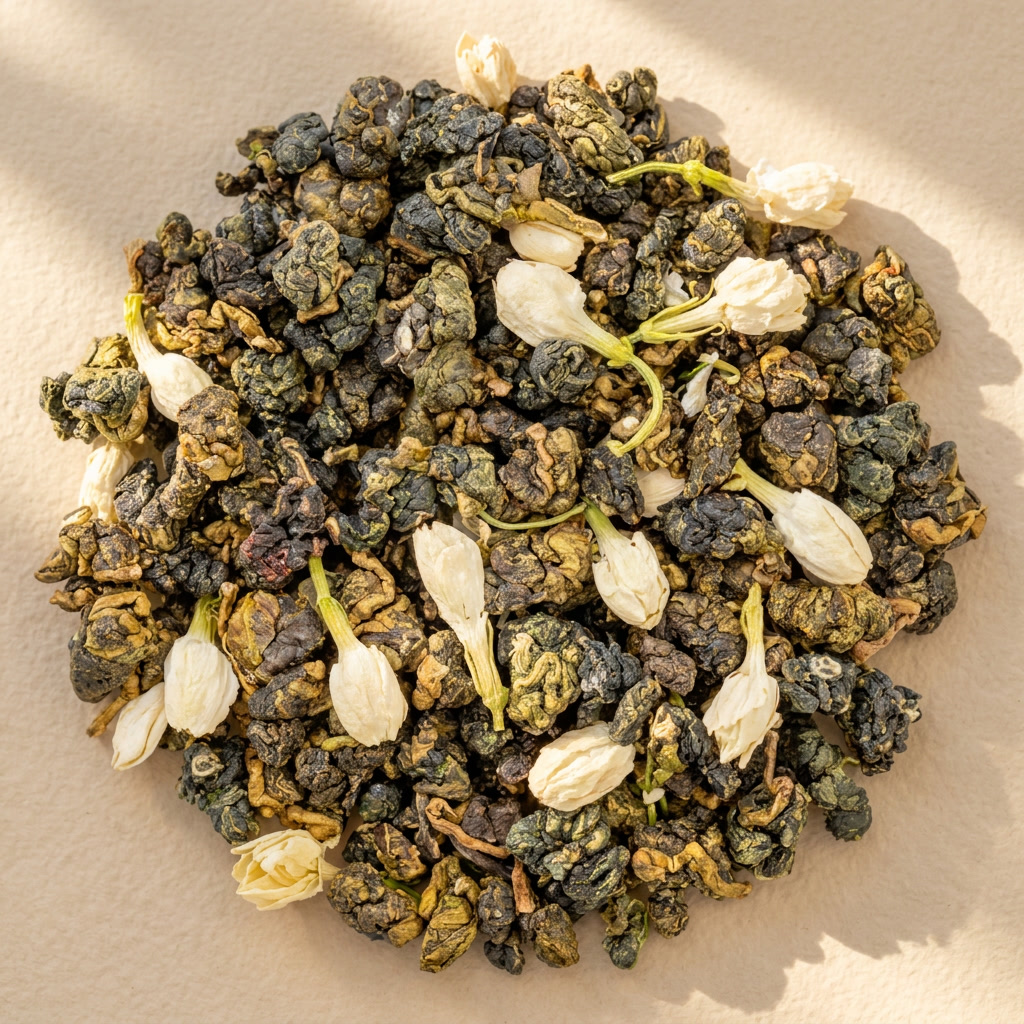
The first three points focus on what you can see and smell immediately. Start by examining the packaging. For lotus tea, airtight packaging is critical; the seal should be intact, with no gaps or broken seals that would allow air to enter and degrade the leaves. Next, open the container if possible and check the aroma. A high-quality lotus tea should release a delicate, distinct floral scent. If the smell is faint, stale, or masked by other notes, the freshness is compromised. Finally, read the label carefully. You are looking for two specific pieces of information: a clear indication of origin and a valid expiration date. Ambiguous labeling often signals that the product is bulk-packed rather than carefully curated for gifting.
Presentation as a quality indicator
The final two points concern the physical form of the container, which hints at the product’s intended use. You will mostly encounter two formats: tin canisters and rigid gift boxes.
| Feature | Tin Canisters | Rigid Gift Boxes |
|---|---|---|
| Freshness Protection | Excellent; metal creates a barrier against air and light. | Good; provides protection, but relies on internal packaging. |
| Presentation | Classic, durable, and easy to stack. | Elegant, often designed specifically for gifting. |
| Travel Safety | High; less likely to deform in luggage. | Medium; can crack if mishandled, but looks premium. |
Tin canisters are highly recommended for maintaining freshness over long periods because they offer superior airtightness. Rigid boxes, on the other hand, are preferred for presentation during long journeys or for immediate gifting, as they signal that the tea is a refined item rather than a bulk commodity. A well-presented container often indicates that the producer cares about the end-user’s experience, which is a reliable proxy for the quality of the leaves inside. If you are buying for a business partner or elder, the visual appeal of a rigid box or a finely finished tin often matters as much as the flavor.
By applying these five checks—seal integrity, aroma, origin, date, and container type—you transform a quick market browse into a confident selection process. This approach ensures that whatever you carry home is not just a souvenir, but a genuine expression of Vietnamese tea culture.
Asking the right questions at artisanal tea shops
A jar of dried leaves looks similar whether it is from a small farm or a large factory. The difference lies in the details only the seller knows. Asking a few specific questions transforms a simple purchase into a personalized gift selection. For tea, the equivalent of a coffee roast profile is the harvest origin and flavor notes. Knowing whether a tea is high-mountain or lowland, or whether it carries a floral or earthy finish, helps you match the product to your recipient’s taste. For coffee, the same logic applies to the roast level and brewing method. Understanding these basics allows you to make a confident choice, even if you do not speak fluent Vietnamese.
Here are three questions that work in most artisan tea shops along the Hai Ba Trung axis:
- “Is this tea light or strong?” This helps you gauge the intensity for elders or those with delicate palates. A light green tea is often suitable for a broader audience, while a strong oolong or black tea may appeal to coffee drinkers. The staff can often tell you the exact character of the blend in seconds.
- “What is the best way to brew this?” Knowing the recommended water temperature and steeping time shows you care about the experience, not just the object. It also prevents the gift from being ruined by incorrect preparation at home. Many shops provide a small card with these instructions, which adds a thoughtful touch to your presentation.
- “What are the main flavor notes?” Asking about the aroma and taste profile helps you visualize the experience. If the recipient loves fruit, a tea with peach or apricot notes will be a hit. If they prefer subtlety, a lotus tea with a clean, delicate finish might be the right choice. This question also demonstrates your interest in the product’s quality, which the knowledgeable owners at these artisan tea shops appreciate.
Interacting with the staff is a key part of the local tea experiences in Ho Chi Minh City. The owners at boutique shops on the Hai Ba Trung axis are often passionate about their products and happy to share stories about their sources. This conversation is a learning opportunity that extends beyond tea. Since many of these shops also sell coffee, you can ask the same questions about Vietnamese coffee blends, from the classic phin filter brew to more modern drip formats. The walk through these tea districts becomes a practical lesson in Vietnamese beverage culture, giving you a deeper appreciation for what you are buying and who you are buying it for. This engagement often leads to better recommendations, as the staff can see you are a thoughtful buyer and may suggest a specific combination of tea and coffee that works well together as a gift set.
A practical route for your tea-strolling morning
Starting at Ben Thanh Market provides the iconic first impression, where the energy of the local tea markets in Ho Chi Minh is most palpable. From here, a short walk leads to Tan Dinh Market, a calmer hub on Hai Ba Trung street known for its dried goods and textiles. Finishing your journey along the Hai Ba Trung axis allows you to explore modern artisan tea shops that offer curated, contemporary gift options. This progression moves from the bustling traditional to the refined modern, covering the full spectrum of local tea experiences.
Verifying quality at Tan Dinh
As you browse the dried food stalls at Tan Dinh, a specific action is crucial: verify the material quality and expiration dates. This is particularly important for dried items and loose-leaf tea, where freshness dictates both flavor and safety. Take a moment to check the packaging for airtight seals and look for clear origin labels. If a tin canister or a rigid gift box feels compromised, move on; the goal is to bring home a gift that is both delicious and safe for your journey back.
Packing with care
When selecting your purchases, the packaging is your first line of defense. Choose items with secure vacuum seals or rigid containers to prevent breakage and preserve freshness during travel. It is wise to buy perishable or freshly roasted items toward the end of your shopping trip. This minimizes the time they spend in your bag before you fly, ensuring the flavor remains vibrant when you arrive home.
Preparing for the airport
Keep all receipts and product information handy in a dedicated folder or digital snapshot. Airline regulations can be strict, and security staff may require proof of purchase or product details for certain food items. Having this information ready ensures a smooth transition through airport security, allowing you to focus on the joy of bringing a piece of Vietnam home rather than the stress of compliance checks.
Frequently asked questions about buying tea in HCMC
Navigating the Ho Chi Minh tea districts often comes with specific concerns about etiquette, safety, and logistics. These answers address the most common hurdles travelers face when selecting a meaningful Vietnamese gift.
Which tea is the most refined gift for business partners?
Lotus tea (trà sen) is often considered the elegant choice for elders or business partners. Its delicate aroma and traditional status make it a respectful gesture. For a professional presentation, look for varieties packed in a tin canister or a rigid box, which protect the leaves and convey a sense of formality. This format is particularly suitable for gifting in corporate settings where a polished appearance matters.
Is it safe to buy loose-leaf tea from market stalls?
Yes, provided you verify the packaging. Markets like Ben Thanh offer authentic products, but quality control varies by stall. To ensure safety and freshness for your journey, check for airtight packaging and clear expiration dates. A secure seal protects the aroma and prevents contamination during transport. If the packaging looks compromised or lacks a date, it is better to look elsewhere.
Can I find individually packed tea for easy carrying?
Absolutely. Many boutiques along the Hai Ba Trung axis and the higher-end sections of Tan Dinh Market stock individually packed options. These include small tins or refined gift sets designed for easy handling. Such formats are ideal for travelers who want to avoid the bulk of loose-leaf bags and prefer a gift that is ready to present without extra wrapping. This is a popular choice among visitors seeking a local tea experience that is both practical and sophisticated.
What is the best time of day to browse these areas?
The morning or early afternoon is the recommended window for your walking tour through the tea streets. This timing allows for a more relaxed browsing experience, giving you the time to compare prices and inspect quality without the rush of the evening crowd. Arriving early also ensures you have access to a wider selection before popular items sell out, making it easier to find the perfect match for your recipient.
Conclusion
Choosing the right Vietnamese tea while walking through the Ho Chi Minh tea districts comes down to a few simple checks: verifying the packaging seal, confirming a delicate lotus aroma, and reading the origin label. With these specific actions and the right questions to ask shop staff, you can approach any stall or boutique with confidence, turning a busy market visit into a thoughtful gift selection. If you are still unsure which specific type of tea or gift set suits a particular recipient, feel free to reach out to the Lục Lam Gift team for tailored recommendations on the perfect Vietnamese gift.