On This Page· 5
A narrow lane in Phú Nhuận District buzzes with the relentless hum of motorbikes, yet just beyond the chaos, a local market hall offers a different kind of silence. Inside, the air hangs heavy with the faint, sweet scent of jasmine tea. While many travelers search for the so-called “Cholon tea street” in District 5, the most authentic way to buy tea in Saigon is not in the crowded, tourist-heavy zones of the city center. It exists in the “unselfconscious” fresh produce markets of the inner suburbs, where locals still shop for their daily needs.
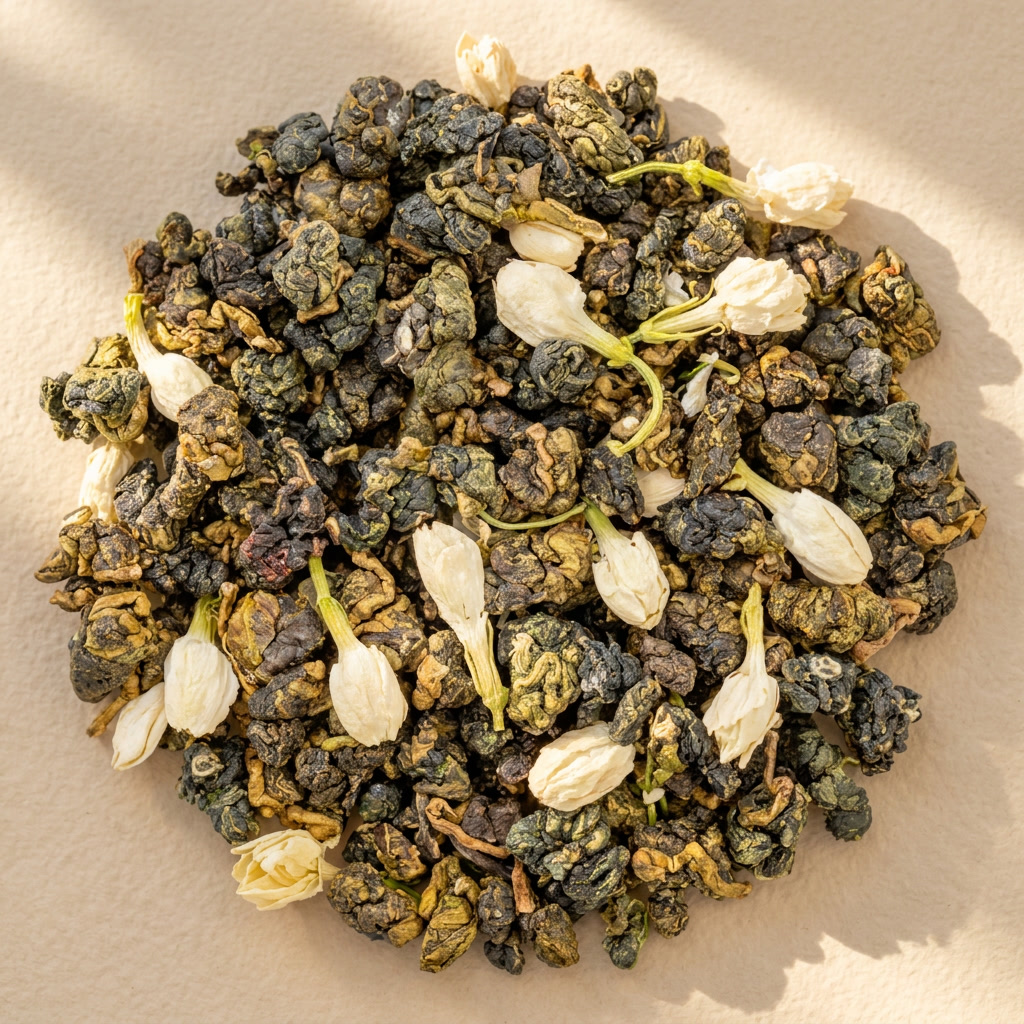
The real treasure is scattered across the dry-goods sections of these local hubs. Unlike the high-pressure environment of a souvenir shop, Ho Chi Minh City tea markets operate on a rhythm of neighborly exchange rather than performance. You are not just a customer; you are a participant in the city’s morning ritual. This guide reveals where to find the genuine aroma of Vietnamese tea, away from the crowds and closer to the heart of local culture.
Why the local market beats the tourist street
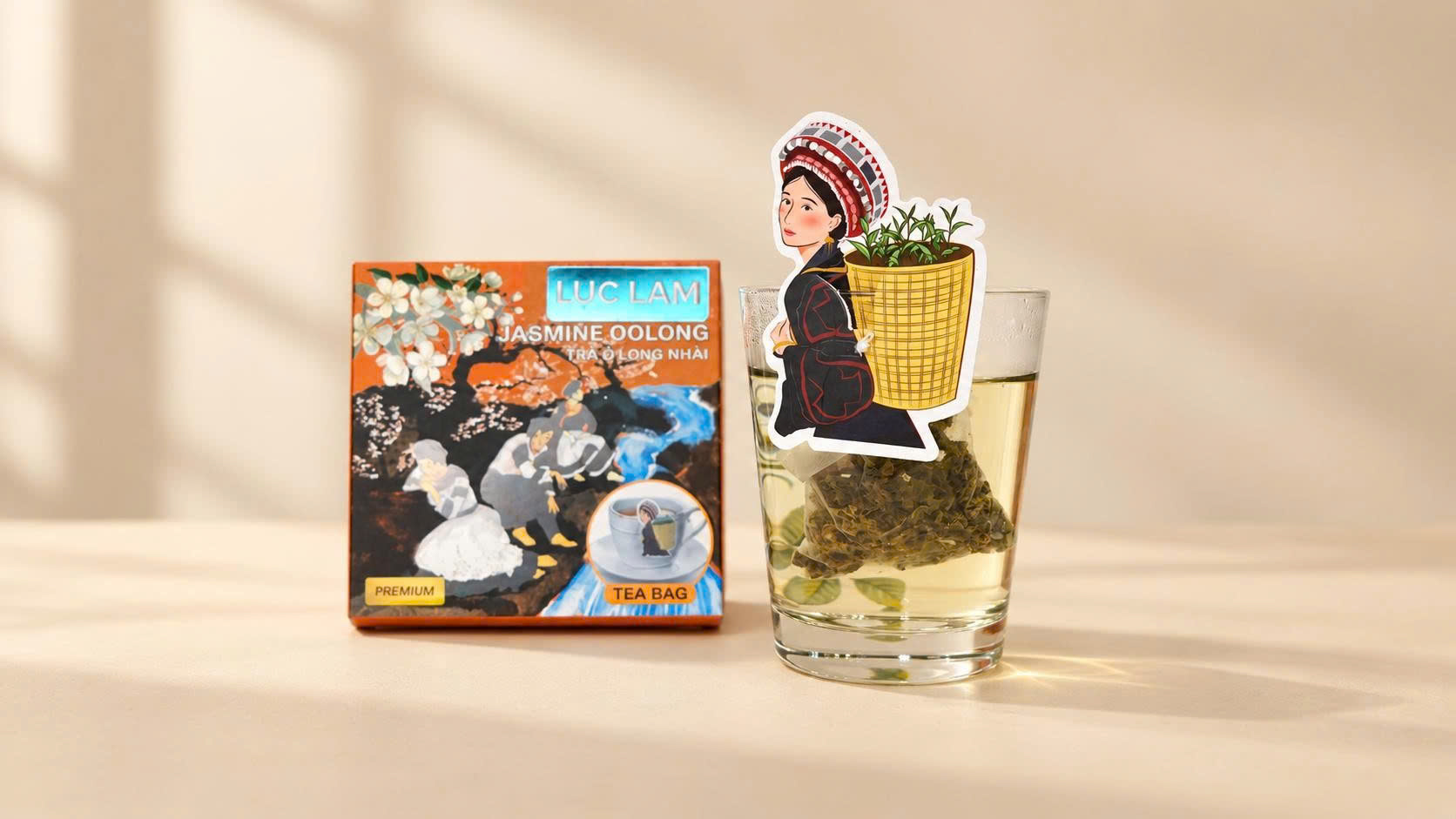
Understanding the difference between a tourist-focused vendor and a local daily-use stall is the key to finding authentic Vietnamese tea. In the center of the city, the shopping environment is often designed for quick transactions and high margins, which can make a slow, sensory-driven search for loose-leaf varieties feel rushed.
The pressure of the tourist corridor
Buying tea in the heart of District 1 or near the famous Cholon tea street in District 5 often means navigating a sales-oriented environment. Vendors in these areas are frequently performing for visitors, leading to higher markups and inconsistent quality. For a traveler who wants to take their time and smell the jasmine notes or the earthy depth of an oolong, this high-pressure atmosphere can be a barrier. The goal of these commercial hubs is volume and speed, not the nuanced experience of tasting and selecting a specific leaf.
The art of unselfconscious shopping
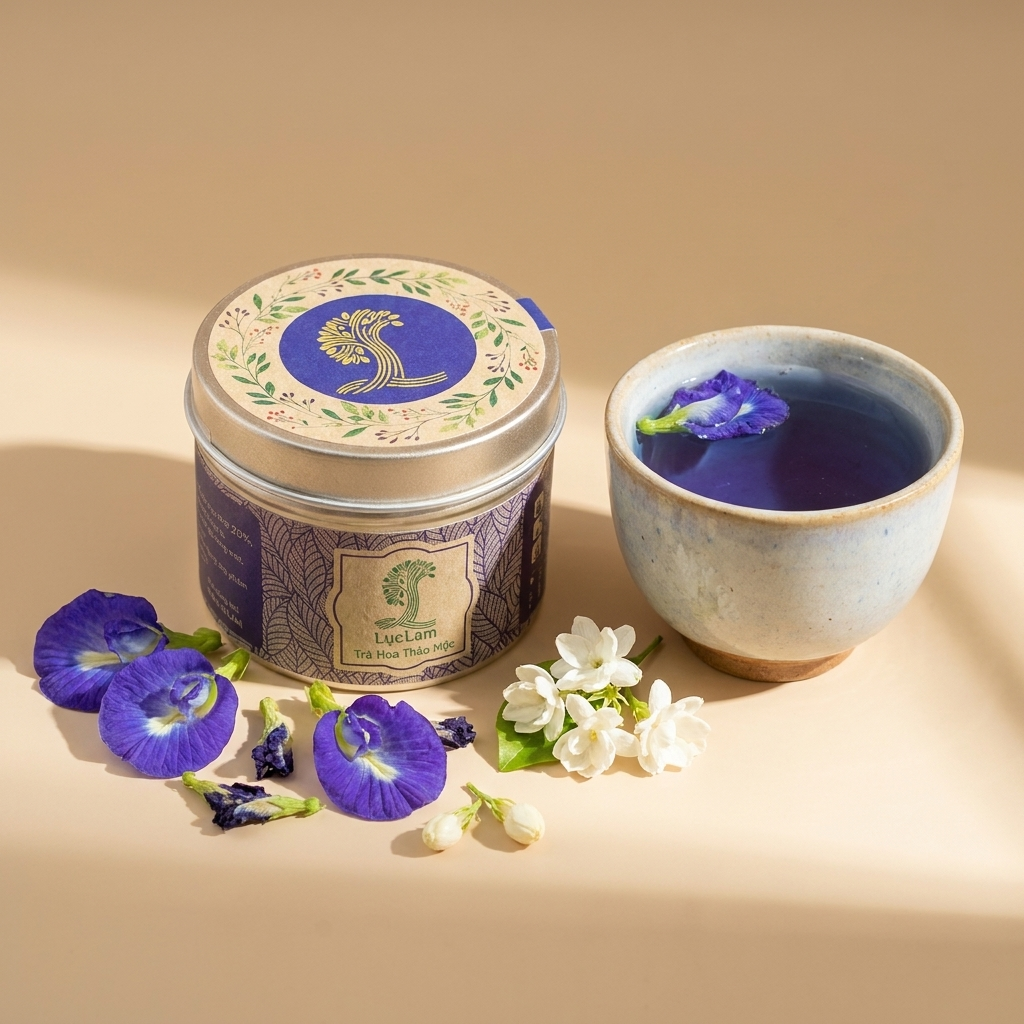
In the inner suburbs like Phú Nhuận or Tân Bình, the dynamic shifts to what can be called unselfconscious shopping. Here, vendors are not performing for tourists; they are serving their neighbors who come in for their weekly staples. This creates a relaxed atmosphere where you can linger at a stall, sample a small amount of tea, and ask questions without feeling like you are in the way. The lack of performance allows for a more genuine interaction with the product, making the search for the perfect cup much more rewarding.
Finding tea among the daily necessities
While iconic spots like Ben Thanh are worth a visit for other souvenirs, the tea selection is often secondary to the sheer volume of fresh produce and household items. To find the real character of these Ho Chi Minh City tea markets, you must look deeper into the dry-goods sections of the local hubs. It is in the quiet corners of these artisan tea shops HCMC-style environments that you can find the most honest and varied selection of local leaves, reflecting the true taste of the city rather than just its most photogenic streets.
Phú Nhuận and Tân Bình: The aroma of jasmine and central heritage
In Trần Hữu Trang Market, the air changes as you step under the high-ceilinged main hall. The structure feels almost cathedral-like, with shafts of natural light cutting through the ceiling to illuminate the sheer volume of dry goods stacked on surrounding shelves. It is here, in the quiet depth of the dry-goods section, that the distinct aromas of jasmine and green tea become most prominent. The scent is not overpowering but pervasive, hanging in the dust-mote-filled light and offering a sensory anchor for anyone trying to buy tea in Saigon. Unlike the crowded tourist zones, this space invites you to stop, smell, and examine the loose-leaf varieties without the pressure of a sales transaction. The vendors here are serving their neighbors, and the atmosphere remains relaxed enough for a careful inspection of the tea leaves.
Walking the perimeter of the market adds another layer to the experience. You will notice the recorded voices of itinerant vendors playing from loudspeakers, announcing prices for various goods as they move through the lanes. This acoustic texture is unique to the local market experience, blending the visual chaos of fresh produce with the mechanical, rhythmic call-and-response of the city’s commerce. It is a sensory detail that distinguishes a true local hub from a polished retail space.
Central Heritage in Tân Bình
A short trip to Tân Bình District brings you to Bà Hoa Market on Quảng Hiền street. This location has a distinct historical character, having originated as a hub for central Vietnamese migrants who relocated to Saigon during the war. That history is still visible in the food and drink culture of the district. The market reflects the culinary preferences of this community, offering a different perspective from the northern or southern styles found elsewhere in the city.
Inside, you can find specific regional specialties such as chè Huế and local coffee drinks that cater to this central Vietnamese palate. The distinct accents of the vendors create a cultural atmosphere that feels separate from the rest of the metro area. For a traveler interested in the nuanced differences in Vietnamese tea culture, this shift in dialect and product selection provides a richer, more authentic glimpse into the city’s layered identity. It is a place where the act of buying tea is also an act of cultural engagement, connecting the present to the history of the district.
Gò Vấp, Bình Thạnh, and District 4: The rhythm of the city’s edges
The further you drift from the central business district, the more the chợ (market) sheds its formal structure and embraces a chaotic, organic energy. This shift is most palpable in Gò Vấp District, where the layout of Nguyễn Văn Nghi street feels less like a commercial hub and more like a bustling countryside bazaar. Here, stalls often spill out of the covered structures, spreading their wares under colorful umbrellas directly onto the narrow alleyways. This creates a vibrant visual tapestry where bolts of bright fabric, trays of fresh fish, and piles of dry goods intersect in a whirlwind of movement. The atmosphere is unpolished and loud, offering a raw glimpse of the daily commerce that fuels the inner suburbs of Ho Chi Minh City.
Herbal remedies and wellness
If your goal is to buy tea in Saigon for personal wellness rather than as a polished gift, the deeper sections of Gò Vấp are worth exploring. Beyond the primary rows of vegetables and meat, you will find specialized stalls dedicated to traditional herbal infusions and medicinal roots. These vendors stock a wide variety of dried herbs, flowering buds, and root slices used in Vietnamese folk medicine. It is a practical place to source ingredients for daily teas or to find unique, non-commercialized botanical blends that are difficult to locate in the more curated shops of the city center.
The expat contrast in Bình Thạnh
Moving west to Bình Thạnh, the market experience takes on a different cultural texture. Located on Phan Văn Hân street, Thị Nghè Market is situated near the district’s lively nightlife and expatriate community. This proximity creates a unique juxtaposition: just a short walk from the trendy cafes and bars of the “expat” zone, you find a market hall dating from the early 1990s, serving the enduring local population. The environment remains grounded in traditional commerce, providing a steady rhythm of local life amidst the district’s modernizing edges.
Early mornings in District 4
Finally, in District 4, the Xóm Chiếu Market on Đinh Lễ street is best experienced before the city wakes fully. While the market is famous for its massive section of cooked food and seafood, the early morning hours (between 5:00 AM and 10:00 AM) reveal the fresh produce trade that supports the city’s culinary scene. For a visitor on a tea walking tour of the city’s edges, these early hours offer a quieter, more organized window into the local supply chain before the bustling lunch rush takes over the surrounding streets.
How to walk a tea market: Timing, interaction, and the food pause
The most rewarding experience in any Ho Chi Minh City tea market happens in the early hours. Between 5:00 AM and 10:00 AM, the produce is at its freshest, and the crowds are organized enough to move through the aisles without feeling overwhelmed. Arriving after 10:00 AM often means dealing with a thinning selection of high-quality loose-leaf varieties and a shift in atmosphere that moves away from the calm, daily rhythm of the neighborhood.
The One-Hour Rule and the Food Pause
To make the most of your visit, apply the 1 hour + 30 minutes rule. Spend the first hour wandering through the dry-goods sections, where the bulk of the tea and herbal specialties are located. This allows enough time to smell, inspect, and ask questions without feeling rushed. Once you have browsed the dry aisles, transition to the adjacent cooked-food section for a 30-minute pause. A bowl of noodles or a strong coffee provides a necessary break and a chance to observe how locals consume their daily staples. This pause keeps the experience sensory and human, rather than purely transactional.
Navigating Vendors and Language
Interaction with vendors in these local hubs is generally friendly and direct. While bargaining is a common practice for fresh produce like fruits and vegetables, it is often less necessary or even out of place for specialty dried goods like high-quality tea bags or loose-leaf sets. In these sections, prices are typically more fixed because the products are curated or specialized.
If you are facing a language barrier when seeking specific types of tea, such as oolong, rose bud, or chamomile, keep your communication simple. You do not need long explanations to make your purchase. Using basic Vietnamese terms for the tea type or, more effectively, simply pointing to the specific item on the shelf is the most efficient way to communicate. This approach avoids misunderstandings and keeps the interaction quick and respectful. Trust the vendor’s selection in these early morning hours; they are serving their neighbors, and their inventory reflects what the local community actually buys and enjoys daily.
Questions about finding and tasting Vietnamese tea in Saigon
Visitors to Ho Chi Minh City tea markets often have specific concerns before stepping into the aisles. Here are the most common ones, answered with practical clarity.
Can I find high-end, packaged Vietnamese tea in local markets?
Yes, you can find quality loose-leaf and bagged tea in the dry-goods sections of major markets like Trần Hữu Trang or Bàn Cờ. However, the selection tends to focus on everyday household brands and bulk staples. If you are looking for refined packaging, premium gift sets, or specific artisan varieties designed for corporate or family gifting, a dedicated specialist shop will offer a more curated and reliable selection. For a personal treat, the market is excellent; for a polished gift, look for a specialist.
What is the difference between market tea and specialty tea house tea?
Market tea is typically sold in larger quantities, often in simple local packaging or bulk bags, reflecting its role as a daily staple. A specialty shop, by contrast, focuses on presentation and variety, offering individually packed selections with refined labels. The former is about volume and value; the latter is about aesthetic detail and specific tasting notes, making it better suited for those who want to understand the nuances of a particular blend.
Is it safe to drink iced tea or herbal infusions in the market?
The cooked-food sections of these markets are where locals eat every day, so the hygiene standards for the general public are high. When choosing a spot for an iced tea or a hot herbal infusion, look for high turnover and a clean water source. Vendors with a steady stream of customers are generally a safe bet, as their supply chain is active and their water is replaced frequently throughout the day.
Which district is most accessible for a short stay in District 1?
If you are staying in the city center, Bàn Cờ in District 3 or Tân Định in District 1 offer the closest experience to the local market rhythm. Both are a short walk or ride from the core and capture the authentic “chessboard” layout of traditional trading lanes. For a deeper, more immersive atmosphere where the focus is purely on daily life rather than tourism, the outer suburbs like Phú Nhuận or Gò Vấp provide the most unselfconscious environment, though they require a bit more travel time.
Walking through the inner districts of Ho Chi Minh City transforms a simple errand into a sensory journey, where the hum of motorbikes fades into the quiet, aromatic hush of a local market hall. This experience is less about a transaction and more about finding a moment of genuine calm amidst the city’s relentless energy. The texture of these spaces offers a rare glimpse into the daily rhythms of Saigon, away from the performance of tourist-centric zones. If your goal is to bring home a meaningful souvenir for family or business partners, consider stopping by a dedicated Vietnamese tea specialist to find refined packaging and a wider variety of high-quality selections. This ensures your choice is perfectly suited to the recipient, whether it is a thoughtful gesture for a colleague or a premium set for a business partner, making the gift as memorable as the experience that preceded it.
