On This Page· 5
You step out of a busy souvenir shop, clutching a plastic keychain and a mass-produced T-shirt, only to pause. You look back at the line of identical trinkets and feel a hollow sense of disappointment. That small object won’t carry the weight of your time in Vietnam, nor will it convey the deep respect you wish to show your host. Most travelers face this exact moment: they want to buy something meaningful, but the options at the hotel’s souvenir stand feel generic and distant from local life.
This is where finding authentic Vietnamese gifts becomes essential. Instead of settling for items that feel like they belong in an airport duty-free store, you need to look for objects that reflect daily routines, regional heritage, and genuine craftsmanship. A thoughtful gift is not just an object; it is a bridge that connects your experience to their identity. When you present a high-quality item, you signal that you took the time to understand what your Vietnamese friends or colleagues actually value in their own home.
This guide moves beyond the typical tourist traps to show you what locals genuinely appreciate. We will explore refined tea and coffee from specific regions, functional handicrafts that serve a real purpose, and cultural items like ceramics and rice wine that hold ceremonial weight. By the end of this article, you will have a clear roadmap for selecting Vietnam gift ideas that are personal, culturally appropriate, and memorable. We will also address the proper etiquette for handing these gifts over, ensuring your gesture lands with the sincerity it deserves. Whether you are shopping in Ho Chi Minh City or planning a trip to Da Nang, these suggestions help you choose a gift that your recipient will truly cherish.
Tea and Coffee: The Heart of Vietnamese Gifting
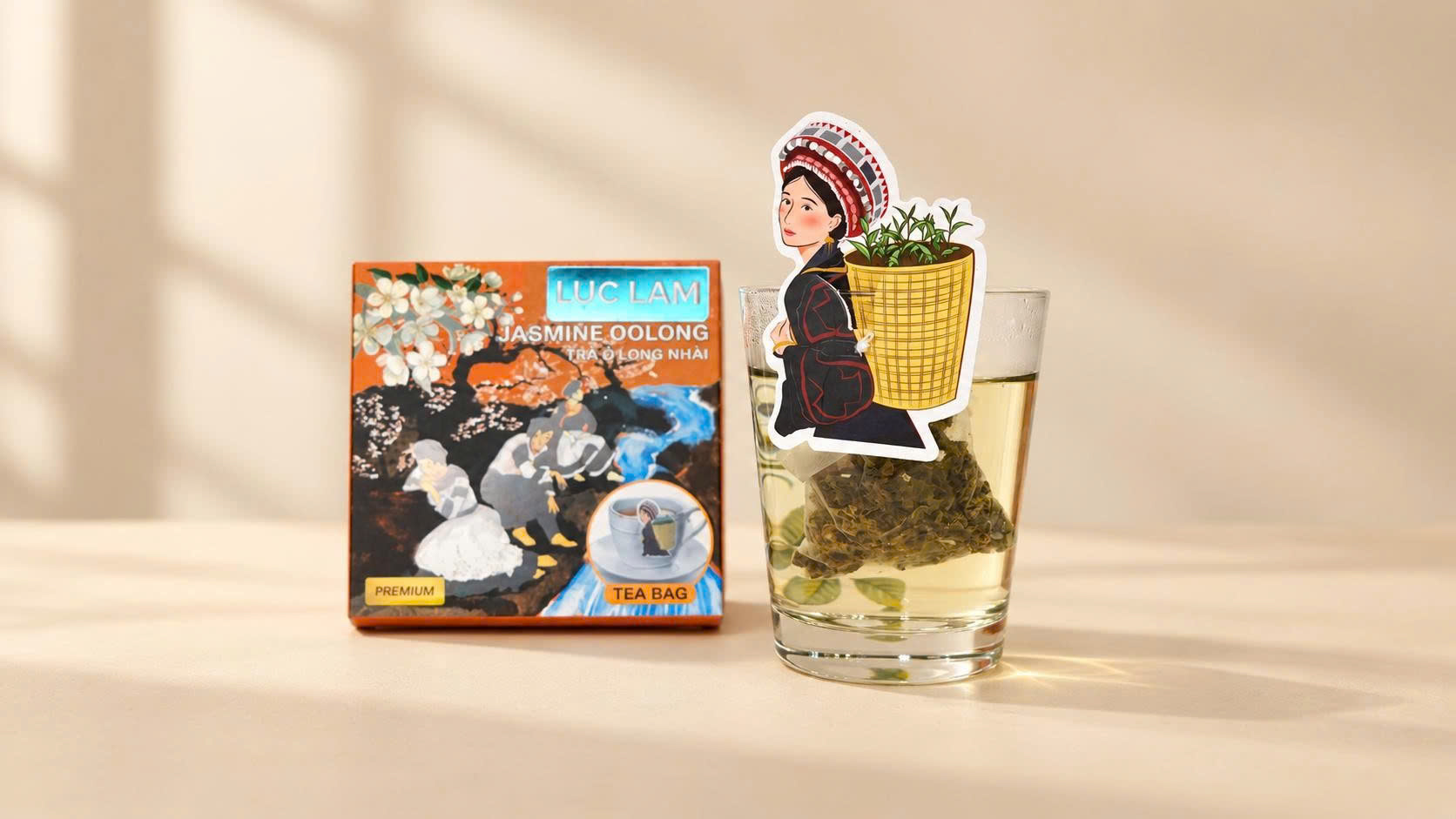
In Vietnam, offering tea is less about the beverage and more about the relationship. It is a gesture of respect that signals you value the recipient’s comfort and cultural identity. For many travelers, this makes tea the most intuitive entry point into finding authentic Vietnamese gifts that feel personal rather than generic.
The Cultural Weight of Trà
Vietnamese people feel a deep sense of pride when a foreigner chooses local products over imported alternatives. Reciprocity is a cornerstone of relationships in the region, serving as a symbolic expression of gratitude. When you present a high-quality tea, you are not just handing over a box; you are acknowledging a ritual that is central to daily life, from morning meetings to family reunions. This cultural alignment often matters more than the price tag, as the motive behind the gift is perceived as a sign of sincerity.
Moving Beyond the Tourist Shop
While green tea from Thai Nguyen is considered the gold standard by many locals, premium options from specific origins offer a more unique story for gifting. Consider these non-touristy choices that reflect terroir and tradition:
- Lotus Tea from West Lake (Hanoi): This tea is hand-scented with lotus petals during the night, creating a subtle, floral aroma that captures the essence of Hanoi’s most famous landmark. The process is delicate, and the resulting tea carries a sense of place that mass-produced blends lack.
- Ancient Tree Tea from Ha Giang: Sourced from centuries-old trees growing in the mineral-rich soil of the northern highlands, this tea offers a robust, complex flavor profile. It is a rare find that appeals to those who appreciate depth and character in their drink.
- High-Altitude Arabica from Cau Dat (Da Lat): For coffee lovers, this is a standout option. Grown at high elevations, the Arabica beans from Cau Dat provide a wine-like complexity that stands in contrast to the bolder Robusta varieties often found in tourist areas.
Why These Choices Resonate Locally
What makes these items powerful as gifts is their exclusivity. Many of these teas and coffees are premium products that locals do not regularly purchase for their own daily consumption. By giving something special, you elevate the gesture. It transforms a standard thank-you into a memorable token of appreciation, showing that you have invested time in understanding what is truly valued in Vietnamese culture.
A Convenient Option for Travelers
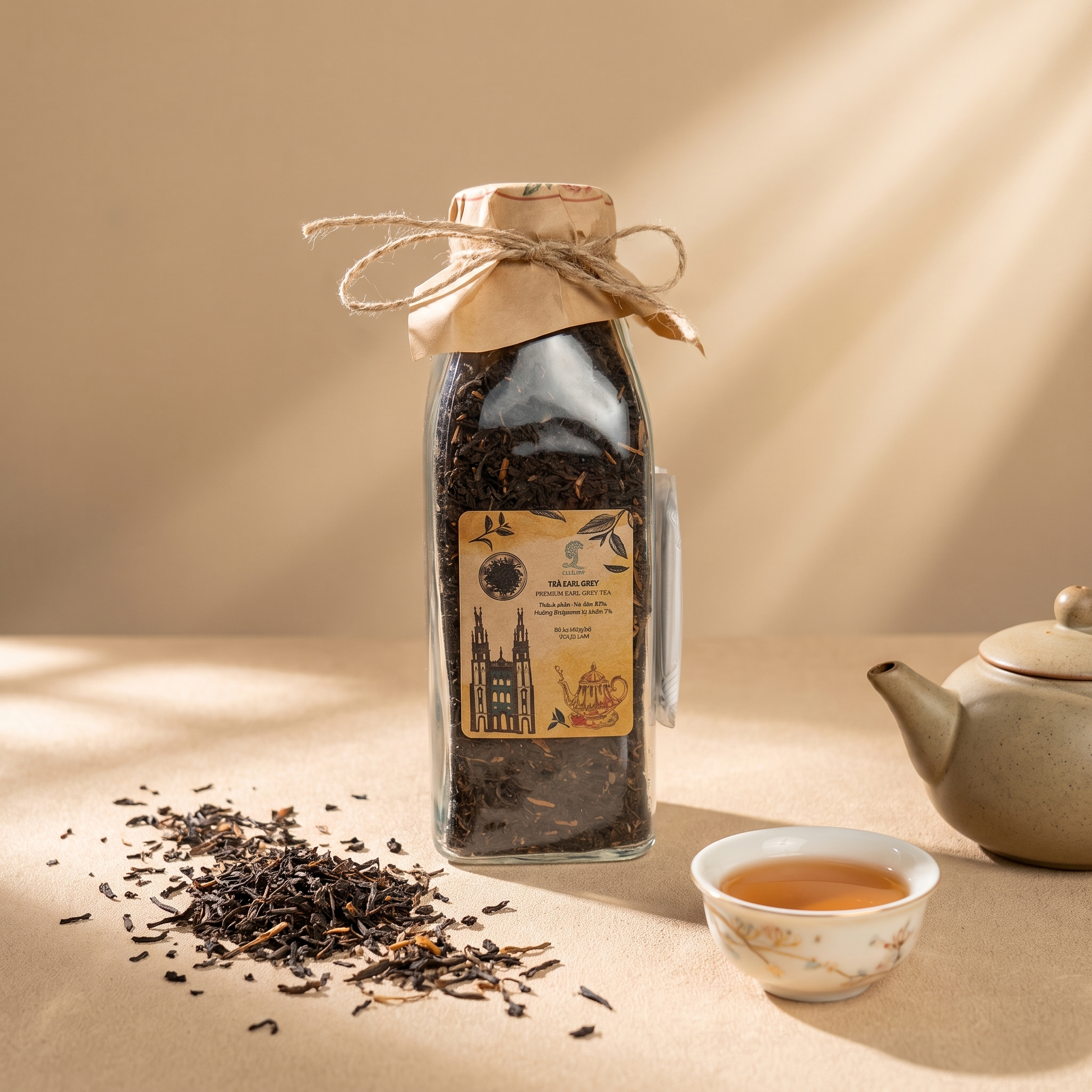
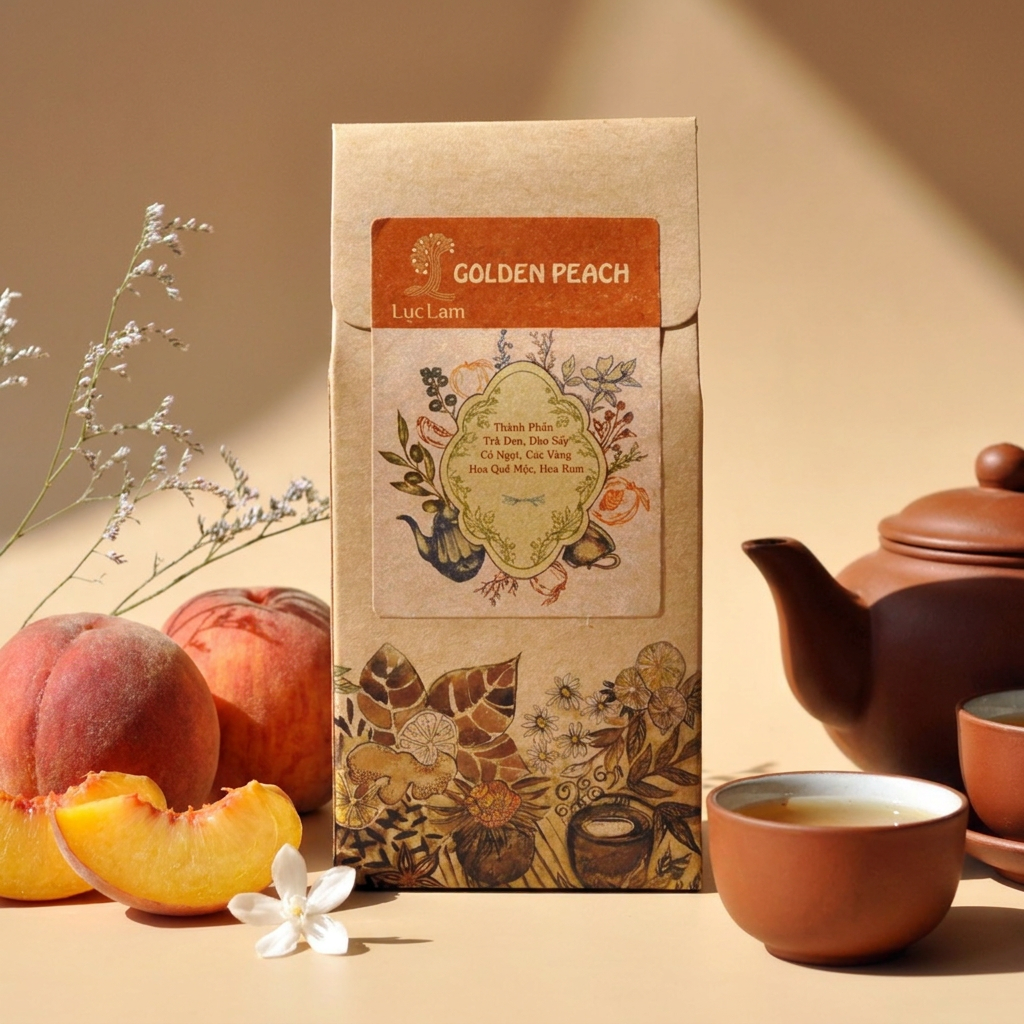
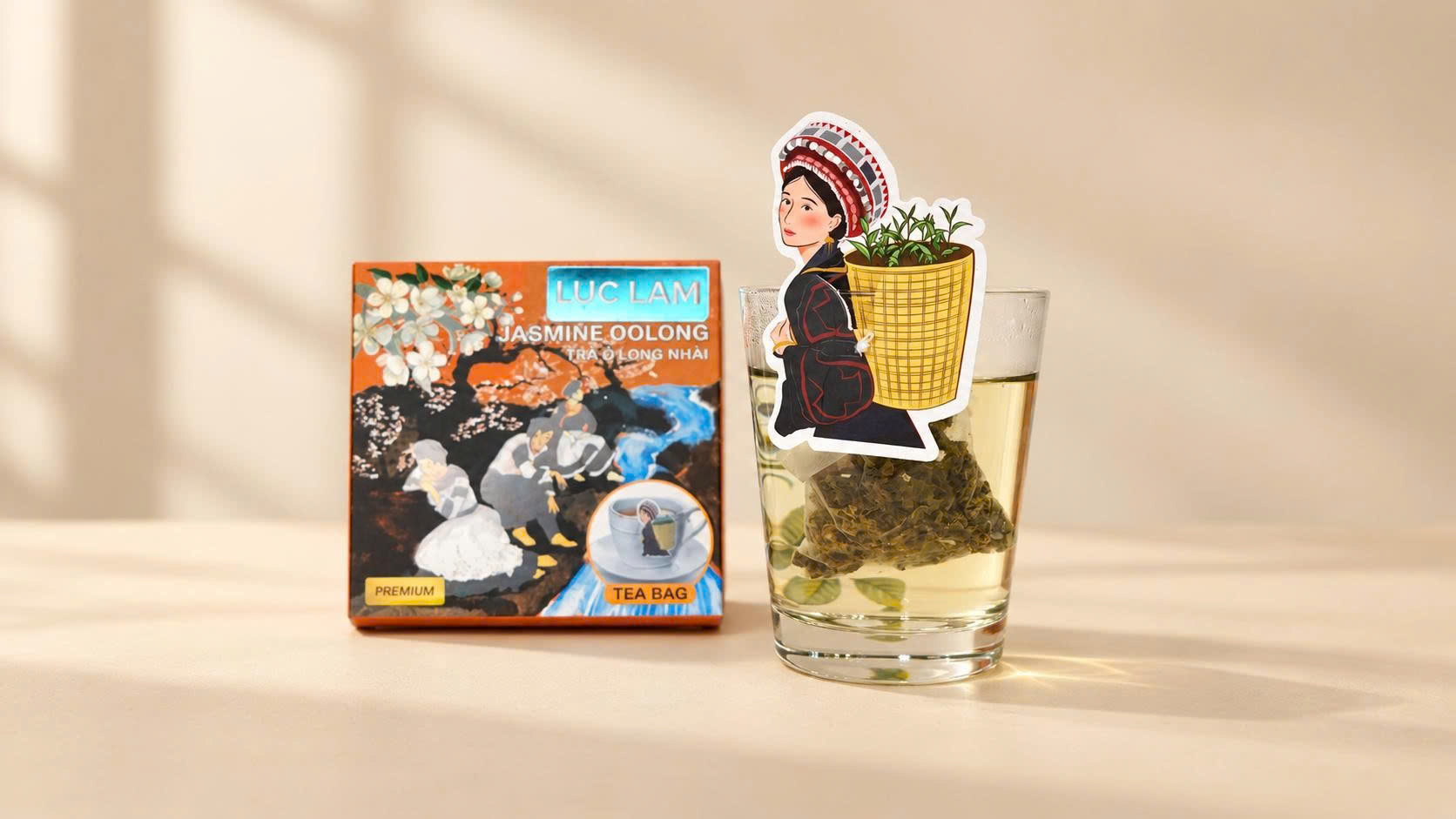
If you are in Ho Chi Minh City or Da Nang and want a refined, ready-to-gift option without the hassle of hunting for individual loose-leaf bags, Lục Lam offers artisanal herbal teas and signature coffee in elegant packaging. Their curated selection includes high-quality flower and herbal teas, as well as roasted Vietnamese coffee, all presented in a way that is suitable for gifting to family, friends, or business partners. This approach ensures the gift looks polished and feels thoughtful, making it an easy choice for travelers who value both quality and presentation.
Regional Delicacies and Functional Handicrafts
When you share food from a specific region, you are not just offering a snack; you are sharing a piece of your journey. In Vietnamese culture, a “travel story” gift carries emotional weight that generic tourist items never can. A box of treats from a distant province triggers nostalgia, often evoking childhood memories of family gatherings or specific regional holidays. This makes regional delicacies powerful authentic Vietnamese gifts because they validate the recipient’s heritage while connecting it to your personal experience.
Hue’s Sesame Candies are a classic example of this refinement. Rather than being a simple sweet, they are a labor-intensive treat where roasted sesame is bound with honey and shaped into neat blocks. Similarly, Rolled Banana Candy from Ben Tre transforms a humble fruit into a crispy, golden cylinder that feels premium and easy to share among colleagues or family. These items are chosen by locals as thoughtful non-touristy Vietnamese gifts because they are edible, region-specific, and tied to the identity of the place they come from.
From Edible Treasures to Daily Utility
Beyond food, the most appreciated local Vietnamese souvenirs are those that serve a practical purpose. Vietnamese craftsmanship values harmony with nature, leading to the creation of functional handicrafts from sustainable materials like bamboo, coconut, and rattan.
A bamboo tray or a coconut wood bowl is not a decorative object meant to gather dust on a shelf. These are items designed to be used in daily life. When a host serves tea from a coconut bowl or organizes household items on a bamboo tray, the gift becomes an active participant in their home. This utility distinguishes these items from mass-produced trinkets, ensuring the giver remains in the recipient’s mind every time the object is used. Such functional gifts locals buy reflect a deeper understanding of Vietnamese values, where practicality and aesthetic beauty coexist without conflict. By choosing items that blend traditional material with modern utility, you offer a gift that respects both the past and the present.
Why Functionality Matters to Locals
Locals often reject purely decorative souvenirs because they signal a lack of engagement with local lifestyle. A functional item proves that the giver understands that Vietnamese homes are spaces of activity, not just display. Whether it is a handwoven rattan basket for carrying groceries or a set of bamboo utensils for cooking, these gifts support the daily rhythm of the household. This focus on utility is why these specific Vietnam gift ideas rank highly with local recipients. They are not just objects; they are tools that honor the recipient’s way of living.
Ceramics, Rice Wine, and Modern Creative Gifts
When searching for non-touristy Vietnamese gifts, turn your attention to objects that anchor a household rather than just decorate a shelf. Bat Trang, a recognized center for traditional Vietnamese ceramics, produces pottery that serves both aesthetic and ceremonial roles in the home. Unlike fragile trinkets, these pieces are designed for daily use or long-term display, reflecting a deep connection to craftsmanship. A tea set made with premium Bat Trang ceramics, such as the Ocean Blue Fire-Glazed Conical Ceramic Tea Set, offers a sophisticated option that balances visual elegance with practical function. The intricate glazing techniques used here are specific to the region, making each piece a distinct representation of local artistry rather than a mass-produced import.
The Ritual of Rice Wine
Rice wine, known locally as Rượu Việt, holds a place of honor in Vietnamese social and spiritual life. It is a staple for ancestral offerings and festive meals, symbolizing continuity and respect for past generations. Even if the recipient does not personally consume alcohol, presenting a bottle of traditional rice wine is a gesture that acknowledges their cultural heritage. This makes it a suitable choice for older relatives or business partners who value tradition. The act of sharing or offering this beverage is rooted in the idea of reciprocity, a cornerstone of Vietnamese social relationships. By choosing this item, you demonstrate an understanding of rituals that go beyond surface-level tourism.
Contemporary Designs with Traditional Roots
For a more modern approach, consider souvenirs that blend traditional motifs with contemporary design. These items often feature architectural interpretations or brocade-patterned figurines that capture the essence of Vietnam in a fresh, artistic way. Such pieces bridge the gap between classic heritage and modern aesthetics, appealing to recipients who appreciate design sensibility alongside cultural depth. They serve as excellent conversation starters and display pieces that feel personal and thoughtful. When selecting these items, look for pieces that highlight specific Vietnamese stories or symbols, ensuring the gift feels tailored rather than generic. This blend of old and new ensures the recipient sees not just a souvenir, but a curated piece of Vietnamese life.
Gifts to Avoid and Vietnamese Etiquette
Choosing non-touristy Vietnamese gifts is less about price and more about cultural resonance. A generic keychain or a plastic incense stick often signals a lack of cultural understanding rather than just poor taste. Vietnamese people feel tremendous pride when foreigners choose authentic Vietnamese gifts for locals over imported alternatives. The focus shifts to what is locally valued and used daily, avoiding items that feel mass-produced or purely decorative.
What to Skip: The Tourist Trap List
Mass-produced items are the most common mistake for travelers. If you see it in every souvenir shop within a five-minute radius of a major landmark, it is likely a tourist trap. Avoid generic keychains, clichéd T-shirts with landmark photos, and cheap plastic items labeled as “traditional.” These items often lack quality and do not carry the weight of a meaningful gesture. Instead, look for local Vietnamese souvenirs that reflect specific regional origins, such as hand-woven bamboo or specific regional teas, which demonstrate a deeper engagement with the culture.
| Tourist Trap Item | Authentic Local Pick | Why It Matters |
|---|---|---|
| Generic Metal Keychain | Regional Sesame Candies (Hue) | Shows knowledge of local specialties and offers a shareable, edible experience. |
| Clichéd “Vietnam” T-Shirt | Bat Trang Ceramic Mug | Functional, high-quality, and rooted in a recognized ceramic center. |
| Plastic “Traditional” Decor | Coconut Wood Bowl Set | Represents harmony with nature and is used in daily life, not just display. |
| Cheap Mass-Produced Incense | Hand-Scented Lotus Tea | Reflects a specific, labor-intensive tradition tied to West Lake, Hanoi. |
The Art of Presentation
How you give a gift is just as important as what you give. In Vietnamese culture, the motives and feelings of the gift givers are more important than the economic value of the gift. Always present your gift using both hands. This simple gesture is a sign of respect and sincerity, acknowledging the value of the relationship. Using only one hand can be perceived as casual or disrespectful, undermining the thought behind the authentic Vietnamese gifts you have selected.
Opening Protocol: Patience is Key
Do not expect the recipient to open the gift immediately in your presence. Vietnamese custom often involves private appreciation. It is common for the recipient to accept the gift graciously and open it later, perhaps after you have left or during a more private family moment. This is not a sign of disinterest; it is a cultural norm that emphasizes modesty and personal reflection. If they do not open it, do not prompt them to. Let the moment rest, and let the gift speak to the relationship you share.
By avoiding these common pitfalls and respecting these etiquette norms, your gesture will land with the intended weight. The goal is not just to hand over an object, but to connect through a shared appreciation for local culture and craftsmanship.
Frequently Asked Questions About Vietnamese Gifts
Why Local Picks Resonate
Is it appropriate to give Vietnamese gifts to Vietnamese people? Yes. Choosing authentic Vietnamese gifts over imported alternatives signals deep cultural respect. Vietnamese recipients feel tremendous pride when you validate their heritage. This gesture works because Vietnamese social relationships rely on reciprocity; a thoughtful gift becomes a symbolic expression of gratitude and respect rather than just an exchange of objects.
Choosing for Professional Relationships
What is the most appreciated gift for a Vietnamese boss? Refined tea or coffee sets in elegant packaging are ideal. These items balance professionalism with personal thoughtfulness. For example, a curated box of high-altitude arabica from Cau Dat offers wine-like complexity without being overly casual. If your boss appreciates traditional aesthetics, a set featuring Bat Trang ceramics can elevate the gift’s ceremonial value. The key is selecting items that suggest you took time to understand local standards of quality.
Finding Quality in Ho Chi Minh City
Where can I find authentic gifts in Ho Chi Minh City? Visit local artisan workshops for handmade items like bamboo or rattan. For verified quality and refined packaging, reputable curated stores are a safer choice. Lục Lam Vietnam Tea, for instance, offers a variety of options including artisanal herbal tea and signature coffee. Their presentation is designed specifically for gifting, ensuring your recipient receives a product that looks as considered as it tastes. You can also explore platforms that curate handcrafted products from verified Vietnamese artisans to ensure authenticity.
Budgeting for Colleagues
How much should you spend on a gift for a local colleague? Price matters less than thoughtfulness. In Vietnamese culture, the motives and feelings of the gift giver are more important than the economic value of the item. A moderate budget for a high-quality, local item is often more effective than an expensive imported one. For example, a box of regional delicacies like sesame candies from Hue or rolled banana candy from Ben Tre serves as a refined, shareable treat. These local Vietnamese souvenirs evoke childhood memories and personal connection, making them meaningful regardless of their price tag. Remember to present the gift with both hands, as this shows sincerity, and be prepared for the recipient to open it privately later.
The most meaningful Vietnamese gifts are not those found in the first souvenir shop you pass, but those that mirror the rhythms of daily life and the pride of the regions they come from. Whether it is a tin of hand-scented tea from the West Lake or a bamboo tray that has served a family for years, these items carry a narrative that transcends material value. Vietnamese culture places a premium on sincerity and thoughtfulness; a gift that respects this heritage often speaks louder than a more expensive imported alternative. By choosing items that locals genuinely use and value, you bridge the gap between observer and guest, showing that you have taken the time to understand the nuances of the culture you are visiting.
If you are looking for a reliable source to navigate these options without the stress of vetting every vendor, consider stopping by Lục Lam in Ho Chi Minh City or Da Nang. Their curated selection of artisanal teas and signature coffees, presented in refined packaging, offers a straightforward way to find a gift that feels personal and culturally appropriate. Whether you are shopping for a business partner or a close friend, the focus remains on the story behind the item, making the gifting experience as enjoyable as the gift itself. As you prepare to leave, remember that the intention behind your choice is what will be most remembered.