On This Page· 5
Most corporate gifting guides point to Oolong as the default sophisticated choice for an executive. A closer look at the tea shelf, however, reveals a quieter, more telling signal. The common assumption is that a dark, heavily oxidized leaf equates to high status. In reality, the most discerning givers often skip the loud profile of Oolong tea gifts in favor of something that signals restraint. White tea, with its minimal processing and delicate character, communicates a deeper level of curation than a standard luxury tea set ever could. This is especially true when the recipient is a Chief Financial Officer (CFO), a role defined by precision and subtlety rather than volume.
Choosing an executive tea gift is less about the price tag and more about the story the packaging and leaf tell. A generic box of blended leaves feels safe but forgettable. A single-origin selection, chosen for its specific origin and whole-leaf integrity, suggests that you understood the recipient’s preference for quality over quantity. This approach transforms a simple corporate gift into a personal statement of respect. The goal is not to impress with bulk, but to connect through specificity.
This guide explains why the understated nature of white tea outperforms the traditional Oolong narrative. It also shows how to apply this refined standard to a premium Vietnamese tea, ensuring your gift feels both globally aware and locally distinct. You will learn how to identify the markers of true quality and how to present them in a way that feels effortless yet deeply considered.
What distinguishes a premium executive tea gift from a generic set
Many corporate tea gifts fail because they look like a product catalog rather than a considered choice. An executive tea gift signals respect not through volume or price, but through specific knowledge. The difference between a generic set and a premium selection comes down to three non-negotiable elements: leaf integrity, specific origin, and restrained presentation.
The Premium Triad: Leaf, Origin, and Restraint
Whole-leaf integrity is the first indicator of quality. Broken leaves, dust, or fannings release flavor quickly but lack depth and nuance. A high-grade selection features whole, intact leaves that unfold in the cup, offering a fresher and more complex sipping experience. This physical quality is the first thing a discerning drinker checks.
Second is the named single-origin variety. A generic box containing a mix of unidentified teas is the hallmark of a mass-produced luxury tea set that has not been curated for a specific recipient. A premium choice identifies a specific variety, such as Silver Needle or Big Red Robe, allowing the recipient to identify the source and the craft involved.
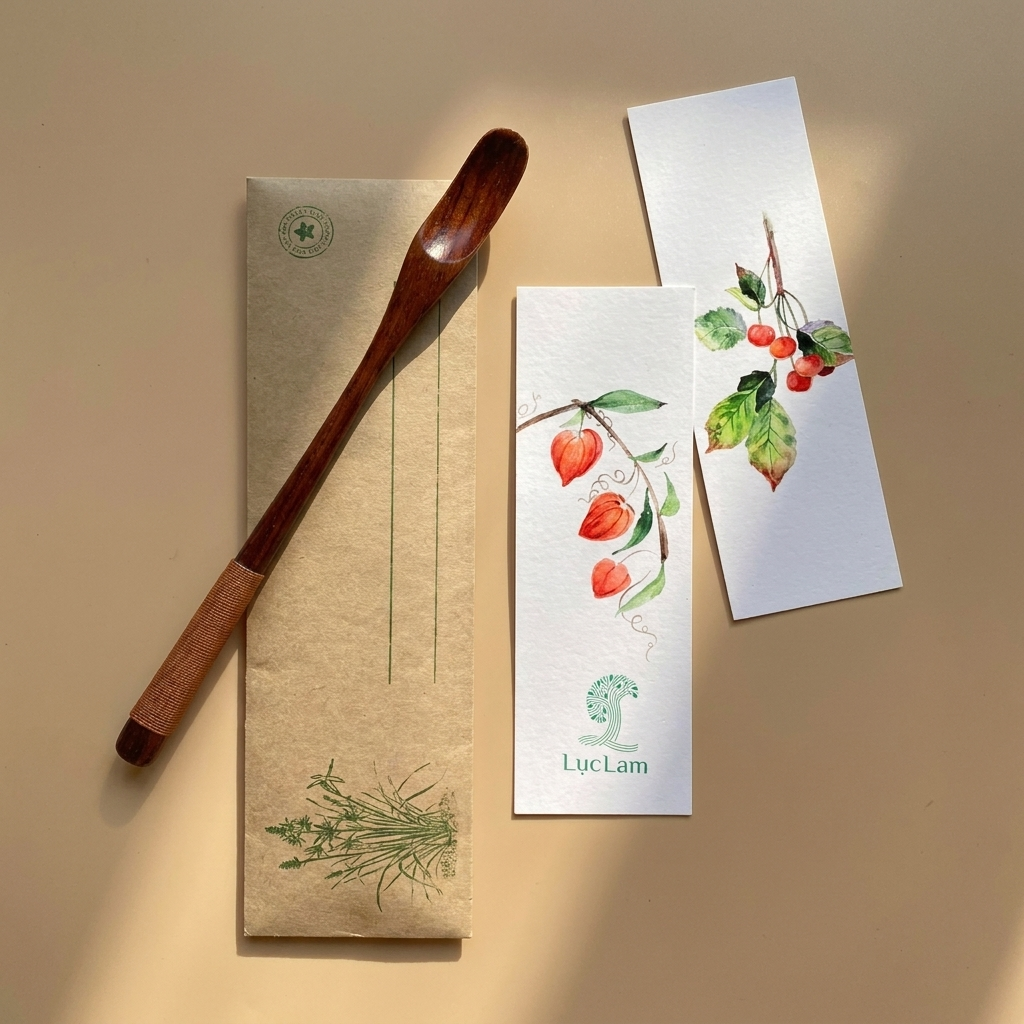
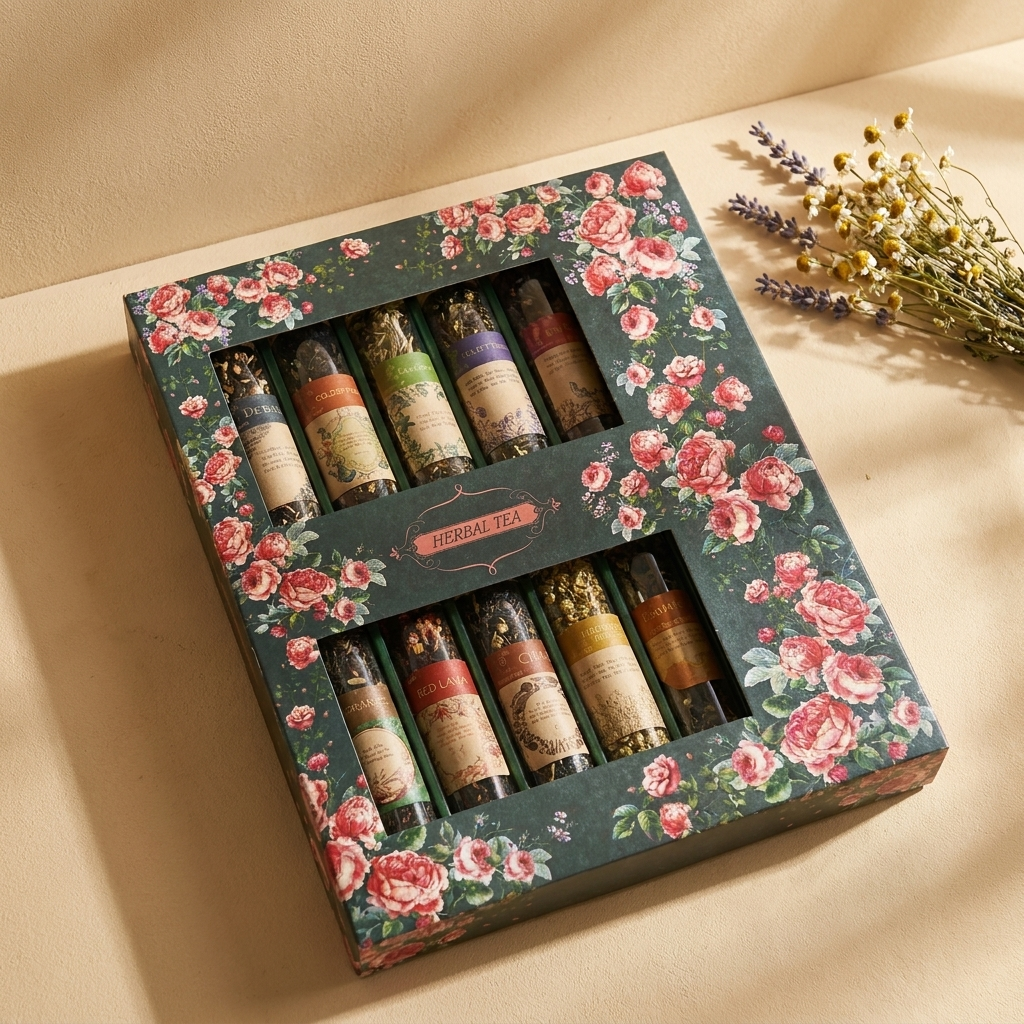
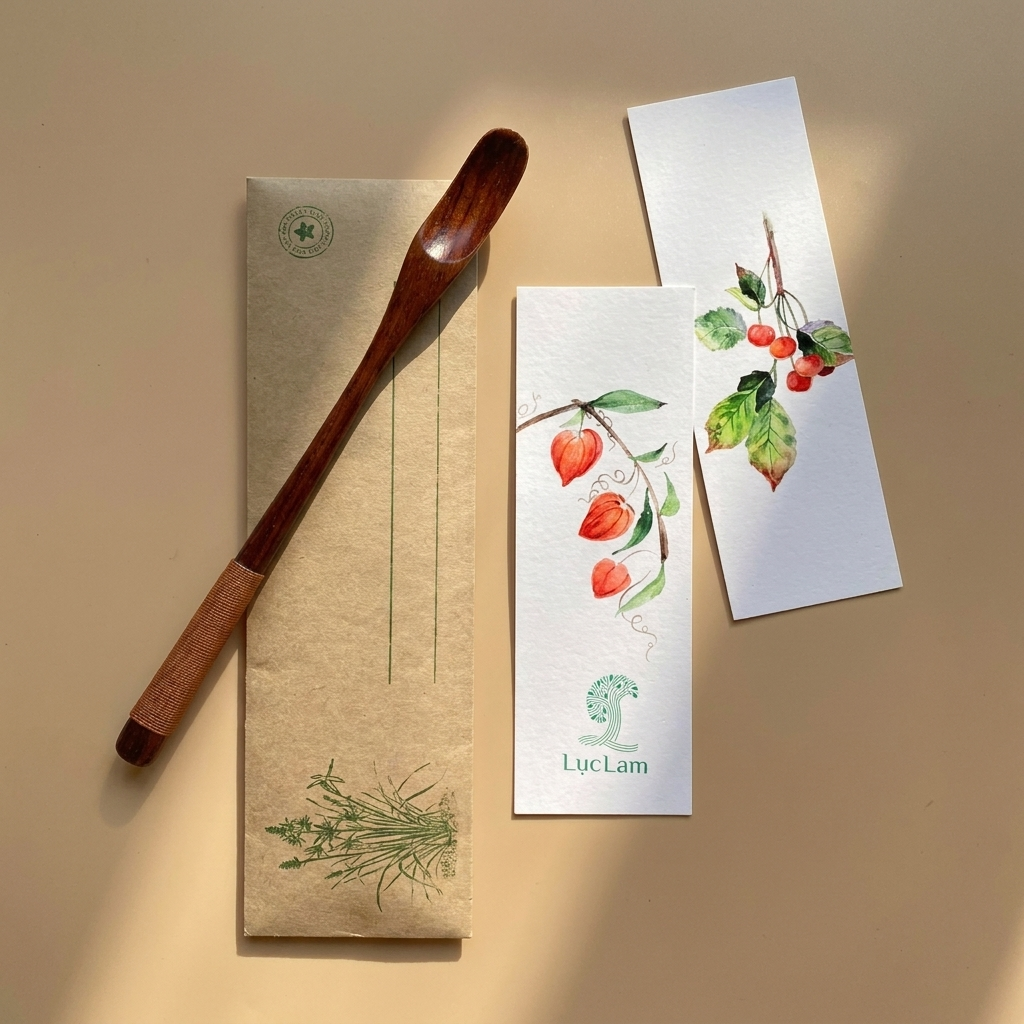
Finally, presentation must be refined, not overpackaged. Corporate tea gifts often suffer from excess gold leaf and cluttered designs that feel overly commercial. Refined packaging supports the product without competing with it. For example, the Signature Gift Collection at Lục Lam uses clean, professional design to convey value without relying on flashy, temporary decorations.
Discernment Over Volume
For a CFO or senior executive, luxury is perceived through discernment, not quantity. A large, mixed box of generic teas feels like a stocking stuffer. A smaller, high-quality set containing a single, rare variety signals that you took the time to research their taste.
Executives receive many “safe” gifts—wine, chocolates, generic gift cards. A choice that requires specific knowledge to select, such as a high-grade white tea or a specific regional green, breaks this pattern. It tells the recipient that you value specific, high-quality experiences and chose this item specifically for them.
This approach shifts the gift from a transactional item to a personal token of respect. It demonstrates that you understand the recipient’s status and taste, which is far more valuable than any price tag on the box.
Why white tea is the underused choice for a CFO
When selecting an executive tea gift, the instinct often points toward Oolong tea gifts because of their complex, roasted profiles. However, this default choice misses a subtle nuance in the hierarchy of tea connoisseurship. White tea is the “quiet luxury” of the tea world. While it lacks the global fame of its oxidized counterparts, it commands a deeper level of respect among experts precisely because of its minimal processing. The leaf is left largely untouched, preserving its natural state in a way that heavily worked teas cannot replicate.
This restraint is the key to its appeal for a Chief Financial Officer. A CFO’s role is defined by discretion, precision, and the ability to identify value in subtle differences. Gifting a white tea signals that you understand this dynamic. The delicacy of the brew hints at luxury and care in selection, communicating to the recipient that the giver possesses the specific knowledge to differentiate between a generic box and a true premium product. It is a choice that requires a certain level of taste to make, which in itself is a form of respect.
Consider the contrast between the two approaches. Heavily processed teas, such as some Dark Oolongs, have a “loud” character—bold, earthy, and immediately assertive. White tea, by comparison, is restrained and subtle. This profile aligns with the understated status of a CFO. It does not demand attention through intensity; it earns it through clarity and purity. For a leader who manages vast, complex figures, a tea that mirrors that precision is often more appreciated than one that simply offers a strong flavor.
A common counter-argument suggests that white tea is “too subtle” for a business setting. This is a misconception that stems from poor-quality selections. When a white tea tastes watery or flat, it is usually a sign of lower-grade leaf. A specific, high-grade pick like Silver Needle (Bai Hao Yin Zhen) avoids this pitfall entirely. By using only unopened buds, it delivers a distinct sweetness and clear floral notes that provide a full, enjoyable sipping experience without the need for artificial intensity. This is the standard of a luxury tea set that speaks to discernment rather than volume.
The psychology of subtle signaling
In a world of high-stakes corporate gifts, the most effective gifts are those that show you looked beyond the obvious. When you choose a white tea, you are telling your business partner that you value their specific taste and your own ability to curate. It moves the interaction from a transactional exchange of items to a shared appreciation of quality. This is the hallmark of a sophisticated executive tea gift: it is not about the price tag, but about the depth of the choice. By selecting a variety that requires attention to detail, you elevate the simple act of gifting into a gesture of mutual respect.
Silver Needle vs. White Peony: two ways to gift the premium standard
When selecting a high-end tea for a senior business partner, the choice between Silver Needle and White Peony is the first decision that defines the tier of the gift. Both are white teas, but they occupy different positions in the hierarchy of refinement and sensory experience.
The hierarchy of labor: Silver Needle
Silver Needle, known in Chinese as Bai Hao Yin Zhen, represents the apex of white tea production. It is composed exclusively of unopened buds, which are harvested by hand in very early spring. This makes it the most labor-intensive and consequently the most premium option available. The result is a cup that is exceptionally light, delicate, and honeyed.
For an executive tea gift aimed at a CFO or a top-tier client, Silver Needle signals a level of discernment that goes beyond simple expense. It suggests you have studied the nuances of the category and chosen the rarest expression of it. It is the correct choice for the most significant corporate tea gifts where the relationship requires a demonstration of exclusive taste. Because the leaf structure is so fine, it also brews with an almost ethereal clarity, reinforcing the perception of luxury.
The daily drinker’s choice: White Peony
White Peony, or Bai Mu Dan, is a balanced alternative that many recipients prefer for regular consumption. It is a mix of young leaves and buds, which gives it a more complex and robust flavor profile than the pure Silver Needle. The taste tends to be floral with grassy or melon-like notes, offering more substance for those who find the pure bud style too subtle.
If the recipient is a daily drinker, White Peony is often the more practical choice. It delivers the elegance of a premium white tea without the risk of being perceived as “too light” for their everyday palate. This makes it a versatile option for a luxury tea set that the recipient is likely to actually use, rather than store as a decorative item.
| Attribute | Silver Needle | White Peony |
|---|---|---|
| Leaf Composition | Unopened buds only | Young leaves and buds |
| Flavor Profile | Delicate, honeyed, and light | Floral, grassy, and fuller-bodied |
| Labor Intensity | Very High (Hand-picked buds) | Moderate (Buds and leaves) |
| Best Gift Occasion | Most senior executive relationships | Daily drinkers or broader business partners |
Choosing between these two varieties ensures that your gift aligns with the specific dynamics of the relationship, whether you are aiming for maximum prestige or everyday utility.
The Vietnamese angle: blending global taste with local origin
While classic premium white teas originate from Fujian, China, the broader concept of “white tea” has reshaped how we perceive delicacy in tea. This global sensibility values minimal processing, high-altitude origins, and the pure character of the leaf. A discerning executive, such as a CFO, often appreciates this subtle quality over the heavy, tannic profile of Oolong. You can apply this same standard to a premium Vietnamese tea, focusing on clarity, specific origin, and leaf integrity rather than just brand name recognition.
Applying the standard to Vietnamese leaves
To present a Vietnamese tea with this level of refinement, emphasize the growing region and the state of the leaf. Highland-grown teas often possess a distinct minerality and sweetness that resonates with the “quiet luxury” of white tea. The key premium indicator here is whole leaf quality. Unbroken leaves retain more of the tea’s natural oils and aroma, providing a fresher and more enjoyable sipping experience than broken leaves or dust. This aligns with the criteria for selecting high-quality gifts: presentation, quality, and uniqueness.
Lục Lam Vietnam Tea curates this experience by bridging the gap between local origin and global standards. The brand’s mission is to help travelers bring the flavors of Vietnam home through refined packaging that supports, rather than obscures, the tea’s character. By choosing from their collection, you are not just sending a beverage; you are offering a specific, single-origin experience that reflects personal attention and cultural awareness.
Selecting the right single-origin choice
For a business partner or executive, a single-origin selection is often more effective than a generic blend. It signals that you have chosen a specific product based on its merits rather than grabbing a default option. When selecting an executive tea gift, look for varieties that highlight the clarity of the leaf. You might consider a premium green or white selection that mirrors the restraint of Fujian-style white tea, or an artisanal herbal tea that offers a unique, caffeine-free alternative for wellness-focused recipients.
Whether you choose a loose-leaf variety for a connoisseur or a refined, individually packed option for convenience, the focus should remain on the quality of the ingredient. A tea that highlights its origin—such as a highland-grown green—communicates the same level of care as a high-grade Silver Needle. It turns the act of gifting into a shared appreciation for a specific place and a specific harvest, making the gesture feel personal and thoughtful rather than transactional. This approach ensures that the gift, whether a luxury tea set or a single tin, stands out as a mark of discernment.
FAQ: Choosing a refined tea set for a business partner
Handling uncertainty in taste preferences
Is it risky to gift a tea you are unsure the recipient will enjoy? Not if you select a high-grade, single-origin variety. Executives often receive generic, mixed assortments that feel impersonal. A specific, named selection signals that you put thought into the choice rather than grabbing a box off a shelf. For a CFO, the value lies in the experience of a distinct profile, not in volume. Avoid random blends; instead, offer a clear, high-quality single origin that stands on its own merit.
Branding and presentation choices
Should you display a brand name on the packaging? It depends on the context. If this is a formal corporate gift from your company, including the brand is appropriate and reinforces your corporate identity. However, for a personal gesture to a business partner, a clean, unbranded, and refined presentation often feels more sophisticated. The focus should remain on the tea and the relationship, not on your company’s logo. Minimalist packaging with high-quality materials communicates respect without being distracting.
Budgeting for quality over quantity
How much should you spend on an executive tea gift? The priority is leaf quality, not box size. A large, mixed box with lower-grade leaves feels less premium than a single, high-grade tin from a premium collection. The “luxury” perception comes from the integrity of the leaf and the origin, not the volume. For an executive tea gift, invest in a smaller, superior selection that demonstrates discernment. This approach often costs less than a large, generic set but delivers a more powerful impression of care and taste.
Positioning white tea in a corporate context
Is white tea too “health-focused” for a professional setting? No. While white tea has wellness benefits, its primary appeal in gifting is its status as a rare and delicate agricultural product. It conveys respect and refinement. In the context of corporate tea gifts, white tea’s subtlety aligns with the understated status of a senior executive. It avoids the “loud” flavor of heavily processed teas and instead offers a sophisticated, quiet luxury that resonates with a discerning palate. The rarity of high-grade white tea makes it a strong choice for showing you value quality over mere availability.
The most effective executive tea gift signals discernment, not just expense. When you move past the default choice of heavily processed Oolons and select a refined white tea—or a premium Vietnamese tea curated with the same standard of single-origin clarity and whole-leaf integrity—you demonstrate a deeper understanding of what truly defines quality. The recipient notices the restraint, the specific origin, and the attention to detail, which communicates personal consideration far more effectively than a large, generic box.
For a ready-to-gift option that balances this refined aesthetic with cultural authenticity, consider exploring the Signature Gift Collection or the Artisanal Herbal Tea range. At Lục Lam Vietnam Tea in Ho Chi Minh City or Da Nang, staff can help you match the specific leaf profile to your recipient’s preference, ensuring your final choice feels both sophisticated and personally selected.