On This Page· 5
The humidity hits first. Outside, Tân Định’s streets buzz with the relentless rhythm of motorbikes and vendors near the iconic Pink Church. But push open the wooden doors of Nhà Thảo, and the noise evaporates, replaced by the cool stillness of a space dedicated to Vietnamese herbal tea. Inside, twenty-four life-sized drawings line the walls, each detailing a specific herb like chrysanthemum, goji, or ginseng. It feels less like a cafe and more like a quiet classroom.
You might find yourself looking at the detailed sketches of rose or snow fungus and wondering: how many of these ingredients are you actually drinking without knowing what they do for your body? We often treat tea as a simple beverage, but at this “house of herbal medicine,” every leaf and root has a specific restorative purpose.
Think of this article as your self-guided tour. We will walk you through the unique tea culture of this hidden spot, exploring how ancient traditions blend with modern wellness needs. From understanding the concept of Qi to identifying the specific benefits of different infusions, we will help you look at your next cup of tea with new eyes. This is not just about drinking; it is about learning to recognize the quiet power of plants in your daily routine.
The 24-Herb Wall: A Visual Curriculum in Vietnamese Herbal Tea
Stepping into Nhà Thảo, the name translates to “house of herbal medicine,” and the interior reflects that promise. The walls are lined with twenty-four life-sized drawings of the herbs used on the menu. Each painting lists the specific restorative properties of the ingredient, turning a casual coffee break into a self-guided lesson in the history of traditional healing. This visual curriculum is the heart of the tea culture in HCMC, offering a tangible way to learn the roots of these blends.
The selection isn’t random. Every ingredient on the wall, from chrysanthemum and goji berries to ginseng and osmanthus, is chosen for a distinct therapeutic role. You will see snow fungus and rose highlighted for their specific benefits rather than just their taste profiles. The goal is to help you understand what you are drinking, connecting the ancient practice of herbal infusion to your daily routine.
Sourcing from the Heart of the City
The quality of the tea starts with where the ingredients come from. The founder, Ezekiel Tan, sources raw materials directly from Chợ Lớn in District 5. This historic Chinatown market is a hub for high-quality botanicals in Saigon. By prioritizing this traditional supply chain, the store rejects the shortcut of processed, mass-produced drink ingredients. Instead, it commits to a standard of quality that honors the heritage of the plant.
This approach ensures that the teas serve a genuine purpose. It is not just about convenience or a quick sugar rush. It is about providing a space where you can experience the benefits of well-sourced, traditional ingredients. The connection between the market in District 5 and the cup in your hand is a direct line to the past, reinforcing the idea that true wellness comes from patience and precision.
A Window into Traditional Practices
For many visitors, the 24-herb wall serves as the primary way to learn the vocabulary of these blends. You can trace the origins of each plant and see how it is applied in the menu. This transparency makes the experience more than just a taste test; it is an educational opportunity. You leave with a better understanding of how these ingredients have been used for centuries to support health and balance.
Understanding Qi: The Life Force Behind Every Sip
In traditional Chinese medicine, Qi (pronounced ‘chee’) refers to the body’s vital life force. It is not just an abstract philosophical concept; at Nhà Thảo, Qi serves as the practical framework for how every cup of Vietnamese herbal tea is curated to support physical and spiritual balance.
When you look at the menu, you are not just choosing between flavors. You are selecting a specific method to nurture different aspects of your well-being. The establishment divides its offerings into two distinct categories: ‘Beauty Qi’ and ‘Elixir.’ This separation reflects a nuanced understanding of how different ingredients interact with the body.
Radiance vs. Inner Glow
The ‘Beauty Qi’ category consists of four milk tea options. These drinks are designed to provide radiance and nourishment. They are rich, creamy, and often feature floral or fruity notes like rose or peach. The focus here is on external vitality—giving your skin a visible, healthy glow through nourishing ingredients.
In contrast, the ‘Elixir’ category offers four pure herbal infusions without milk. These teas focus on hydration and an ‘inner glow.’ They are lighter, more refreshing, and aimed at clearing the body from the inside out. Whether you need support for respiratory health or a gentle boost for digestion, the Elixir category acts as a direct line to restoring your body’s natural rhythm. Both categories share the same goal: to help you feel centered and healthy, whether you are seeking external beauty or internal clarity.
Redefining the Milk Tea Experience
Many people assume that milk teas are inherently unhealthy, often linking them to processed sugars and artificial additives. This is a common misconception that overlooks how traditional wellness principles can be adapted into modern formats.
At Nhà Thảo, the ‘Beauty Qi’ drinks are crafted to maintain a wellness-focused profile. Instead of using processed sugar, the establishment uses unprocessed honey to sweeten its milk teas. This small but significant choice changes the entire nature of the drink. Honey is a natural, whole-food sweetener that aligns with the restorative intent of the herbal ingredients. By combining the creamy satisfaction of a milk tea with the purity of unprocessed honey and carefully selected herbs, the menu proves that you do not have to sacrifice health for flavor. This approach allows you to enjoy a rich, comforting beverage while still supporting your body’s daily needs, fitting perfectly into the growing trend of conscious consumption in the local tea culture HCMC community.
Decoding the Benefits: From Eye-Brightening to Collagen Hydration
At Nhà Thảo, each ingredient on the 24-herb wall is selected to target a specific bodily function. The Elixir category, consisting of pure herbal infusions, focuses on hydration and inner clarity, while the Beauty Qi line of milk teas targets radiance and nourishment.
The Clarity of Golden Silk
The Golden Silk tea serves as a flagship example of the Elixir category’s restorative power. This infusion pairs chrysanthemum and goji berries with white tapioca pearls. In traditional herbal practice, chrysanthemum is widely recognized for its ability to brighten the eyes, helping to alleviate strain from digital screens or fatigue. Goji berries add a layer of antioxidant support, helping the body manage oxidative stress. The result is a clear, aromatic beverage that supports visual health without the heaviness of processed drinks.
The Hydration of Pearl Dew
Pearl Dew highlights the unique role of snow fungus in the menu. Snow fungus is prized in herbal medicine for its natural, collagen-like properties. When steeped, it creates a distinct, gelatinous texture that offers a clear, sweet, and deeply hydrating experience. This tea does not rely on added sugars for sweetness but instead draws flavor from the inherent qualities of the fungus, providing a gentle source of moisture for the body and skin.
The Glow of Rose Milk
For those preferring the Beauty Qi category, the Rose Glow milk tea offers a blend of rose milk, goji syrup, and raspberry foam. This fruit-floral combination is designed to support inner circulation and skin health from the inside out. The rose milk provides a creamy base, while the goji syrup contributes antioxidant qualities that complement the visual benefits of the Elixir teas. By using unprocessed honey instead of refined sugar, this milk tea maintains a wellness-focused profile, allowing visitors to experience the tea health benefits of floral ingredients in a more indulgent format. Whether choosing the clarifying power of chrysanthemum or the hydrating nature of snow fungus, each sip offers a specific path to balance in the tea culture of HCMC.
A Tea Tourism Experience: Finding Stillness in the Heart of HCMC
Tea tourism is more than a trend; it is a curated approach to wellness where visitors slow down to explore the specific tea health benefits of each ingredient. At Nhà Thảo, this opportunity transforms a simple day-off into a peaceful investigation of how traditional herbs interact with the body. The setting invites you to pause, allowing the intricate flavors of each steep to reveal their purpose beyond mere refreshment.
The Singaporean Lens on Quality
The establishment’s approach is deeply influenced by the founder, Ezekiel Tan, a Singaporean whose background shapes the store’s ethos. Drawing from the local “hawker stall” philosophy, the focus remains strictly on ingredient quality rather than visual spectacle. This priority is evident in the minimalist design, where the earthy wooden furniture of the first floor evokes a traditional apothecary, while the second floor offers a serene, uncluttered space. Every detail serves the goal of allowing the herbal essence to take center stage, ensuring that the experience of tea culture HCMC is defined by authenticity rather than extravagance.
A Ritual of Intentional Recovery
In the midst of Ho Chi Minh City’s relentless pace, Nhà Thảo functions as a sanctuary for mental reset. The act of drinking here is a ritual of intentional recovery, inviting you to treat the cup as a moment of stillness. Rather than just consuming a beverage, you engage in a practice that supports your physical well-being and mental clarity. The store’s upcoming workshops further support this mission, aiming to create an all-in-one learn Vietnamese tea environment where the connection between the herb and the body is fully understood. By treating each sip as a deliberate act of care, visitors can navigate the city’s frenzy with a renewed sense of balance and tranquility.
Frequently Asked Questions About Vietnamese Herbal Tea Culture
Navigating the nuances of tea culture in Ho Chi Minh City can raise several questions for travelers and local residents alike. Whether you are planning a specific outing or selecting a meaningful souvenir, here are answers to the most common inquiries regarding this unique wellness tradition.
Where can I find an authentic herbal tea experience in Ho Chi Minh City?
Nhà Thảo, located near the iconic Pink Church in Tân Định, is a prime destination for a self-guided lesson in the healing powers of tea. The space invites visitors to pause the city’s frenzy and engage directly with the ingredients. By walking the twenty-four wall paintings, you can trace the history of each herb and understand its specific role in traditional medicine. This setting offers a tangible connection to the region’s herbal heritage, moving beyond a simple beverage purchase to a deeper educational journey.
What is the difference between ‘Beauty Qi’ and ‘Elixir’ teas?
The menu at Nhà Thảo is divided into two distinct categories to address different wellness needs. ‘Beauty Qi’ refers to the milk tea options designed for radiance and nourishment. These drinks use unprocessed honey and creamy textures to provide a comforting, energy-boosting experience. In contrast, ‘Elixir’ teas are pure herbal infusions focused on hydration and skin clarity. They rely on the natural properties of herbs like chrysanthemum and snow fungus to support the body’s internal balance without the addition of dairy or heavy sweeteners.
Is herbal tea a good gift for colleagues or family?
Yes, it is a refined and easy-to-choose gift that offers a daily wellness ritual. For those seeking a sophisticated alternative to standard souvenirs, herbal tea presents a thoughtful gesture of care. You can explore curated collections that feature individually packed varieties, ensuring the gift arrives in pristine condition. This makes it suitable for a wide range of recipients, from business partners to loved ones back home, allowing you to share the flavors and health benefits of Vietnam in a personal way.
Legend says the Divine Farmer discovered tea’s healing powers when leaves fell into boiling water. In that accidental brew, he witnessed the birth of something entirely new—a daily ritual that has sustained well-being for millennia. Every cup you steep carries that same quiet potential. It is a chance to pause, to notice, and to taste the subtle shift from tension to ease.
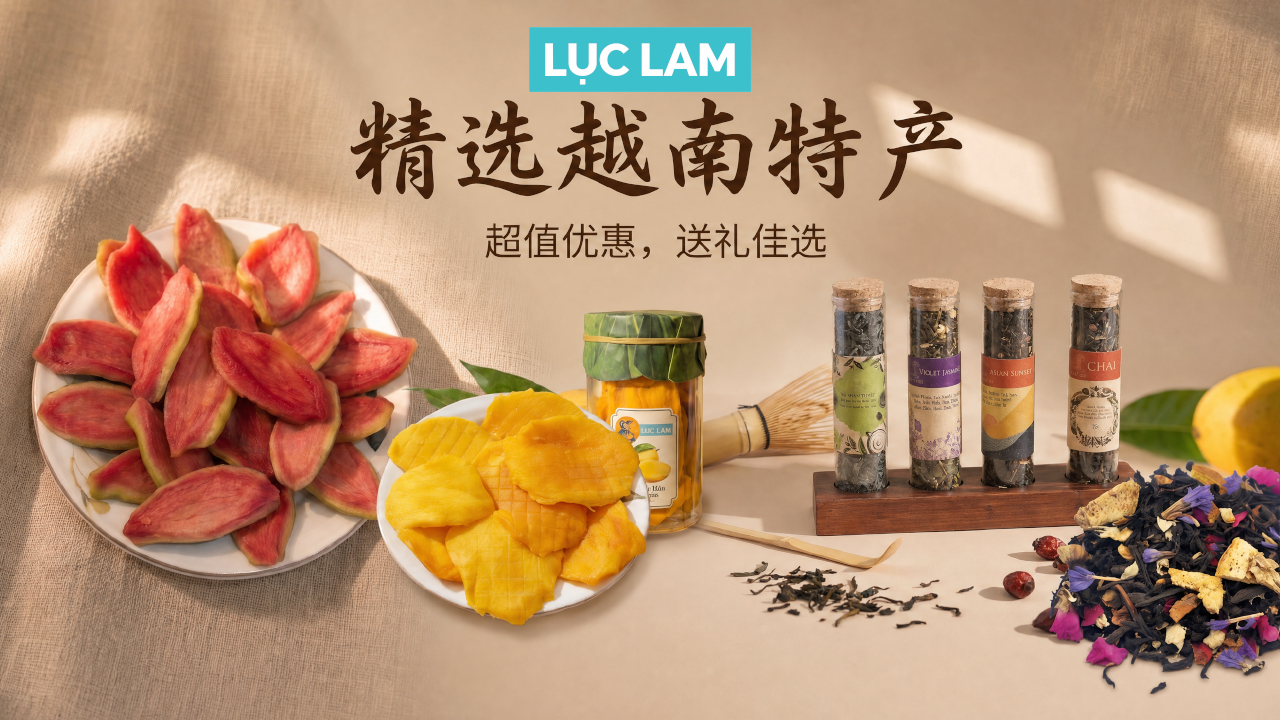
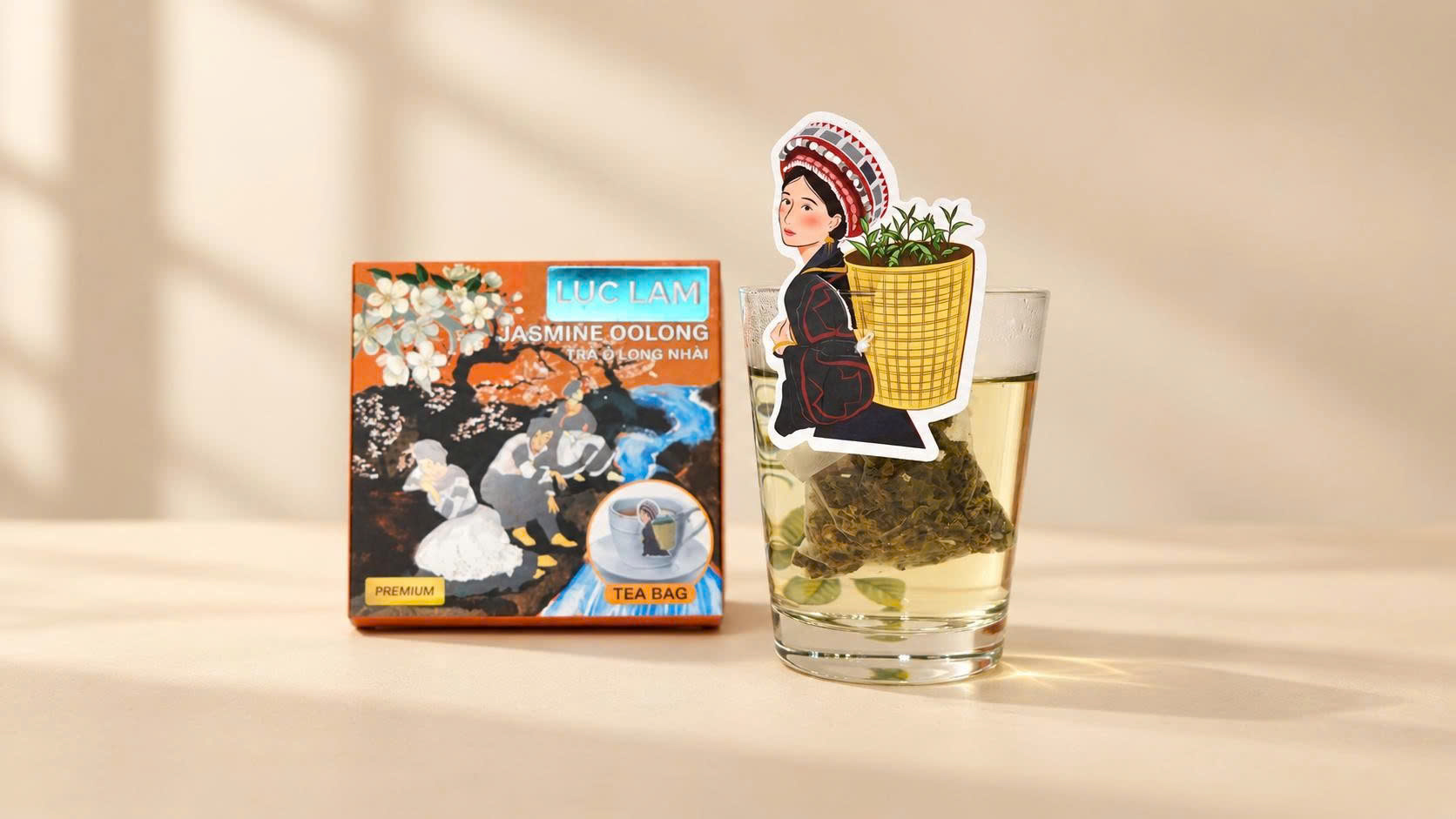
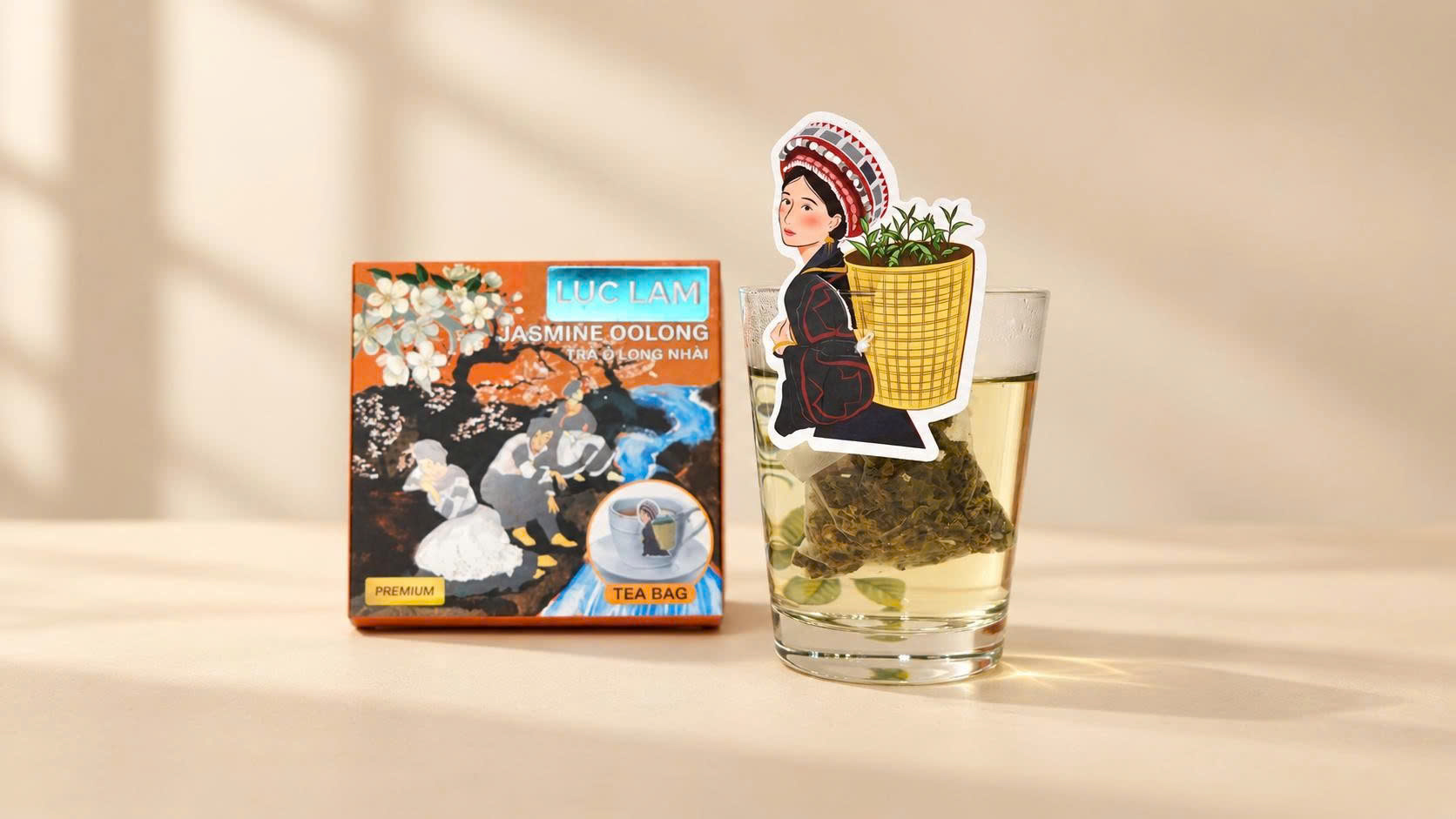
If you want to keep this sense of calm with you long after your visit, consider taking home a curated selection from Lục Lam. Here, Vietnamese gifts are presented in refined packaging, designed to make sharing moments of health and refreshment with your loved ones both simple and elegant. Whether for family, colleagues, or business partners, each item offers a thoughtful way to extend the warmth of this tea culture into someone else’s day.