On This Page· 6
The motorbikes on Hoang Du Khuong Street roar past in a chaotic stream of exhaust and horns. Then, you step into the Fito Museum, and the sound vanishes into a meditative silence. It is a jarring, effective transition from the noisy streets of District 10 to a space dedicated to stillness and healing. You might wonder where a single leaf of tea actually comes from—how a simple plant becomes a remedy that has sustained Vietnamese households for centuries. The answer is not in a field, but in glass cases, manuscripts, and the quiet history of the nation’s medical practice.
This museum is not a static display of old objects. It is a chronological journey through 2,000 years of Vietnamese healing, tracing the evolution of Vietnamese herbal teas from imperial exclusives to everyday wellness tools. As you move through the floors, the history of these leaves is preserved in detail, from the wooden drawers of a 19th-century pharmacy to the ceramic vessels that shaped the brewing ritual. Here, the past is not just seen; it is experienced through the cup, connecting the modern traveler to the deep roots of tea history in Saigon. This is a place where the noise of the city fades, and the story of a leaf begins to speak.
Fito Museum: The Living Library of Vietnamese Herbal Tea History
Stepping into the Fito Museum feels like crossing a threshold from the chaotic bustle of District 10 into a space of meditative silence. Located in a narrow alley at 41 Hoang Du Khuong Street, this hidden gem offers a peaceful retreat from the city center, providing a rare pocket of calm in the heart of Saigon.
A Private Legacy Dedicated to Healing
The Fito Museum stands as the first private museum in Vietnam exclusively dedicated to traditional medicine. Founded in 2007 by Le Khac Tam, a veteran in the pharmaceutical industry, the space was built to preserve and share the heritage of Vietnamese healing arts. While many museums focus on general history or art, this institution zeroes in on the tools, manuscripts, and remedies that have sustained the local population for centuries. It serves as a vital archive for those interested in the roots of herbal tea culture, where the history of Vietnamese herbal teas is preserved not just in text, but in tangible artifacts.
A Chronological Journey Through Six Floors
The museum’s structure is designed as a physical timeline. Spanning six floors and 18 exhibition rooms across nearly 600 square meters, the layout guides visitors from the prehistoric origins of healing to modern-day practices. This chronological approach allows travelers to trace the evolution of medicinal practices, including how herbal infusions transitioned from royal exclusives to household staples. Each room contributes to a larger narrative, ensuring that the journey feels cohesive and immersive rather than fragmented.
Setting the Context: The Cinema Room
Before encountering the physical artifacts, visitors begin in a 50-seat cinema room on the first floor. Here, a 15-minute documentary provides essential context for the exhibits ahead. Available in multiple languages, including English and French, this short film sets the stage for the physical journey through the collection of nearly 3,000 artifacts. It helps frame the significance of the tea history in Saigon, connecting the abstract concept of wellness to the specific, historical objects that will be seen on subsequent floors. This preparatory step ensures that every item viewed later is understood within its proper cultural and historical framework.
From Royal Courts to Colonial Pharmacies: Tracing the Tea’s Evolution
The Imperial Standard: 2nd Floor
On the second floor, a detailed replica of the Royal Medicinal Academy reveals the exclusivity of early Vietnamese herbal teas. For centuries, these preparations were not household staples but privileged remedies reserved for emperors and high-ranking nobles. The exhibits demonstrate the strict protocols used to cultivate, process, and dispense these botanical infusions within the palace walls. This setting highlights how tea history in Saigon’s broader region was initially defined by state-controlled wellness, where access to specific leaves dictated social status and health privileges.
Colonial Organization: 4th Floor
Descending to the fourth floor, the narrative shifts to the 19th-century French colonial period. The centerpiece here is a life-sized reconstruction of a traditional Vietnamese pharmacy, featuring a massive wooden cabinet with 81 labeled drawers. This artifact illustrates the systematic approach herbals took during the colonial era, as practitioners began codifying the storage of medicinal ingredients to ensure consistency and safety. The cabinet serves as a tangible link between traditional knowledge and the emerging scientific standards introduced by Western influence, showing how herbal tea benefits were documented and regulated.
The Vietnam Ban Thao Manuscript
A cornerstone of the collection is the “Vietnam Ban Thao” manuscript, a rare illustrated text containing nearly 2,000 entries on medicinal plants. It includes 20 hand-drawn pages that visually document species used in traditional preparations. This historical resource is crucial for understanding the botanical foundations of the region’s healing practices. By studying these entries, visitors gain insight into the specific plants that have long underpinned the wellness culture of the area, bridging the gap between ancient knowledge and modern interest in natural remedies.
From Court to Kitchen
These artifacts collectively trace the transition of herbal tea from a luxury item confined to the royal court to a common practice in everyday homes. As the knowledge preserved in manuscripts like the Vietnam Ban Thao became more accessible, and as pharmacies standardized their methods, the culture of drinking medicinal leaves expanded beyond the elite. This evolution defines the heart of tea history Saigon, showing how a practice once restricted to the palace became a foundational element of daily life, accessible to families and travelers alike today.
Ha Dong to Lai Thieu: The Artistry of Regional Tea Vessels
On the third floor, the museum’s exhibition of metal and ceramic teapots offers a tangible window into the material culture of traditional brewing. These vessels are not merely functional tools; they are artifacts that document how different regions of Vietnam developed distinct techniques for preparing herbal infusions. The collection spans centuries, showcasing how the choice of material directly influenced the ritual of consuming these drinks.
Regional Craftsmanship in Specific Teapots
Visitors can trace the lineage of brewing through distinct regional styles. Teapots from Ha Dong in the north are known for their utilitarian metal construction, designed for durability and heat retention. In contrast, ceramics from Hoi An reflect a more refined aesthetic, often featuring glazes that interact with the water’s temperature. From the central region, Lai Thieu pottery brings a rustic, earthy quality to the collection. Each origin represents a specific local approach to the brewing process, demonstrating how geography and available resources shaped the daily habit of drinking Vietnamese herbal teas.
The Medical Lineage: Vietnam Bach Gia Y
The connection between these vessels and healing is further cemented on the fifth floor by the “Vietnam Bach Gia Y” carved tree. This intricate wooden artwork lists 100 renowned physicians who practiced between the 12th and early 20th centuries. It serves as a visual map of the medical lineage that governed the preparation of medicinal infusions. The names etched into the wood symbolize the continuous transmission of knowledge regarding which herbs to use and which vessels were most effective for their extraction. This piece underscores that tea history Saigon is deeply rooted in a formalized system of traditional medicine, where the cup is an extension of the physician’s prescription.
Design as a Reflection of Historical Evolution
The shift from ceramic to metal designs in the museum’s collection mirrors the broader evolution of both ceramic art and medical practice in Vietnam. Early ceramic vessels offered a gentle, porous interaction with water, suitable for delicate floral or herbal blends. The later introduction of metal teapots allowed for more precise temperature control, catering to tougher, fibrous ingredients used in traditional remedies. This progression highlights how herbal tea benefits were maximized not just by the selection of ingredients, but by the innovation in the tools used to prepare them. The design of these objects reflects a society that valued both aesthetic refinement and practical efficacy in its pursuit of wellness.
Health Benefits in Practice: Pulse Diagnosis and Remedy Creation
The fourth floor of the Fito Museum transforms the abstract concepts of herbal tea benefits into a tangible, interactive experience. While the previous floors preserve the past, this space invites visitors to step into the role of a practitioner, bridging the gap between historical artifacts and modern wellness practices in Saigon.
Crafting Your Own Remedy
The centerpiece of this interactive layer is the hands-on remedy creation station. Here, you do not merely observe herbs behind glass; you handle them. Under the guidance of museum staff, visitors select from 81 different types of herbs to compose a traditional formula. This activity demystifies the complexity of Vietnamese traditional medicine, showing how specific combinations of roots, leaves, and flowers are balanced to address different ailments. It is a practical lesson in HCMC tea culture that goes beyond simple brewing, illustrating the logic behind each ingredient’s role in a larger therapeutic system.
The Pulse Diagnosis Service
For those seeking a personal connection to this wellness tradition, the museum offers a complimentary traditional pulse diagnosis service. A practitioner listens to your pulse to assess your health state and offers a brief consultation on how herbal remedies might support your well-being. This service is free but requires advance booking, so ensure you reserve a slot before your visit. It provides a unique, personalized perspective on how these teas and formulas are applied in daily life, moving the conversation from historical curiosity to active self-care.
Tasting the History
The experience concludes on a sensory note at the on-site pharmacy and souvenir shop. Before leaving the historical narrative, you can sample medicinal teas and healing wines that reflect the collections you have just studied. This final step grounds the entire visit in taste, allowing you to appreciate the flavor profiles of the herbs you selected earlier. Whether you buy a package to take home or simply enjoy a cup on site, this moment connects the 2,000-year history of Vietnamese herbal teas directly to your senses, making the heritage both accessible and delicious.
Planning Your HCMC Tea Culture Visit: Logistics and Etiquette
Getting There and What It Costs
The museum sits at 41 Hoang Du Khuong Street in District 10, roughly 3.4 kilometers from the Independence Palace. It operates daily from 8:30 AM to 5:00 PM, including weekends and public holidays. Admission for adults, which includes photography, is 180,000 VND. Students, children aged 2–15, and seniors pay 90,000 VND. If you are staying in District 1, 3, or 4, a taxi is the most direct option, typically costing 50,000 to 100,000 VND for the short distance. Public buses 10, 13, 14, 65, and 91 also serve nearby stops for a fare of just 5,000 to 10,000 VND. For independent travel, motorbike rentals are available for 100,000 to 150,000 VND per day, or you can use ride-hailing apps for motorbikes, which usually cost 20,000 to 40,000 VND for rides under 15 minutes.
Respect for the Space
Because the museum houses spiritual artifacts and historical relics, a certain level of decorum is expected. Visitors should avoid shorts, tank tops, or overly revealing clothing. Keeping voices low and maintaining cleanliness is not just a house rule but a sign of respect for the heritage preserved within. This etiquette aligns with the broader HCMC tea culture, which values mindfulness and reverence in spaces dedicated to healing and history.
Extending Your Cultural Journey
If your schedule allows, consider walking a short distance to deepen your immersion in the tea history Saigon offers. The Vietnamese National Buddhist Temple is only 500 meters away, featuring the 63-meter-tall Da Bao Tower. About 1.5 kilometers away, Ho Thi Ky Food Street provides a vibrant contrast with local street food, allowing you to balance the contemplative museum visit with the lively energy of the city. This combination creates a well-rounded experience of the region’s heritage and daily life.
Frequently Asked Questions About Vietnamese Herbal Tea History
Is the Fito Museum the only place to explore tea in Ho Chi Minh City?
No, the museum is not the sole option for learning about HCMC tea culture, but it is the most comprehensive resource for the historical context of Vietnamese herbal teas. While local markets and community classes offer opportunities to taste current blends or learn brewing techniques, the Fito Museum remains the primary destination for artifact-based history. Its collection of manuscripts and ancient tools provides a depth of archaeological and cultural context that no other venue in the city currently replicates. If your goal is to understand the origin of these healing practices rather than just purchase a tin of tea, this is the definitive location.
Can visitors buy the specific teas displayed in the exhibits?
The specific items within the glass cases are non-replicable artifacts and historical specimens, not commercial products. However, the on-site shop offers traditional herbal products that align with the museum’s theme. For travelers looking for gifts, the best approach is to seek similar organic blends that reflect the regional ingredients discussed in the exhibition. This allows you to take home a tangible connection to the tea history Saigon offers, without expecting to replicate an ancient artifact in a gift box. The focus here is on the lineage of the ingredients rather than exact replication of historical samples.
How much time should I budget for a complete visit?
A thorough floor-by-floor tour typically requires two to three hours. This timeframe allows you to watch the introductory documentary, explore all six levels of artifacts, and participate in the hands-on remedy-creation experience. If you are planning to include a traditional pulse diagnosis, factor in additional time for the consultation. Rushing through the space diminishes the value of the exhibits, so it is wise to schedule a mid-morning or early afternoon slot to ensure you have the energy to engage with the detailed narratives on each floor.
Is the traditional pulse diagnosis service actually free?
Yes, the traditional pulse diagnosis and health consultation are complimentary for all visitors. There is no hidden cost for this service, which offers a unique glimpse into the herbal tea benefits and the diagnostic methods used in traditional Vietnamese medicine. The only requirement is that slots are limited in number. To ensure a practitioner is available for your visit, you must reserve this service in advance. Walking up to the counter without a reservation may result in a wait or the inability to book for that day, so planning ahead is the key to accessing this free feature.
The Fito Museum does more than display old artifacts; it connects the ritual of sipping Vietnamese herbal teas to two millennia of medical practice. By moving from the Royal Medicinal Academy to the 19th-century pharmacy, the space shows how these remedies evolved from exclusive court items to a common part of daily wellness. This context transforms a simple cup of tea into a tangible link to the past, offering travelers a deeper understanding of the culture behind the blend.
For many visitors, the goal is to find a Vietnamese gift that feels personal and meaningful. When you understand the history and the traditional herbal tea benefits associated with specific plants, the act of gifting shifts from a transaction to a shared experience. It becomes a way to convey care and respect, rooted in the same principles of healing that practitioners have honored for centuries.
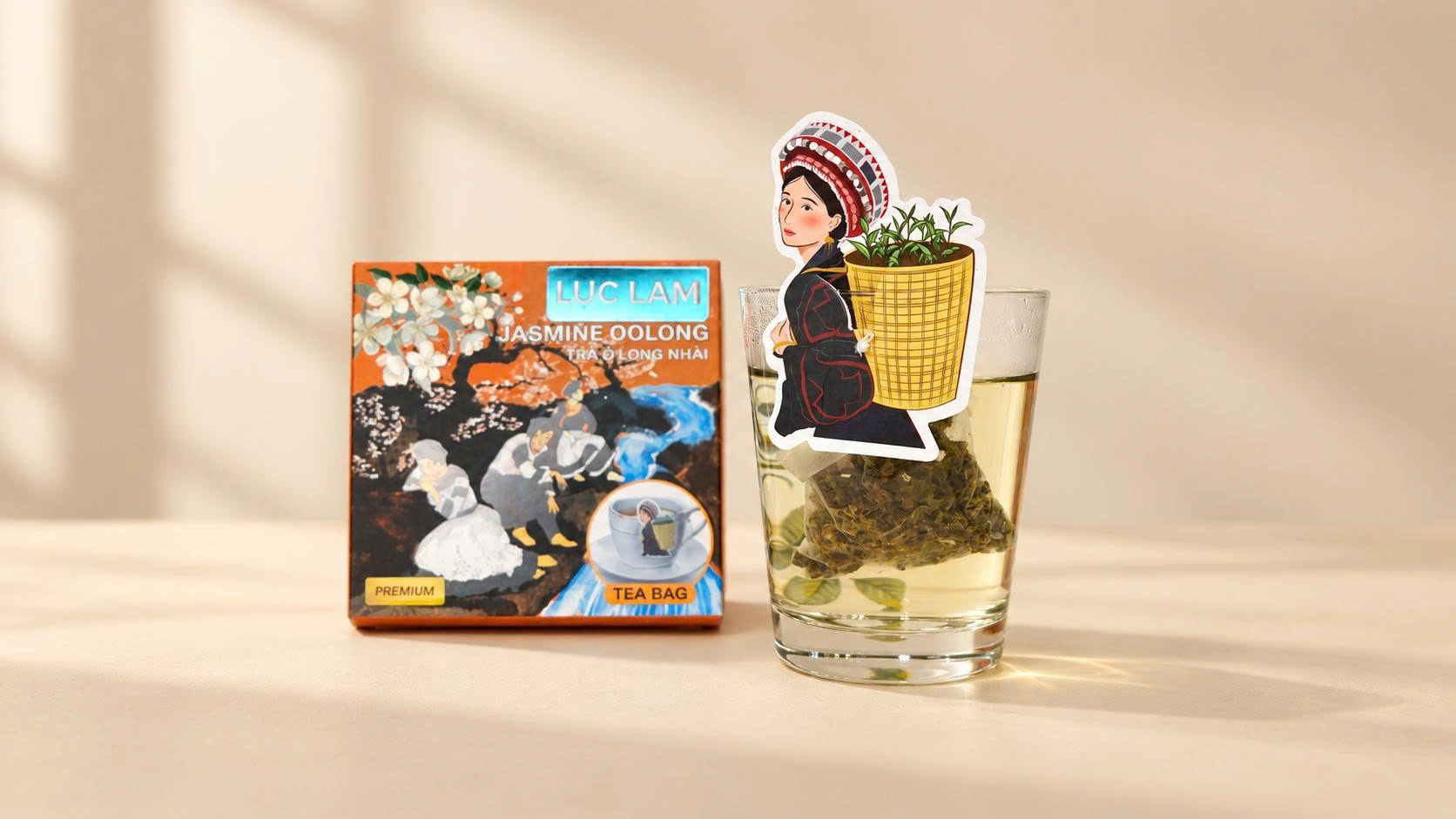
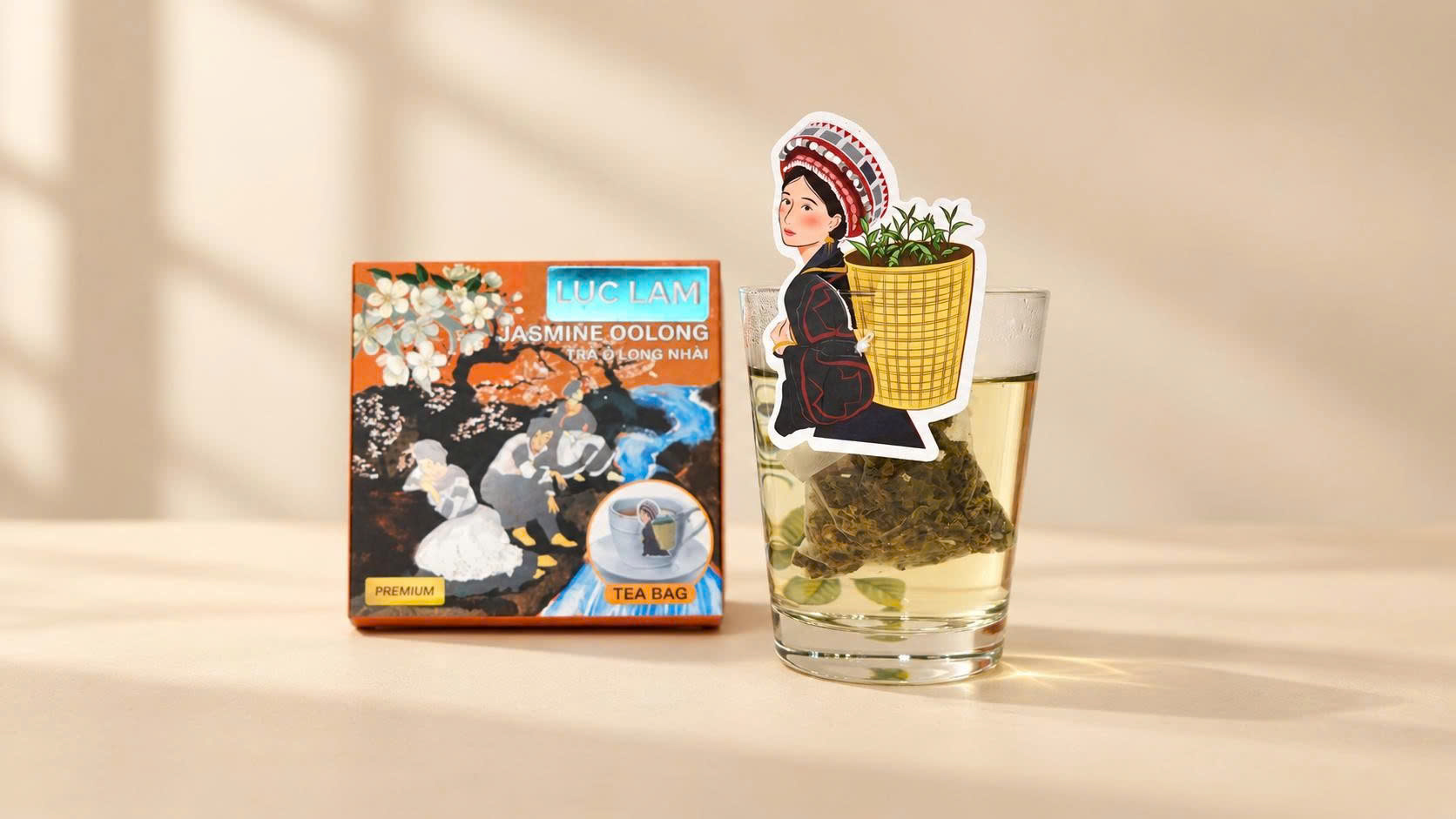
If you are looking for a Vietnamese gift that carries this depth of history, consider exploring our curated tea collections, which are designed to bring these flavors of Vietnam home in refined packaging.
