On This Page· 6
Arriving in Ho Chi Minh City with a free Saturday morning, only to discover that the available tea tasting slots for two are already filled, is a common frustration for travelers. Capacity for these guided experiences is intentionally limited to ensure personal, one-on-one instruction rather than large group lectures. If you are aiming to secure a slot, speed and preparation are your primary assets.
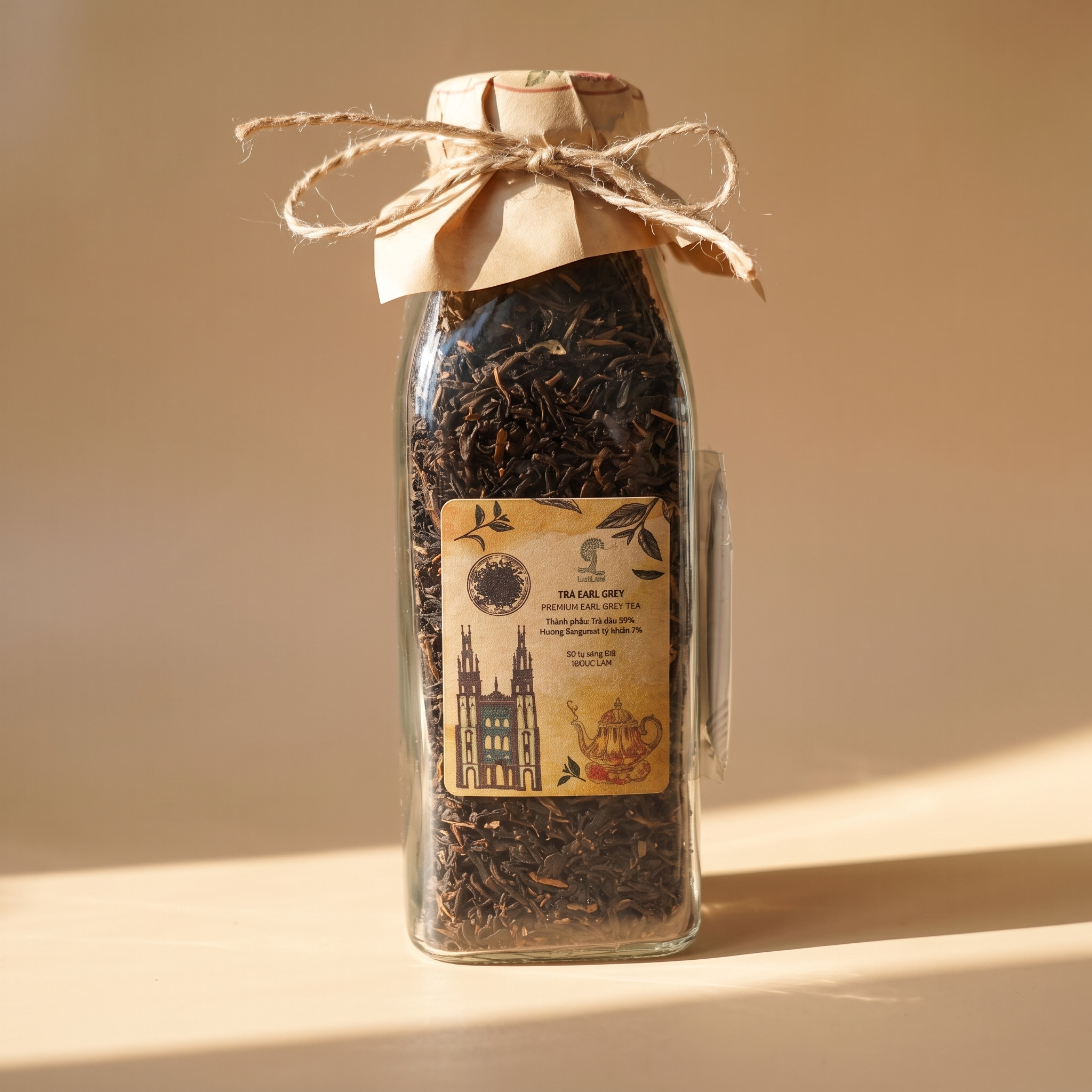
This guide serves as a practical checklist to help you lock in your reservation and understand exactly what to expect once you walk through the door. You will learn how to navigate the booking process for a premium HCMC tea tour, verify that your ticket includes all necessary materials, and prepare for the specific rhythm of the session. Whether you are seeking a quiet morning ritual or a structured introduction to authentic tea culture, the steps below ensure you get the most out of your limited time. The goal is simple: secure your seat, understand the experience, and walk away with a clear appreciation for the craft behind every cup.
The 60-Minute Rhythm: Cultural Context Meets Hands-On Pouring
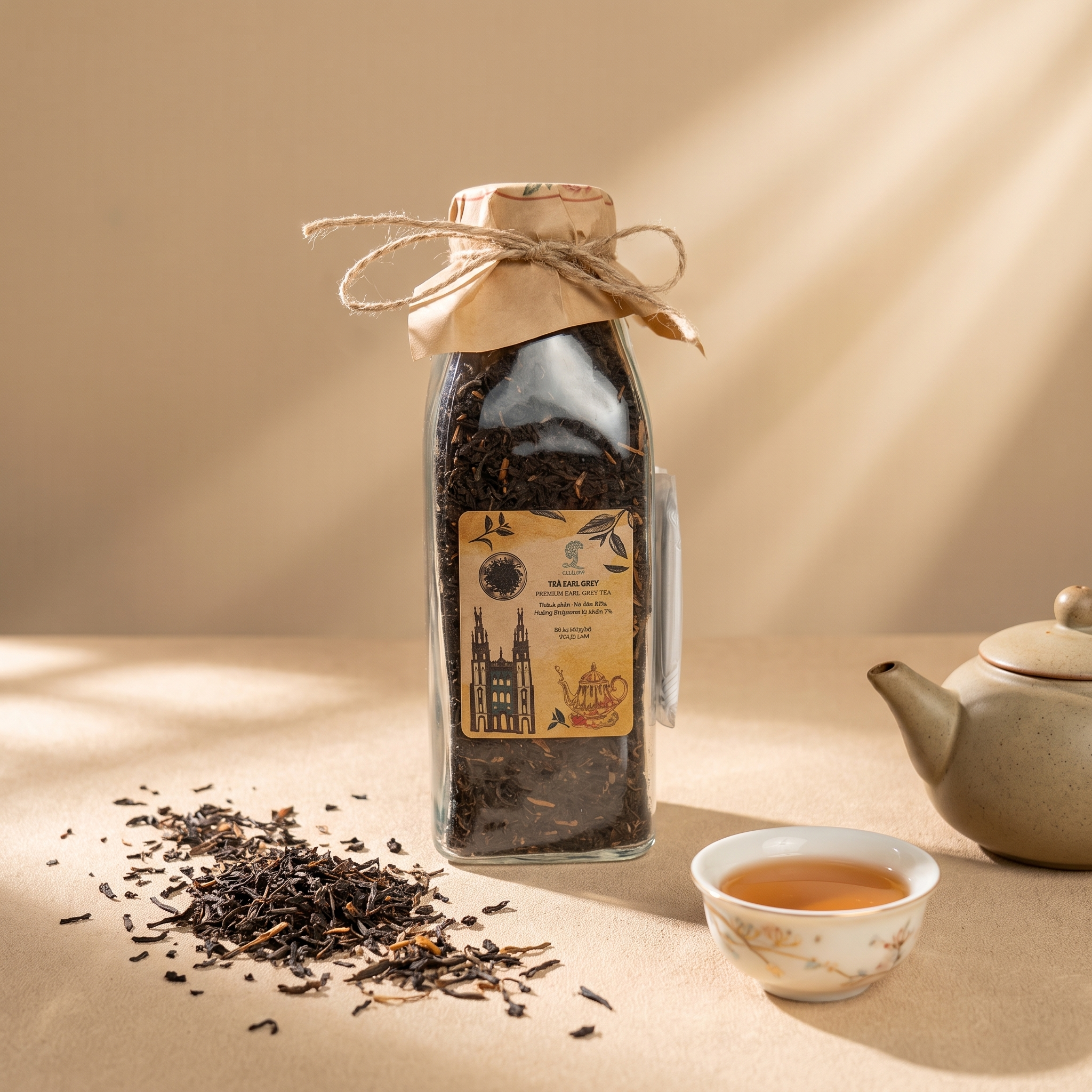
A well-structured Vietnamese tea tasting session relies on a deliberate two-act rhythm to maximize both learning and enjoyment. The ideal format divides the hour into two distinct halves: a 30-minute cultural orientation followed by 30 minutes of hands-on practice. This separation ensures that guests absorb the narrative significance of the leaves before they ever touch the vessel. It transforms the session from a simple flavor check into a meaningful immersion in local tradition.
The Narrative Foundation of Act One
The first half of the experience focuses entirely on context. Your guide walks you through the heritage of the specific leaves being served, explaining how Vietnamese terroir influences flavor profiles. You learn about the symbolism behind each step, from the initial rinsing of the leaves to the ceremonial offering to the host. This groundwork is crucial because it provides the mental framework that makes the subsequent tasting meaningful. Without this background, the sensory experience remains surface-level. With it, every sip carries weight, connecting the taste in your mouth to the history and geography of the region.
Technical Precision in Act Two
The second act shifts focus to the mechanics of the brew. This is where you engage directly with traditional vessels, often mirroring the precision found in high-end tour experiences that feature the gaiwan method. You learn to control water temperature and steeping times with your own hands. The guide demonstrates the proper grip and pour, allowing you to replicate the technique in real time. This hands-on component is where the skill is built, turning passive observation into active participation. You are not just drinking tea; you are practicing the art of its creation.
Why This Balance Works for Beginners
This split structure addresses a common concern for travelers: the fear of feeling out of their depth. By starting with storytelling, the session remains accessible to those with no prior experience. The complexity of the technical skills is introduced only after the context is established. This approach satisfies the curious traveler’s desire for depth without overwhelming them with jargon or complex rituals from the start. It creates a safe space to make mistakes while learning, ensuring the experience feels personal rather than performative. The result is a memorable hour that balances education with tactile engagement.
What Your Tasting Ticket Actually Covers in HCMC
A premium Vietnamese tea tasting in Ho Chi Minh City is more than a taste test; it is a structured educational session. When you book a guided slot for two, the price should cover four distinct components. First is venue admission, granting you access to the specific tasting room or garden space. Second is the dedicated guide, an expert who stays with you for the entire duration to answer questions and correct technique. Third is the hands-on tasting of multiple varieties, moving beyond simple sipping to active engagement with the leaves. Finally, the ticket includes an etiquette introduction, explaining the cultural protocols behind the pouring.
The Educational Layer Is Non-Negotiable
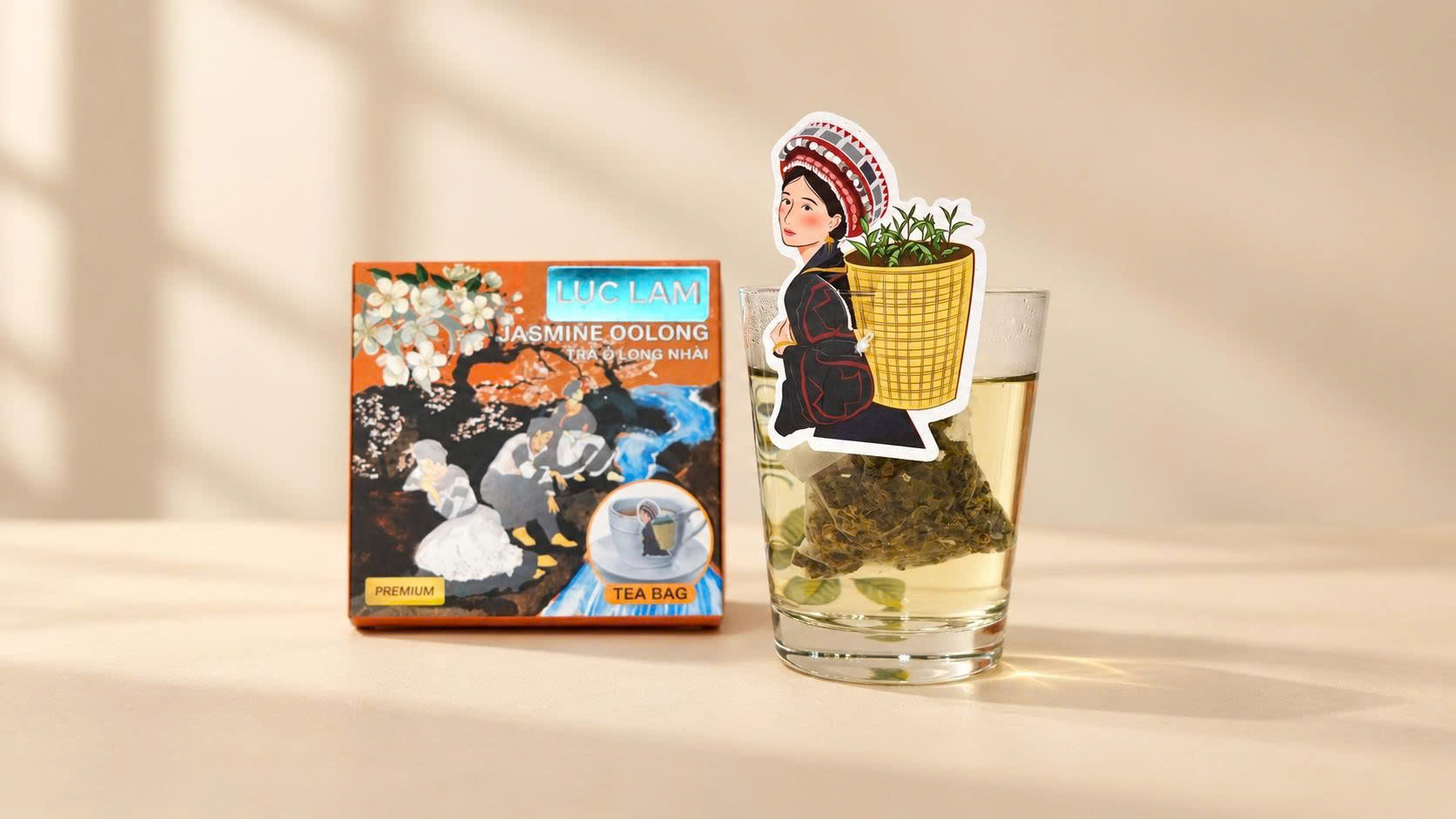
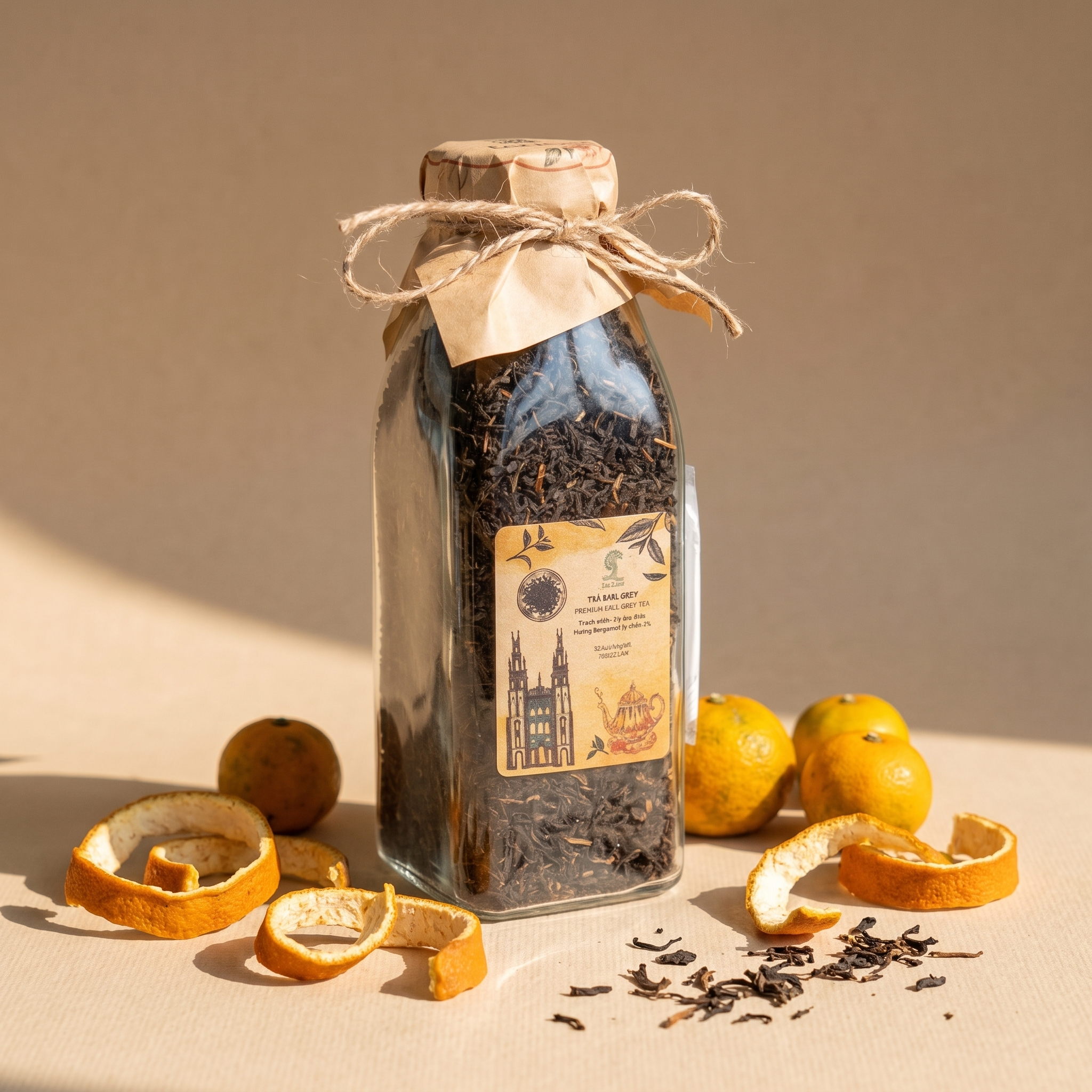
A proper “tour + pour” style ticket must include the narrative context. It is not just about the flavor; it is about understanding the origin of the leaves and the specific preparation methods that affect their aroma. If the ticket offers only a cup of tea without explanation, it is a drink, not a tour. The educational layer ensures that when you taste a jasmine or oolong variety, you understand the agricultural process and the cultural symbolism behind it. This transforms the experience from a passive consumer activity into an authentic immersion in local tradition.
Curated Selections for Two Guests
For a pair of guests, the cost usually encompasses a curated selection of three to four distinct teas. This allows for a comparative tasting session within the time limit. You will not taste a single variety repeatedly; instead, the guide moves you through a sequence that highlights different processing stages and flavor profiles. For example, you might start with a green tea to appreciate freshness, move to an oolong for complexity, and finish with a herbal blend for warmth. This structure ensures that both guests can compare notes and identify their preferences within the sixty-minute window.
Verifying All-Inclusive Pricing
Before confirming your reservation, verify that the quoted price covers all necessary materials. A transparent booking includes the water, the vessels (gaiwan or cups), and the tea leaves themselves. There should be no hidden costs for the materials used during the session. If the venue charges extra for the tea bags or the water service, it may indicate a different service model, often less personalized. For a high-end guided experience, the ticket is all-inclusive, ensuring you can focus on the ritual rather than transactional details.
Securing Your Slot: Why Saturday Mornings Fill Fast
Saturday mornings represent the most constrained inventory for any premium HCMC tea tour. The scarcity is not a marketing tactic; it is a structural reality. High-end venues in Ho Chi Minh City operate on a strict capacity constraint. To ensure a personal, guided interaction where the host can address every guest’s questions, group sizes are intentionally kept small. This design choice inherently limits the total number of available slots, making a specific Saturday morning window a competitive resource rather than a default option.
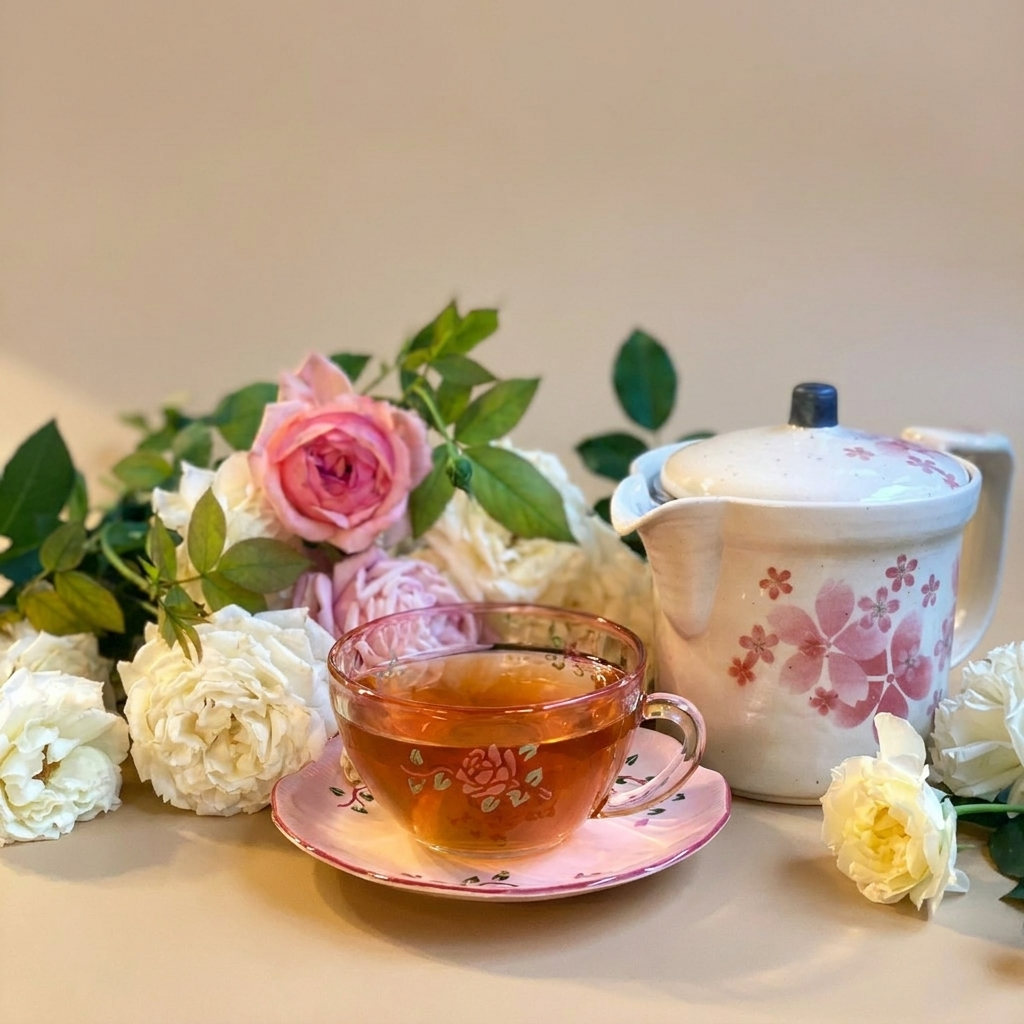
Understanding this dynamic changes how you approach your tea experience booking. If you are targeting a specific date, waiting until the day of your visit is a strategy that rarely succeeds. The standard recommendation is to contact the venue at least 48 to 72 hours in advance. This lead time allows you to secure your preferred time window, such as a 10:00 AM start rather than a later 11:30 AM slot. Morning sessions are particularly contested because they are often preferred by business travelers with limited vacation windows or by early risers who want to maximize their afternoon for other activities. As a result, the morning inventory depletes faster than any other time block in the week.
Preparing Your Booking Details
When you place your call or send your inquiry, efficiency matters. Having your information ready reduces back-and-forth and secures the slot quickly. Prepare the following three data points before you begin:
- Group Size: Confirm you are booking for exactly two guests. Many premium experiences are calibrated for pairs, and specifying your number upfront allows the venue to prepare the correct amount of tea leaves and vessels.
- Dietary and Taste Preferences: Note any specific dietary restrictions or, more importantly, taste preferences. If you are sensitive to caffeine or prefer floral notes over earthy profiles, mentioning this allows the curator to select a lineup of three to four distinct teas that align with your palates. This ensures the session is a comparative tasting, not a generic sample.
- A Backup Time Slot: Always have a second choice ready. If the 10:00 AM slot is taken, having an immediate alternative (such as 11:30 AM or an early afternoon option) prevents you from losing the reservation entirely. Vagueness in availability can lead to the venue closing the slot for you while they check for other options.
By treating the booking as a logistical step rather than a casual inquiry, you position yourself to secure the authentic tea culture experience you are looking for. The goal is to walk in with confidence, knowing that your spot is confirmed and the experience is tailored to your specific needs. This preparation is the final step in turning a vague interest in tea into a concrete, memorable morning in the city.
Navigating the HCMC Tea Scene: From Old Town to Specialty Cafes
Choosing the right venue is the first step in securing a meaningful HCMC tea tour. The city’s tea scene splits into two distinct philosophies that affect how your morning unfolds.
District 1 is home to the heritage locations. These are often older, established tea houses that prioritize atmosphere and history. You will find yourself sitting in spaces that reflect the traditional social function of tea in Vietnamese culture. The vibe is relaxed, often with a focus on the aesthetic of the room and the ritual of serving. It is an immersive cultural backdrop, perfect if you want the experience to feel like a step into a different era of the city.
In contrast, the District 3 and Phu My Hung areas host the modern specialty cafes. These venues are designed with a focus on precision and education. They often offer structured, guided sessions where the emphasis is on the specific characteristics of the leaves. Here, the environment is contemporary and quiet, tailored to help you focus on the nuances of the brew. For an authentic tea culture experience that feels more like a workshop, this is the sector to target.
Intimacy and the Post-Tasting Plan
For two guests, the scale of the venue matters significantly. A large public shop in District 1 can feel crowded, which may dilute the personal guidance you receive. If your primary goal is to learn the specifics of how to handle the vessels and understand the flavor profile, a smaller specialty venue in District 3 or Phu My Hung usually provides a more intimate setting. You are more likely to get undivided attention from the guide, allowing for a detailed, side-by-side “pour and explain” interaction.
Consider what you want to do immediately after the session. District 1 venues are placed in the heart of the old town, making them ideal if you plan to walk to the Notre-Dame Cathedral or the Central Post Office for lunch. The energy there is high and vibrant. If you prefer a quieter finish to your morning, the specialty cafes in District 3 or Phu My Hung are situated in calmer neighborhoods. You can take a slow walk through the tree-lined streets or find a quiet spot to journal your thoughts about the tasting without the rush of the city center. Matching the venue to your travel plan ensures the tea experience feels like a natural part of your day, not an isolated event.
Answering Common Booking Questions for Vietnamese Tea Tasting
Is a Guided Session Right for Tea Beginners?
The two-act structure of a guided Vietnamese tea tasting is specifically designed for guests with zero prior experience. The first half covers basic etiquette and heritage, creating a foundation before you ever touch a vessel. This approach ensures that the subsequent hands-on pouring feels intuitive rather than technical. You do not need to know the difference between green and oolong leaves to enjoy the session; the guide bridges that gap in real time. For two people who have never had Vietnamese tea, this educational layer is what transforms a simple drink into a meaningful cultural encounter. The pace is deliberately paced to allow questions, making the HCMC tea tour accessible to absolute novices.
What Should You Wear to a Traditional Tea House?
Smart casual attire is the standard recommendation for most venues in Ho Chi Minh City. The most critical consideration is comfort, particularly if you are visiting a heritage site that uses traditional floor seating or low tables. Wearing stiff trousers or restrictive heels can make the 60-minute duration feel uncomfortable. Opt for loose-fitting pants or a midi dress and closed-toe shoes that allow you to sit cross-legged if required. The focus is on relaxed dignity, not formal wear. Since the session involves handling small, delicate vessels, comfortable clothing that does not restrict arm movement is practical. This practical note applies whether you choose a modern cafe or an old-town establishment for your authentic tea culture experience.
Can You Buy the Tea You Taste?
The session focuses on learning and tasting, but it rarely ends when the last cup is empty. Many premium venues include a gift-ready component, allowing you to purchase the exact variety you just tasted. This is a convenient way to take a specific flavor home, such as a jasmine oolong or a white tea. However, bring your own Vietnamese gifts if you prefer a broader selection; the tasting is an experience, not a retail obligation. If you plan to buy, ask if the specific leaves are available for sale in refined packaging. This adds a tangible souvenir to your trip without complicating the main agenda of the tea experience booking. The focus remains on the sensory and cultural journey, with the purchase being an optional, natural extension of that journey.
Final Steps for a Memorable Morning
Your Saturday morning in Ho Chi Minh City is ready to secure. To make the most of your time, focus on three core steps. First, ensure the session follows a two-act structure: a brief cultural orientation followed by hands-on pouring. This balance provides both the narrative context and the technical skill needed for a meaningful experience. Second, verify that your ticket is truly all-inclusive. Confirm that the price covers the venue entry, the guide’s instruction, and all the materials for your tasting. This prevents any surprises during your session. Finally, book your slot early. Because small groups allow for personal instruction, capacity is limited. Contacting the venue 48 to 72 hours in advance gives you the best chance of securing your preferred time, such as a 10:00 AM start, which is often the most competitive window.
As you step out of the venue with a full cup and a new appreciation for the craft, you might look for a way to bring that atmosphere home. If you want to share the flavor of your morning with family or friends back home, consider selecting from a curated collection of Vietnamese gifts. Choosing a specific tea or a gift set that mirrors what you just tasted can turn a one-time tasting into a lasting memory for your recipients. It is a simple way to keep the warmth of the experience alive long after your trip to HCMC ends. If you are unsure which tea or gift set to select, our team is happy to help you find the right match for your recipients.
