On This Page· 5
You sit across from a tea guide who knows every nuance of the leaves before you. A tray of unfamiliar, dried leaves waits between you. You feel a wave of anxiety: you are not sure what you are supposed to look for, say, or do. You feel unprepared. This is a common moment for travelers before their first tea tasting in Ho Chi Minh City.
The gap is not about memorizing trivia. It is about having a simple, repeatable habit to follow. This guide bridges the distance between booking a tea experience and actively participating in the session. It does not teach you to guess what the guide wants to hear. Instead, it builds a single, low-stakes tool: the 5-Slot Note Card. This small template turns passive sipping into an active, shared discovery experience, whether you are on a solo trip or attending a couple tea class.
The 5-Slot Note Card: A Prep Guide for Your Vietnamese Tea Tour
Walking into a tea tasting in Ho Chi Minh City with no prior knowledge can feel like showing up to a language exam without a dictionary. You sit across from a knowledgeable guide. A tray of unfamiliar leaves appears. The pressure to “sound right” can make you forget to actually enjoy the drink. The good news is that you do not need to memorize trivia or guess what the expert expects to hear.
Think of the session as a framework rather than a rigid checklist. The core method follows five simple steps: examine the dry leaf, smell the dry leaf, brew the tea, smell the wet leaf, and taste it. This sequence gives you a logical path to follow. It reduces the anxiety of “what do I do now?” and lets you focus on your own sensory experience.
What Is the 5-Slot Note Card?
The 5-Slot Note Card is a simple tool to anchor your observations. Imagine a physical index card or a digital note with five lines. Each line is dedicated to one of the steps above. As your guide explains each stage, you jot down one or two words describing what you see, smell, or taste. It is not a test; it is a journal for your personal journey.
This system is designed for solo travelers and couples alike. If you are attending a Vietnamese tea tour with a partner, you each write your own notes independently. Afterward, you can compare your observations. You can discover where your palates align and where they differ. This shared reflection often becomes the highlight of the experience. It turns a guided session into a collaborative discovery. By focusing on your own vocabulary for aroma and flavor, you build a lasting skill that extends far beyond a single afternoon in Ho Chi Minh City.
Examine and Smell the Dry Leaf: Your First Clue to Tea Quality
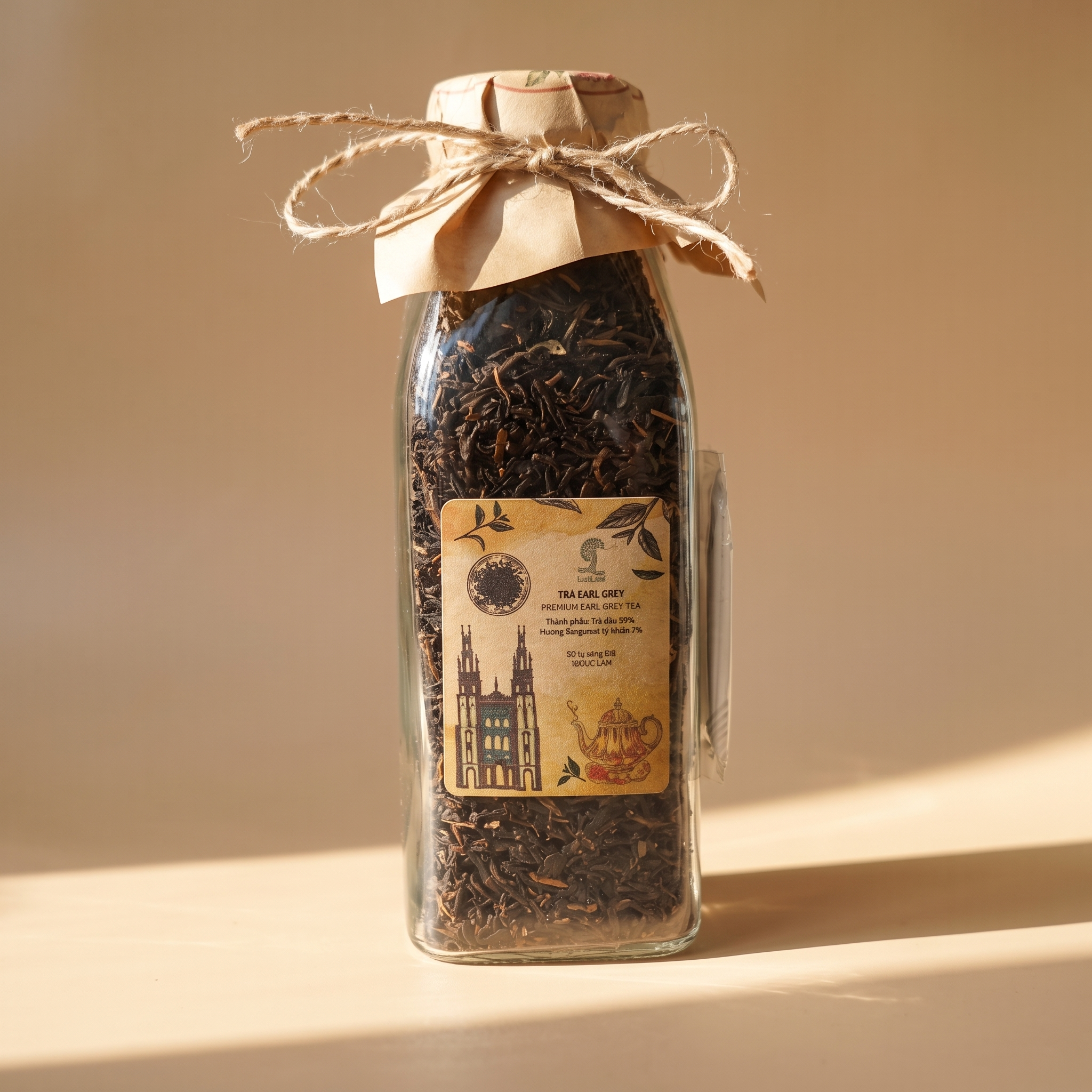
Before water touches the leaves, your eyes and nose are already working. The dry leaf holds the first clues about a tea’s plucking, processing, and overall quality. This makes it the ideal place to start your notes. In a guided session, you will have a small amount of loose leaf to inspect. The goal is simple: build a personal vocabulary for what you see and smell. You are not trying to guess what the guide expects.
Reading the Dry Leaf with Your Eyes
Start by looking for consistency. High-quality teas are generally made of whole leaves that are uniform in size and shape. If the pile is full of crushed pieces, twigs, or uneven fragments, that is a sign of lower-quality processing or rough handling. Pay attention to the color. It should look fresh and alive, not dull or faded.
Scan for tips and buds. The presence of these young, tender shoots often indicates a more premium pluck. For white teas, you will see buds coated in a fine layer of white hairs. This detail signals careful harvesting and gentle processing. A helpful trick is to spend thirty seconds sketching the shape of a single leaf in your notebook. This quick exercise forces your eye to notice details like edge serrations or vein structure. It makes the differences between future samples much easier to spot.
Unlocking the Aroma: Dry vs. Warm Wet
Smelling dry leaves is the next step, but it has a limit. Dry leaves often only reveal a faint, dusty hint of their potential. To unlock the full aroma, use the “warm wet” method. Place a small amount of dry leaves in a vessel and add a splash of hot water. Then gently shake the vessel. The steam releases volatile compounds trapped in the dry state. This gives you a much clearer picture of the tea’s scent profile.
Take a moment to inhale deeply. You are looking for broad descriptors that are easy to identify and write down. Start with these four starter notes:
- Grassy: A fresh, vegetal note, common in green teas.
- Floral: A sweet, perfume-like aroma from blossoms or specific cultivars.
- Nutty: A toasted, warm scent, often found in roasted oolongs or puerhs.
- Earthy: A damp, soil-like note, characteristic of aged or dark teas.
These terms are not the final word on the tea’s flavor. They give you a solid baseline. Writing down one or two of these notes as you smell is a low-stakes way to capture your first impressions. It makes it easier to compare your observations with your partner’s notes later in the session.
Brewing and the Smelling Cup: How to Capture Wet Aromas
The moment water meets leaf is where the real story of the tea begins. In your tea tasting session in Ho Chi Minh City, the guide will specify whether you are using a Western or a Gongfu style. The former uses a longer infusion in a larger pot for a single cup. The latter employs flash brews in a small vessel to reveal how the tea evolves over multiple steepings. For now, simply listen to the instructions. The method dictates the pacing of your notes.
Once the tea is steeped, your attention shifts to the liquid itself. In the trade, this is known as the liquor. This is a quick visual check for clarity and color. A quality infusion should be clear, not cloudy, though a slight haze in some herbal blends is acceptable.
The color range spans from pale yellows and greens to deep reds and browns. Keep in mind that color intensity often correlates with taste strength. A darker liquor usually signals a bolder profile. A lighter one suggests a more delicate cup. Jot down both the hue and the clarity on your note card. These visual cues set expectations for the flavor you are about to encounter.
The Art of the Smelling Cup
After pouring, do not rush to taste. This is the time for the “Wen Xiang Bei,” or smelling cup. This practice is common in Taiwan and increasingly appreciated in Ho Chi Minh City tea experiences. The idea is simple: once the liquor is poured out, the aroma lingers on the warm ceramic walls of the empty cup. Bring the cup to your nose and take a slow, deep inhale.
This wet aroma is distinct from what you smelled in the dry leaf. Heat and water transform the scent profile. They often unlock floral or fruity notes that were dormant in the dry state. If the wet aroma is flat or absent, it may indicate that the tea is old or was not stored properly.
Comparing the dry and wet aromas helps you build a more complete sensory map. It allows you to see how the water activates the specific characteristics of the tea. When you record this step, focus on the transformation. What changed? Did the scent become sweeter, more complex, or sharper? This comparison is a key part of developing a personal vocabulary. It ensures you capture the full journey of the tea from dry leaf to liquid.
Slurp, Swish, and Swallow: The Tasting Technique That Changes Flavor
Step 5 of your tasting session is where the real work happens. You might expect this to be a gentle, quiet sip. But the method used by professional tasters is far more active. The technique involves a deliberate slurp, followed by a swish across the tongue, before swallowing. This is not about making a scene. It is a mechanical necessity to extract the full complexity of the tea. By introducing air and ensuring the liquid contacts every part of the tongue, you activate all your taste buds simultaneously. Without this movement, large portions of the flavor profile remain hidden. Your notes on the card will feel incomplete.
The Three Dimensions of Taste
To fill out your note card effectively, break down the experience into three distinct dimensions. Do not search for one all-encompassing word.
First is Flavor, the specific notes you identify. Is it fruity like a ripe peach? Floral like a blossom? Sweet like honey?
Second is Mouthfeel, which describes the texture and weight of the liquid in your mouth. Does it feel light and crisp? Or is it heavy, creamy, and full-bodied? This is a tactile sensation rather than a taste.
The third dimension is the Aftertaste. In Chinese tea culture, this concept is known as Hui Gan. It literally translates to “returning sweet.” This term describes the pleasant, lingering sweetness that returns to your palate after you have swallowed. It is the final clue to a tea’s quality. While some teas fade quickly, high-quality varieties can leave a sweet, lasting impression.
Refining Your Palate
It is natural to feel awkward the first time you attempt to slurp tea in a guided session. The sound may feel unusual. The action can seem over-the-top. However, this technique quickly becomes second nature as you focus on the results. You will notice a significant difference in the clarity and depth of the flavors you perceive. This makes the effort well worth it.
As you practice, your vocabulary will naturally expand. Start by using broad categories to describe what you sense, such as fruity, savory, or floral. Over time, as your palate sharpens, you will move from these general terms to more specific observations. This progression is a key part of the discovery process during your tea tasting in Ho Chi Minh City. Your goal is not to guess what the guide expects to hear. It is to build a personal vocabulary that reflects your own experience.
Prepping for Your HCMC Tea Tasting: Practical Questions for a Couple
Many first-time guests worry about whether they are “qualified” to join a Vietnamese tea tour. The answer is simple: no prior knowledge is required. The guide handles all the technical context. They explain processing methods and flavor profiles as you go. Your role is not to recite trivia. It is to stay curious. This means your preparation is less about study and more about mindset. You do not need to memorize varietals. You just need to be ready to observe and take a note.
Sharing the Table and Setting Expectations
If you are booking for two, you can typically share a single table. Most guided experiences in Ho Chi Minh City are designed for pairs or small groups. This makes it easy to compare impressions after each infusion. You do not need separate sessions to get a personal experience. In fact, sharing observations with your partner often deepens the enjoyment. When you book a tea experience for two, you are usually assigned a shared setting. The guide facilitates the conversation. This makes it feel like a collaborative session rather than a lecture.
Logistical Details to Ease Your Mind
Should you eat beforehand?
Yes, but avoid a heavy, spicy, or overly sweet meal within an hour of the session. Tea flavors are subtle. Strong food scents can mask the delicate aromas of high-quality leaves. A light snack is ideal.
What should you wear?
Choose comfortable layers. While the city outside is warm, tasting rooms often use climate control to keep the environment neutral for your nose and palate. A light jacket or cardigan allows you to adjust comfortably without distraction.
Do I need a special journal?
No. You can bring a small notebook or use your phone. Most venues provide simple paper cards or prompts if you prefer. The tool matters less than the habit of writing down what you notice.
The “What to Bring” Checklist
| Item | Why it helps |
|---|---|
| Small notebook or phone | To capture the five slots of your note card during the session. |
| Bottle of water | To cleanse your palate between different types of tea. |
| Open mind | The most important tool for noticing new aromas and textures. |
| Comfortable layers | To stay at ease in the climate-controlled tasting space. |
You do not need to bring your own tea, gaiwan, or any equipment. Everything is provided. Just bring your senses and a willingness to look closely at the leaves. This preparation style ensures you are focused on the experience, not the logistics. When you arrive, your only job is to listen, smell, and taste. Let the guide lead you through the journey.
The 5-Slot Note Card is not a test to pass. It is a personal tool for discovery. It works for any tea experience, not just your upcoming session. By using it, you turn passive sipping into an active journey of noticing subtle changes in aroma and flavor over time. Your first tasting is the start of this personal history. It is not a performance to be graded. When you are ready to sit down and start filling those five slots, we can help you find the right time and table. Just reach out when you are ready to book.
