On This Page· 6
You are holding two supplier catalogues, pen in hand, ready to sign a purchase order. One lists “Jasmine Leaf” at 100g. The other lists a “Spring Jasmine Blend” at the same weight. Both appear organic and premium. Which choice protects your quality control and your margin?
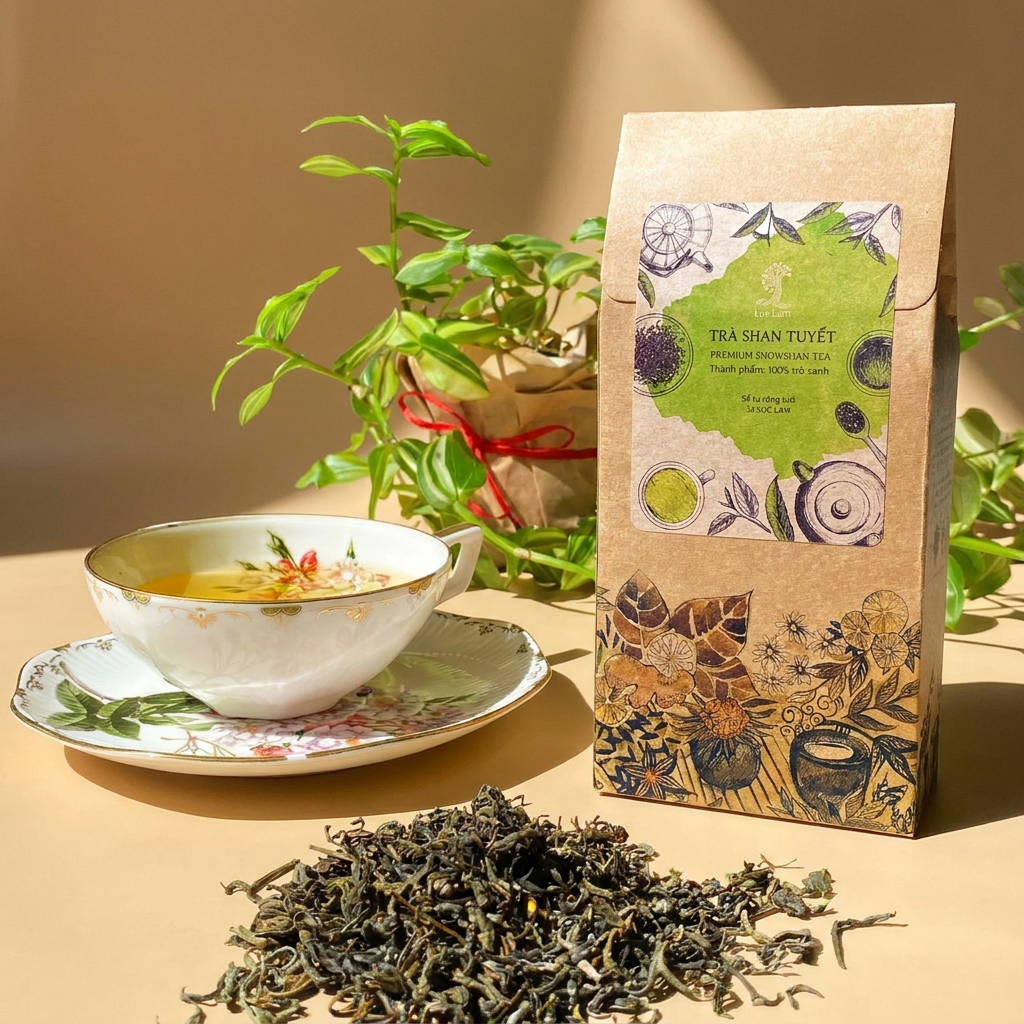
This is not about which product is superior. It is about which sourcing model fits your operation. If you are considering bulk herbal tea for your café or retail shop, this decision determines whether you can customize your menu, verify purity with a simple label check, and scale inventory as demand grows. It also impacts your ability to maintain a consistent serving size without managing multiple raw ingredients. The right approach aligns with your operational needs and your customers’ expectations, not just a product preference.
What you gain when you buy single-ingredient herbs
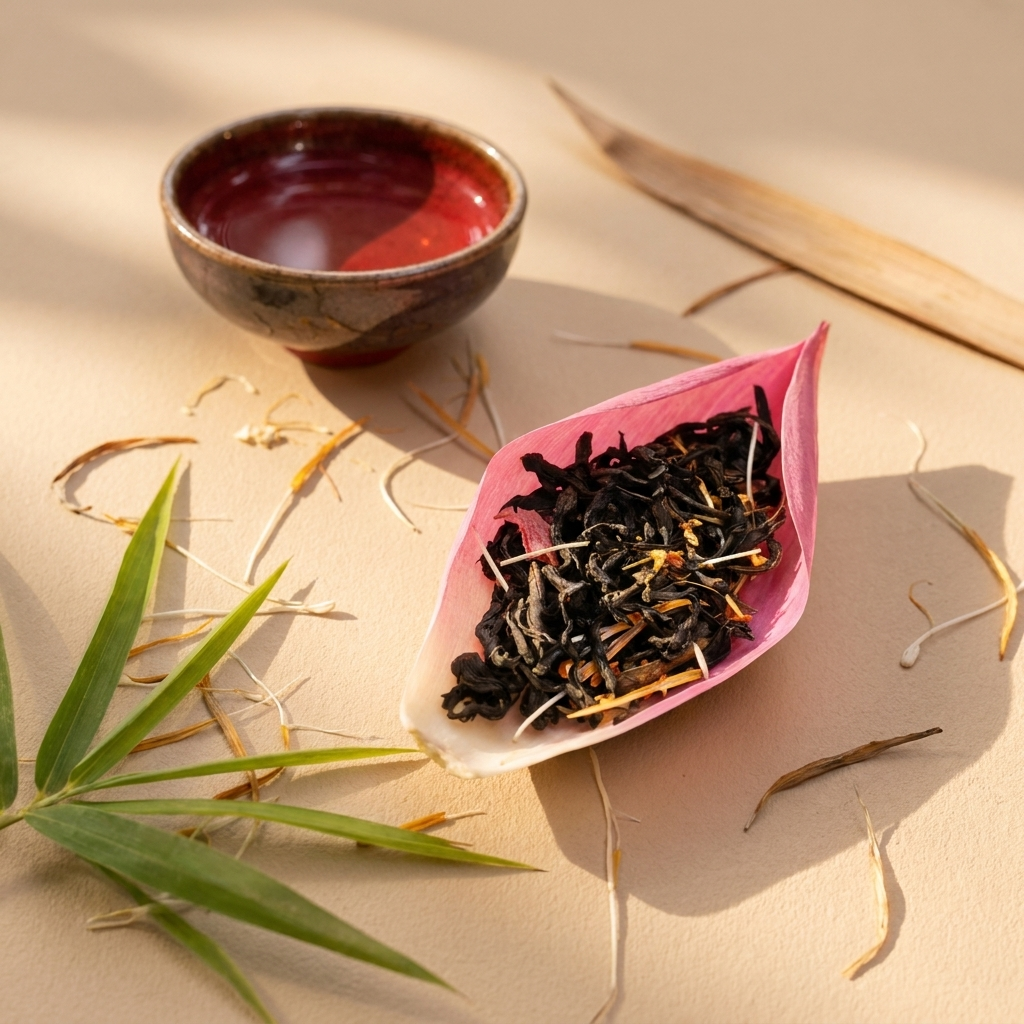
Buying single-ingredient herbs means you receive exactly one certified organic plant material—such as jasmine leaf, lotus flower, or artichoke—with no other ingredients listed on the label. This model places the entire blending decision in your hands. You define the ratios, the combination, and the final flavor profile, rather than accepting a formula pre-determined by a manufacturer. For any business focused on bulk herbal tea, this direct control is the primary advantage, allowing you to tailor products precisely to your customer’s preference.
Because there is only one ingredient, verifying purity becomes straightforward. You can confirm the organic certification for that specific item without decoding a complex ingredient list. This transparency simplifies quality control, ensuring that every batch meets your standards for additives and pesticides. You know exactly what you are buying, which reduces the risk of hidden contaminants or non-compliant materials entering your inventory.
Application flexibility and scaling
The utility of a single herb is not limited to one use case. The same lotus flower can be used in a light floral tea, a smoothie blend, or a functional formula. This versatility contrasts sharply with pre-made blends, which lock you into a fixed ratio. If you want to adjust the balance for a seasonal menu change or a specific customer request, single-ingredient herbs offer the flexibility to do so without sourcing a new product.
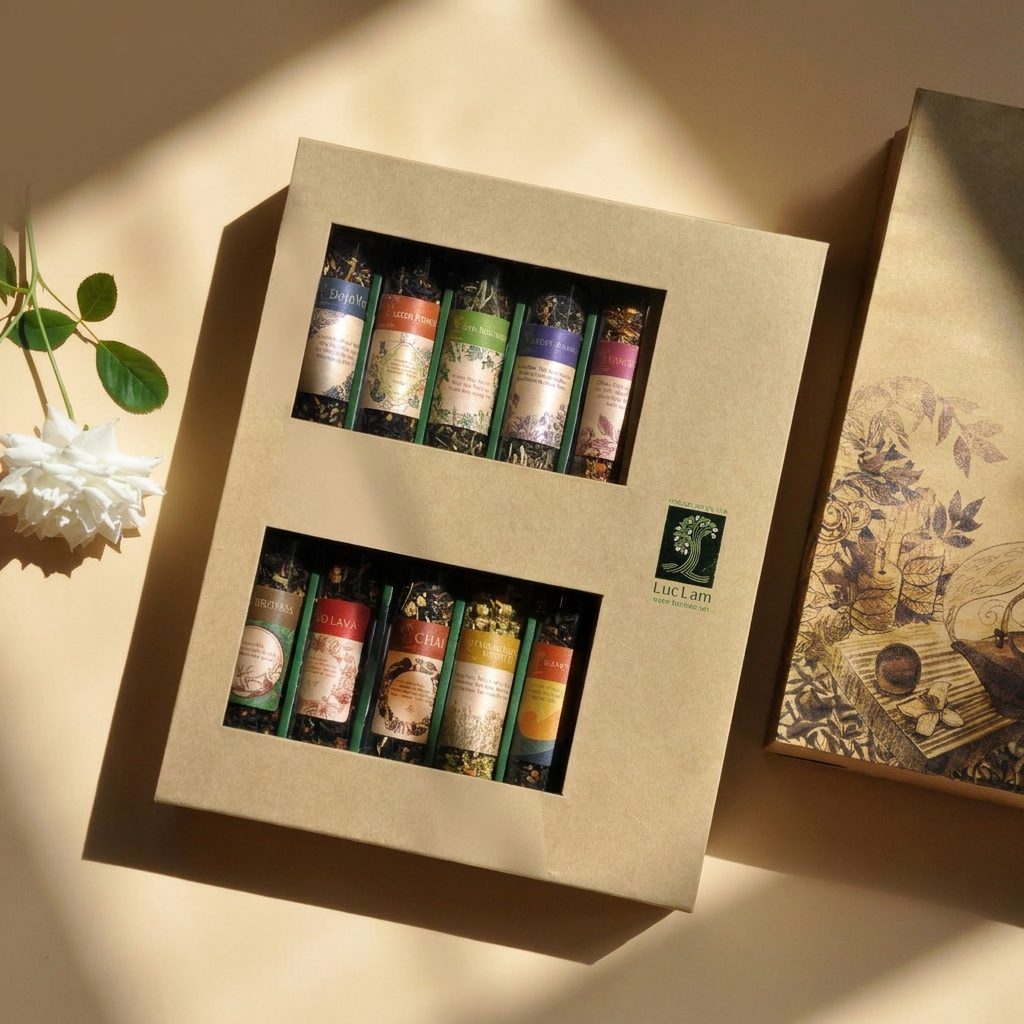
Scaling is another practical benefit. You can start with small pack sizes, such as 100g, to test a new herb with your customers. Once demand is proven, you can scale up to production volumes, such as 25kg, without changing suppliers. This step-by-step approach minimizes waste during the testing phase and builds confidence before you commit to larger orders. For a Vietnamese tea supplier, this scalability ensures that your inventory matches your actual sales pace, rather than forcing you to buy large quantities upfront.
The practical case for pre-made traditional blends
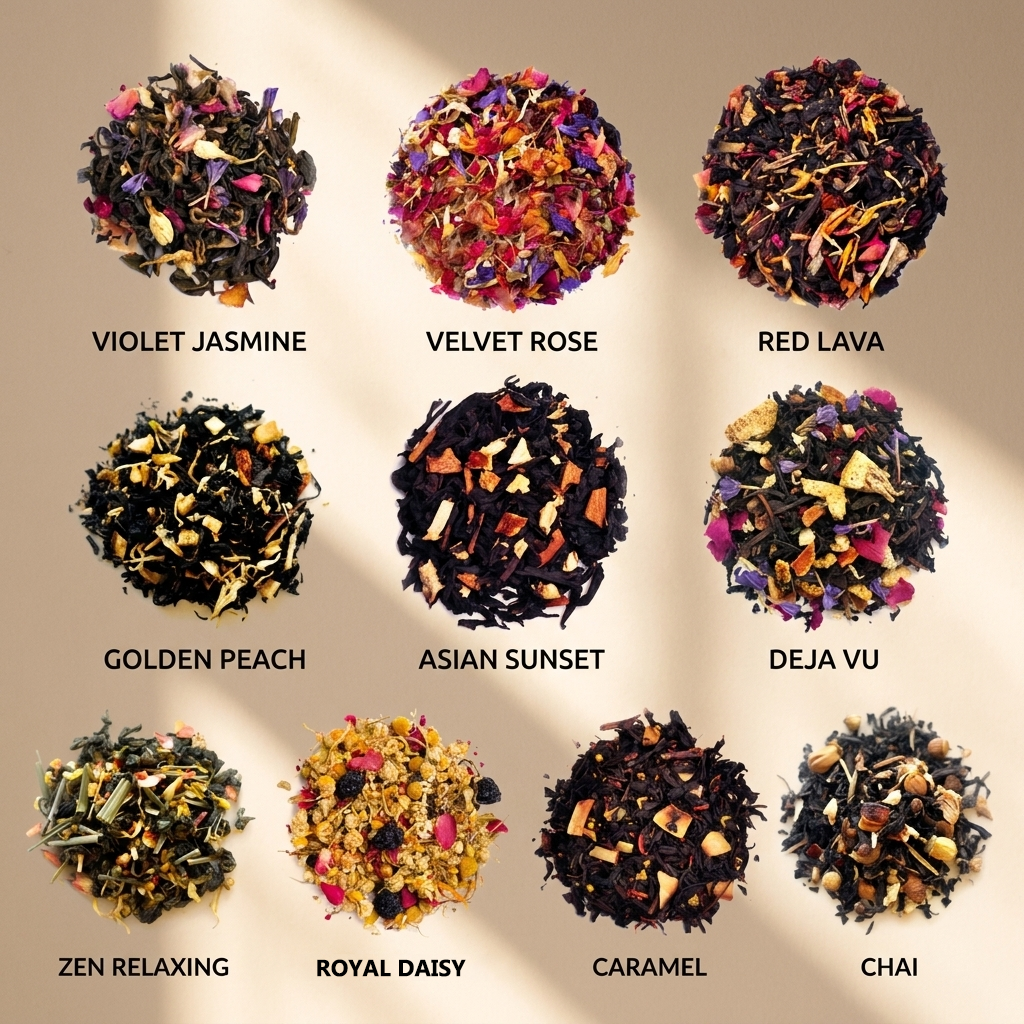
A pre-made herbal tea blend is a ready-to-use product where the supplier has already combined multiple herbs in a fixed ratio. Instead of stocking separate jars of jasmine leaf, honeybush, and dried fruit, you receive a single packet with all components pre-mixed. This model transforms the procurement process from managing several raw materials into ordering one finished SKU.
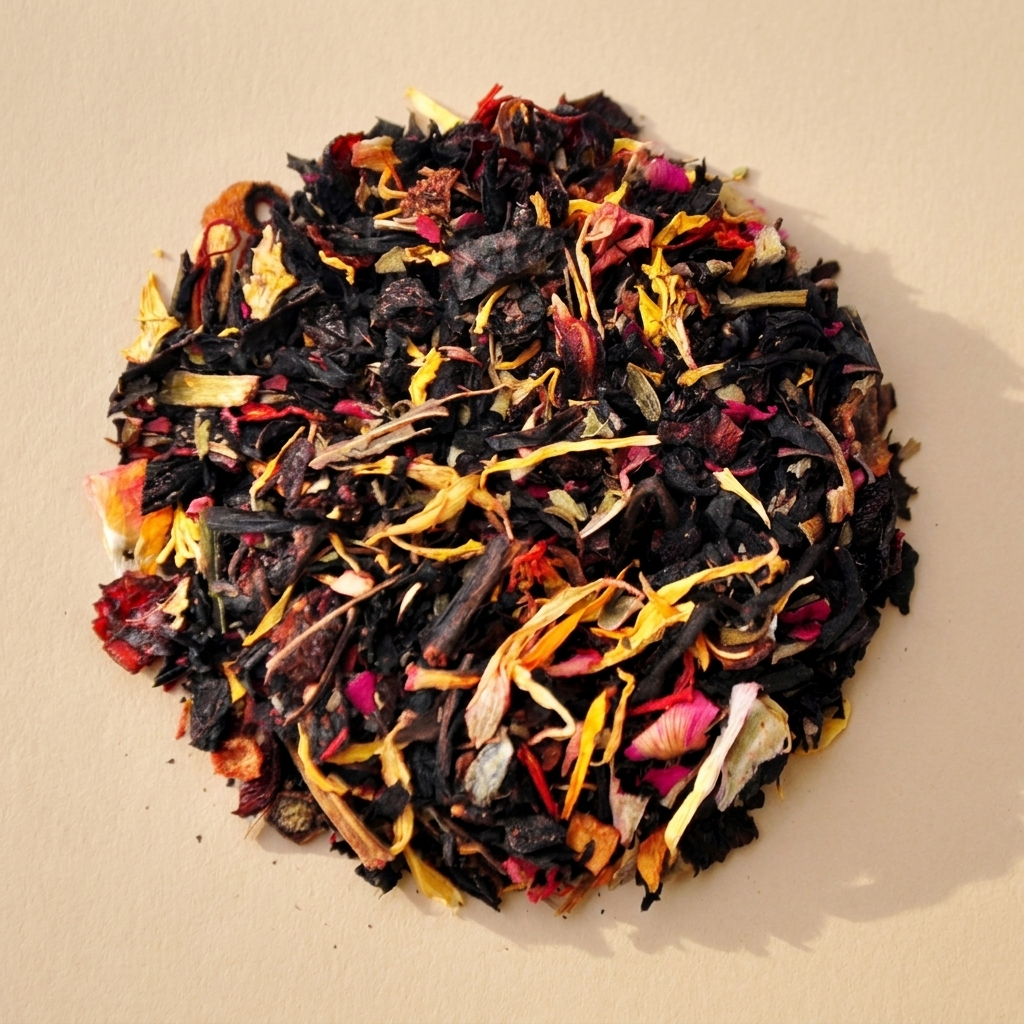
For businesses that prioritize operational simplicity, this approach offers a clear advantage. When you want a consistent taste profile across every cup without the complexity of managing inventory for multiple raw herbs, pre-made blends provide a one-step solution. The supplier handles the blending process and quality control, ensuring that every batch tastes the same. This consistency is particularly valuable for shops that do not have the space or staff to manage precise dosing of individual ingredients daily.
However, this convenience comes with a specific limitation: the buyer cannot adjust the ratio of individual herbs. If your customers have specific preferences, or if you want to modify your menu seasonally to highlight different ingredients, the fixed ratio of a pre-made blend limits your flexibility. You are committed to the flavor profile designed by the manufacturer, which may not always align with evolving local tastes or dietary trends.
A concrete illustration of this model is the triphala-style blend. Traditionally a mixture of three fruits, this traditional multi-herb formula is packaged and sold as a single unit. By purchasing such a blend, you simplify procurement by reducing the number of line items on your order. The traditional formula is preserved exactly as intended, and your staff can serve it immediately without any preparation. For many operations, this reduction in administrative burden and the assurance of a stable, traditional flavor justify the trade-off in customization.
How certification works for both bulk herbal tea models
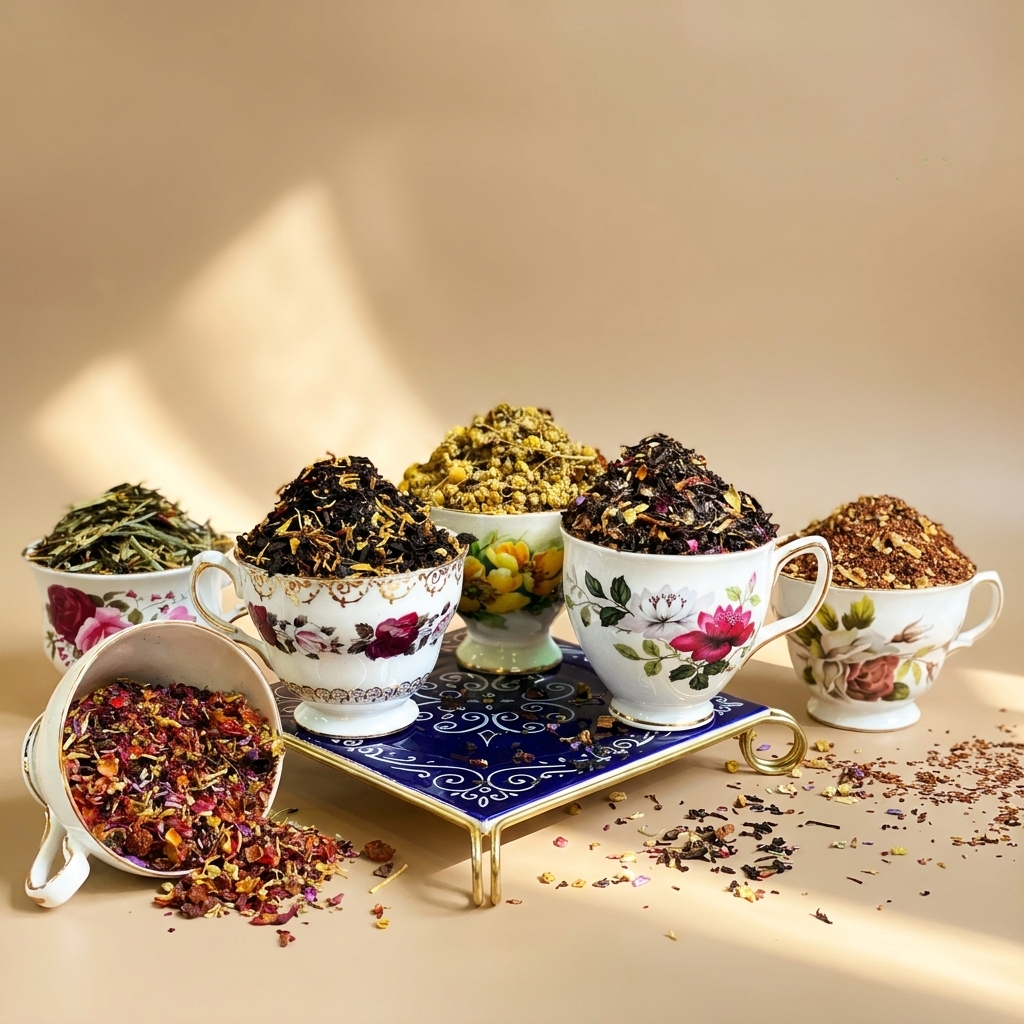
Organic certification is a product-level standard, not an ingredient-level one. Whether you purchase a single herb like jasmine leaf or a complex pre-made blend, the final bag must meet the same regulatory requirements. This means the entire product must be free of prohibited pesticides and synthetic additives, regardless of how many botanical ingredients are mixed inside.
Verifying single herbs versus blends
The difference lies in where your due diligence ends. With a single-ingredient purchase, you are verifying the organic status of exactly one item. It is straightforward: the label says jasmine leaf, and the certification covers that leaf. With a pre-made blend, the process is more trusting. You are not individually checking every herb in the mix. Instead, you are relying on the supplier’s internal controls to ensure that every component—whether it is a fruit, a flower, or a spice—was sourced from certified organic farms and processed without cross-contamination.
The red flag of unregulated labels
Be wary of marketing terms that sound organic but lack legal weight. Words like “natural,” “pure,” or “traditional” are not regulated certifications. They are marketing language. Only recognized logos, such as the EU Organic leaf or the USDA Organic seal, carry legal standing. If a bulk herbal tea bag lacks one of these official marks, you have no guaranteed proof of its organic status, no matter how high-quality the supplier claims to be.
A simple verification step
Regardless of which model you choose, do not rely solely on the label. Request the specific organic certification number from your Vietnamese tea supplier. Then, verify that number with the issuing body. This two-second check confirms that the claim is legitimate and current, protecting both your business reputation and your customers’ trust.
When sourcing organic tea wholesale, this verification step is non-negotiable. It is the only way to ensure that the “organic” claim on your menu or packaging is backed by actual, auditable standards rather than just a label design.
Cost per serving and bulk herbal tea pricing structure
When evaluating bulk herbal tea purchases, the sticker price per kilogram often misleads. The true financial metric is the cost per serving or the cost per cup once the tea is actually prepared. This shift in perspective reveals why a lower upfront cost does not always translate to a lower operational expense over time.
The impact of dosing and waste
Single-ingredient herbs typically carry a lower upfront cost per kilogram. However, achieving a balanced flavor profile requires precise internal blending. If your team lacks the expertise to measure these raw materials accurately, you risk over-dosing certain ingredients or under-dosing others. This inconsistency can lead to discarded cups, effectively increasing your actual cost per serving through waste. The flexibility of single herbs demands a corresponding level of operational skill to manage.
The value of pre-made consistency
Pre-made blends often command a premium per kilogram. This higher price reflects the work already completed by the supplier: blending, quality control, and ratio calibration. For many businesses, this premium buys consistency. A pre-set ratio ensures that every cup tastes the same, reducing the likelihood of waste from poor steeping or incorrect measurements. The efficiency of using a ready-to-use product can offset the higher initial purchase price, especially for teams without dedicated blending specialists.
Structural trade-offs
The choice between models depends on your operational capacity. Below is a qualitative comparison of the two approaches to help you assess which fits your current workflow.
| Feature | Single Herb | Pre-Made Blend |
|---|---|---|
| Flexibility | High; allows custom adjustments | Low; fixed ratio |
| Upfront Cost | Lower per kilogram | Higher per kilogram |
| Operational Need | Requires internal blending expertise | Ready to use; minimal preparation |
| Consistency | Variable; depends on staff skill | Consistent; supplier-controlled |
Understanding this structure helps you predict long-term costs. A slightly more expensive blend that reduces waste and saves preparation time may ultimately offer better value than a cheaper raw herb that requires constant quality checks.
FAQs on buying Vietnamese tea in bulk
Can I order Vietnamese herbal tea online?
Yes. Many Vietnamese tea suppliers now offer online ordering portals where you can browse loose-leaf varieties and place wholesale orders directly. When you choose to buy herbal tea online from a local source, always verify the shipping timeline to your specific destination. International logistics for organic goods can be complex, so confirm whether the supplier manages customs documentation or if that responsibility falls on you. Clear communication on these administrative details prevents delays at the border and ensures your bulk herbal tea arrives in optimal condition.
What is the minimum order for organic tea wholesale?
Minimum order quantities (MOQ) vary significantly between vendors. For single-ingredient herbs, some suppliers have no strict minimum, allowing you to start with small packs of 100g to test quality. In contrast, pre-made traditional blends often require larger initial purchases due to the complexity of their production process. Always confirm the specific MOQ before finalizing your purchase. Understanding this structure helps you plan your inventory levels and cash flow more effectively when entering the organic tea wholesale market.
Should I buy single herbs or pre-made blends for my café?
The right choice depends on your operational goals. If you aim to customize your menu and have the storage space for multiple raw materials, single-ingredient organic herbs provide greater flexibility. You can adjust ratios to suit customer preferences or seasonal trends. Conversely, if you prioritize simplicity and consistent flavor profiles, pre-made blends are easier to manage. They eliminate the need for internal blending expertise and ensure a uniform taste profile in every cup, reducing the risk of preparation errors during busy service hours.
How do I verify if the tea is truly organic?
To confirm the authenticity of your bulk herbal tea, look for a recognized organic certification logo, such as EU Organic or USDA Organic. These symbols are not decorative; they indicate that the product has undergone rigorous inspection. You must also check for the unique certification number printed on the label. You can verify this number with the issuing authority to ensure the claim is valid. Be wary of generic terms like “natural” or “pure,” which are not regulated certifications and do not guarantee the absence of pesticides or additives. Genuine organic certification is the only legal weight behind the claim.
Conclusion
Your choice between single-ingredient herbs and pre-made blends ultimately depends on what your operation values most. If you prioritize full control over blending ratios, easy verification of purity, and the ability to scale from small test orders to larger production runs, the single-herb model gives you that flexibility. If your team prefers consistency, simpler inventory management, and a ready-to-use product without internal blending work, traditional pre-made blends are the practical fit. Both models can meet the same organic certification standards, so the deciding factor is your operational workflow and customer expectations rather than a gap in quality. If you are still weighing which model aligns with your business goals, reaching out to a Vietnamese tea supplier can help clarify their bulk options and the specific certification documentation they provide for each product type.