On This Page· 6
A label stamped only with “detox” or “calming” tells you nothing about what is actually in the cup. The real value of any bulk herbal tea purchase lies in the specific botanicals listed on the pack—ingredients like Melissa officinalis or Glycyrrhiza glabra that determine how the blend performs. When you buy in volume, the risk of vague marketing is higher. Without a clear ingredient breakdown, you are essentially guessing at the effect. Understanding the plant names behind the product is the only way to ensure the blend matches your intended wellness goal. This guide provides a simple framework for decoding those labels, helping you move past generic promises and focus on the specific herbs that drive results in traditional tea blends.
The Calming Core: Lemon Balm (Melissa officinalis)
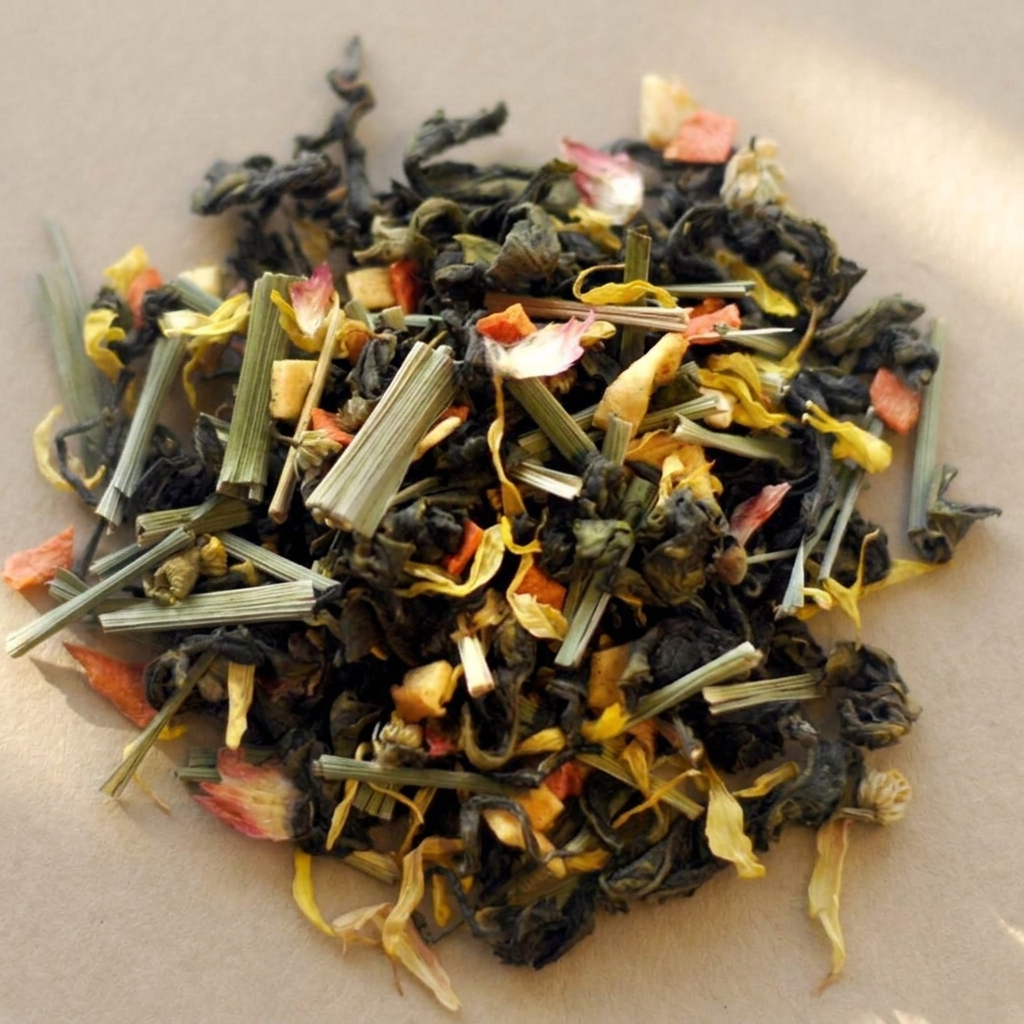
In the complex world of traditional tea blends, one herb consistently stands out for those seeking mental clarity and rest: Lemon Balm, identified botanically as Melissa officinalis. For anyone looking to buy herbal tea online or source ingredients for a custom blend, this plant serves as the primary driver for relaxation and sleep support.
When you examine a high-quality bulk herbal tea purchase, you are evaluating the integrity of its components. Lemon Balm anchors many calming traditional tea blends because it offers a direct pathway to a state of calm without the heaviness often associated with stronger sedatives. Its reputation in herbalism rests on centuries of use, making it a reliable choice for consumers who want a gentle, daily ritual rather than a potent intervention.
Processing and Flavor Profile
To understand why Lemon Balm is a staple in the tea world, it helps to look at how it is processed. For most infusions, the herb is harvested and dried into loose leaves. This method preserves the volatile oils that give the plant its distinctive character. Unlike the sharp, tannic taste of black tea, Lemon Balm offers a mild, lemon-citrus flavor profile. This natural brightness makes it an excellent partner for other botanicals. It can stand alone as a soothing evening drink or blend effortlessly with floral notes like chamomile or fruit notes like rosehip. The flavor is subtle enough that it does not overpower a blend, yet distinct enough to provide a recognizable signature to the brew.
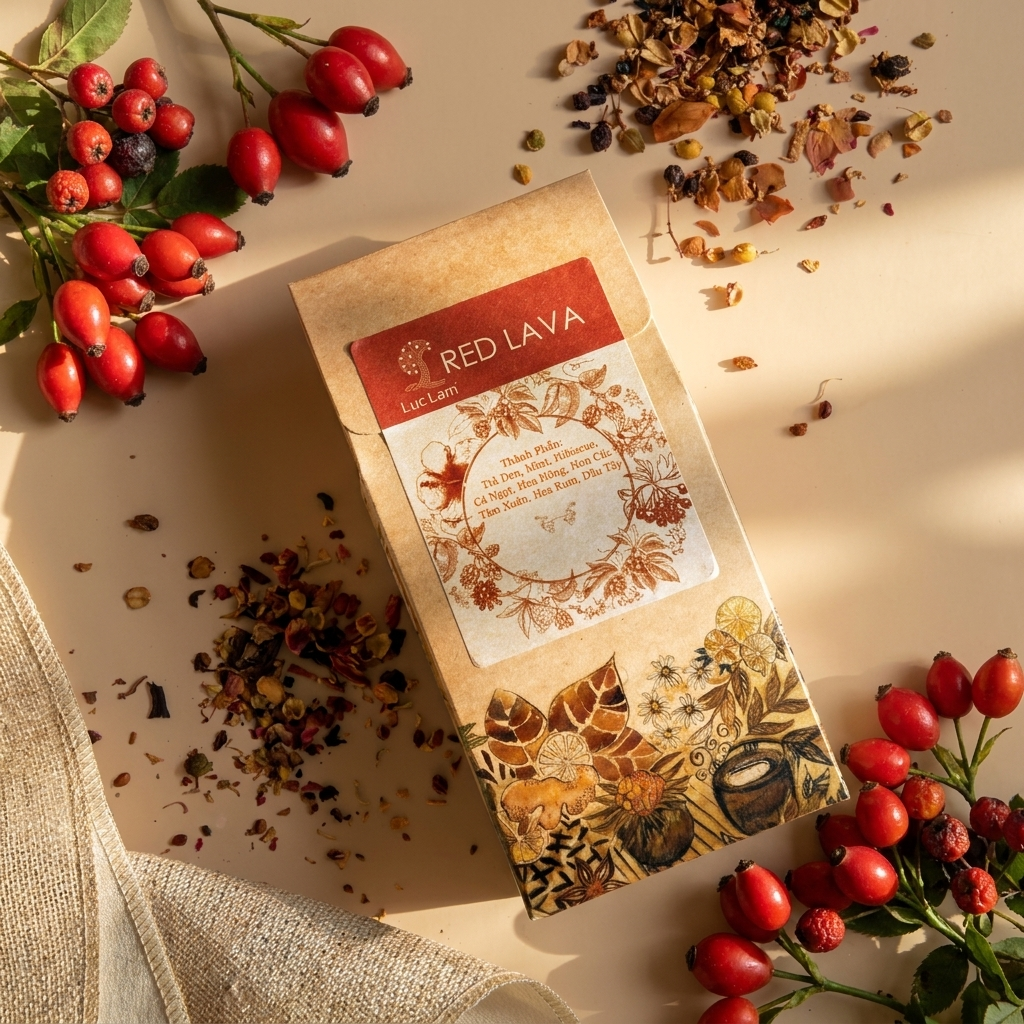
For the discerning buyer, this gentle flavor is a feature, not a bug. It means the herb is versatile in a Vietnamese herbal tea context or in global wellness formulations. You do not need to add sugar or honey to make it palatable, which keeps the focus on the botanical properties of the plant itself. The result is a beverage that tastes as fresh as it feels, supporting a routine that feels luxurious yet natural.
Evaluating Quality in Bulk Purchases
When sourcing these herbs in larger quantities, visual cues are your first line of defense against substandard ingredients. A buyer should focus on two main factors when inspecting the dried leaves: leaf integrity and color retention.
First, check the leaf integrity. High-grade Lemon Balm should consist of whole, recognizable leaves rather than a fine, dusty powder. If the material looks like a crumbled mess, it suggests poor drying conditions or excessive handling during packaging. Whole leaves steep more evenly and release their flavor gradually, providing a consistent experience from the first cup to the last in a bulk tea purchase.
Second, examine the color. Fresh Lemon Balm is a vibrant green. When dried properly, it should retain a shade of light to medium green. If the leaves appear yellowish, brown, or significantly faded, the herb has likely been exposed to excessive heat or light during storage. This degradation often means the active compounds have diminished, resulting in a weaker infusion. By prioritizing these visual details, you ensure that the calming properties of Melissa officinalis remain potent and effective in every cup.
Digestive and Respiratory Support: Licorice Root (Glycyrrhiza glabra)
Licorice Root, scientifically known as Glycyrrhiza glabra, is a foundational ingredient in many traditional tea blends due to its dual ability to soothe the throat and support digestive comfort. It is widely recognized in herbal medicine for its role in respiratory remedies and gut health. When you see this botanical on a label, you are looking at a plant part that has been used for centuries to ease irritation in the upper airways and promote a calm digestive tract.
The Flavor Bridge in a Blend
One of the most practical benefits of licorice root is its natural sweetness. In complex mixtures of dried leaves, roots, and flowers, some ingredients can taste notably bitter or earthy. The sweet profile of Glycyrrhiza glabra acts as a natural flavor masker, rounding out the taste of the brew without the need for added sugars. This makes the infusion more palatable for daily consumption. For buyers evaluating traditional tea blends, this sweet component is a key indicator of a well-balanced recipe. It suggests the formulator considered the sensory experience, not just the functional benefits. If a blend feels harsh or medicinal, the absence of a sweetening agent like licorice root might be the cause.
Sourcing and Portion Control in Bulk
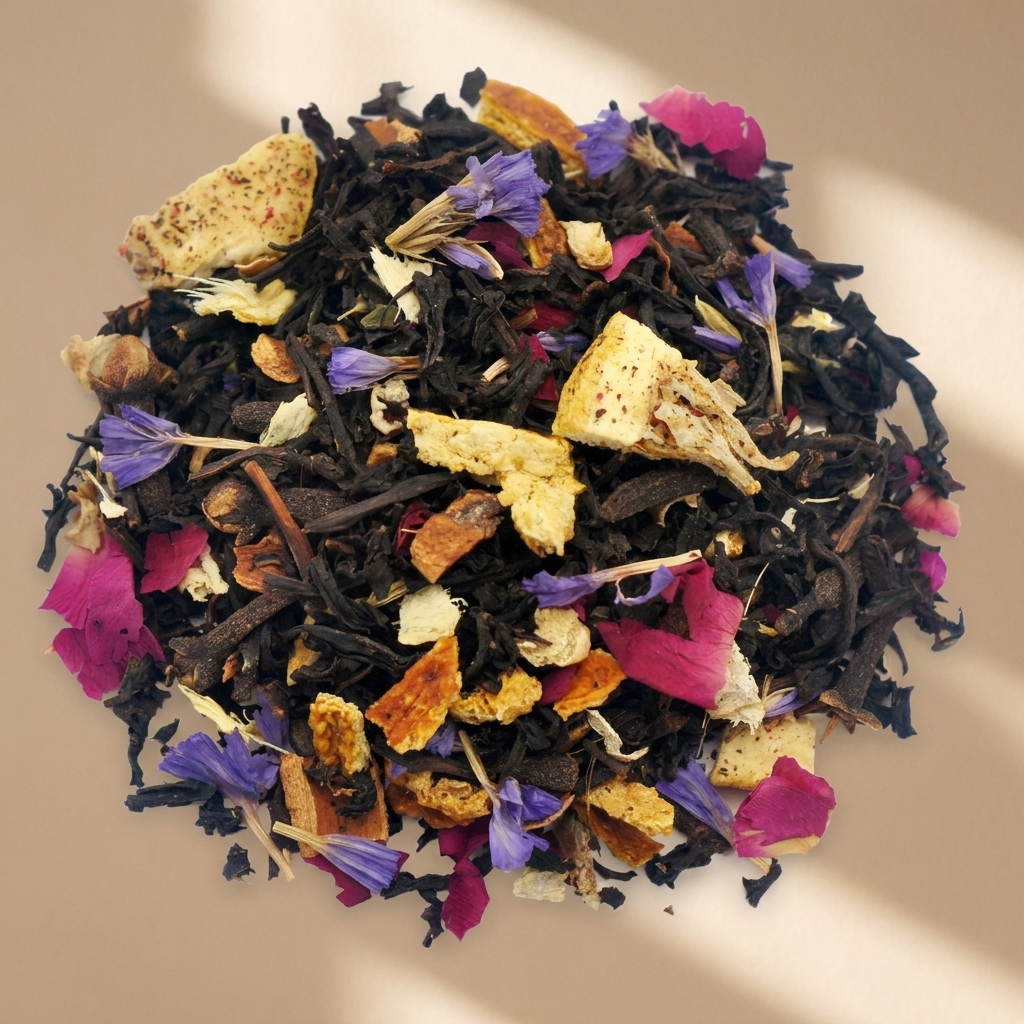
When purchasing bulk herbal tea, the quality of the licorice root slice is critical. High-quality sourcing means the root is clean, free of soil or impurities, and cut into consistent pieces that brew evenly. Uneven chunks can lead to an overly strong or weak cup, depending on the size. Portion control is another important factor. Because licorice root is potent, it is often used in smaller quantities within a blend. If a product lists it as the primary ingredient without clear percentage disclosure, it may result in a brew that is too intense for regular use. For wholesale herbal tea buyers, verifying the origin and checking for a Certificate of Analysis (CoA) ensures you are getting a pure product that meets safety standards. Always check if the supplier provides details on how the herb was processed and stored to maintain its integrity during shipping. A transparent label helps you trust that the sweet notes in your cup come from genuine, well-sourced plant material.
Liver Health and Antioxidants: Dried Barberry (Berberis vulgaris)
The sharp, bright tang of dried barberry often surprises first-time sippers, but that distinctive sour note is exactly what sets it apart in a complex brew. Dried Barberry (Berberis vulgaris L.) is a staple in many traditional tea blends, valued historically for its role in supporting liver function. For buyers scanning a label, recognizing this botanical name signals that the blend is crafted with an intention toward detoxification and metabolic support, rather than just providing a pleasant taste.
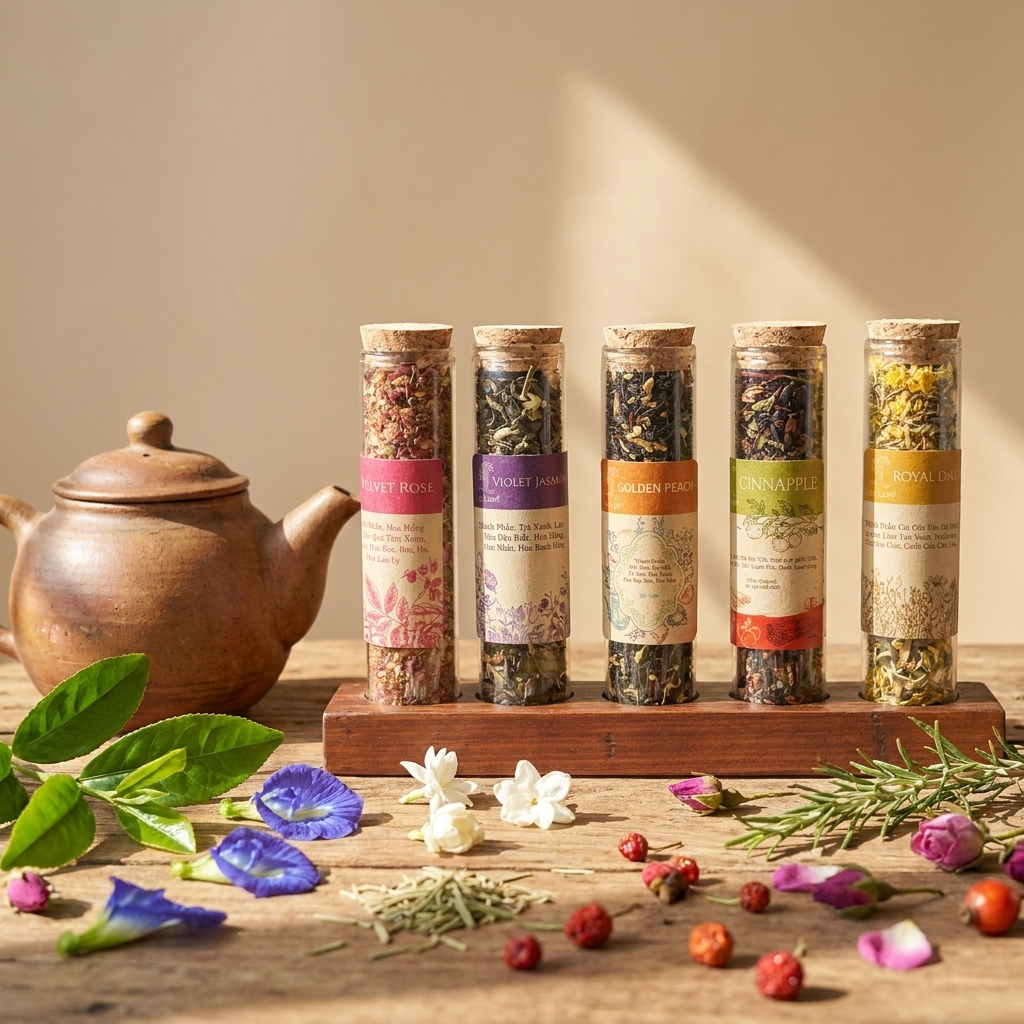
In the context of traditional tea blends, barberry acts as a flavor anchor that balances the earthier notes of roots or the sweetness of other dried fruits. It adds a sharp-sour profile to the infusion, making the beverage refreshing even when it is designed for deeper wellness goals. This is why you will frequently see it in gourmet mixes aimed at consumers who want their daily cup to do more than just hydrate. The visual of vibrant red-orange berries against the muted greens and browns of other herbs is not just aesthetic; it indicates a blend that prioritizes both sensory experience and functional benefit.
The Role of Berberine in Functional Teas
What truly distinguishes Dried Barberry from other herbal additives is its high content of berberine. This alkaloid is the key active compound that researchers and traditional practitioners associate with digestive health and immune support. When you buy herbal tea online, looking for barberry on the ingredient list is a way to ensure you are getting a specific functional ingredient rather than a vague “liver support” claim without a clear source.
For health-conscious buyers, the presence of berberine matters because it provides a tangible reason for the herb’s inclusion. It transforms the tea from a simple infusion into a targeted wellness tool. If a bulk herbal tea package lists only generic terms like “liver herbs” without specifying Berberis vulgaris, you lose that transparency. The specificity of the name allows you to verify the quality and potential benefits of the blend you are purchasing, ensuring that the sour flavor you taste is matched by the functional profile you expect.
The Value Checklist for Buying Herbal Tea Online
Buying a large quantity of herbs is only valuable if the ingredients deliver the specific wellness effect you paid for. In the world of traditional tea blends, a generic label like “relaxing blend” tells you nothing. What matters is the botanical list. When you look at a product listing for a bulk herbal tea purchase, the first thing to check is whether each ingredient is identified by its scientific name. This level of transparency is the primary marker of a reputable supplier who understands the nuances of the plant materials.
Reading the Label for Botanical Precision
A high-quality product description will pair the common name with the botanical Latin name. For instance, you should see “Lemon Balm (Melissa officinalis)” rather than just “Lemon Balm.” This distinction is critical because it prevents the substitution of a cheaper, less effective plant. If a supplier lists only common names, you are trusting their interpretation of their own formula. For a bulk order, that is a risk you do not want to take. A specific botanical name guarantees that the phytochemicals—such as the antioxidants in barberry or the calming compounds in lemon balm—are present in the batch you receive.
Matching the Blend to Your Goal
Different herbs serve different functions. Before you commit to a specific variety, map the ingredients to the health benefit you are seeking. The table below outlines common goals and the specific botanicals that typically drive those effects in a well-formulated traditional tea blend.
| Primary Function | Key Botanical Ingredients | Typical Role in Blend |
|---|---|---|
| Calming & Sleep | Melissa officinalis (Lemon Balm) | Supports relaxation and a restful mind |
| Digestive Support | Glycyrrhiza glabra (Licorice Root) | Soothes the throat and aids digestion |
| Liver & Antioxidant | Berberis vulgaris (Dried Barberry) | Provides tangy flavor and liver support |
This framework helps you verify that the product matches its description. If you are buying for immune support, the label should clearly list herbs like Echinacea or similar botanicals known for that purpose, rather than vague “wellness” terms.
Red Flags in Online Product Listings
When browsing for wholesale herbal tea, certain labeling practices should make you pause. The most common red flag is the use of “proprietary” or “secret” formulas. If the exact ratio or even the specific plants are hidden, you cannot verify the quality or safety of the ingredients. You are essentially buying a black box. Another warning sign is a missing origin. Reputable suppliers provide the source of their herbs. If a listing lacks details on where the plants were grown or harvested, it makes it impossible to assess the purity or the compliance standards the ingredients have met. Always favor the seller who offers a transparent, itemized list of ingredients with their full botanical names and origin details.
Frequently Asked Questions About Traditional Tea Blends
What is the best way to store bulk medicinal herbs?
Proper storage is the first line of defense against potency loss. A bulk herbal tea purchase is only as good as how it is kept after delivery. The two enemies of dried botanicals are moisture and light. Humidity causes clumping and mold, while direct sunlight breaks down volatile oils and fades the color of ingredients like lemon balm or barberry.
Keep your inventory in a cool, dark, and dry place. If you are storing large quantities, use airtight containers or vacuum-sealed bags rather than leaving the original shipping bags open. Glass jars with tight-fitting lids are ideal for smaller amounts, but for wholesale herbal tea quantities, opaque, food-grade plastic or metal drums offer better protection against light exposure. Avoid storing herbs near heat sources like ovens or radiators, as fluctuating temperatures accelerate degradation. A quick visual check before each use—looking for discoloration or musty odors—can confirm the batch is still fresh.
Can these traditional blends be combined?
Yes, many traditional tea blends are designed to be compatible, but mixing requires care. When you buy herbal tea online, you might see distinct single-herb packs like licorice root and chamomile. Combining them can create a custom profile, but you must consider the flavor balance and the specific purpose of each ingredient. For example, combining a calming herb like lemon balm with a digestive aid like licorice is generally safe and creates a pleasant, balanced infusion. However, some botanicals have strong, overriding flavors that can mask milder ones, or their combined effects might be too potent for daily use.
If you are blending your own batches, start with small ratios to test the flavor. A general rule is to use one primary herb for the main effect and one or two supporting herbs at lower concentrations. Always review the specific properties of each plant to ensure they do not contradict each other’s intended benefits. This approach helps you maintain the integrity of the traditional tea blends while personalizing them to your preference.
How do I know if a blend is high-quality?
Transparency is the key indicator of quality in any bulk herbal tea. A reputable supplier will always provide a Certificate of Analysis (CoA) for their products. This document details the lab test results, confirming the presence of active compounds, the absence of contaminants like heavy metals or pesticides, and the correct identification of the botanical ingredients. Without a CoA, you are relying on the supplier’s word, which is a significant risk in wholesale sourcing.
Look for detailed origin information on the label, specifying where the herbs were grown and harvested. Vague terms like “proprietary blend” or “herbal mix” should be red flags. High-quality Vietnamese herbal tea or international botanicals will list each ingredient by its scientific name, ensuring you know exactly what is in the box. If a supplier cannot produce a CoA or detailed sourcing data, it is usually a sign that the product has not undergone rigorous quality control. Prioritizing suppliers who offer this documentation protects your investment and ensures consistency in every batch you order.
Conclusion
The three botanicals we examined—Lemon Balm, Licorice Root, and Dried Barberry—form the functional tripod of any high-quality traditional tea blend. When you see these ingredients listed by their scientific names on a label, you have a clear signal that the blend is formulated for specific wellness goals rather than just offering a pleasant flavor. Lemon Balm anchors the calming and sleep-support aspects, Licorice Root provides digestive and respiratory soothing while balancing the profile with natural sweetness, and Dried Barberry contributes the antioxidant and liver-supportive properties that health-conscious buyers look for.
Understanding this framework changes how you approach a bulk herbal tea purchase. Instead of accepting a vague “detox” claim, you can verify that the blend actually contains the active botanicals that drive those effects. Whether you are sourcing wholesale herbal tea for a business or buying small quantities for personal use, the presence of these three pillars ensures a balanced, functional, and transparent product. It turns a simple beverage choice into a thoughtful investment in daily wellness.
For travelers in Ho Chi Minh City or Da Nang who want to bring a piece of Vietnam home, finding a blend that meets these quality standards while also looking gift-worthy can be a challenge. Lục Lam offers a curated selection of artisanal Vietnamese herbal teas that align with these botanical principles. Their refined packaging and varied flavors make them easy to choose for family, friends, or business partners, ensuring your gift is both meaningful and aesthetically pleasing.
If you are planning your next trip to Ho Chi Minh City or Da Nang, feel free to reach out to us for personalized recommendations on the perfect herbal tea gift.