On This Page· 4
You spot a quote for Vietnamese green tea at half the price of comparable Indian leaf, and your first instinct is to assume you are getting commodity bulk. That instinct is exactly what costs importers when they try to sell premium tea in the US. The lower unit price does not signal inferior leaf quality. It reflects a market structure where Vietnamese tea has historically relied on bulk exports with less global branding than India or Sri Lanka. Sourcing from certified partners turns that price gap into a margin advantage, not a quality compromise.
Importing Vietnamese tea to the US market requires more than finding a low price. It demands alignment with the values that drive US consumer demand: traceability, ethical sourcing, and authentic flavor. If you are planning a shipment, you need to verify the certification level, match the origin to your target flavor profile, and ensure the product meets premium standards before it reaches a customer. This guide breaks down the four essential checks to run before you ship. We cover why the pricing structure works in your favor, which certifications matter for the US retail shelf, how to select the right region for your buyer’s taste, and the practical steps to verify quality before committing to a full container.
Why the price gap doesn’t mean lower quality
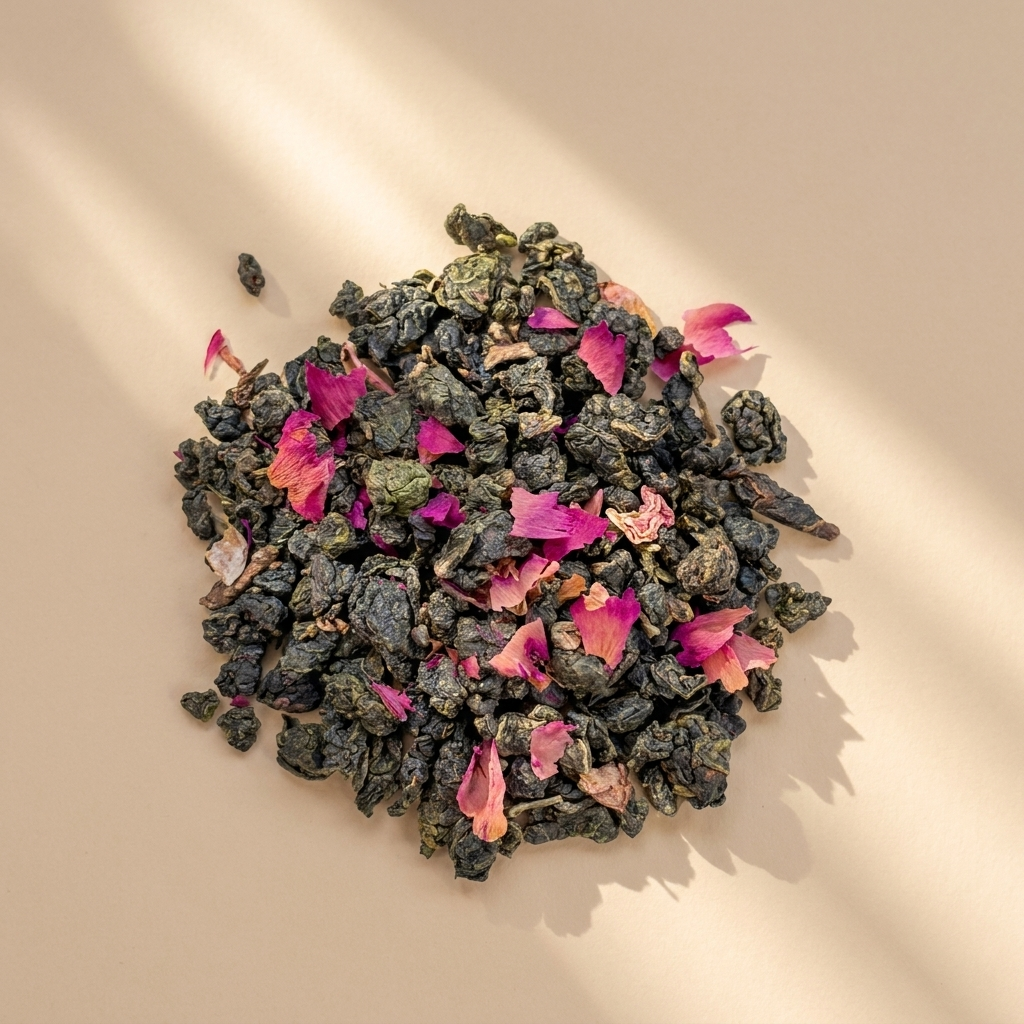
A lower unit price for Vietnamese tea often triggers a red flag for US importers, who may assume the leaves are a commodity bulk product rather than a premium item. This assumption, however, stems from market structure rather than botanical inferiority. When you import Vietnamese tea, the price difference compared to Indian or Sri Lankan counterparts is primarily driven by weaker global branding and a historical reliance on bulk export contracts. It is not a reflection of leaf quality, which remains highly competitive in the global market.
The branding and export structure gap
Vietnam ranks fifth in the world in tea exports, yet it lacks the extensive consumer marketing campaigns that drive premium pricing in other regions. Many Vietnamese producers focus on volume-based shipments to established markets, which keeps unit costs down. This bulk export model does not imply that the leaves are of lower grade. In fact, high-quality green teas from Vietnam are characterized by a vibrant green color and a fresh, grassy aroma that rivals top-tier products from other origins.
Comparable quality from certified sources
When sourced from reputable suppliers with proper processing, Vietnamese green, oolong, and herbal teas offer a quality profile comparable to premium teas from other regions. For instance, green tea from Thai Nguyen is known for its strong aroma and sweet aftertaste, while oolong from the misty highlands of Lam Dong offers a smooth, floral profile. These distinct characteristics are the result of specific terroirs and careful processing, not low-grade inputs.
A branding opportunity for the US market
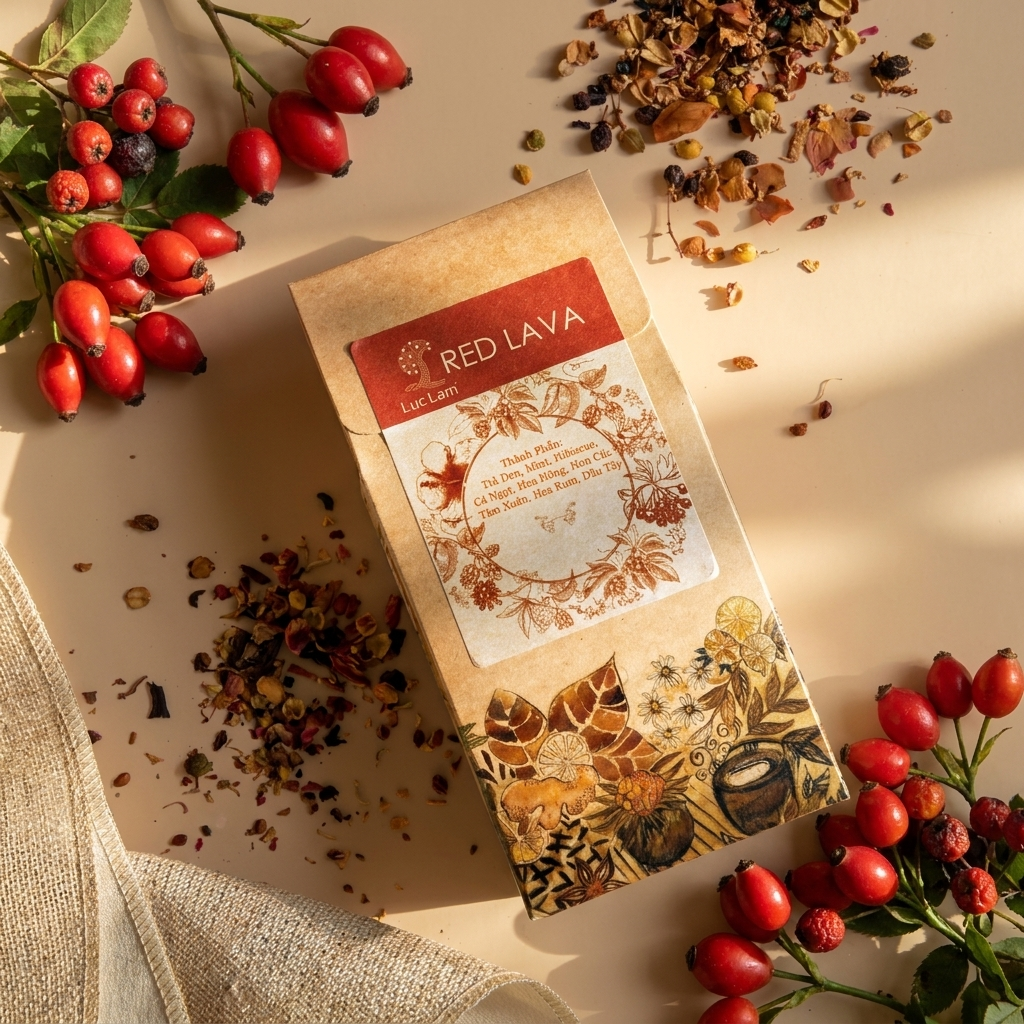
For US importers, this price gap represents a significant branding opportunity. By positioning authentic Vietnamese tea as a unique, high-quality product rather than a budget alternative, you can capture the premium segment. The cost savings on raw materials allow for higher margins or more refined packaging, which appeals to consumers seeking premium tea gift box options. This approach aligns with the growing demand in the organic Vietnamese tea US market, where buyers are willing to pay more for verified quality, ethical sourcing, and a distinct origin story. Embracing this narrative transforms a perceived weakness into a compelling entry point for the North American market.
Certifications and traceability for the US market
When you import Vietnamese tea for the North American market, the label on the box matters as much as the leaf itself. US consumers in the premium segment do not just buy a beverage; they buy a story of safety, ethics, and origin. Understanding which certification signals value to your specific customer base is the first step in a successful sourcing strategy.
The core credentials of premium tea
Different seals validate different aspects of the supply chain. Organic certification is the gold standard for health-conscious buyers, confirming that the tea was grown without synthetic pesticides or fertilizers. For those focused on social responsibility, Fair Trade ensures that farmers received a fair price and worked under safe conditions, addressing the ethical side of sustainability. UTZ is a sustainability standard that guarantees sustainable farming practices, appealing to brands with strong environmental commitments.
On the quality and safety front, GlobalGAP is a globally recognized benchmark for good agricultural practices, assuring retailers of strict food safety controls. VietGAP is the national equivalent, verifying that the tea meets Vietnamese standards for hygiene and quality. While VietGAP is essential for domestic compliance, GlobalGAP often carries more weight in the eyes of international importers looking for standardized safety protocols.
| Certification | What It Validates | Primary US Market Appeal |
|---|---|---|
| Organic | No synthetic pesticides or fertilizers | Health and natural lifestyle buyers |
| GlobalGAP | Good agricultural practices and food safety standards | Mass-market retailers and grocery chains |
| Fair Trade | Fair wages and ethical working conditions | Socially conscious consumers |
| UTZ | Sustainable farming and environmental stewardship | Eco-friendly and sustainable brands |
| VietGAP | Vietnamese national standards for quality and hygiene | Basic quality assurance for general imports |
Connecting certs to consumer drivers
These labels are not just bureaucratic hurdles; they directly answer the three main questions asked by today’s premium tea shopper. First, health consciousness drives the demand for organic and clean-label products. Second, ethical sourcing matters to consumers who want to know their purchase supports sustainable livelihoods. Third, farm-to-cup traceability builds trust. When a buyer can see the specific origin and the standards followed, the product moves from a commodity to an authentic experience.
Verify before you ship
Do not rely on the label alone. Before committing to a full container of Vietnamese herbal tea or premium blends, verify the supplier’s documentation. Request the actual certificate numbers and cross-check them with the issuing bodies.
Most importantly, ask for sample testing. A visual inspection of the leaf and a cupping session for aroma, taste, and color are non-negotiable steps. This simple check ensures that the quality meets the standard you are selling and protects your brand reputation in the competitive US market.
Choosing origins that match your buyer’s expectations
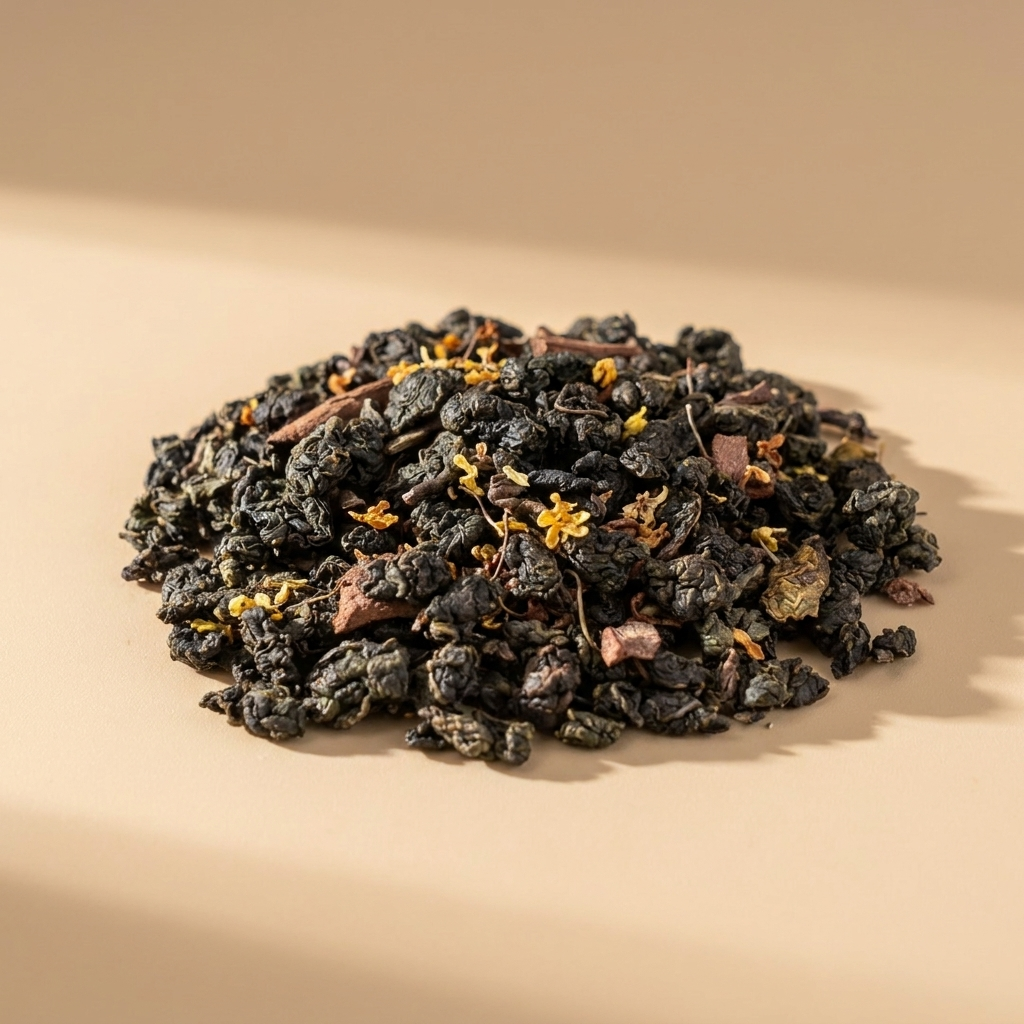
Vietnamese terroir is not a single flavor; it is a map of distinct taste profiles shaped by altitude, soil, and variety. When you import Vietnamese tea, treating each region as a separate product line allows you to match the specific sensory experience your customer expects. This precision is what separates a premium tea gift box from a generic bulk export.
| Region | Primary Variety | Flavor Profile | Key Characteristic |
|---|---|---|---|
| Thai Nguyen | Green | Bold, sweet aftertaste | Strong aroma, vibrant green color |
| Lam Dong | Oolong | Smooth, floral | Grown in misty highlands |
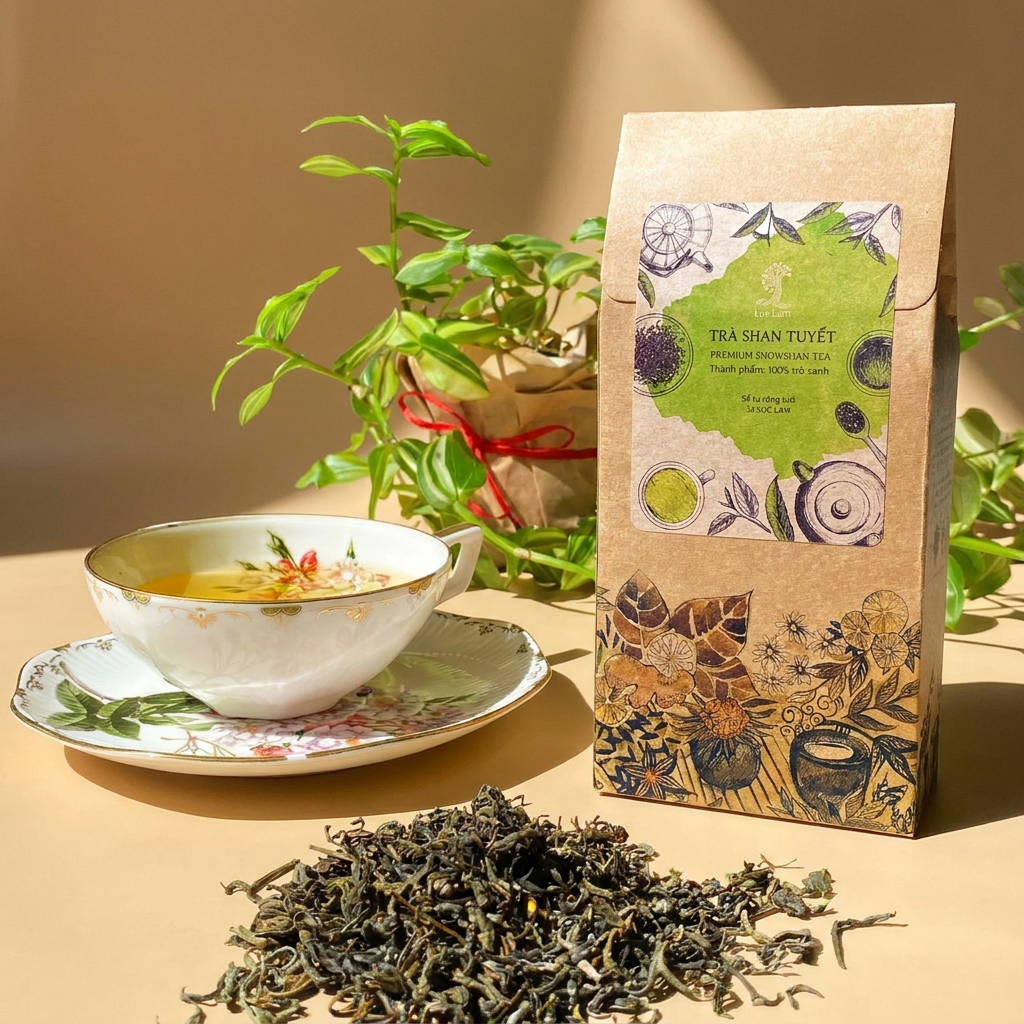
| Yen Bai / Ha Giang | Shan Tuyet | Complex, earthy | Harvested from ancient trees, some over 300 years old |
Matching the origin to the buyer’s intent
Certification tells a buyer a tea is safe; origin tells them what it tastes like. For the US market, these two factors work in tandem. A wellness-focused consumer searching for authentic Vietnamese tea often seeks the calming properties of herbal blends or the subtle floral notes of highland oolongs. In contrast, a traditionalist looking for a strong, energizing morning cup will gravitate toward the bold green teas from Thai Nguyen.
This alignment is critical when selling through digital channels. If you list a product as a premium tea gift box, the description must justify the price point with specific origin details. Vague labeling erodes trust. By explicitly linking the mountain or province to the cup, you bridge the gap between the farm and the end user, making the sourcing story tangible and verifiable.
Building a curated, varied portfolio
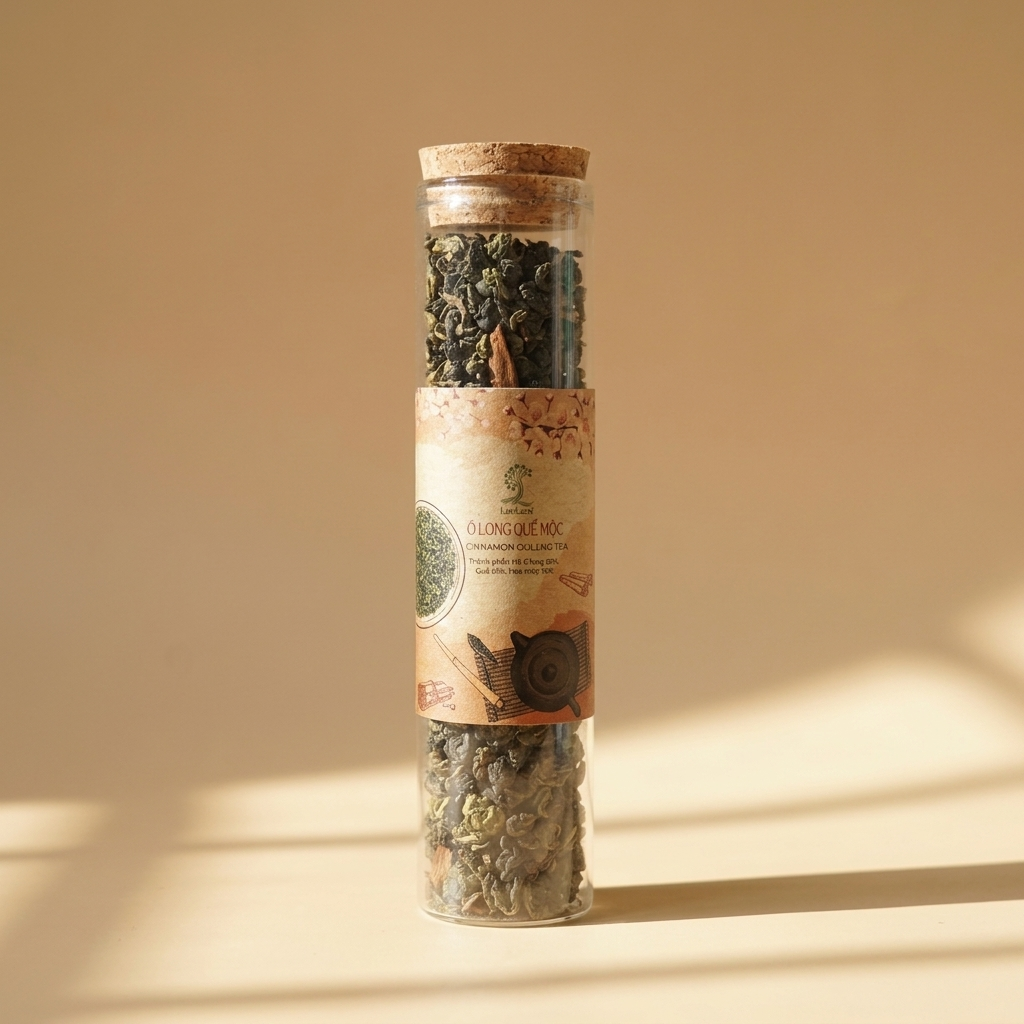
Vietnam’s varietal diversity extends beyond just green and black teas. The country produces jasmine, lotus, and diverse herbal infusions that cater to the growing US interest in personalized wellness. This variety allows importers to curate a collection that spans different rituals and preferences, rather than relying on a single bulk export origin.
Defaulting to one region limits your shelf appeal and ignores the nuance of the premium segment. Instead, select the region based on the specific health benefit or flavor profile your target consumer is seeking. A buyer looking for digestive support might prefer a lotus tea from a specialized supplier, while one seeking a complex, long-lasting finish will look for the ancient Shan Tuyet leaves from Yen Bai. Curating this way supports the trend toward authenticity and offers a more compelling value proposition than any single, monolithic product could achieve.
FAQ: Importing Vietnamese tea to the US
Why is Vietnamese tea cheaper than Indian or Sri Lankan tea?
The price difference stems from market structure, not leaf quality. Vietnam has historically focused on bulk exports and lacks the global brand recognition that Indian or Sri Lankan producers have built over decades. However, when sourcing from certified suppliers, the quality of authentic Vietnamese tea is comparable to premium offerings elsewhere. This price gap actually represents a branding opportunity for US importers, allowing you to enter the premium market with higher margins without a quality compromise.
How do I verify supplier credentials before ordering?
Start by requesting documentation for Organic, VietGAP, or GlobalGAP standards. These certifications validate food safety and ethical practices, which are critical for the organic Vietnamese tea US market. Beyond paperwork, request a sample shipment to evaluate aroma, taste, and color in your own lab. Finally, confirm the supplier’s export history through verified sourcing channels to ensure they have a track record of successful international shipments.
Which tea types sell best in online retail?
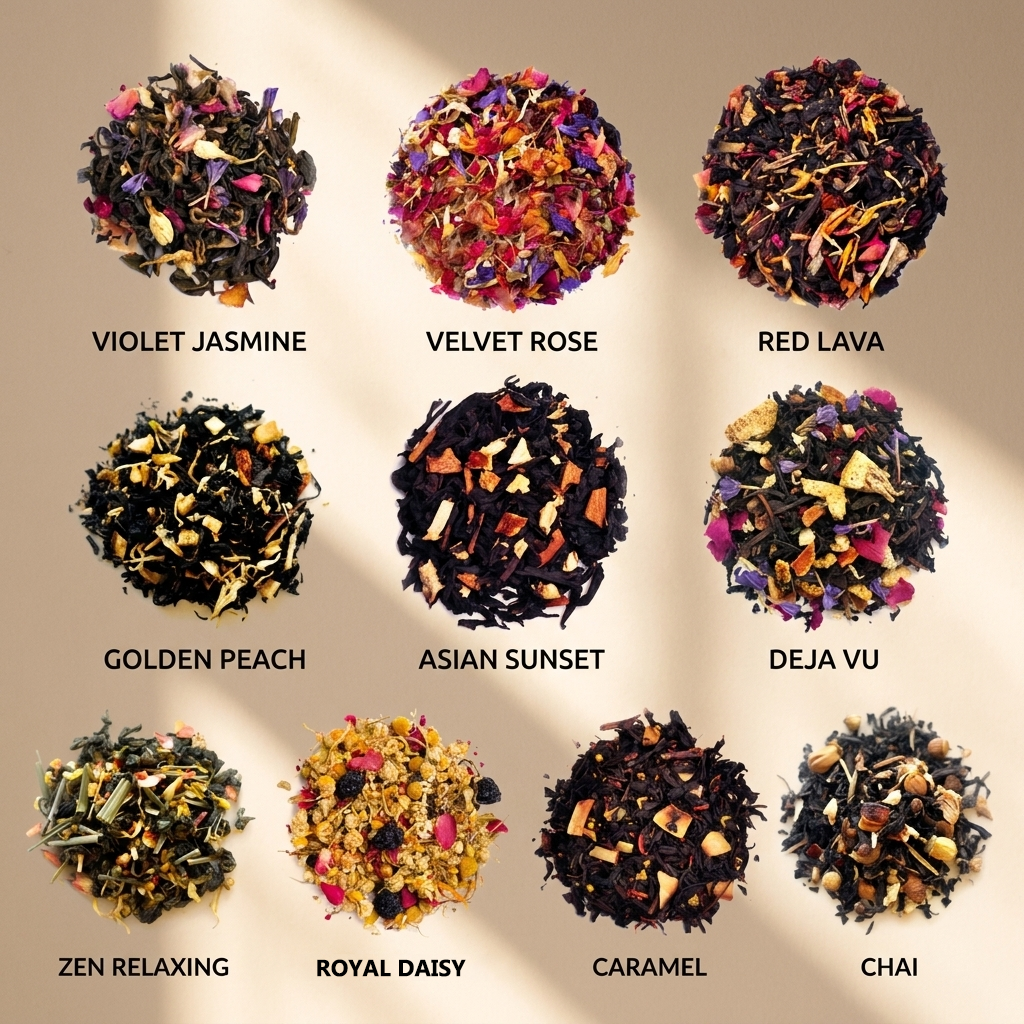
Green and black teas remain the volume leaders due to their broad appeal. However, oolong, herbal, and flavored teas are gaining significant traction. Many US consumers now search for Vietnamese herbal tea online to find wellness-focused options that offer unique flavor profiles. This trend is also driving interest in premium tea gift box sets, where curated varieties showcase the diversity of Vietnamese terroir. Aligning your inventory with these shifting preferences ensures you capture both everyday drinkers and gift-buyers.
Before you load the containers, run three final checks: confirm the certification level matches your target segment, ensure the tea origin aligns with the specific flavor profile your customers expect, and verify that the sourcing story reflects the sustainability and traceability values driving US premium demand. This trio of checks transforms a simple purchase into a well-positioned product line. The lower price point of authentic Vietnamese tea is a marketing asset that lets you offer competitive pricing without compromising on leaf quality or ethical standards. If you are looking to assemble a curated selection of Vietnamese herbal tea or premium tea gift boxes with refined packaging for US delivery, we can help you navigate the specific product options and packaging requirements to build a collection that feels both easy to choose and distinctly Vietnamese.