On This Page· 6
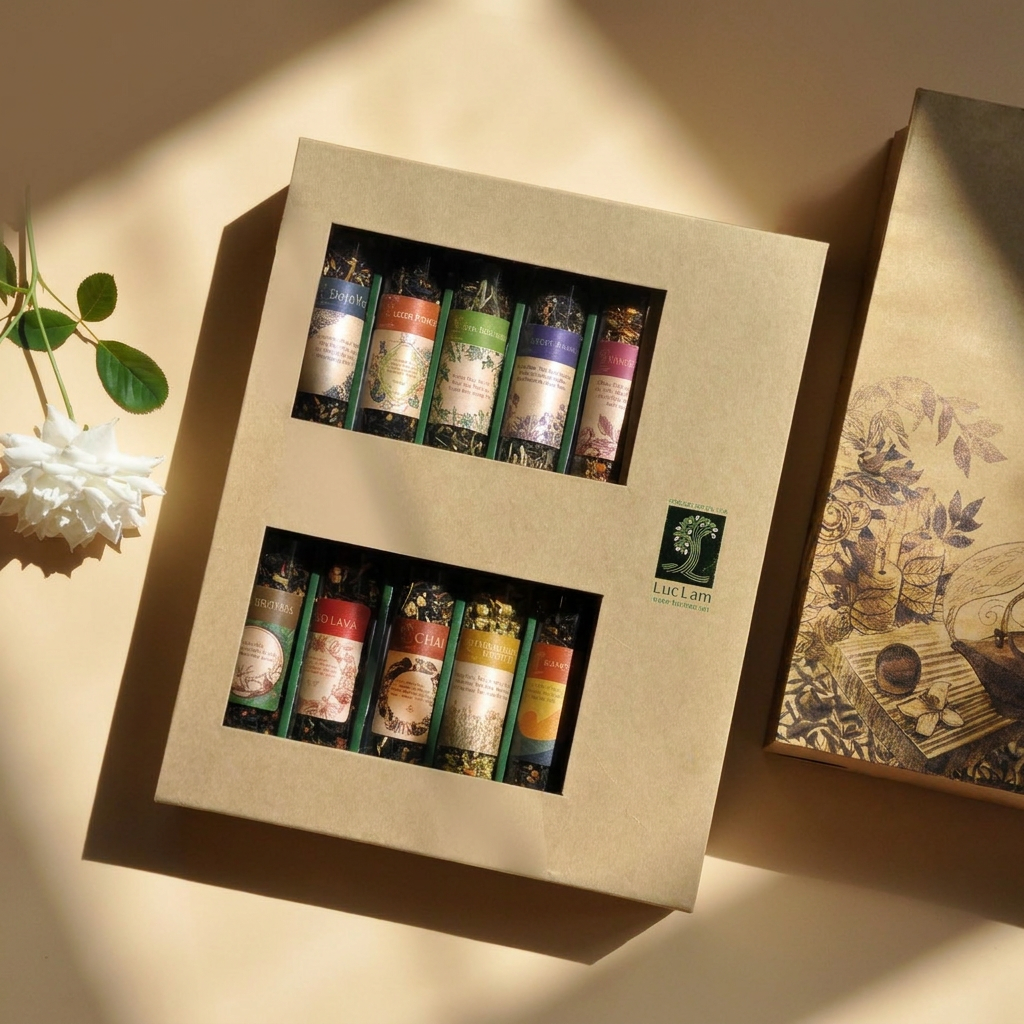
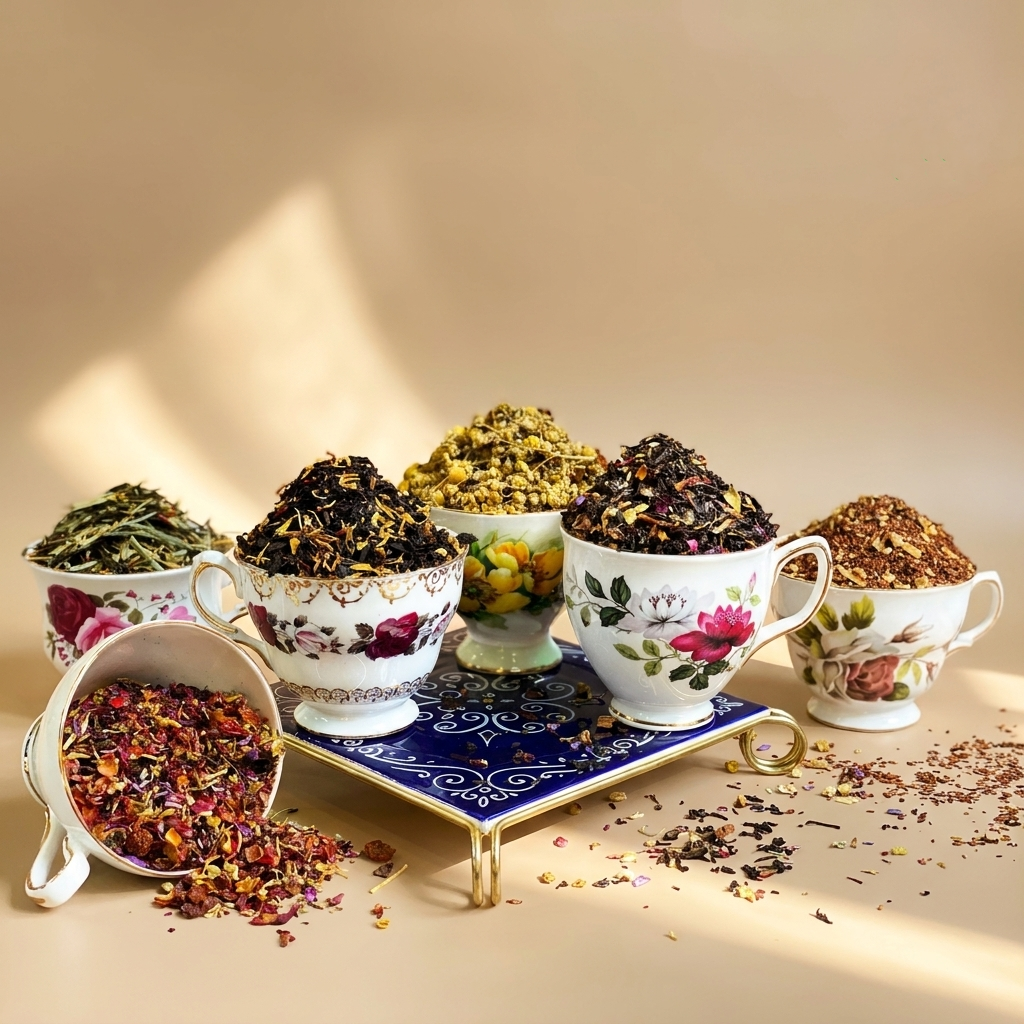
A procurement manager preparing for the Lunar New Year faces a familiar dilemma: should the budget for 100 corporate tea gifts be spent on a one-time bulk order for key partners, or split into a quarterly subscription to keep the staffroom stocked? The answer depends less on the total cost and more on how the tea will be used. A one-off bulk order typically secures a discount of 8% to 12% off the standard price. In contrast, a subscription model can unlock savings of up to 15%, but only if the product is intended for repeated, internal consumption rather than external distribution.
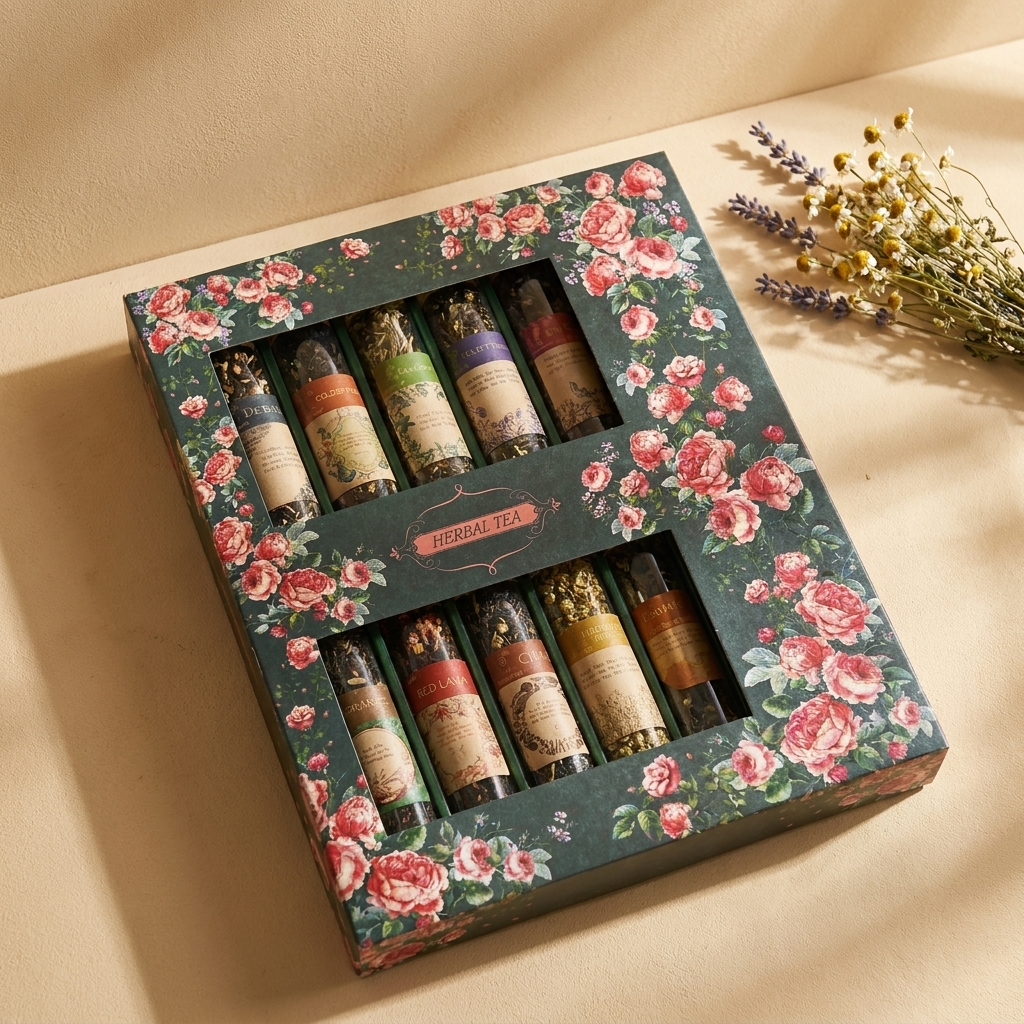
This distinction is the core of the strategy for tea gift hampers. If the boxes are meant to be handed to a client and opened once, the one-off bulk route is usually the correct financial choice. However, if the same hampers are meant to sit on a shelf in the staffroom for daily use, the subscription model often yields better long-term value. There is no single “right” answer for every company; the best approach depends entirely on whether the tea is a ceremonial gesture or a daily necessity. By understanding how volume discount tea tiers work for both order types, you can align your purchasing strategy with your actual gifting needs in corporate gifting Vietnam, avoiding the common trap of overpaying for convenience or under-saving on volume.
Why the Gifting Context Changes the Math
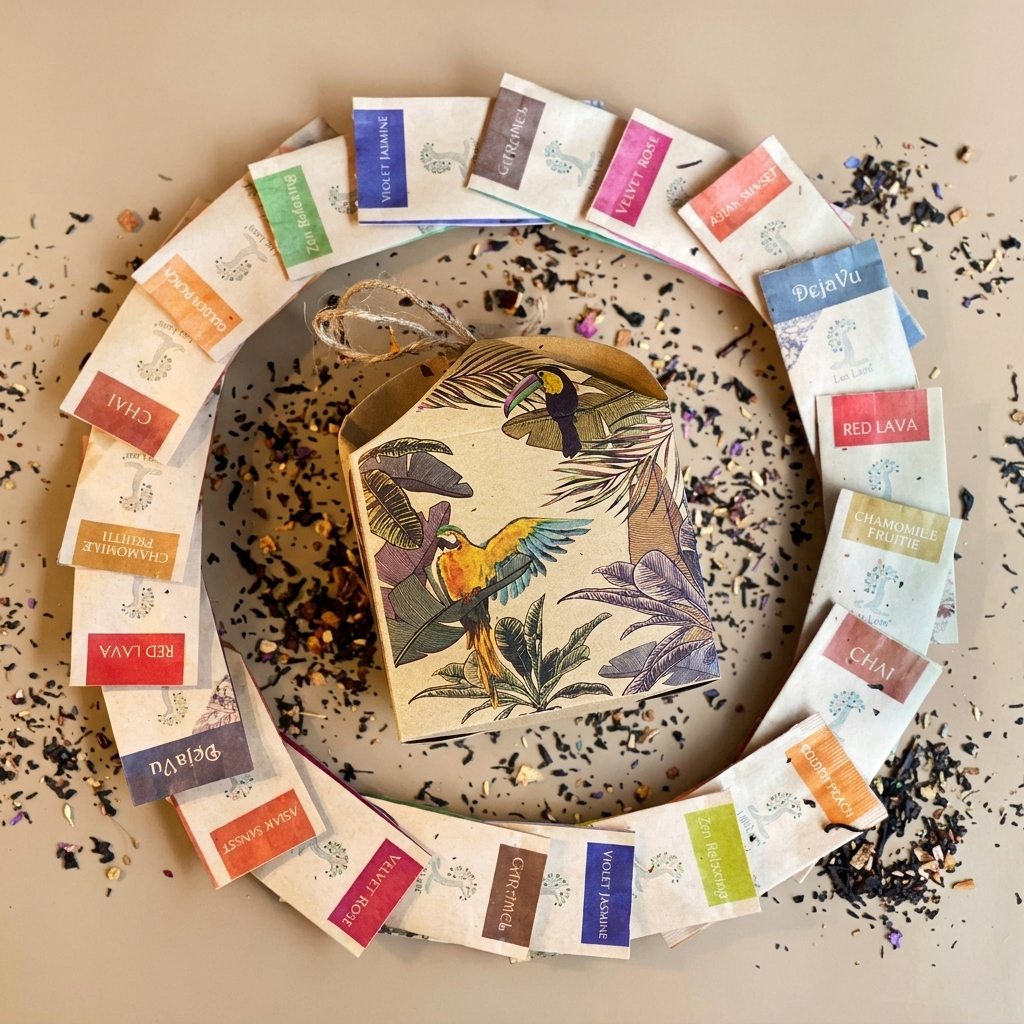
Corporate tea gifts operate on a different psychological timeline than office supplies. While a ream of paper or a stack of notepads sits usefully in a drawer for months, a tea hamper is a consumable with a short “shelf life” in the recipient’s mind. The moment a client opens a box of individually packed tea bags, the value proposition shifts from long-term utility to immediate experience. This transient nature makes subscription models feel intuitively mismatched for external gifting. If you are planning a Lunar New Year or holiday campaign, you are buying a one-time burst of value, not a recurring service.
This leads to the core confusion in the market: the overlap between “bulk purchasing for gifting events” and “bulk purchasing for staffroom consumption.”
| Purchase Type | Primary Use Case | Frequency | Ideal For |
|---|---|---|---|
| One-Off Bulk | Client or partner gifts | Annual or seasonal | Corporate tea gifts for external distribution |
| Subscription | Internal staffroom supply | Weekly or bi-weekly | Daily office consumption |
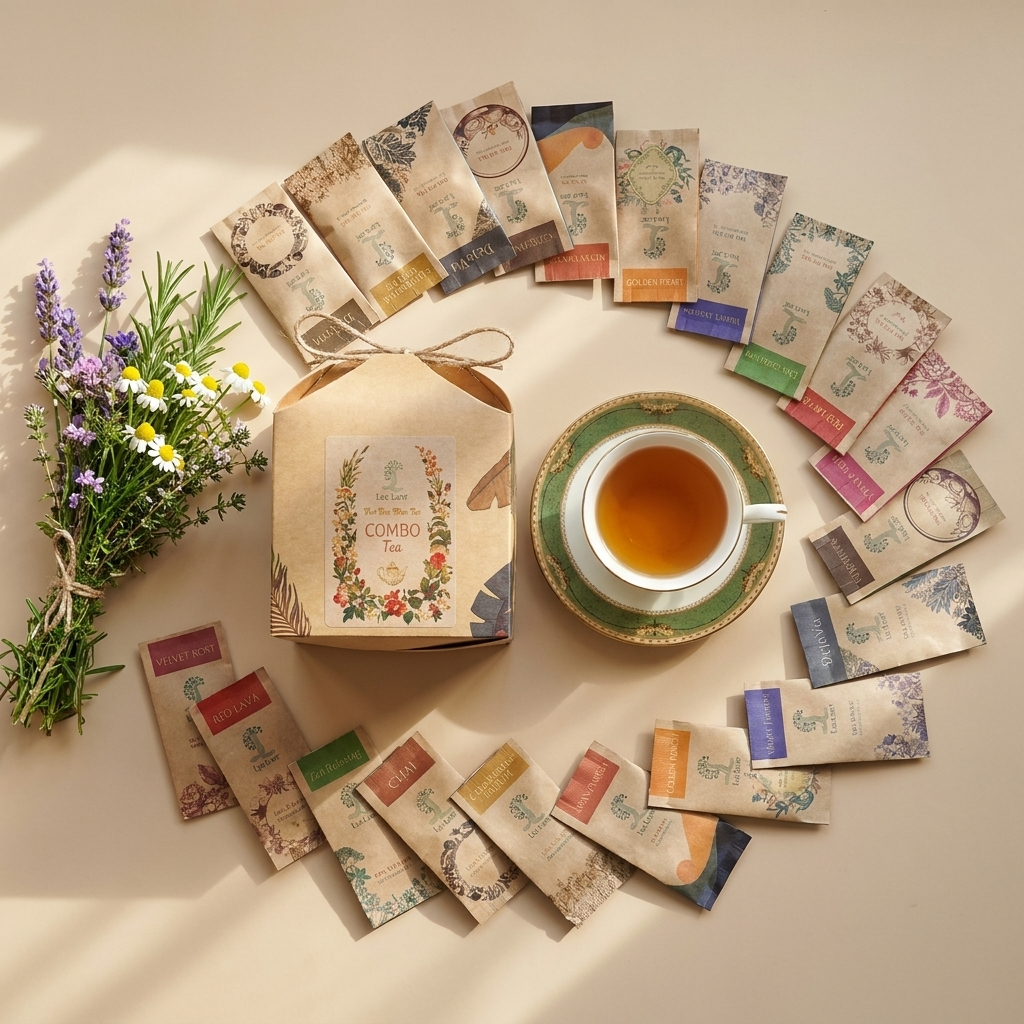
A one-off bulk purchase is a tactical move for a specific event. You order 50 hampers, distribute them during a conference, and the transaction ends. A subscription, however, is an operational solution. It ensures that the kettle in the breakroom never runs dry. Confusing the two leads to either waste—buying too many gifts for a one-day event—or missed savings—paying full price for office supplies that should have been part of a recurring supply contract.
Volume Discount Tea Tiers
Understanding how volume discount tea savings work requires looking at quantity tiers rather than just the total bill. Most suppliers structure savings based on unit counts per line item, not the overall order value. For example, a standard discount structure might offer:
- 5+ units: A moderate reduction (e.g., 8% off).
- 10+ units: A significant reduction (e.g., 12% off).
These tiers apply differently depending on whether the order is a single transaction or a recurring commitment. A one-off bulk order of 10 hampers for a client event unlocks the 10+ unit tier for that single invoice. In contrast, a subscription order of 5 hampers delivered every four weeks may unlock the 5+ unit tier repeatedly, but often with an additional “subscription premium” discount added on top.
The key distinction is that volume discount tea models are static for one-off purchases, while subscription models are dynamic. For gifting, you are hitting a specific quantity threshold once to maximize the per-unit cost reduction. For staffroom consumption, you are maintaining a lower quantity threshold continuously to build cumulative savings. Misaligning these two strategies means paying subscription rates for gifts or missing out on volume discounts for office supplies.
One-Off Bulk vs Subscription: The Discount Breakdown
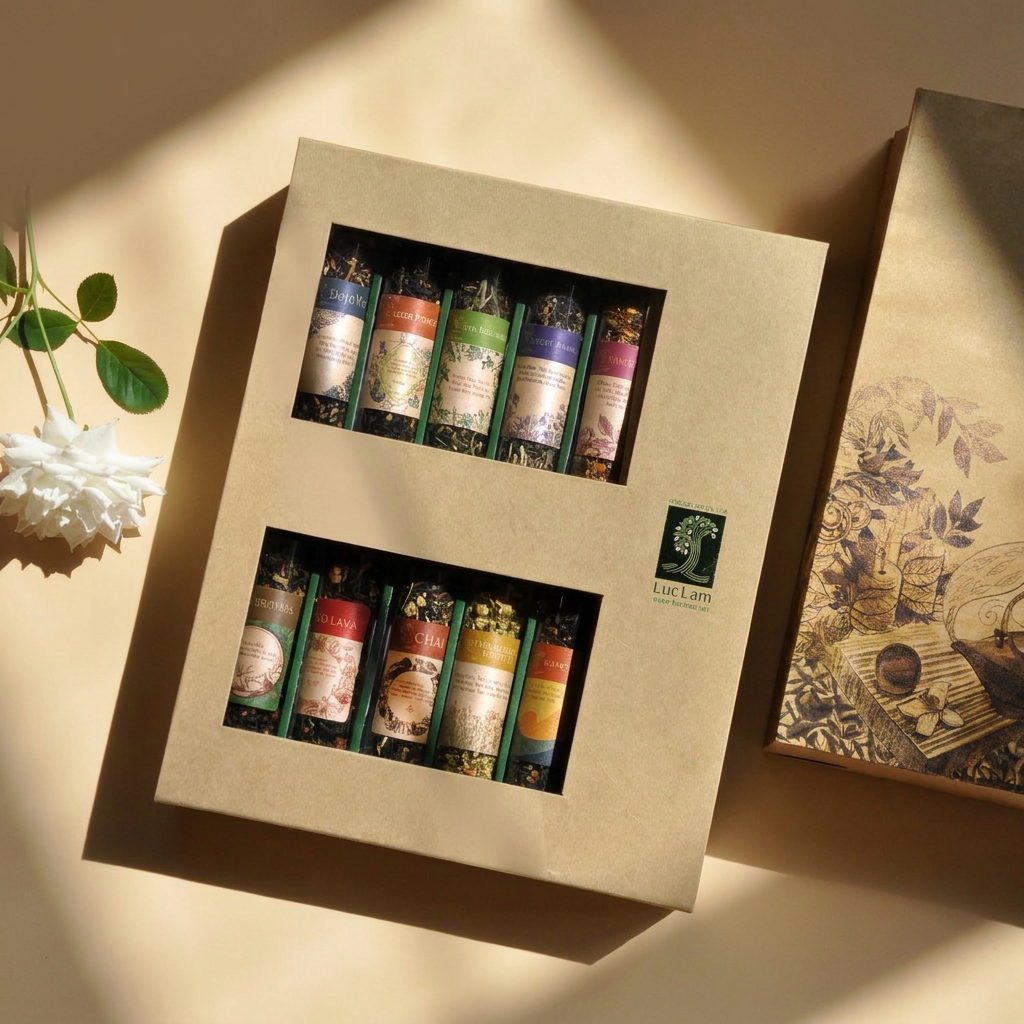
When evaluating bulk tea pricing, the first number to look at is the discount tier, not the total bill. For one-off bulk purchases, the standard structure offers 8% off when you buy five units of a specific line and 12% off for ten units. This tiered approach is a classic example of volume discount tea logic: the more you buy at once, the deeper the per-unit discount. In contrast, subscription models unlock a higher ceiling, offering up to 15% off, but only if you commit to recurring deliveries every two, four, or six weeks.
To see how this plays out in practice, consider a standard 80-bag tea pack priced at £4.50. If you buy five units for a one-off order, the 8% discount saves you £1.80 per line item. However, if you jump to ten units in a single purchase, the 12% discount saves you £5.40. This means that for a high-volume, one-time need, a single bulk order often yields a larger absolute saving per line item than a smaller, recurring subscription. The advantage of the subscription model (up to 15%) only becomes the clear winner when you scale the frequency and volume to match the highest tier of the recurring program.
The critical trade-off is commitment. A one-off bulk order aligns perfectly with seasonal events like Lunar New Year or Christmas, where you need a large quantity of tea gift hampers delivered once. A subscription, however, assumes that the tea will be consumed continuously over months. For most corporate gifting scenarios, this creates a mismatch. You do not want to be receiving a steady stream of premium gifts when your gifting window has closed. The 15% subscription rate is only worth the paperwork if the recipient is your own staff room, where the tea is consumed weekly. For external clients or partners, the 8–12% one-off discount is usually the smarter, more flexible choice, avoiding the logistical headache of managing a recurring stream of gifts that may sit on a shelf until the next holiday.
Mapping Delivery Cadences to Corporate Gifting Occasions
The right delivery rhythm for corporate tea gifts depends on whether the hampers are meant to be handed over once or refilled regularly. A mismatch here creates unnecessary administrative friction and can leave your team with surplus inventory or depleted supplies right before a key meeting.
One-Off Orders for Events and Holidays
For specific events like conferences, Tet, or Christmas, a one-off stock-up order is the most logical choice. This approach aligns with the “no commitment” benefit, allowing procurement teams to purchase exactly what is needed for a single occasion without locking in future deliveries. If you are sending 50 tea gift hampers to clients for the Lunar New Year, a one-time bulk purchase ensures the items arrive on schedule without the complexity of managing a recurring subscription. This model is ideal when the gifting event has a clear start and end date, and the inventory will not be consumed by the internal team over a prolonged period.
Matching Cadence to Team Size
When tea is intended for internal staffroom consumption, the subscription model becomes more relevant. The optimal delivery frequency should match the consumption rate of your team to avoid stockouts or excess waste.
| Cadence | Recommended Team Size | Typical Use Case |
|---|---|---|
| 2-Week | 20+ people | High-traffic offices with frequent visitors and daily consumption |
| 4-Week | 5–15 people | Small teams with moderate daily usage |
| 6-Week | Part-time or boardroom only | Low-volume use where tea is reserved for meetings or special guests |
For a busy headquarters with over twenty employees, a 2-week cycle ensures the kettle is never empty. In contrast, a smaller satellite office with five to fifteen staff members will likely find that 4-week intervals are sufficient to maintain fresh stock without cluttering the pantry. If the tea is strictly for boardroom use or part-time staff, a 6-week cycle spreads out the cash flow and storage needs while still providing a fresh supply for each meeting.
Gifting vs. Internal Consumption
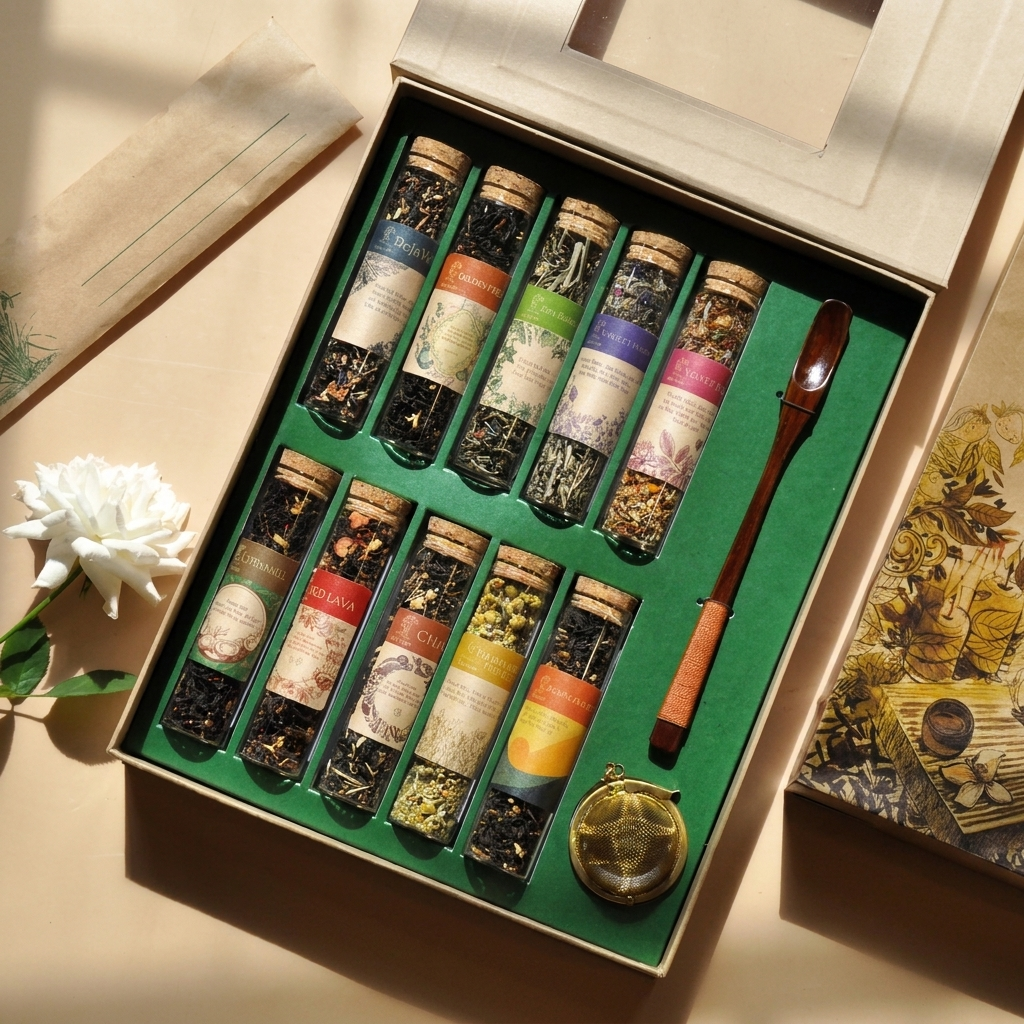
A critical distinction in corporate gifting Vietnam is the difference between external distribution and internal use. For pure gifting purposes—where the goal is to send tea gift hampers to partners, clients, or executives—a one-off order is almost always the correct choice. Subscriptions are only optimal if the bulk tea pricing benefits apply to an ongoing wellness program for your own staff. Trying to use a subscription model for external gifting often leads to timing errors, where boxes arrive too early for the next event or too late for the current one. By separating these two functions, you simplify logistics and ensure that the volume discounts you negotiate are applied to the right type of purchase, whether it is a single large order for an event or a steady stream for the office breakroom.
The Hidden Costs of Misaligning Bulk and Subscription
Choosing the wrong purchase model for corporate tea gifts often creates operational friction that outweighs the discount savings. Misalignment between order type and actual need leads to three distinct types of waste: inventory, space, and administrative overhead.
Over-Purchasing vs. Recurring Obligation
Buying a one-off bulk quantity that exceeds actual gift needs results in immediate waste. If a company orders 50 hampers for a team of 30, the surplus becomes dead stock. Conversely, maintaining a subscription for a single event creates unnecessary recurring costs. If the gifting occasion ends but the delivery cycle continues, the company pays for tea it does not need, eroding the 8–15% discount benefit.
Logistics and Storage Constraints
Logistics play a critical role in the decision. One-off orders require immediate storage space for all hampers until the event date. For small offices or SMEs with limited warehouse space, this creates a physical bottleneck. Subscriptions spread storage needs and cash flow over time. A 4-week delivery cycle keeps on-site inventory low, which is a significant advantage for businesses with tight space constraints.
Accounting and Audit Complexity
Expense tracking is straightforward with one-off purchases. Each event generates a single invoice that matches the event budget. Subscriptions complicate this process. Multi-period budgeting is required, as charges spread across several months. This can complicate annual corporate gifting audits and make it harder to reconcile expenses with specific gifting occasions. For companies that prioritize simple accounting, one-off bulk purchasing often offers clearer financial tracking than a recurring subscription model.
FAQ: Corporate Tea Gifting in Vietnam
Do Vietnamese Suppliers Match UK Discount Structures?
Many procurement managers assume that volume discount tea rates are universal, but the application differs significantly between markets. While UK tea shops often apply automatic checkout discounts based on fixed tiers, suppliers in Vietnam frequently operate on a negotiated quote model for large orders.
The principle of tiered savings remains standard across both regions. However, you will not typically see an automatic 8–15% deduction applied at the point of sale. Instead, for corporate gifting Vietnam, suppliers usually review your specific requirements—such as packaging customization, delivery schedules, and total unit counts—to provide a tailored price. This approach allows for more flexibility in the final cost, particularly when you are ordering tea gift hampers with bespoke elements. Expect a direct conversation with a sales representative rather than a self-service discount engine.
Can You Combine Gifting and Staffroom Subscriptions?
Yes, and this is a common strategy for maximizing value. Many companies separate their purchasing needs into two distinct streams: one-off bulk orders for external stakeholders and recurring subscriptions for internal use.
- One-off bulk: Reserved for client and partner gifts during peak seasons like Tet or year-end celebrations. This allows you to control the exact timing and quantity without long-term commitment.
- Staffroom subscription: Used for daily tea consumption by employees. This utilizes the recurring delivery benefit to lower the per-unit cost for internal usage.
By splitting your budget this way, you capture the benefits of both models. You avoid over-committing to a subscription for items that are only needed once a year, while still securing lower rates for the daily refreshments your team relies on.
What Are the Minimum Order Quantities?
There is no universal standard for the minimum order quantity in this sector. However, local suppliers generally require a certain threshold before applying a “bulk” rate. In practice, this often starts around 10 to 20 hampers.
This range can vary depending on the complexity of the bulk tea pricing structure and the specific items included in your set. If you are ordering a simple box of loose-leaf tea, the threshold might be lower. For customized gift boxes with branded packaging, the minimum may be higher to offset the production setup costs. Always verify these thresholds with your supplier early in the process to avoid surprises during the final quotation stage.
Choosing the Right Model for Your Team
The choice between one-off bulk and subscription models ultimately hinges on the nature of your tea consumption. For event-driven gifting, such as Tet or corporate holidays, a one-time order of tea gift hampers is typically the most efficient approach, avoiding the complexity of recurring commitments. Conversely, if your goal is to maintain a steady supply for the staffroom, a subscription model offers the highest potential savings and ensures consistency. By aligning your purchasing method with your specific use case—whether it is external distribution or internal consumption—you can maximize both value and convenience. If you are looking to discuss custom corporate gifting needs, consider reaching out to Lục Lam Vietnam Tea, which curates refined packaging suitable for both one-off events and recurring programs.