On This Page· 7
You open your spreadsheet and see two very different columns of numbers. On the left, a fixed price for ready-made branded hampers, identical from the first unit to the thousandth. On the right, a layered estimate for custom private-label packaging, where the per-unit cost drops sharply only after you clear a certain volume threshold. The question is no longer just “what does this cost?” but “which model actually fits my team size and budget?” without triggering a last-minute supplier scramble two weeks before the holiday.
For many corporate buyers, the fear of a price shock comes from underestimating how sourcing structure drives the final bill. In Vietnam, the per-unit price for bulk tea gifts is not set by the tea leaves alone. It is shaped by two distinct paths: purchasing established wholesale tea hampers or commissioning a private-label product with your own branding. Each path carries different risks regarding minimum orders, design flexibility, and total project cost.
Choosing the wrong model often means paying a premium for convenience you didn’t need, or spending time on custom design that exceeds your budget. This guide breaks down how those two sourcing models affect your corporate gifting rates, so you can match your order size to a realistic cost structure before you commit. By understanding where volume discounts appear and what a Vietnam tea supplier will actually charge for packaging versus tea, you can build a budget that protects your margins and your timeline.
Two sourcing models for bulk tea gifts in Vietnam
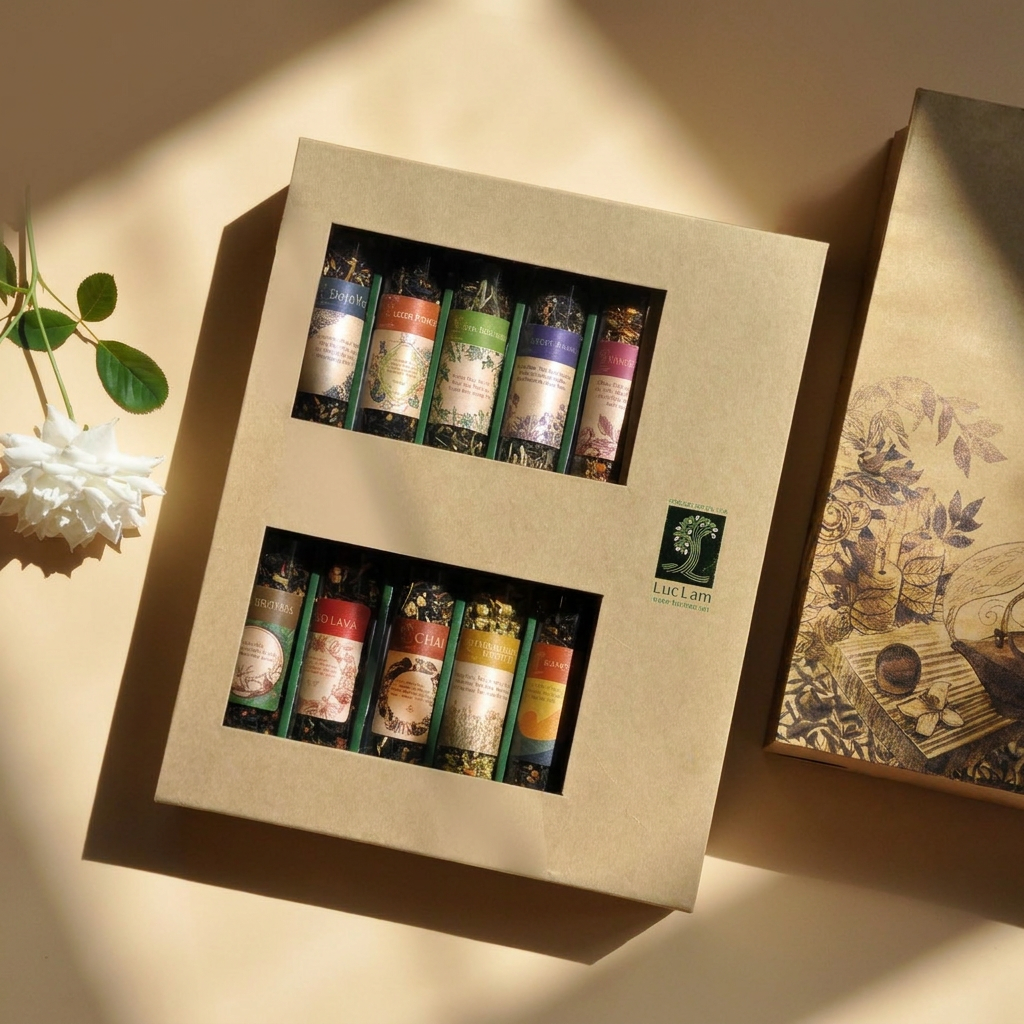
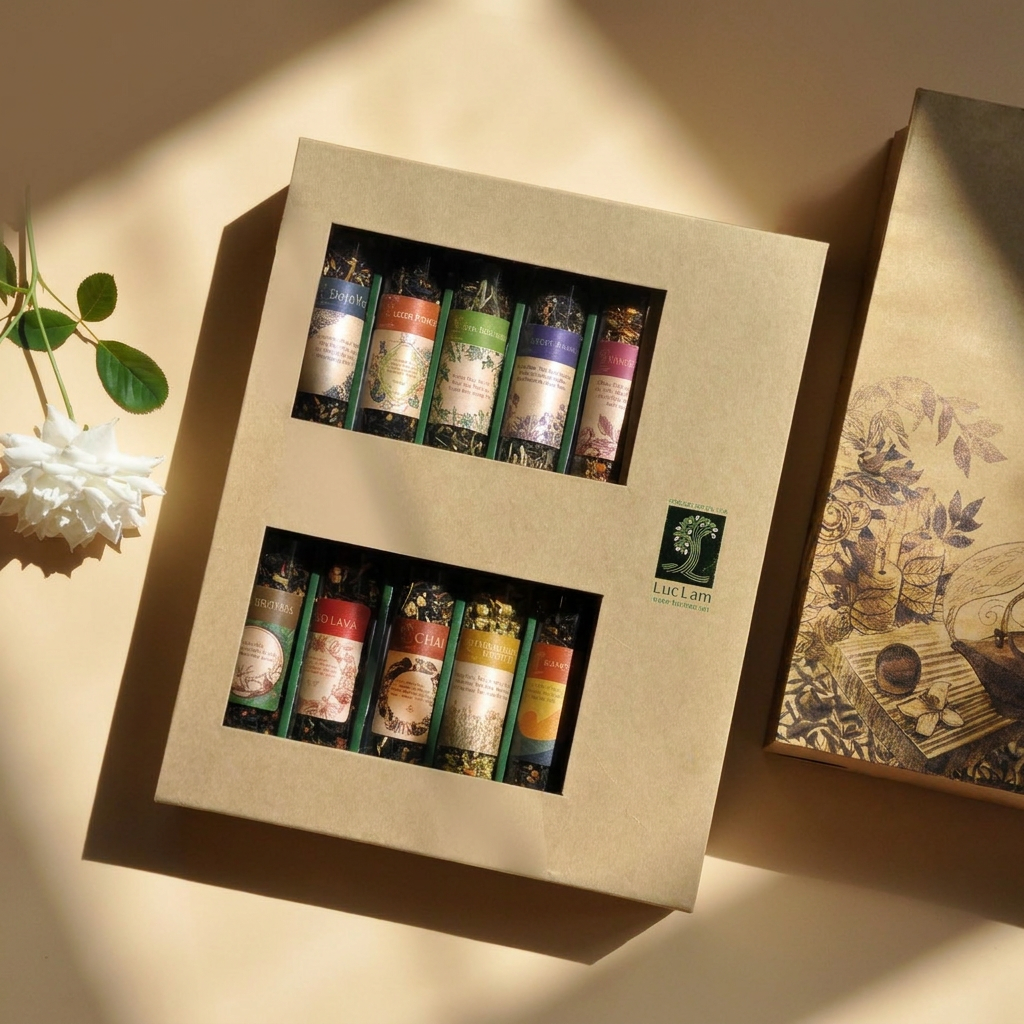
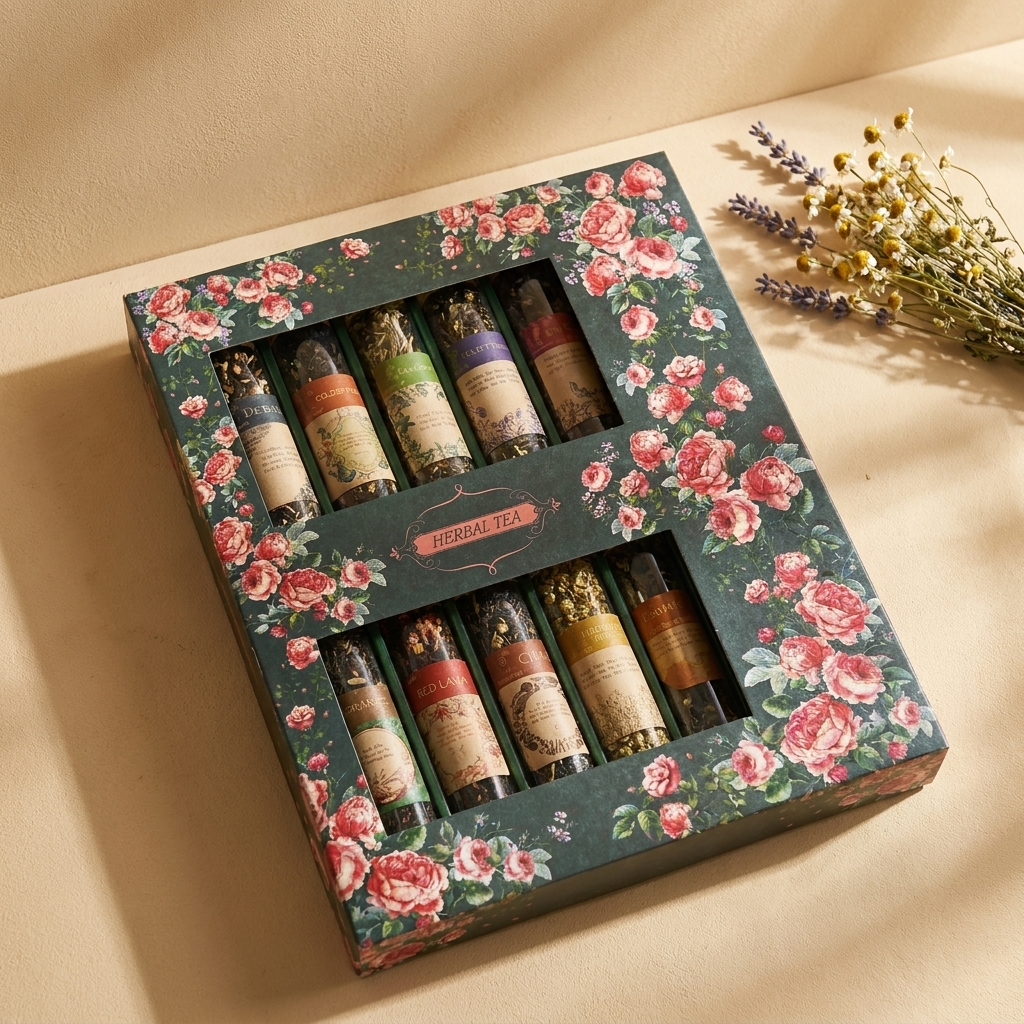
Corporate buyers usually face two distinct paths when procuring bulk tea gifts: purchasing ready-made branded hampers or commissioning private-label tea with custom packaging. The first option involves selecting from an existing catalog of wholesale tea hampers, where the design, labeling, and branding are already finalized by the supplier. The second path requires working directly with a Vietnam tea supplier to create a unique product that carries your company’s logo and visual identity.
The primary difference between these models lies in control over brand recognition. With ready-made hampers, you inherit the supplier’s aesthetic and packaging specifications. While this reduces the time needed for design approval, it limits the ability to tailor the gift to specific corporate gifting rates or internal branding guidelines. In contrast, private-label orders shift full creative control to your team. You dictate the box structure, the color palette, and the specific labeling details. This level of customization often increases the initial per-unit cost but strengthens the brand association with the recipient, making the gift feel more personal and aligned with your corporate identity.
Impact on Order Volume and Variety
The choice of sourcing model also dictates the logistical parameters of your campaign, particularly regarding minimum order quantities and product flexibility.
| Feature | Ready-Made Branded Hampers | Private-Label Custom Packaging |
|---|---|---|
| Minimum Order | Often lower, limited to stock availability | Higher, driven by packaging print minimums |
| Variety Mix | Fixed to available SKUs | Flexible to mix tea types in one order |
| Design Control | None (supplier determined) | Full control over layout and branding |
When mixing different tea varieties, private-label orders offer greater flexibility. You can create a single corporate gifting campaign that includes multiple tea types under one unified package design. Ready-made options, however, are typically sold as fixed sets, restricting your ability to curate a mixed variety without purchasing multiple different SKUs. Understanding these constraints early helps avoid last-minute supplier scrambles and ensures your bulk tea gifts align with both your budget and your team’s size.
How private label changes your corporate gifting rates
Private-label sourcing shifts your cost structure from a fixed retail price to a variable project budget. When you choose this route, you are not just buying tea; you are paying for the creation of a new product identity. This approach allows for total control over the look and feel of your bulk tea gifts, but it requires a clear understanding of where the money is actually going.
The three cost layers
A private-label quote is built from three distinct layers, each of which contributes to the final corporate gifting rates:
| Cost Layer | What It Covers | Budget Impact |
|---|---|---|
| Bulk Procurement | Cost of raw tea leaves (loose leaf or bags) | Usually the lowest of the three costs per unit |
| Packaging & Design | Custom boxes, labels, branding, and structural design | The most variable and often highest cost layer |
| Compliance | Certifications, nutritional labeling, and import requirements | Fixed cost, but essential for international markets |
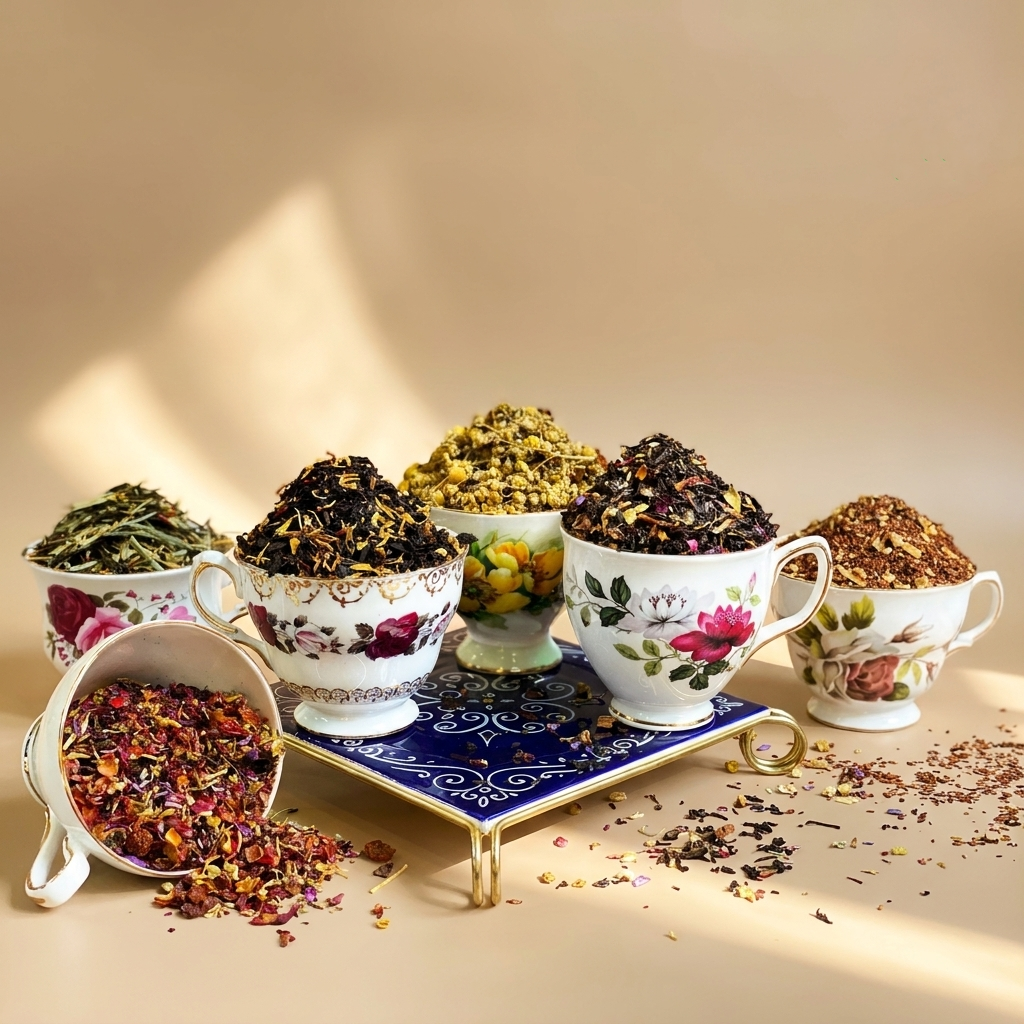
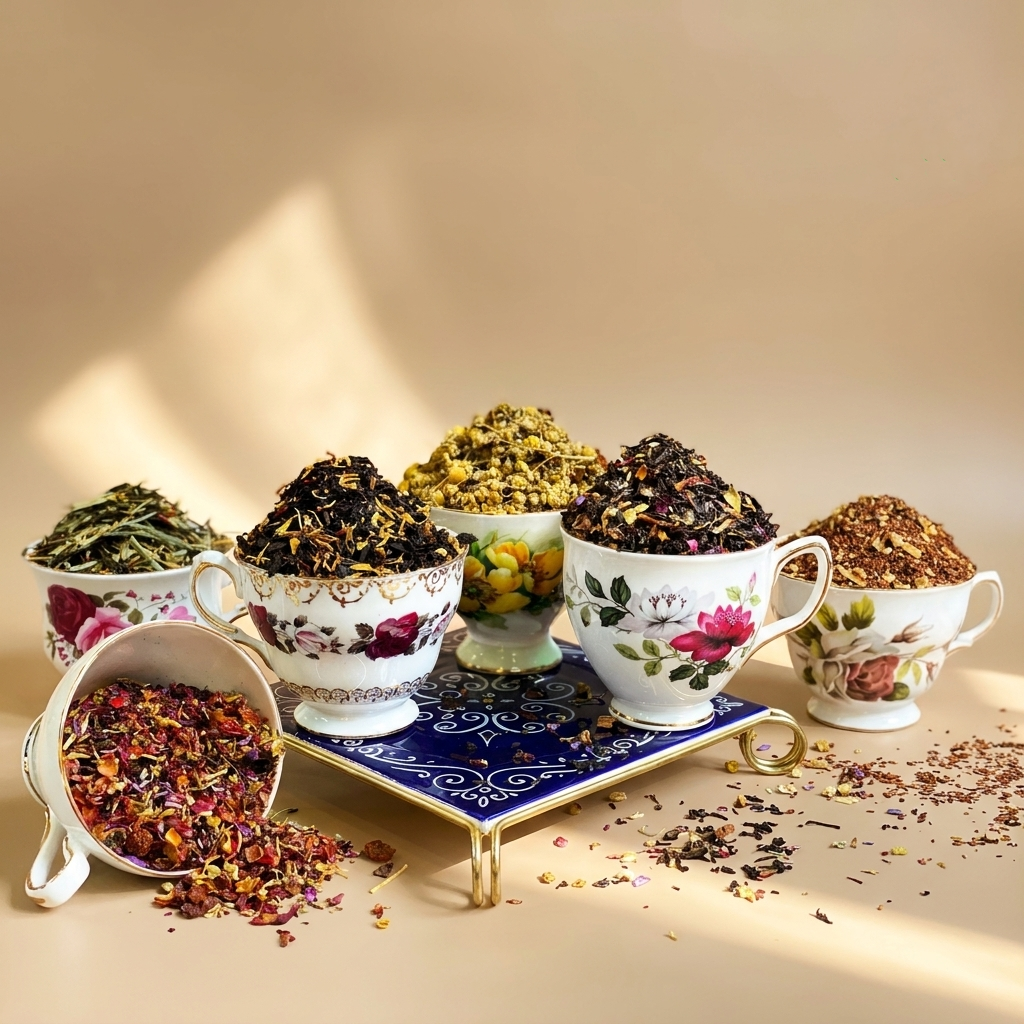
The raw tea itself often makes up a smaller portion of the total than many buyers expect. While the global tea market is valued at over $230 billion, the price of the leaf is relatively stable compared to the costs of turning it into a branded gift.
Where the budget expands
The custom packaging and branding stage is where a private-label budget can expand significantly. If your company wants a unique look for a holiday or a specific client event, you are paying for design time, specialized printing, and potentially custom box structures. This is the primary reason private-label wholesale tea hampers often have a higher minimum order quantity (MOQ) than ready-made options.
For example, if you are targeting a recipient in Japan or the US, you may need to pay for additional labeling compliance and certification documentation. These costs are fixed regardless of your order size, meaning they weigh more heavily on the per-unit cost for smaller batches. As you scale, these fixed costs are diluted across more units, which helps lower the final rate.
Fixed vs. Flexible pricing
In contrast, branded hampers have a per-unit cost fixed by the supplier. You cannot change the box design or the label, which keeps the production cost lower and more predictable. However, this offers less room for design customization. For large volume orders, this fixed nature means your total spend is simply a multiplication of the unit price and the quantity. With private label, the savings come from economies of scale in packaging and the ability to mix different tea varieties to meet specific client preferences, rather than from the tea leaves alone.
Where volume discounts appear in wholesale tea hampers
When buying bulk tea gifts, the room for savings comes from the structure of the supply chain, not just the raw ingredient. The profit margin for a tea business is estimated at 40–60%, and this range is often higher for gift packs. This spread explains why suppliers can absorb costs and offer lower per-unit prices as order volume grows.
Tiered pricing in branded vs. private label
The way a discount applies depends on which sourcing model you choose. For branded hampers, suppliers typically use tiered unit pricing. You buy a standard product, and the price per unit drops at specific volume thresholds (for example, 50 units vs. 200 units). The design and packaging remain fixed, so the savings come strictly from scale.
In private label orders, the logic shifts. Once you meet the minimum order quantity, the per-unit cost for packaging, printing, and labeling decreases significantly. You are not just buying a cheaper item; you are benefiting from amortized fixed costs. The more units produced with the same custom packaging design, the lower the cost to print and assemble each hamper.
Where the biggest savings actually lie
A common misconception is that the tea leaves themselves offer the largest reduction in a large volume order. In reality, the tea is often the smallest portion of the hamper’s total cost. The largest savings come from two strategic choices:
- Simplifying the packaging design: Using a repeatable, single-design packaging structure reduces printing and assembly complexity compared to a multi-layered, intricate hamper.
- Standardizing the tea selection: Ordering a larger quantity of a single tea style, rather than mixing five or six different varieties, streamlines the filling and sealing process.
By combining a simplified, repeatable packaging design with a bulk order of a single tea style, you unlock the most significant per-unit reduction. This approach allows a Vietnam tea supplier to lower the operational overhead per item, which directly lowers the total project budget for your corporate gifting campaign.
Choosing the right Vietnam tea supplier for your team
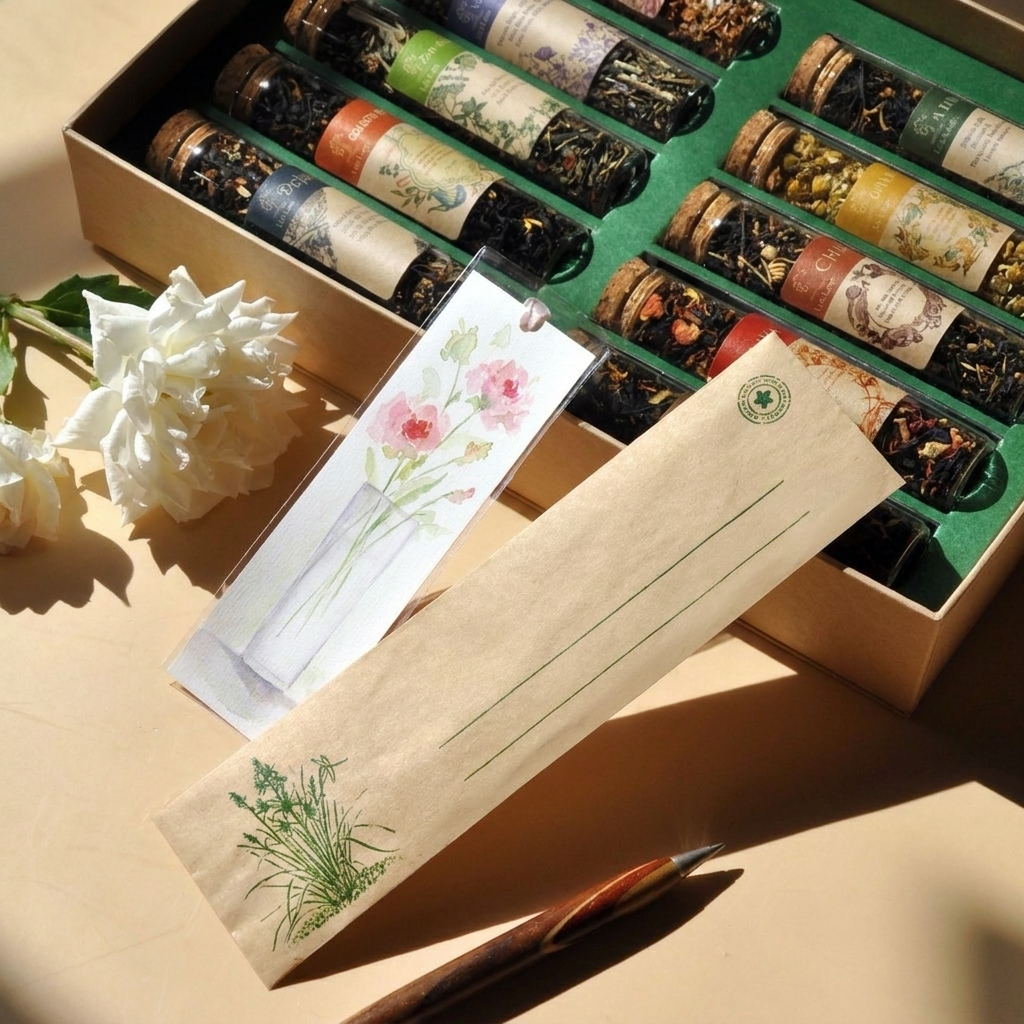
The first step in securing a stable price for your corporate gifting rates is identifying the business model a supplier uses. Most Vietnam tea supplier partners operate through one of three channels, each with a different impact on your control over cost and delivery.
The three B2B models
- Private Label: You commission the production. This gives you full control over the final look and feel of the bulk tea gifts but requires higher minimums.
- Reseller of Existing Brands: You buy ready-made wholesale tea hampers. The design is fixed, but this model often allows for smaller order sizes.
- Dropshipping: The supplier handles storage and direct shipping. This is rarely suitable for large-scale corporate campaigns but works for small, one-off needs.
Your choice of model dictates your leverage. Private label offers the most brand visibility, while reselling offers the most flexibility in quantity.
Criteria for comparison
When comparing different quotes, do not look at the total price in isolation. A detailed breakdown is essential to understand what you are actually paying for. Use the following four criteria to evaluate your potential partners:
| Criteria | What to look for | Why it matters |
|---|---|---|
| Minimum Order Quantity | Does the supplier require 50 units or 500? | Lower minimums mean less cash tied up in inventory. |
| Per-unit Pricing | Is the price per box clear, or hidden in bulk fees? | Transparency prevents “surprises” on the final invoice. |
| Sample Provision | Can you test the quality before the full run? | Ensures the tea flavor matches your brand’s standards. |
| Packaging Options | Can you customize the box or are you limited to stock? | Determines your level of brand differentiation. |
The written cost breakdown
Before you commit to a large volume order, always request a written cost breakdown. This document should separate procurement, branding, and logistics costs. By seeing these figures side-by-side, you can verify if a low headline price is actually a discount or just a reduction in packaging quality. This comparison makes the true value of the quote visible and comparable across different suppliers.
Building a realistic budget for corporate tea gifting
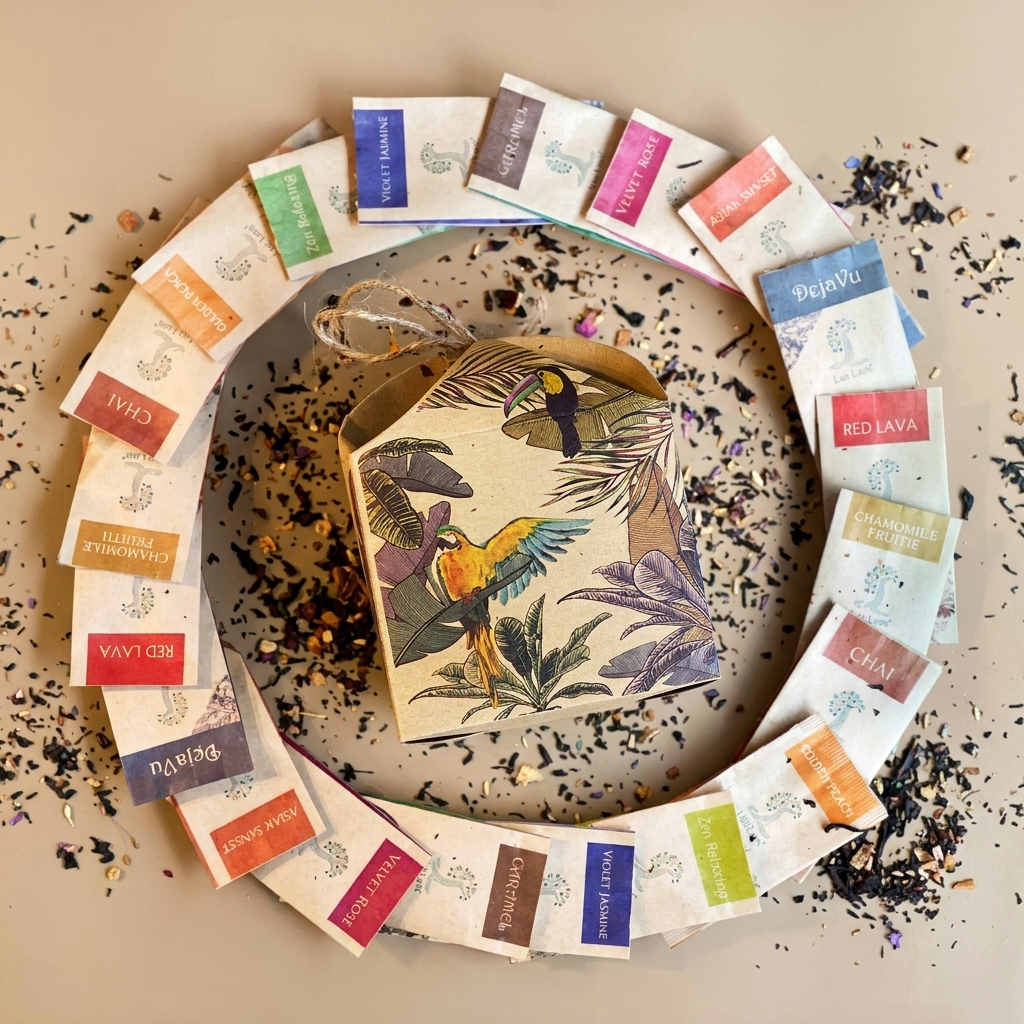
Estimating the total cost for bulk tea gifts requires combining three distinct expense layers into a single per-unit figure. The base cost covers the tea procurement itself, which varies by variety and volume. The second layer includes custom packaging and branding design, where the visual presentation of the gift is established. The final layer accounts for shipping, handling, and any logistical fees required to move the goods to your destination. By isolating these components, you can see exactly where the budget goes and identify areas where costs might be adjusted without compromising the quality of the gift.
Buffering for design and compliance
Always include a small percentage buffer in your initial estimate to cover potential design revisions or additional labeling requirements. This is particularly important when shipping to markets with strict import expectations, such as Japan or the United States. These regions often require specific ingredient disclosures, origin statements, or safety certifications that may not be present on a standard export label. A buffer ensures that if a supplier needs to print new labels or adjust packaging to meet these regulatory standards, the project does not face an unexpected cost shock that disrupts the timeline.
Pre-approval quote checklist
Before you approve a final quote, run a quick review to ensure all variables are accounted for. This step prevents later disputes over scope or hidden fees.
- Unit count: Confirm the exact number of units and verify that the per-unit price reflects the correct volume tier.
- Packaging tier: Ensure the quote specifies the material quality, size, and design complexity of the box or hamper.
- Delivery timeline: Check the production and shipping dates to ensure they align with your corporate gifting schedule.
- All-inclusive costs: Verify that the price includes all design work, certification fees, and handling charges so there are no surprises at the end of the project.
Common questions about bulk tea gift pricing in Vietnam
Minimum order quantities for wholesale hampers
A frequent question is what the typical minimum order for wholesale tea hampers from a Vietnam supplier looks like. There is no single universal number, as minimums vary by supplier and the complexity of the packaging design. Simple ready-made boxes often have lower thresholds than custom-designed private-label sets. Because these figures can shift based on current materials and production schedules, it is always wise to confirm the exact minimum order quantity directly with your chosen partner before drafting a final budget.
Mixing different tea varieties
Can you mix different tea types in one private-label order? Yes. Many corporate gifting campaigns blend green, black, and herbal teas to offer variety. While adding multiple SKUs can slightly increase packaging and labeling costs due to extra sorting and distinct label designs, the added value of variety often justifies the expense. A mixed hamper feels more thoughtful to recipients, making it a strong choice for broader corporate gifting strategies.
Do larger orders always lower unit prices?
A larger order generally means a lower per-unit price, but the structure depends on your sourcing model. In private-label scenarios, the biggest savings usually come from combining a high volume of a single tea style with a simplified, repeatable packaging design. If you increase volume but keep a complex, multi-component box design, the per-unit savings on the tea leaves alone will be offset by the cost of the intricate packaging. Simplifying the box while scaling up quantity is the most effective way to drive down costs.
Verifying tea suitability for recipients
How do you verify that the tea is suitable for your specific recipients? Start by requesting a sample pack before committing to a full bulk tea gift order. This allows you to assess the flavor profile and quality firsthand. Equally important is checking labeling and origin information. Different markets have specific expectations for ingredient lists and origin disclosures. Confirming these details early ensures your gift complies with local norms and meets the professional standards of your corporate gifting program.
Key takeaway
The right sourcing model for your next campaign ultimately comes down to two variables: how much design control you need and where your budget ceiling sits. A corporate gifting project that prioritizes brand visibility will lean toward private-label packaging, while a simpler, cost-focused approach works well with ready-made branded hampers. In both cases, the 40–60% profit margin inherent to the tea business ensures that meaningful per-unit savings exist as volume increases, though the structure of those savings differs depending on whether you are scaling bulk tea procurement or reducing packaging costs through simplified design.
If you are weighing a specific order size or targeting a particular recipient market, consider reaching out to the team for a tailored cost breakdown and sample options before finalizing your bulk tea gift order.