On This Page· 5
You are comparing two quotes for 200 premium tea hampers. One comes from a well-known corporate gifting agency; the other comes directly from the supplier. The agency’s total is roughly 30% higher, yet the line items look almost identical—same box, same tea, same delivery window. The difference is invisible until you trace the channel: the agency sourced the product, added a margin for curation and logistics, and passed the inflated base to you before any volume discount applies.
This structural reality drives the cost of corporate tea gifts ordered at scale. The same Vietnam tea hamper can cost significantly more depending on whether you buy through an intermediary or directly from the source. The gap is not about product quality; it is about the number of hands the order passes through before reaching your team.
When a company budgets for employee recognition, holiday gifting, or client relations, that hidden margin eats directly into the allocation. For a 200-unit order, the cumulative cost of a high markup dwarfs the savings gained from a standard bulk discount on the final, inflated price. The financial tension is simple: the channel you choose sets the baseline before any negotiation begins. Skipping that intermediary step is where the real savings live, and it changes the math entirely for B2B tea gifts bought in volume.
The markup hidden in gifting company quotes
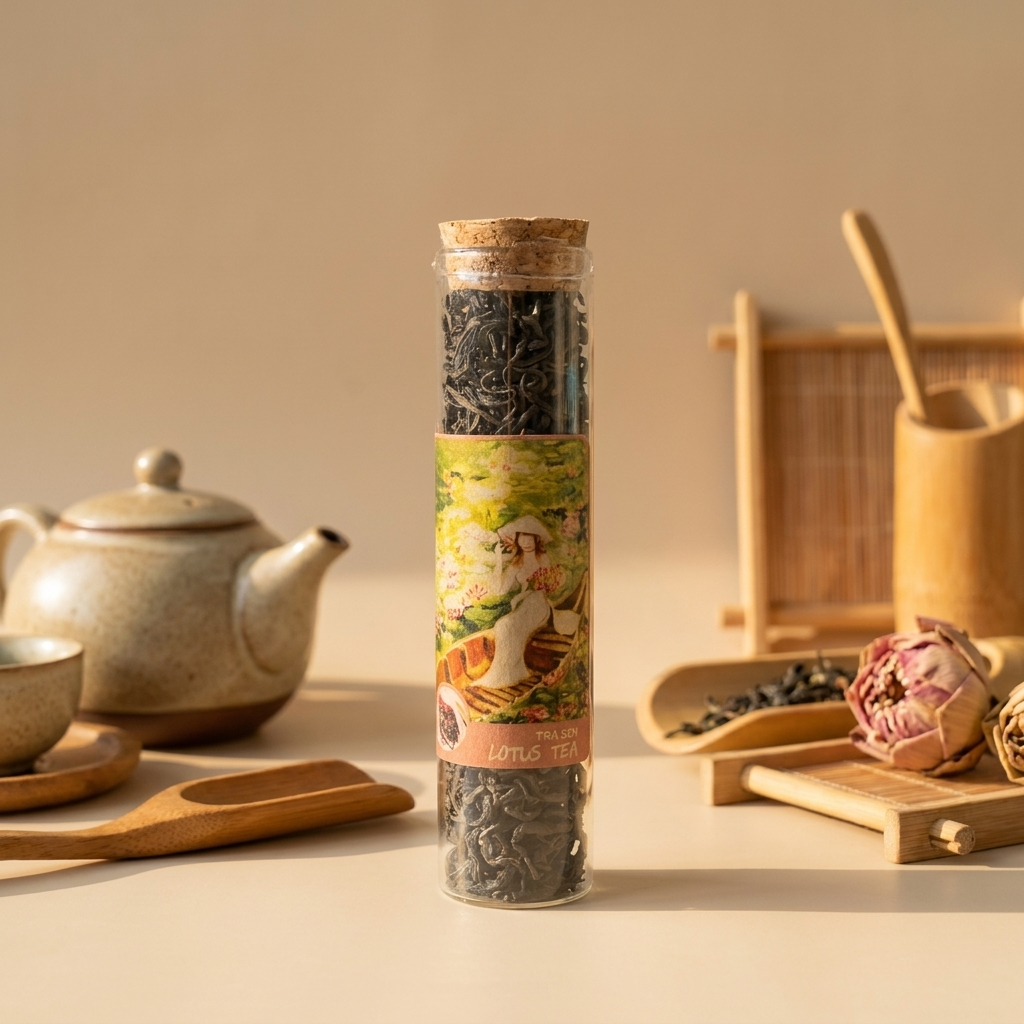
When a gifting agency quotes you for corporate tea gifts, the price tag rarely reflects just the product. It also includes the cost of their own operations: curation, logistics, and a standard profit margin. For most businesses buying in volume, this adds a silent 25–30% to every unit before you even negotiate a bulk discount.
The standard channel: sourcing and reselling
Most gifting companies do not manufacture the products they sell. Instead, they source inventory from manufacturers and add a margin to cover their curation services and handling. This markup compensates them for the time spent selecting items and managing the supply chain. For a corporate buyer, this means you are paying twice: once for the product itself and again for the intermediary’s service. That double cost structure is standard in the B2B tea gifts market, even when the items look identical to those available directly from the source.
Direct-from-supplier: removing the middle layer
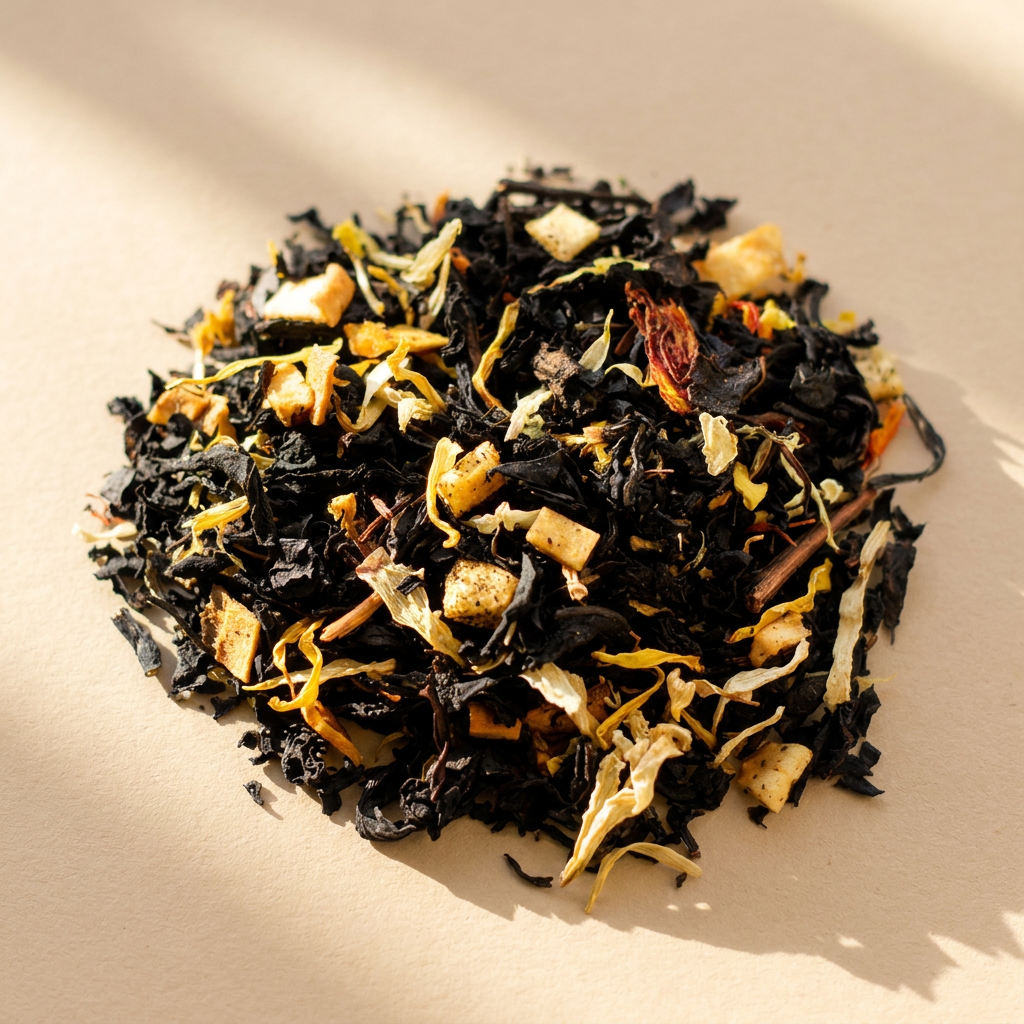
Ordering directly from the supplier changes the base of your cost calculation. By cutting out the gifting agency, you eliminate the 25–30% markup from the starting price. This lower base price is crucial when applying volume discounts. Since bulk tea pricing discounts are applied to the base cost, starting with a lower figure means every percentage off you negotiate translates into a larger absolute saving. The direct route is not just about cheaper tea; it ensures your discount applies to the actual value of the product, not an inflated retail figure.
A channel decision, not a product choice
It is easy to fall into the trap of comparing different hamper styles as if they are competitors. In reality, you are often choosing a supply chain. The same Vietnam tea hamper can cost nearly double depending on whether it passes through an intermediary or reaches you directly from the producer. This is a channel choice, not a quality comparison. The ingredients and packaging remain the same, but the financial structure behind the price is fundamentally different. Recognizing this distinction allows you to focus your negotiation on the true cost of the goods, rather than being locked into a price that includes unnecessary overhead. For any team managing a budget for employee or client gifts, this shift in perspective is where the real savings begin.
How bulk tea pricing tiers work for 200+ unit orders
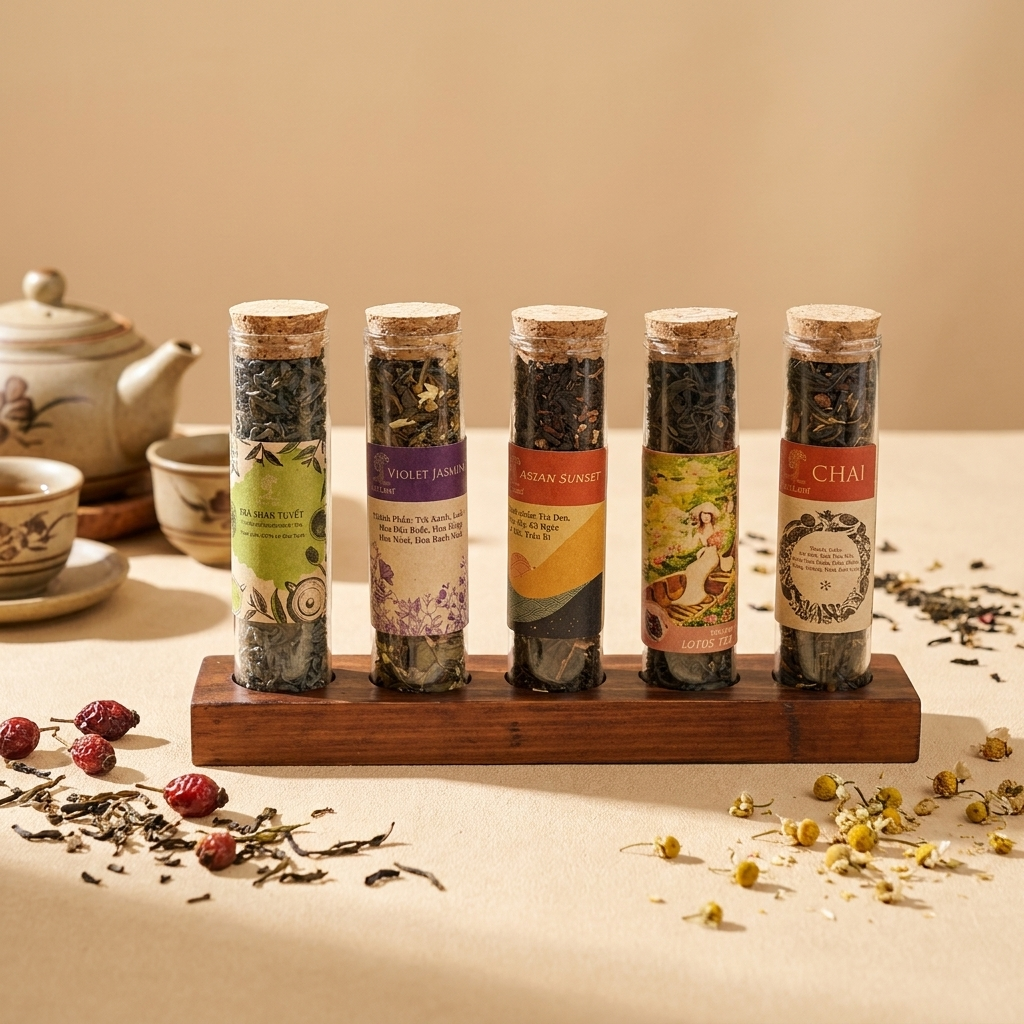
When ordering corporate tea gifts, the quantity of units triggers a tiered discount structure that reduces the per-item cost. This bulk tea pricing model typically starts with a 10% discount for orders of 25 to 49 units, increasing to 15% for 50 to 99 units, and reaching 25% for 100 to 249 units. For the largest corporate orders of 250 units or more, the discount escalates further to 30–40% off the base price.
The base price rule
A critical detail for budget planning is that these percentage discounts apply strictly to the base product price, not to any additional service or markup fees. If you order through an intermediary, the 25–30% channel markup is added to the base price before the volume discount is calculated. This means the discount is applied to a higher, inflated number, effectively eroding the potential savings. By sourcing directly, the volume discount is applied to the lower, true base price, which compounds the total financial benefit for your organization.
Factors affecting final rates
The exact discount percentage can vary depending on the specific product type, such as the complexity of a hamper or the inclusion of premium ingredients like loose-leaf tea or specialty coffee. Logistics also play a role; delivery location and shipping complexity can influence the final quoted price. Because these variables shift, relying on a generic list price is often inaccurate. To ensure you capture the maximum value on your order, request a custom quote tailored to your specific quantity and recipient needs rather than assuming a flat rate.
Side-by-side cost of 200 Vietnam tea hampers: direct vs. agency
The difference between buying through an intermediary and ordering directly becomes stark when you move from a handful of units to a full corporate order. For 200 premium tea hampers, the financial gap is not just a matter of a few dollars per box; it is a significant reallocation of your entire gifting budget. This comparison assumes a standard premium hamper as the baseline product, isolating the impact of the channel choice without getting bogged down in specific ingredient costs.
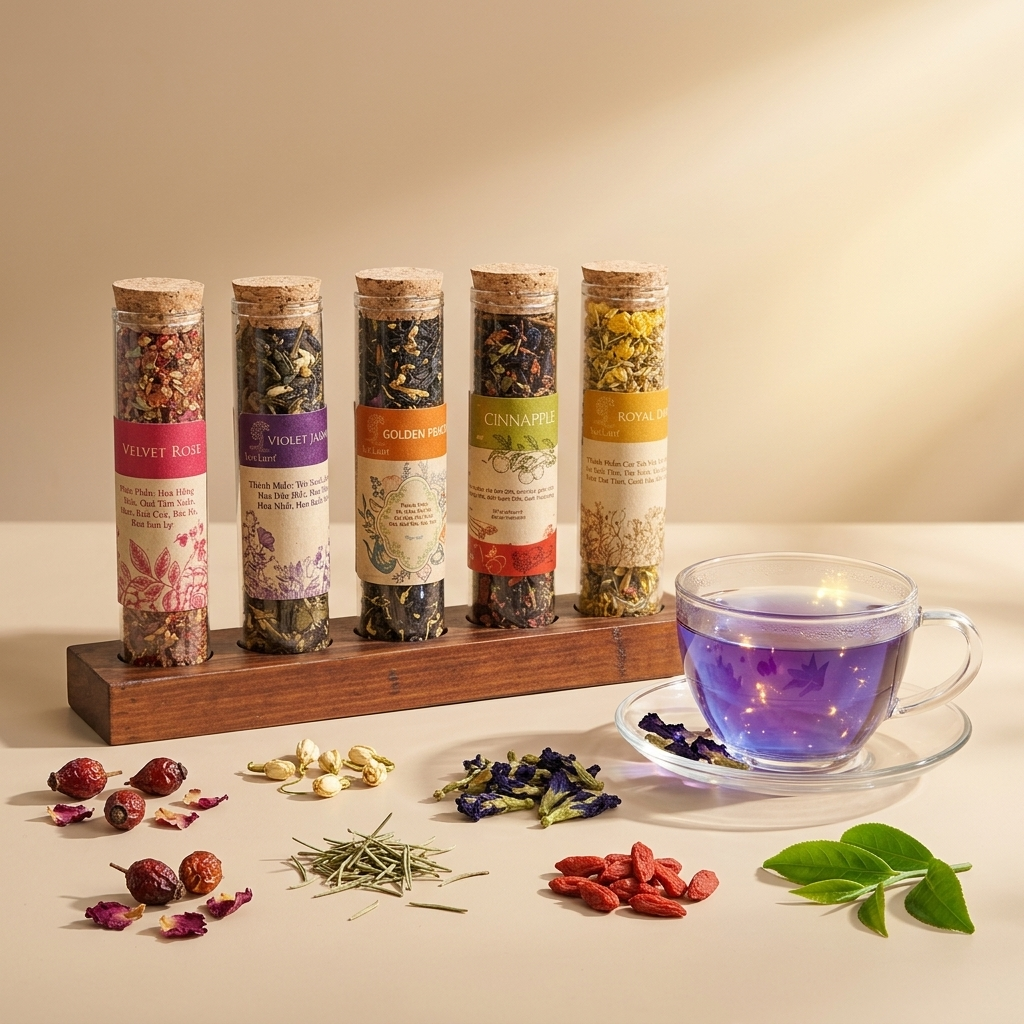
The following table illustrates the structural cost difference for 200 units, assuming a base unit price of $10 and the standard 30% agency markup:
| Cost Component | Agency Route | Direct Route |
|---|---|---|
| Base Unit Price | $10.00 | $10.00 |
| Channel Markup (30%) | +$3.00 | $0.00 |
| Subtotal (Pre-Discount) | $13.00 | $10.00 |
| Bulk Discount (25%) | -$3.25 (on $13.00) | -$2.50 (on $10.00) |
| Final Unit Cost | $9.75 | $7.50 |
| Total Cost (200 Units) | $1,950.00 | $1,500.00 |
| Total Savings | — | $450.00 (23%) |
The agency route: paying for curation
When you source through a gifting company, the price you pay includes a significant markup added to the base manufacturer cost. This margin covers the agency’s services, which typically include product curation, multi-vendor logistics, and administrative handling. In our model, a 30% markup is applied to the base price of the tea hamper. This means that for every dollar spent on the actual product, you are paying another thirty cents for the convenience of an intermediary. At a scale of 200 units, this 30% increment accumulates into a substantial total, effectively shrinking the budget available for the products themselves or for additional gift items. The agency’s quote reflects a retail-style transaction where the seller’s profit is baked into the unit price before any volume considerations are applied.
The direct route: capturing the base savings
Ordering directly from the supplier eliminates that 30% markup entirely. The price you negotiate is the base cost of the product, from which volume discounts are then calculated. For an order of 200 units, the direct route typically qualifies for a 25% bulk discount on that base price. This is a critical structural difference: the discount is applied to a lower starting figure. While the agency adds a percentage to a cost, the direct route subtracts a percentage from a cost. Because the bulk discount is calculated on the base price rather than the marked-up price, the two routes create a widening gap as the quantity increases. The direct model rewards the buyer by allowing them to keep the 30% markup for their own use, while still securing a meaningful reduction on the remaining cost.
Where the savings land for your budget
The total savings at 200 units are the most actionable metric for any budget holder. The gap widens significantly at scale because the direct route benefits from two compounding effects: the absence of the intermediary margin and the application of a bulk discount on the resulting lower base. In practical terms, this means the budget required for 200 hampers through an agency is often nearly 30% higher than the same order placed directly. This difference can be the deciding factor between a generic gift and a more refined, high-quality product that leaves a stronger impression on your clients or employees. By bypassing the middleman, you are not just saving money; you are reallocating those funds to improve the quality of the Vietnam tea hampers themselves, ensuring that the perceived value matches the actual cost. For B2B tea gifts, this financial efficiency allows you to maintain a premium standard while staying within a reasonable corporate gifting budget.
Why B2B tea gifts from Vietnam suit corporate gifting budgets
Vietnam tea hampers occupy a specific niche in corporate procurement: they deliver a high-perceived-value experience without exceeding the unit cost of standard branded merchandise. Unlike generic pens or mugs, which are easily forgotten, a well-curated tea gift combines practical utility with aesthetic appeal. This makes it a strong candidate for companies looking to balance budget constraints with the need to show genuine appreciation to recipients.
Perceived value versus unit cost
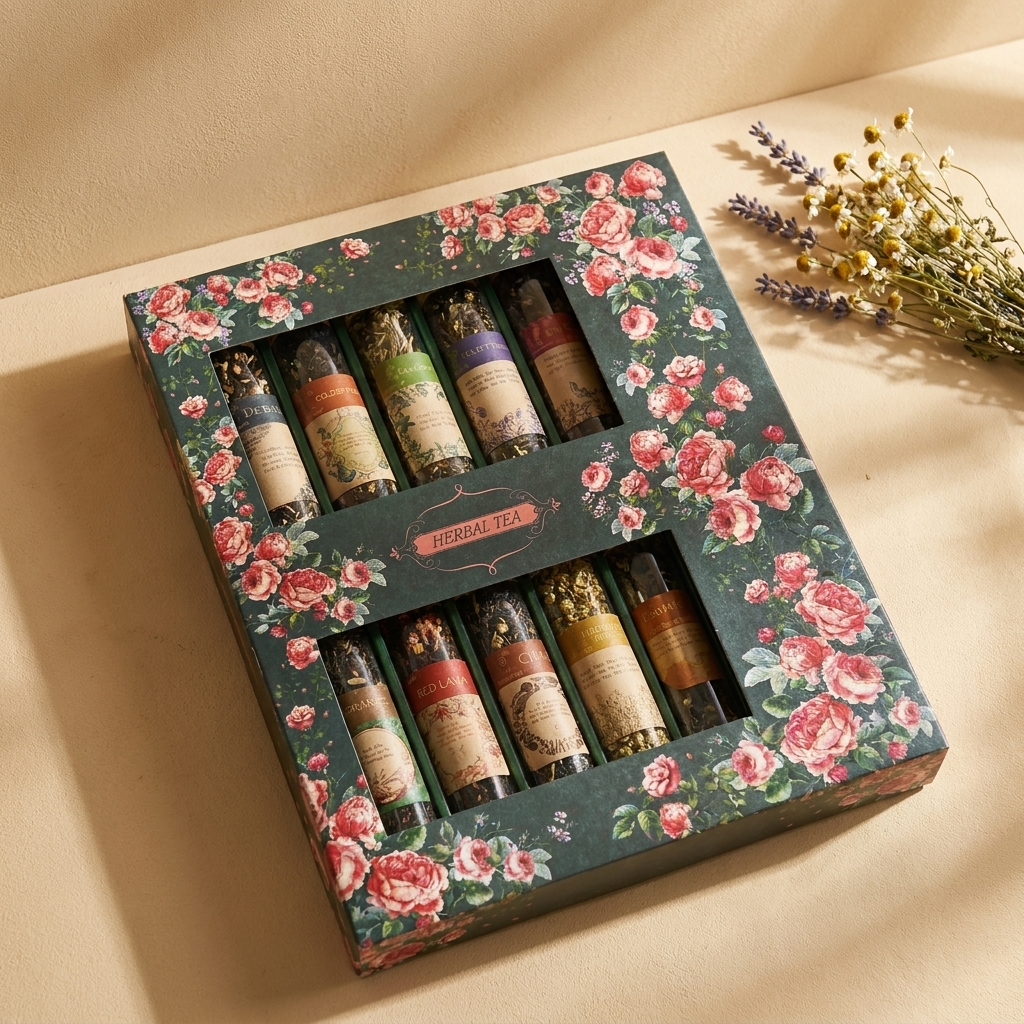
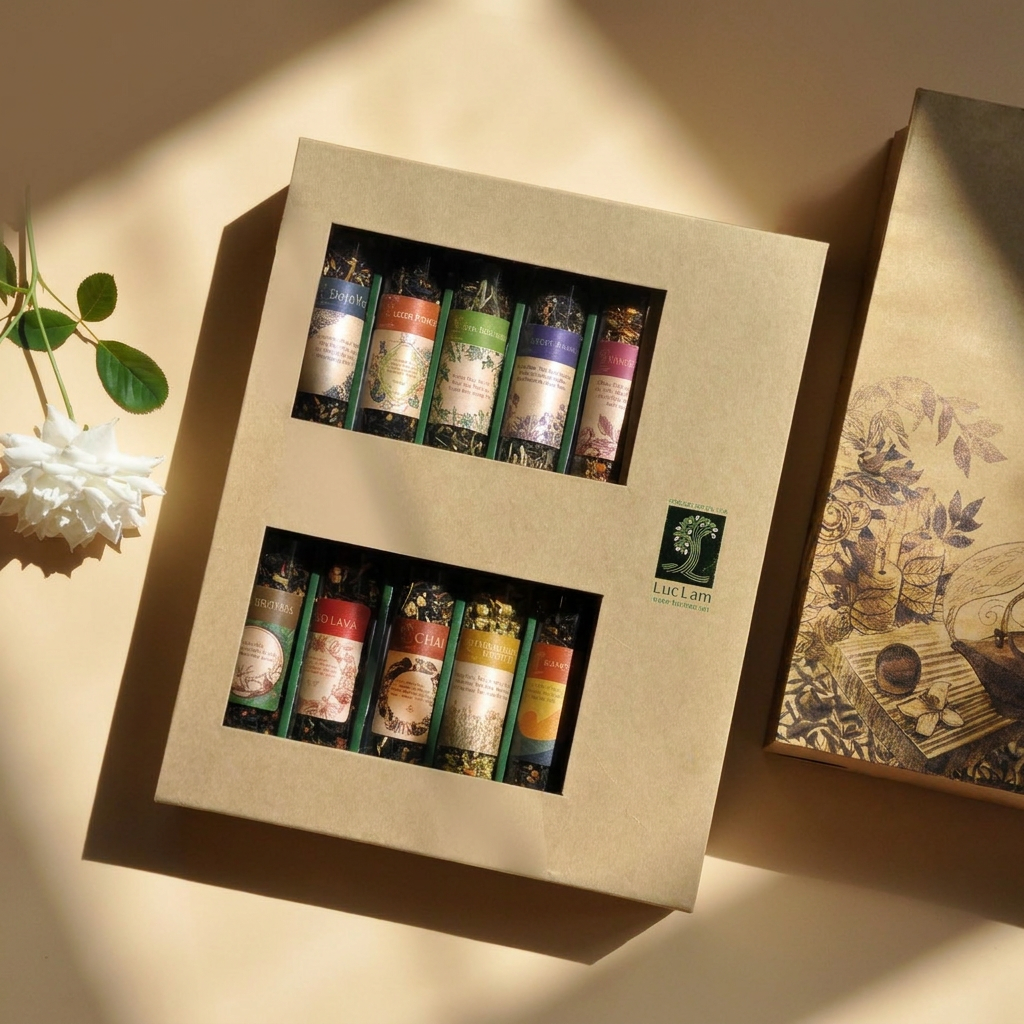
The core advantage of using refined packaging as a differentiator lies in how recipients perceive the gift. A simple glass cylinder or a kraft box with elegant labeling elevates the item’s status. When a recipient opens a package and sees individually wrapped items with clear, high-quality ingredients, the perceived worth often exceeds the actual unit price. This is particularly effective for B2B tea gifts, where the goal is to make the recipient feel valued without requiring a massive financial outlay. The visual presentation signals care and attention to detail, attributes that are often missing in mass-produced promotional items. By focusing on the presentation and the quality of the ingredients inside, companies can justify a slightly higher per-unit cost compared to plastic goods, while still staying within a reasonable corporate gifting budget.
Tailoring gifts from a single bulk order
One of the practical challenges in corporate gifting is addressing a diverse group of recipients. Partners, senior managers, and team members often expect different levels of formality or variety. A varied collection of Vietnamese products allows companies to create distinct gift tiers from a single bulk order. For instance, a hamper combining loose-leaf tea, premium coffee, and dried fruit can be adjusted for different audiences. A senior business partner might receive a set featuring a full glass teapot and loose-leaf varieties, while a direct team member might receive a collection of convenient tea bags and cookies. This flexibility means you do not need to place multiple complex orders with different suppliers. You can standardize the logistics and shipping process by ordering one large batch, then simply mix and match the contents within the packaging to create specific gift profiles. This approach simplifies the procurement process and ensures consistency in quality across all gifts, regardless of the recipient’s status.
A cultural alternative to generic branding
Most corporate gifts follow a predictable pattern: a logo on a commodity. While these items are useful, they rarely create a lasting impression. Vietnamese gifts offer a memorable alternative by introducing a cultural element that feels personal and unique. The focus on quality ingredients, such as specific floral teas or roasted Vietnamese coffee, tells a story about the brand’s values. It suggests a company that appreciates authenticity and craftsmanship rather than just mass production. This aligns with the mission to share local flavors through a curated selection. When a recipient drinks a cup of tea or enjoys a piece of dried fruit, they are engaging with a product that has a distinct origin and character. This makes the gift more than just a token; it becomes a small experience. For companies looking to stand out in a competitive industry, offering something that feels hand-picked and culturally rich is a subtle but effective way to strengthen business relationships. It moves the interaction away from transactional and toward personal, which is valuable in any long-term B2B partnership.
Common questions about ordering corporate tea gifts in bulk
Purchasing managers and HR leads often have specific logistical and branding concerns before committing to large volumes. These are the three most frequent questions encountered when planning a corporate gifting campaign, along with practical answers that help you structure your order.
Do you offer custom packaging for bulk orders?
Yes, custom gift boxes with company branding are available for larger orders. For orders of 100+ units, custom packaging can be included at no extra cost, which is a significant value-add for B2B tea gifts. This option allows your brand to be visible in the unboxing experience, boosting the perceived value of each hamper. By applying your logo and brand colors directly to the packaging, you transform a standard product into a branded asset. This adds a layer of professional polish without the hidden costs associated with third-party curation or intermediary markups. The result is a gift that feels personal and tailored, reinforcing your corporate identity with every recipient.
How far in advance should we order for a corporate event?
Plan 4–6 weeks ahead to allow for custom packaging, logistics, and delivery, especially for large-volume orders. This timeline is critical for ensuring quality control and accurate assembly of mixed-hamper sets. If you are ordering Vietnam tea hampers in quantities of 200 or more, the 4–6 week window provides a buffer for potential shipping delays or last-minute changes in recipient lists. Starting early also allows you to finalize branding assets and review packaging proofs. For major holidays or company-wide events where peak volume might impact logistics, aiming for the 6-week mark is recommended to avoid any risk of missing your deadline.
Can we mix different gift items in one bulk order?
Yes, the curated collection allows companies to mix tea, coffee, and dried fruit to create varied hampers for different recipients within a single order. This flexibility is a key advantage for corporate buyers who need to tailor gifts to different tiers of employees or partners. You can assign premium tea sets to senior management, blend in coffee and dried fruit for general staff, and adjust the composition based on individual preferences. This approach ensures that every recipient receives a gift that feels appropriate to their role and taste, while you maintain a single, consolidated purchase. It simplifies the procurement process and helps you maximize the impact of your budget across the entire organization.
The core financial advantage of sourcing directly is a double-savings effect. By bypassing the intermediary, you remove the 25–30% markup that typically inflates the base cost of B2B tea gifts. More importantly, any bulk discount is then applied to that lower, unmarked-up price. This means the volume tier does not just reduce the unit cost; it compounds the savings by eliminating the layer of margin that would otherwise remain in the final figure. For a large order, this distinction turns a standard discount into a significantly lower total spend without compromising the quality of the Vietnam tea hampers or the refinement of the packaging. The result is a more efficient use of your corporate gifting budget, with the same premium product presented in a way that feels thoughtful and personal to the recipient.
If you are planning a corporate gifting order and want a clear cost comparison for your specific quantity, you can reach out for a custom quote with exact pricing — no middleman, no markup.