On This Page· 6
Pick up the bright red keychain on your left. Now grab the identical one from the stall next to you. They are plastic, factory-made, and available in every tourist district from Hanoi to Ho Chi Minh City. If your trip ends with a suitcase full of these, you missed the point of visiting Da Nang. The city’s real treasures are tied to specific streets and workshops, not generic market aisles.
This guide shows you exactly where to find Da Nang gifts that actually tell a story. You will learn which market to visit for local spices, how to identify genuine Vietnamese handicrafts, and where to find the unique marble carvings that only exist in this coastal region. By the end of this walkthrough, you will have a clear plan for sourcing meaningful items rather than just a wish list of things you wish you had bought.
Han Market for the broad range of Vietnamese gifts
When you are short on time but still want to explore Da Nang gifts, Han Market is the most efficient starting point. Located in the city center, this is one of the oldest and most popular markets in the region, offering a wide variety of souvenirs under one roof. You can move from racks of local fashion items to stalls selling food products, making it easy to browse different categories without needing to travel between multiple locations. For many travelers, this central concentration of goods makes the first shopping trip feel manageable, even if the selection is overwhelming.
However, a wide selection means a high volume of mass-produced items. If you walk in without a plan, you are likely to pick up generic trinkets that can be found in any tourist city. Before you enter, decide what type of gift you are looking for. Are you seeking a simple decorative piece, a local snack, or a fashion item? Setting a specific category before stepping inside helps you filter out the noise and focus on the items that truly represent your recipient’s taste.
Knowing what Han Market is not
It is important to understand the limits of this general marketplace. While it is excellent for broad, accessible gifts, it is not the source for specialized artisanal work. If your goal is to buy a hand-carved marble piece or specific types of dried seafood, this is not the place to find them. For those high-quality, region-specific items, you will need to head to more specialized locations later in your trip. Treating Han Market as a broad overview, rather than a destination for niche treasures, sets the right expectations for your visit.
Non Nuoc Fine Arts Village for hand-carved Vietnamese handicrafts
If you want to take home a Da Nang gift that carries the city’s unique identity, skip the generic stalls and head to Non Nuoc Fine Arts Village. This village, situated near the Marble Mountains, is the reliable source for the region’s signature marble products. Unlike mass-produced items found in city centers, the marble here is carved by artisans who have inherited their skills from previous generations. This multi-generational lineage ensures that every piece reflects a deep historical craft rather than just a factory process.
The Authenticity of Seeing the Work
The true value of Non Nuoc lies in the visitor experience. You can watch stone being carved in real time, which serves as the primary proof of authenticity. Seeing the artisan’s hands move over the material with practiced ease contrasts sharply with the factory-made trinkets often sold in the city center. This direct observation confirms that you are buying a handmade authentic trinket rather than a molded replica.
Inspecting Weight and Finish
Before purchasing, carefully inspect the piece. Higher-quality marble from this village often feels lighter than its size suggests due to the intricate carving techniques used by skilled masters. Additionally, check the finish; imitations often have uneven carving or chips along the edges. A genuine Non Nuoc piece will have a uniform cool temperature to the touch and sharp, precise details. These tactile cues help you distinguish between a high-value heirloom and a lower-grade souvenir.
Con Market for local spices and handmade textiles
If your gift list includes items meant to be eaten or worn, Con Market is the right destination. It serves as the primary source for edible souvenirs that capture the specific flavor profile of the central coast, distinguishing it from the broader, more general inventory found in Han Market.
Edible Souvenirs That Travel Well
When deciding what to buy for relatives or colleagues who love food, look specifically for dried seafood and beef bologna. These items are staples of the region and hold their quality well during travel. For those who prefer a subtler gift, local spices such as freshly ground pepper and cinnamon offer a versatile option. These ingredients can be incorporated into daily cooking, providing a tangible connection to Da Nang long after the trip ends. Unlike mass-produced snacks, these goods are sourced directly from local producers, ensuring a taste that is genuine rather than generic.
Textiles and the Authentic Aesthetic
Beyond food, Con Market is a reliable spot for Vietnamese handicrafts with a traditional character. You will find handmade textiles and conical hats (Non La) here, crafted from palm leaves and woven fabrics. The aesthetic of these items is notably less polished and more rustic than the merchandise sold in modern shopping plazas like Vincom. This traditional presentation is often preferred by recipients who value the story behind the object over its glossy finish. The handmade nature of these textiles ensures that no two pieces are identical, adding a personal touch to your gift.
Checking for Safety and Freshness
Because you are purchasing food items for long-term travel, a quick inspection is necessary. When evaluating dried seafood, rely on your nose; a fresh, clean scent indicates proper processing, while a strong or off-putting odor suggests age. Check the packaging to ensure it is sealed tightly and free from tears. Clean, transparent packaging is a good sign of hygiene. By applying these simple checks, you ensure that the gifts you bring home remain a positive experience for the recipient, rather than a risk.
How to spot real quality in silk and marble before paying
The most expensive Da Nang gifts are often the easiest to spot when you know what to look for. A counterfeit silk scarf lacks the specific luster and weight of the genuine article, while a fake marble carving feels warm and uneven to the touch. Before you hand over your money, take a moment to perform a quick physical check on the item.
Inspecting silk and marble by hand
For silk items, look for a soft, natural glow rather than a flat, plastic sheen. Genuine high-quality silk, like that used in traditional Vietnamese Ao Dais, has a distinct drape; it should feel substantial in your hand without being heavy. When examining marble pieces from Da Nang, run your hand across the surface. Real stone maintains a uniform cool temperature, whereas resin imitations tend to be warmer. Check the edges carefully; authentic marble carvings have sharp, precise lines, while inferior copies often show chipped or rounded corners.
The lineage behind the craft
The true value of these Vietnamese handicrafts lies in the history behind them. In Da Nang, artisans do not just produce items; they continue a tradition passed down through multiple generations. This multi-generational lineage gives each piece its soul. When you buy from a local workshop, you are not just purchasing a trinket, but supporting a living culture that has maintained its skills for decades.
Building trust with local vendors
Engaging with vendors in Vietnamese can transform the shopping experience. Using a simple phrase like “Cái này bao nhiêu tiền?” (How much is this?) shows respect and effort. This small gesture often leads to a more honest assessment of the item’s origin and can open the door to a fairer price. Vendors appreciate the interaction and are more likely to share the real story behind their work, ensuring you walk away with a meaningful purchase.
Practical shopping tips for Da Nang markets
Buying souvenirs in local markets follows a few unwritten rules that make the experience smoother and more enjoyable. Getting these details right helps you navigate the bustling aisles with confidence and respect.
The Art of Respectful Negotiation
Bargaining is a common practice in Da Nang’s local markets. While haggling is expected, it works best when done with a smile and a light touch. Aggressive negotiation can quickly sour the mood and damage the friendly atmosphere that makes visiting a market so rewarding. A gentle counter-offer, accompanied by a nod or a polite phrase, often yields better results than a firm demand. Vendors appreciate travelers who treat the interaction as a social exchange rather than a high-stakes negotiation.
Payment and Timing
Most traditional markets in Da Nang prefer cash in Vietnamese Dong (VND). While modern shopping plazas accept credit cards, the stalls selling authentic trinkets and local spices typically do not. It is wise to break large bills into smaller denominations before you arrive, as vendors may not have change for larger notes. This simple preparation avoids long waits and awkward exchanges while you browse.
Markets in Da Nang typically operate from early morning until late evening. This flexible schedule allows you to fit your shopping around other activities in the city. Whether you prefer the quiet of the morning rush or the lively atmosphere of the evening, you will find the doors open. This timing makes it easy to combine a visit to a specific market with a walk through nearby parks or a visit to the beach.
Frequently asked questions about buying souvenirs in Da Nang
Can I buy high-quality tea in Da Nang markets?
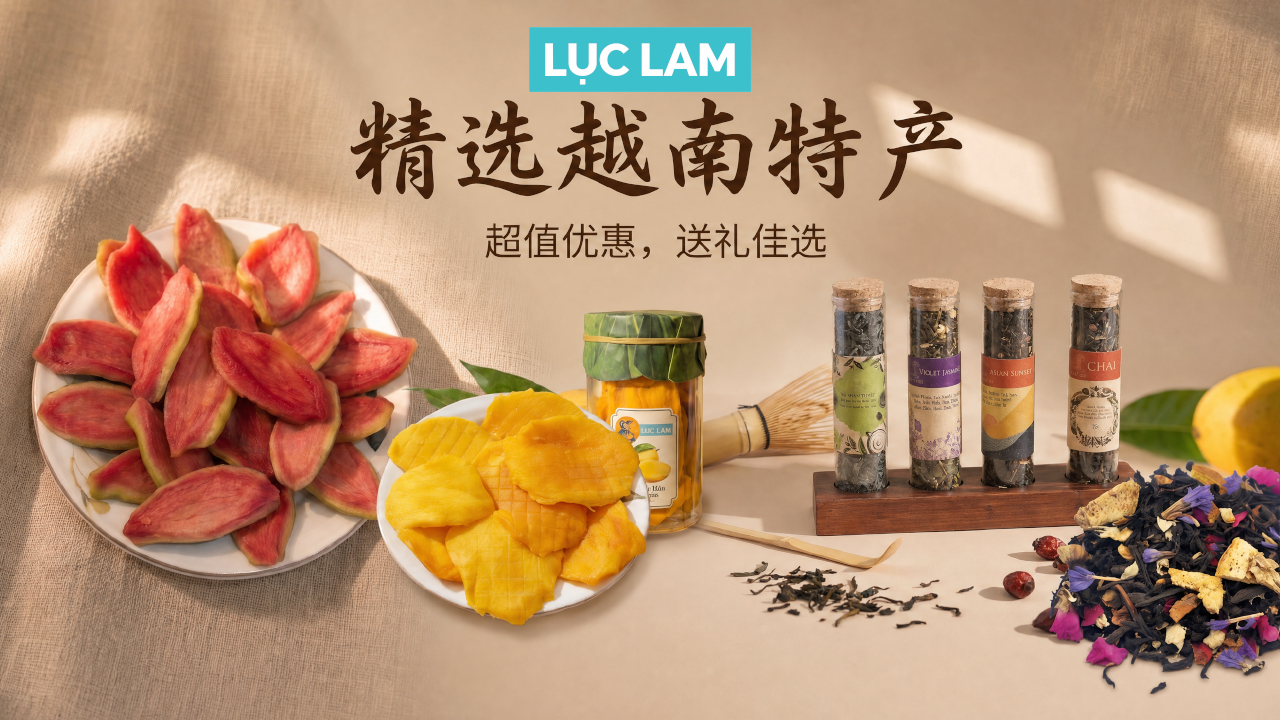
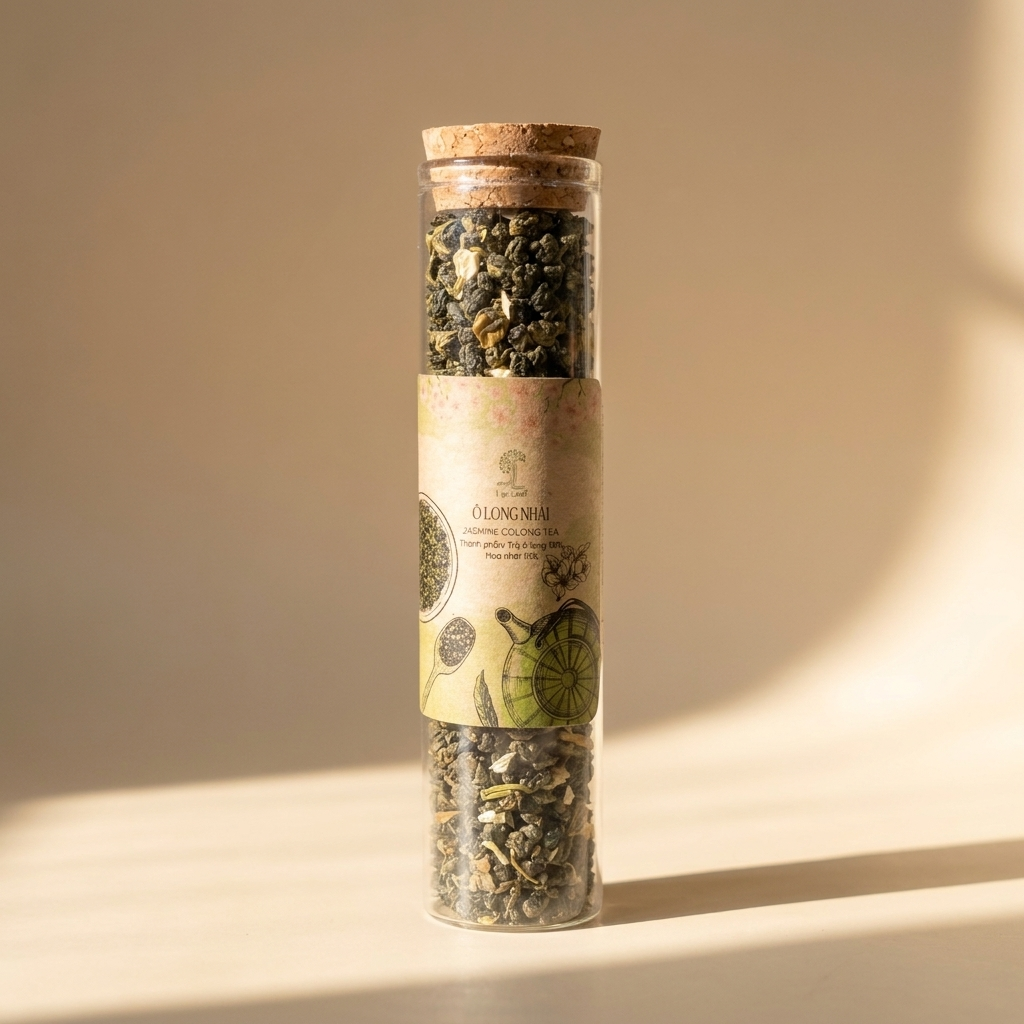
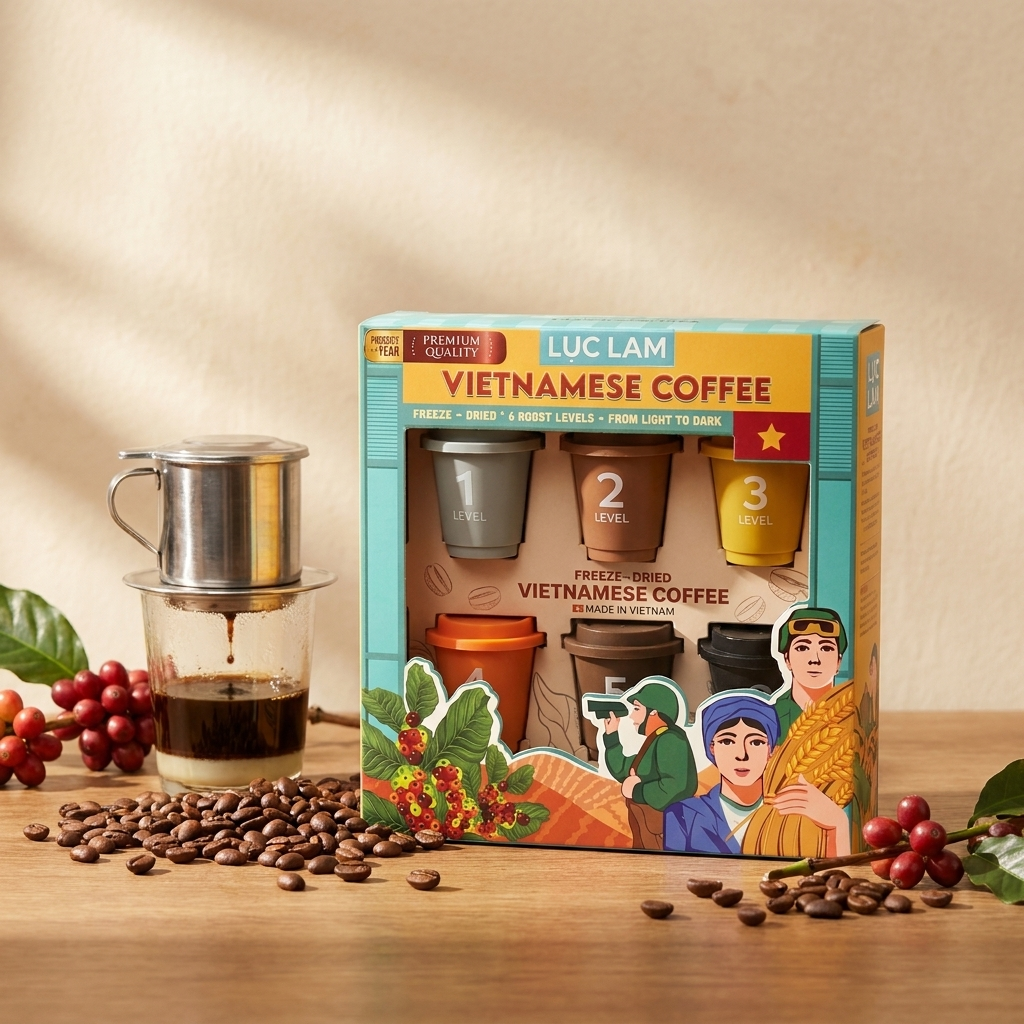
Con and Han markets stock local spices and some specialty teas, but the selection is often basic and packaging is minimal. If you want a refined, professionally packaged selection of artisanal herbal tea or signature coffee, a specialized curatorial shop like Lục Lam Vietnam Tea offers a more consistent and gift-ready experience. The difference matters: market stalls prioritize variety over curation, while dedicated tea shops focus on quality control, presentation, and suitability for gifting to colleagues or family members back home.
What is the one souvenir I cannot find outside of Da Nang?
Hand-carved marble from Non Nuoc Fine Arts Village. Other Vietnamese cities sell stone, but the multi-generational lineage of Non Nuoc’s carving families makes their work distinctly Da Nang. Each piece carries the weight of inherited technique — a detail no factory replica can replicate. If your gift list includes one authentic trinket with a local story, this is it.
Is it worth visiting Vincom Plaza instead of the local markets?
Vincom Plaza excels for international brands, air-conditioned comfort, and credit card payment. For Vietnamese handicrafts and local food products, though, the traditional markets deliver a far more unique and price-appropriate experience. The gap is practical: Vincom sells global consistency; the markets sell local specificity. If your goal is a souvenir that tells a Da Nang story rather than a global one, spend your time at Han, Con, or Non Nuoc instead.
Your next Da Nang trip has a clear path for meaningful souvenirs. Han Market handles the broad range of needs, offering everything from fashion to general goods in one central location. When you need the signature of the city, turn to Non Nuoc Fine Arts Village for its unique marble pieces, which carry a multi-generational lineage that you cannot find elsewhere. For those who prefer flavors and textures, Con Market is the destination for local spices, dried seafood, and handmade textiles. By matching your recipient’s taste to the specific venue, you move beyond generic shopping and into targeted gift selection.
The true value of these items lies in the visible evidence of their creation. In a craft village, the handwork is the story. Seeing a marble block transform under an artisan’s chisel or feeling the weight of a silk scarf that passed through many generations of weavers gives the gift a depth that no factory-made trinket can replicate. That connection between maker and receiver is what makes a souvenir a memory rather than just an object.