On This Page· 6
You have three days, a full stomach, and a list of thirty dishes that all look the same. The real question is not what to eat, but when and where to eat it. Getting the answer to where to eat in Da Nang right depends less on a static list of names and more on matching the mood to the time of day. A meal is not just fuel; it is a rhythm.
Imagine the difference between two experiences. On one hand, there is the 11:30 AM lunch rush, a specific 45-minute window when the city pauses for a quick rice plate. On the other, there is the 9 PM quiet, where a Da Nang street food stall on a busy corner comes alive with the scent of grilled pork and cold vermicelli. One is efficient and social; the other is intimate and slow. Even the setting matters: a $2 meal on a plastic chair by the roadside offers a raw, authentic connection to local life, while a refined sit-down dinner provides the comfort of air-conditioning and polished presentation. This guide helps you navigate those shifts, ensuring you move from the high-energy morning bustle to the peaceful evening bites without missing the true flavor of the city.
The $2 street food ritual: where locals actually eat
The truest way to discover where to eat in Da Nang is not in a guidebook, but on a small plastic chair at a corner stall. Locals call this the “plastic chair” culture. It is a common misconception that a lack of amenities or a simple outdoor setup indicates a hygiene issue. In reality, the absence of a formal restaurant structure is a sign of authenticity. If a Da Nang street food stall is busy, it is moving product quickly, and the food is fresh. The goal is to find a high-turnover spot where the vendor has been cooking for the neighborhood, not just tourists.
The signature textures and flavors
When choosing what to order, look for the specific Central Vietnamese specialties that define the city’s Vietnamese cuisine highlights. Two of the most essential dishes to seek out are Bun Thit Nuong and Banh Beo.
Bun Thit Nuong is a grilled pork dish served over cold vermicelli noodles. The texture profile is a study in contrasts: the chewy noodles meet the char-grilled meat, while the topping provides a crunch from peanuts and a freshness from herbs. The entire dish is bound together by a rich, salty-sweet peanut sauce.
Banh Beo is a steamed rice cake that offers a different kind of comfort. These soft, slightly savory cakes are topped with a sweet and earthy mung bean paste. To complete the dish, you will find toasted shrimp, fried shallots, and a drizzle of scallion oil. The balance of the sweet paste against the savory toppings and the crispness of the shallots makes this a staple for locals who want a quick, flavorful snack.
Location cues for the authentic experience
Finding these specific dishes often requires a bit of local navigation. Here are some foodie travel tips to help you locate the stalls without spending hours searching.
| Dish | Specific Location Cues | Best Time to Visit |
|---|---|---|
| Bun Thit Nuong | Corner of Nguyen Cong Try (near 110) | 7:00 PM – 11:00 PM |
| Banh Beo | Ba Bê at 100 Hoang Van Thu | Evenings |
For Bun Thit Nuong, head to the corner of Nguyen Cong Try. The stall at 110 Nguyen Cong Try is a well-known spot that operates in the evening hours. Meanwhile, for Banh Beo, the area around Hoang Van Thu is a reliable hub for traditional Central Vietnamese snacks.
Timing your street food experience
One of the most important foodie travel tips for Da Nang street food is the time of day. Many of these vendors are not open during the day. If you arrive at a corner at noon and find it empty, do not worry; it is likely closed. The peak hours for these specific stalls are typically from 7:00 PM to 11:00 PM. This aligns with the local evening routine when families finish dinner and step out for a late-night snack. Waiting for the evening rush ensures you are eating at the same time as the locals, and you will likely find the most variety and the freshest preparation. This is where the local experience truly comes alive, away from the daytime tourist crowds.
Finding a sit-down vibe for Vietnamese cuisine
While the city’s famous Da Nang street food scene thrives on noise and movement, a different energy waits indoors. This is where best local restaurants step in, offering air-conditioned rooms and clean, quiet corners. The concept here is “vibey dining”: a setting that replicates the flavors of home cooking but elevates the presentation. It is less about spectacle and more about the comfort of a familiar meal, served on proper plates with a relaxed pace.
Consistency from trusted spots
Long-term residents often return to the same tables because consistency matters. Bep Hen, located at 47 Lê Hồng Phong, is a favorite for this reason. It is not a loud tourist trap; it is a steady, comfortable choice. Similarly, Den Long at 71 Lý Thường Kiệt has built a reputation among locals who want reliable Vietnamese cuisine highlights without the guesswork. These places are favored not for gimmicks, but for the simple reliability of a good meal.
The home-cooked feeling on a plate
When you sit down at these spots, the menu feels like a visit to a friend’s kitchen. At Bep Hen, look for the stuffed eggplant dish. It features eggplant slices filled with minced pork and tofu, all simmered in a savory tomato sauce. It is a humble dish, yet the texture and balance of flavors make it feel special. At Den Long, you will find Central Vietnamese specialties that highlight the region’s unique balance of spices and heat. Ordering these dishes gives you a concrete, authentic taste of the area’s culinary identity, far removed from the quick, on-the-go nature of street eating.
The ideal break from the hustle
The choice between a plastic chair under a street lamp and a sit-down table comes down to your mood. After a long day of sightseeing, the high-energy foodie travel tips of street stalls can feel exhausting. A sit-down meal offers a gentle pace, allowing you to savor each bite. It is the perfect setting for a relaxing dinner or a longer lunch break. Whether you choose Bep Hen or Den Long, you are choosing comfort. You are swapping the rush of the road for the quiet satisfaction of a well-prepared, home-style meal in a cool, welcoming space.
When the craving shifts: fusion and Western bites
After three days of steaming bowls of bún and phở, a specific fatigue sets in: you don’t need more noodles. You need a break. This is a natural part of planning where to eat in Da Nang. Your palate shifts from seeking local authenticity to craving a different texture, a new carb, or a familiar flavor profile that feels like a reset.
Escaping the noodle zone
There is no shame in stepping away from the local menu. Travelers often find that a change of pace keeps energy levels high and prevents the meal from feeling repetitive. This is where fusion and Western-style spots earn their place in your itinerary. They aren’t just for tourists looking for comfort; many are run by locals or international chefs who bring a high level of craftsmanship to their craft.
Two standout options that represent the highest quality in their respective categories are Pizza 4P’s and Merkat.
- Pizza 4P’s (8 Hoàng Văn Thụ): Run by a Japanese chef, this spot is distinct because they make all ingredients in-house. The result is a pizza with a dough that has a specific, subtle Japanese-inspired flavor profile. It is a sharp contrast to the soft rice cakes you have been eating for the last few days.
- Merkat (79 Lê Lợi): Owned by a Spanish couple from Valencia, this is not a ‘Spanish-themed’ restaurant; it is an authentic tapas bar. If you are missing the small, shared plates and the specific brine-and-oil flavors of Spanish cooking, this is the place to go. The quality is high, and the experience feels removed from the usual tourist fare.
A practical balance for your trip
How do you fit these in without feeling like you’ve missed out on the local experience? The trick is timing and moderation.
The ‘One Night’ Rule: Reserve one specific evening or one specific lunch for a non-Vietnamese meal. Do not spend your entire stay rotating through Western spots. By isolating these meals, you ensure that the majority of your experience is still grounded in the local food culture.
The Lunch Break: If you are on a tight schedule, use a lunch for a lighter, international option (like a sandwich or a small plate of tapas) and save your appetite for a full local dinner. This prevents the ‘carb overload’ that can happen when mixing heavy rice dishes with heavy pasta or pizza.
Quality Over Quantity: When you do choose a Western spot, choose the highest quality version. A mediocre burger or a generic pizza does not justify the break from the local menu. A truly well-made pizza or a genuine tapas experience creates a contrast that makes the next local dish taste even better.
Foodie Tip: If you visit Merkat, try to go for dinner. The tapas experience is best shared slowly, which contrasts nicely with the fast-paced nature of the street food stalls you will likely visit earlier in the day. This pacing helps you digest and appreciate the different styles of cooking.
By treating these spots as a deliberate contrast rather than a default, you create a more dynamic food journey. You get the deep dive into Vietnamese cuisine highlights, plus a memorable break that keeps your palate fresh.
Timing your meals for the best local experience
The midday rush: 11:30 AM to 12:15 PM
The city hits its peak for lunch between 11:30 AM and 12:15 PM. This is when office workers and students flood the streets for com binh danh, a simple plate of rice paired with the day’s rotating vegetables and a protein. For example, Quan Chay An Lac at 38 Quang Trung serves this vegetarian version right during that tight 45-minute window. Arriving at 12:15 PM often means empty plates. If you want to experience this authentic, fast-paced rhythm of local dining, time your visit precisely to catch the last of the midday batch before the staff clears the tables.
Late-night options: the Pham Hong Thai strip
If a full day of sightseeing leaves you hungry at 11 PM, head to the Pham Hong Thai and Nguyen Chi Thanh intersection. This corner is a hub for late-night Da Nang street food. You can find Com Ga Xe, a stir-fried spiced rice with shredded chicken and caramelized onions, for about $2.50. The energy here is casual and communal; it is not a place for a leisurely meal, but a practical spot to refuel your energy before heading back to your accommodation. It is a quick, savory bite that respects your need for rest after a long day.
Pacing your appetite
A common mistake for first-timers is trying to eat too much in a single sitting. Instead, adopt a “tasting” approach. Start each meal with a smaller portion to keep your appetite open for the next discovery. Da Nang’s food scene is deep, and overeating at one vendor can leave you too full to appreciate the next. By keeping your portions manageable, you maintain the physical energy required to explore the city and the mental bandwidth to engage with the variety of Vietnamese cuisine highlights available.
FAQ: City center or beach side for breakfast?
Many travelers ask whether they should start their day in the city center or near the beach. The city center offers the bustling, authentic energy of local markets and noodle stands, where you will find the most variety in traditional dishes. The beach side, particularly around My Khe, leans more toward international options and brunch spots like Six on Six, which serves from 8 AM to 5 PM. If you want to experience the local morning rhythm, choose the city center. If you prefer a relaxed, airy atmosphere to start your day, the beach side is your best bet.
Frequently asked questions about Da Nang dining
Ordering food without language barriers
You do not need to speak Vietnamese to order at a Da Nang street food stall. Pointing at the dish you want to eat or showing a photo from your phone is the standard approach among travelers. For common items like Bun Thit Nuong or Banh Beo, the visual cue is often sufficient for the vendor to understand your request instantly. Keep a few photos of your top choices on your phone for a quick, no-stress interaction at the counter.
Is street food safe to eat?
The short answer is yes, provided you follow one simple rule: choose the busy stalls. High turnover is the key indicator of freshness in Vietnamese street cooking. When a wok is moving constantly and customers are cycling in and out, the ingredients are fresh and the environment is clean. A stall that is empty for a long time is a red flag. The “busy is good” principle works remarkably well in Da Nang for ensuring a safe and enjoyable meal.
How much cash should you carry?
Most street food vendors in Da Nang are cash-only, and the average meal costs between $2 and $3. You should carry plenty of small denominations, as many vendors do not have large bills to make change. If you only have a 500,000 VND bill for a $2 plate of noodles, you may struggle to get proper change. Keeping a stack of 5,000 and 10,000 VND notes in your pocket keeps transactions smooth and quick.
Can you find vegetarian options?
Veggie lovers have several easy alternatives in the city. For a dedicated vegan experience, check out An’s Cafe on 169f Trưng Nữ Vương. If you prefer a more traditional “com” style, Da Nang Com Chay offers vegetarian rice plates for about $5 per person. Another great option is Quan Chay An Lac, which serves a vegetarian “com binh danh” with daily veggies, perfect for a quick and satisfying lunch.
Your next step: from the plate to the gift
The most memorable flavors of Da Nang are not just the dishes you eat, but the ingredients that define them. After a day of exploring street food stalls and local restaurants, the sensory experience of the city can be extended into your daily routine at home. The key to preserving this connection is choosing quality ingredients that reflect the local culture.
Bringing home the taste of Vietnam
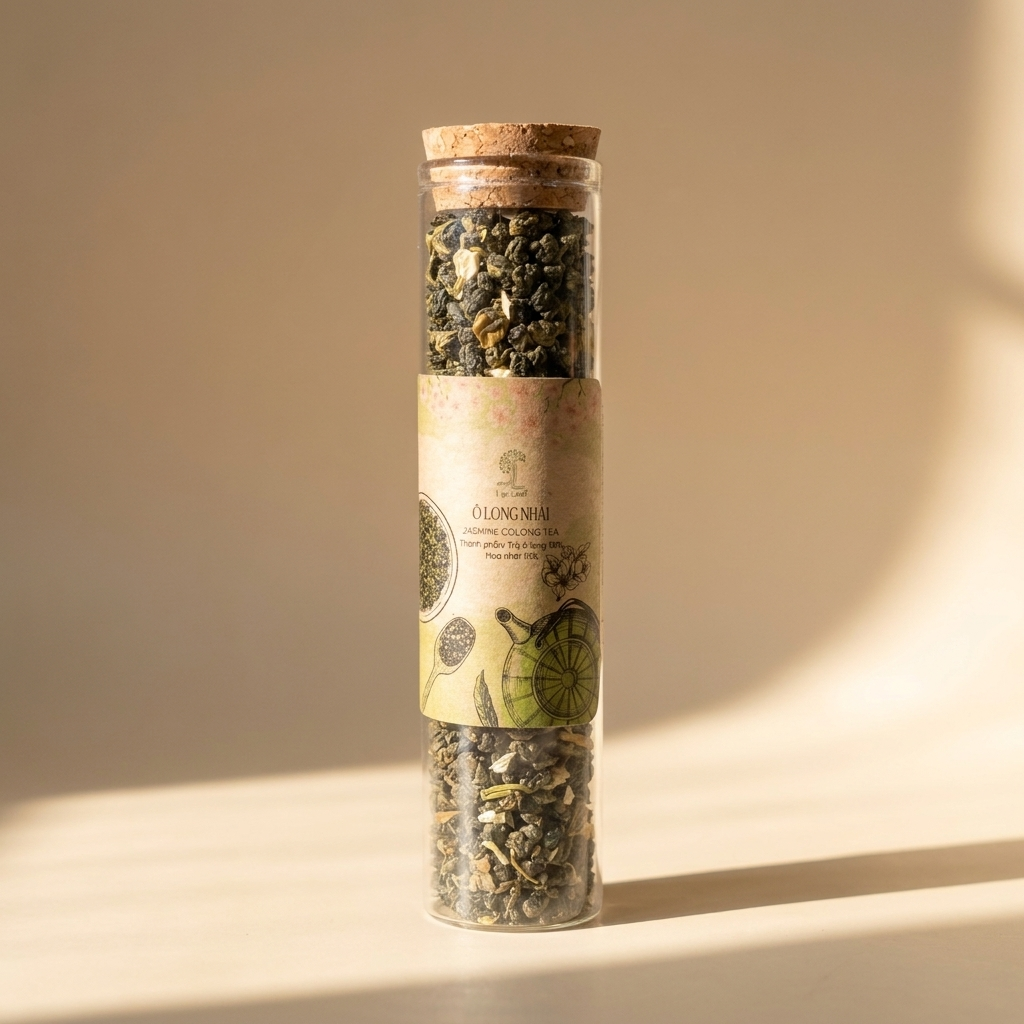
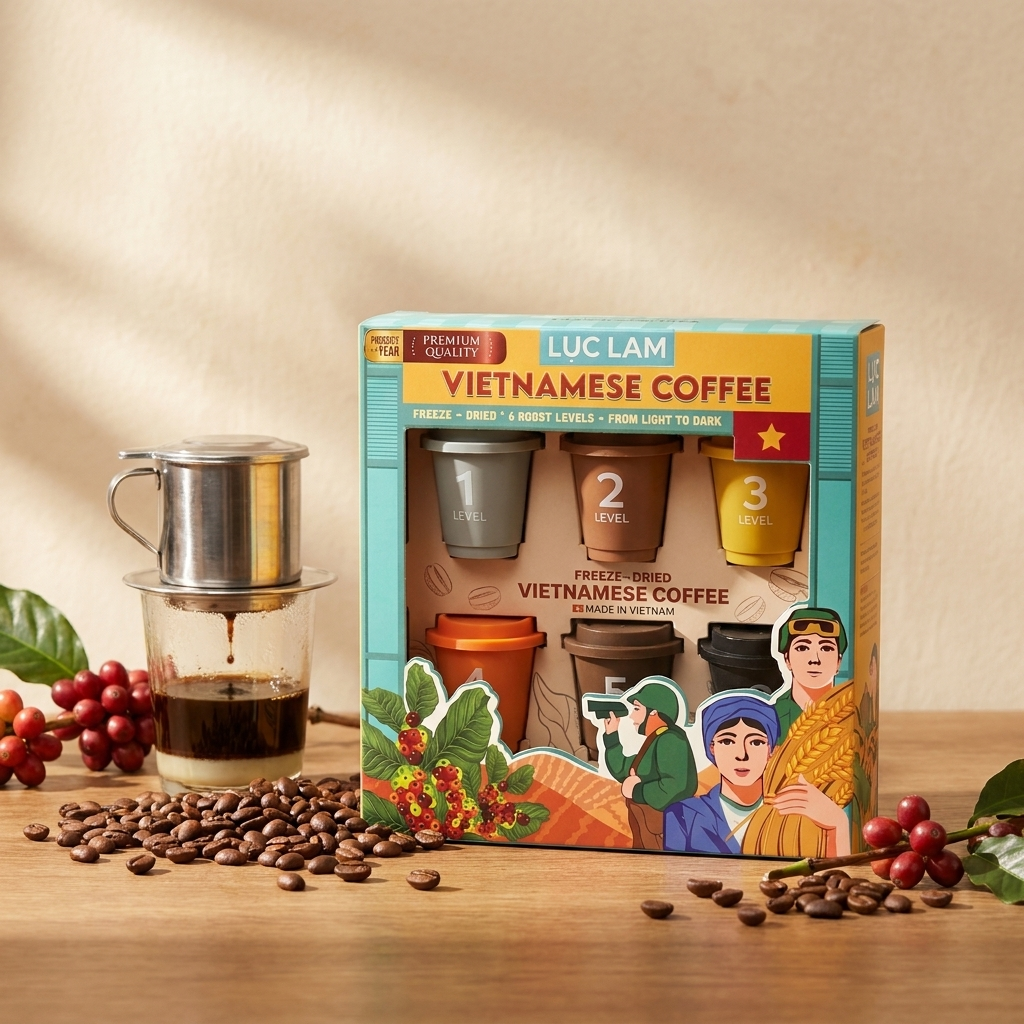
For many travelers, the simplest way to keep the memory of Da Nang alive is through high-quality Vietnamese coffee or tea. These items are not just beverages; they are cultural artifacts. A well-roasted Vietnamese coffee, for instance, captures the bold, rich character of Central Vietnamese cuisine, offering a familiar comfort that you can recreate in your own kitchen. Similarly, traditional teas provide a refreshing pause that mirrors the relaxed pace of a local café visit.
A thoughtful way to share the experience
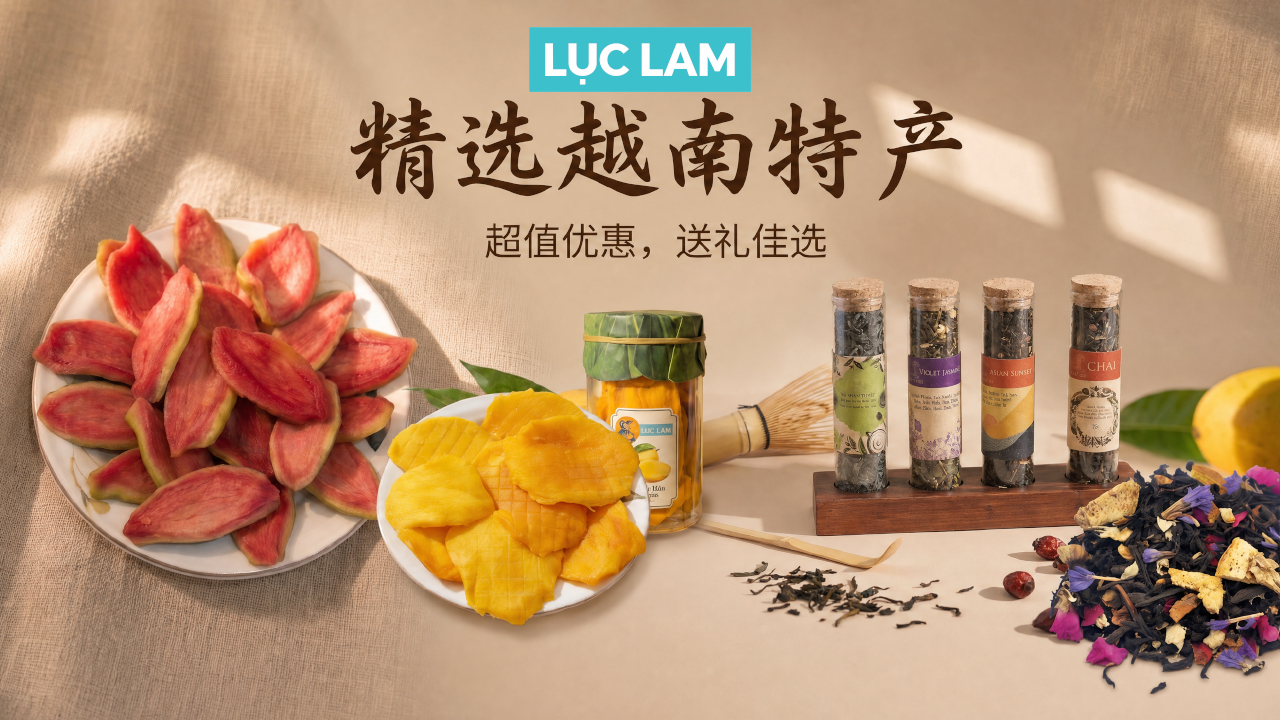
If you are looking for a more refined way to share these flavors with friends or colleagues, curated Vietnamese gifts in refined packaging can be a thoughtful choice. These items are designed to be easy to choose and suitable for gifting, making them a practical alternative to bulky or perishable foods. By selecting products that are individually packed and presented with care, you create a tangible link to your travels that is both personal and professional. This approach allows you to share the joy of discovery without the complexity of logistics.
The true value of a foodie travel experience lies in the details. When you return home, the taste of a specific tea or the aroma of freshly ground coffee can transport you back to the streets of Da Nang, reminding you of the textures and flavors that made the city special. This is where the practical side of travel meets the aesthetic, turning a simple souvenir into a lasting sensory memory. It is a gentle reminder that the best souvenirs are not what you buy, but what you experience and then share.
The true value of finding where to eat in Da Nang lies not in the checklist of dishes you finish, but in the rhythm of the city you adopt. Let the local pace guide your next few days, whether you are sitting on a plastic stool watching the sun set or settling into a quiet corner for a proper meal. If you’d like to bring a bit of that refined Da Nang feeling back to your loved ones, our curated tea and coffee collections are a practical and thoughtful way to do so.