On This Page· 7
You stand in a narrow alley of the Old Quarter, holding a plastic keychain that costs less than a street coffee. Around you, dozens of similar trinkets compete for attention, yet none feel like they belong in a home back in Tokyo, Taipei, or Shanghai. This is the moment many travelers face when seeking genuine Hanoi shopping experiences: the frustration of mistaking mass-produced goods for authentic souvenirs.
Your 48-hour window is not a limitation—it is an advantage. With limited time, you can focus intensely on three specific categories of handmade crafts that carry real cultural weight: lacquerware, silk, and ceramics. Instead of wandering aimlessly through the Hanoi market, you can move with purpose, identifying pieces that reflect decades of artisan heritage rather than factory repetition. This guide shows you how to distinguish these cultural gifts from tourist imitations. You will learn what to look for in the depth of a lacquer finish, the sheen of real silk, and the subtle marks on a ceramic base. By the end, you will know exactly where to go and what to buy, ensuring your gifts tell a true story of Vietnam’s craftsmanship.
Lacquerware: Reading the Layers of Authenticity
A genuine piece of Vietnamese lacquerware is a study in patience. Authenticity here isn’t just about the price tag; it is visible in the physical substance of the item. Vietnamese lacquerware is created by layering natural lacquer onto wood or bamboo and polishing each piece by hand. This multi-step process results in a finish that has a unique depth and warmth, distinguishing handmade crafts from synthetic imitations that often feel hollow or uniformly glossy. When you look for cultural gifts in Hanoi, this tactile difference is your first indicator of quality.
Selecting the Right Piece
For travelers, certain forms carry significant cultural weight and travel well. A decorative tray is versatile and easy to pack, while a small jewelry box or a set of lacquered chopsticks offers a personal, intimate touch. If you have room in your suitcase, a piece of wall art can serve as a striking reminder of your trip. Each of these items transforms a simple purchase into a meaningful authentic souvenir that speaks to the patience of the artisan who made it.
The Quick Inspection Guide
Before you hand over your money, spend ten seconds checking the item for craftsmanship. Focus on three key attributes:
| Attribute | What to Look For | Why It Matters |
|---|---|---|
| Gloss Depth | A soft, layered sheen | Indicates multiple coats of natural lacquer |
| Surface Finish | Silky smooth to the touch | Confirms the traditional hand-polishing process |
| Item Weight | Noticeable heft | Reflects the solid wood or bamboo base |
If the surface feels plasticky or the item is surprisingly light, it is likely a mass-produced imitation. Reputable shops in the Old Quarter often provide information on the origin of the material and specific care instructions. This documentation serves as a marker of authenticity and shows the vendor’s respect for the piece’s longevity. Taking these steps ensures your Hanoi shopping results in a gift that lasts for generations.
Silk in Hanoi: Origin and Stitching Details
Vietnamese silk stands as one of the nation’s most celebrated handmade crafts. In the Old Quarter, travelers can source high-quality scarves, ties, and pillow covers that reflect centuries of textile tradition. The district’s heritage as a commercial hub means that many shops specialize in specific fabrics, allowing you to find pieces with genuine artisan heritage rather than mass-produced tourist imitations. When selecting cultural gifts, look for items that feel substantial yet elegant, balancing daily use with aesthetic value.
Verifying Fabric Quality and Stitching
Authenticity in silk often lies in the details you can see and feel. Genuinely woven silk has a consistent thread density and a specific, soft sheen that synthetic imitations struggle to replicate. Run your fingers across the fabric; real silk should feel cool and smooth, not waxy or overly slippery. Check the stitching on hems and edges—high-quality pieces feature tight, even seams that hold up over time, whereas lower-grade items may show loose threads or uneven patterns. This inspection helps distinguish authentic souvenirs from replicas, ensuring your purchase holds value as a meaningful token of your trip.
The Story Behind the Weave
Ask vendors about the origin of the silk. Many family-run businesses in Hanoi take pride in their lineage and can share the story of the textile, from the local farms where silkworms are raised to the hands that weave the fabric. This narrative adds depth to the gift, transforming a simple accessory into a cultural artifact with a history. For recipients who appreciate storytelling, this context makes the item more personal and significant than a generic souvenir. It turns a transaction into an exchange of culture, which is often the heart of what travelers seek when browsing the Hanoi market.
Lightweight Choices for Travelers
For those with limited luggage space, lightweight silk items are ideal. A silk scarf or a set of handkerchiefs occupies minimal room while remaining a high-value gift. These pieces are easy to pack, resistant to creasing compared to bulkier textiles, and versatile enough to suit various recipients, from family members to business partners. By choosing smaller, refined items, you maximize your ability to carry multiple gifts without sacrificing quality, ensuring that each piece remains a thoughtful, culturally significant souvenir.
Bat Trang Ceramics: The Touch of the Potter
While the Old Quarter offers immediate access to Hanoi’s commercial heritage, the story behind many of the ceramic pieces you see there traces back to Bat Trang, a historic center for Vietnamese pottery. For over a century, artisans in Bat Trang have refined their craft, producing ceramics that reflect deep local traditions. When you select a piece from a shop in the Old Quarter, you are often choosing a direct link to this cultural lineage, making the item more than just a decorative object—it becomes a tangible connection to a specific artisan community.
From Kiln to Living Room
The most popular ceramic items for travelers include tea sets, coffee mugs, and incense holders. Each of these items reflects a specific facet of Vietnamese domestic life. A hand-thrown tea set, for example, honors the ritual of hospitality that is central to Vietnamese culture, while a simple, well-formed mug captures the daily rhythm of the morning. These items are not merely static; they are designed to be used, worn, and appreciated over time. For those seeking authentic souvenirs that double as functional home decor, these pieces offer a balance of elegance and utility that mass-produced goods simply cannot replicate.
How to Spot the Potter’s Hand
Distinguishing a handmade piece from a machine-molded one requires a simple but careful inspection. Turn the item over and look at the base. A genuine hand-thrown ceramic will often show subtle variations in thickness or slight imperfections in the unglazed ring, evidence of the potter’s fingers during the forming process. Machine-produced items, by contrast, tend to have a uniform, sterile finish and perfectly symmetrical profiles. Pay close attention to the glaze as well. In authentic ceramics, the glaze often pools slightly in one area or varies in color tone, a natural result of the hand-pouring or dipping process. These “flaws” are actually the signature of the artisan, proving the piece is not the product of a factory line.
The Practical Gift Choice
Ceramics are an exceptionally durable choice for gifting. Unlike fragile glass or delicate textiles, a well-made ceramic mug or tray can survive daily use for decades. This durability makes them a practical yet elegant option for business partners or family members who appreciate high-quality home goods. For the traveler on a tight schedule, these items represent a high-value, low-effort way to bring home a cultural gift that holds both aesthetic and functional weight.
Navigating the 36 Streets: A 48-Hour Sourcing Route
The Old Quarter in Hanoi has served as the city’s commercial heart for nearly a millennium, a legacy visible in its unique layout. Each of the “36 streets” was historically dedicated to a specific trade or craft, from silk and metalwork to herbal medicine, creating a natural map for sourcing authentic souvenirs without relying on guesswork.
The Morning Start: Dong Xuan to Street-Specialized Shops
Begin your first morning at Dong Xuan Market, Hanoi’s largest traditional marketplace established in the late nineteenth century. While it sells everything from textiles to dried foods, it offers a broad overview of the local aesthetic and pricing norms. After a quick hour to orient yourself, step out onto the adjacent streets for more targeted browsing. This approach allows you to move from the busy, wholesale energy of the Hanoi market to quieter, family-run boutiques. Here, you will find high-quality handmade crafts like lacquerware and ceramics that reflect specific artisan traditions rather than mass production.
Timing Your Visit for the Right Experience
When you visit significantly impacts the atmosphere and availability of goods. Mornings provide the most authentic local experience, with shops fully stocked and vendors ready to explain the origins of their products. This is the ideal time to find cultural gifts with a story. If your schedule aligns with a Friday, Saturday, or Sunday evening, consider the Hanoi Weekend Night Market. Traffic is removed from the streets around Dong Xuan to accommodate hundreds of stalls, creating a lively, open-air cultural event. While the Night Market is vibrant, it is better for experiencing local life; for serious sourcing of durable crafts, the daylight hours of the first two days remain more practical.
Bargaining and Payment Etiquette
Smooth transactions in the Old Quarter require a bit of local knowledge. Bargaining is common but should be done politely. Start by asking for the price, listen to the quote, and then offer a reasonable counter-offer with a smile. Avoid aggressive haggling, which can offend vendors. Regarding payment, most smaller street vendors and traditional shops prefer cash in VND (Vietnamese Dong). While some larger boutiques may accept cards, carrying sufficient cash ensures you can make purchases anywhere. Always check the quality of the item before committing to a price, ensuring your Hanoi shopping experience is both successful and respectful.
Frequently Asked Questions About Hanoi Gifts
What is the most affordable authentic handmade craft?
You do not need a large budget to bring home a meaningful souvenir. Bamboo products and small ceramic items offer excellent value for money while retaining genuine cultural weight. These lightweight handmade crafts are easy to pack and serve as thoughtful gifts that reflect local artisan skills without stretching your finances. Look for simple bamboo trays or small ceramic mugs from the Old Quarter; they are practical, durable, and carry a story of traditional craftsmanship.
Where can I find refined packaging for these gifts?
Many specialized boutiques in the Old Quarter provide gift-ready packaging, ensuring your purchases arrive home in excellent condition. This service is particularly useful for fragile items like lacquerware or ceramics. If you prefer a more personal touch, do not hesitate to ask the vendor to leave the item unwrapped. You can then wrap it yourself using paper or cloth found locally, adding a unique layer of sentiment that mass-produced wrapping rarely achieves. This approach allows you to control the final presentation while supporting local vendors.
Is it better to buy from the market or a boutique?
The choice depends on what you value more: consistency or variety. Boutiques typically offer better control over quality and can verify the origin of handmade crafts with greater precision. They are ideal if you want a specific, verified item. In contrast, a Hanoi market like Dong Xuan provides a wider selection and a vivid slice of daily life. Visiting the market allows you to observe local interactions and potentially discover unique pieces that are not available in curated shops. Both options are valid; consider your time and the type of item you seek before deciding.
How do I check if a silk scarf is real silk?
Always rely on physical indicators to distinguish authentic Vietnamese silk from synthetic imitations. Run the fabric between your fingers; real silk should feel smooth yet cool, with a subtle, natural sheen that changes as you move the light. Check the weight; genuine silk has a specific density that feels substantial but not heavy. If permitted, a small burn test can confirm the material, but visual and tactile inspection is usually sufficient for most travelers. Trust your senses: if the texture feels too uniform or plastic-like, it is likely an imitation. Authentic silk is a significant cultural gift, so this verification step is worth the extra minute.
Bringing Vietnamese Flavors Home: Tea and Coffee as Complements
A handmade lacquer tray tells a story, but it does not taste like the morning you spent sipping strong brews in the Old Quarter. To create a complete cultural gift, pair your chosen craft with a consumable item that captures the local palate. This combination allows recipients to experience both the visual artistry and the sensory depth of Vietnam in one package.
Why Coffee and Tea Travel Well
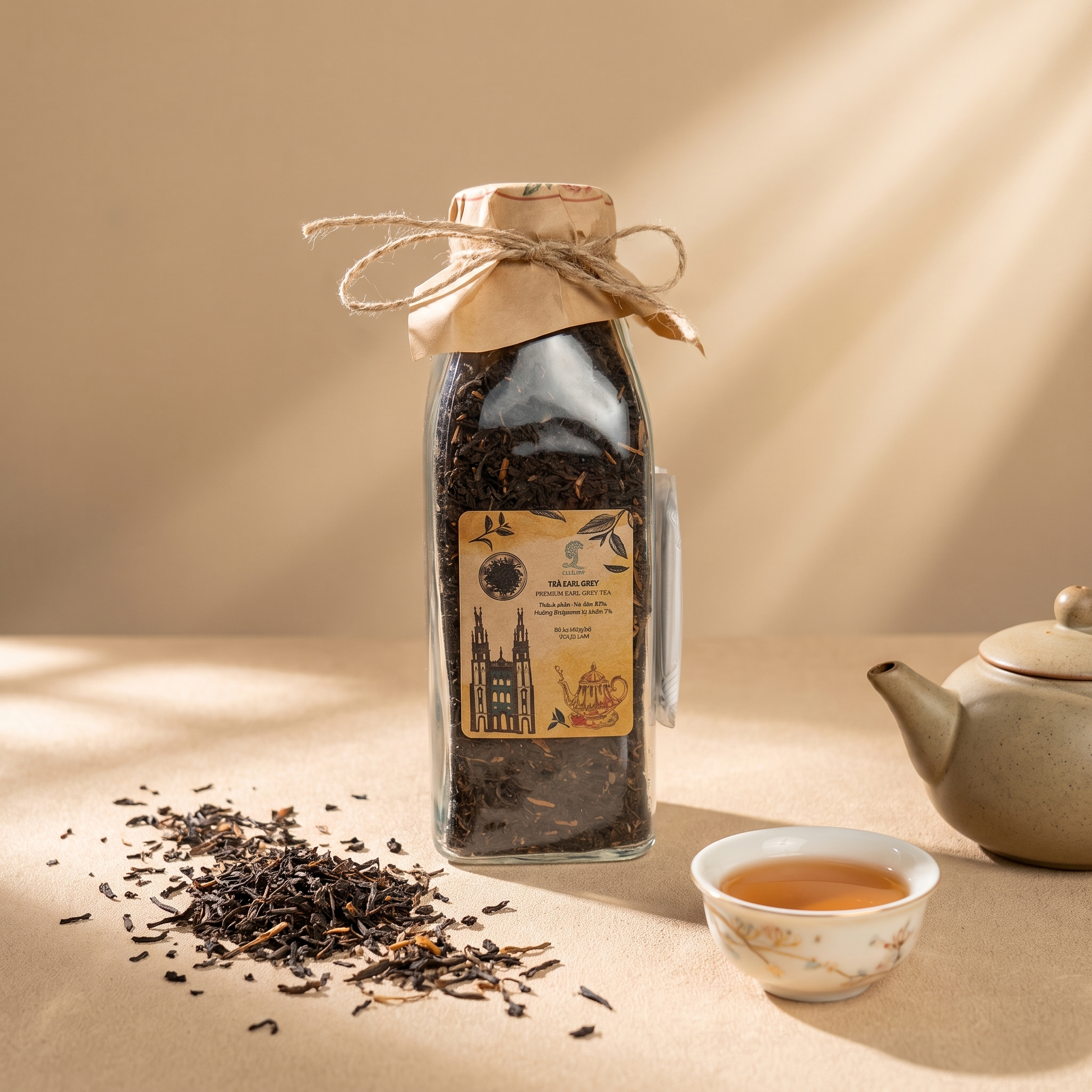
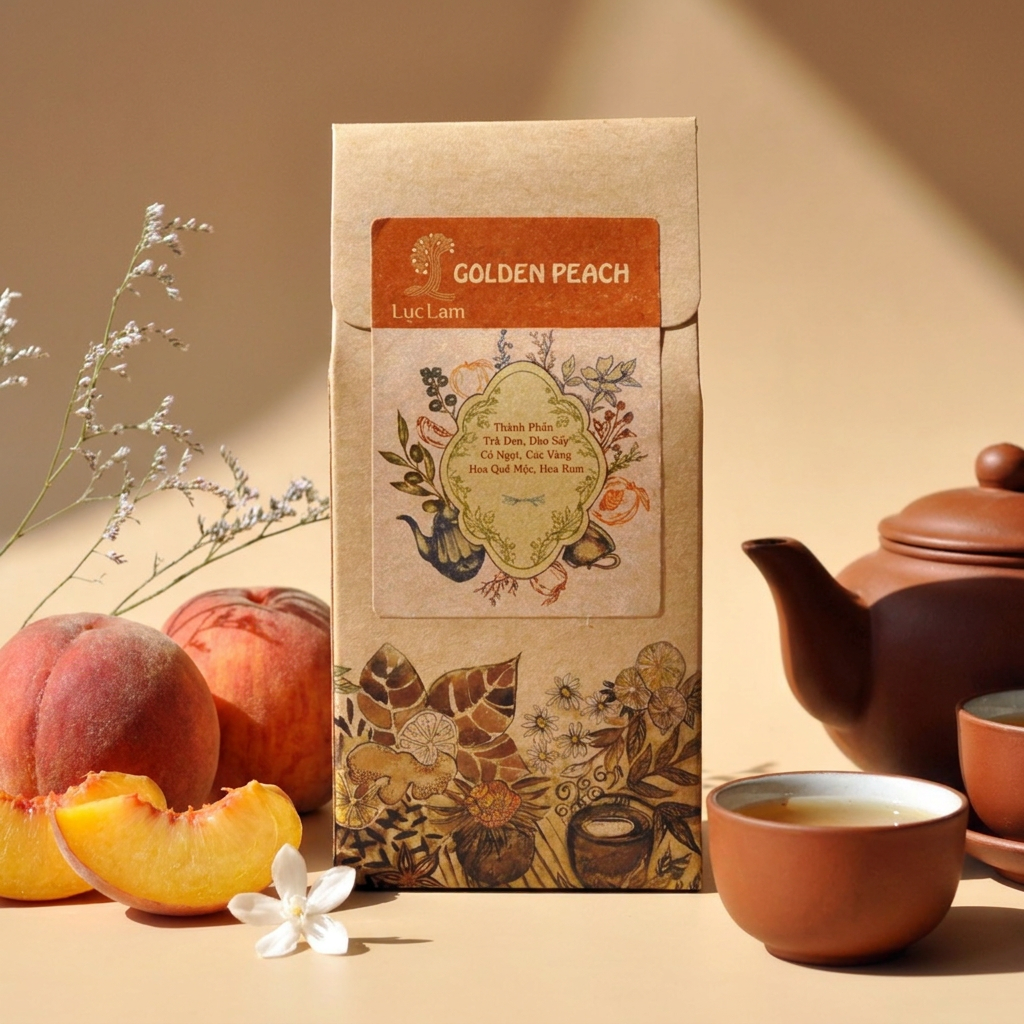
Vietnamese coffee, particularly the robust and dark profile of Robusta beans, is a staple of local daily life. Traditional teas, such as lotus flower or classic green varieties, offer a lighter, aromatic contrast. These items are popular choices for travelers because they are lightweight, have a long shelf life, and require no special storage. They are especially suitable for colleagues or business partners who might prefer a functional treat over decorative home décor.
Combining Art with Taste
Many shops in Hanoi offer beautifully packaged gift sets that make it easy to combine a handmade craft with a consumable in a single purchase. Look for refined packaging that presents the coffee beans or tea leaves alongside your selected silk scarf or ceramic mug. This approach simplifies the Hanoi shopping experience, ensuring you leave with a gift that is both personal and practical, ready to share the flavors of your trip with others.
Conclusion: Depth Over Breadth
When you choose handmade crafts over mass-produced keychains, you are selecting a piece that carries a specific cultural lineage. A 48-hour stay in Hanoi is more than sufficient to find two or three high-quality items, provided your focus remains on authenticity rather than quantity. You do not need to fill your luggage to prove you explored the Old Quarter; depth of selection beats breadth of collection every time.
The most meaningful gift is often the one with a story behind it. Each lacquer tray, silk scarf, or ceramic mug holds the trace of the artisan’s hand, offering a tangible connection to the city’s history. For those who prefer a curated selection of teas and snacks to accompany their crafts, local specialty stores often offer refined gift sets that complement these pieces perfectly. Carry home not just a souvenir, but a memory that can be used, enjoyed, and remembered.