On This Page· 7
You stand in the doorway of a Vietnamese home, holding a bag you bought an hour ago. Your heart rate ticks up. Is the wrapper too plain? Did I choose the right fruit? The moment stretches as your host smiles politely, waiting. For many visitors, bringing a gift feels like a simple souvenir hunt. They look for a keychain or a t-shirt to take home. That approach misses the point entirely.
In Vietnamese culture, a genuine gift is not a commodity. It is a language of respect and social harmony. When you select a local specialty, you are not just purchasing an object. You are building a bridge to your host’s world. A modest token given with genuine intent carries far more weight than an expensive item bought without thought. The goal is to show you understand the value of their time and effort. It is a gesture that reinforces the bond between you.
Understanding these unwritten rules transforms a simple visit into a meaningful connection. It shows you care about the relationship, not just the object. The following sections break down how to navigate this delicate social ritual with confidence and grace. You will learn what to give, what to avoid, and how to present it properly.
The psychology behind the package: face and reciprocity
The concept of thể diện, or “face,” is the central nervous system of Vietnamese social interaction. A gift is never just an object; it is a public statement of respect. When you select an item thoughtfully, you bring face to yourself by showing refinement and you bring face to the recipient by honoring their status. Conversely, a careless or inappropriate choice causes a loss of face for everyone in the room, creating an awkwardness that is difficult to repair. Understanding this dynamic is the first step in choosing authentic gifts Vietnam locals will view with respect rather than offense.
Hierarchy and the art of deference
Vietnamese culture is deeply rooted in Confucian values, which emphasize hierarchy and social harmony. In these interactions, age and role matter significantly. Older people, hosts, and business superiors are given specific deference that a stranger or a junior colleague would not receive. This is why the same item might be acceptable for a peer but insufficient for a senior figure. The goal is not to outdo the other party, but to acknowledge their position in the social order. By showing this deference through your choice, you signal that you understand and respect their standing, which is often more valuable than the item itself.
The reciprocity cycle
A common misconception is that gift-giving is a one-way transfer. In Vietnamese culture, it is the start of a reciprocity cycle. When you give a gift, you create a mutual obligation that is not meant to be repaid immediately, but is carried forward over time. This cycle strengthens the relationship by establishing a web of shared duties and care. It signals that the relationship is ongoing and that both parties invest in its maintenance. This long-term view is why a modest item chosen with care often carries more weight than an expensive one bought hastily; it shows you are willing to maintain the bond, not just complete a transaction.
Thought over price tag
Monetary value is secondary to the sentiment behind the package. A small, locally sourced item that reflects your research into the recipient’s tastes beats a generic luxury item from a gift shop. This is particularly true when selecting local specialties. A thoughtful choice demonstrates that you took the time to understand the person, which is the true currency of respect in this context. The effort you put into the selection is what the recipient remembers long after the gift is gone, making the personal touch the most powerful element of any exchange.
Choosing the right local specialties for your recipient
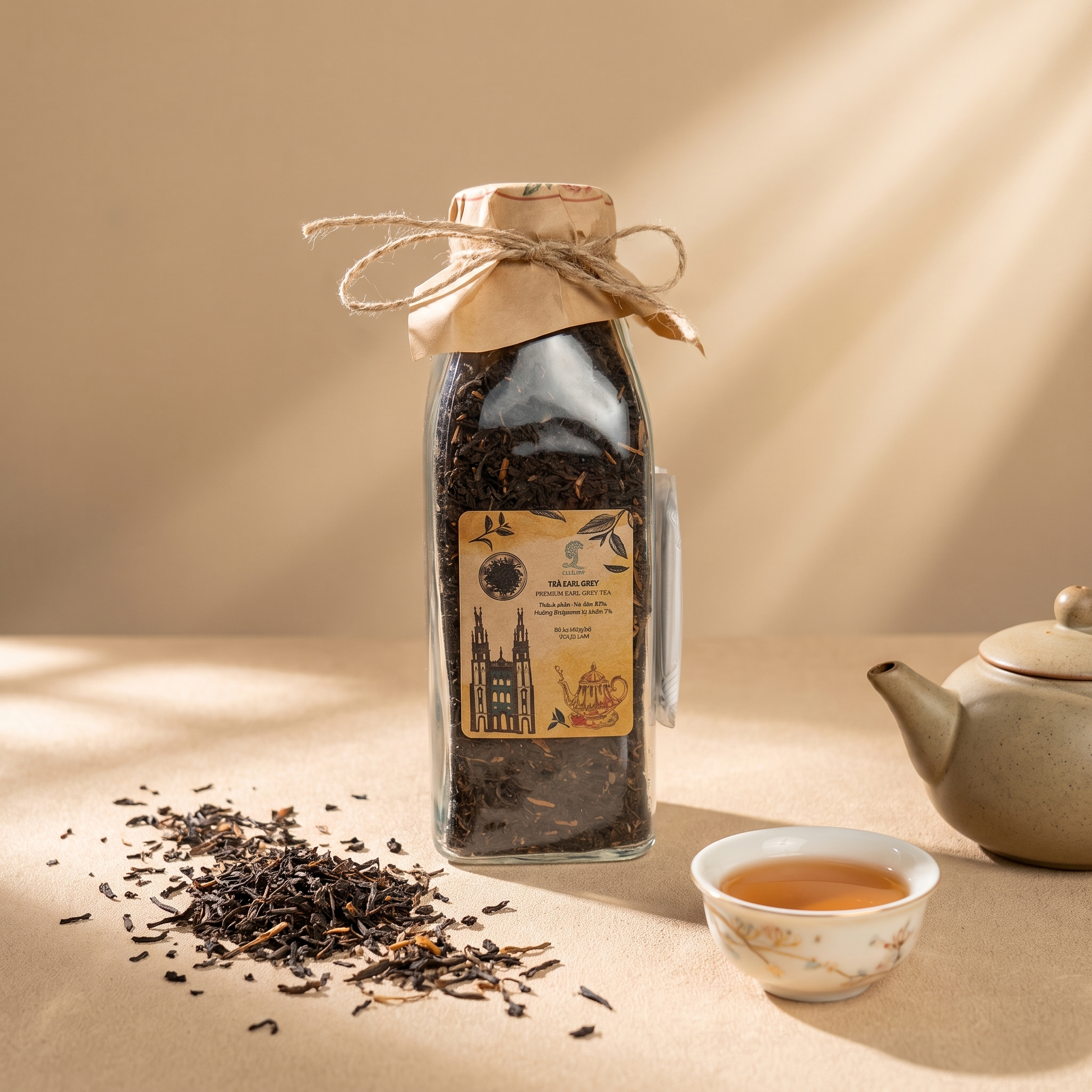
The specific item you carry depends entirely on who you are visiting and the nature of that relationship. For a casual home visit, the standard choice is fresh fruit, packaged sweets, or quality tea. This trio forms the “default gift tier” because these items are universally appreciated, easy to share, and avoid the personal intimacy of other categories. If you are visiting a family, a box of local specialties like fresh dragon fruit or rambutan signals that you respect their hospitality and wish to contribute to their household. It is a gesture of sharing rather than transacting.
In contrast, a business environment demands a different tone. Premium coffee or high-grade tea is the preferred choice for colleagues or superiors. These items are neutral, professional, and reflect a level of refinement that aligns with the expectations of a professional setting. They show you have taken the time to understand local preferences without crossing into personal territory.
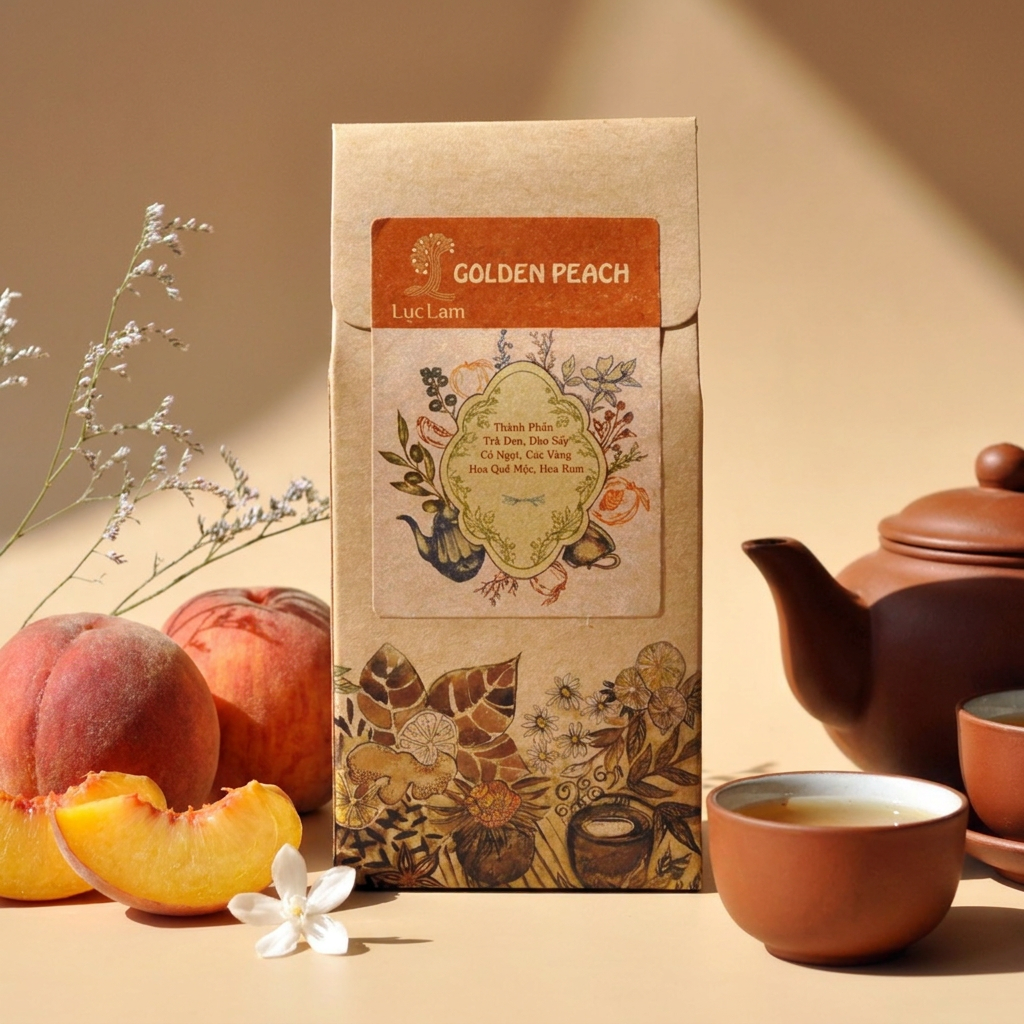
When you are unsure which specific product to select, look toward artisan products or handcrafted items. These serve as a middle ground. They represent cultural exchange and show effort, yet they remain safe for a wider range of recipients. A box of handmade cookies or a set of herbal teas fits this category perfectly. It is refined enough for a boss but still approachable for a friend. The key is to choose items that are easily recognizable as Vietnamese and presented with care. A simple, well-packed bag of Vietnamese souvenirs often outperforms an expensive but generic item because it feels more personal and less like a commercial purchase.
Comparing gift types by context and price
Understanding the typical price range for each category helps you prepare your budget and manage expectations. The values below reflect standard social norms in Vietnam, ensuring your gesture is appropriate without being excessive. The table below outlines the most common options, their average cost, and the ideal occasion for each.
| Gift Type | Typical Price Range (VND) | Ideal Occasion | Notes |
|---|---|---|---|
| Fresh Fruit | 50,000 – 200,000 | Family home visits | Dragon fruit, rambutan, or seasonal fruits. |
| Packaged Sweets | 30,000 – 150,000 | Casual visits, family | Bánh kẹo, dried candied fruits (mứt). |
| Quality Tea | 80,000 – 500,000 | Elders, business partners | Oolong, herbal, or green tea varieties. |
| Premium Coffee | 100,000 – 300,000 | Business meetings, colleagues | Roasted beans or ground coffee in packaging. |
| Handcrafted Items | 100,000 – 400,000 | Cultural exchange, friends | Handmade Vietnamese crafts or artisan goods. |
Note: Prices are approximate and can vary based on brand and packaging quality.
Understanding the role of alcohol
Imported alcohol is a specific case that requires caution. While it is a common gift in Western cultures, it generally does not fit casual family visits in Vietnam. It is typically reserved for male hosts or formal business settings where the recipient is known to appreciate it. Giving a bottle of wine or whiskey to a family gathering can feel out of place and may be seen as an attempt to pressure the host into a specific social dynamic. Unless you have an explicit relationship with the host that includes shared drinking habits, it is safer to stick to food, tea, or coffee. The goal is to offer a gesture that brings harmony to the home, not one that imposes an activity. By keeping the focus on consumable, shared items, you align with the local value of collective enjoyment over individual consumption.
Taboos that signal bad luck: the linguistic ‘why’
In Vietnam, many of the most significant gift taboos are not arbitrary social quirks; they are rooted in the phonetics of the Vietnamese language. When a word sounds like a concept associated with death or separation, gifting an object connected to that word becomes a serious faux pas. Understanding this linguistic layer is essential for avoiding items that might cause unintended offense.
The weight of sounds: Clocks and the number 4
The most common mistake travelers make is giving a clock or watch. In Vietnamese, the word for clock or watch is đồng hồ. Because this term sounds similar to phrases associated with death or the end of a cycle, it carries a heavy negative connotation. It is interpreted as a wish for a shortened life or limited time. Similarly, the number four (tứ) is phonetically similar to the word for death (tử). This homophonic link means that items presented in sets of four—such as four bottles of liquor or four boxes of local specialties—should be strictly avoided. Always count your items to ensure you are not inadvertently invoking misfortune.
Objects that ‘cut’ the relationship
Beyond numbers, certain physical objects are taboo because their function implies ending or severing. Knives and scissors are prime examples; gifting them is seen as symbolically “cutting” the bond between the giver and the recipient. Handkerchiefs face a similar problem. In traditional culture, handkerchiefs are associated with tears, farewells, and loss. Giving one suggests you anticipate a sad departure or an end to the friendship. To be safe, steer clear of sharp-edged utensils and items associated with mourning or emotional distress.
Color codes: Avoiding funeral aesthetics
The visual presentation of your gift is just as important as the item inside. In Vietnamese culture, colors are heavily coded. Black and white are strictly reserved for funerals and mourning periods. Using these colors for wrapping paper or gift boxes signals death to the host. Instead, you should use vibrant, positive colors. Red, gold, yellow, and pink are considered lucky, warm, and celebratory. A gift wrapped in bright paper communicates joy and respect, whereas the same item in white wrapping could be misinterpreted as an expression of sorrow.
| Taboo Gift | Cultural Meaning | Suitable Alternative |
|---|---|---|
| Clocks or Watches | Sounds like death; implies limited lifespan | Quality tea or premium coffee |
| Sets of 4 items | The number 4 sounds like death | Sets of 3 or 5 items |
| Knives or Scissors | Symbolizes cutting the relationship | Artisan products or handmade crafts |
| Handkerchiefs | Associated with tears and farewells | Packaged sweets or dried fruit |
| Black/White Wrapping | Associated with funerals and mourning | Red, gold, or pink wrapping paper |
How to hand it over: the two-handed ritual
The two-handed presentation
The physical act of giving matters as much as the item itself. In Vietnamese culture, the two-handed ritual is a non-negotiable sign of respect. You should hold the gift at chest level, supporting it with both hands and keeping your palms facing upward. This open posture signals sincerity and humility. If you are ever forced to use only one hand, always use your right hand, as the left is traditionally considered unclean. A gift passed with a single hand, or dropped onto a table, can undermine the goodwill you intended to convey.
The dance of polite refusal
Expect the host to initially decline the gift. This is a standard politeness ritual, not a rejection. They may say “No need” or ask, “Why did you bring a gift?” Do not be offended or take this personally. Instead, respond gently with a phrase like, “It is just a small gift, please accept it.” In Northern Vietnam, this exchange can repeat one or two times, requiring patience. Eventually, the host will accept the gesture, and the cycle will close. Insisting too aggressively can cause awkwardness, so keep your tone light and your persistence moderate.
Timing: Arrival vs. Departure
When you give the gift depends entirely on the context. For a home visit, present the gift immediately upon arrival, at the door or just inside. Handing it over at the end of your visit can feel like you are trying to buy your way out of the situation. In business settings, however, the timing is reversed. Present your gift at the end of the meeting, after you have reached the main point of your discussion. This ensures the gesture is seen as a token of ongoing relationship building, rather than an attempt to influence the initial outcome.
The unopened package
Once the host accepts your gift, they will almost certainly not open it in front of you. This is a deliberate act to protect the face (thể diện) of both parties. If they open it and the item is not to their taste, showing disappointment would be awkward for you. By opening it later, in private, they avoid any potential social discomfort. Do not insist that they show you what is inside. Your respect for their privacy is the final, silent part of the gift-giving ritual.
Navigating regional differences from Hanoi to the South
While the core principles of Vietnamese gift etiquette remain consistent, the expression of respect shifts noticeably depending on where you are in the country. These subtle variations in pacing, formality, and presentation style are key to making your authentic gifts Vietnam feel truly appropriate for the specific region. Ignoring these local nuances can make even a well-chosen item feel slightly out of place.
The North: High Formality and Patience
Hanoi and the surrounding northern areas are known for high formality. Social interactions tend to be slower and more reserved, which directly influences how gifts are exchanged. The “initial refusal” ritual is most pronounced here; a host may politely decline a gift two or even three times before accepting it. This is not a sign of disinterest but a display of modesty and social grace. In the North, patience is essential. Rushing to insist that the host accepts the gift can inadvertently cause a loss of face for both parties. Instead, maintain a calm, respectful pace and let the ritual unfold naturally.
The South: Directness and Relaxed Social Customs
In contrast, Ho Chi Minh City and the southern region operate with a more direct and relaxed approach. While the initial refusal still occurs, it is usually briefer. Southerners are generally more open in their social expressions, and the exchange of a gift tends to be quicker and less ceremonious. This makes the South an ideal environment for travelers who are new to the etiquette, as the pressure to perform a long ritual is lower. However, the underlying expectation of respect and the two-handed presentation remain unchanged.
The Center: The Royal Standard of Presentation
Central Vietnam, particularly Hue and Da Nang, carries a legacy of the royal court, which still influences local customs. Here, the focus shifts toward presentation and wrapping quality. A gift is judged not just by its content but by how it is packaged. Because of this heritage, the visual appeal of a local specialty carries extra weight. A neatly wrapped box or a beautifully presented box of cookies signals that the giver has made a serious effort. In this region, the effort behind the packaging is seen as a reflection of the giver’s respect for the recipient.
The Power of Regional Specificity
Demonstrating knowledge of a region’s unique traditions is a powerful way to build connection. In Hue, for instance, offering a box of traditional sesame candy (kẹo mè xửng) is a sophisticated gesture that goes beyond generic Vietnamese souvenirs. It shows that you have taken the time to understand what is unique to that specific area. This level of cultural awareness transforms a standard gift into a memorable experience, signaling that the gesture is personal and thoughtful.
A Regional Comparison Guide
The following table highlights the key differences in formality and style to help you adjust your approach based on your destination.
| Region | Formality Level | Preferred Gift Style & Focus |
|---|---|---|
| North (Hanoi) | High | Refined and modest; focus on patience during the exchange. |
| South (HCMC) | Moderate | Relaxed and direct; focus on practicality and clear intent. |
| Center (Hue/Da Nang) | High | Refined and ceremonial; focus on high-quality wrapping and presentation. |
Understanding these distinctions ensures your gesture feels natural and respectful. Whether you are in the slow-paced courtyards of Hanoi or the bustling markets of the South, the goal remains the same: to show respect through a meaningful and well-presented gesture.
Frequently asked questions about authentic gifts Vietnam
Navigating the subtleties of Vietnamese etiquette often comes down to a few common dilemmas. Whether you are holding a red envelope or selecting a bottle of coffee gifts, these answers address the most frequent concerns for travelers.
The most critical mistake to avoid
The single most significant error to avoid is giving a clock or a watch to an elder. In Vietnamese culture, these items imply counting down someone’s time or suggest that their life is coming to an end. Because timepieces are deeply associated with death and limitation, they should be strictly excluded from your gift list. Opt instead for items that symbolize longevity and prosperity, such as fruit or quality tea, which convey respect without negative connotations.
Red envelope amounts for Tet
During the Lunar New Year, lì xì envelopes are the standard for children and unmarried adults. The amount placed inside matters less than the gesture itself, but there are conventional ranges to follow. For children, crisp new notes of 10,000 to 50,000 VND are typical. For close family members or elders, the amount usually rises to 100,000 to 500,000 VND. Ensure the banknotes are brand new; creased or old notes can be seen as disrespectful and are considered a bad omen for the new year.
Flower selection and restrictions
Flowers are an acceptable gift, but their use is restricted to women. Men should not receive floral arrangements as a standard gesture. When selecting blooms, avoid yellow flowers and chrysanthemums entirely. Yellow is associated with betrayal and infidelity, while chrysanthemums are reserved for funerals and mourning. Stick to vibrant, positive options like red or pink roses, or generic mixed bouquets that do not carry these specific cultural markers.
Core etiquette rules summarized
While the full etiquette is nuanced, five core rules cover the majority of situations. First, always present the gift with both hands at chest level. Second, use bright, colorful wrapping paper, as black and white are for funerals. Third, avoid taboo objects like knives, clocks, or items in sets of four. Fourth, do not expect the recipient to open the gift in front of you; they will refuse to do so to protect both parties’ face. Finally, be prepared for an initial refusal. The host will likely say “no need” or “why bother” one or two times before accepting. Respond calmly with “just a small gift” and gently press the item into their hands.
Repairing a social faux pas
If you accidentally give a taboo item, do not panic. Apologize sincerely and explain that the action was unintentional. Most Vietnamese people value sincerity and will accept a genuine apology. A follow-up gesture, such as a phone call or a second, appropriate gift, can usually repair any minor damage to the relationship. The key is to show that you care about the relationship, not just the transaction.
Conclusion
Vietnamese gift etiquette is not a transaction but a language of respect, where the gesture matters far more than the price tag. When you select a local specialty, you are not just collecting a souvenir; you are demonstrating an effort to understand and honor the culture around you. A thoughtfully chosen item, presented with the right etiquette, builds a connection that outlasts the object itself.
For travelers in Ho Chi Minh City or Da Nang seeking a refined and easy-to-choose experience, look for a curated selection of artisan products or signature coffee gifts that align with these cultural nuances. Lục Lam offers a carefully packed collection of Vietnamese gifts, including tea and handmade crafts, designed to help you express your respect with ease and style.