On This Page· 6
The price list taped to the glass case promises a premium lotus blend, yet the jar behind the counter holds pale, uniform petals that look machine-dried and identical. This discrepancy is not a failure of haggling skills; it is a signal of supply-chain opacity. When a stall cannot trace its herbs back to a specific farm or province, the product is likely an imported bulk item resold at a premium.
Understanding this distinction is the core of any authentic herbal tea buying guide. True local sourcing is about traceability, not just origin. A vendor who cannot name where their chamomile or ginger was harvested is often buying from central distributors rather than local growers. This lack of transparency affects both flavor and value, turning a simple purchase into a gamble on diluted quality.
Authentic tea sourcing signals to check before you pay
When evaluating authentic herbal tea, the goal shifts from simply finding a local product to verifying the traceability of the plant material. A bag labeled “Vietnamese” offers no guarantee of origin; what matters is whether the jasmine tea was actually processed in Phu Quoc, or if it is a bulk import rebranded for a local stall. True authenticity in this context means you can trace the specific lot back to a named province or farm, not just a country of origin.
The Transparency Clue
One of the most reliable indicators of quality is supply chain transparency. Legitimate producers who manage their own harvests can answer specific questions about their operations. If a vendor cannot name the exact district where their chamomile or ginger was cultivated, it is a strong signal that they are a reseller sourcing from central distributors. In such cases, the “local” label is often a marketing term rather than a factual description of the product’s journey. We advise treating an inability to identify the source farm as a decisive red flag.
Visual Indicators of Drying Methods
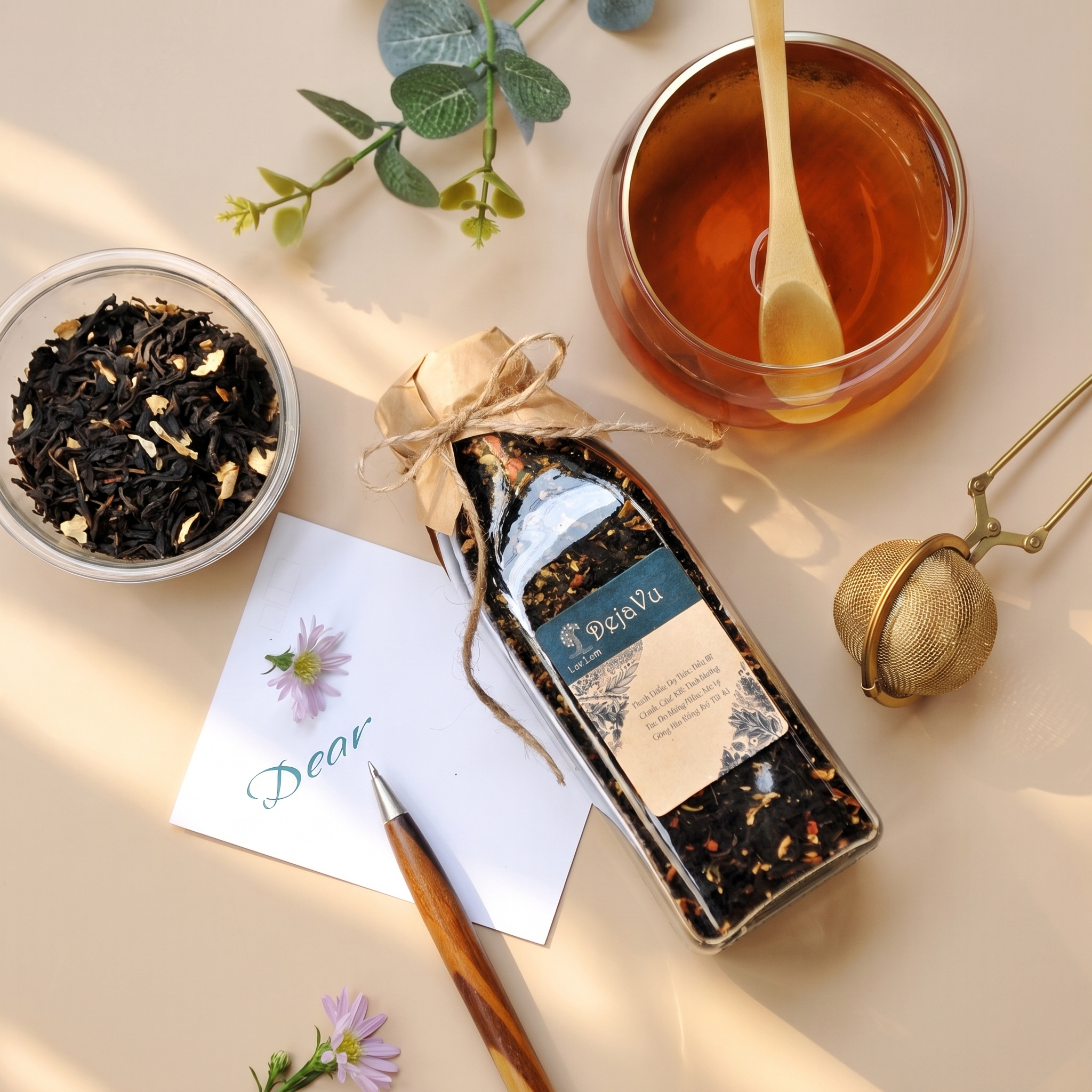
There is a distinct difference between freshly dried, artisanal herbs and bulk imported goods. Artisanal drying processes, often done in smaller batches, leave behind natural variance in leaf size, color saturation, and shape. If you see a perfectly uniform batch where every leaf is identical in size and hue, it is likely a sign of industrial, machine-dried production. This uniformity is characteristic of imported bulk products that have been processed for maximum efficiency rather than flavor preservation. Look for the slight irregularities that indicate human handling and traditional methods.
Three Questions for the Vendor
To verify authenticity, use these three targeted questions as a checklist:
- Where is this grown? This tests their knowledge of the specific terroir.
- How long has it been drying? This reveals their attention to the curing process.
- Is this an organic harvest? This probes their commitment to sustainable practices.
While local standards may vary, many ethical farms emulate the transparency principles of global benchmarks like the EU Organic Logo standard. Asking these questions forces the seller to engage with the substance of the product, not just its price. If the answers are vague or avoidant, you may be looking at a product where the origin is just as opaque as the flavor.
How growing conditions change the flavor of herbal tea
Terroir is not just a wine concept; it is the primary determinant of herbal tea potency. The specific humidity, soil composition, and altitude of a region directly influence the concentration of bioactive compounds in the plant. A truly local herbal tea should taste of the climate in which it was grown, reflecting its specific environmental stressors rather than offering a generic “fresh” aroma. When you purchase from a specific origin, you are accessing a product whose chemical profile is tied to that geography.
The Risk of Quality Inconsistencies
If a blend lacks consistent flavor, it is often a sign that the product is a composite of multiple batches. Vendors may combine different harvests to hit a specific target weight, a practice that frequently indicates a low-quality or mislabeled item. This dilution process masks the true characteristics of the raw material. In unregulated tourist markets, this is a common tactic to maximize profit from bulk imports while maintaining a premium appearance. Recognizing these inconsistencies is a key strategy for avoiding diluted products.
Sensory Cross-Checks: Flatness vs. Vitality
You can assess the integrity of the tea through a sensory cross-check. Taste for “vitality”—a distinct, lingering flavor with clear aromatic layers. If the infusion is weak or flat despite the product appearing fresh, it may have been improperly stored. High humidity damage during storage breaks down the essential oils, leading to a dull taste. This is a frequent issue in areas where storage conditions are not strictly controlled, signaling a gap in supply chain transparency.
Why Sourcing Matters: The Ginger Example
Consider the difference between high-altitude and lowland ginger. A high-altitude variety, often found in specific mountainous regions, tends to be sharper and contains higher levels of gingerol. This potency is a direct result of the cooler temperatures and specific soil nutrients at that elevation. In contrast, a lowland version is generally milder and spicier due to warmer growing conditions. If you are seeking specific health benefits, such as anti-inflammatory properties, the altitude of the source is critical. This distinction is vital for authentic tea sourcing, as it ensures the product matches your specific wellness goals.
Reading the stall’s label: a tea shopping tips guide
A bag of tea that looks premium on the shelf can often be a composition trick. In areas with heavy tourist traffic, sellers sometimes mix expensive-looking ingredients, like lotus petals, with cheaper filler herbs to create the illusion of a high-value blend. This mislabeling increases the perceived value without necessarily improving the quality or flavor profile. You can spot these diluted blends by examining the packaging transparency or looking at the visual ratio of ingredients. If a single lotus petal sits atop a mound of generic hay or dried grass, you are likely looking at a product designed to deceive rather than nourish.
The Mislabeled Blend
The core risk in many tourist markets is the “mislabeled blend.” Sellers use visually striking but lower-cost base materials to support a small amount of high-value flowers. For instance, a bag labeled “Premium Lotus Tea” might contain only a small percentage of lotus and the rest dried grass or other inexpensive herbs. The result is a product that looks good in the packet but delivers a weak, flat infusion. To avoid this, inspect the contents if the packaging allows. Look for a consistent size and color of the primary ingredient. If the majority of the bag consists of thin, uniform stems or generic green bits, it is a red flag. Authentic tea sourcing relies on the integrity of the main ingredient, not just its appearance. We recommend tilting the bag to see the distribution. A true artisanal blend will show a balanced mix of the specific herbs listed, rather than a sparse scattering of expensive items on top of a bulk base. This simple visual check is one of the most effective ways to avoid low-quality products in busy markets.
The Power of Clear Labeling
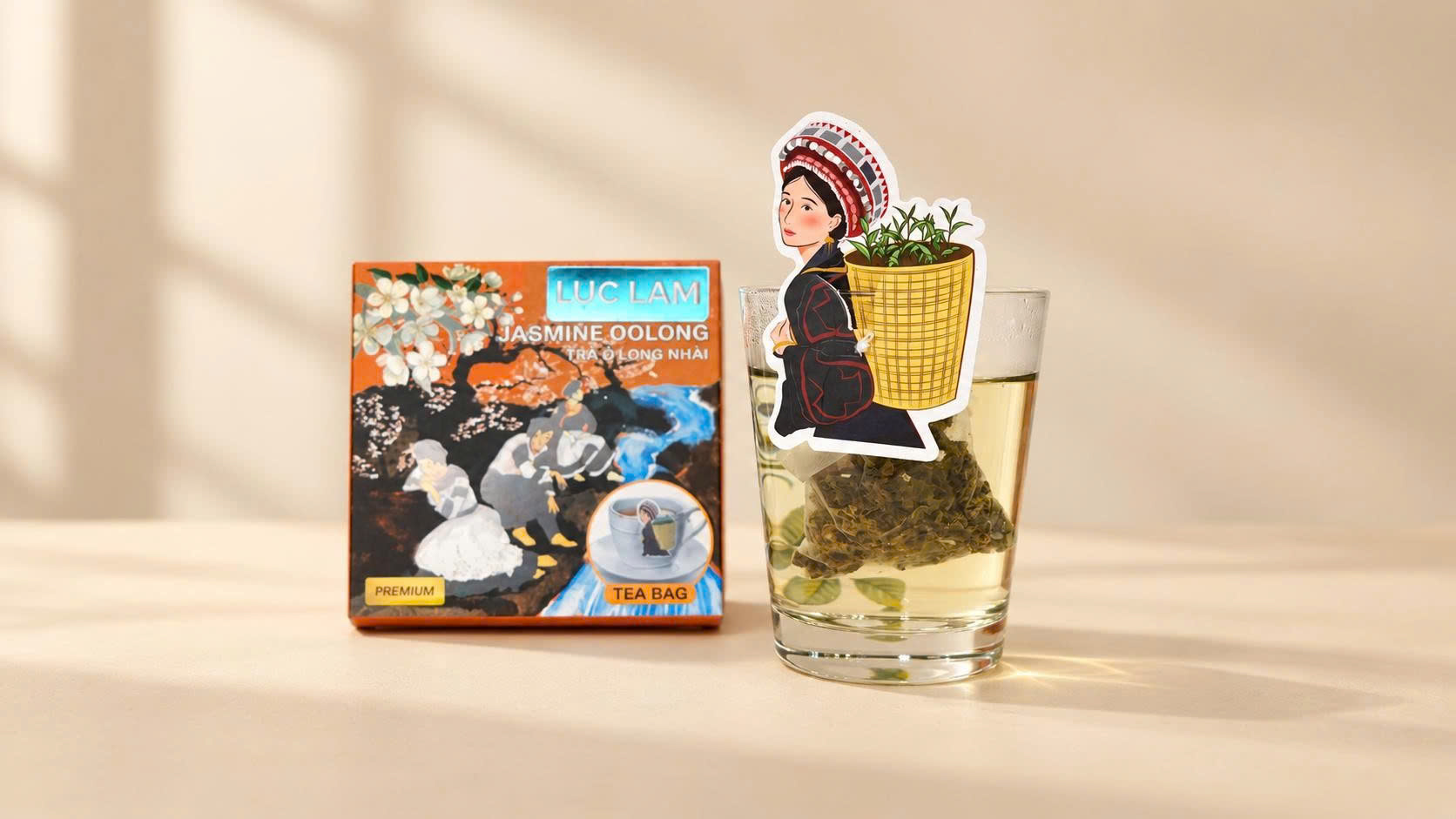
While local stalls may not always adhere to strict EU-level regulatory compliance, the presence of a clear, professional label is a strong signal of quality. A label that lists specific ingredients, such as “Dried Lotus Petal, Chamomile, and Ginger Root,” indicates a business that respects quality standards and traceability. In contrast, vague labels often hide inferior contents. A professional label provides a baseline for accountability. If a seller cannot or will not provide a detailed ingredient list, it suggests the product has not gone through a rigorous quality-assurance process. Always look for clarity. When you see a precise ingredient list, you can better assess whether the price aligns with the actual components. This transparency is a key aspect of any authentic herbal tea buying guide, ensuring that you know exactly what you are purchasing.
Avoiding the Private Label Trap
Another common issue is the difference between a private label and an artisan product. Some stalls sell generic bags that are re-branded with a local name but actually contain imported bulk tea. The “source of the bag” and the “name of the brand” are not always the same entity. For example, a bag might say “Hanoi Gift Tea” but actually contain generic imported chamomile from a central distributor. To verify authenticity, ask the seller about the origin of the plant material. A true artisan will know the specific farm or province where the herbs were dried. If the answer is vague or refers to a “special blend” without specifics, you may be buying a reseller’s product rather than a locally sourced one. Understanding this distinction helps you navigate local market prices more effectively. By focusing on the origin of the raw material rather than just the brand name, you can make a more informed decision. This approach ensures that your purchase supports local producers and reflects genuine craftsmanship.
Is the price too good to be true? Avoiding tourist prices
We often treat haggling as a game of will, trying to lower the number on the tag. A more useful approach is to treat the price as a diagnostic tool. If a stall offers “premium” organic lotus tea for just a dollar per 100g, it is rarely a local artisanal product; it is almost certainly a bulk import. This is not a failure of negotiation—it is a signal of supply-chain opacity. To avoid tourist prices, you must understand the difference between a rip-off and a genuine local value proposition.
Establishing a fair price anchor
Without a benchmark, you cannot judge if a deal is real. Production costs for herbs like ginger, chamomile, and jasmine vary based on region and labor intensity. For instance, high-altitude ginger requires more careful harvesting and drying than lowland varieties. If a local farmer cannot match the low unit cost of a reseller selling 50kg of imported product, the price reflects the source, not a hidden scam. We recommend establishing a mental anchor for local market prices based on typical regional production costs. A “fair price” reflects the labor of drying and sorting, not just the raw plant material. If the price is significantly below this anchor, the product is likely not from a local farm but from a central distributor.
Recognizing the reseller economy of scale
Why can’t a local farmer always undercut a shop in the city center? It is simple economics: the reseller benefits from bulk purchasing and storage. A tourist stall that is indoor, air-conditioned, and stocked with many different brands is operating on a reseller model. They do not offer a farm visit because they are not the growers. In contrast, authentic tea sourcing involves direct interaction with the producer. Look for a setup where the seller can speak to the specific drying method and the exact farm origin. If the environment feels like a generic retail store rather than a working agricultural stall, you are likely paying for location, not quality.
| Criteria | Local Artisan Stalls | Tourist Resellers |
|---|---|---|
| Origin Transparency | Specific province or farm named | Vague or generic country origin |
| Drying Method | Artisanal, visible variance in size | Uniform, machine-dried batches |
| Pricing Logic | Reflects local labor and harvest | Based on bulk import costs |
| Customer Interaction | Offers farm visits or harvest details | Focuses on brand packaging |
Understanding these distinctions is the core of this authentic herbal tea buying guide. When you see a price that seems too low for the claimed quality, it is not a bargain—it is a red flag. The most reliable tea shopping tips are to verify the origin and observe the physical variance in the leaves. A perfectly uniform product at a low price is the definition of a diluted blend, not a local treasure. By shifting your focus from negotiating the number to assessing the source, you can distinguish between a genuine local find and a mass-produced imitation.
Frequently asked questions about buying herbal tea locally
Buying herbal tea in a new city or rural area often raises specific questions that general guides miss. We address four of the most common inquiries to help you make informed decisions without falling for common pitfalls.
Can you find organic herbal tea in local markets?
Yes, but finding genuine organic herbal tea requires specific sourcing strategies rather than just looking for a label. While formal certification is rare in small-scale local operations, you can still verify organic practices by asking direct questions. Look for stalls where the seller uses the term “organic” explicitly and can point to their specific farming partners or family plots. While local certifications vary, the EU Organic standard serves as a useful global benchmark for the transparency you should expect. If a vendor cannot explain their sourcing method, assume the product is conventional.
Why does local tea taste different from city-bought tea?
Differences in flavor often stem from terroir and the specific harvest cycle. Phu Quoc herbal tea, for example, reflects the humid coastal climate of the island, resulting in a distinct profile compared to teas produced in the central highlands. A local purchase is more likely to reflect the current season’s conditions and the immediate harvest. In contrast, products bought in a city may be from older stock or blended from multiple regions to maintain a consistent flavor, which can mask the natural vibrancy of a single-origin harvest.
How can you detect a “tourist price”?
To avoid tourist prices, compare the cost against local standards and assess quality signals. Ask a local resident what a typical price is for a specific herb, then evaluate the product’s origin, drying method, and labeling. If the price is high but the quality signals are weak—such as a lack of origin information or a perfectly uniform appearance—you are likely paying for location rather than product value. This discrepancy is a common indicator of a diluted blend or an imported bulk product being resold at a premium.
Should you buy from a stall or a shop?
The best choice depends on whether you prioritize traceability or variety. A street stall often offers higher authentic tea sourcing potential if the owner is also the farmer, allowing for direct verification of the origin. A shop, on the other hand, offers more regulatory compliance and a wider selection, which is useful if you are looking for specific blends or packaged goods. For those seeking the most authentic experience, the stall is often superior, provided you can verify the harvest source directly with the seller.
Conclusion
The true value of a herbal tea often lies not in the cup itself, but in the story behind it. When you move beyond generic packaging and engage with the source, the purchase becomes an act of discovery. Authentic tea sourcing is less about verifying a label and more about building a connection with the land and the people who cultivate it. A high-altitude ginger or a hand-dried lotus flower carries the specific history of its harvest, a nuance that mass-market blends simply cannot replicate.
We encourage you to view the next market visit not as a transaction, but as a chance to read the landscape of local trade. By applying the signals we’ve discussed—checking for natural variance in the leaves, asking about the specific drying method, and comparing local market prices—you transform from a passive customer into an informed participant. This shift allows you to distinguish between a product that is merely ‘local’ and one that is genuinely authentic. If you have further questions about sourcing these ingredients, our team is always ready to help you navigate the nuances of Vietnamese tea culture.