On This Page· 6
The specific herb that makes Phu Quoc herbal tea genuinely island-specific is rose myrtle, known locally as tràm. This single ingredient distinguishes the local tea specialties of the island from the generic blends sold in Ho Chi Minh City. While many travelers seek Phu Quoc souvenirs, the difference lies in this unique aroma. The distinct, resinous character of rose myrtle creates a flavor profile that is difficult to replicate in the capital’s souvenir shops. Identifying this specific herb ensures your gift reflects authentic island terroir rather than a mass-produced substitute.
Rose myrtle: The defining ingredient of Phu Quoc herbal tea
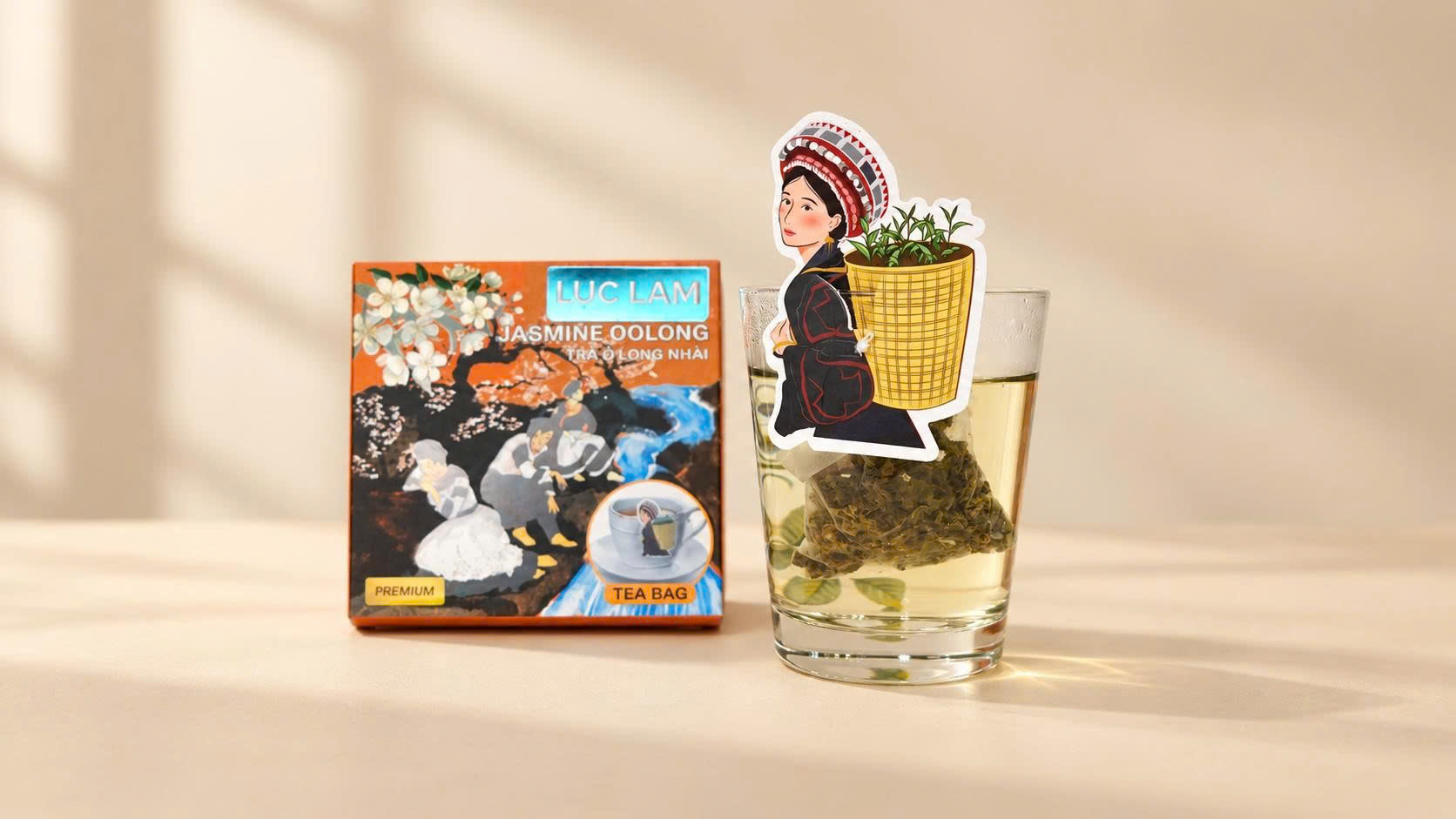
Rose myrtle, or tràm, is the core component that separates the island’s signature blends from common Vietnamese herbal drinks. While mint or lemongrass are the first herbs most people associate with Vietnamese infusions, tràm occupies a unique niche. It provides the primary botanical identity for the local tea specialties, setting them apart from the standardized options found elsewhere.
A distinctive sensory profile
The character of this herb is immediately recognizable to those who have tasted it. Rose myrtle offers a sensory experience that is distinctly resinous and subtly sweet. Unlike the sharp, cooling punch of mint or the grassy scent of lemongrass, it creates a warm, woody, and slightly floral profile that lingers on the palate. This unique fragrance is the primary reason the drink is considered a specific regional specialty rather than a standard Vietnamese herbal tea.
The island’s signature preparation
The most well-known way to experience this flavor is in the local preparation often served at bistro-style spots like Homie Bistro & Coffee. In this context, rose myrtle is not just a leaf in a cup; it is often processed into a syrup that serves as the base for the drink. The final beverage blends this herbal syrup with oolong tea and kombucha, adding a layer of complexity. Fresh kumquat and orange juices, along with mint leaves, are also incorporated to balance the resinous notes with bright, fruity acidity. The result is a refreshing beverage that tastes distinctly of the island’s ecosystem, making it a memorable part of any unique island teas experience.
Why the local tea specialties of the island are absent from HCMC
The scarcity of authentic rose myrtle in the capital is primarily a matter of geography, not supply. This specific herb is endemic to the unique ecosystem of Phu Quoc, where distinct soil composition and coastal humidity create conditions that are difficult to replicate elsewhere. The lowland climate of Ho Chi Minh City lacks the precise environmental balance required for the plant to thrive, making large-scale cultivation outside the island impractical for commercial growers. Consequently, the botanical integrity of the ingredient is preserved only in its native habitat.
Terroir versus mass production
In Ho Chi Minh City, the tea market is dominated by standardized, mass-produced blends. These products often feature generic “tropical” flavors designed for broad appeal but lack the specific terroir notes that define the island’s character. By contrast, the local tea specialties found on Phu Quoc are often small-batch preparations that capture the distinct mineral and aromatic qualities of the local environment. This difference in scale and sourcing means that the subtle, resinous profile of the herb is frequently lost in the capital’s commercial offerings. The result is a significant gap between what is available in the city and the authentic experience offered on the island.
The missing link in the city’s tea scene
While the city boasts an abundant selection of teas, it simply does not stock the specific island flora that defines the local specialty. The unique island teas available in Ho Chi Minh City often substitute more common herbs or focus on standard black and green varieties. This absence ensures that the specific flavor profile associated with the region remains exclusive to travelers who visit the island directly. For those seeking a true connection to the local culture, the physical presence of the plant is the key differentiator that no city-side substitute can match.
How to identify unique island teas in a crowded market
Finding authentic local tea specialties among the many options in the market requires a sharp eye for details. The single most important indicator is the ingredient list. Always look for rose myrtle or its Vietnamese name, tràm, on the label. If these words are missing, the product is likely a generic blend that could be purchased anywhere in Vietnam, lacking the specific island terroir you are seeking. This simple check filters out most mass-produced items that fail to capture the true character of the region.
Where to shop for authenticity
Avoid the souvenir shops near major tourist hubs. These stores often stock standardized items that prioritize volume over origin. Instead, seek out local cafés or bistro-style shops where the food and drink culture is integrated into daily life. A good example is Homie Bistro & Coffee, located at 102C Tran Hung Dao Street in Duong Dong. In these settings, the ingredients are typically sourced directly for consumption, meaning the herbs are fresh and genuinely from the island. Staff here are accustomed to explaining their sourcing, making it easier to verify the quality of the unique island teas on offer.
Questions to ask the staff
When in doubt, ask the staff about the origin of the herbs. Here are three simple questions to confirm authenticity:
- Is the rose myrtle harvested locally on the island?
- Are the leaves dried on-site or brought in from the mainland?
- Do you make the syrup or blend in-house?
If the staff can clearly describe the local sourcing process, you are likely dealing with a genuine local product. This approach ensures that the Phu Quoc souvenirs you purchase carry a real story, not just a brand name.
Turning Phu Quoc herbal tea into a thoughtful gift
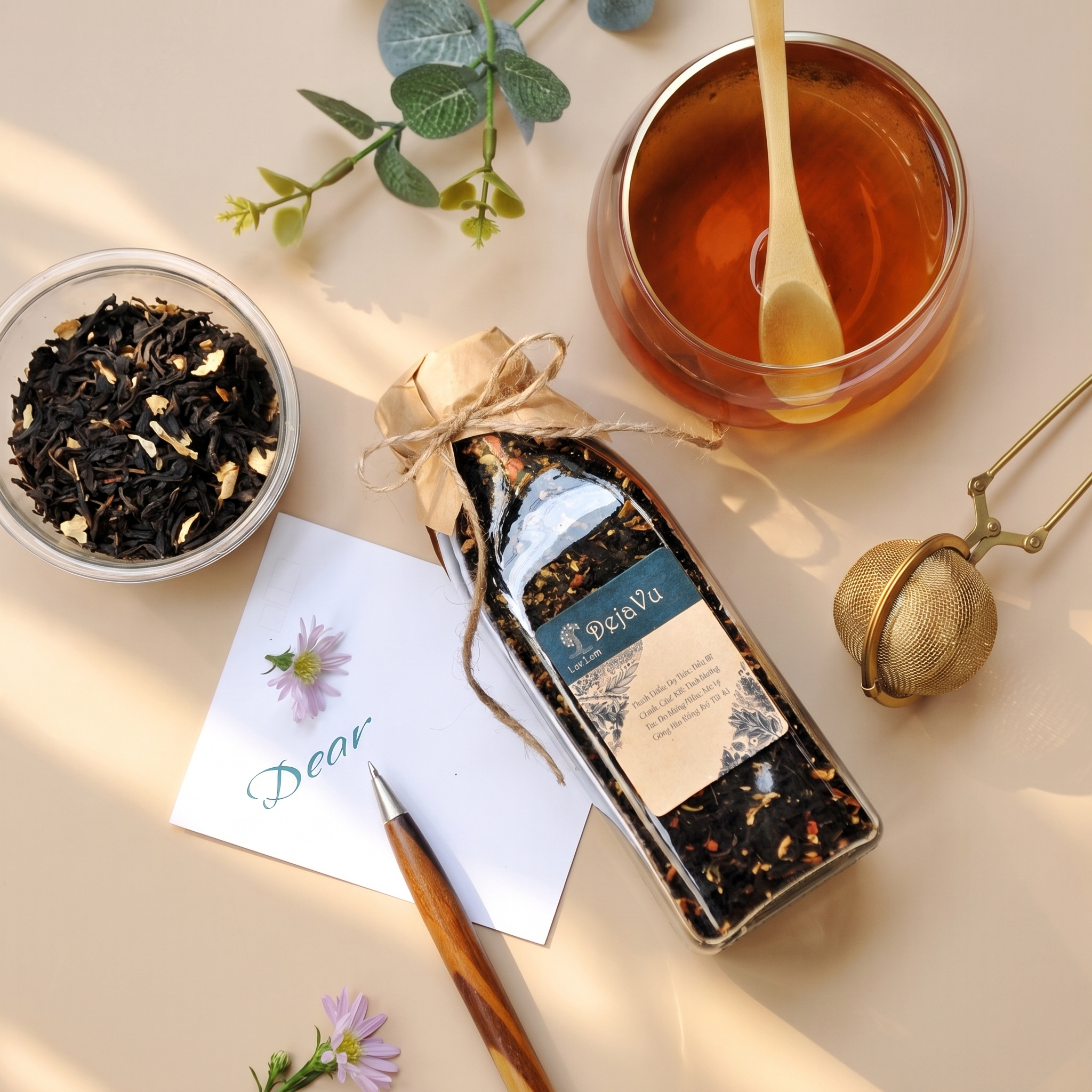
Bringing home a standard bottle of instant coffee or a jar of dried lychee is expected. It is safe, but it rarely sparks a conversation. A bottle of rose myrtle syrup or a small pack of loose-leaf rose myrtle tea changes the dynamic. When your colleague or business partner tastes that distinct resinous, island-specific aroma, you have just shared a piece of the island’s terroir, not just a generic Vietnamese souvenir.
A different kind of memory
The appeal of these unique island teas lies in their exclusivity. Most travelers leave Phu Quoc with the same items they bought in Ho Chi Minh City. By selecting a local specialty that is difficult to cultivate elsewhere, you offer a genuine “taste of the island.” This creates a more memorable interaction during the gift exchange, as the recipient can ask about the herb and its origin rather than simply acknowledging the package.
Packaging that speaks for itself
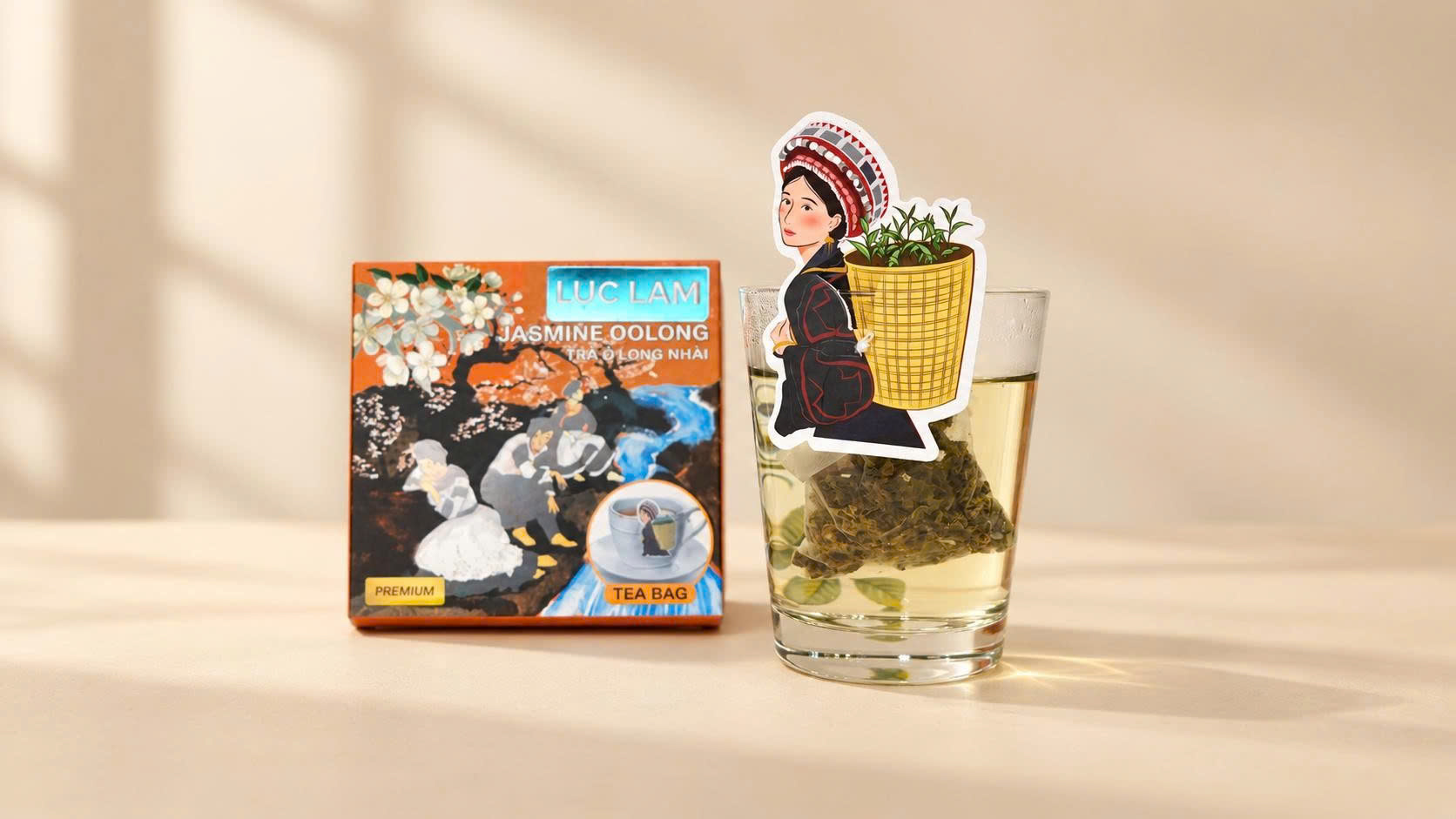
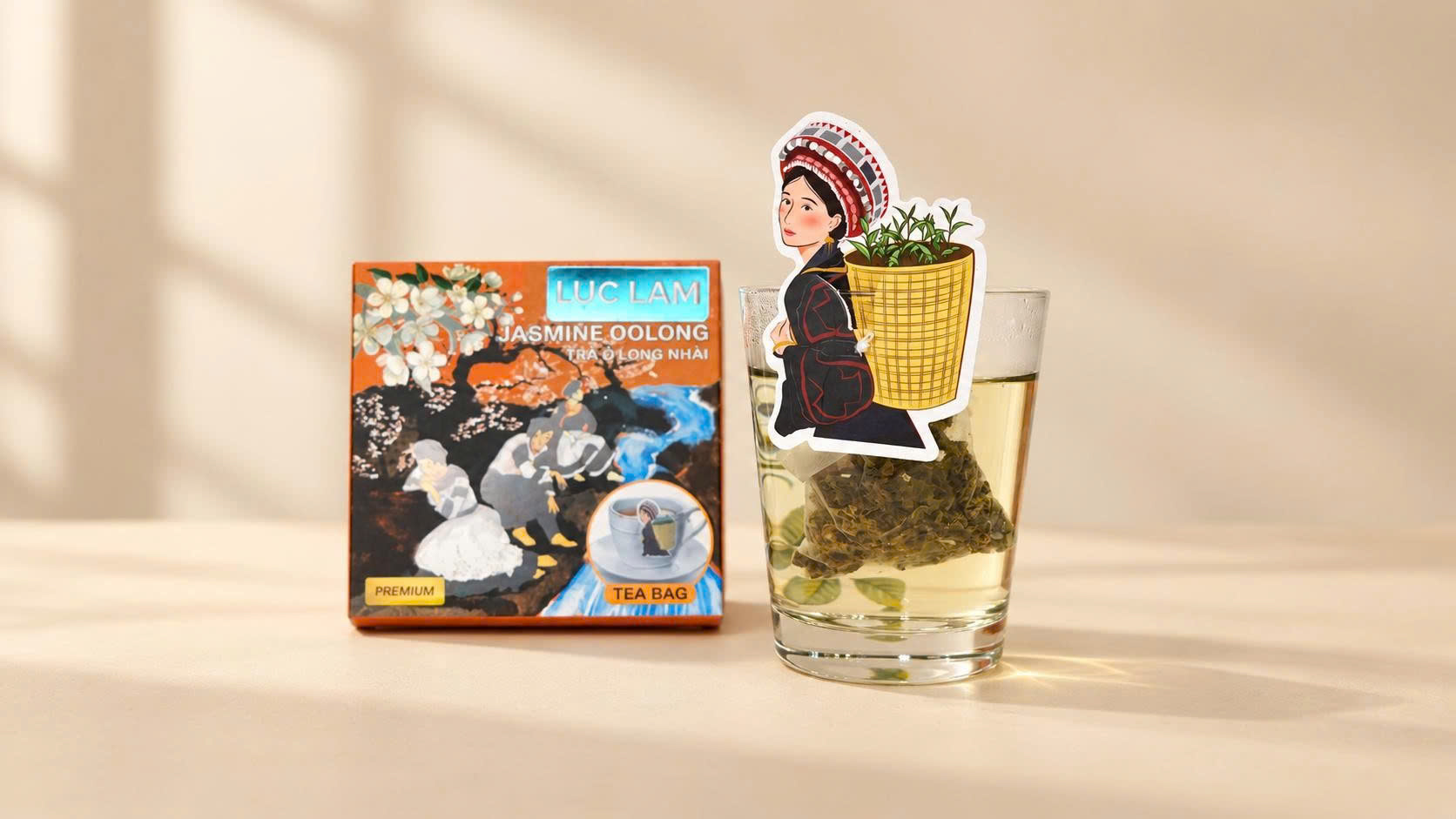
You do not need to spend extra time on wrapping. Many of these items are already presented in refined packaging suitable for gifting. The bottles and boxes are designed to look elegant on a desk or in a home, making them easy to present to both family members and corporate partners. The attention to detail in the presentation mirrors the quality of the herb itself, ensuring the gift feels polished and professional without additional effort.
Frequently asked questions about Phu Quoc souvenirs
Can I find rose myrtle tea in Ho Chi Minh City?
You will not find the authentic island experience in the capital. While a few small vendors in Ho Chi Minh City might carry dried rose myrtle, they typically sell generic, mass-produced leaves that lack the specific resinous depth of the island harvest. The true local specialty is the rose myrtle syrup and the specific blends crafted on Phu Quoc itself. These island-specific products are rarely shipped to the mainland for retail. To secure the genuine item, you must purchase it directly from local sources on the island, such as a bistro in Duong Dong, rather than relying on the souvenir shops in Saigon.
Is rose myrtle the only local flavor on the island?
Phu Quoc has other herbs, but rose myrtle is the definitive note. While you can find teas made with other local plants, rose myrtle stands out as the most distinct and widely recognized island flavor. It provides the unique, slightly sweet, and resinous aroma that defines the region’s tea identity. Other herbs may blend into a background note, but rose myrtle creates the primary sensory experience that makes the drink feel truly local. For travelers looking for a specific taste of the island, this herb is the clear marker of authenticity.
How should I store my herbal tea for the flight home?
Keeping your souvenirs fresh during travel requires simple protection from moisture and light. If you are carrying loose-leaf tea, place the original packaging inside a sealed plastic bag or a sturdy, airtight tin to prevent the leaves from absorbing odors from your luggage. For liquid items like the rose myrtle syrup, ensure the bottle cap is tightly secured and wrap it in cloth to prevent leaks in your carry-on. Keep these items in a cool part of your bag, away from direct heat sources. Proper storage ensures the fresh, fruity character of the tea remains intact when you arrive home.
Conclusion
Rose myrtle remains the definitive marker of island terroir in Vietnamese tea culture. It transforms a standard cup into a distinct sensory experience that captures the specific character of the island ecosystem. Because the herb is difficult to cultivate in mainland climates, these unique island teas are naturally scarce in larger urban centers. This geographic limitation ensures that the flavor profile remains authentic and exclusive to the island itself. Travelers who understand this distinction can distinguish between generic tropical blends and genuine local specialties. The scarcity actually enhances the value of the tea as a personal keepsake, connecting the drinker to a specific place and time. Holding a bottle of this syrup or a pack of leaves becomes a tangible proof of your time spent in the island’s less touristy corners. It tells a story that standard coffee or dried fruit simply cannot convey. For those seeking Phu Quoc gifts that feel personal, this herbal infusion offers a refined and memorable option. It moves beyond the typical souvenir shop offerings to present a taste of the island’s natural heritage. The next time you are in the area, consider stepping away from the main commercial strips. Instead, look for a small, local bistro where the preparation is done with care and local ingredients. This approach ensures you leave with a gift that reflects your actual experience rather than a mass-produced item. It is a simple way to share the island’s true character with friends and family back home.