On This Page· 7
What should you try, and where do you actually eat it? Most guides list twenty dishes and fifty restaurants but rarely connect the two. This guide pairs five signature Da Nang dishes with specific spots where locals sit down. It also covers the practical hygiene and payment habits that make eating out stress-free for first-timers.
The turmeric bowl that sets the pace
Mi Quang is the definitive Da Nang food staple. Unlike the clear, herb-heavy broths found elsewhere, this dish features thick, egg noodles tinted a deep amber by turmeric. The flavor is anchored by a rich, savory sauce rather than a deep soup, creating a distinct texture that coats the noodles. Locals treat the accompanying rice crackers as essential. They break the brittle, roasted discs over the bowl to add a crunch that contrasts with the soft noodles and slices of pork or shrimp. A shower of fresh mint and fried shallots balances the earthy turmeric flavor with a burst of freshness.
Crispy crepes and fish cakes
Banh Xeo is a thin, crispy crepe made from rice flour and turmeric, packed with shrimp, pork belly, and bean sprouts. The traditional way to eat it involves rolling the hot crepe in a square of rice paper along with a generous handful of fresh herbs. You then dip the roll in a sweet, savory peanut sauce, providing a creamy counterpoint to the crisp exterior. Bun Cha Ca offers a different central Vietnamese experience. While similar in structure to Hanoi’s Bun Cha, the Da Nang version centers on chewy fish cakes floating in a light, clear broth with thin vermicelli noodles. The result is a lighter, more seafood-forward meal that feels distinct from the pork-heavy northern version.
Street food you can hold
For quick bites, Nem Lui and Bun Thit Nuong are the go-to options. Nem Lui consists of small, grilled pork skewers seasoned with lemongrass, releasing a smoky, herbal aroma as they cook. These are best eaten rolled in rice paper with herbs and fish sauce, making them easy to grab and eat on the go. Bun Thit Nuong features grilled pork over a bed of cold vermicelli, topped with fresh cucumber and tomato. It functions as a portable lunch. The sweet, charred pork and cool vegetables create a satisfying balance that locals often enjoy between larger meals. Each of these dishes highlights the importance of herbs, dipping sauces, and texture in authentic local eating habits.
Where locals eat: matching each dish to its neighborhood
Knowing what to eat is half the battle; knowing where to eat it is the other. The table below pairs five signature Da Nang food staples with specific venues where travelers can experience them in context. These spots balance authenticity, accessibility, and comfort for first-timers navigating new surroundings.
| Dish | Recommended Venue | Why It Works for First-Timers |
|---|---|---|
| Seafood / Mi Quang | Da Thanh Quan | Offers a “tank-to-table” seafood experience that is affordable and easy to navigate, making it a low-stress introduction to fresh coastal flavors. |
| Pho / Noodles | Thia Go | An award-winning, sit-down restaurant that serves elevated local favorites. The structured menu and professional presentation remove the guesswork of street-vendor navigation. |
| Banh Xeo / Skewers | Son Tra Night Market | The lively hub for crispy crepes and grilled skewers. While the atmosphere is chaotic, it delivers high-value, authentic meals. |
| Nem Lui / Bun Thit Nuong | Hahn & Ken | A casual, affordable restaurant serving authentic Vietnamese street food. It provides a relaxed, seated alternative to the intensity of night markets. |
| Street Food Misc. | An Thuong Night Market | A secondary option for late-night snacks and rolled ice cream, ideal for a final meal or sweet treat after dinner. |
Da Thanh Quan: The gateway to fresh seafood
For many travelers, seafood is the primary draw of coastal Vietnamese cities. Da Thanh Quan serves as a perfect entry point into this culture. The restaurant operates on a “tank-to-table” model, meaning you can watch your dinner being kept fresh in aquariums before it is cooked. This transparency builds immediate confidence in the quality of the ingredients. The menu is clear and the prices are reasonable, making it a safe first choice for trying raw oysters, grilled fish, or shrimp dishes without the anxiety of navigating a raw market.
Thia Go: The step-up experience
When you are ready to transition from quick bites to a full sit-down meal, Thia Go is the local restaurant to visit. As an award-winning establishment, it elevates traditional Da Nang favorites like pho and shrimp noodles with refined presentation and attentive service. It is less about the rush of the street and more about the quality of the plate. For travelers who want a break from the noise and a chance to sit back with a proper meal, this spot offers a reliable standard of flavor and hygiene. It is the ideal place to try your first bowl of high-quality pho in the city.
Son Tra Night Market: Authenticity in motion
No trip to Da Nang is complete without a night market experience, and Son Tra Night Market is the most vibrant option. Here, the air is thick with the smell of charcoal and frying oil, and the pace is fast. You will find Banh Xeo sizzling on griddles and rows of grilled skewers ready to eat. Be prepared for enthusiastic, sometimes pushy, stall owners—this is a sign of a busy, popular spot. While the environment can feel overwhelming at first, the value for money is exceptional. The food is authentic, fresh, and cheap, offering a direct connection to how locals actually eat their evening meals.
Hahn & Ken and An Thuong: The relaxed alternative
If the market energy is too much, Hahn & Ken offers a calm, affordable alternative. It serves authentic Vietnamese street food, including fried chicken rice, in a relaxed setting where you can sit at a table and take your time. For those who want to extend their eating day into the night, An Thuong Night Market is a secondary option. It is open nightly and offers a mix of fresh seafood and sweet treats, particularly popular for rolled ice cream. It is less intense than Son Tra, making it a good spot for a late-night snack after a full dinner.
Getting comfortable eating out in Da Nang
Most first-timers worry about the same thing: their stomach. The anxiety is understandable, but the solution is simple and relies on routine rather than luck. Think of these practical steps as habits you build over a few days, not fears you have to manage. Once they become second nature, Da Nang food feels welcoming instead of risky, and you can focus entirely on the flavors rather than the logistics.
Building a safe daily routine
The single most effective habit is hand hygiene. Carry a small bottle of hand sanitizer and use it before every meal. This simple act reduces the transfer of bacteria significantly. Pair this with a daily probiotic to keep your gut flora balanced during the transition. Together, these two items form a lightweight shield that lets you eat with confidence without overthinking every forkful.
The water and payment split
Water is the other critical area. Do not drink tap water. Instead, buy bottled water from grocery stores or use filtered water containers provided by your accommodation. Stick to this rule for all beverages, including ice in drinks at less formal spots. For payments, know the split. Local restaurants in Da Nang and sit-down cafes generally accept cards. However, for markets and street stalls, cash is king. Cards are rarely accepted in these high-traffic areas, so keep enough cash in small denominations for quick, spontaneous meals.
Reading the room at night markets
Navigating a night market can feel chaotic, but there is a logic to it. Start at high-traffic stalls to gauge quality before committing to a larger order. A stall that is busy and where the owner seems enthusiastic, or even slightly pushy, is usually a sign of a well-regarded, fresh spot. If you are comfortable with the vibe, follow the crowd. This approach helps you avoid waste and ensures you are eating where locals and experienced travelers are already satisfying their cravings.
When to eat and how to pace your Da Nang food days
Timing your meals is as important as choosing them. It determines whether you leave Da Nang refreshed or overstuffed. A reliable rhythm starts with a light breakfast at a local café like 2 Ladies Kitchen or a fresh banh mi from Kebab Ngon. Keep this meal simple and modest; you are not building a heavy foundation here but rather fueling up for the day’s culinary adventures. By midday, move to a sit-down setting at local restaurants in Da Nang such as Thia Go or Da Thanh Quan. These spots are quieter during the heat of the day, offering a calm environment to savor fuller, more complex dishes without the rush of a dinner crowd.
Balancing portions and timing
Vietnamese cuisine is often lighter in calories but dense in flavor, which changes how you approach hunger. Instead of three massive meals, expect to find yourself eating more frequently in smaller, satisfying portions. This natural pacing prevents the heavy, sluggish feeling that can come from large Western-style plates. To keep your experience varied, alternate between elevated dining and street food. One day, enjoy a polished lunch at a fine-dine spot. The next, keep it casual with a quick skewer stall. This contrast gives your palate a necessary break and keeps your budget balanced.
Making the most of the night
The true energy of Da Nang food hits after 6 PM. Night markets like Son Tra or An Thuong are at their peak between 7 PM and 10 PM, when the full spread of grills and fresh preparations is out. This is the ideal window to explore the vibrant street food scene. By pacing your afternoon, you ensure you have the energy to wander these busy markets, sample multiple small bites, and enjoy the late-night snacks that define the local nightlife. Arriving too early means missing the best selection; arriving too late risks missing the freshest items. Aim for that middle window to get the most authentic experience.
Frequently asked questions about Da Nang food and local dining
Travelers often share specific anxieties about eating in a new country, so it helps to address the most common questions about Da Nang food head-on.
Is it expensive to eat well in Da Nang?
No, most local options are very affordable. Street food and traditional restaurants typically cost just a few dollars for a full, satisfying meal. Even elevated spots like Thia Go remain reasonable compared to Western dining standards. While international chains like Roadhouse are pricier, you can eat exceptionally well on a modest budget throughout your stay.
Can I find vegan or vegetarian options?
Yes, the plant-based scene in Da Nang is surprisingly robust. Dedicated spots like Loving Vegan, Chickpea Eatery, and Roots Plant-Based Cafe offer hearty dishes such as teriyaki tofu rice and protein burgers. Most local restaurants will also accommodate vegetarian requests. Even non-vegans often find the herb-heavy, vegetable-forward dishes filling and flavorful.
Do I need to speak Vietnamese to order?
Not necessarily. In tourist-facing areas and busy markets, staff usually understand basic English or rely on pointing and hand gestures. At places like 2 Ladies Kitchen, orders are often written down to avoid confusion. If you prefer precision, a small phrasebook or translation app works well, but you should not let language barriers stop you from trying local dishes.
Is street food safe to eat?
It is safe if you follow basic hygiene practices. Choose high-traffic stalls where food turns over quickly, ensure your meal is cooked to order, and avoid pre-sliced fruits that have been sitting in the open. A simple routine of using hand sanitizer before eating and taking a daily probiotic adds an extra layer of confidence for sensitive stomachs.
Where can I buy souvenirs and gifts?
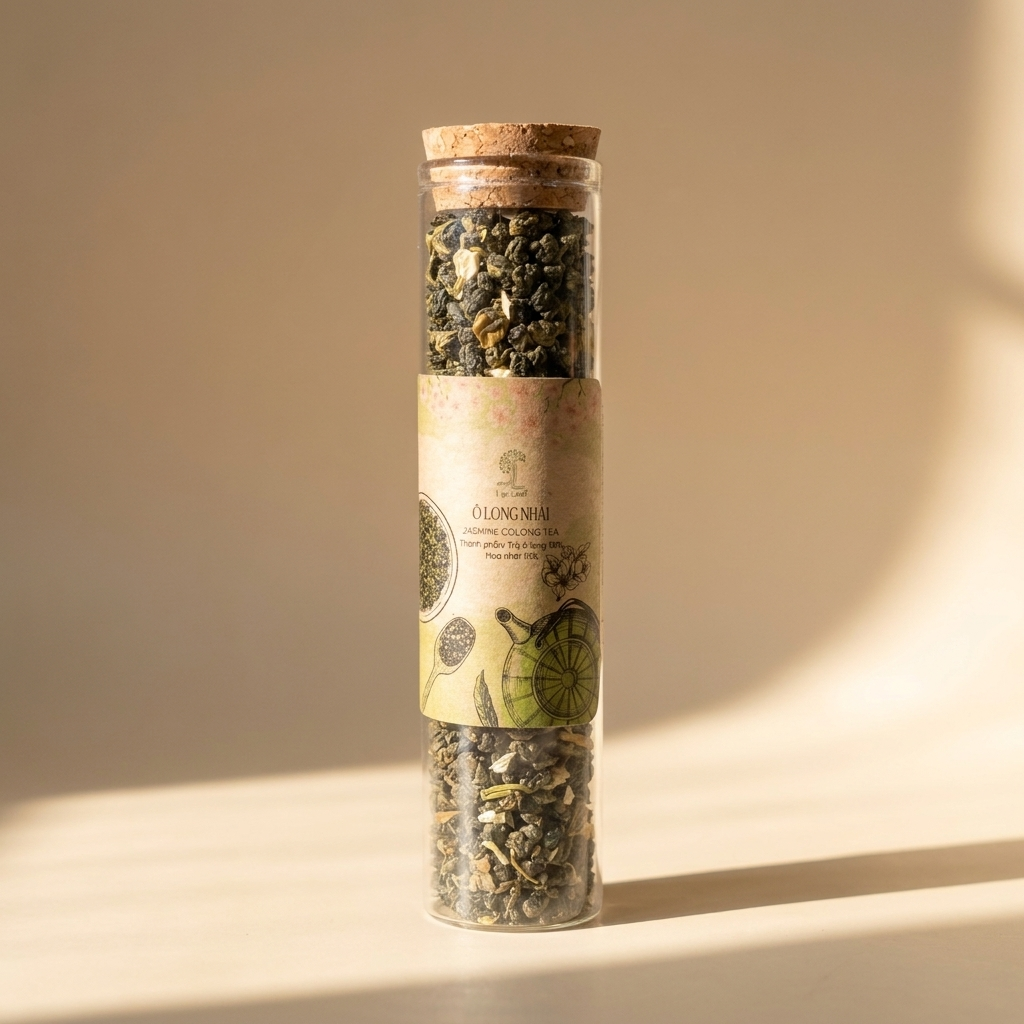
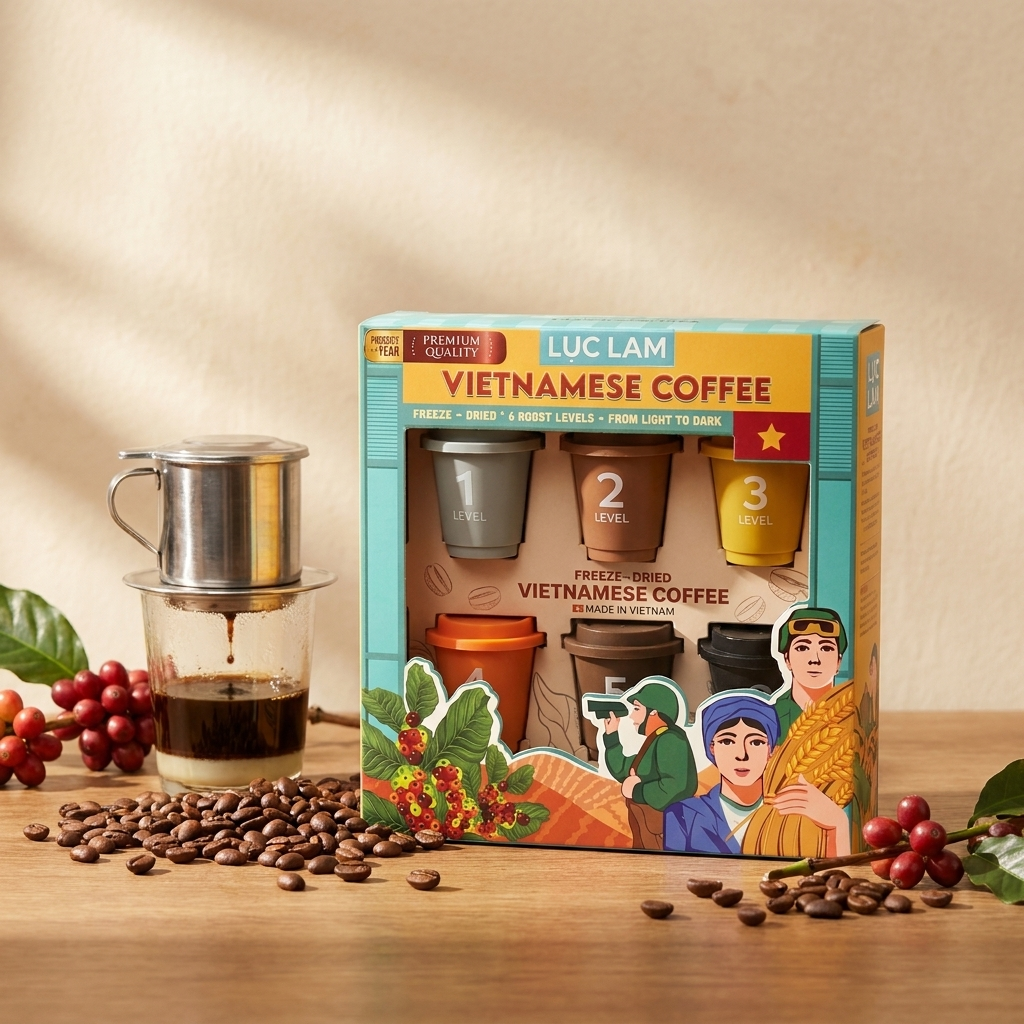
For typical trinkets, Han Market and An Thuong Night Market are great for browsing. However, if you are looking for refined, individually packed gifts suitable for family or business partners, seek out specialized gift shops. These locations curate sets of tea, coffee, and dried fruit, offering a polished alternative to the busy public markets when deciding what to buy in Da Nang.
Your trip through Da Nang is as much about the rhythm of your plate as the dishes themselves. Keep the five-dish, five-spot pairing in mind: it turns a sprawling list of local restaurants into a simple route you can follow without overthinking. Pairing Mì Quảng with a sit-down spot, or Bánh Xèo with the bustle of Son Tra, ensures you experience each flavor where it belongs. Comfort comes from habits, not luck. Use hand sanitizer before every meal, rely on bottled water, and keep cash handy for stalls while using cards at cafes. As you wrap up your stay, you might want a keepsake that mirrors the flavors you’ve just savored. If you are looking for a refined, easy-to-choose gift to take home—one that suits family, friends, or business partners—Lục Lam Vietnam Tea offers curated Vietnamese gifts in refined packaging. A small box of tea or coffee is a gentle way to carry a taste of Da Nang back with you.