On This Page· 5
You open your suitcase after a long flight, only to find a Non Nuoc marble statue reduced to powder and a bag of tamarind-glazed squid leaking onto your clothes. The frustration is real, but the problem often starts before you leave the shop. Choosing Da Nang souvenirs is no longer just about finding authentic gifts; it is about ensuring they actually survive the journey home. This guide helps you select genuine Vietnamese handicrafts and local products that make it through the airport intact, so you arrive with beautiful, undamaged mementos rather than a mess.
Da Nang Souvenirs That Survive the Flight
Picking a gift is only half the battle. The real test happens in the cargo hold, where a beautiful Non Nuoc marble carving might arrive in pieces or a bag of tamarind-glazed squid might leak onto your suitcase. Transport durability is just as important as authenticity when selecting Da Nang souvenirs. You need items that can withstand the handling of airline baggage systems without losing their shape, seal, or charm.
The Three Categories of Flight-Ready Gifts
To make your choice easier, think of local products in three distinct groups. Each has a different risk profile and requires a specific packing approach.
- Fragile Stone and Art: This includes marble statues from the Marble Mountains and hand-arranged sand art. These items are heavy and brittle. They are high-value pieces that can shatter if dropped.
- Light and Foldable Fabric: Items like silk scarves, canvas tote bags, and handmade woven bags from natural materials. These are flexible and compressible, making them the easiest to transport in hand luggage.
- Sealed Food Specialities: This group covers dried goods like tamarind-glazed squid, seasoned dried croaker strips, and sesame dry cake. The key here is the packaging. You need vacuum-sealed or rigid boxes to prevent crushing and odor transfer.
Risk and Packing at a Glance
Use this table to quickly match your souvenir choice to the right travel strategy:
| Souvenir Type | Best For | Transport Risk | Packing Tip |
|---|---|---|---|
| Non Nuoc Marble | Business partners, family | High (breakage) | Check in; use ample cushioning. |
| Silk / Fabric Bags | Friends, colleagues | Low (no damage) | Carry in hand luggage or check in. |
| Dried Seafood/Cakes | Everyone (edible gifts) | Medium (crushing/odor) | Vacuum-sealed; extra bag for smells. |
Budget Considerations
Pricing varies significantly across these categories. You can find simple magnets for approximately VND 30,000, which are perfect for a large group of colleagues. On the other end, intricate marble pieces or high-quality Hoi An handicrafts can range from VND 300,000 to over VND 700,000. Knowing your budget early helps you decide whether you want a single high-value authentic gift or a collection of smaller, lightweight items that are easier to carry through the airport.
Choosing Vietnamese Handicrafts: Stone, Sand, and Silk
When selecting authentic gifts for business partners or close family, Non Nuoc marble products stand out as a symbol of Da Nang’s artistic heritage. Handcrafted by artisans in the traditional village at the foot of the Marble Mountains, these items range from intricate statues to polished bracelets. The craftsmanship makes them significant authentic gifts, though their weight and material demand a specific packing strategy to ensure they survive the journey home.
Handling Fragile Stone with Care
Marble is dense but brittle, meaning it is highly susceptible to chipping if jostled. For larger pieces like statues, checked baggage is the only safe option. Do not rely on the shop’s initial wrapping; add layers of bubble wrap or soft cloth to create a cushion before placing the item in a hard-sided suitcase. Position the marble piece in the center of the bag, surrounded by soft clothing, to absorb any impact from handling.
Sand Art and Embroidery: Unique but Sensitive
Hand-arranged sand art and delicate embroidery represent a different category of Vietnamese handicrafts. While sand art pieces can be fragile if the frame cracks, embroidered fabric items are more flexible. Small embroidered pieces fit well in hand luggage if rolled and protected from sharp edges. For framed sand art, look for shops that offer impact-resistant packaging. If the frame is thin or the art is unframed, carrying it on your person is the safest route to prevent breakage.
Silk: The Lightweight, Elegant Option
If you want a gift that travels easily without the hassle of fragile packaging, a hand-embroidered silk scarf is the ideal choice. These handmade items are lightweight and fold flat, making them perfect for hand luggage. They suit a wide range of recipients, from colleagues to family members, and their elegant nature makes them a refined choice without the bulk of stone or the fragility of framed art.
Verifying Value and Origin
For high-value stone items, verification is key. Ask for a certificate of authenticity that confirms the material is genuine Non Nuoc marble and not a synthetic substitute. This document adds value to the gift and ensures the recipient knows they are receiving a piece of true local craftsmanship. A small piece of paper can transform a decorative object into a verified cultural artifact, making it a more meaningful Da Nang souvenir for the recipient.
Packing Local Products: Sealing Da Nang Food Specialities
Food is often the most personal type of local products you can bring home. In Da Nang, the shelf at any specialty store is lined with vacuum-sealed bags of tamarind-glazed squid, seasoned dried croaker strips, sesame dry cake, and toasted coconut crackers. These items are popular because they are shelf-stable, affordable, and carry distinct regional flavors. However, their durability in transit depends entirely on the integrity of their packaging and how you manage their scent.
Managing Odor and Moisture
Dried seafood and strong-smelling items present a specific challenge: odor transfer. Even when the primary packaging is sealed, the aroma of tamarind-glazed squid or seasoned dried croaker strips can permeate a standard suitcase. To protect the rest of your belongings and your cabin space, always place these items in an additional sealed plastic bag. Double-bagging creates a barrier that contains the scent and prevents any potential moisture from escaping if the primary seal has a minor imperfection.
Before packing, inspect the product for two critical signs. First, check the expiry date; ensure you are purchasing items with a reasonable shelf life, especially if you plan to distribute them as gifts over several weeks. Second, verify that the packaging is unbroken. A small puncture in a vacuum seal can lead to crushing or moisture damage during the flight, turning a crisp cracker into a crumbly mess.
Hand Luggage vs. Checked Baggage
Choosing where to place these items is a matter of weight and scent profile. The rule of thumb is simple: light and neutral-scented items go in hand luggage; bulky or strong-scented items go in checked baggage.
- Hand Luggage: Ideal for sesame dry cake and toasted coconut crackers. These are generally lightweight, do not emit strong odors, and can survive the pressure changes of the flight if their boxes or bags are sturdy. Carrying them with you ensures they are not crushed by heavier suitcases in the cargo hold.
- Checked Baggage: Required for tamarind-glazed squid or large boxes of seasoned dried croaker strips. These items are often heavier and have more pungent aromas that may be noticeable in the cabin. Packing them in the center of your checked bag, surrounded by soft clothing, provides extra cushioning against impact.
International Regulations
If you are flying internationally, the rules for bringing authentic gifts of food origin are stricter than domestic flights. Many countries have strict customs regulations regarding the importation of animal products, including dried fish and seafood. Before you leave, check the specific agricultural import laws of your destination country. Some nations may require a health certificate for dried seafood or may prohibit the entry of certain types of cured meat entirely. Staying informed of these regulations ensures your souvenirs are not confiscated at the border, allowing you to share the taste of Da Nang without any unexpected delays.
Where to Buy Da Nang Souvenirs with Secure Packaging
The right shopping location determines whether your Da Nang souvenirs arrive home intact or damaged. For travelers prioritizing food safety, Huong Da Speciality Supermarket and Qua Mien Trung Speciality Supermarket are the most reliable starting points. Huong Da, located at the intersection of Vo Van Kiet and Ho Nghinh streets, offers a curated selection of local products including tamarind-glazed squid and semi-dried seafood. Qua Mien Trung, found at 179–181 Vo Van Kiet Street, operates from 07:00 to 22:00, making it a convenient option for last-minute purchases. Both stores provide vacuum-sealed, labeled items that are ready for air travel, eliminating the guesswork of freshness and packaging integrity.
For Vietnamese handicrafts and non-food items, the experience shifts from convenience to curation. Non Nuoc Jewellery Store, located at 530 Le Van Hien Street, is a specialized destination for marble products. Here, you can find authentic stone items with reference prices starting from VND 300,000. Unlike open markets, these specialized shops often understand the fragility of their inventory and are more likely to offer protective wrapping for your items before you leave the counter.
If you prefer browsing a wider variety of handmade items, local markets like Han Market (119 Tran Phu Street) or Con Market (290 Hung Vuong Street) offer a vibrant selection. However, the packaging here is rarely flight-ready. You must inspect the quality of the item’s own protection and be prepared to buy extra bubble wrap or cloth to wrap items yourself. A practical tip is to ask shop staff for gift-wrapping or protective packaging services, especially for fragile stone or ceramic pieces. In markets, this may require a specific request, so be clear about your need for travel-safe protection.
To save time, consider combining your shopping with a visit to a central location. If you are staying near Son Tra, Qua Mien Trung’s late hours allow you to finalize your food purchases late in the day. For stone and silk, the specialized shops in the city center allow you to handle fragile items with care before you leave, ensuring your gifts are secure for the journey ahead.
Frequently Asked Questions About Bringing Da Nang Gifts Home
Before you hit the security check or load your bags, these practical questions cover the most common packing dilemmas travelers face when bringing Vietnamese souvenirs home.
Can I take vacuum-sealed dried seafood in my hand luggage?
Generally, yes. If the vacuum seal is intact and the odor is contained, you can carry it in your cabin. However, if the package leaks or the smell of tamarind-glazed squid or dried croaker strips is too strong, move the item to your checked baggage immediately to avoid complaints from fellow passengers or airline staff.
How do I protect a marble carving from breaking?
For fragile Vietnamese handicrafts like Non Nuoc marble statues, ample cushioning is essential. Wrap the item in bubble wrap and a soft cloth, then place it in the center of a hard-sided suitcase in your checked baggage. Positioning it centrally protects the item from the impact of being thrown or dropped during handling.
Are there restrictions on bringing Vietnamese food home?
Yes. For international flights, you must check the customs regulations of your destination country. Many jurisdictions have strict rules regarding the import of dried fish, meat products, or plant-based foods. Ignoring these rules can result in your local products being confiscated or in you facing fines.
What is the most cost-effective souvenir to bring for colleagues?
If you are buying authentic gifts for a large office, Da Nang magnets and postcards are the most efficient choice. At roughly VND 30,000 to 100,000 per magnet, they are inexpensive, lightweight, and flat. This makes them easy to buy in bulk and carry without consuming valuable space in your luggage.
A souvenir that arrives home in one piece carries more meaning than a broken one ever could. Before you leave the shop, weigh the authenticity of the item against its ability to survive the flight. For food specialities, insist on vacuum-sealed or tightly closed packaging to prevent moisture damage and odor transfer. For fragile handmade crafts, such as marble carvings or delicate textiles, ensure the seller provides ample cushioning before you pack it in your checked baggage.
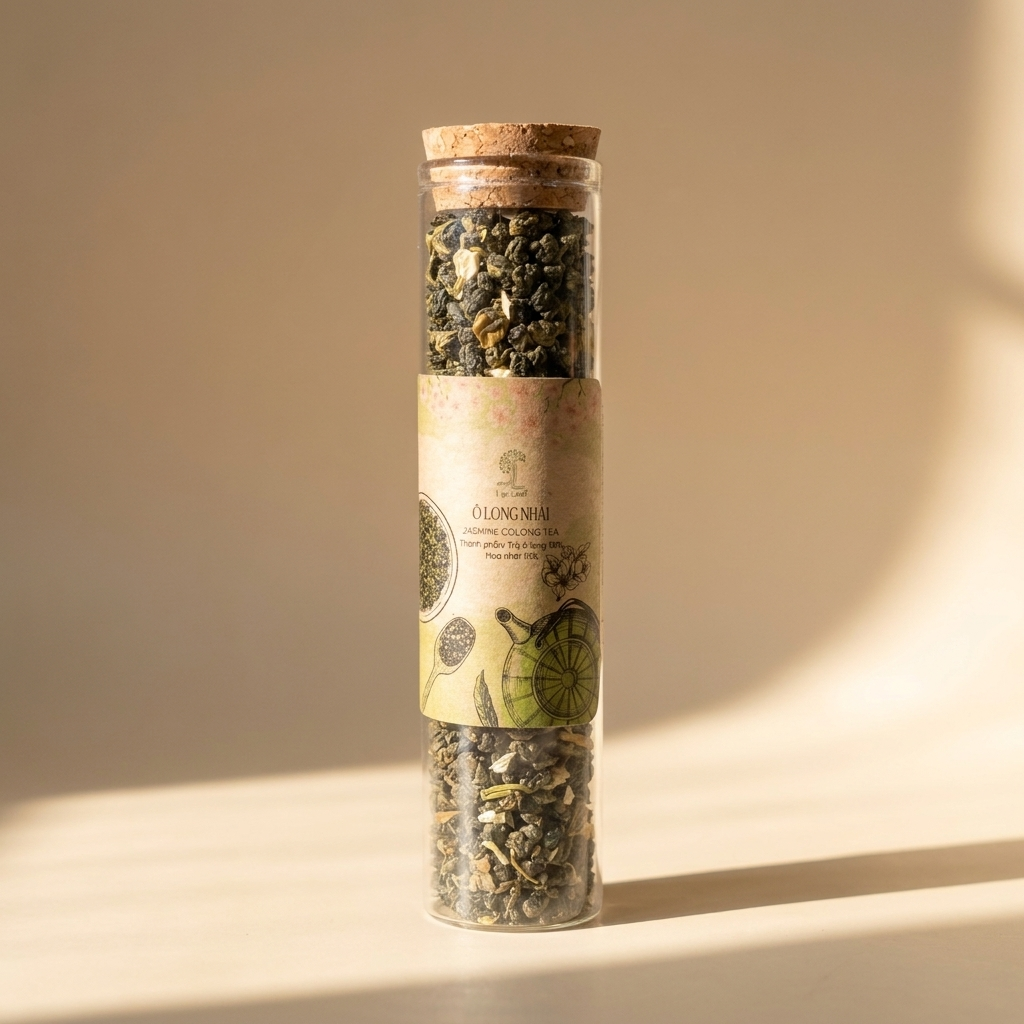
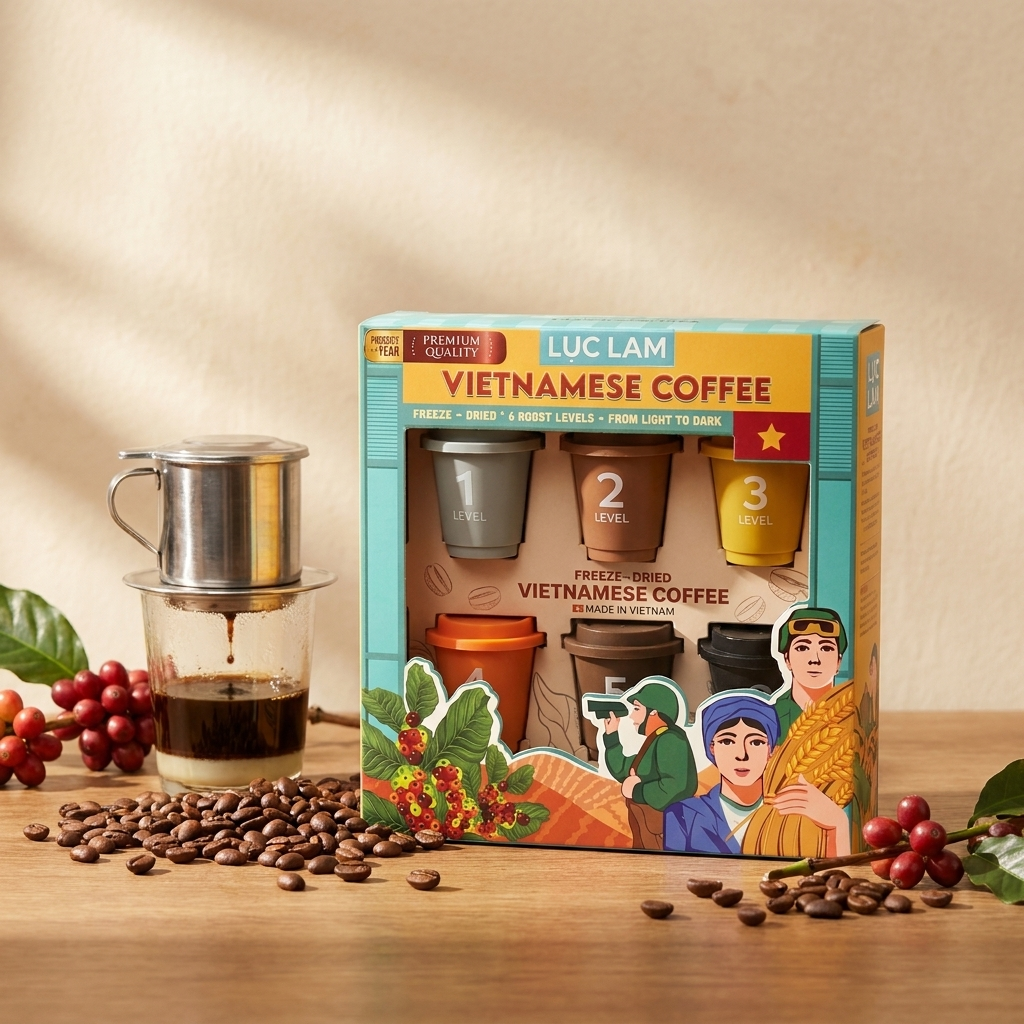
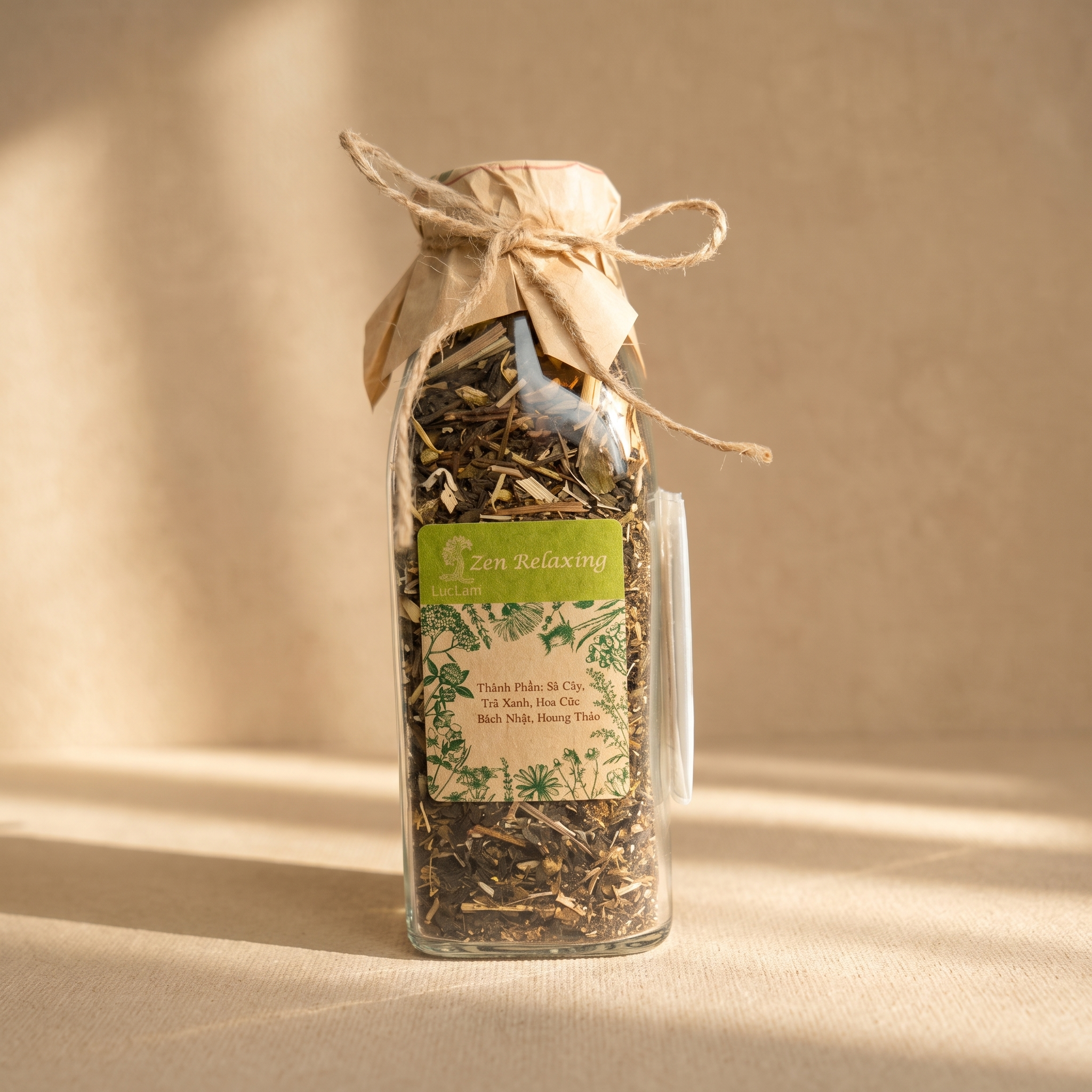
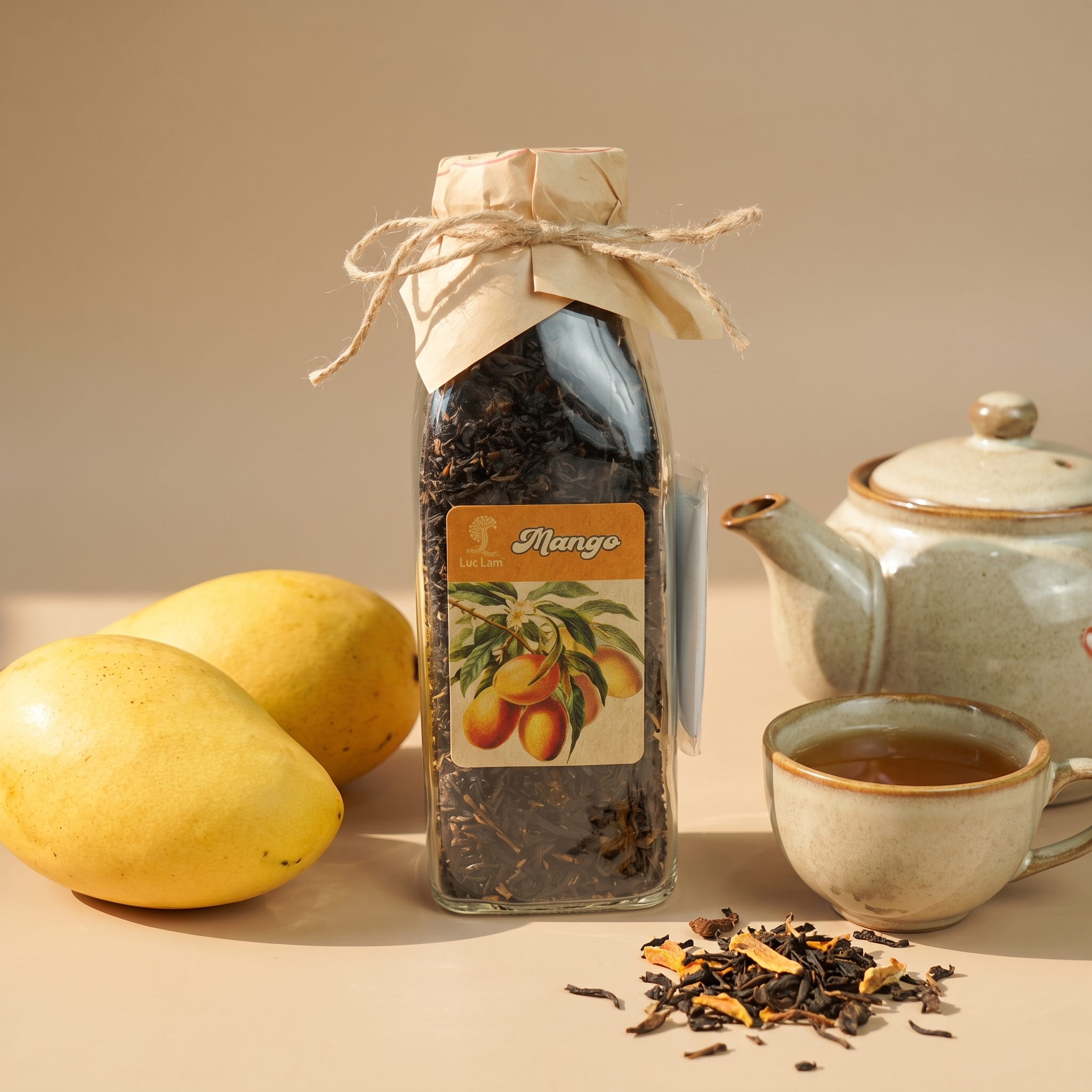
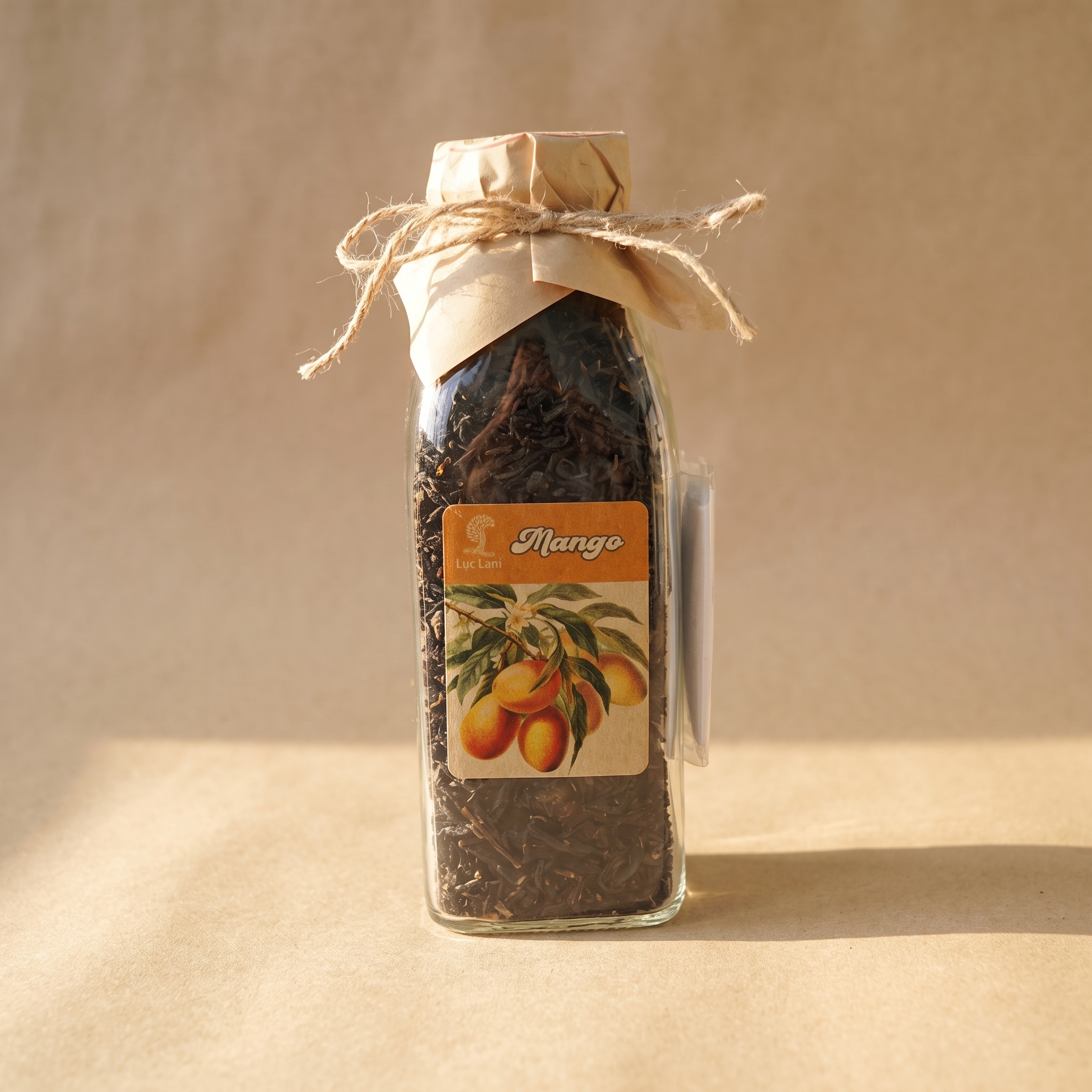
If you prefer a gift that combines authentic taste with effortless packaging, consider exploring the curated tea and coffee gift sets from Lục Lam Vietnam. These sets are individually packed in refined containers, making them suitable for gifting to colleagues or business partners without the worry of fragile items or strong scents filling your carry-on.