On This Page· 3
Yes, you can find hands-on Vietnamese tea classes in Ho Chi Minh City that go far beyond passive tasting. In a typical tea workshop in Saigon, you move from simply drinking a finished cup to actively controlling every variable that shapes the final flavor. You decide the water temperature, manage the steep time to the second, and track how the profile shifts across multiple infusions. This is the core of learning to prepare Vietnamese tea at home: moving from a spectator to the one holding the kettle.
The difference is tangible. Instead of accepting a pre-brewed serving, you take charge of the process. You learn how a slightly cooler leaf changes the aroma or how extending the steep by ten seconds draws out deeper mineral notes. By the end of the session, you are not just a consumer; you are a practitioner with specific, repeatable skills. You leave with the confidence to replicate those exact steps in your own kitchen, turning a casual habit into a deliberate, sensory-rich practice that you can master without professional equipment.
What you actually learn in an HCMC Vietnamese tea class
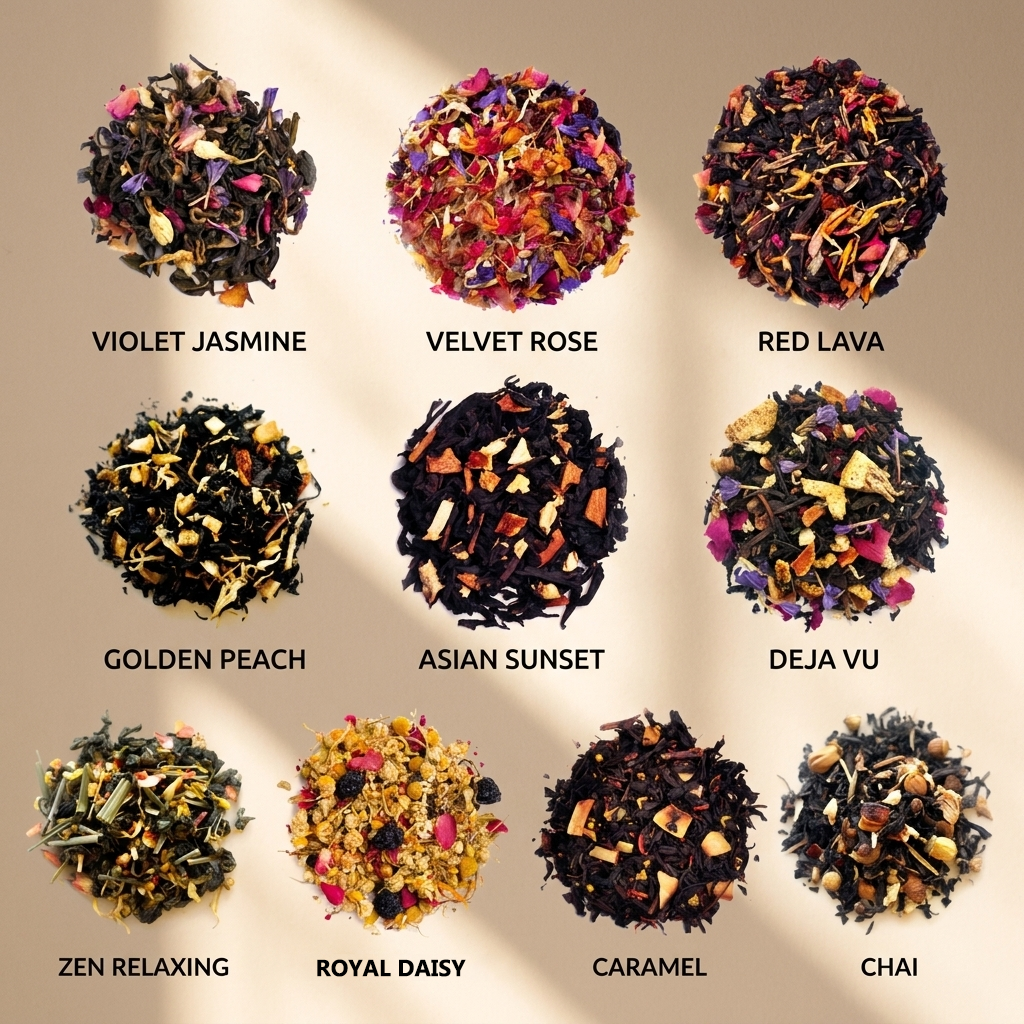
Most visitors to Ho Chi Minh City encounter tea in one of two ways: sitting down to a guided tasting where the service staff pours for you, or joining a hands-on session where you take the controls. While both are valuable, the latter is where the real brewing skills begin. In a passive tasting, your role is sensory—appreciating the aroma and flavor the expert has already crafted. In an active workshop, however, you are the brewer. You manage the water, the time, and the temperature. This shift from observer to practitioner is what separates a casual experience from a lasting skill.
The core competencies you will build revolve around three critical variables: water temperature, steep time, and infusion progression. You will learn to match the leaf’s sensitivity to the right heat, preventing the delicate notes of green or white teas from being scalded or the bold character of oolongs from under-extracting. More importantly, you will understand how the flavor profile shifts with each cup. A single type of leaf does not taste the same in the first infusion as it does in the fifth; learning to anticipate these changes allows you to extract the full complexity of the tea rather than just its initial impression.
The guidance provided by the tea master is essential for translating these variables into consistent results. As you brew, the instructor will point out specific sensory shifts that are easy to miss. They will help you identify Hui Gan, a pleasant, returning sweetness that lingers in the throat after the first sip. This concept is particularly important in high-quality Vietnamese teas, where the balance of bitterness, astringency, and sweetness changes as the leaf opens up. By observing how the mouthfeel evolves from the first steep to the last, you learn to recognize when the tea is at its peak and when it is ready to be retired.
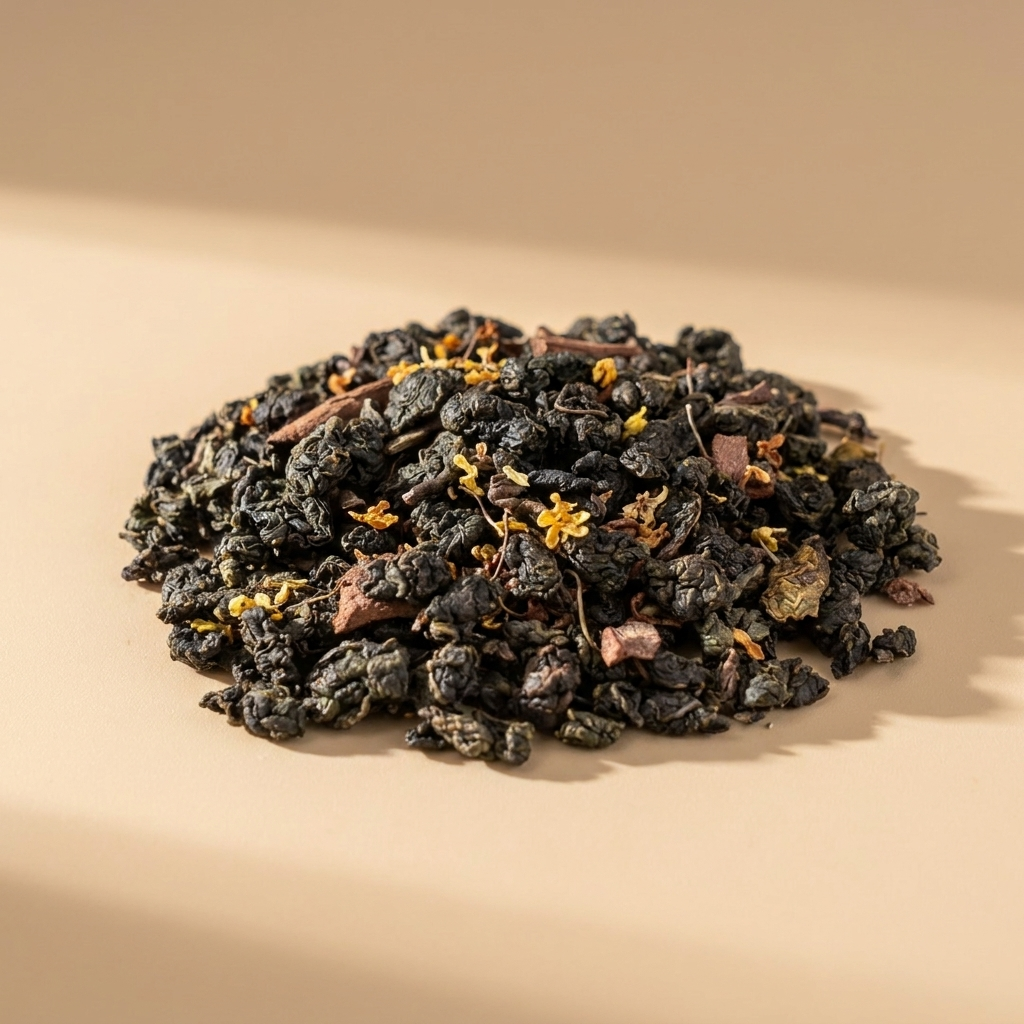
Beyond the technical skills, these sessions often weave in the cultural context of the specific leaf being prepared. You might learn the regional origin of the tea, the traditional harvesting methods used in the highlands, or the historical significance of blending with spices like cinnamon or osmanthus. This background adds depth to the practical work, turning a simple brewing exercise into a richer understanding of Vietnamese tea culture. It transforms the act from a mere routine into a deliberate practice, ensuring that the knowledge you gain in a Saigon tea workshop stays with you long after the class ends.
The Gong Fu method for preparing Vietnamese tea at home
Gong Fu brewing is the standard technique taught in tea workshops in Saigon. It shifts the focus from making one large pot to creating multiple small, intense infusions. By using small vessels and steeping for just seconds, you extract the full complexity of the leaf, allowing you to taste how the flavor changes with every cup.
The core of this method lies in the teaware. The primary vessel is the gaiwan, a lidded bowl used for steeping the leaves. Its shape allows for precise temperature control and easy pouring without drips. To ensure every sip has the same strength, you pour the steeped tea from the gaiwan into a fairness pitcher, also known as a Cha Hai. From there, the tea is distributed into small tasting cups, encouraging you to savor each infusion rather than gulping a large volume at once.
The process begins with rinsing the dry leaves with hot water for a few seconds. This step, often called waking the leaves, rehydrates them and flushes away dust before the first true steep. You then perform short infusions, typically starting at 5 to 10 seconds. With each subsequent round, you add a few seconds to the steep time, drawing out different layers of flavor as the leaves gradually unfurl and release their inner compounds.
Water temperature and infusion evolution
Water temperature matters significantly when you prepare Vietnamese tea. While specific values depend on the leaf type, general guidelines apply. Delicate green and flower teas are best steeped at slightly lower temperatures to prevent bitterness, whereas bolder black or oolong teas can handle hotter water. Adjusting the heat helps balance the aroma and mouthfeel for your specific variety.
As you progress through the infusions, the character of the tea shifts. The first cup often carries a strong, vibrant aroma, while later cups reveal a smoother, sweeter profile known as a returning sweetness. Use the table below to understand how these changes typically unfold.
| Infusion | Steep Time | Flavor Character |
|---|---|---|
| 1 | 5–10 seconds | Bright, aromatic, and lively |
| 2 | 10–15 seconds | Fuller body, balanced flavor |
| 3 | 15–20 seconds | Smoother, with emerging sweetness |
| 4 | 20–25 seconds | Mellow, lingering finish |
| 5 | 30+ seconds | Subtle, gentle, and refined |
You don’t need a full ceremonial set to start brewing at home. The core of the technique—controlling water and time—works with just three pieces of equipment: a gaiwan, a small pitcher, and a kettle. If you attended a tea workshop in Saigon, you likely saw a complete cha dao, but for daily practice, the gaiwan serves as your steeping vessel while the pitcher ensures each sip has consistent strength. This minimalist approach removes the intimidation factor and lets you focus on the leaf itself.
If a gaiwan feels like an extra step you’d rather avoid, a small glass teapot is a practical alternative. It allows you to see the leaves unfurl, which is visually rewarding for a beginner. However, you lose the precision of the lidded bowl. Without a lid to hold heat and a spout to control flow, stopping the steep at the exact second is harder. You’ll find that the flavor shifts more abruptly between infusions, so patience is key. For most travelers, this trade-off is worth the simplicity.
Start with one type of leaf to build your intuition. A floral white tea is forgiving with temperature, while a bold black tea reveals strong tannins if over-steeped. Mastering these two extremes teaches you how water heat and duration affect the final cup before you try more complex blends.
Track your progress with a simple tasting journal. Note the aroma as you lift the lid, the initial flavor on the tongue, and the mouthfeel as it goes down. Writing down these observations for each infusion helps you identify subtle changes from the first cup to the fifth. Over time, this record becomes a personal reference for refining your technique and understanding how each tea behaves.
Frequently asked questions about learning Vietnamese tea in Saigon
Travelers often have practical questions before stepping into a tea room in Ho Chi Minh City. Here are the answers that help you plan your first hands-on experience with confidence.
Do I need to book a Vietnamese tea class in HCMC in advance?
It depends on the venue and the time of year. Popular workshops in central districts often fill up quickly, especially on weekends and during peak travel seasons. However, many local tea shops in Saigon offer drop-in sessions where you can walk in and join the next available group. Booking ahead is the safer choice if you have a tight schedule or a specific teacher in mind. It guarantees your spot and often allows the instructor to tailor the session slightly to your experience level, ensuring a smoother, more guided experience from the start.
Can I learn to prepare Vietnamese tea without attending a workshop?
Yes, you can teach yourself the basics through videos and guides. However, self-teaching has a significant gap: you cannot feel the feedback. In a workshop, the tea master watches how you pour, how you hold the gaiwan, and how you judge the water temperature. This immediate correction on technique accelerates your learning curve. Without it, it is easy to develop subtle habits—like over-steeping or using water that is slightly too hot—that are hard to detect on your own but noticeably affect the final cup.
What is the best tea to start with for a beginner?
For your first try, a robust black tea or a mild floral tea is often the most forgiving choice. These varieties tolerate small variations in water temperature and steep time better than delicate green teas or complex oolongs. When the leaf is more resilient, you can focus on mastering the rhythm of the brewing process—rinsing, steeping, and pouring—without worrying that a minor timing error will ruin the flavor. Once you feel comfortable with the mechanics, you can move to more sensitive leaves.
How long does a typical tea workshop last?
A standard hands-on session in Saigon usually runs between one and two hours. This duration is designed to cover the essentials without overwhelming a first-time participant. You will typically spend time learning the history of the specific tea, watching a demonstration, and then practicing the Gong Fu method yourself. The pace is relaxed, allowing you to ask questions and truly taste the differences between each infusion rather than rushing through the steps.
The skills you gain from a Vietnamese tea class in HCMC extend far beyond the workshop walls. By mastering water temperature, steep time, and the nuances of multiple infusions, you transform a casual cup into a deliberate practice that reveals the true character of each leaf. This technique is not just for special occasions; it is a daily ritual that invites mindfulness and connection, whether you are sharing a gaiwan with friends or enjoying a quiet moment alone. As you begin to recreate these moments at home, consider keeping the experience alive with a well-chosen gift; if you want to take the next step, you can explore curated Vietnamese gifts with refined packaging at Lục Lam to bring the flavors of Vietnam home.
