On This Page· 6
The roar of motorbikes fades into a hush so complete it feels like a held breath. You are no longer in the chaotic flow of Saigon, but seated at a small wooden table, watching water boil in a gentle, rhythmic bubble. A ceramic cup, warm and heavy, rests in your hands. This is where Vietnamese tea culture begins—not in a museum, but in the quiet space between a sip and a thought.
In a city known for its relentless pace, there is a deep pull toward the quiet side. Travelers often seek more than a staged show or a quick tasting; they want an experience that feels genuine. The ritual of preparing and drinking tea in Vietnam offers exactly that. It is a practice rooted in mindfulness, where the focus shifts from the destination to the moment. As you sit in this stillness, the weight of the cup becomes a grounding force. You are not just drinking a beverage; you are participating in a local tradition that shapes how people in this region connect with one another. This is the core of the experience: finding a calm, real anchor in the middle of the city’s energy.
What Thien Tra Is Beyond the Brewing Demo
Thien tra, often translated as tea meditation, is a practice that goes far beyond simply brewing a cup. Rooted in Zen Buddhism and indigenous Vietnamese spirituality, it emphasizes mindfulness in every step of the process. When you engage in these local tea rituals, the focus shifts from the final beverage to the act of creation itself. You learn to slow down, noticing the precise moment water reaches the right temperature and the way leaves unfurl in the hot liquid. This approach is central to understanding the deeper layers of Vietnamese tea culture, where the journey is as important as the destination.
Presence Over Performance
Many visitors mistake tea ceremonies for theatrical displays or luxury demonstrations. In reality, this is not a performance. It is a quiet ritual focused on harmony and presence. There is no script or audience; only a connection between you, the tea, and the present moment. When you seek authentic tea experiences, you are looking for this sense of balance. The host does not perform for you; they guide you into a state of awareness. This distinction is vital for travelers who want to move beyond surface-level tourism and engage with the spiritual heritage that defines these sessions.
A Sensory Shift
What sets thien tra apart from standard tourist tea tastings is the sensory focus. In a typical tasting, you evaluate flavor notes and compare varieties. In meditation, you listen to the water as it boils, smell the fragrance rising from the pot, and feel the warmth of the ceramic cup in your hands. These small sensations anchor you in the now. By directing your attention to these physical details, the practice clears mental noise and creates a space of calm. This is where the true value of the experience lies: not in judging the tea, but in feeling the moment it is being shared.
Zen Roots and the Balance of Local Tea Rituals
The origins of Vietnamese tea culture stretch back to ancient villages where scholars and monks gathered for reflection. In these quiet settings, Chinese tea philosophy merged with indigenous spiritual beliefs to form a unique practice that valued presence over performance. This historical blend is why the ritual feels less like a beverage tasting and more like a meditative pause. For travelers seeking authentic tea experiences, understanding this duality provides a richer context than simply reading a menu.
The Symbolism of Harmony
Balance is a central concept in this tradition. The tea itself represents the interplay of opposing forces: hot and cold, bitter and sweet, and the connection between body and soul. You see this symbolism most clearly in pagoda tea sessions held after morning prayers. Monks across Vietnam host these quiet gatherings not to discuss flavor profiles, but to find a moment of stillness. The act of serving and drinking becomes a way to center the mind and honor the present moment.
Clarity Over Taste
A common misconception among visitors is that the goal is to identify specific tasting notes. In reality, the focus is on clarity and compassion. The ritual invites you to listen to the boiling water, smell the fragrance, and feel the warmth of the ceramic cup against your hand. This sensory awareness distinguishes local tea rituals from standard tourist tastings. By shifting your attention from judgment to presence, you gain a deeper cultural understanding of how Vietnamese tea culture functions as a path to inner peace. This approach transforms a simple drink into a meaningful connection with the local spirit.
Where to Find Authentic Tea Experiences in Saigon
Stepping into the Hidden Attic Tearoom in Ho Chi Minh City offers one of the most accessible entry points to this quieter side of the city. It is designed for travelers who want to experience the essence of Vietnamese tea culture without needing a full day to wander through rural villages. The setting is compact and intentional, creating a space where the noise of the street falls away and the focus narrows to the cup in your hand.
A Guided Sequence for the Urban Mind
The experience at this venue follows a clear, manageable arc that respects the pace of a busy traveler. You do not just sit down for a drink; you participate in a structured journey that builds understanding step by step.
- Historical Context: The session begins with a brief orientation on the history of tea in Vietnam, explaining why the ritual matters beyond just the beverage.
- Observation: You then watch a careful brewing process, focusing on the precision of the movements and the care taken with the water temperature and steeping time.
- Stillness: The final stage involves a short guided stillness exercise. While practicing this quiet moment, you taste small, delicate sweets that complement the tea’s profile, allowing the sensory experience to deepen without distraction.
This format makes it a tidy antidote to the city’s relentless speed. For those with only a day or two in Saigon, it provides a complete taste of local tea rituals without requiring the commitment of a multi-day workshop.
The Broader Landscape in Vietnam
While Saigon offers accessible urban sessions, the tradition is rooted in slower, historical centers. If your itinerary allows for deeper immersion, consider the options in the central provinces.
| Location | Venue | Key Focus | Best For |
|---|---|---|---|
| Hoi An | La.Kao Tea House | Vietnamese forest teas | Exploring unique regional varieties |
| Hoi An | Reaching Out | Beginner tea meditation | Supporting social enterprises with hearing-impaired staff |
| Hue | Hien Tra Nhi Do Mai | Flower-tea making | Experiencing Hue lotus-infused blends and handcrafting |
In Hoi An, La.Kao specializes in forest teas, while Reaching Out, located in the Ancient Town, offers workshops described as tea meditation for beginners, with a meaningful social mission. In Hue, Hien Tra Nhi Do Mai preserves the intricate art of handcrafting flower teas, particularly the famous lotus-infused blends. These venues often require reservations, as they operate on small-group sizes to maintain the intimate, meditative quality of the session. Choosing between a compact urban stop in Saigon or a half-day village program depends entirely on how much time you have and how deep you wish to go.
Choosing a Session That Matches Your Travel Pace
Deciding between a compact urban session and a longer immersion depends on how much time you can carve out of your itinerary. Saigon tea places typically offer 90-minute guided experiences that fit neatly into a busy day, while destinations like Hue and Hoi An host half-day village programs for those seeking deeper engagement. The Hidden Attic Tearoom in Ho Chi Minh City, for instance, pairs a brewing demonstration with a short meditation, making it an ideal antidote to the city’s relentless pace for travelers with limited time. In contrast, the workshops in Hoi An’s Ancient Town or Hue’s historical sites allow for a slower, more contemplative exploration of local tea rituals.
Setting the Tone for Your Practice
The physical environment shapes how you experience the ritual. A polished urban salon offers structure and convenience, perfect for those who value clarity and efficient learning. However, if you crave a sense of seclusion, an ancient house or a quiet garden setting provides a different kind of hospitality—one rooted in silence and reflection. Before booking, verify that the host or guide is comfortable communicating in English. Clear instruction ensures you understand the cultural and spiritual context of the practice, moving beyond a simple tasting to a meaningful connection with Vietnamese tea culture.
Booking Your Authentic Experience
Popular venues operate with small group sizes to maintain the meditative atmosphere, which means availability can be limited. Reservations are strongly recommended, especially for well-known spots like La.Kao or Reaching Out in Hoi An. These authentic tea experiences often fill up quickly, so securing your slot in advance guarantees you won’t miss out on a genuine moment of calm amidst your travels.
Frequently Asked Questions About Tea Meditation
Travelers often wonder if they need to be a tea expert to understand the silence of a tea room. These answers clarify what to expect when stepping into the world of Vietnamese tea culture, helping you prepare for a visit that feels personal rather than performative.
Is tea meditation just a tea tasting class?
No. While a tasting class asks you to identify notes of citrus or floral scents, a tea meditation session invites you to let go of judgment entirely. The goal is presence, not evaluation. You are there to listen to the water simmering and feel the warmth of the cup, not to score the leaves. This shift in mindset is what distinguishes local tea rituals from standard tourist activities, allowing the ritual to settle into your nervous system rather than your notebook.
Do I need to know Vietnamese to participate?
Not at all. Many venues in Saigon and Hoi An now offer guided sessions in English. A host will walk you through the history, the symbolism of the leaves, and the spiritual context behind each step. You do not need to memorize words; you only need to follow the lead of the guide. This ensures the cultural story is conveyed clearly, making the experience accessible even if you are visiting for the first time.
Can I take tea home as a gift?
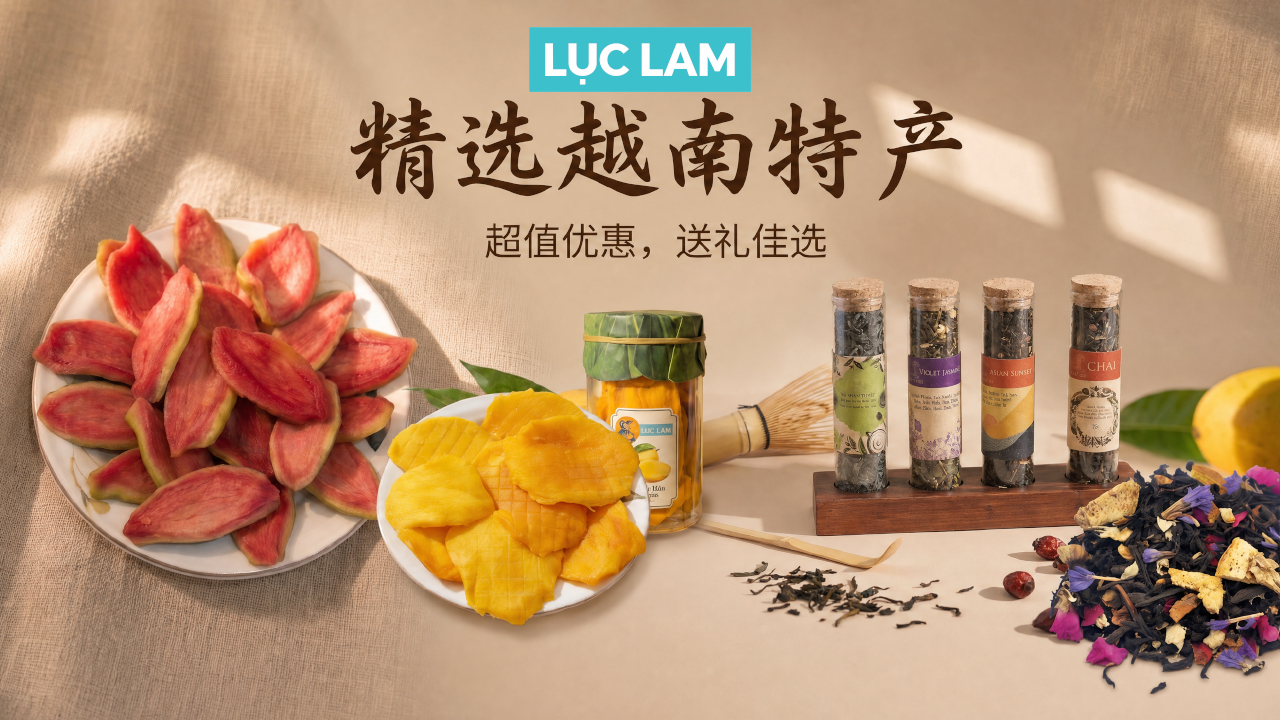
Yes, and it is a thoughtful way to extend the calm of your trip. After your session, you can select from a range of options. Authentic tea experiences often include the opportunity to choose a take-home set. You might pick a refined box of flower teas for a close friend or a signature coffee set for a colleague. These items serve as a tangible reminder of the quiet moments you shared in Vietnam, offering a simple way to share the flavor of the country with those back home. Since popular spots often operate on small-group sizes, it is wise to reserve your spot in advance to secure a place in the room and ensure you have time to browse the gift selection at the end of your visit.
Bringing the Calm Home
Slowing down enough to truly hear the water boil or feel the warmth of a ceramic cup shifts the entire experience. When you stop trying to capture the perfect photo, you open yourself up to the genuine connection that is at the heart of Vietnamese tea culture. This patience transforms a simple drink into a moment of clarity, allowing the local tea rituals to speak directly to your sense of presence rather than your social feed.
The calm you find in a quiet tea room is a gift you can carry home. If you would like to extend that tranquility to your family or colleagues, consider finding refined packaging for your favorite teas to share the quiet of this experience as a thoughtful token with the people you care about.