On This Page· 6
You have likely spent twenty minutes in a Ho Chi Minh City souvenir shop, holding a tin labeled “Vietnamese Herbal Tea,” only to find it contains the same artichoke, lotus, or ginger blend you saw in the last three stores. These infusions are widely available, but they rarely tell you where they actually come from. Most popular varieties are cultivated in northern provinces like Thai Nguyen or in the Central Highlands, far from the island you just visited.
Phu Quoc herbal tea is not simply a different flavor of the same product; it is a distinct category defined by the island’s specific coastal and mountain microclimates. The frustration of finding generic packaging is real, but the solution lies in looking for infusions that are botanically and geographically tied to the archipelago. Unlike the mass-produced retail packages found in city centers, local tea specialties from this region are often small-batch preparations or wild-harvested herbs that do not make it into the national supply chain. This guide identifies the specific island herbals that distinguish Phu Quoc from the rest of Vietnam. You will learn how to spot the difference between a generic “herbal blend” and a truly local infusion, ensuring the gift you bring home reflects the unique terroir of your trip.
Why Phu Quoc herbal tea differs from national varieties
The distinction between national teas found in Ho Chi Minh City shops and the island teas of Phu Quoc lies in their origin and sourcing. While national varieties like lotus, artichoke, or ginger are typically cultivated in established agricultural regions, Phu Quoc herbal tea is largely derived from local wild herbs foraged from the island’s specific environment.
Cultivation vs. Foraging
Vietnamese tea production is primarily concentrated in northern provinces such as Thai Nguyen, Yen Bai, and Hoa Binh, as well as the Central Highlands, where Da Lat is a major hub for artichoke tea. These areas support broad-scale cultivation, often involving independent farmers who contract with processing companies. In contrast, local tea specialties from Phu Quoc are not the result of large plantations. Instead, these island herbals are gathered from the wild, reflecting a practice rooted in local tradition rather than industrial agriculture.
Microclimate and Botanical Specificity
The island’s unique geography creates distinct microclimates that influence the flavor and composition of its plant life. The interplay of coastal winds and mountainous terrain produces herbal profiles that differ significantly from the broad tea-growing regions of the north and central highlands. This botanical specificity means that the infusions available on the island are tied to its unique ecosystem, offering a taste that cannot be replicated by importing standard national blends.
The Goal of Identification
Identifying these specific infusions helps distinguish them from generic “Vietnamese tea” labels. By focusing on the geographical and botanical origins of the plants, you can pinpoint the unique Phu Quoc teas that define the island’s local character. This approach helps travelers and gift-givers move beyond mass-produced retail packages and select products that are truly authentic to their destination.
Local tea specialties: The island’s unique wild herbs
Foraged, not farmed
Unlike the mass-produced local tea specialties found in Ho Chi Minh City supermarkets, Phu Quoc’s signature infusions are rarely grown in rows. Instead, they are foraged from the wild. This distinction explains why these unique Phu Quoc teas rarely appear in large retail batches. The herbs are collected from specific microclimates on the island, often by small local groups who know exactly where the plants thrive. This wild-harvesting method preserves the plant’s full botanical profile, which can be diluted in large-scale cultivation.
Coastal and mountain herbs
Three plants stand out as the backbone of the island’s herbal culture:
- Coastal medicinal herbs: Found near the rocky shores, these plants have adapted to saline air. They are often used in traditional preparations for their perceived grounding properties.
- Rose myrtle variants: While not the primary commercial tea, wild rose myrtle grows in the island’s forested areas. Its distinct, floral aroma is sometimes blended into local infusions to add a perfumed layer to the flavor.
- Wild ginger and citrus leaves: Foraged from the island’s scrublands, these are used to create sharp, refreshing blends that differ significantly from the dried ginger slices sold in cities.
Where to find them
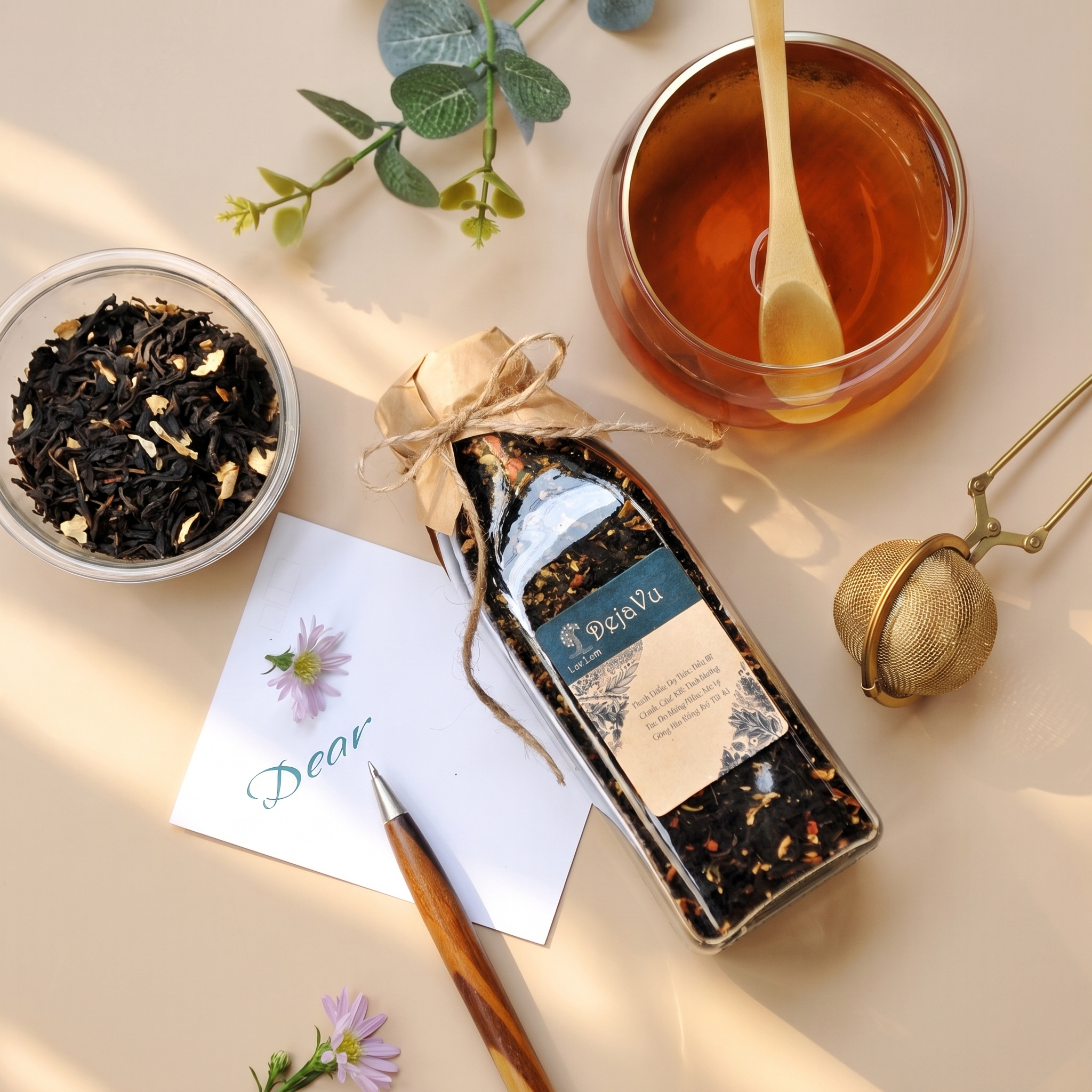
Because these island herbals are not mass-produced, you will not find them in standard gift shops. To source them, you must look in local markets or seek out small-batch producers. These vendors offer small quantities, often packed in simple containers, reflecting the artisanal nature of the harvest. If you are looking for a specific, locally-sourced gift, these small-batch preparations offer a tangible connection to the island that generic retail packages cannot match. Always ask the seller about the harvest date, as the freshness of these wild herbs is critical to their flavor.
Island herbals: How to spot the difference
Walking into a souvenir shop in Phu Quoc can be confusing. You see bags of dried flowers and herbs, some labeled broadly as “Vietnamese tea.” How do you tell if you’re holding a generic product or a true local infusion? The key lies in specificity. Mass-market teas sold in Ho Chi Minh City often rely on broad categories, while authentic island preparations point to precise botanical origins and local sourcing.
Look for specific botanical names
The first step is reading the label carefully. Avoid products that use vague terms like “herbal blend” or “assorted tea.” Instead, look for the specific Vietnamese or scientific name of the plant. If the packaging lists a single, identifiable herb rather than a mixed assortment, it is more likely to be a dedicated preparation. This precision signals that the maker focuses on the unique profile of that specific plant, rather than a generic mix.
Check the sourcing location
Where the herbs are grown or foraged matters. Genuine local tea specialties often indicate their origin on the label or in the product description. Look for mentions of Phu Quoc, An Thoi, or the surrounding islands. If the package only says “Vietnam” without specifying the island, it is likely a national variety. Local producers often highlight their connection to the specific microclimate of the island, which distinguishes their crop from those grown in the highlands or north.
Note the preparation method
Some unique Phu Quoc teas are defined not just by the plant, but by how it is prepared. Traditional methods, such as specific drying techniques or steeping rituals, can alter the flavor and aroma significantly. These methods are often passed down locally and may not be replicated in mass-production facilities. When you see a reference to traditional processing or small-batch preparation, you are likely dealing with an authentic island herbal. This attention to detail ensures the tea reflects the specific character of the island’s environment and culture.
Phu Quoc herbal tea: What they’re good for
Traditional island infusions serve a specific purpose: they help the body adjust to the island’s humid, salty air and active travel. Unlike caffeinated teas from the highlands, these local blends are typically caffeine-free, making them a gentle choice for winding down after a day of sightseeing.
Restorative evening rituals
In local households, these island herbals are often prepared in the late afternoon. After a day spent walking through markets or exploring coastal trails, residents turn to warm cups of wild herb blends to relax. The practice is less about stimulation and more about settling in. For travelers, this mirrors the need to shift from high-energy exploration to rest. A warm cup of a foraged local blend can serve as a simple, grounding ritual to mark the end of a busy day.
Gentle digestive support
Many of the wild herbs found on the island are traditionally used to support digestion, especially after rich or unfamiliar meals. While not a medicine, the tradition holds that these island herbals help ease the stomach after a heavy lunch. This makes them a practical, non-alcoholic alternative for guests who may feel their digestion is sensitive. The flavors are often earthy and subtle, distinct from the floral sweetness of lotus tea found in city shops.
Connection to place
Drinking these unique Phu Quoc teas ties your visit to the local landscape. The plants are foraged from the specific coastal and mountain microclimates of the island. Knowing that your cup comes from the wild flora of Phu Quoc, rather than a mass-produced plantation, adds a layer of meaning to the experience. It turns a simple beverage into a small, personal connection to the place you are visiting.
Frequently asked questions about unique Phu Quoc teas
Can I take these infusions home?
Bringing loose-leaf or dried herbal products across borders requires checking specific customs regulations in your destination country. Many travelers face issues not because the tea is banned, but because it lacks proper packaging or labeling. Ensure your Phu Quoc herbal tea is sealed in airtight, clearly labeled containers. This helps customs officers identify the contents quickly. Avoid carrying fresh, unprocessed plant material, as this is more likely to be restricted by agricultural import rules than dried, processed infusions.
Where can I find authentic island blends?
Large souvenir shops in tourist areas often stock mass-produced items that lack local character. To find genuine local tea specialties, visit the local morning markets or seek out small artisan producers who source directly from foragers. These vendors offer smaller batches with higher botanical authenticity. You will often find more specific, seasonal island herbals in these informal settings than in standardized retail packaging.
How does this compare to highland tea?
Da Lat is famous for its cultivated tea plantations, producing consistent, large-scale crops like artichoke or oolong. In contrast, unique Phu Quoc teas are typically derived from wild foraging. This island approach results in a more variable, terroir-driven profile that reflects the specific microclimates of the coast and forests. While highland teas offer uniformity, these foraged blends capture the raw, wild essence of the island’s flora.
Final thoughts
Seeking the authentic taste of Phu Quoc means turning away from the generic, mass-produced blends found in city shops and looking instead for the wild herbs foraged directly from the island’s shores and hills. These specific infusions carry a distinct botanical identity that no national variety can replicate. When choosing a Vietnamese gift, a locally sourced item holds more value than a generic souvenir because it tells a specific story about place and tradition. A packet of island herbs, tied to the exact soil and climate where it grew, serves as a tangible connection to your journey, offering a subtle, personal touch that resonates more deeply with the recipient than a standard box of tea.