On This Page· 6
A vendor in District 1 hands you a steaming cup. The leaves are fresh, the steam curls upward, and the gesture feels genuine. But is this a deep dive into Vietnamese tea culture, or just a quick transaction? The distinction is subtle and often missed by travelers.
A ticketed tea ceremony, no matter how polished, is a show. It follows a script, aims for an audience reaction, and ends when the final pour is done. The real thing is quieter. It happens in a home when a grandparent quietly tops off your glass before you ask. It exists in the unspoken rhythm of a neighborhood street where friends share a single pot of iced tea while debating football.
Understanding local tea customs means recognizing that Vietnamese hospitality is not a performance to be watched; it is a relationship to be joined. The tea is the medium, not the message. The message is respect, connection, and the simple pleasure of being welcome. As you walk through the streets of Ho Chi Minh City, you are a cultural detective. Your job is to look past flashy displays and find the quiet, unscripted moments that define the true spirit of this tradition.
The everyday roots of traditional Vietnamese tea
You do not need a ticket or a scheduled performance to understand this tradition. Traditional Vietnamese tea is less about a staged show and more about the quiet, daily act of offering hospitality. In local homes across the country, a steaming cup is the universal greeting that happens long before any conversation begins. This “hospitality-before-conversation” norm is the heartbeat of local customs. It signals that you are welcome, regardless of your status or background.
The focus is on the comfort of the guest and the warmth of the sharing, not on the perfection of a rigid ritual. This practice extends deeply into family bonds. Serving tea to parents and elders is a profound expression of respect and gratitude. It is a simple, recurring gesture that reinforces the connection between generations. The act of preparing and serving that cup is a way to say, “I see you, and I care for you,” without ever needing to speak the words aloud.
A relaxed contrast to regional neighbors
It is easy to mistake this for a lack of ceremony, but it is simply a different kind of it. While neighboring countries have developed highly formalized, choreographed tea traditions, Vietnam leans into a more relaxed, sharing-focused approach. The goal is not to impress an audience with complex hand movements but to create a space for genuine human connection. You see this in the way locals share a single pot over hours of chat, without any pressure to buy or perform.
This is where you find the most authentic tea experiences. The culture is alive in the streets and homes, not locked behind a paywall. It is a living heritage that prioritizes the person in front of you over the perfection of the brew.
A lineage from the Ly/Tran dynasties to Phu Tho plantations
To understand the weight of traditional Vietnamese tea, you must look north, past the modern bustle of Ho Chi Minh City, to the highlands where this tradition took root. While tea has been a staple in the region for centuries, its evolution into a distinct cultural symbol is tied to specific dynastic eras and later colonial agricultural shifts.
Ancient Refinements in the Ly and Tran Dynasties
Legend traces the introduction of tea to the Hung Kings era, but it was during the Ly and Tran dynasties that tea culture truly matured. During this period, tea moved beyond a simple beverage to become a central element of royal ceremonies and religious rituals. Scholarly gatherings and court audiences featured tea as a symbol of refinement and respect.
It was not just a drink; it was a social currency that denoted status and cultivation. These ancient practices established the foundational etiquette that still influences local tea customs today, even as the form of the drink changed over the centuries. The emphasis on respect and ritual hospitality remains unchanged, even if the settings have shifted from royal courts to modern homes.
The Shift to Commercial Cultivation
The landscape of Vietnamese tea changed dramatically in the late 19th century. French colonists, seeking to cultivate cash crops, established plantations in Phu Tho Province. This marked the beginning of modern commercial tea cultivation in Vietnam, transitioning from wild foraging and small-scale royal gardens to organized agriculture.
This shift allowed tea to spread from the elite courts to the broader population. Today, while Saigon is a major center for consumption, the genuine story often lies in these northern historical landmarks and the wild mountain trees that still produce some of the country’s most prized leaves.
From High Mountains to City Streets
The diversity of Vietnamese tea culture is reflected in its origins. While Phu Tho became a hub for cultivated green tea, the wild tea trees of the high mountains in provinces like Ha Giang and Yen Bai continue to produce unique varieties. These authentic tea experiences are not just about drinking; they are about connecting with a history that spans thousands of years.
Understanding this lineage helps you appreciate the tea you are holding. It reminds you that every cup is a link in a chain that stretches from ancient royal courts to modern plantation rows, and finally to the quiet tea houses of Ho Chi Minh City. The journey from the wild highlands to the city sidewalk is a physical manifestation of the tradition’s resilience.
Where traditional Vietnamese tea appears in celebrations and rituals
In Vietnamese family life, a cup of tea is rarely just a beverage. It is a medium of respect, a bridge between generations, and a quiet marker of belonging. For travelers seeking authentic tea experiences, understanding these ritual contexts helps you recognize where the tradition is genuinely living versus where it is merely performed.
The Wedding and Engagement Bond
During weddings and engagement ceremonies, tea plays a pivotal symbolic role. The couple often serves tea to their parents and elders as a gesture of gratitude and respect. This act signifies the acceptance of the new family member and the strengthening of family unity.
It is a personal, emotional moment rooted in local tea customs, not a choreographed stage act. The focus is on the relationship between the people, not the aesthetics of the pouring. You are witnessing a bond being cemented through a shared ritual, a moment that carries significant weight in the family hierarchy.
Ancestral Altars and Tết
The most visible ritual context is the ancestral altar. During Tết (Lunar New Year) and on death anniversaries, families place fresh tea alongside other offerings to honor previous generations. This is a time for quiet reflection and connection with the past.
Traditional Vietnamese tea in this setting is part of a broader spiritual practice, where the leaf is an offering rather than a commodity. This depth of meaning is what a scripted commercial show cannot replicate. The tea connects the living to their ancestors, a practice that underscores the cultural importance of continuity and respect.
The Test of Authenticity
When you visit a tea house in Ho Chi Minh City, observe how the tea is treated. If a cup is presented with the weight of ritual—offered with care, shared with patience, and linked to stories of family or heritage—you are witnessing Vietnamese tea culture in its true form. Conversely, if the tea is merely a quick sale, a product to be consumed and paid for without deeper context, it likely lacks this ritual weight.
True authenticity is found in the unscripted moments where tea serves a social or spiritual function, not just a culinary one. Look for the respect in the service, the patience in the sharing, and the connection between the host and guest. These are the markers that separate a living tradition from a commercial performance.
Unscripted tea customs you can see in Ho Chi Minh City
The most authentic tea experiences in Saigon do not happen behind velvet ropes. They unfold on the pavement, right outside your hotel or office. To understand local tea customs, you must look at the “quán cóc”—the small, instant coffee and tea shops that dominate every corner. These establishments are the primary stage for daily Vietnamese tea culture.
They are inexpensive, unpretentious, and constantly active. You will see people from all walks of life gathering there, not to perform a ritual, but to live one. The quán cóc is where the city slows down enough to breathe, talk, and share. It is a democratized space where the class distinctions of the office disappear over a cold glass of tea.
The essence of street-level tea
When you step into a quán cóc, focus on the two most common drinks: trà đá vỉa hè (sidewalk iced tea) and trà chanh (lemon tea). These are the backbone of the city’s refreshing beverage culture.
| Drink | Characteristics | Cultural Role |
|---|---|---|
| Trà đá | Strong, dark, and sweet | Cuts through tropical humidity; a daily ritual for workers and students. |
| Trà chanh | Pale, tart, and bubbly | Served in glass jars; a casual conversation starter for socializing. |
These simple cups hold the spirit of the city. They are accessible to anyone with a few thousand dong. Unlike a staged performance, there is no script here. A worker takes a quick sip to recharge. A student studies for hours. An office manager debates politics with a colleague. This is a genuine, living culture where the beverage serves a functional and social purpose.
You are not watching a show; you are sharing a space with the locals. The noise is part of the experience, as is the shared sense of community. It is a simple, daily practice of hospitality that anyone can join.
Cues for spotting the real thing
How do you distinguish these everyday moments from a tourist trap? Look for specific visual cues. The first sign is the furniture: small, low, plastic stools. If you see a cluster of these, you are in a genuine local hangout. The second cue is behavior. Locals share cups casually and loudly. They do not treat the tea as a sacred object to be consumed in silence. They use it as a conversation starter.
If you see a space that is silent, dimly lit, and staffed by people in traditional dress, you may be in a curated setting. But if the air is loud, the light is harsh, and the conversation flows without pause, you have found the real pulse of Ho Chi Minh City tea life. This unscripted interaction is where you will find the most honest reflection of how the city truly spends its afternoons.
How to find authentic tea experiences in Saigon’s teahouses
Navigating the many tea shops in the city can be overwhelming. To move beyond superficial tours and engage with genuine local practices, specific venues stand out for their dedication to quality and education. Two notable options are Lac Teahouse and KOSALA. Khong Gian Tra. Vietnamese Teahouse. Lac Teahouse, located at 6A Dinh Bo Linh Street in Binh Thanh District, offers a tranquil atmosphere where the focus is on the subtle flavors of the leaves.
Meanwhile, KOSALA, situated at 58/10 Pham Ngoc Thach Street in Xuan Hoa Ward, provides a space dedicated to deep learning and quiet reflection. Choosing these established spots ensures you are engaging with a community that values the heritage of the drink over commercial spectacle.
Prioritizing quality over quantity
When inspecting the product itself, look for clear indicators of provenance. Authentic sources typically offer individually packed tea leaves, which protect the aroma and freshness better than bulk bags. Furthermore, clear origin labels are a strong signal of transparency. If a shop cannot tell you exactly where the leaves were grown or how they were processed, it is wise to look elsewhere.
High-quality providers take pride in their supply chain, whether the leaves come from the high mountains of Ha Giang or the plantations of Thai Nguyen. This attention to detail reflects a respect for the agricultural tradition that defines the culture. You are supporting the farmers who maintain the wild tea forests and the skilled artisans who process the leaves.
Observing the guest experience
The behavior of the staff is often the most reliable gauge of authenticity. In a genuine setting, the priority is your comfort and understanding, not a quick sale. You should observe whether the staff take the time to explain the brewing process or the history of the variety you are tasting. A high-pressure sales pitch, where you are rushed to make a decision, is a red flag.
Instead, expect a pace that allows you to sip, ask questions, and absorb the environment. This respectful interaction mirrors the hospitality values embedded in the broader social custom. The staff should feel like hosts, not salespeople, guiding you through the nuances of the tea.
Witnessing the craft
Visiting these spaces allows you to see the craftsmanship involved in preparing the drink. You can watch the precision of the brewing technique, which is essential for bringing out the best in sensitive varieties like lotus or jasmine scented teas. There is no distraction from staged performances; the focus remains entirely on the cup in your hand.
This direct connection to the heritage of Vietnamese tea makes the visit a meaningful part of your travel experience, offering a quiet moment of connection with the local way of life. It is a chance to appreciate the skill and care that goes into every cup.
Frequently asked questions about genuine Vietnamese tea culture
Many travelers arrive in Vietnam with a mental image borrowed from Japanese or Chinese traditions, expecting rigid choreography and formalized rituals. The reality on the streets of Ho Chi Minh City is quite different, and a few quick questions can help clarify what to expect when you step into a local tea house or grab a cup on the sidewalk.
Is the ‘Vietnamese tea ceremony’ a real tradition?
While tea is a daily ritual, the formalized “ceremony” is often a modern development for tourism. Authentic culture is more about the simple act of offering hospitality to guests. In a local home, you will not see a choreographed dance; you will see a host simply pouring a cup and placing it in front of you before conversation begins. That quiet gesture, not a staged performance, is the core of the tradition.
What is the difference between a local tea house and a tourist performance?
Local tea houses focus on the quality of the leaves and the conversation, whereas performances often prioritize spectacle and choreography over the tea itself. If the experience feels like a show, with staff moving to a script or aiming for a specific crowd reaction, you are likely watching a commercial act. In a genuine spot, the pace is slower, the focus is on the flavor profile of the brew, and the interaction feels personal rather than theatrical.
Where is the best place to see traditional tea customs in Saigon?
The best experiences are often found in the quieter quán cóc or at established tea houses in Districts 1 and Binh Thanh, where the focus is on quality and genuine interaction. Instead of seeking out a ticketed tour, look for the small, unassuming stalls where locals sit on plastic stools and spend hours talking. These are the living, breathing hubs of local customs. If you want to sit back and learn from an expert without the street noise, places like Lac Teahouse in Binh Thanh or KOSALA in District 1 offer a refined yet authentic setting.
Can I buy authentic tea to take home from these places?
Yes, most reputable tea houses in Ho Chi Minh City offer high-quality loose-leaf and bagged teas that are individually packed for easy travel and gifting. When shopping, look for clear origin labels—such as “Tan Cuong” for green tea or “Shan Tuyet” for high-mountain varieties—and verify that the packaging is sealed. This ensures you are bringing home a piece of the region’s heritage, not just a generic souvenir. Choosing an individually packed bag makes the gift easy to transport and safe for long-haul flights.
Genuine Vietnamese tea culture is not a performance; it is the quiet, daily act of extending hospitality to the person beside you. From the sidewalk stools of Ho Chi Minh City to the ancestral altars in the north, this tradition persists because it prioritizes connection over spectacle. When you step away from the tourist circuit, you find that the ritual lives in the simple gesture of pouring a cup for your elders or a friend.
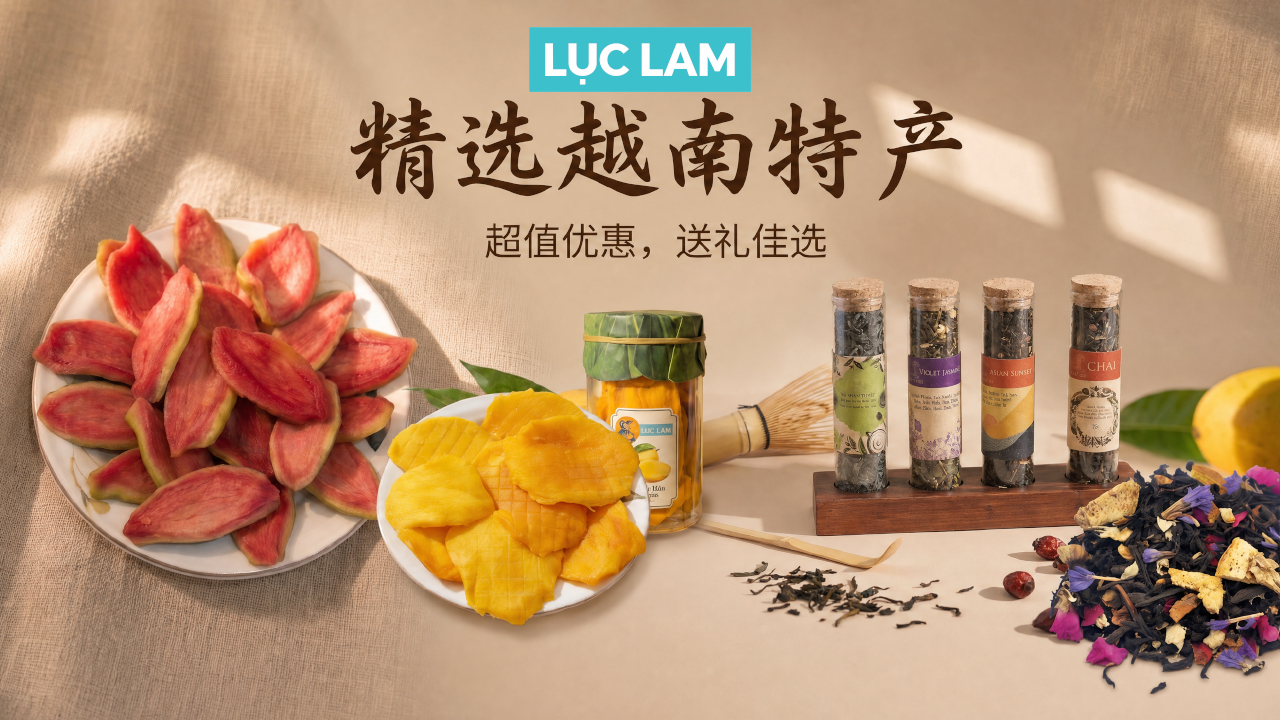
If you wish to carry that spirit home, consider bringing back a thoughtful gift. A curated selection of Vietnamese tea, coffee, or treats serves as a tangible reminder of your visit. Sharing these items with family or colleagues back home continues the cycle of respect and connection that defines this tradition. It is a simple way to keep the warmth of your journey alive long after you have returned.