On This Page· 6
Imagine a cup served to the Nguyen Dynasty emperors, where each sip was a calculated dose rather than a casual drink. The imperial court did not view tea as mere refreshment; it treated every brew as a therapeutic intervention. When the Thuong Tra Vien prepared these blends, the process mirrored medical practice, with dual-physician verification ensuring that every ingredient contributed to specific wellness outcomes. This rigorous approach defined the Vietnamese herbal tea of the royal court, a tradition that has survived over a century of change.
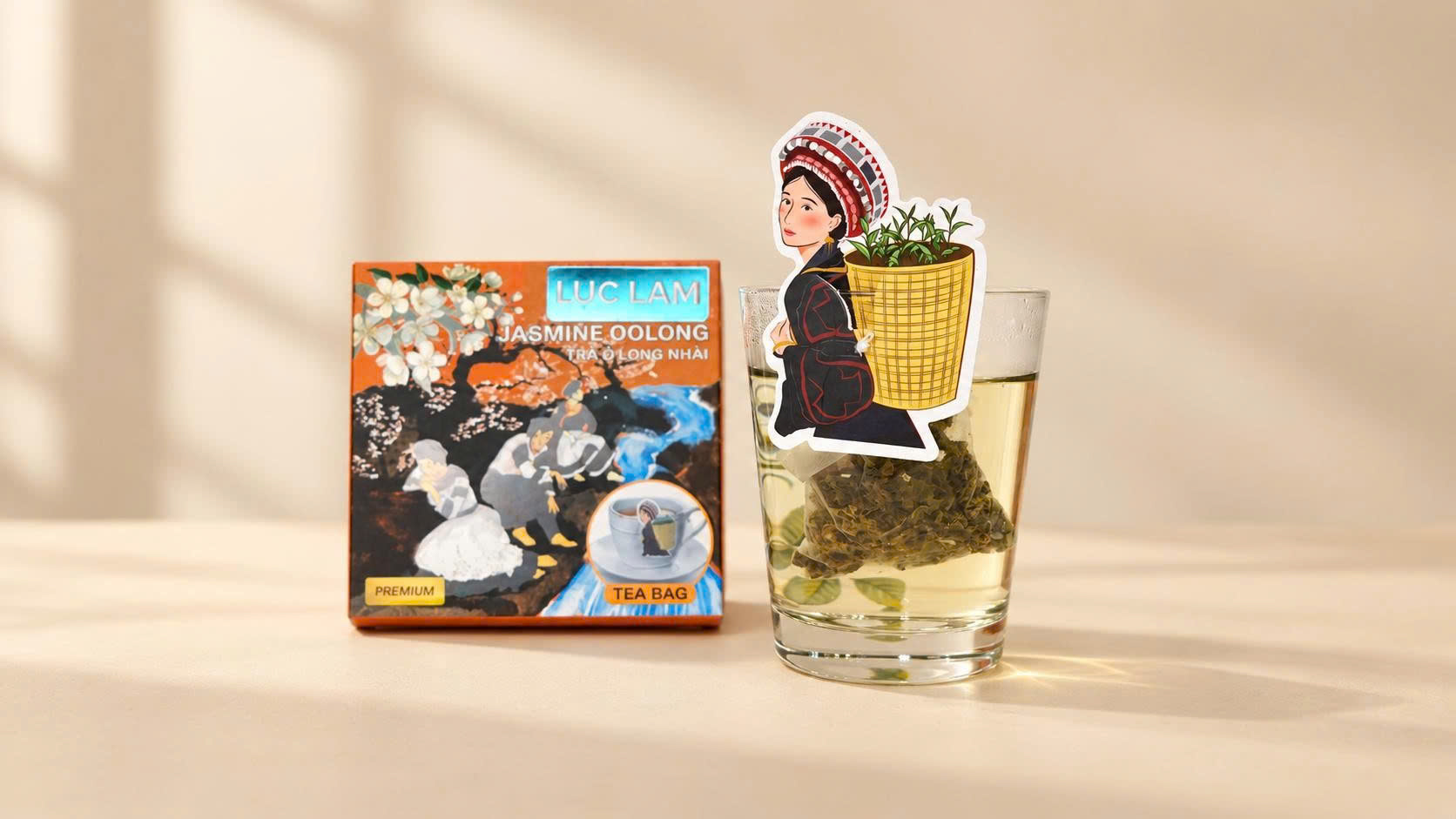
Now, picture a modern traveler in Ho Chi Minh City, sipping jasmine tea in a quiet corner shop. The steam rises, carrying the scent of flowers and dried fruit. While the setting is far from the Hue citadel, the connection to the past remains strong. What secrets does this ancient recipe hold that a standard cup might miss? The answer lies in the 11 ingredients, each selected for its role in balancing the body. From calming the mind to supporting digestion, these herbs form a harmonious whole. Understanding this blend offers more than just flavor; it reveals the deep roots of tea culture in HCMC and the enduring value of a traditional tea experience in modern life.
The royal court’s standard for Vietnamese herbal tea
Behind every cup of Vietnamese herbal tea served in the imperial kitchen lay a rigorous system of verification. From 1802 to 1945, the Nguyen Dynasty governed Vietnam with a structured approach to wellness, where beverages were treated with the same seriousness as medicine. At the heart of this system was the Thuong Tra Vien, a dedicated agency responsible for preparing and curating teas for the imperial family. This was not a casual service; it was a specialized department within the palace that ensured every ingredient met strict standards for purity and effect.
The dual-physician verification process
The safety of these recipes was protected through a collaborative effort between the tea makers and the medical experts. Before any blend was served to the emperor or his court, it had to pass through the Thai Y Vien, the royal medical team. A group of leading herbal physicians reviewed each formula to confirm its safety and efficacy. If the recipe passed this clinical check, it was formally documented, signed, and sealed by at least two royal herbal physicians. This double-signature process ensured accountability and prevented the use of untested or potentially harmful combinations.
Reviving the royal archive
For many years, these documented recipes remained in the archives of Hue. In 2013, herbal physician Phan Tan To partnered with the Hue Monuments Conservation Centre to study and revive these historical formulas. Their work was significant not just for historical preservation, but for validating the traditional herbal tea benefits that had been practiced for generations. By bringing these recipes back into the public domain, they helped bridge the gap between historical tea history in Vietnam and modern wellness practices.
The definition of harmony
What made this traditional tea experience unique was its philosophical foundation: Thuong vien ngu tra. This term refers to a royal tea where the ingredients are selected to create a harmonious blend rather than a competing one. The core principle, as articulated by Phan Tan To, is that the herbs must not counteract each other’s effects. Instead, they work in unison to balance the body—cooling the liver, reducing internal heat, and supporting overall stability. This balance is what distinguished a simple drink from a royal therapeutic standard.
11 herbs in the royal blend and their specific roles
The royal tea recipe is not a random assortment of flavors but a precise composition of eleven distinct elements. Understanding each component reveals why this blend was considered a therapeutic beverage rather than a simple drink. The list includes jasmine flower, longan, goji berry, dry tangerine peel, licorice root, jujube, pagoda tree leaves, daisy flower, lotus plumule, dry senna seed, and tea.
The role of each ingredient
Each herb serves a specific function within the mixture. Goji berry and jujube are traditionally used to alleviate stress and physical pain, making them calming agents in the blend. Longan acts as a remedy for stomach aches and insomnia, addressing common ailments of the court. For those concerned about cholesterol, tangerine peels and pagoda tree leaves are included, with the latter also helping to counter bacteria. Licorice root is credited with boosting the immune system, while jasmine and lotus plumule work to lower the body’s temperature.
The entire combination is designed to treat ulcers and provide a broad range of herbal tea benefits. The blend aims to reduce internal heat, cool the liver, lower blood pressure, and cure insomnia. This multi-faceted approach reflects the traditional tea experience of the Nguyen Dynasty, where health and refreshment were inseparable.
The principle of harmony
Herbal physician Phan Tan To explains that the power of this Vietnamese herbal tea lies in its “harmonious whole.” The ingredients do not counteract one another’s effects; instead, they work together to create a balanced system. This principle is central to the tea history of Vietnam and its medical practices. By ensuring that no single herb overpowers the others, the blend achieves a stable therapeutic effect. The result is a cup that feels gentle on the body while addressing specific health concerns. This balance is what distinguishes a true royal blend from a simple herbal infusion.
The table below provides a quick reference for each ingredient and its traditional purpose.
| Ingredient | Traditional Medicinal Purpose |
|---|---|
| Jasmine flower | Lowers body temperature |
| Longan | Treats stomach ache and insomnia |
| Goji berry | Alleviates stress and pain |
| Dry tangerine peel | Lowers cholesterol, fights cancer |
| Licorice root | Boosts immune system |
| Jujube | Alleviates stress and pain |
| Pagoda tree leaves | Counters bacteria, lowers cholesterol |
| Daisy flower | Part of the harmonious balance |
| Lotus plumule | Lowers body temperature |
| Dry senna seed | Part of the harmonious balance |
| Tea | Base for the aromatic blend |
How to experience the tradition in Ho Chi Minh City
While the royal recipes trace their roots to the Hue citadel, the ingredients for Vietnamese herbal tea are widely accessible in Ho Chi Minh City. You do not need to travel to the historic center to engage with this tradition. The city’s markets and specialty tea shops stock the same botanicals used in the Nguyen Dynasty’s blends, allowing travelers to sample the components directly. This makes the traditional tea experience highly approachable for visitors staying in the south.
Finding the ingredients in local markets
Walking through a local market offers a sensory introduction to the herbal side of tea culture in HCMC. Look for stalls dedicated to dried goods where you can see longan, jujube, and goji berry displayed in clear bins. These ingredients are not rare; they are common staples in Vietnamese households. Buying a small quantity allows you to see the texture and color of the herbs before preparation. Specialty tea shops are also a good stop, as they often curate specific blends that mimic the royal profiles, offering a curated alternative to DIY preparation.
Brewing a simple blend at home
Creating a basic herbal infusion is a practical way to understand the flavors before trying the full eleven-ingredient blend. A simple combination of longan, jujube, and goji berry captures the sweet, calming essence of the tradition. Here is a straightforward method:
- Measure one teaspoon each of dried longan, jujube, and goji berry.
- Place them in a small pot with 300ml of water.
- Bring to a boil, then reduce heat to a low simmer for 10–15 minutes.
- Strain and serve warm. The resulting brew is mild, sweet, and soothing, reflecting the wellness focus of the original recipes.
From ritual to gifting
This home-brewing experience connects directly to why these teas make suitable gifts. The wellness focus of herbal tea benefits makes them thoughtful presents for family and colleagues. Rather than just a beverage, a box of these teas signals care and respect. For travelers, selecting a pre-made blend or a set of high-quality dried ingredients offers a refined way to share this piece of tea history in Vietnam with loved ones back home.
Choosing a gift tea that respects the ritual
The aesthetics of selection
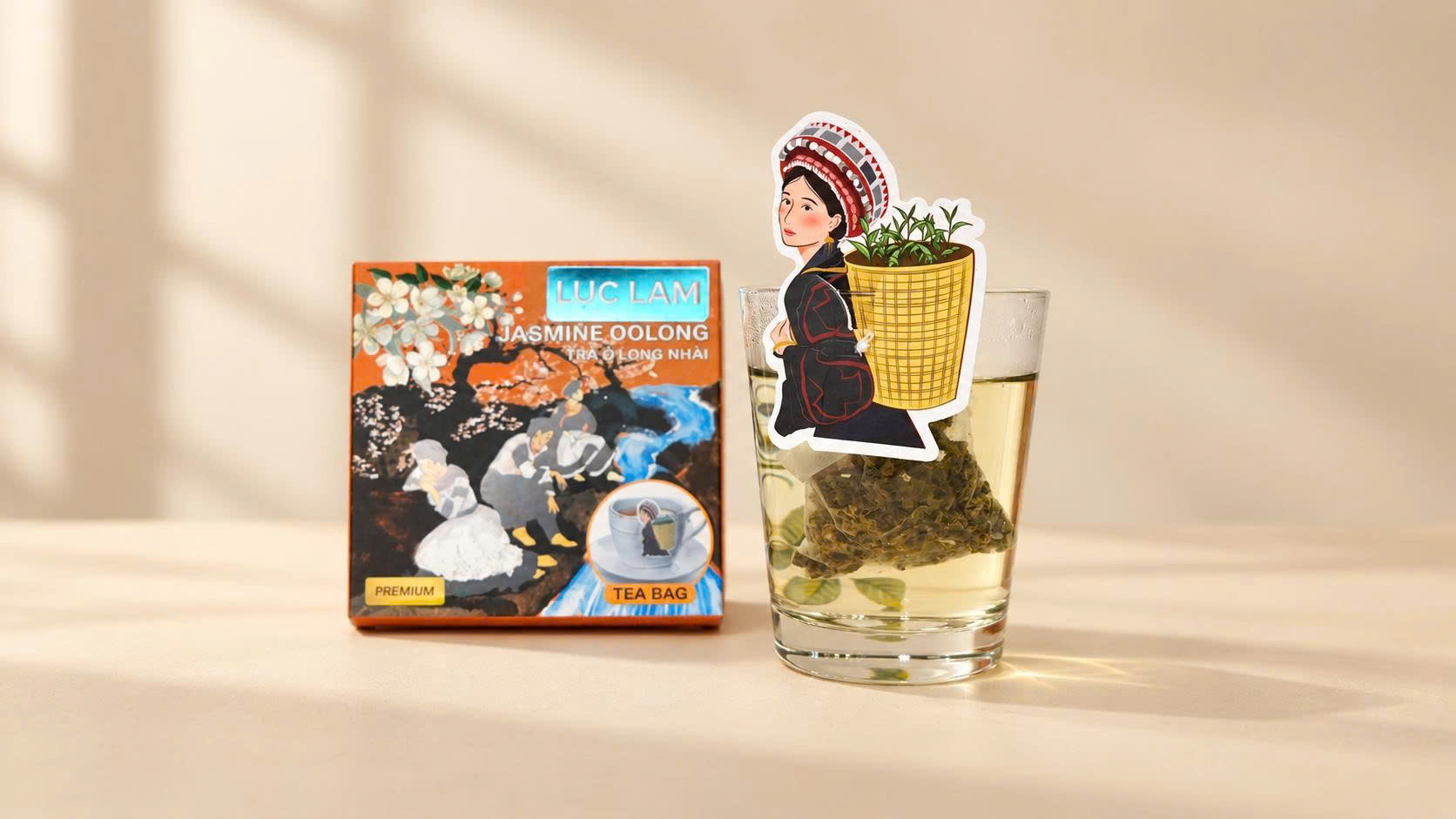
Choosing a Vietnamese herbal tea gift is less about price and more about the story the packaging tells. Refined packaging serves as the first layer of respect, signaling that the gift has been curated with intention rather than picked at random. For travelers in Ho Chi Minh City, this means looking for boxes that balance traditional motifs with clean, modern design. A well-presented box communicates that the contents inside have been handled with the same care the Nguyen Dynasty accorded their imperial beverages. It transforms a simple commodity into a token of thoughtfulness that resonates with Japanese, Taiwanese, and Chinese recipients who value presentation and detail. Practical ease of selection is also key; the ideal gift should be straightforward for the traveler to choose and easy for the recipient to use. Individual packs or clearly labeled blends remove the guesswork, allowing the recipient to enjoy the experience without needing to be a tea expert. This approach respects the ritual by making the traditional accessible to modern lifestyles.
Aligning with the royal standard
Specific blends that feature ingredients like lotus or jasmine hold a special place in the hierarchy of quality. These components are not merely flavorings; they are central to the traditional tea experience. The lotus plumule, for instance, was historically used to lower body temperature and was associated with the pristine fragrance of the Tinh Tam pond within the imperial citadel. A gift tea containing these elements signals a connection to that high standard of purity and safety. It tells the recipient that the blend follows the principle of a “harmonious whole,” where ingredients complement rather than counteract each other. By choosing a blend with these classic notes, you are not just offering a drink, but a piece of tea history in Vietnam. It bridges the gap between the ancient court and the modern table, ensuring the gift carries weight and meaning.
Matching the blend to the recipient
The true art of gifting lies in matching the specific herbal notes to the recipient’s needs. For a stressed colleague or business partner, a blend highlighting goji berry or jujube is appropriate, as these ingredients are traditionally linked to alleviating stress and promoting calm. If the recipient is a parent or elder, a blend focusing on longan or licorice root might be more suitable, given their traditional associations with comfort and immune support. This personalized approach demonstrates a deep level of care. It shows that you considered the recipient’s well-being beyond the surface. By selecting a blend that aligns with their lifestyle or health preferences, the gift becomes a genuine gesture of wellness, reflecting the ancient view of tea as a treatment for the body and mind. This thoughtful matching elevates the interaction from a transaction to a relationship, honoring the spirit of the original royal practice.
Frequently asked questions about royal herbal tea
Are modern versions identical to the original royal tea?
The 11 ingredients listed in the Nguyen Dynasty records—such as jasmine, goji berry, and lotus plumule—remain the same in modern preparations. However, environmental changes over the past century have altered the purity of certain flowers, particularly lotus, which was originally cultivated in the Tinh Tam pond inside the imperial citadel. Because that specific pond no longer exists, the fragrance profile of contemporary lotus differs from the historical standard. While the recipe is unchanged, the botanical purity of the ingredients contributes to a subtle variation in flavor and effect.
Is it safe to drink this herbal tea every day?
Daily consumption of these blends is generally considered safe, especially given the historical verification process. In the Nguyen Dynasty, recipes were not created by a single individual; they were prepared by the Thuong Tra Vien and then submitted to the Thai Y Vien for review by a team of leading herbal physicians. Each recipe required documentation, signatures, and seals from at least two royal herbal physicians before it could be served to the imperial family. This dual-verification system, rooted in tea history in Vietnam, ensured that the ingredients did not counteract each other and that the blend was suitable for regular use. Modern formulations that adhere to these traditional recipes maintain this safety standard.
How do I tell the difference between jasmine tea and a royal blend?
Standard jasmine tea is a single-ingredient beverage, consisting solely of tea leaves scented with jasmine flowers. In contrast, a royal herbal tea gift is a multi-ingredient blend containing all 11 components, including longan, tangerine peel, and pagoda tree leaves. When selecting a gift, look for packaging that lists multiple botanicals rather than just “jasmine tea.” A true traditional tea experience involves the complexity of these combined herbs, which work together to create a harmonious whole, as noted by herbal physician Phan Tan To. If the label lists only jasmine, you are buying a scented tea, not the complex royal blend.
Where can I find the specific 11-ingredient blend in Ho Chi Minh City?
While the recipes originate in Hue, the individual ingredients are widely available in Ho Chi Minh City. If a pre-mixed version of the exact 11-ingredient blend is not stocked at a specific tea culture shop in HCMC, you can purchase the components separately from local markets or specialty tea stores. Ingredients like longan, jujube, and goji berry are common, allowing you to assemble the blend yourself. This approach offers a practical way to experience the tradition without relying on pre-packaged sets, though it requires more time to prepare the traditional tea experience correctly.
Bringing the flavor of Vietnam home
The journey from the imperial gardens of Hue to the bustling streets of Ho Chi Minh City illustrates how deeply embedded tea culture is in the national identity. For travelers from Japan, Taiwan, or China, this connection transforms a simple purchase into a meaningful gesture. Knowing that a specific blend was once prepared for emperors, verified by royal physicians, and revived in 2013 adds a layer of respect to the act of giving. It signals that the gift is not merely a commodity, but a piece of living heritage.
When selecting a Vietnamese herbal tea gift, consider the story behind the ingredients. A blend containing goji berry and jujube offers more than relaxation; it carries the tradition of alleviating stress through ancient wisdom. Similarly, tangerine peel connects the modern drinker to centuries of efforts to support heart health. This understanding elevates the traditional tea experience, allowing you to share not just flavor, but history with your recipient.
As you prepare to leave Vietnam, take a moment to view the cup in your hands differently. This beverage is a bridge between the past and present, a tangible link to an era of refinement and care. By choosing a tea that reflects this depth, you offer a gift that lingers long after the last drop is gone, carrying the spirit of the Nguyen Dynasty into the daily lives of those you care about.
The next time you offer a cup of Vietnamese herbal tea to a colleague or family member, remember the centuries of care behind its preparation. Knowing that these leaves were once tested by royal physicians in Hue transforms a simple gesture into a meaningful act of respect. You are no longer just giving a drink; you are sharing a fragment of Vietnamese heritage. Keep the story of the Nguyen Dynasty close, and let it guide your future choices. The depth of this tradition is what makes each gift truly special.