On This Page· 6
You arrive in Saigon expecting a choreographed performance: incense, silk robes, and a host bowing before a steaming pot. Instead, you sit on a plastic stool in a bustling alley, handed a small, scalding cup of green tea by a shopkeeper who is too busy counting change to look up. That disconnect is exactly where your search for an authentic tea experience should begin.
Many travelers look for a specific Saigon tea house or a formal HCMC tea ritual to validate their trip. But the reality is that Vietnamese tea culture is woven into the texture of daily life, not staged for an audience. It is a quiet, informal practice found in business meetings, family gatherings, and casual chats with friends.
Recognizing authenticity isn’t about finding a location where a ceremony is performed. It is about understanding what is in the cup and how it is brewed. True Vietnamese tea culture favors the pure, unflavored green leaf, or specific floral varieties like lotus tea, where leaves are traditionally sealed inside the blossom overnight to absorb its fragrance. Locals brew this tea strong and hot, serving it in small cups that are topped up frequently. A subtle but telling marker is the “first pour”—the initial steep is often discarded to “wake” the leaves before any guest is served.
Shifting your focus from “where to go” to “what to look for” transforms your journey. You stop searching for a performance and start noticing the real markers of tradition: the purity of the leaf, the specific floral notes, and the shared, unhurried nature of the cup. This guide explains how to spot these quiet signs, helping you distinguish a genuine local moment from a staged show.
Why Vietnamese tea is quiet, not ceremonial
If you have visited a formal Japanese or Chinese tea ceremony, you may expect a similar level of choreography when you sit down for a cup in Vietnam. The reality is the opposite. Vietnamese tea culture is defined by its lack of highly structured rituals. When you find yourself in Saigon, you will rarely encounter a fixed sequence of gestures or a performance designed for an audience. This informality is the first marker of a genuine experience; a staged display often signals a show for tourists rather than a reflection of local life.
Tea as a daily companion
In most households and businesses, tea is simply a drink for contemplation and connection. It is the background to a business meeting, the center of a family gathering, or the silent support for a long conversation with friends. You will not find a specific time designated for a “tea ceremony” in an office. Instead, a pot is steeped, and cups are passed around as people talk, work, or relax. This integration into the daily routine means that the act of sharing tea is continuous and unobtrusive, rather than a singular, high-profile event.
The quiet act of hospitality
Hospitality in this context is often unprompted. A shopkeeper might place a small cup in front of you, or a host might refill yours before it is empty. There is no complex etiquette to navigate. Accepting the cup is a simple sign of courtesy and a way to build rapport. Refusing is generally understood, but accepting it signals a willingness to engage in the local rhythm. This casual offering is the true essence of how people connect over tea in Ho Chi Minh City.
Redefining authenticity
Many travelers look for a specific “performance” to validate their trip, but that search is often a trap. The authentic tea experience is found in the unscripted sharing of a hot cup between people. It is in the way a host ensures their guest’s cup is full, not in a rigid set of rules. When you learn to recognize this quiet, everyday generosity, you stop looking for a stage and start seeing the real culture at work.
| Feature | Staged “Rituals” | Everyday Practice |
|---|---|---|
| Structure | Choreographed and fixed | Flexible and spontaneous |
| Purpose | Performance for an audience | Connection and hospitality |
| Setting | Formal or tourist-oriented | Homes, offices, and street stalls |
The pure leaf: Identifying the base of authentic tea
The everyday standard: Pure green
Vietnamese green tea is the undisputed baseline of local tea culture. For the majority of drinkers across the country, the ideal cup is simple: pure, unflavored, and light. This preference for purity is not a modern trend but a deep-seated habit. Locals value the subtle, vegetal notes of the leaf itself rather than the bold, complex profiles often found in other regional teas.
When you sit in a local café or a family home, the tea served is almost always this plain green variety. It is the backdrop of daily life, sipped during work, family dinners, and casual conversations. The goal is clarity. If the cup tastes like a single, clean ingredient, you are likely drinking a true local standard.
The role of other varieties
You will see black, white, and oolong teas in shops and high-end Saigon tea houses, but they are exceptions rather than the rule. These categories exist in the market, often catering to tourists or specific niche preferences, yet they do not define the everyday Vietnamese tea culture. The primary expression of local identity remains the simple green leaf.
While some areas produce oolong or black teas, they are not the primary vessel for social hospitality in the same way green tea is. A host offering these varieties is making a choice, but the default, the unspoken expectation, is still the pure green brew. Understanding this distinction helps you identify what is being served as a local custom versus what is being sold as a specialized product.
Why purity wins
The preference for subtlety stems from a cultural respect for the natural state of the ingredient. Vietnamese drinkers generally favor light, delicate flavors that do not overpower the palate. This allows the tea to serve its role as a quiet companion to food and conversation, rather than the star of the show.
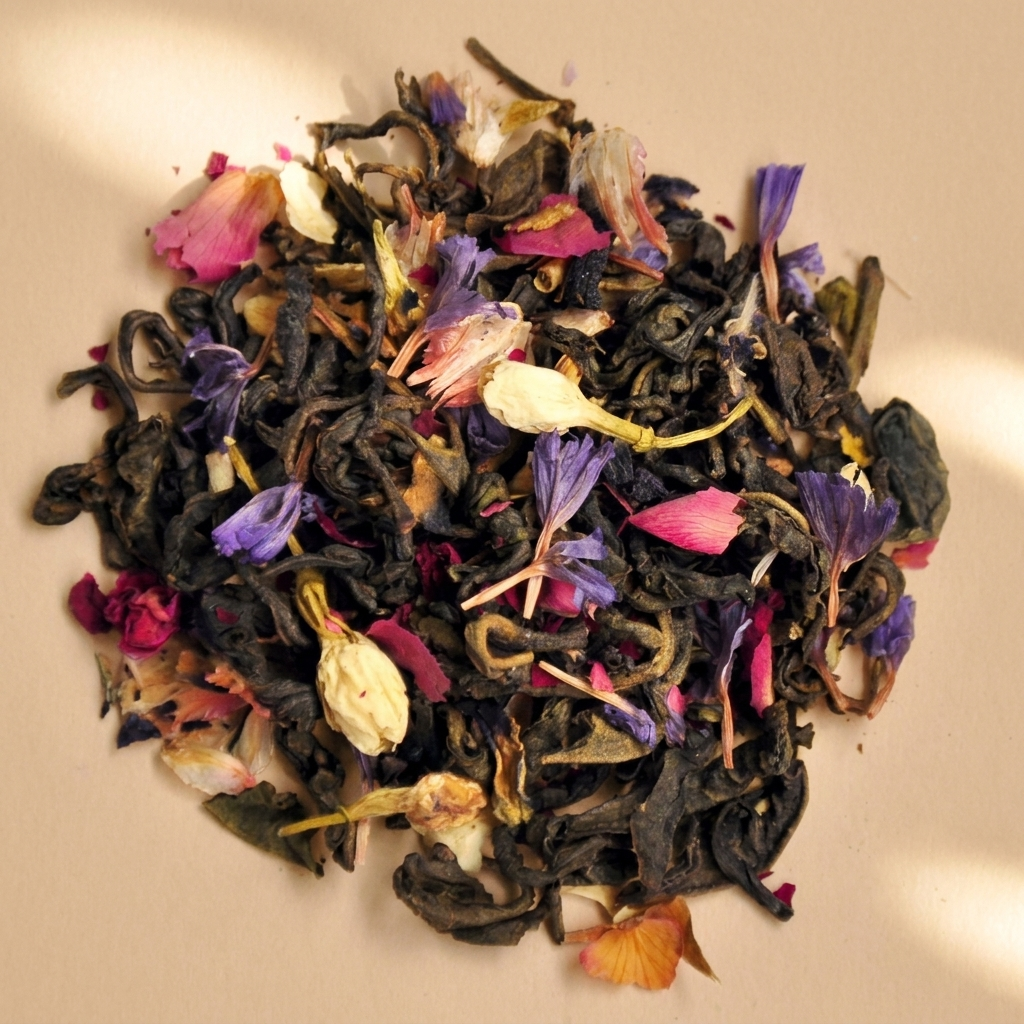
Heavy blends, strong artificial scents, or thick, syrupy profiles are often indicators that the product is not local. If a tea tastes heavily flavored with vanilla, caramel, or intense floral scents that feel added rather than infused, it is likely a generic imported blend. The authentic tea experience in Vietnam is characterized by restraint. The flavor should be present but gentle, allowing the drinker to appreciate the specific origin and quality of the leaf without distraction. This restraint is a key marker when you try to learn Vietnamese tea habits.
The simple authenticity test
To verify if you are holding a true local green tea, use a simple sensory check. Examine the dry leaves: they should be uniform, dark, and curled, with no visible added petals, herbs, or colorants. Smell the dry leaf: it should have a subtle, grassy, or slightly woody aroma, not a cloying fragrance. Finally, taste the brew: it should be smooth, slightly astringent, and fade into a clean finish.
If the tea is heavily flavored, mixed with non-traditional additives, or smells like a candy shop, set it aside. It is likely a commercial product designed for a broader international palate rather than a local green tea. True HCMC tea rituals and local customs revolve around the purity of the leaf. When in doubt, choose the simplest cup. The most authentic drink is often the one that looks and tastes the least processed.
Floral signatures: Lotus, jasmine, and aglaia
While pure green tea is the daily staple, the most distinctive layer of Vietnamese tea culture lies in its regional floral varieties. These are not merely flavored additions; they represent a specific, traditional method of processing that gives certain regions their identity. When you sip a cup in Saigon, you are not just drinking tea; you are tasting a specific terroir expressed through the interaction of leaf and blossom.
The lotus method: A genuine marker
The strongest indicator of a local, authentic brew is lotus tea. This is a genuine regional speciality, particularly associated with the northern highlands, but available in curated collections in the south. The tradition is straightforward yet precise: high-quality green tea leaves are sealed inside a fresh lotus flower. The blossoms are left to close for a full night, allowing the delicate fragrance of the petal to infuse the leaf. In the morning, the leaves are removed and dried. The result is a subtle, sweet aroma that is difficult to replicate artificially. This slow, seasonal process means that a cup of authentic lotus tea is a product of specific geography and time, not just a factory blend.
Beyond the lotus
Travelers exploring local spots will often encounter other genuine floral options, such as jasmine and aglaia (mù tạt). Jasmine tea is widely appreciated across the country, offering a bright, clean aroma that pairs well with the strong, hot brewing style common in the region. Aglaia, a smaller, less common flower, offers a different, softer profile that is increasingly valued by those who have learned to distinguish between varieties. Chrysanthemum is also common, often enjoyed for its cooling properties. These are not exotic novelties; they are everyday choices for those who prefer a more aromatic cup than plain green tea.
Why the method matters
Understanding the lotus method explains why these teas are difficult to fake. Imported blends often use synthetic fragrances or heavy drying processes that strip the leaf of its natural character. A genuine floral tea retains a light, layered scent that fades gently in the finish. For a traveler, recognizing this difference is a key part of the authentic tea experience. It shifts the focus from looking for a dramatic ceremony to appreciating the quiet craftsmanship in a single cup.
Brewing markers: How locals actually drink their tea
The most immediate sign of an authentic tea setting is the cup itself. In Vietnamese tea culture, the standard serving is strong, hot, and small. Even on a warm afternoon in Ho Chi Minh City, you will rarely see locals reaching for an iced or diluted version when seated for conversation. Instead, the tea is concentrated to stand up to the heat, sipped from tiny ceramic or glass cups that fit in one hand. This contrasts sharply with the diluted, sweetened iced teas often found in tourist-oriented spots, signaling that the focus here is on the leaf’s true character rather than refreshment.
The “wake the leaves” gesture
A subtle but telling habit among knowledgeable hosts is the first pour. When the kettle water hits the dry leaves for the first time, the resulting brew is often discarded rather than served. This quiet step, known as “waking the leaves,” allows the dried leaves to rehydrate and release their initial dust and impurities before the real infusion begins. It is not a rigid rule enforced in every home, but its presence signals a host who understands the craft. If you observe this gesture in a local café or a family setting, you are witnessing a tradition that prioritizes purity over speed.
Communal rhythm and respect
Tea in this context is rarely a solitary experience. It acts as a social lubricant, with the pot being topped up frequently as conversation flows. The rhythm of serving often follows a clear social protocol: elders and guests are poured for before anyone else, including the host. This simple act of pouring for an elder first is a mark of respect that adds a layer of cultural context to the drink. For a traveler looking for an authentic tea experience, these unspoken rules of etiquette and the steady flow of warm water between hands are far more meaningful than any staged performance. The tea is not just a beverage; it is the medium through which connection and respect are exchanged.
FAQ: Authentic tea experiences in Ho Chi Minh City
Many travelers assume they need a reservation at a famous Saigon tea house to find a real connection with local customs. In practice, the most genuine moments happen in the unscripted spaces between daily errands and conversations.
Where to find genuine tea moments
Do I need to book a specific venue to experience Vietnamese tea culture? No, authenticity is found in casual settings like local cafés, family homes, or market stalls where tea is served as part of daily life, not as a staged performance. You do not need to seek out a formal ritual to find the heart of the tradition; simply sitting with a local vendor over a small cup of green tea often provides a deeper understanding than any choreographed show. The quiet act of sharing a drink is the true marker of hospitality.
Distinguishing everyday tea from specialities
What is the difference between Vietnamese green tea and other types? Vietnamese tea culture prioritizes pure, unflavored green tea as the everyday standard, whereas floral varieties like lotus and jasmine are regional specialities. While you may encounter oolong or black teas, the baseline for daily drinking is the simple, grassy profile of the green leaf. If you are trying to learn Vietnamese tea habits, start with this unadorned variety to understand the foundational taste that locals prefer over heavy blends or complex flavorings.
Etiquette and social connection
Is it rude to refuse tea when offered? Accepting a cup is seen as a simple sign of courtesy and connection, so politely declining is generally understood, but accepting is the more traditional gesture of rapport. In HCMC tea rituals, the offer of a beverage is rarely about the liquid itself; it is an invitation to pause and engage. A soft refusal is rarely offensive, but taking the small cup signals that you are comfortable enough to share a moment of quiet with your host. This small exchange builds trust faster than any formal greeting.
Sourcing souvenirs for travelers
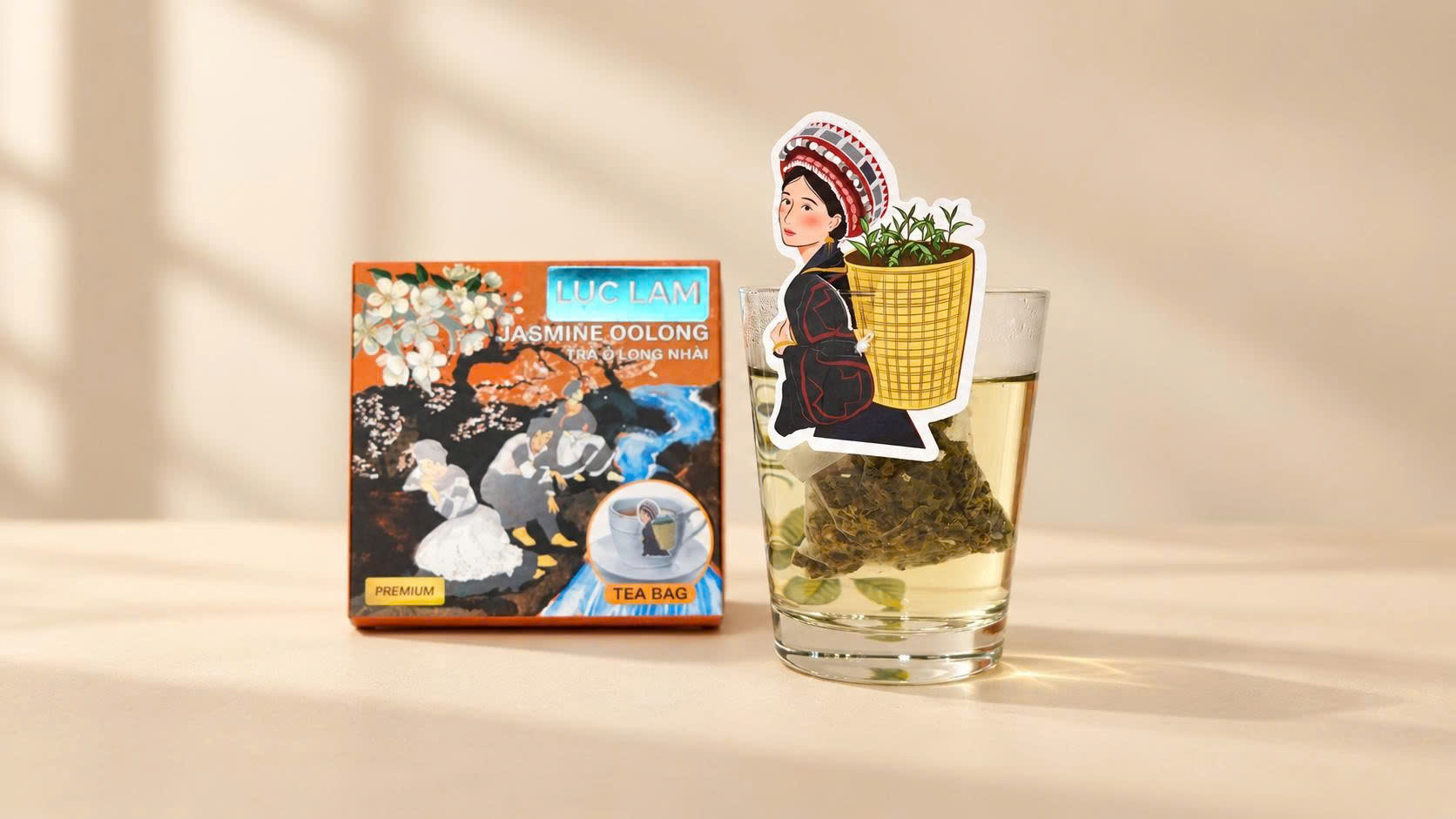
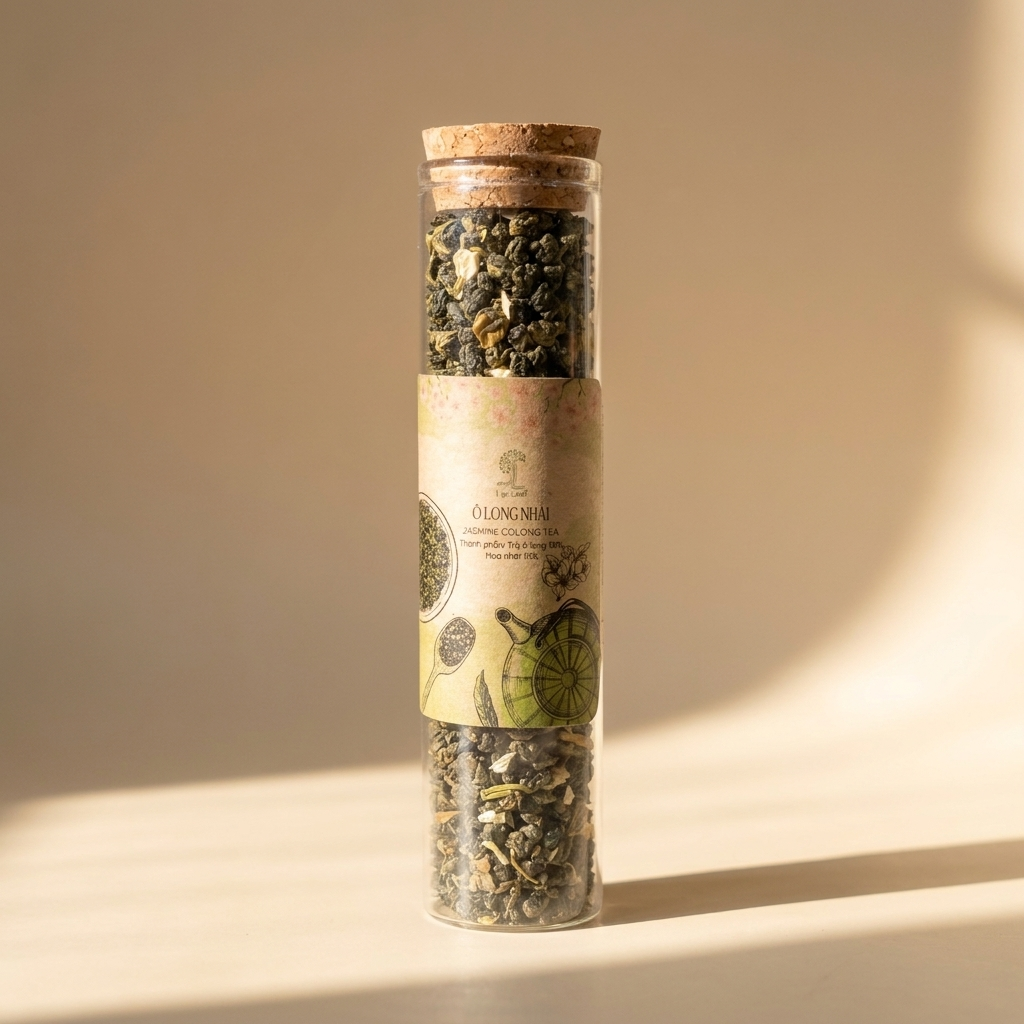
Can I find these traditional teas in gift shops? Yes, many local shops offer these varieties, but look for refined packaging that indicates quality. If you want to bring an authentic tea experience home, avoid bulk bags with vague labels. Instead, seek out individually packed options that clearly identify the origin and variety, such as lotus or jasmine. Refined packaging ensures the leaves stay fresh during travel and makes the gift suitable for colleagues or family who have never tasted these specific Vietnamese profiles.
Bringing the taste home: Choosing your souvenir
You have just finished a quiet, authentic tea experience in Saigon, sharing hot cups with a local host or colleague. Now comes the practical question: how do you bring that specific feeling back to your family or business partners in Japan, Taiwan, or China? The goal is to choose a gift that mirrors the culture of hospitality you just witnessed, rather than simply buying a random souvenir.
A gift rooted in sharing
Vietnamese tea is not just a beverage; it is a primary tool for connection. In this culture, offering a cup is a standard way to show respect and build rapport, making it a highly appropriate gift for colleagues or business partners. When you give tea, you are sharing a piece of that social ritual, inviting the recipient to recreate the same moment of calm and conversation at home. This aligns perfectly with the Vietnamese value of hospitality, where the act of sharing is more important than the object itself.
Matching the tea to the person
The right choice depends on the recipient’s taste. If you are giving a gift to a daily drinker or someone who prefers subtlety, stick to the baseline: a pure, unflavored green tea. It reflects the everyday mainstay of local culture and is easy to brew. On the other hand, if the recipient enjoys unique, aromatic experiences, look for a floral variety. Lotus tea, for instance, offers a distinct, gentle fragrance that tells a story of traditional processing, while jasmine tea provides a familiar, sweet note. Choosing specifically for the person shows attention to detail and makes the gift feel personal rather than generic.
Refined presentation matters
Finally, presentation plays a key role in making the gift easy to choose and present. Look for refined packaging that looks professional and durable enough for travel. A clean, well-designed box or bag signals that the tea inside is curated with care. This ensures that when you hand the gift to a boss or a friend, it looks as considered as the experience you had in the tea house. The packaging should preserve the quality of the leaves while making the gift feel like a thoughtful, finished item rather than a loose bundle.
Authenticity in Vietnamese tea culture is not defined by a specific venue or a scripted performance. Instead, it reveals itself through quiet, consistent markers: the purity of the green leaf, the traditional floral processing of varieties like lotus, and the strong, hot brewing style favored by locals. When you recognize these elements—whether in a bustling market stall or a quiet family home—you are connecting with the true rhythm of daily life in Saigon, rather than observing a staged display. If you wish to extend this experience beyond your trip, consider bringing the flavors you discovered back with you; a curated selection of these distinctive varieties in refined packaging makes it easy to share the same quiet moment with the people you care about.
