On This Page· 5
Steam rises in a pale curl, carrying a scent that is half floral, half vegetal. Inside the glass, a fresh lotus bud slowly opens, its petals parting to release a subtle sweetness into the green tea leaves. Most visitors in Ho Chi Minh City know the city’s coffee scene, yet few have seen tea being brewed inside a flower. This specific act of infusion transforms a standard sip into a cultural ritual.
What separates a quick Saigon tea stop from a guided session? The answer lies in the craft and the heritage behind the cup. A standard stop offers a beverage; this experience offers a lesson in a multi-generational technique where the lotus acts as a natural filter and flavoring agent. Understanding this distinction changes how you perceive the drink itself, turning a taste into a story.
This article breaks down the specific elements of that story. It covers the royal history of West Lake Lotus Tea, explains how the lotus-bud infusion works, and details the hands-on components of the session. By the end, you will see exactly what is included in the booking and why the personalized keepsake makes for a suitable, refined gift.
The royal story behind West Lake Lotus Tea
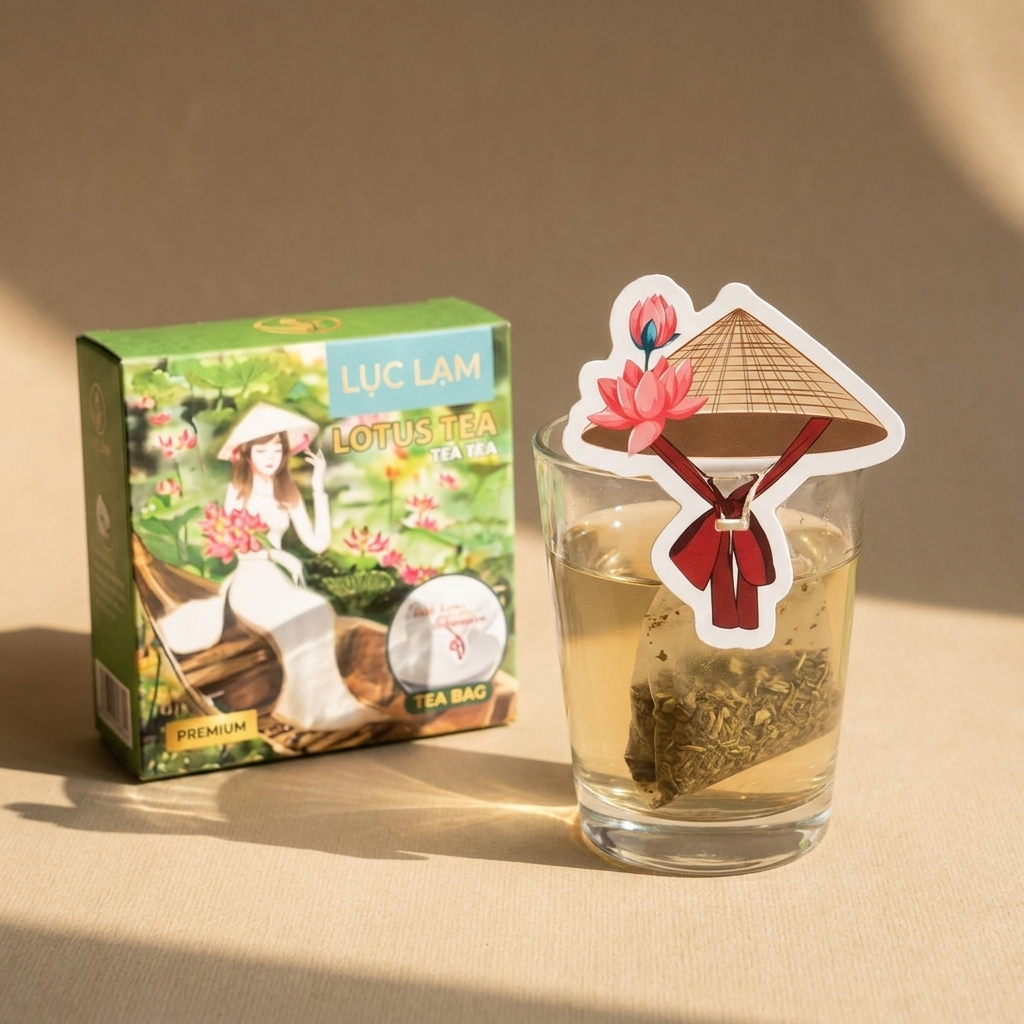
West Lake Lotus Tea originated in the imperial gardens surrounding the former capital of Hue, where lotus flowers were grown for both ceremonial and medicinal purposes. For centuries, this variety earned its reputation for elegance because it combined the crispness of high-mountain green tea with the delicate, sweet aroma of fresh lotus petals. The name refers to the specific growing conditions in the West Lake region, known for producing leaves with a naturally clean profile that absorbs floral scents without becoming bitter.
The art of lotus-bud infusion
The defining characteristic of this craft is the infusion process. Unlike standard brewing, artisans place loose-leaf tea inside a fresh, unopened lotus bud. As the bud absorbs heat, it slowly releases its essential oils, acting as a natural filter and flavoring agent. This technique transforms the tea’s profile, softening the astringency of the green tea base while introducing a subtle, fresh floral note. It is a labor-intensive method rarely seen outside of traditional tea houses, as it requires precise timing and high-quality raw materials to achieve a balanced result.
From heritage to your cup
Understanding this history adds depth to a Vietnamese tea tasting session. When you participate in a guided Saigon tea experience, you are not just drinking a beverage; you are engaging with a centuries-old ritual. The live performance shown in these tours demonstrates how the flower opens to release its essence, turning a simple cup of tea into a cultural lesson. This connection helps travelers appreciate why booking a specialized session offers a more refined perspective than a standard coffee stop, highlighting the craftsmanship passed down through generations of tea artisans.
From lotus scenting to your own brew
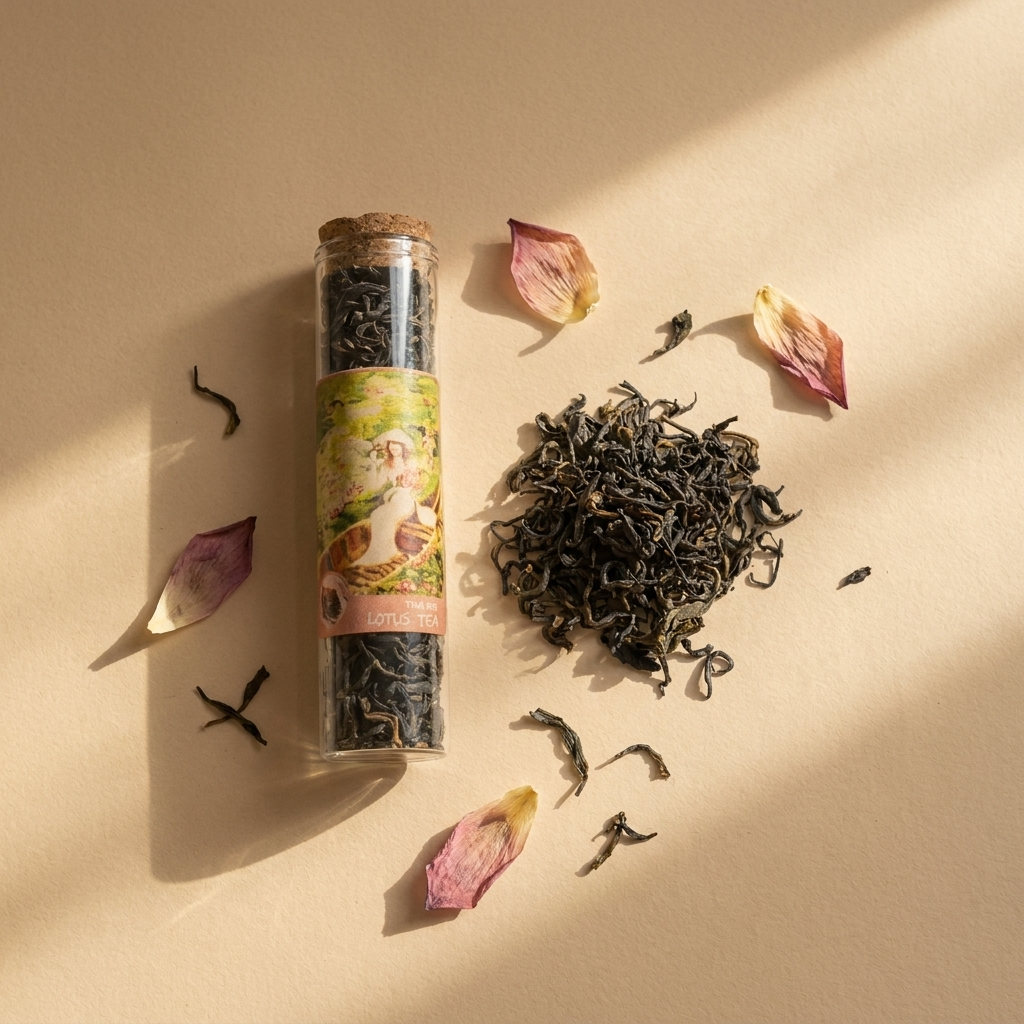
The transition from passive observation to active participation marks the core of the experience. Before any water is poured, the artisan invites you to engage your senses in a hands-on scenting activity. You are guided to hold the loose leaves close, identifying the subtle, green-herbal notes that distinguish the base from the floral overlay. This step is crucial; it trains your nose to recognize the specific aromatic compounds released by the fresh lotus petal, ensuring you understand exactly what you are drinking.
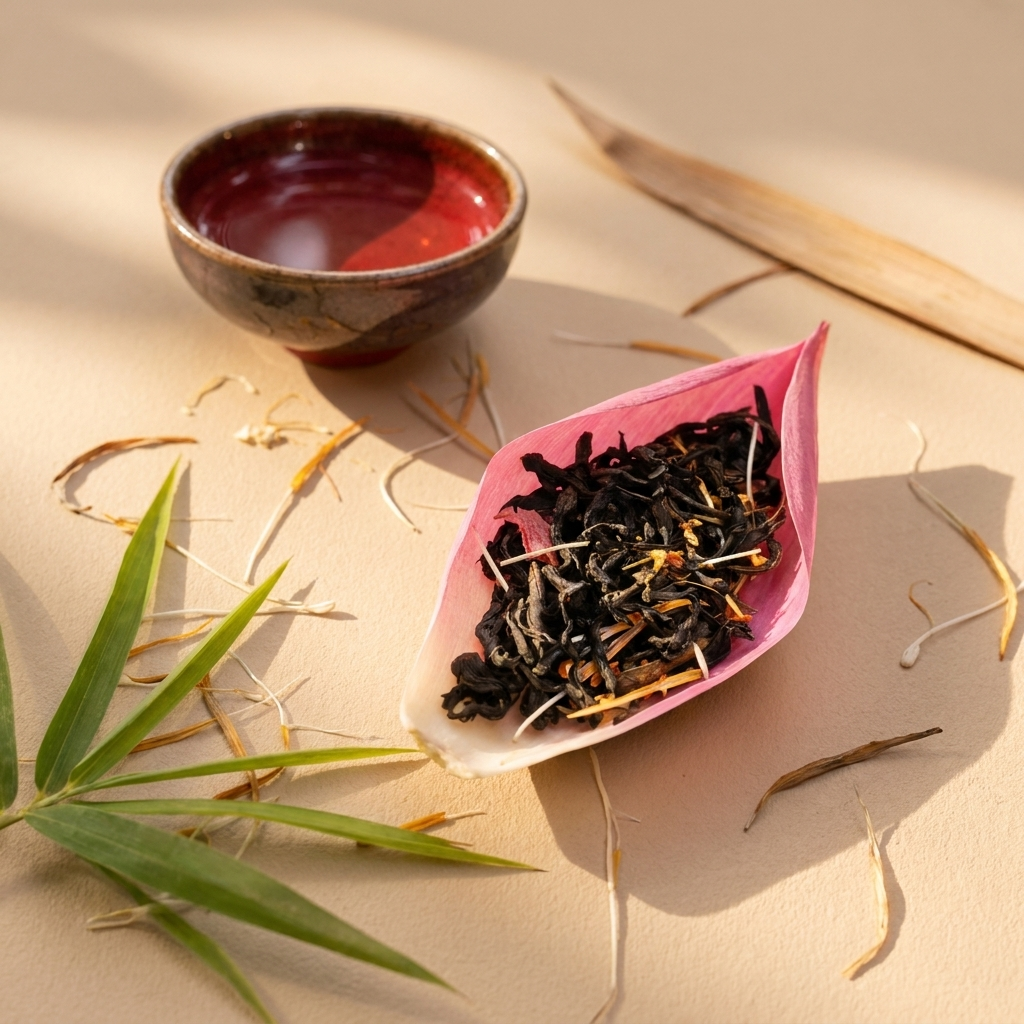
Once the leaves are identified, the self-brewing process begins under the artisan’s direct supervision. You watch as the fresh lotus bud is carefully opened, revealing the delicate interior where the green tea blend is nestled. As hot water is added, you observe the bud slowly unfurling, a visual performance that releases its flavor into the clear water. The sensory experience here is tactile and visual: the vibrant pink of the petals against the dark, oxidized leaves, and the gradual shift in the water’s clarity as the infusion develops. The artisan explains how the flower acts as a natural filter and flavoring agent, a technique refined over generations.
The final stage of this segment is deeply personal. Rather than leaving with a generic bag of tea, you take home a lotus flower filled with your own specific tea blend. This is not a mass-produced item; it is a unique souvenir created during your session. The blend is chosen to suit your preferences, making it a distinct memento of your time in Ho Chi Minh City.
This keepsake aligns with a focus on refined packaging and thoughtful gifting. For travelers seeking a suitable gift for family, friends, or colleagues, the lotus tea serves as a bridge between a memorable Saigon tea experience and a lasting token. It is easy to choose, individually packed, and carries the story of the craft directly from the artisan to the recipient.
Practical details for booking your HCMC tea tour
Planning around logistics is the first step to enjoying a Vietnamese tea tasting without stress. The experience takes place in the heart of District 1, specifically at 19 Đ. Hải Triều in Ben Nghe Ward. The venue sits on the second floor of a local apartment building directly opposite the Bitexco Tower, making it an easy landmark to find. For those staying near the city center, it is just a one-minute walk from Nguyen Hue Walking Street, placing it within reach of major accommodation options.
The session lasts approximately one hour, a duration that fits neatly into a morning or afternoon itinerary without demanding too much time from your vacation schedule.
What is included in your price
When you book this session, the price covers the full cultural immersion, not just a cup of tea. Your ticket includes:
- A guided tasting of various green teas.
- The hands-on lotus scenting activity where you prepare your own blend.
- A personalized lotus flower filled with your specific tea blend as a keepsake.
- A Tea Show Guidebook in English to reference at home.
- Photo opportunities in a traditional tea setting.
This ensures you leave with both knowledge and a tangible reminder of the visit. The host provides a professional introduction to the history of the tea, ensuring the experience is educational rather than passive.
Booking and accessibility for international guests
For travelers from Japan, China, or Taiwan, the booking process is designed to be straightforward. You receive a mobile ticket, so no physical printing is required. If your plans change, the cancellation policy allows for a full refund up to 24 hours before your scheduled time, offering a flexible safety net for busy travel days.
The session is conducted in English, with a host and artisan who are accustomed to serving international visitors. This private format means only your group participates, creating a focused environment for questions and interaction. While the venue is near public transport, note that the building is not wheelchair accessible, so guests with mobility constraints should plan accordingly. Infants are welcome but must sit on laps during the activity.
Taking home more than memories
While the primary focus is the experience, you can also purchase additional tea products to bring home. If you enjoyed a specific blend during the tasting, you can take more back for family or colleagues. This makes it easy to share the flavor of Vietnam beyond your personal keepsake.
Why this lotus tea experience stands out
Many HCMC tea tours offer a quick stop for a local coffee or a generic sampler of regional flavors. This session differs by focusing on a specific, centuries-old craft: the infusion of green tea inside fresh lotus buds. Rather than just tasting a product, you observe and participate in the cultural technique that defines West Lake Lotus Tea.
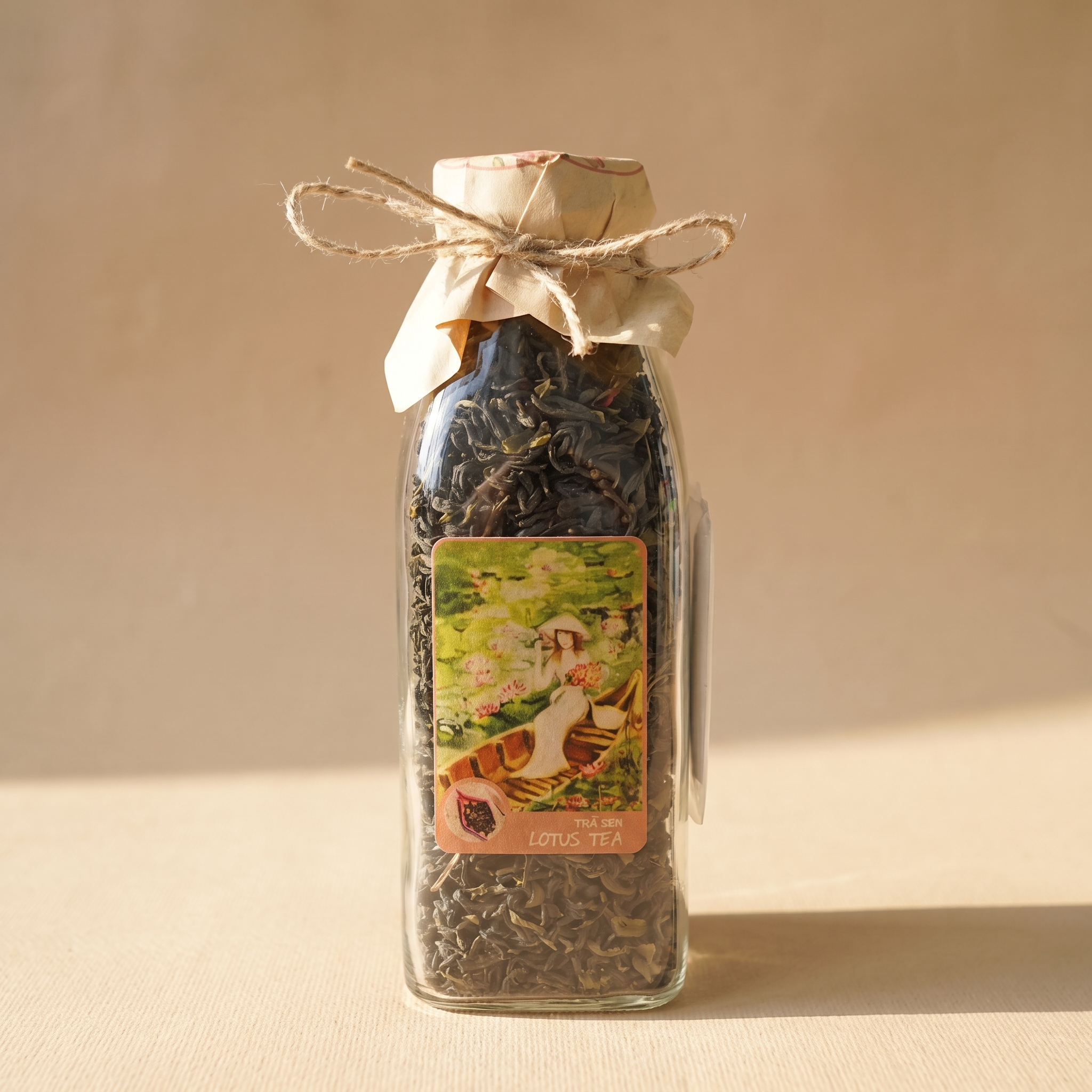
The private nature of the tour is what allows this depth to happen. Unlike a large group food tour, you work in a focused environment where the artisan can give individual attention to your brewing technique. This setup turns a simple drink into a hands-on lesson, ensuring you understand the ‘why’ behind every step of the process.
Personalized attention in a private setting
Because the activity is a private tour, only your booking group participates. The artisan guides you through the sensory details of the lotus bud opening and the subtle release of its floral notes. You are not just a spectator; you are part of the process, receiving specific feedback on your own brew.
Depth that goes beyond the surface
Traveler reviews consistently highlight the educational quality of the session. Participants note the professional introduction to Vietnamese tea culture and the opportunity to try a variety of teas before finding their own blend. This structure ensures you leave with a genuine understanding of the calm rituals that characterize this heritage, rather than just a souvenir you do not understand.
Frequently asked questions about Vietnamese tea tasting
Do I need prior knowledge to join?
Many travelers worry that joining a specialized tea session requires years of study. You do not need any prior knowledge of Vietnamese tea culture to participate. The session begins with a clear introduction to the history and significance of the drink, making the experience accessible for first-time visitors. Whether you are a complete novice or a seasoned connoisseur, the guide walks you through the context of West Lake Lotus Tea, ensuring you understand what you are tasting.
Is the tea suitable for all dietary preferences?
Concerns about ingredients are common for international guests. The tea served is a green tea blend infused with natural lotus flowers. This combination is naturally vegan and suitable for most dietary preferences. There are no animal-derived products in the base tea or the infusion process. While the experience focuses on the ritual, the drink itself is a pure, plant-based beverage that aligns with a wide range of lifestyle choices.
Can I take the lotus flower home?
One of the most memorable aspects of this HCMC tea tour is the takeaway. Yes, you can take the lotus flower and tea home with you. The personalized lotus flower is filled with your specific blend and is designed as a keepsake. It serves as a unique, non-mass-produced souvenir that captures the essence of the session. The fresh flower itself represents the symbolic part of the experience, while the dried blend inside allows you to recreate the ritual later in your own home. This makes it a thoughtful gift for family or colleagues who appreciate Vietnamese gifts with a story behind them.
How far in advance should I book?
When planning your itinerary, timing matters. It is recommended to book ahead, as this specific experience often fills up quickly, especially during peak travel seasons. However, the booking process offers flexibility. You receive a mobile ticket for easy access, and free cancellation is available up to 24 hours prior to your scheduled time. This policy ensures that if your travel plans change, you can adjust your reservation without financial penalty. Securing your spot early guarantees that you have the artisan’s full attention for the one-hour duration.
The next sip of green tea at home will carry a different weight. You will remember the scent of the fresh lotus bud, the quiet focus of the artisan, and the specific blend you crafted during your Saigon tea session. If you found the story of the lotus tea compelling, consider pairing your visit with a refined selection from our gift collection to bring the flavor of Vietnam home.